Artwork
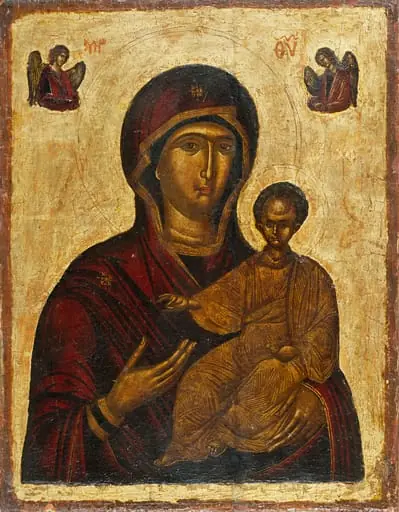
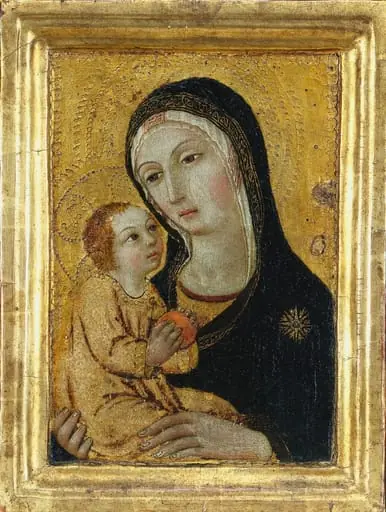
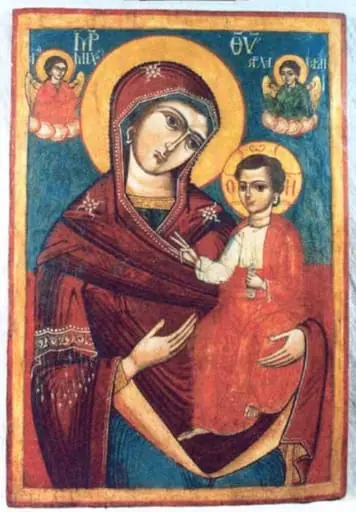
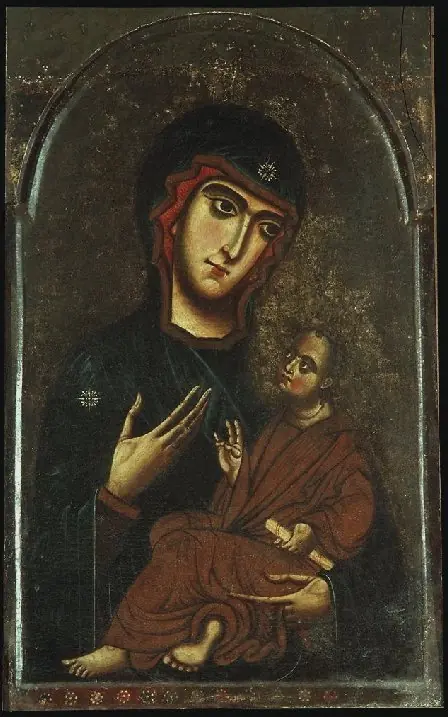
Madonna in trono col Bambino
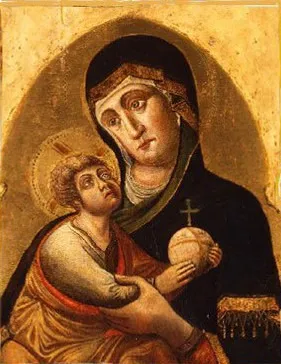
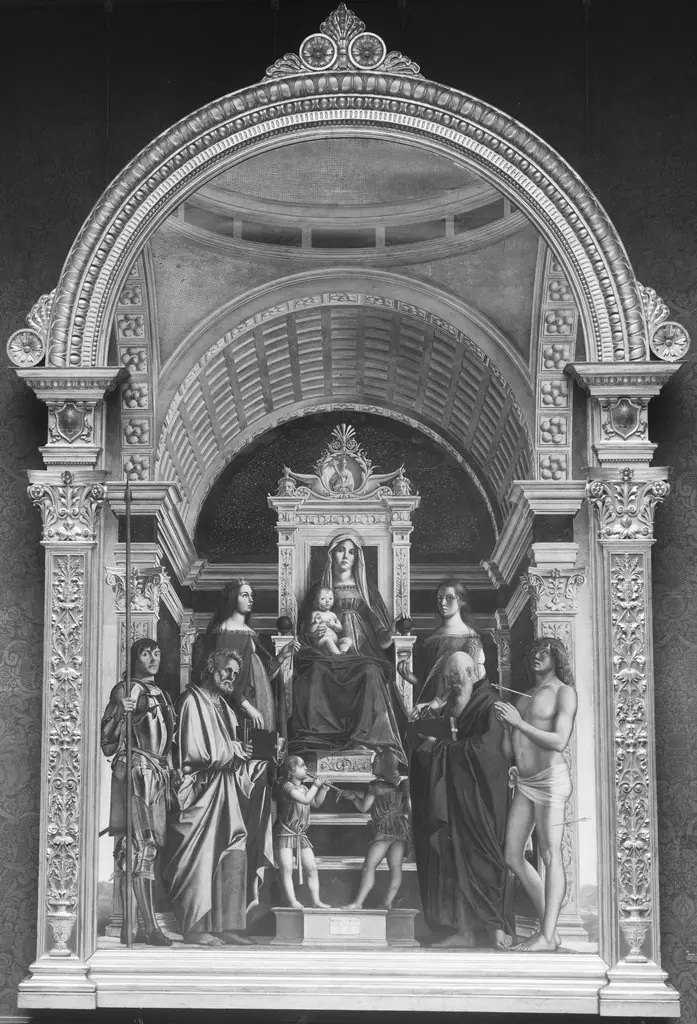
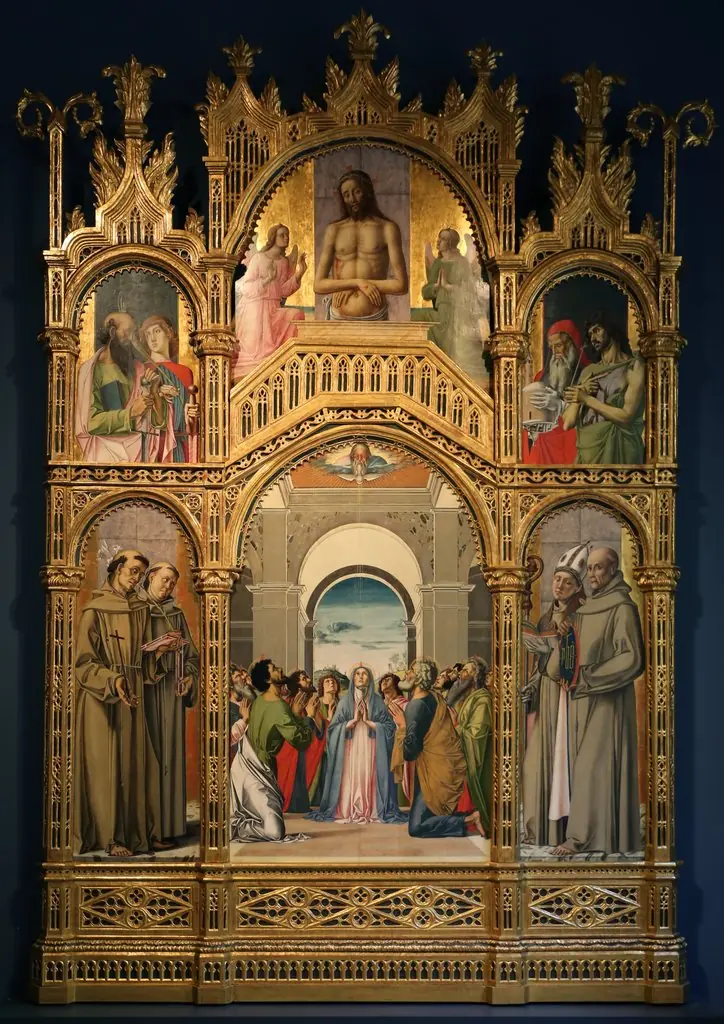
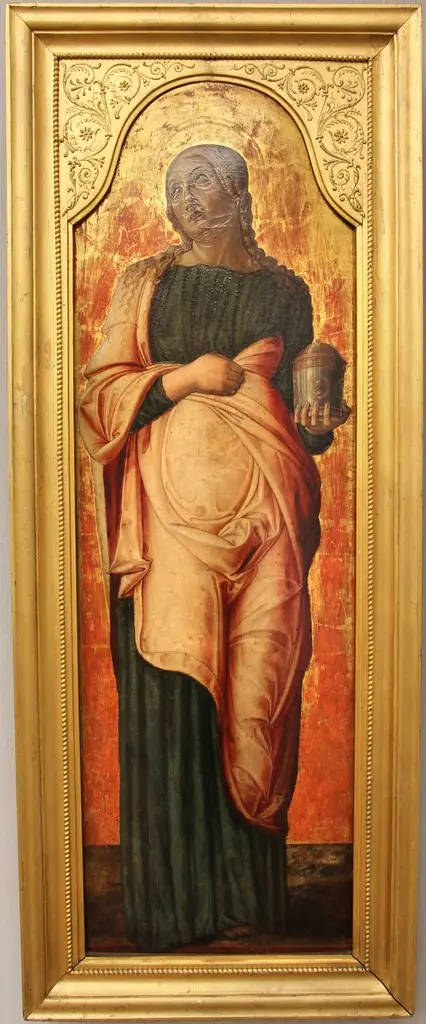
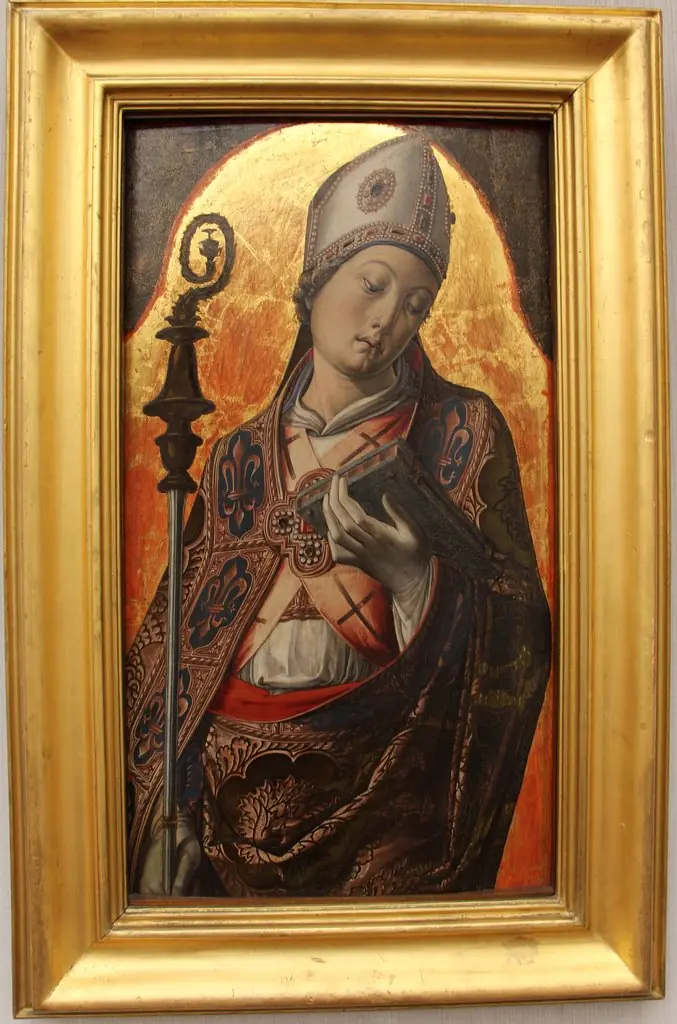
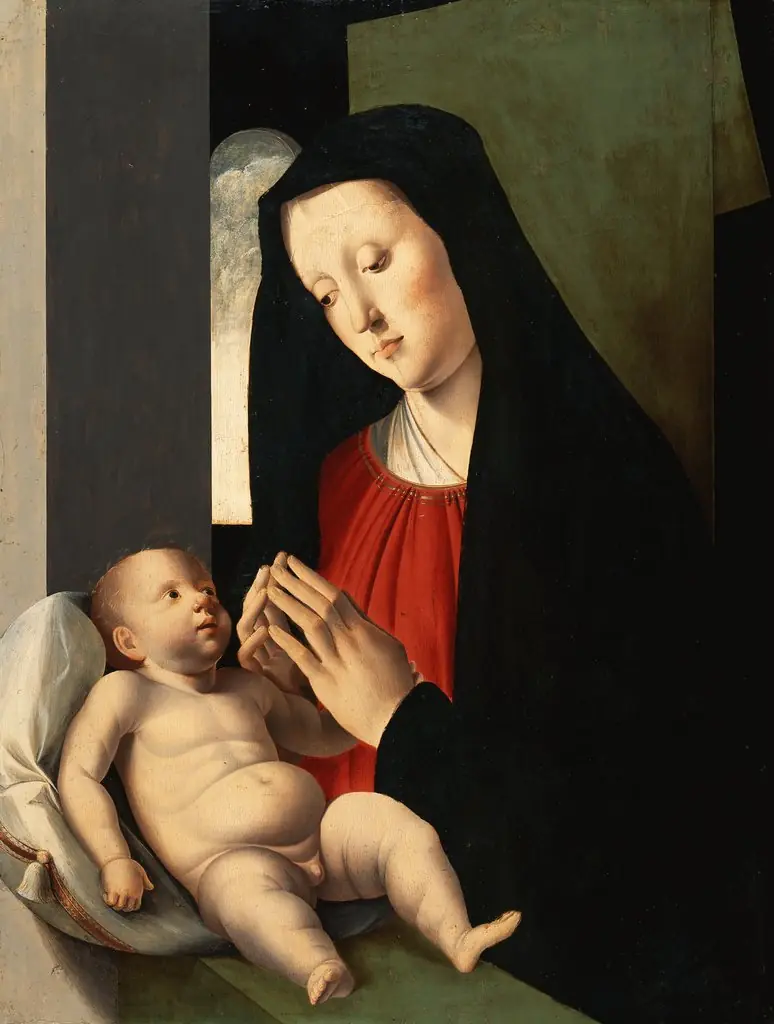
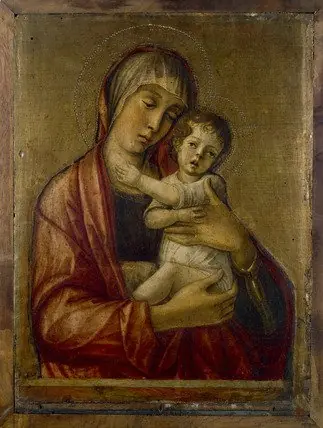
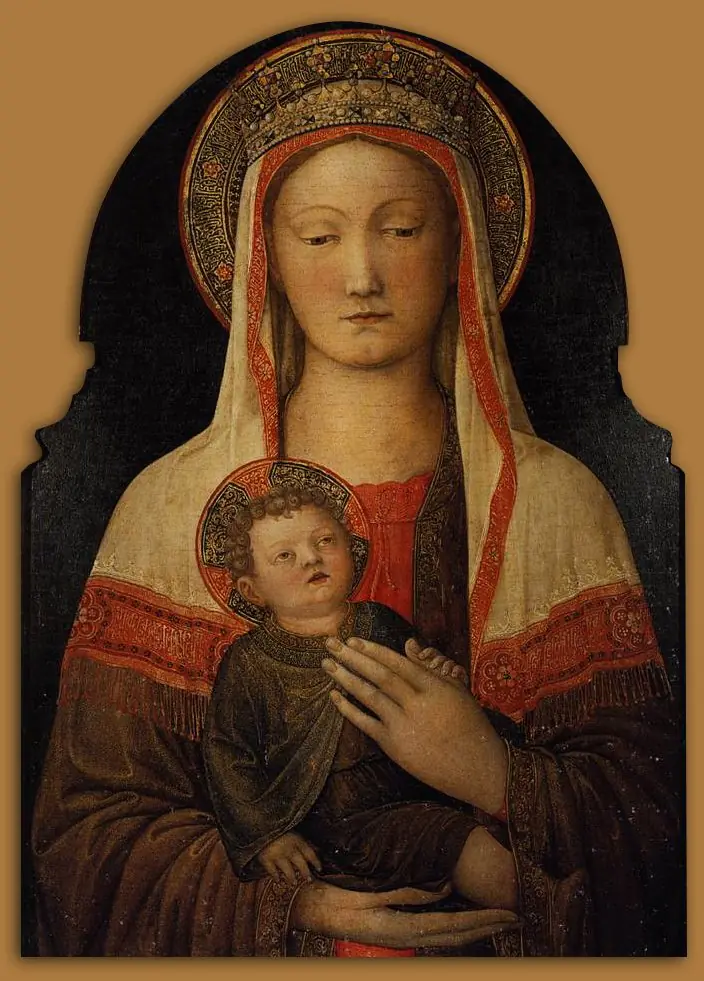
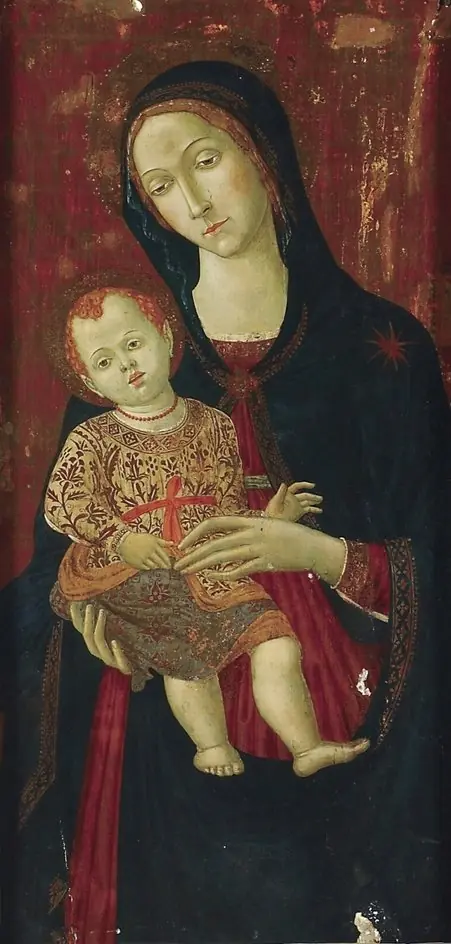
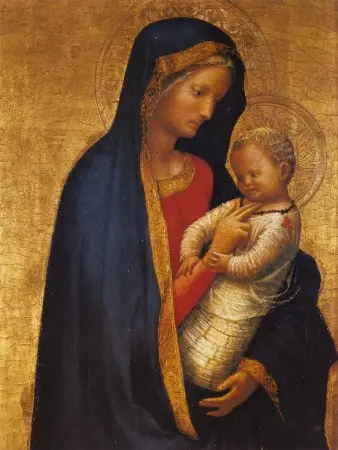
Madonna in trono col Bambino is an unspecified painting by the Venetian Renaissance artist Alvise Vivarini. It is held in the collection of the Doge's Palace.
About this work
Overview
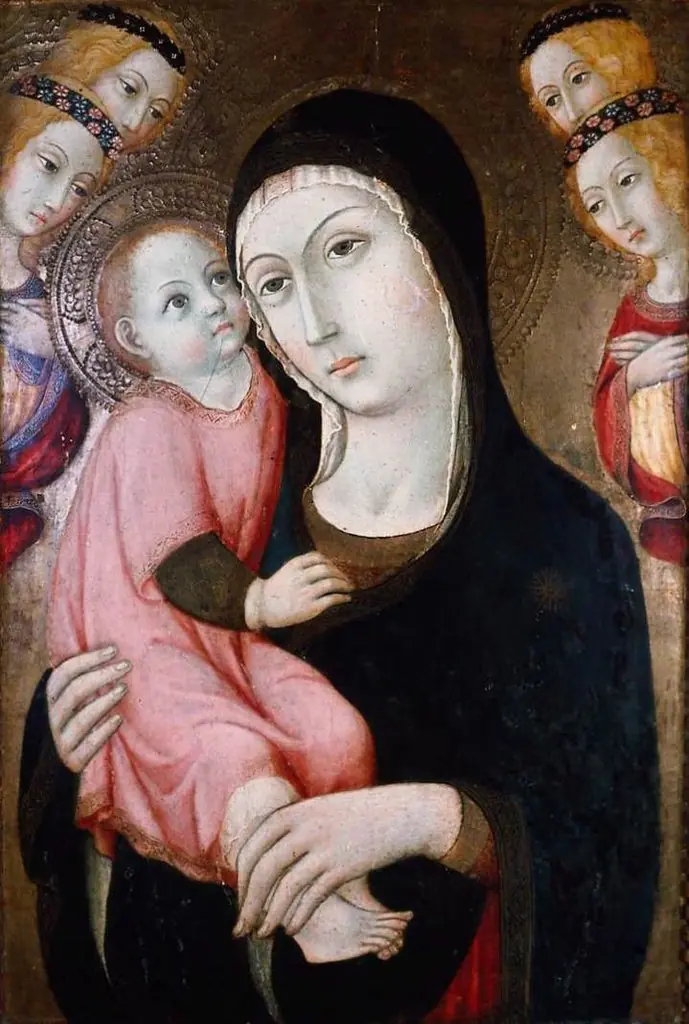
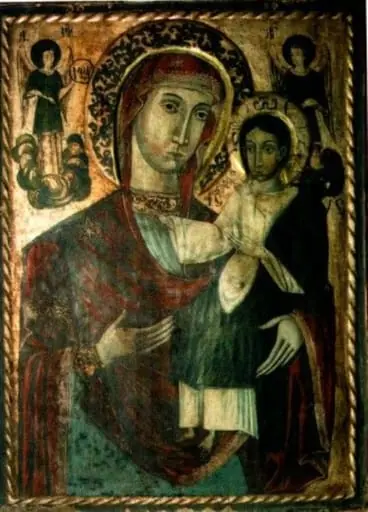
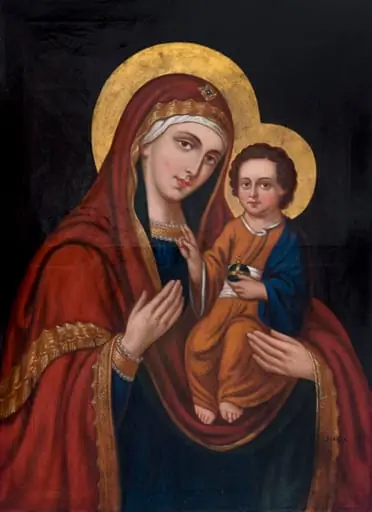
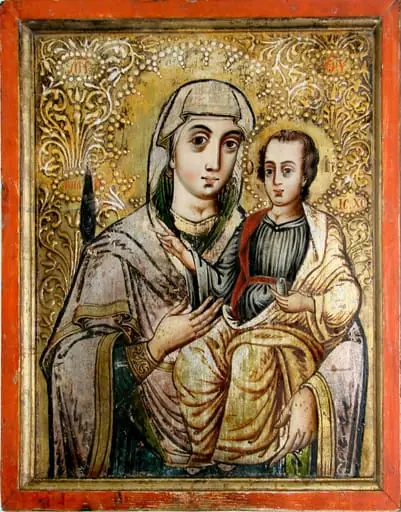
Alvise Vivarini’s Madonna in trono col Bambino is a devotional panel from the early Venetian Renaissance, executed in tempera and gold leaf on wood.
Alvise Vivarini’s Madonna in trono col Bambino is a devotional panel from the early Venetian Renaissance, executed in tempera and gold leaf on wood. It presents the Virgin seated on a throne with the Christ Child, a traditional subject rendered with quiet intimacy. Vivarini, part of a distinguished family of Venetian painters, worked in the transitional period between late Gothic conventions and emerging Renaissance naturalism, bridging the styles of his father Antonio and uncle Bartolomeo.
Subject & Meaning
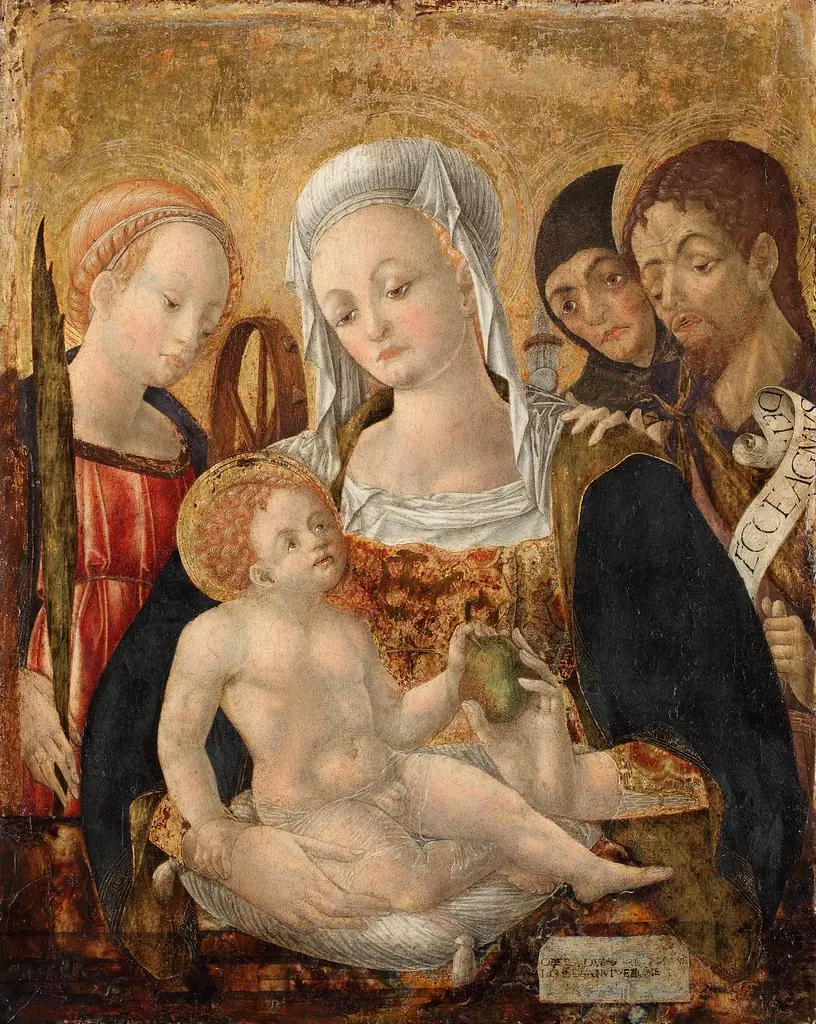
The Virgin Mary, depicted as the Throne of Wisdom, holds the Christ Child with gentle composure, embodying both divine authority and maternal tenderness. The child’s alert gaze and slightly defined features suggest human vitality, while her serene expression conveys spiritual calm. The composition reinforces theological themes of incarnation and maternal devotion, common in Venetian religious art of the period, where emotional subtlety replaced rigid iconography.
Technique & Style
Vivarini employs tempera and gold leaf to achieve luminous surfaces, with delicate modeling in chiaroscuro to suggest volume without heavy shadowing. The figures are rendered with refined linear precision, particularly in the folds of the Virgin’s dark robe edged in green and the child’s red tunic. The warm, gilded background enhances the sacred atmosphere, focusing attention on the intimate interaction between mother and child, while avoiding spatial depth in favor of symbolic presence.
History & Provenance
The painting has been part of the Doge’s Palace collection since at least the 16th century, likely commissioned for a private chapel or civic religious space in Venice. Its presence in the seat of Venetian political power underscores its role in reinforcing civic piety. The work’s attribution to Alvise Vivarini is supported by stylistic parallels with his signed panels and documentary evidence linking him to commissions in Venetian institutions during the 1470s–1480s.
Context
Created during a period when Venetian painting was shifting from Byzantine rigidity toward greater naturalism, the work reflects the influence of both local traditions and early Paduan innovations. While contemporaries like Giovanni Bellini would soon embrace atmospheric perspective and softer tonal transitions, Vivarini retained a more linear, decorative approach, characteristic of the Vivarini workshop’s enduring Gothic sensibility within a changing artistic landscape.
Legacy
Alvise Vivarini’s Madonna in trono col Bambino stands as a representative example of mid-15th-century Venetian devotional art, illustrating the persistence of hierarchical composition alongside emerging humanism. Though overshadowed by later Renaissance giants, his work contributed to the evolution of sacred imagery in Venice, influencing a generation of painters who sought to balance spiritual solemnity with emotional nuance.
Artist & collection
Artist
Alvise or Luigi Vivarini (1442/1453–1503/1505) was an Italian painter, the leading Venetian artist before Giovanni Bellini.