Artwork
At the Writing Table
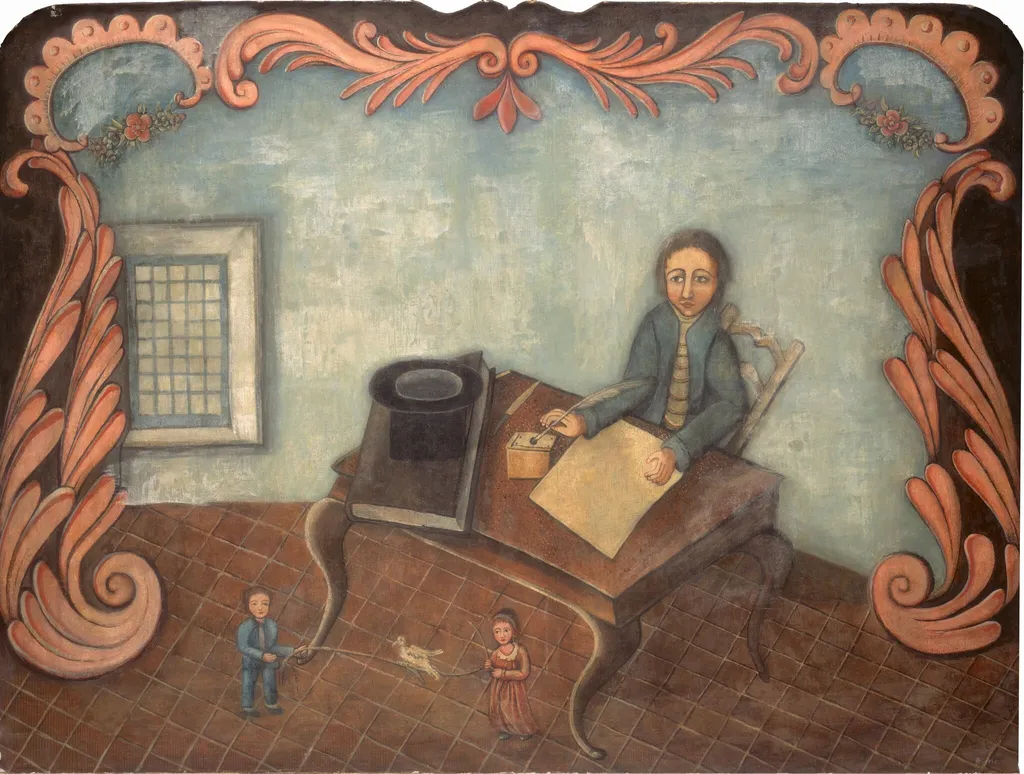
At the Writing Table is an unspecified painting. It dates from 1790 and is held in the collection of the National Gallery of Art. The canvas depicts an interior scene in which a figure, dressed in a blue jacket, is seated at a writing desk.
About this work
Technique & Style
Formal analysis notes a restrained palette and balanced spatial arrangement that reflect the neoclassical sensibility of early American portraiture.
At the Writing Table is an aqueous medium painting executed on canvas in 1790 by an American 18th‑century artist. The work measures 101.5 cm in height by 134.5 cm in width and is classified as a painting in the National Gallery of Art’s collection in Washington, D.C. The composition depicts a figure seated at a writing desk, rendered with delicate tonal modeling and precise brushwork that emphasizes the quiet domestic interior. Formal analysis notes a restrained palette and balanced spatial arrangement that reflect the neoclassical sensibility of early American portraiture.
The painting’s surface condition is stable, with no documented losses or alterations recorded in the National Gallery’s conservation files.
History & Provenance
At the Writing Table is an American 18th-century painting executed in aqueous medium on canvas in 1790. It entered the collection through a documented chain: it was recorded as originating in Maine and was owned by John K. Byard of Norwalk, Connecticut, who purchased it in 1949 from an unnamed dealer who had acquired it from Andrew Hawes, linked to the Quinby family of Stroudwater near Portland; Byard later sold the work to Edgar William and Bernice Chrysler Garbisch, who gifted it to the National Gallery of Art in 1953.
The provenance was noted in a 17 May 1949 typed note held in the National Gallery of Art curatorial file, which describes the painting’s prior use as a fireboard in a Quinby household. The work remains in the National Gallery of Art’s collection in Washington, D.C., where it is catalogued with dimensions of 101.5 cm by 134.5 cm.
The painting’s creation date of 1790 is recorded in the National Gallery of Art’s cataloguing data, and its medium and classification are specified as an aqueous medium painting.
At the Writing Table is held in the collection of the National Gallery of Art in Washington, D.C. The museum acquired the work in 1953 as a gift from Edgar William and Bernice Chrysler Garbisch. Prior to this donation, the painting was sold to the Garbisches in 1949 by John K. Byard of Norwalk, Connecticut. Byard had previously purchased the piece from an unnamed individual who claimed it originated from the Quinby family home in Stroudwater or Portland, Maine, where it reportedly served as a fireboard.
The provided records do not list any specific public exhibitions for this artwork.
Context
At the Writing Table, painted in 1790 by an American 18th-century artist, depicts a figure seated at a writing desk with a candle and scattered papers. The work was originally documented as originating from Maine and was owned by John K. Byard of Norwalk, Connecticut, who acquired it in 1949 from an unnamed dealer who reportedly obtained it from Andrew Hawes, linked to the Quinby family of Stroudwater near Portland. Byard noted that the painting had functioned as a fireboard in the Quinby household before being sold.
The National Gallery of Art acquired the piece from Byard in 1953, where it remains in the collection today.
Scholarship on the work remains limited, but its provenance and domestic context have been discussed in curatorial records and regional historical studies. The painting’s style and subject reflect broader trends in early American interior genre painting, situating it within the artistic milieu of post-Revolutionary New England. Its material composition, aqueous medium on canvas, aligns with documented practices of the period, though further technical analysis has not been published.
The work is part of the National Gallery of Art’s permanent collection in Washington, D.C., where it is studied as an example of domestic realism in early American art.
Overview
The canvas depicts an interior scene in which a figure, dressed in a blue jacket, is seated at a writing desk. A quill and a sheet of paper lie before the sitter, while a hat rests on the tabletop. Two children stand on the floor beneath the desk; one holds a bird attached to a string. A window opens onto the wall, and a decorative border frames the composition.
Subject & Meaning
The work presents a quiet domestic moment, emphasizing the act of writing as a contemplative pursuit. The presence of the children, especially the one with the tethered bird, introduces themes of innocence and the passage of time, contrasting the adult’s focused labor with youthful playfulness within the same space.
Artist & collection

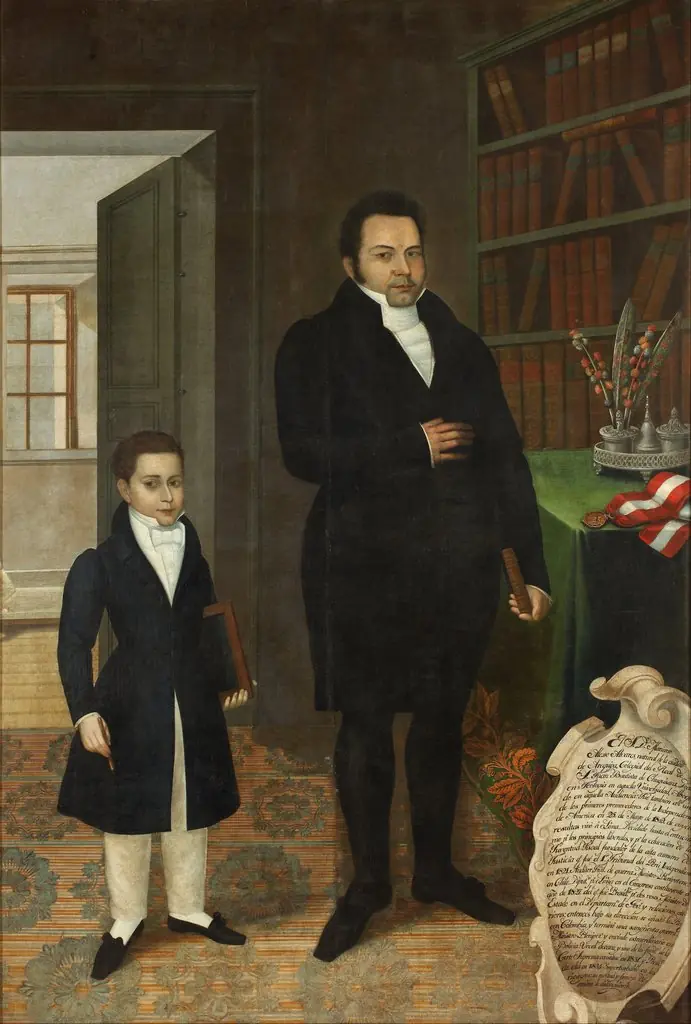
- Mariano Alejo Álvarez and his Son
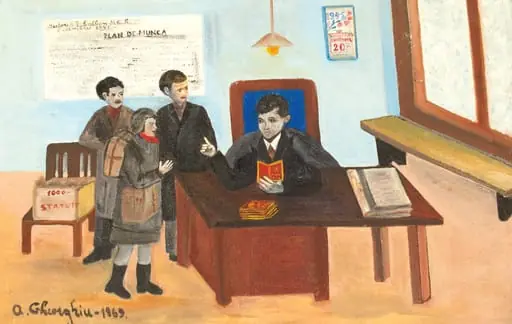 Tablou, ulei pe carton, UTC - iști, semnat A.Gheorghiu și datat 1969 în partea stângă jos. Este prezentat un moment din trecutul revoluțional a lui Nicolae Ceaușescu - o ședință a UTC din Sectorul Galben din decembrie 1945 privind distribuirea statutelor PCR. Oferit de Întreprinderea Cinematografică București la 27 decembrie 1971.
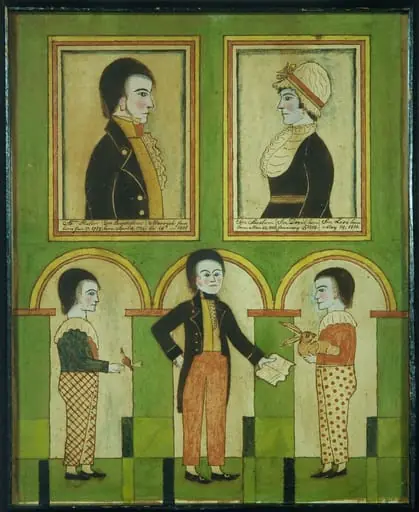 The Abraham Pixler Family
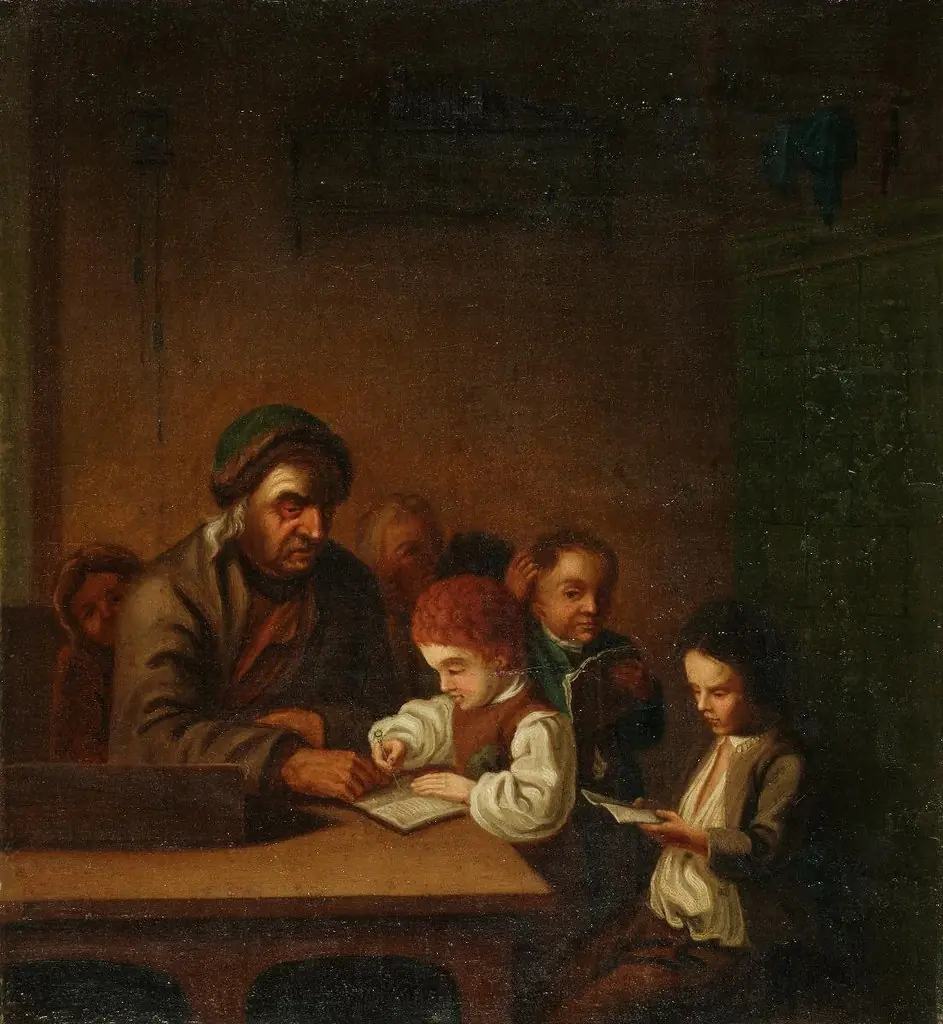 Die Dorfschule
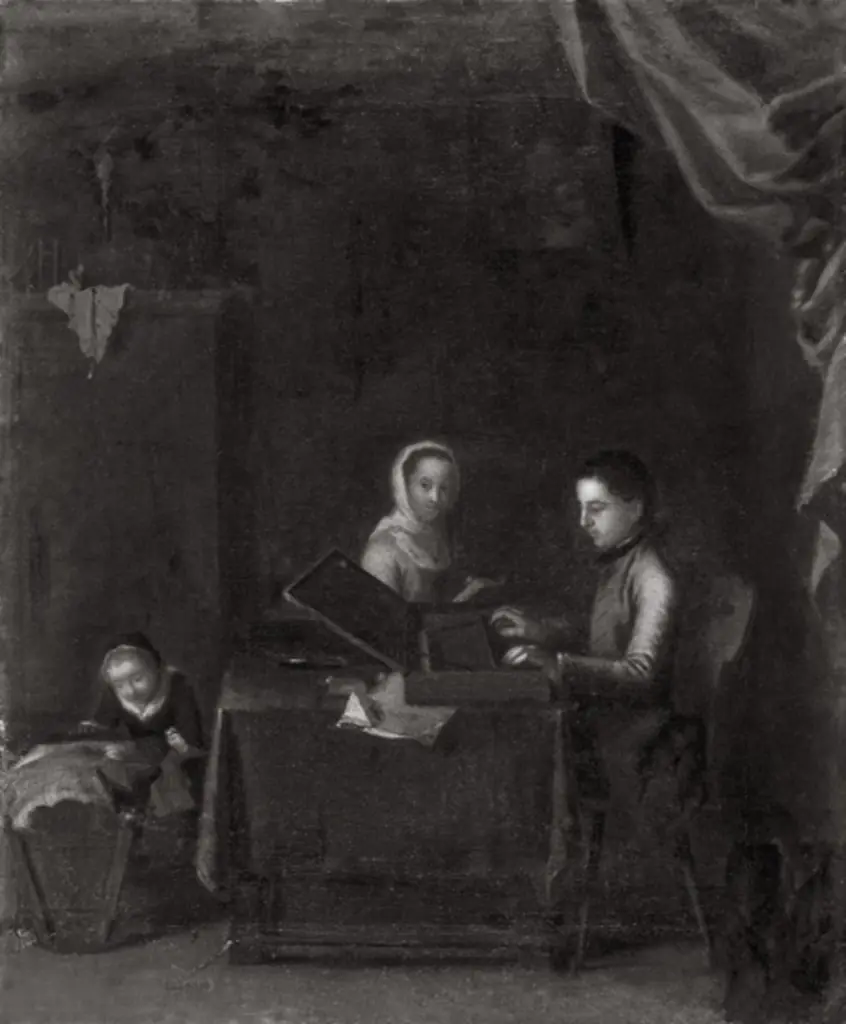 Junges Ehepaar am Spinett
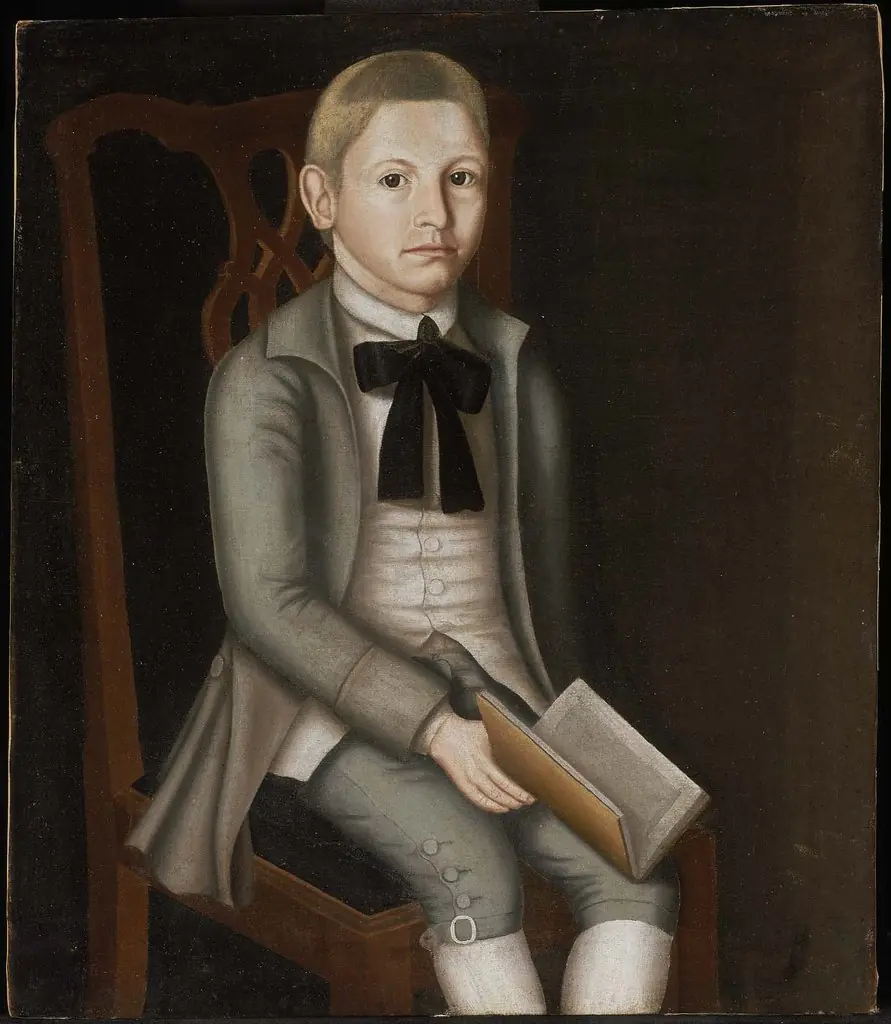 John Paine
 Bauerninterieur
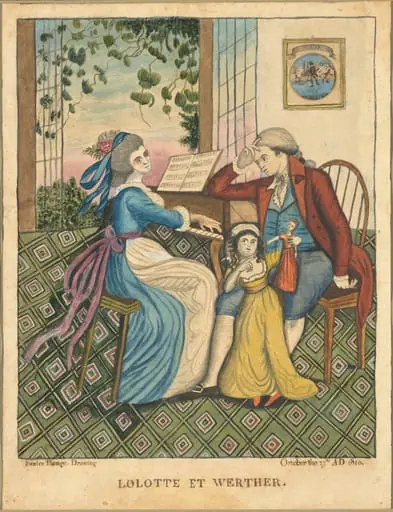 Lolotte and Werther
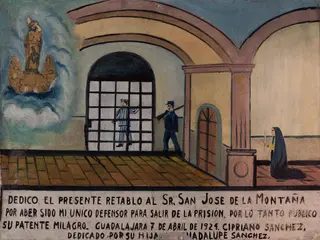 Votive ofering dedicated to Lord Saint Joseph
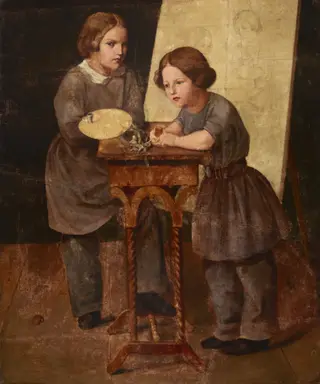 Two Boys at the Table
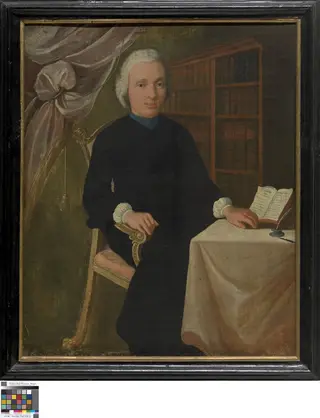 Portret van kanunnik Leonardus Arents
 Portrait of Paulo Bardti