Artwork
Lucrezia di Lippo di Iacopo Guidi
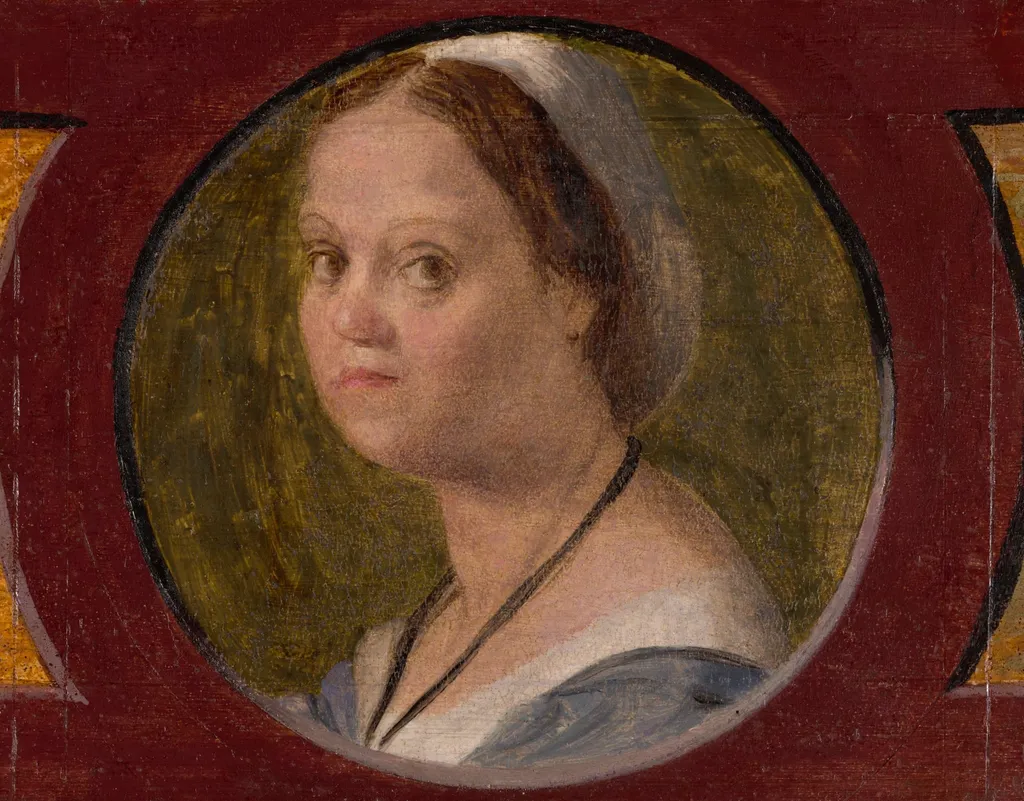
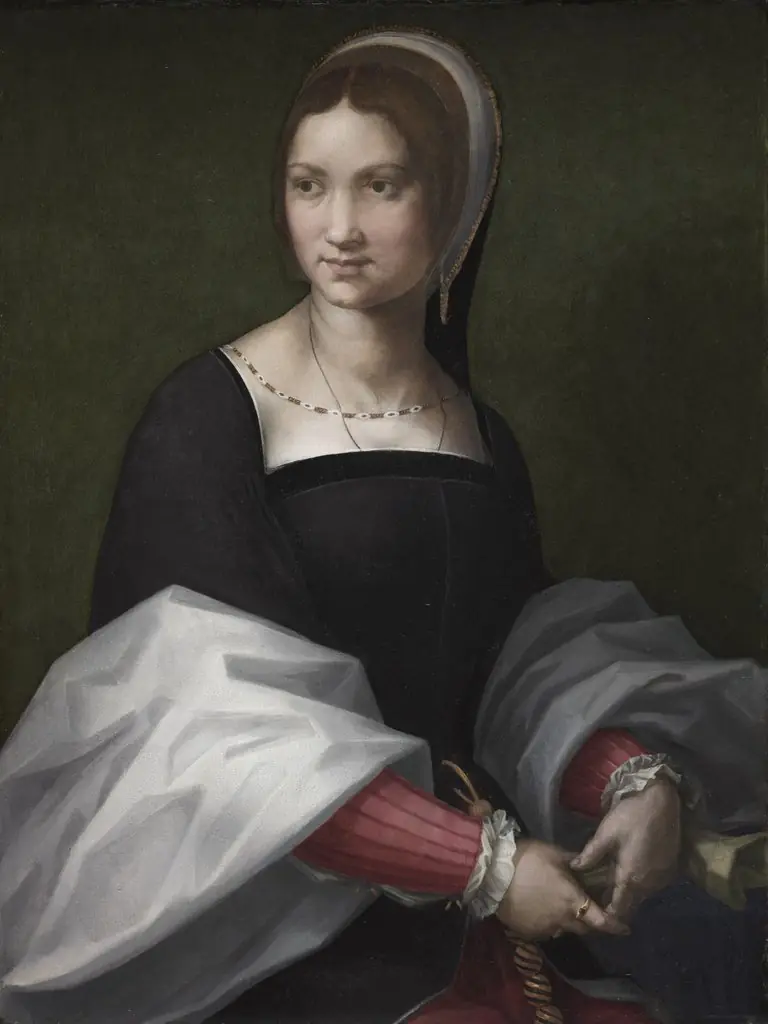
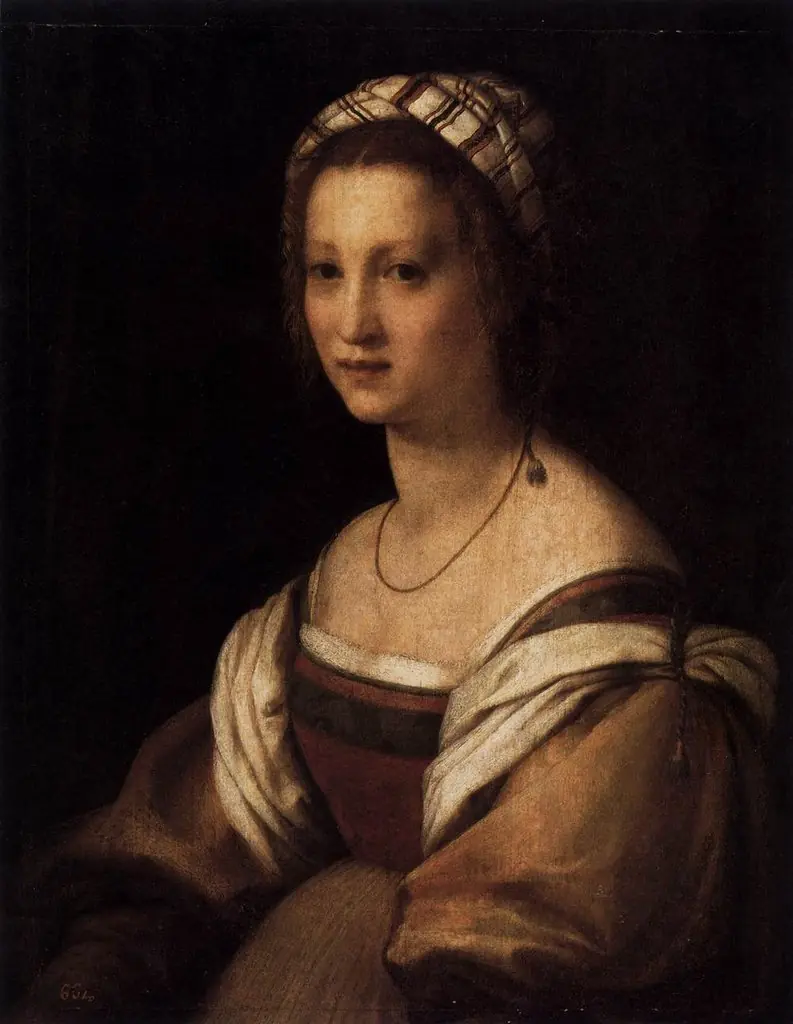
Lucrezia di Lippo di Iacopo Guidi is an oil painting by the High Renaissance artist Andrea del Sarto. It dates from 1526 and is held in the collection of the Art Institute of Chicago. The work depicts Lucrezia, a woman of the early sixteenth century, rendered in a relaxed stance with a modest dress and head covering.
- Accession no.
- 22270
- Credit line
- Gift of Mrs. Murray S. Danforth
About this work
Overview
The work depicts Lucrezia, a woman of the early sixteenth century, rendered in a relaxed stance with a modest dress and head covering. Executed in oil on panel, the portrait forms a roundel that originally belonged to the lower tier of an altarpiece, positioned alongside a companion image of her husband.
Subject & Meaning
Lucrezia is presented as a private individual rather than a saint, suggesting the panel functioned as a donor portrait. Her informal pose and gentle expression convey personal devotion, linking the couple’s identity to the religious narrative of the larger altarpiece in which they were displayed.
Technique & Style
The painting employs a loose, almost sketch‑like handling of form, characteristic of early Renaissance portraiture. Subtle chiaroscuro models the figure, while a painted strapwork border frames the image. Later interventions added highlights at the lower edge to simulate natural church lighting, enhancing the illusion of a three‑dimensional setting.
History & Provenance
Created for a church in Gambassi, near Florence, the roundel formed part of a predella that once included now‑lost panels. The patron, Domenico, and his wife, Lucrezia, occupied the central positions, flanking the missing narrative scenes. Recent conservation uncovered the original decorative strapwork, confirming its integration within the predella’s overall design.
Context
The altarpiece’s predella served both devotional and commemorative purposes, linking the patrons’ likenesses with sacred imagery. The decorative pattern that surrounded the roundels would have continued across the entire lower register, unifying the composition. Such donor portraits were common in Florentine churches, reflecting the intertwining of personal piety and public art.
Own this work as a print
Artist & collection
Artist
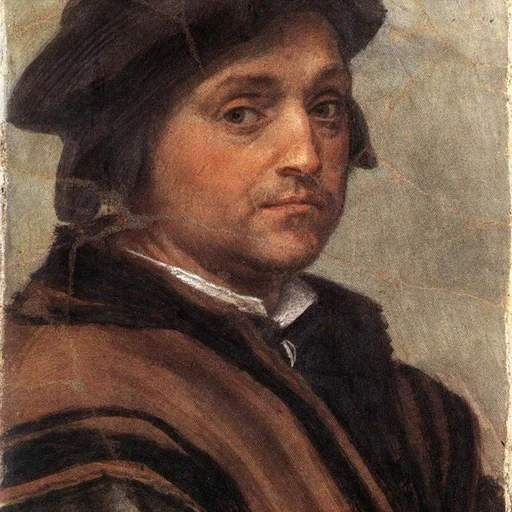
Andrea del Sarto was an Italian painter from Florence, whose career flourished during the High Renaissance and early Mannerism.

 Portrait of a Woman
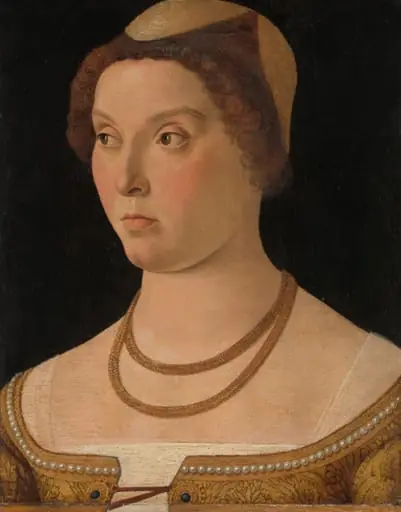 Portrait of a Woman
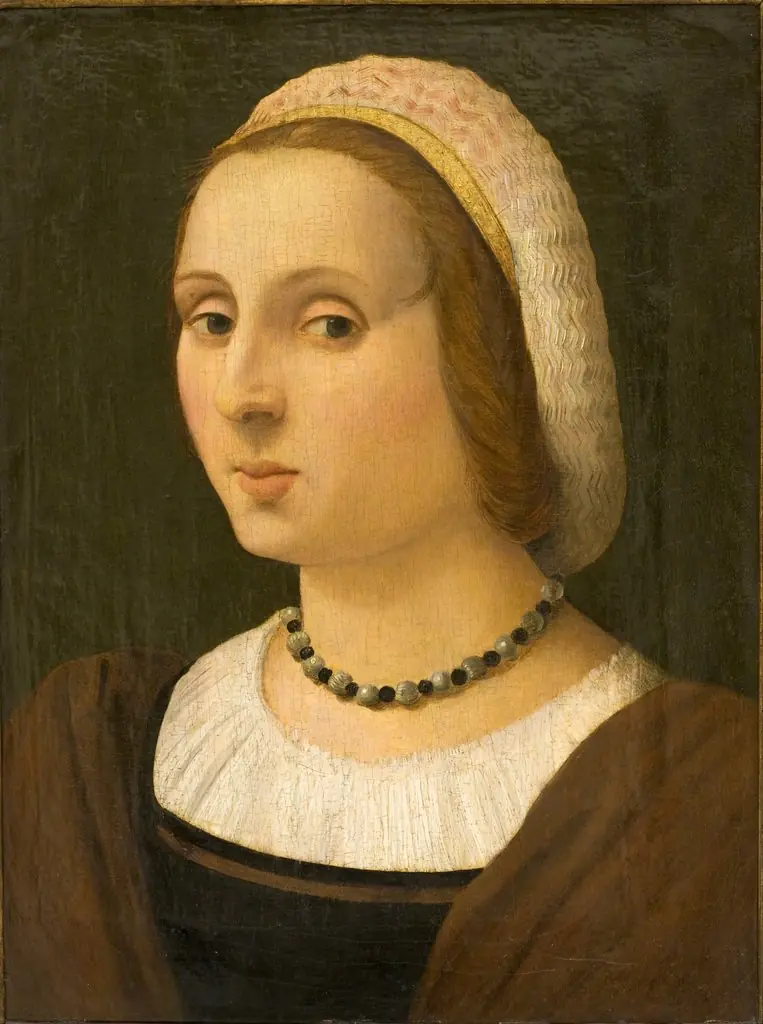 Portrait of a Lady
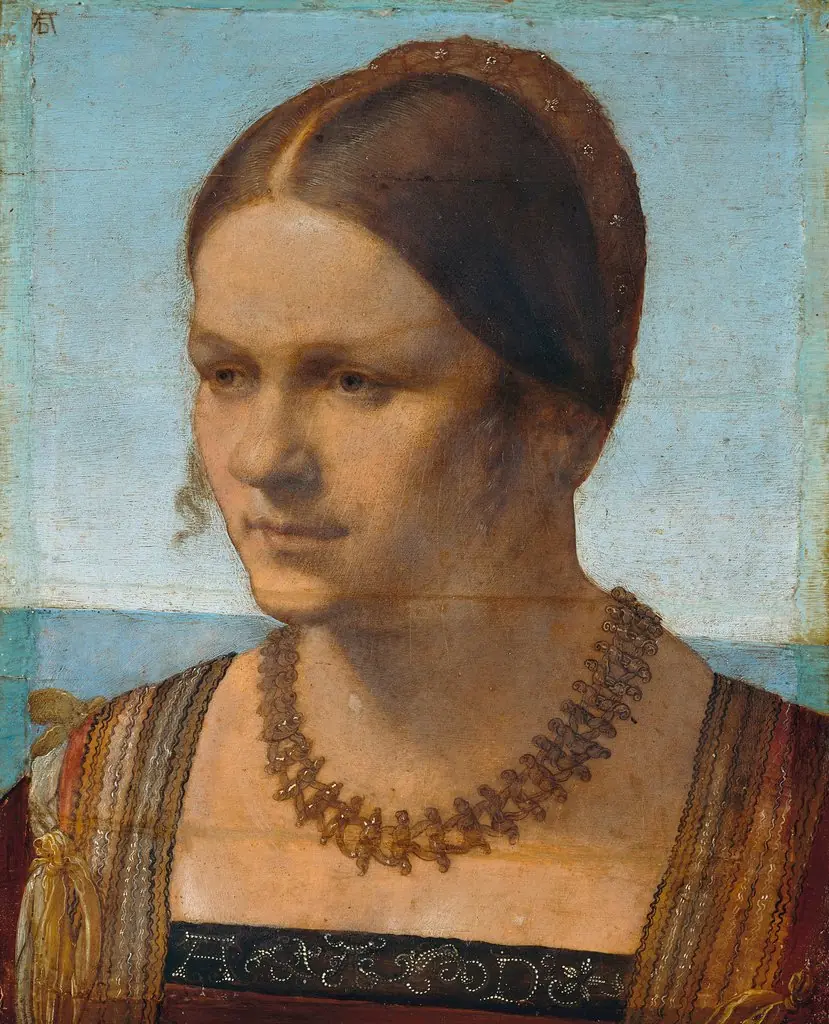 Portrait of a young Venetian woman
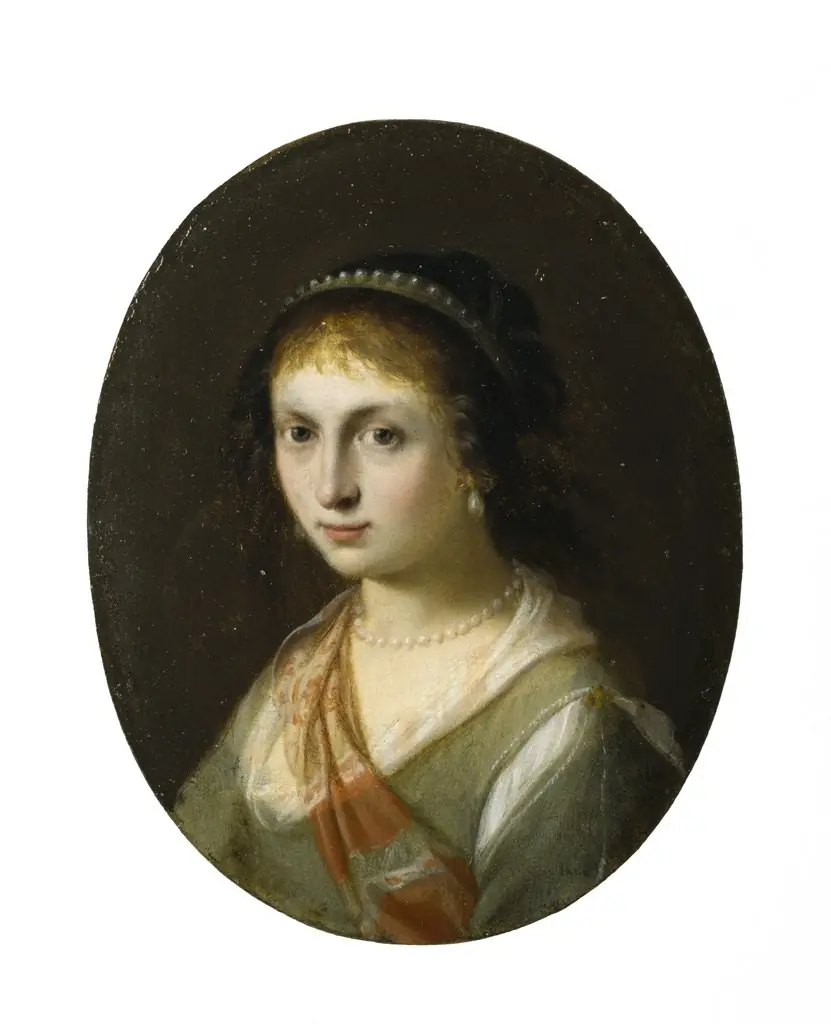 Portrait of Susanna van Collen
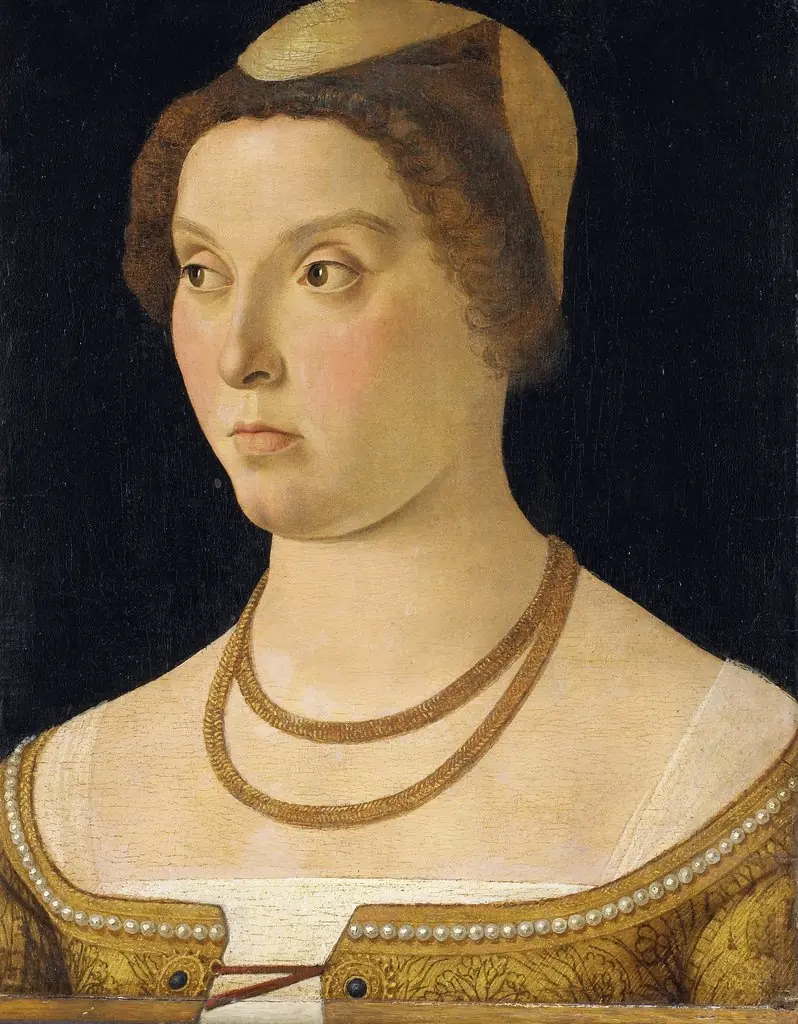 Portrait of a Woman
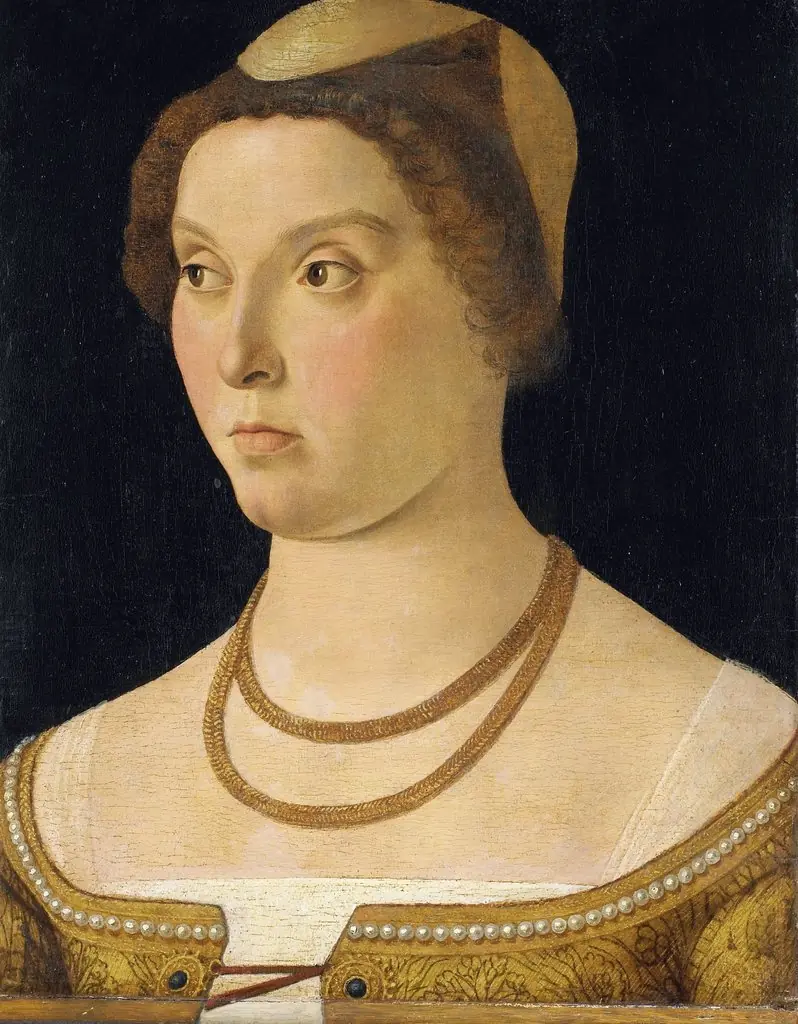 bust of woman
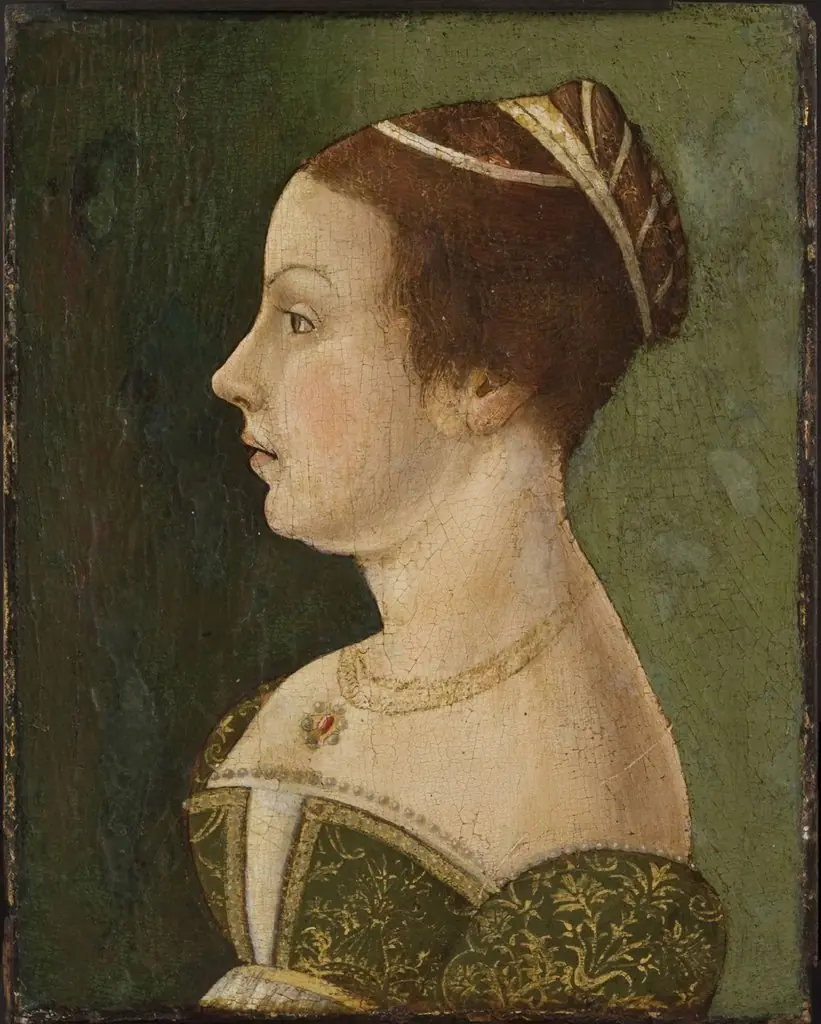 Portrait of a Lady
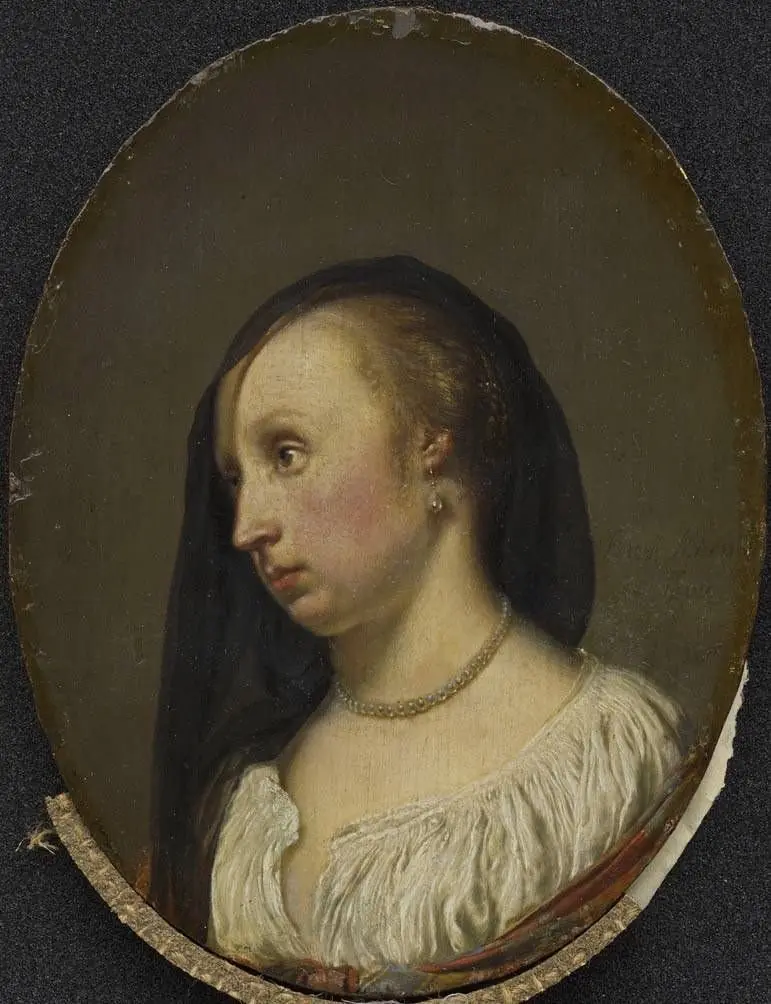 Portrait of the Wife of the Artist, Cunera van der Cock
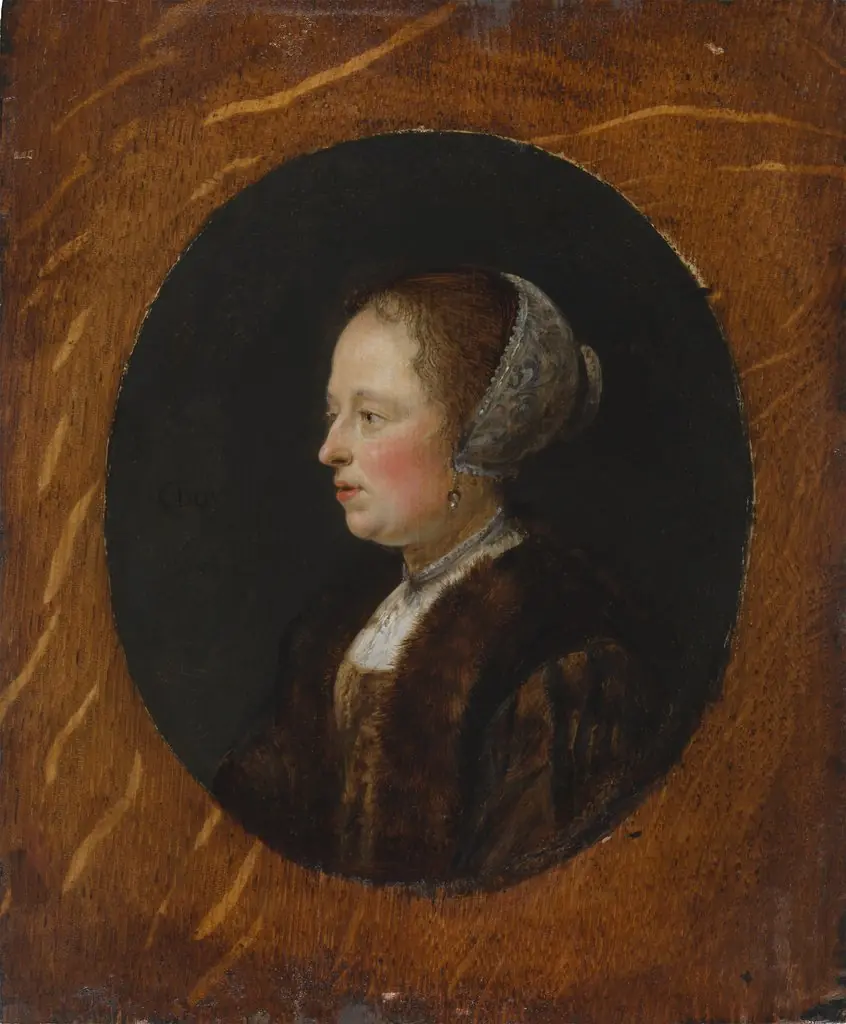 Portrait of a Woman in Profile
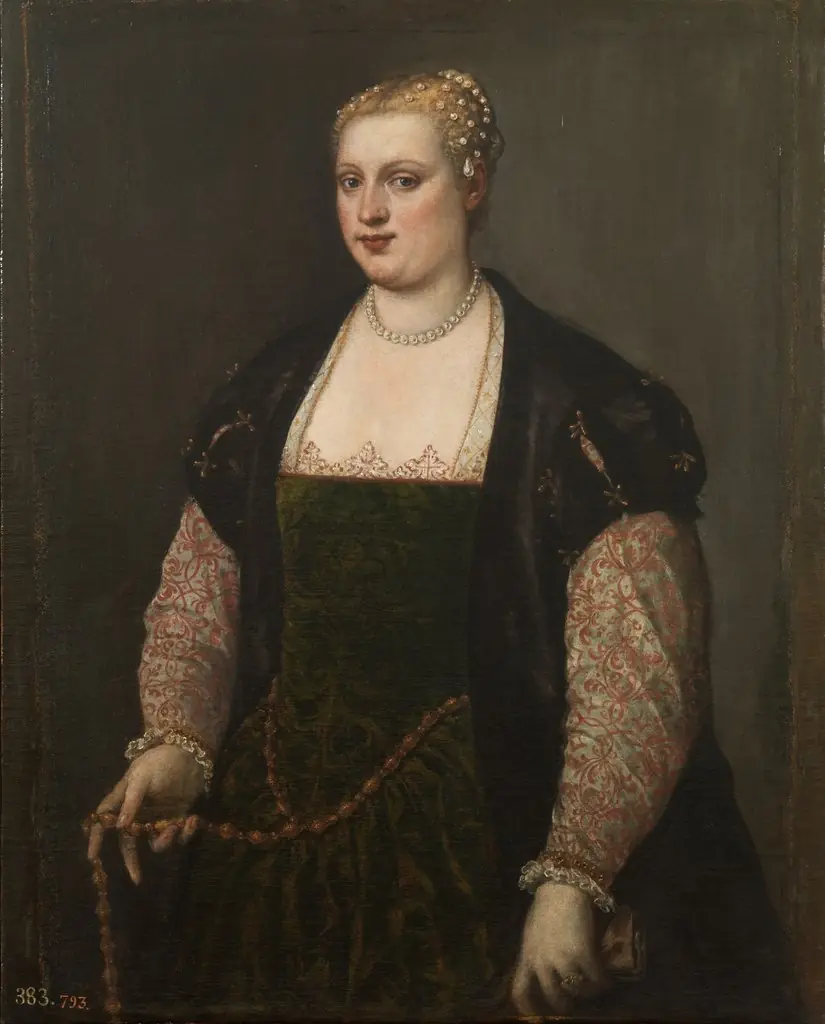 Portrait of a Woman
- Lucrezia di Lippo di Iacopo Guidi, wife of Becuccio Bicchieraio