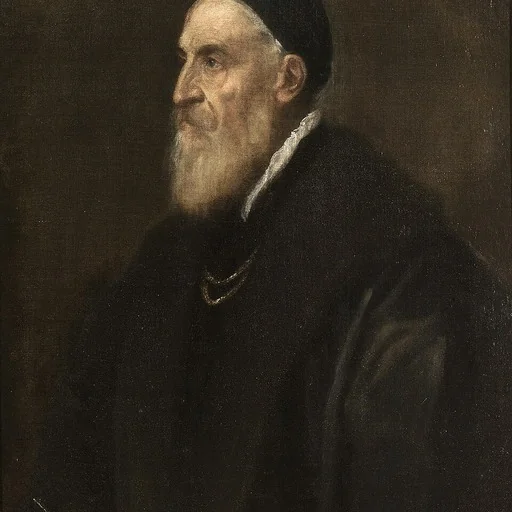
Subject
Necklace
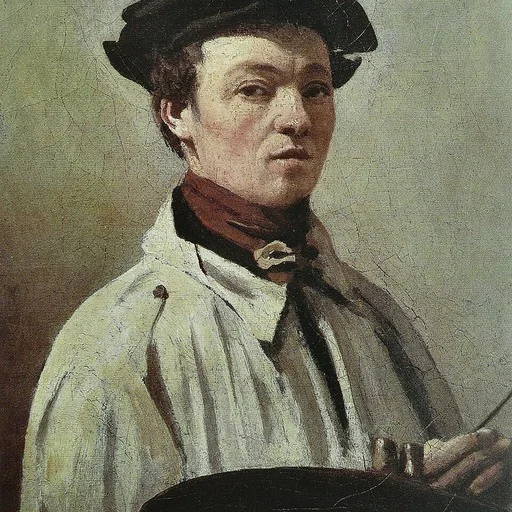
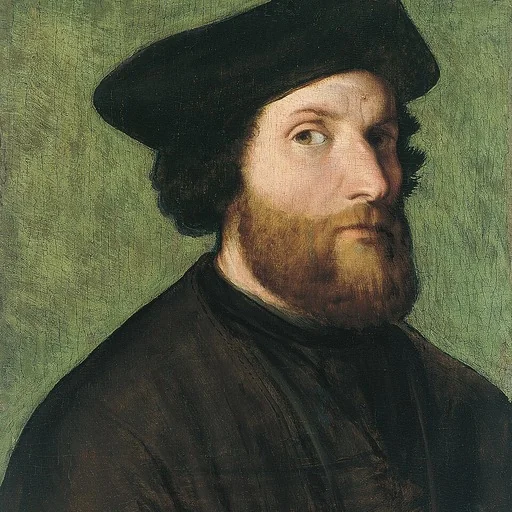
Necklace is a subject in art. The gallery holds 106 works in this subject in art, including works by Titian, Paolo Veronese and Jean Baptiste Camille Corot.
A necklace is an article of jewellery worn around the neck, and it numbers among the very oldest forms of human adornment. By the Upper Palaeolithic, tens of thousands of years ago, people were stringing shells, animal teeth, bone and stone on sinew or plant fibre—objects that were at once decorative, ceremonial and protective. With the Bronze Age, worked metal supplanted these natural materials. Ancient Egypt produced the iconic broad collar, or wesekh, built from concentric rows of beads in gold, faience, carnelian, turquoise and lapis lazuli; worn by gods, pharaohs and, from the Eighteenth Dynasty, bestowed on officials and soldiers as a mark of honour. In Mesopotamia, gold and silver necklaces set with lapis and agate likewise signalled elite and divine status.
As a recurring motif in painting, the necklace functions as visual rhetoric. In Renaissance portraiture especially, pearls, gold chains and gemstones were deployed to communicate purity, wealth, legitimacy and dynastic or divine favour. Pearls carried connotations of chastity and virtue—hence their frequent appearance on saints, queens and brides—while a heavy gold chain announced rank and lineage. The jewel a sitter wore was rarely incidental; it was an argument about who they were.
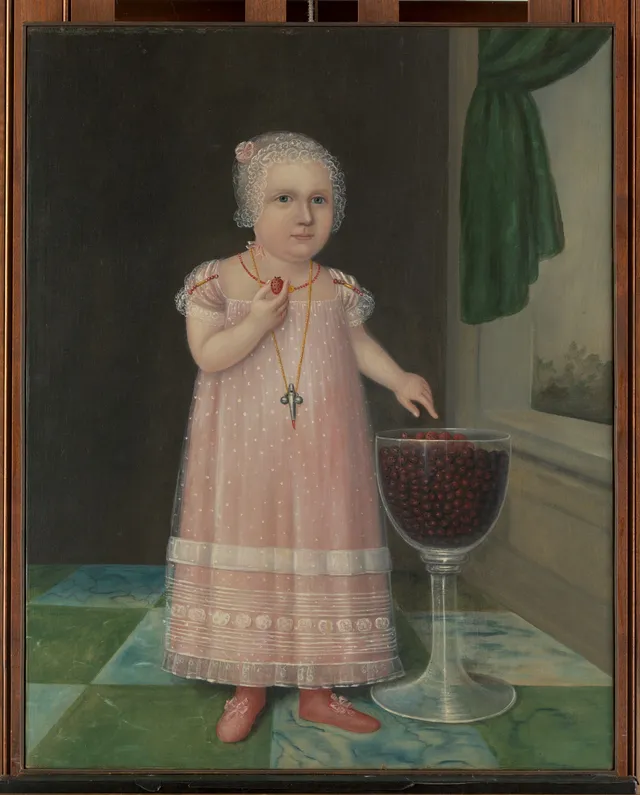
This catalogue holds several works in which the necklace does exactly such work. Paolo Veronese's *Venus and Mars* and Lorenzo Lotto's *Saint Catherine* set pearls against flesh and brocade to signal beauty and sanctity alike. Rembrandt's *Flora* (c. 1654)—a meditation on Titian, possibly modelled on his late wife Saskia—crowns its goddess of spring with pearls amid foliage. In the American folk tradition, Joshua Johnson's *Emma Van Name* (c. 1805) shows a child in red coral beads, a material long believed to ward off harm; John Bradley's *Emma Homan* continues this limner convention of fixing a sitter's status through her ornament.
The necklace thus threads through nearly every period and school, from Egyptian funerary art to Venetian mythology, Dutch Golden Age portraiture and the itinerant portraitists of the early American republic. Whether talisman, dowry, dynastic emblem or pure ornament, it remains one of art's most enduring carriers of meaning—an object small in scale but freighted with identity.
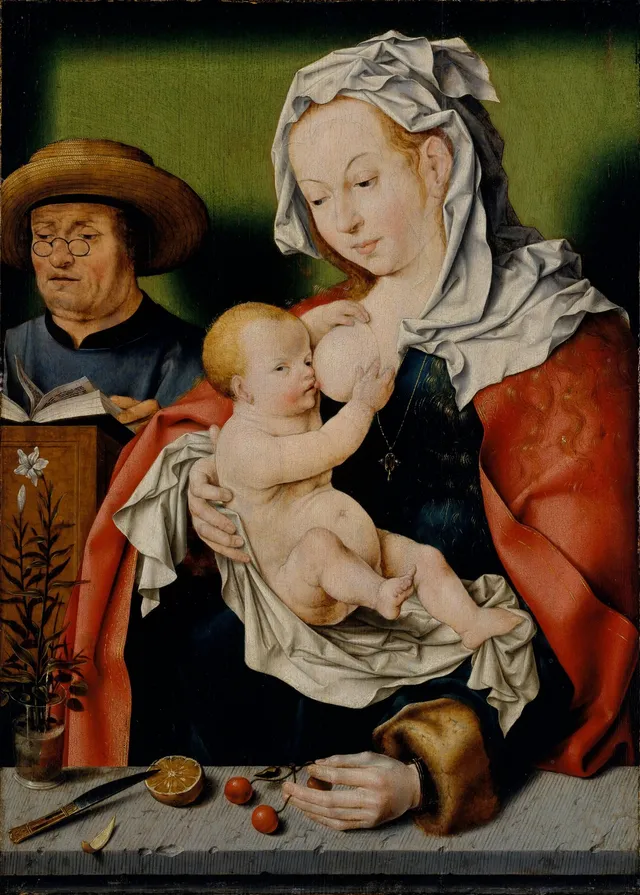
Key artists
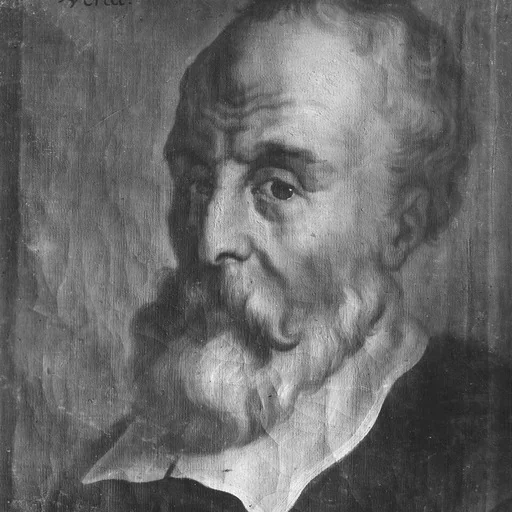
Iconography & meaning
Necklaces carry layered meanings depending on context. They often denote wealth and social rank, given their frequent manufacture from precious metals and stones. In religious and mythological imagery, they can signal sanctity, divinity, or earthly beauty. Ceremonial, magical, and funerary purposes are also documented. The band, chain, or cord that encircles the neck may support pendants, lockets, amulets, crosses, and gemstones, including diamonds, pearls, rubies, emeralds, and sapphires. In some traditions, necklaces serve as carriers of symbolic objects, such as cylinder seals in Ancient Mesopotamia or amulets in Ancient Egypt, linking the wearer to protective or devotional functions.
Across movements & periods
The treatment of the necklace has shifted considerably across cultures and eras. Prehistoric peoples fashioned necklaces from feathers, bone, shells, and plants, with evidence from southern and eastern Africa dating to 50,000 BP. By the Bronze Age, metal had largely supplanted organic materials. In Ancient Egypt, upper-class collars of semi-precious and precious materials served religious, celebratory, and funerary ends, while in Ancient Greece delicately worked gold necklaces with enamel rosettes and pendants were prized. The Hellenistic period introduced polychromatic stones and more elaborate pendants. Roman elites favored gold and silver with imported gems, and the Byzantine era saw Christian iconography replace earlier motifs. In medieval Europe, necklaces were uncommon until lower necklines gained favor; the Renaissance then brought heavy, gem-encrusted collars for men and simpler chains or pearls for women, trends that intensified into the sixteenth century with long pearl ropes and intricate pendants.
Legacy
The necklace persists as a potent visual motif with deep archaeological roots and continuing cultural resonance. The 2004 discovery of 75,000-year-old perforated shells in South Africa's Blombos Cave, potentially the oldest known necklace-like adornments, underscores the antiquity of neck ornamentation. From prehistoric status markers and magical aids to the refined luxury goods of classical civilizations and beyond, the necklace has maintained its role as a primary vehicle for personal and social expression. Its appearance across 191 works in this collection testifies to its enduring utility for artists signaling identity, narrative, and aspiration.
Works
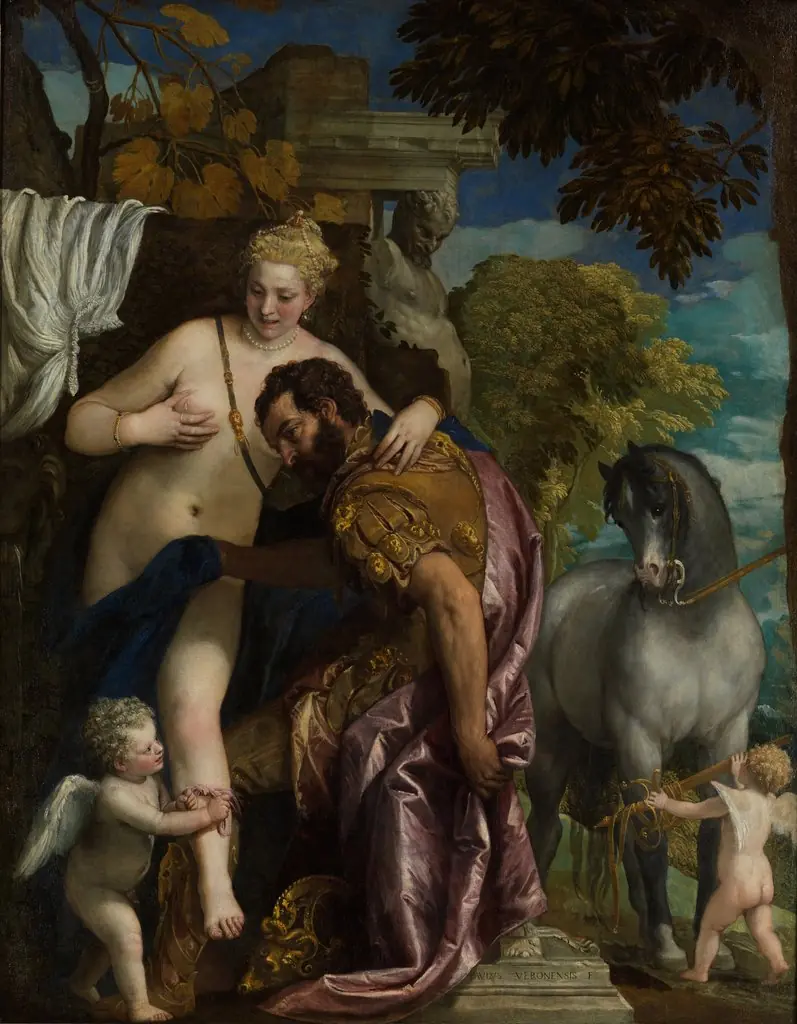 Venus and Mars
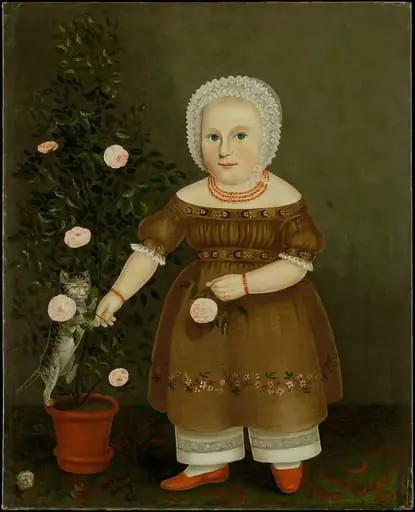 Emma Homan
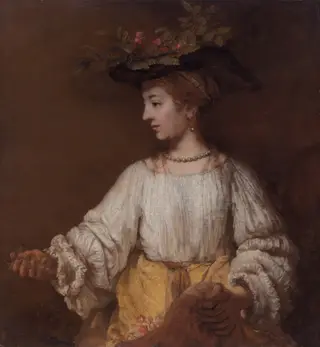 Flora
Flora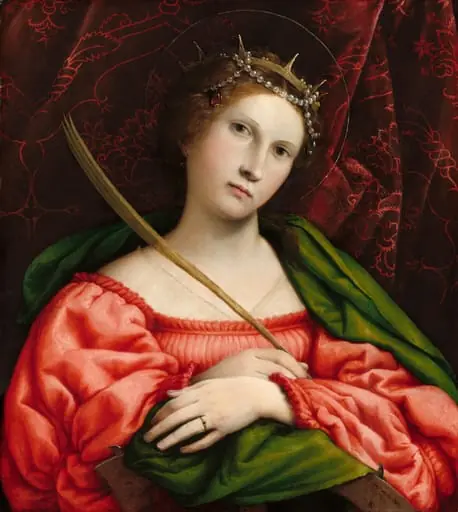 Saint Catherine
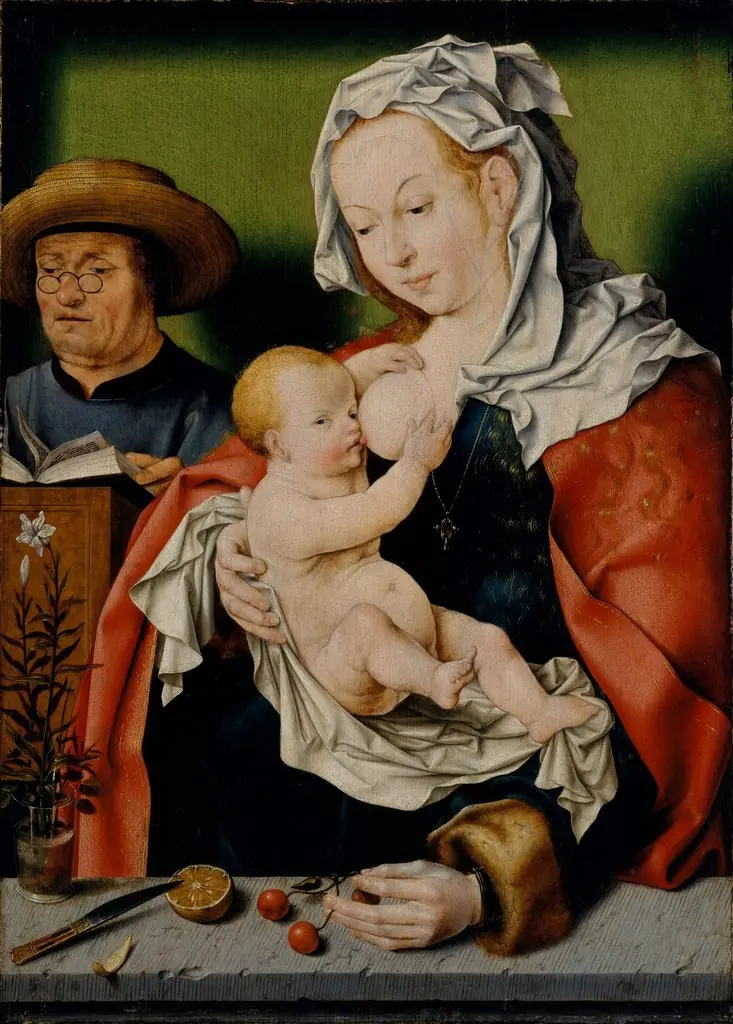 The Holy Family
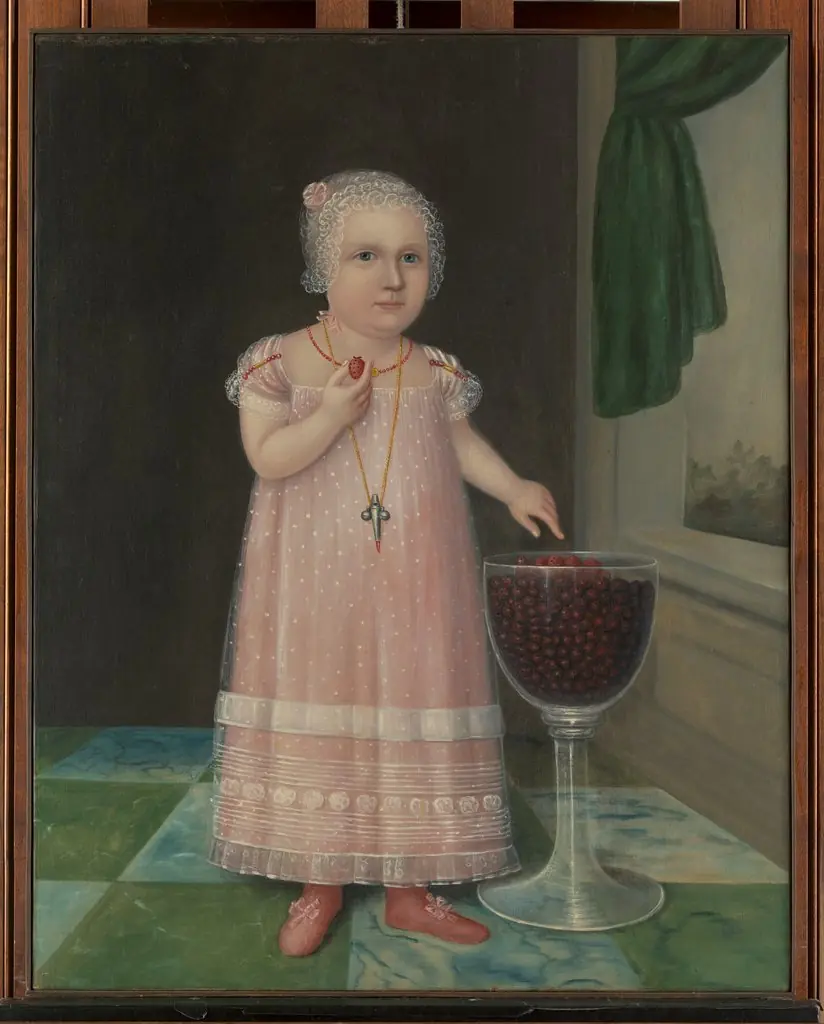 Emma Van Name
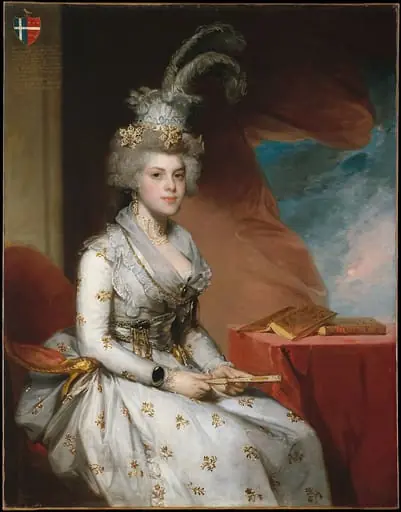 Matilda Stoughton de Jaudenes
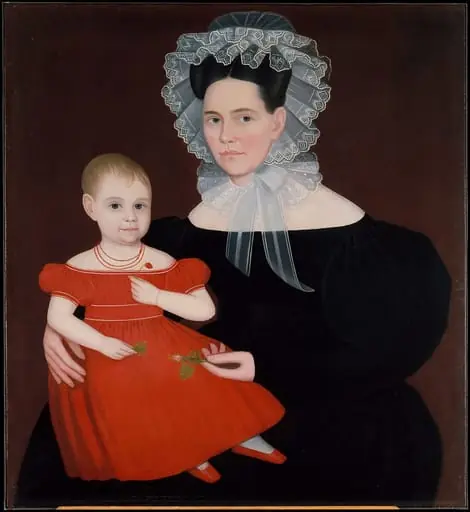 Mrs. Mayer and Daughter
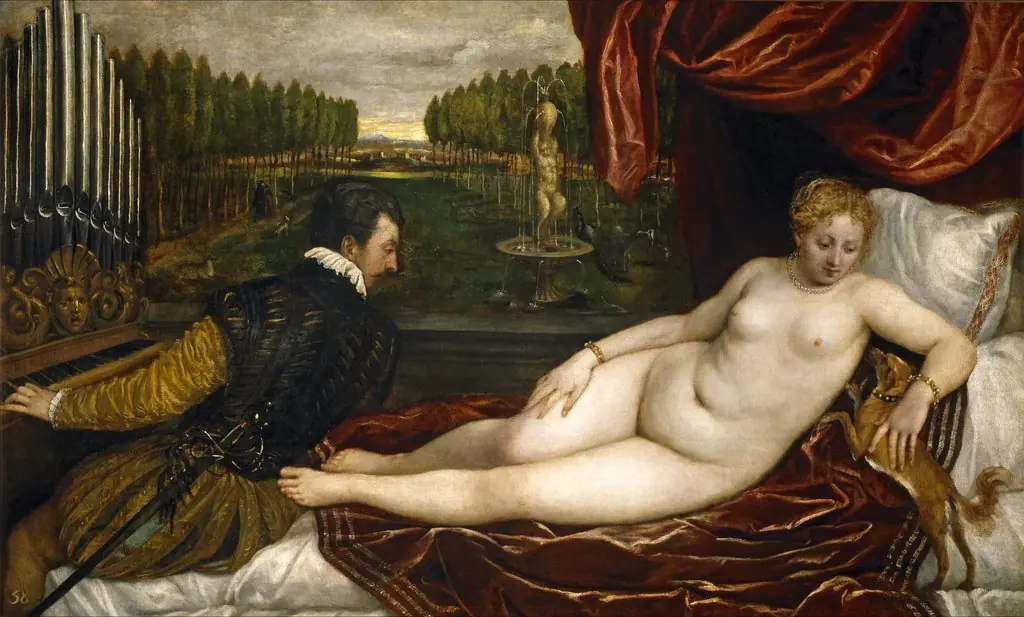 Venus and Music
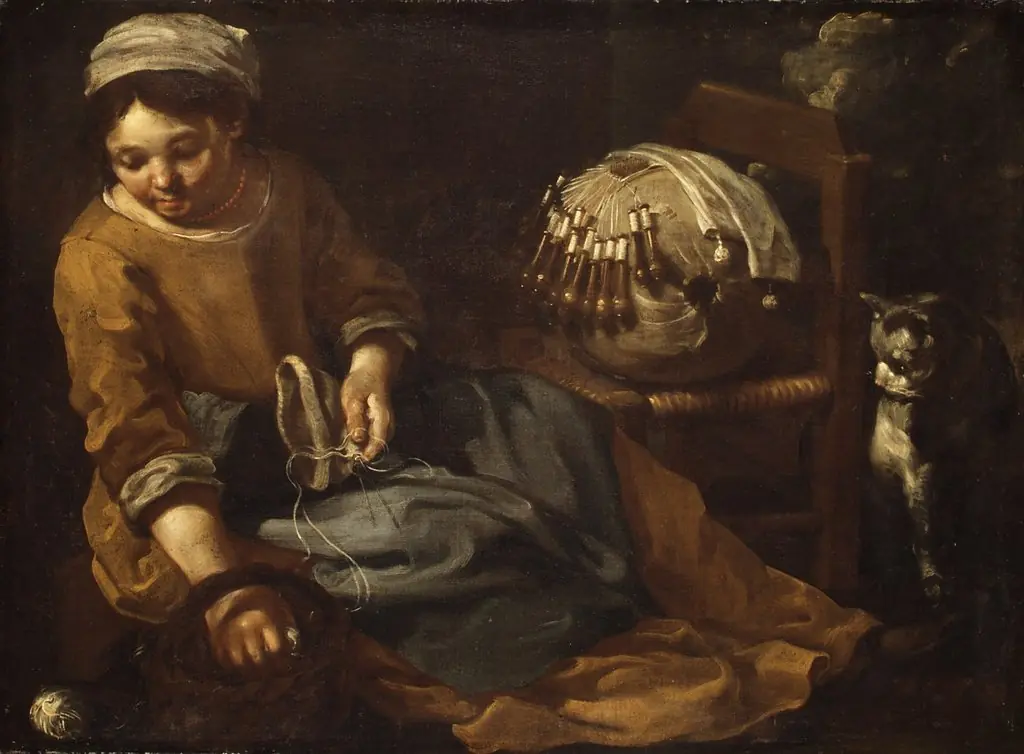 The Lacemaker
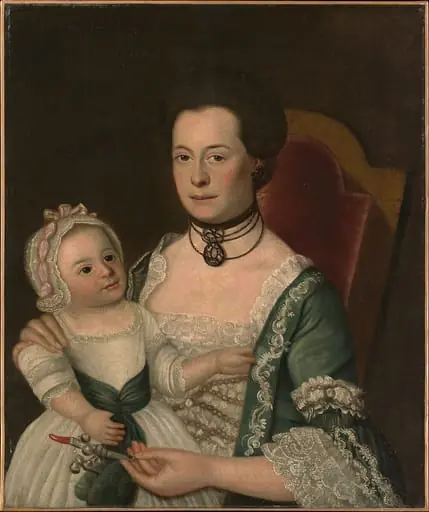 Mrs. Jacob Hurd and Child
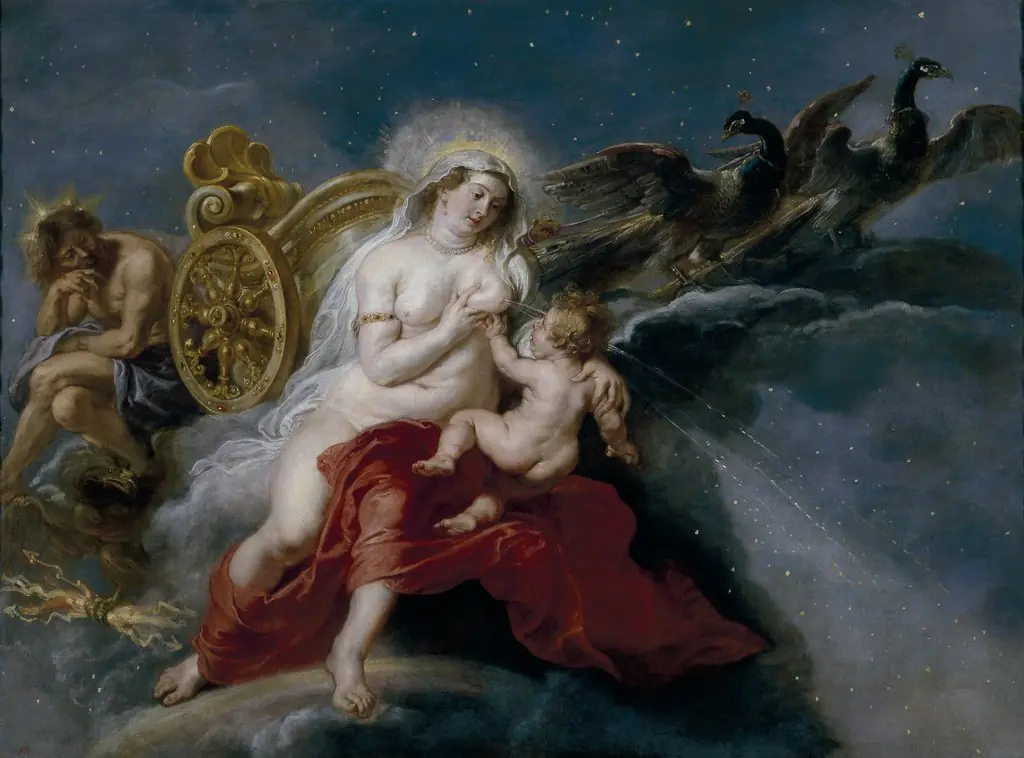 The Origin of the Milky Way
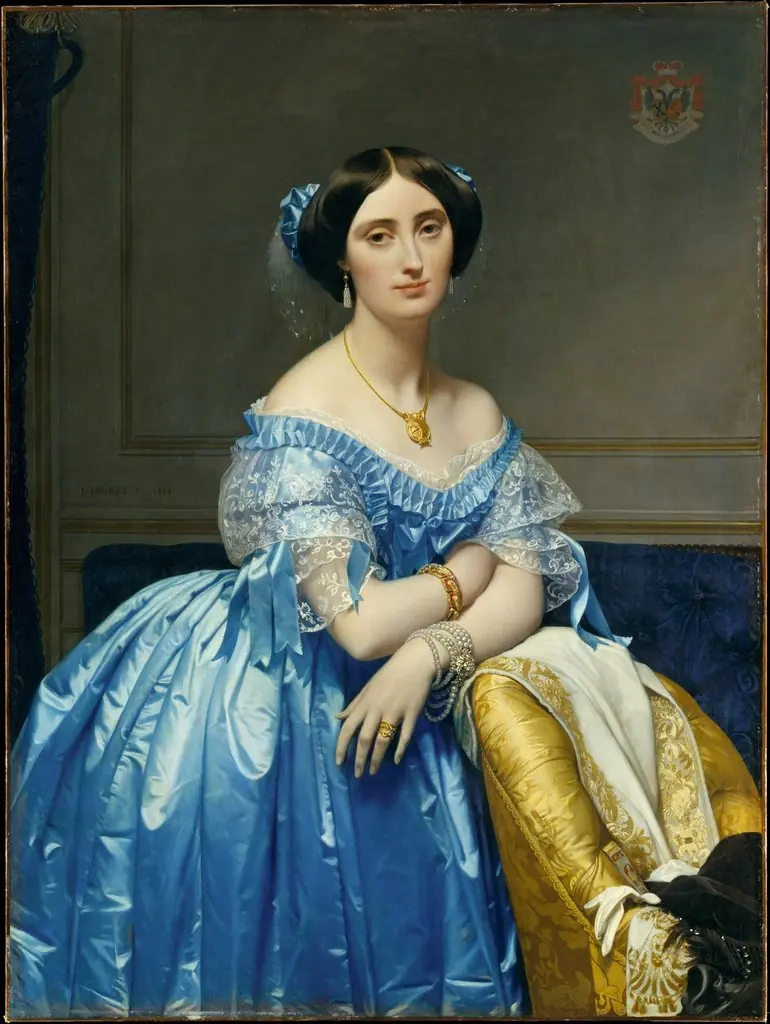 Joséphine-Éléonore-Marie-Pauline de Galard de Brassac de Béarn (1825–1860), Princesse de Broglie
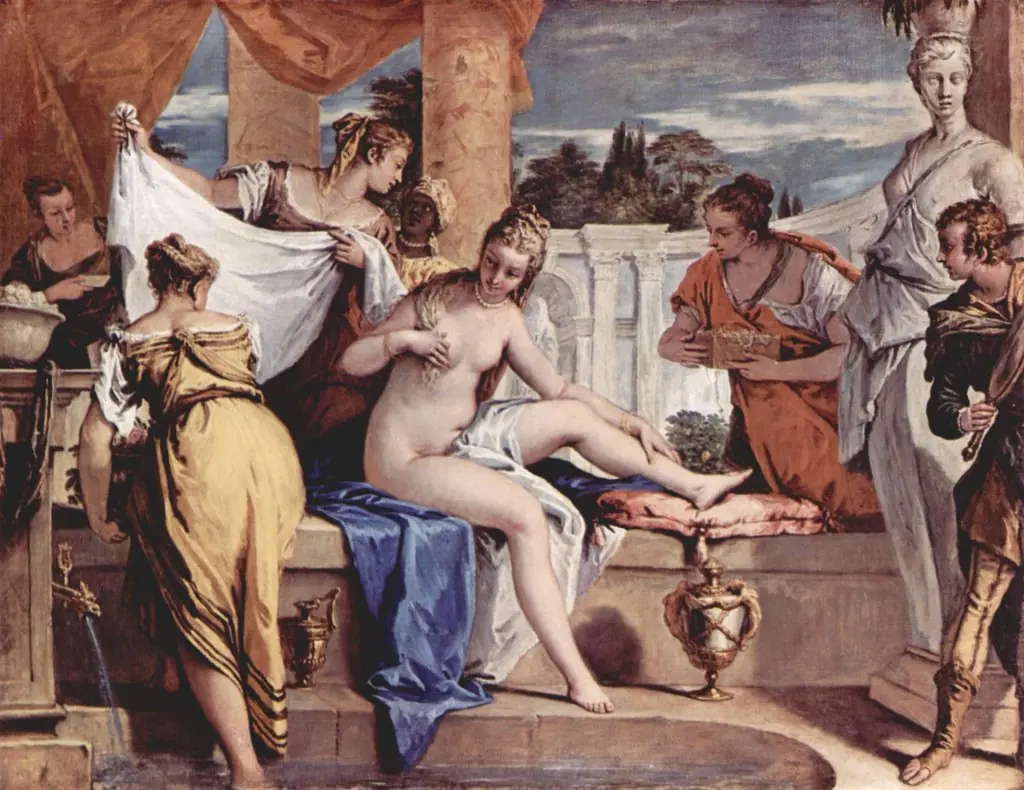 Bathsheba at her bath
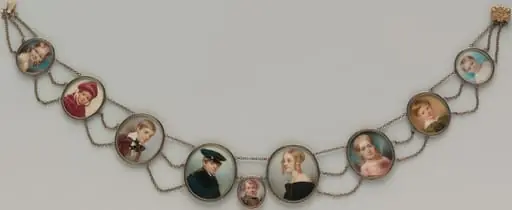 A Mother's Pearls
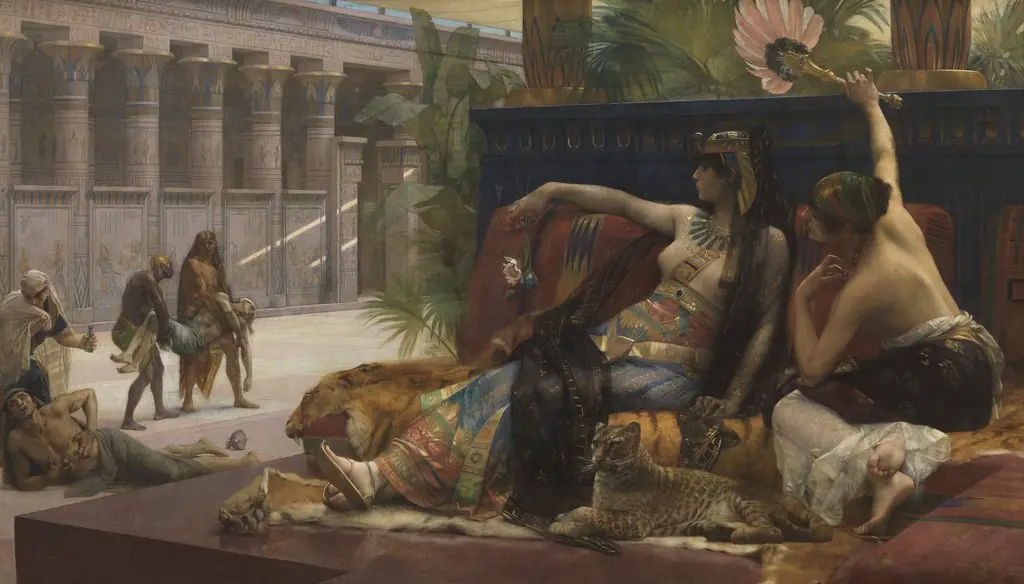 Cleopatra Testing Poisons on Condemned Prisoners
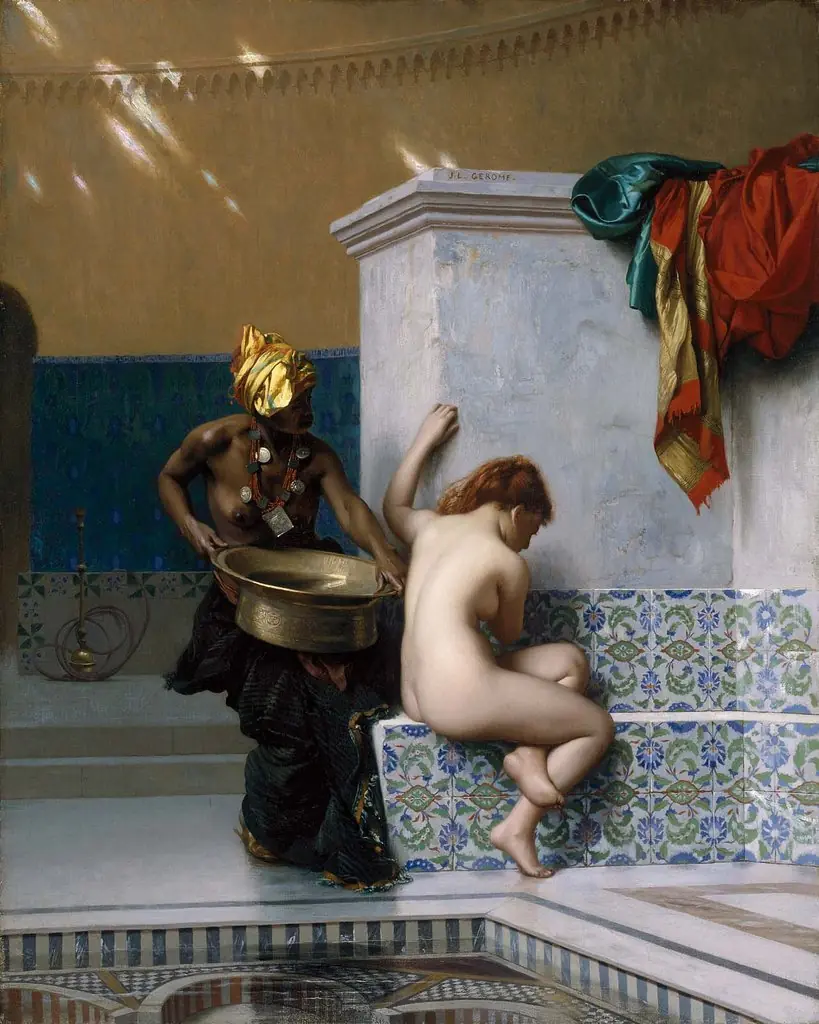 Moorish Bath
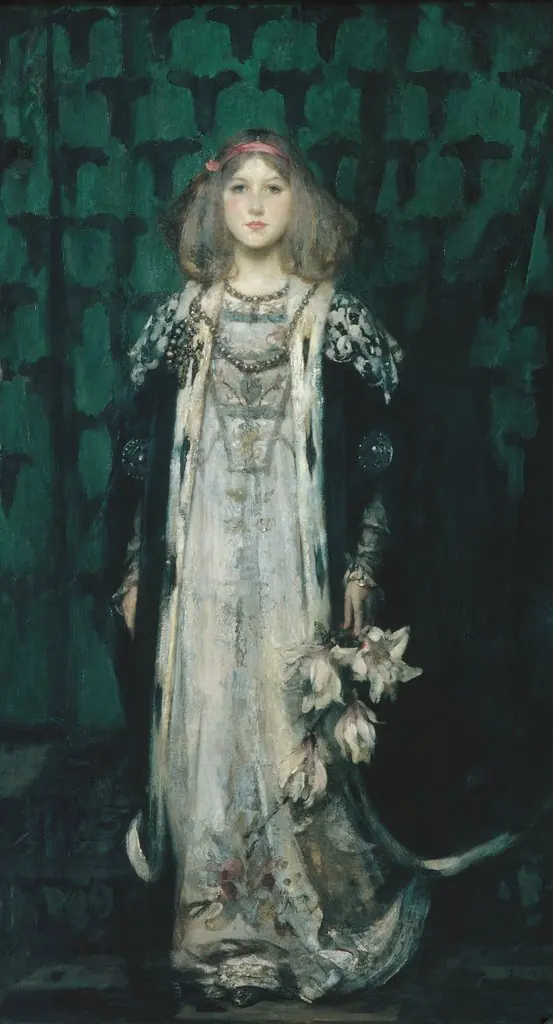 Magnolia
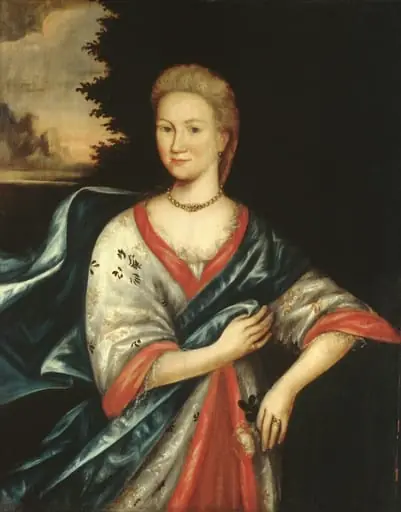 Portrait of a Lady
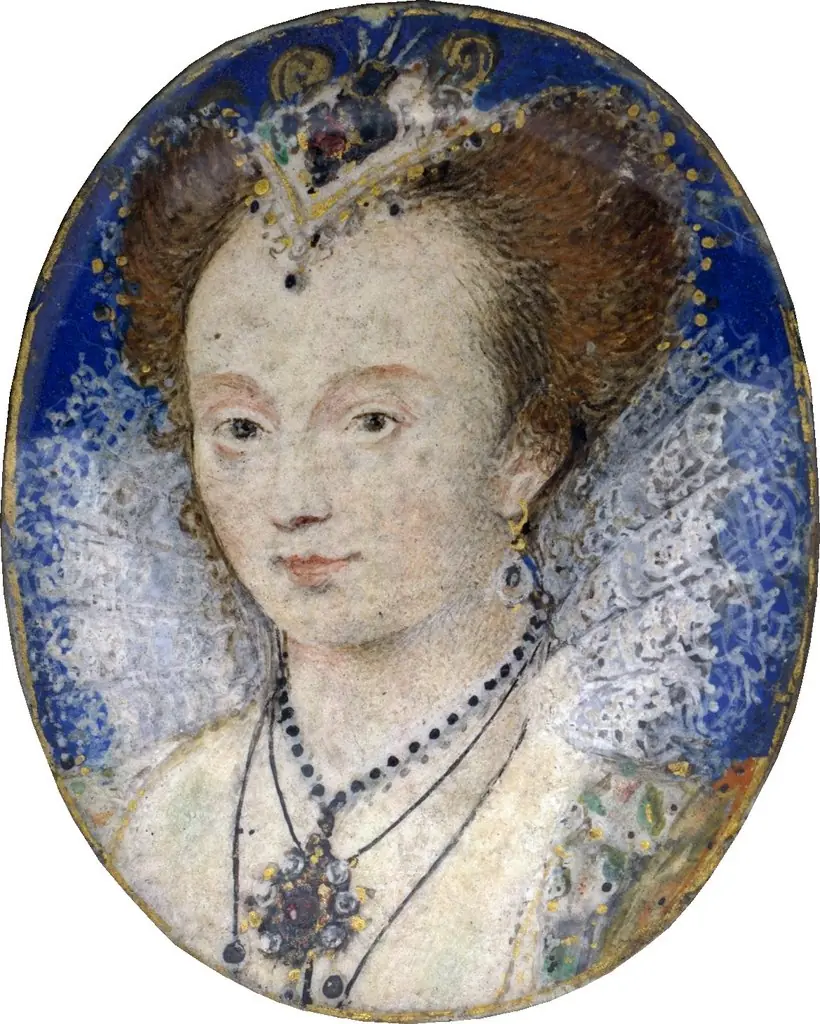 Portrait of a Woman
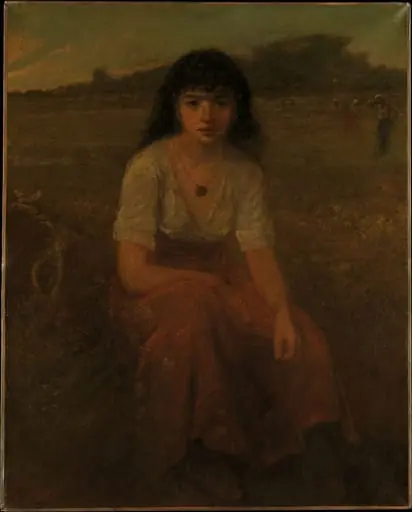 The Quadroon
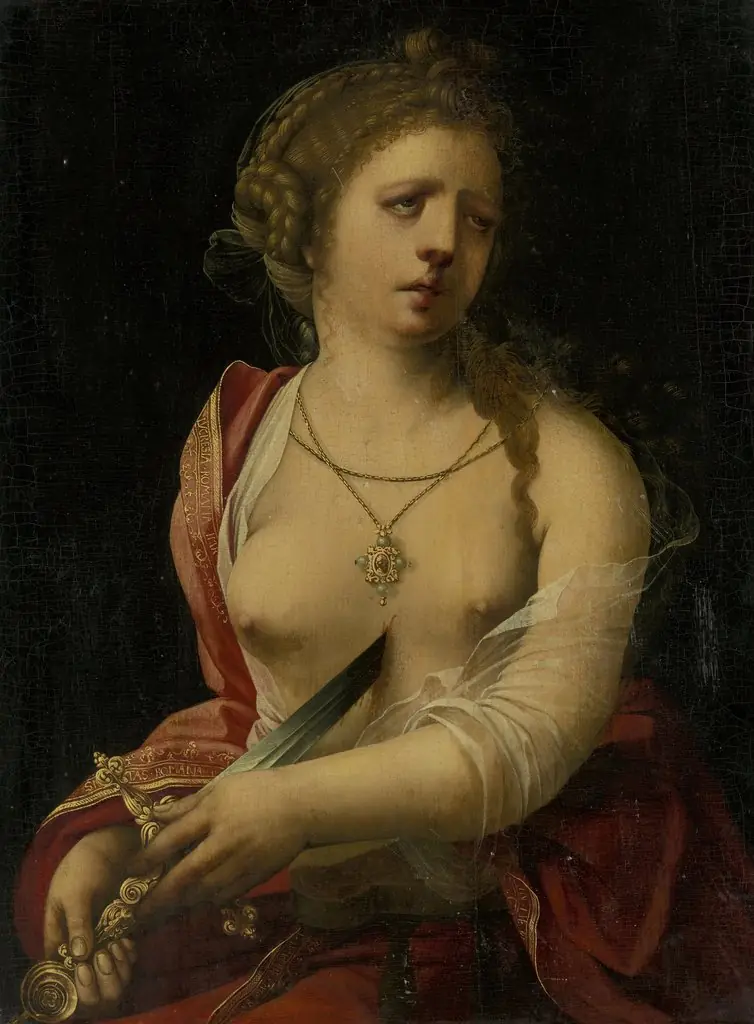 The suicide of Lucretia
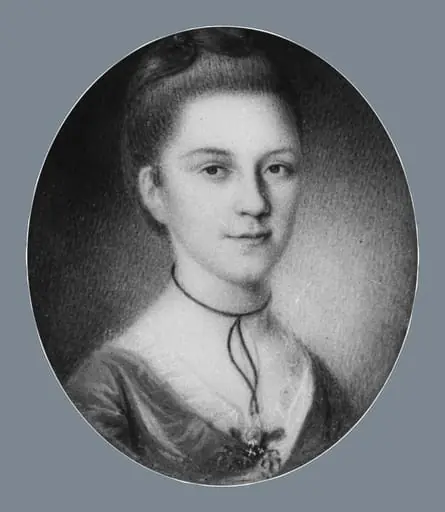 Mrs. Michael Taney (Monica Brooke)
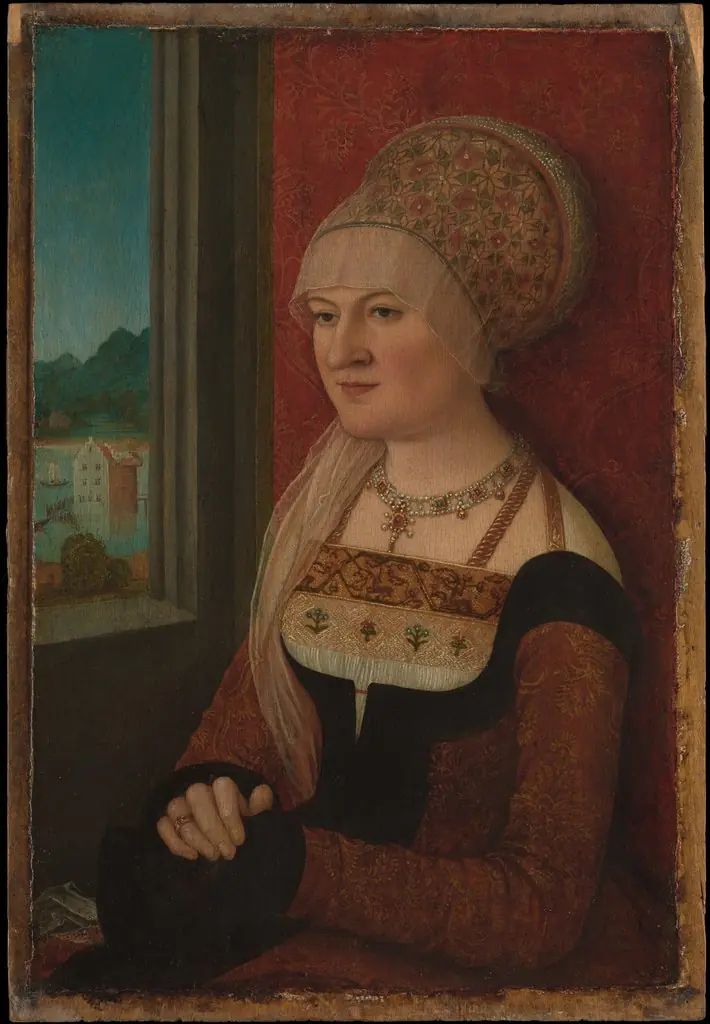 Portrait of a Woman
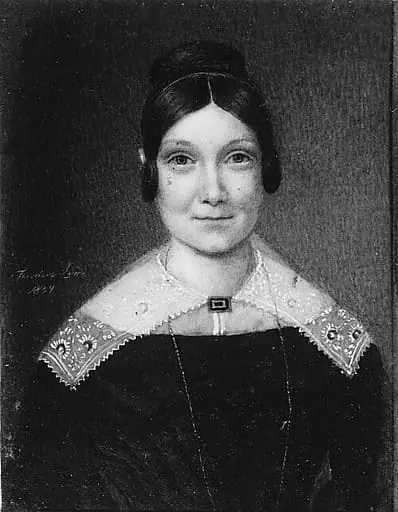 Mrs. Warren Rogers (Julie Francoise Gabrielle d'Anterroches)
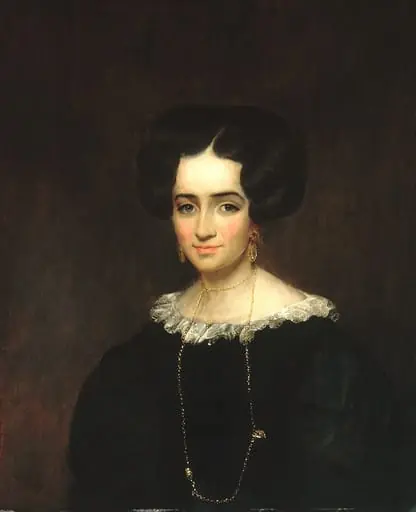 Mrs. John Adams Conant
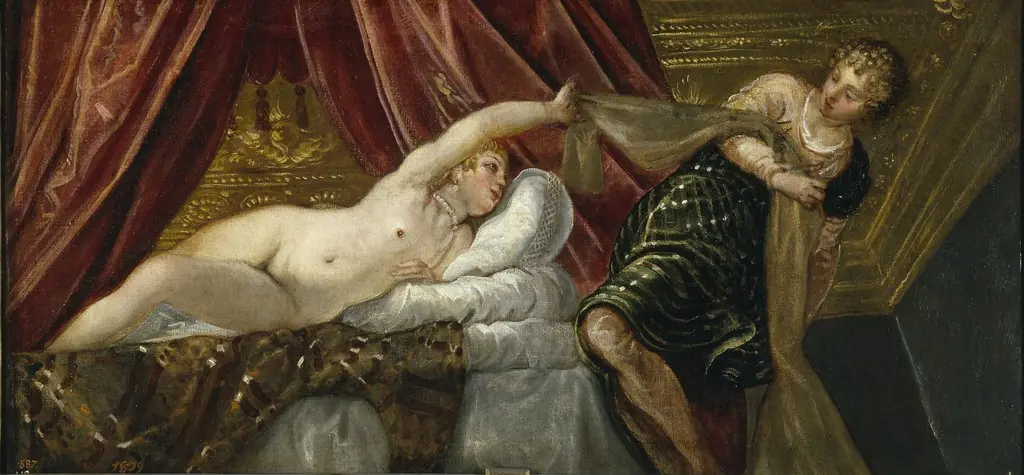 Joseph and Potiphar's Wife
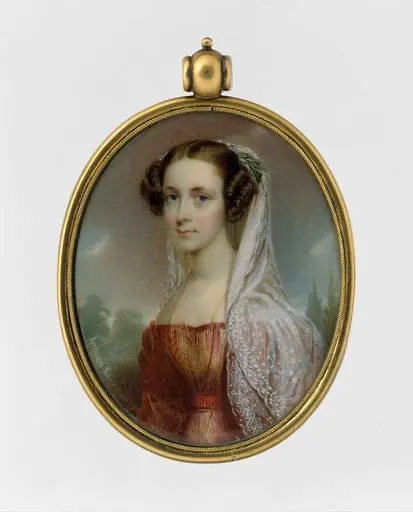 Portrait of a Lady
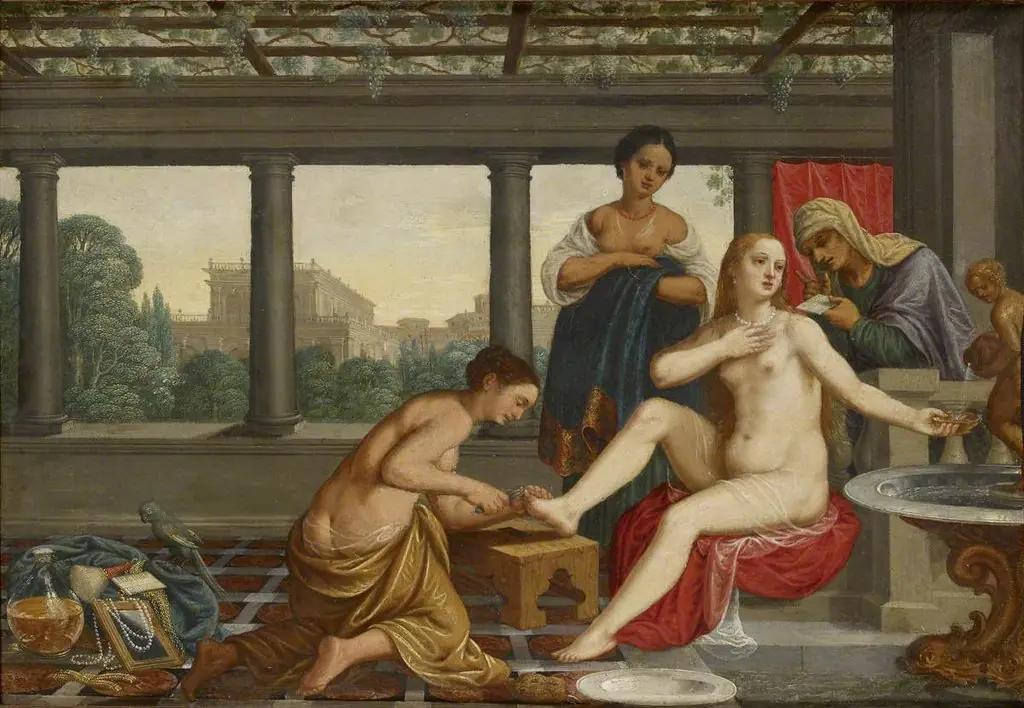 Bathsheba's Bath
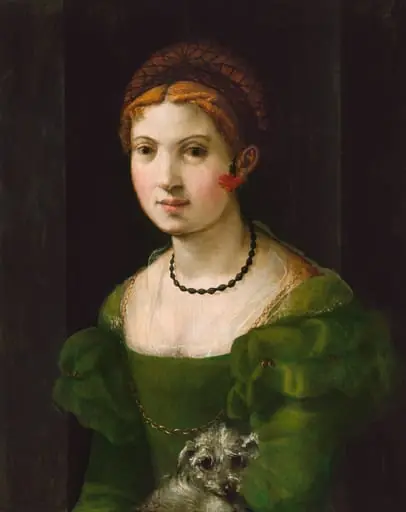 Portrait of a Young Woman
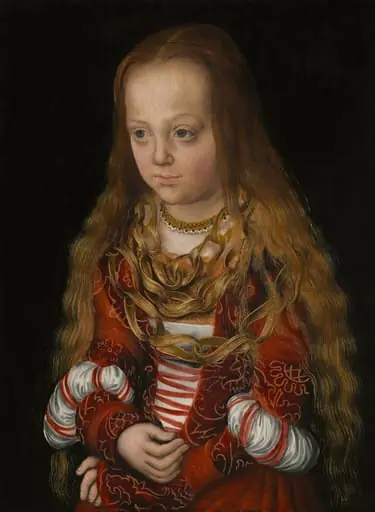 A Princess of Saxony
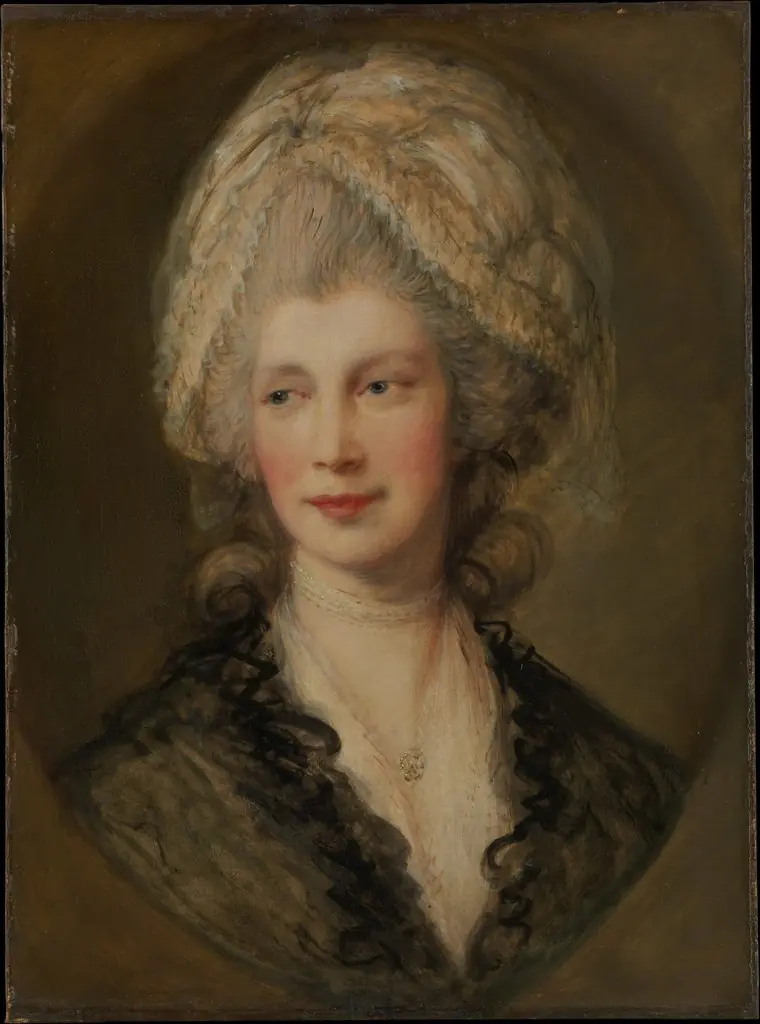 Queen Charlotte
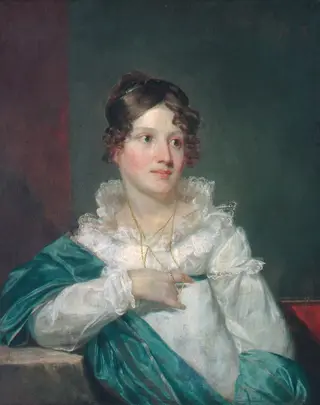 Mrs. Daniel DeSaussure Bacot
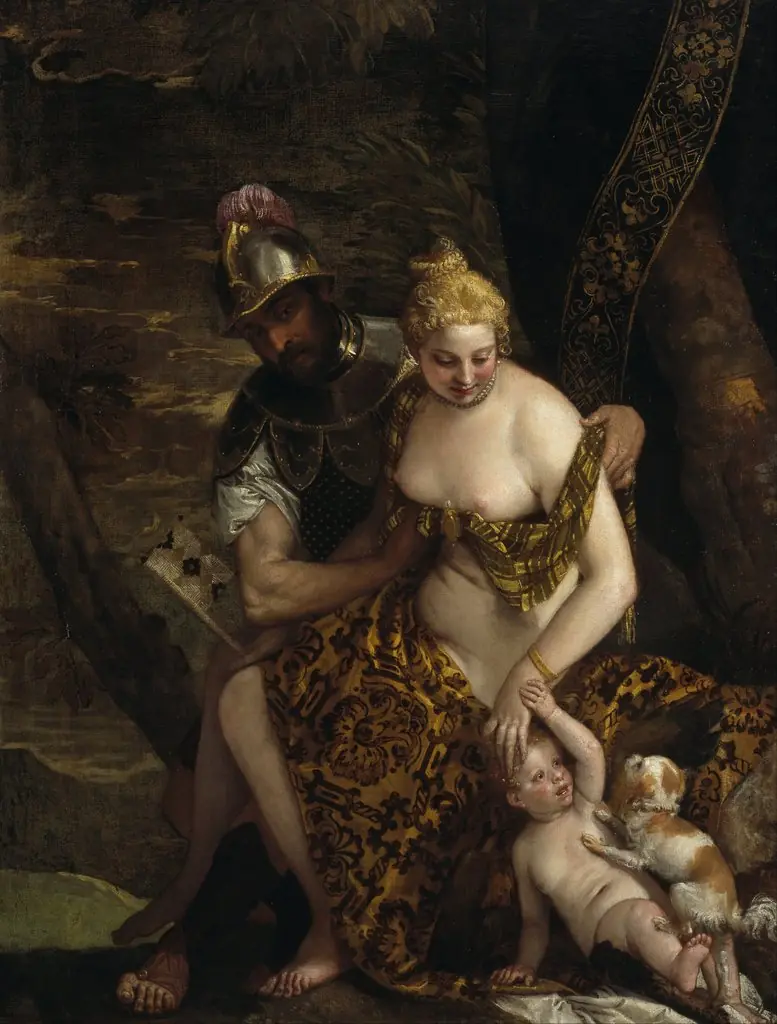 Mars and Venus with Cupid and a Dog
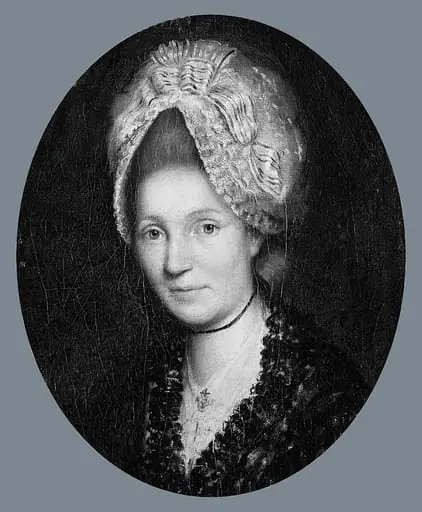 Portrait of a Woman
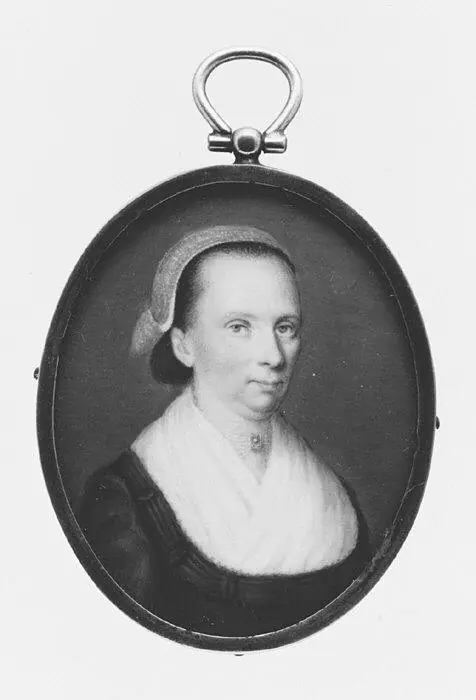 Portrait of a Woman
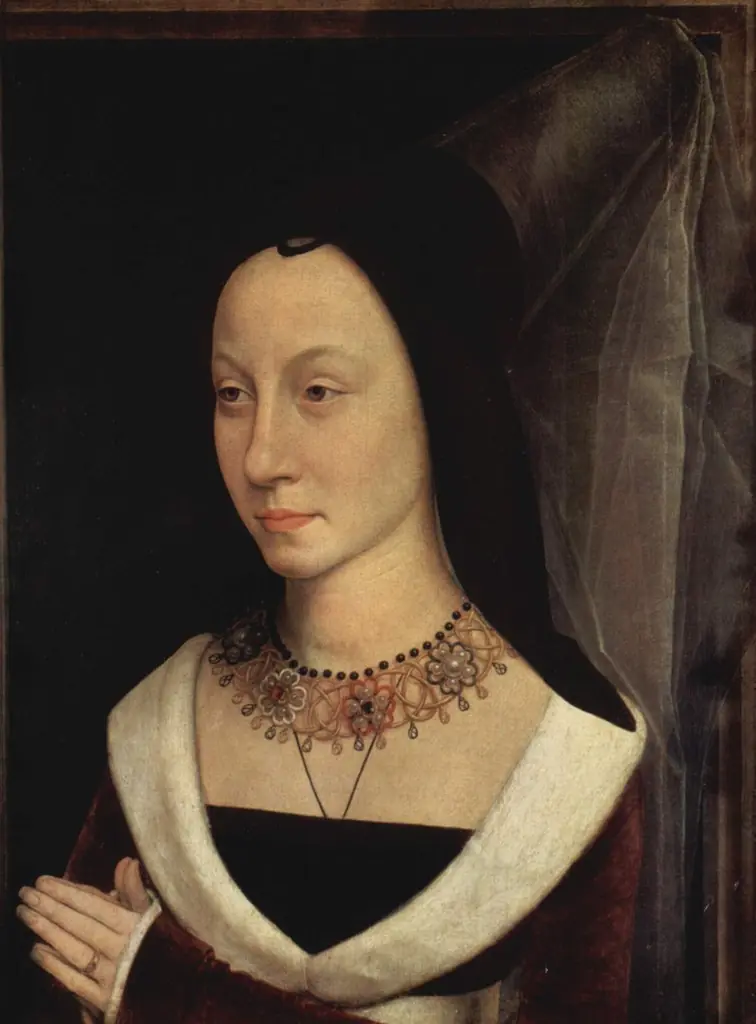 Portrait of Maria Portinari
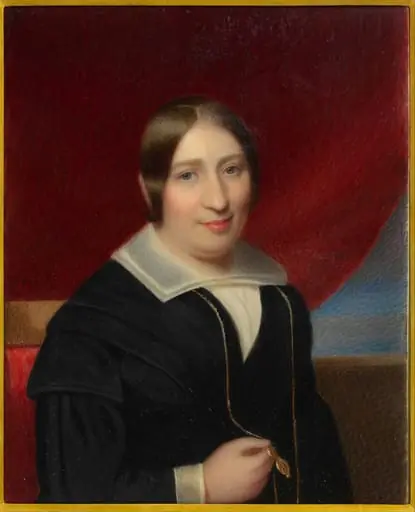 Catherine Augusta Wilmerding
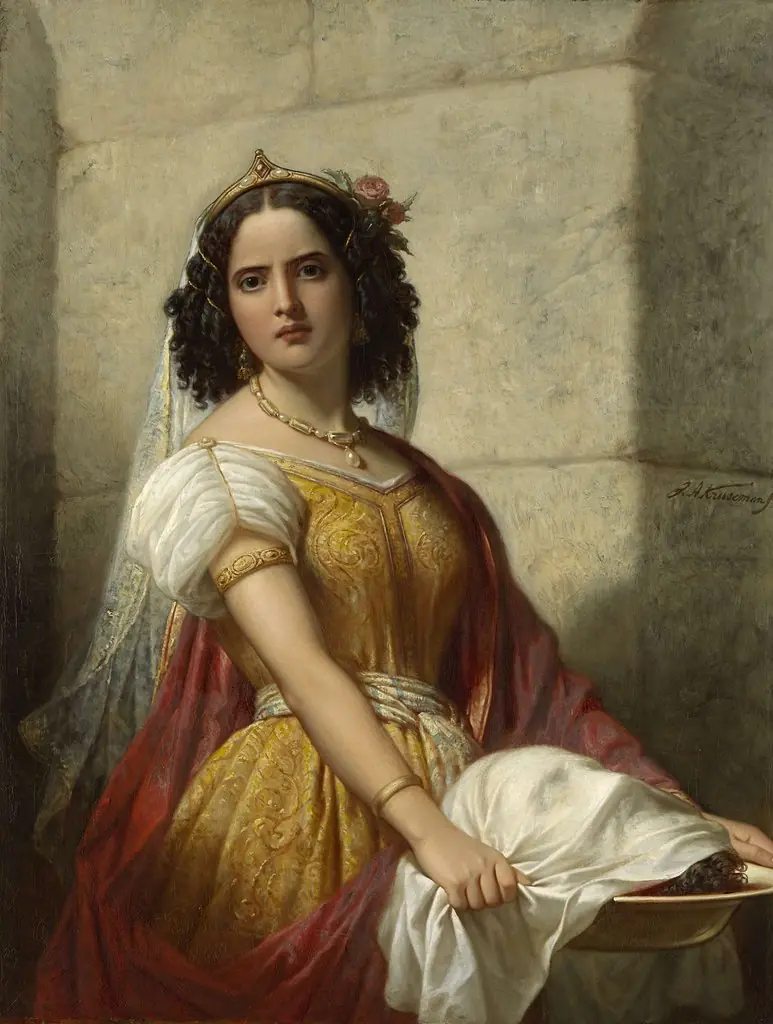 Salome with the Head of John the Baptist
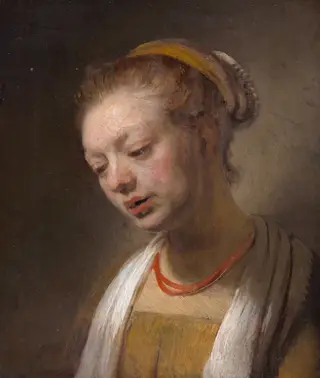 Young Woman with a Red Necklace
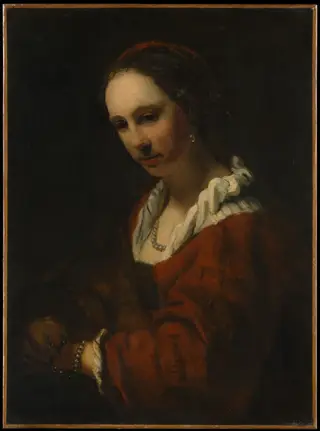 Young Woman with a Pearl Necklace
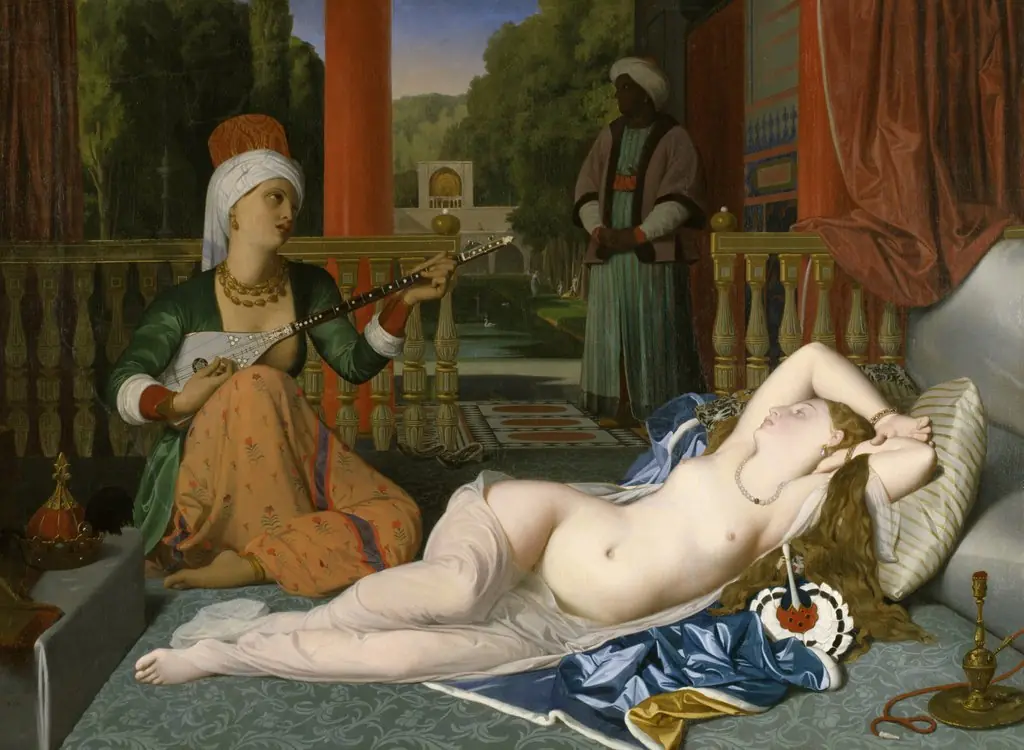 Odalisque with Slave
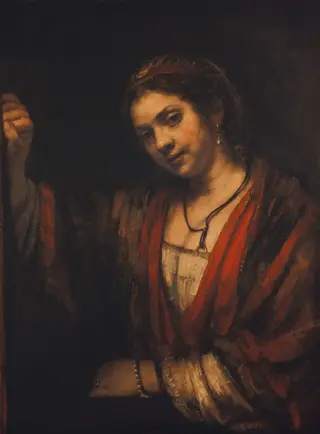 Hendrickje Stoffels by a Door
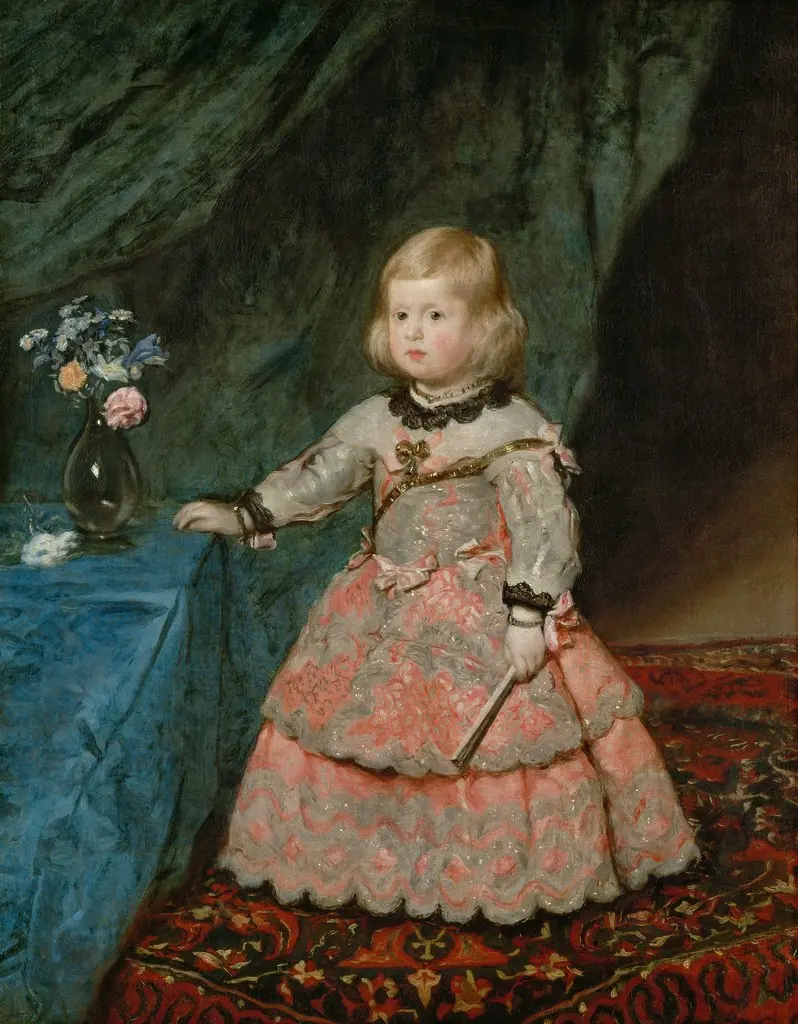 Infanta Margarita Teresa
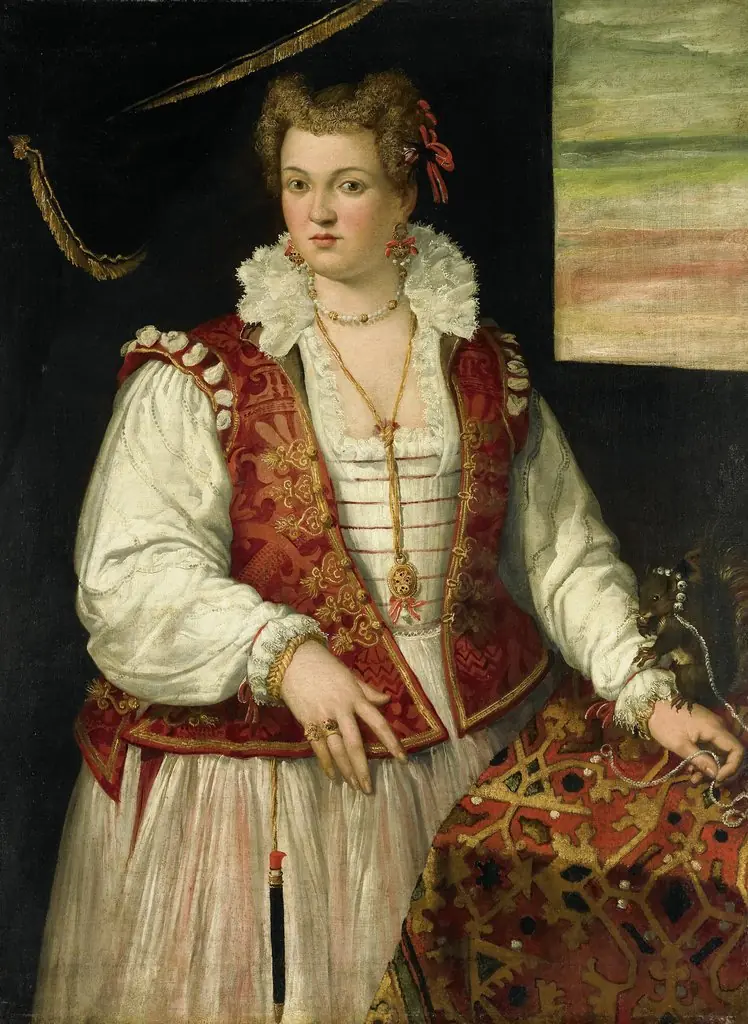 Portrait of a Woman with a Squirrel
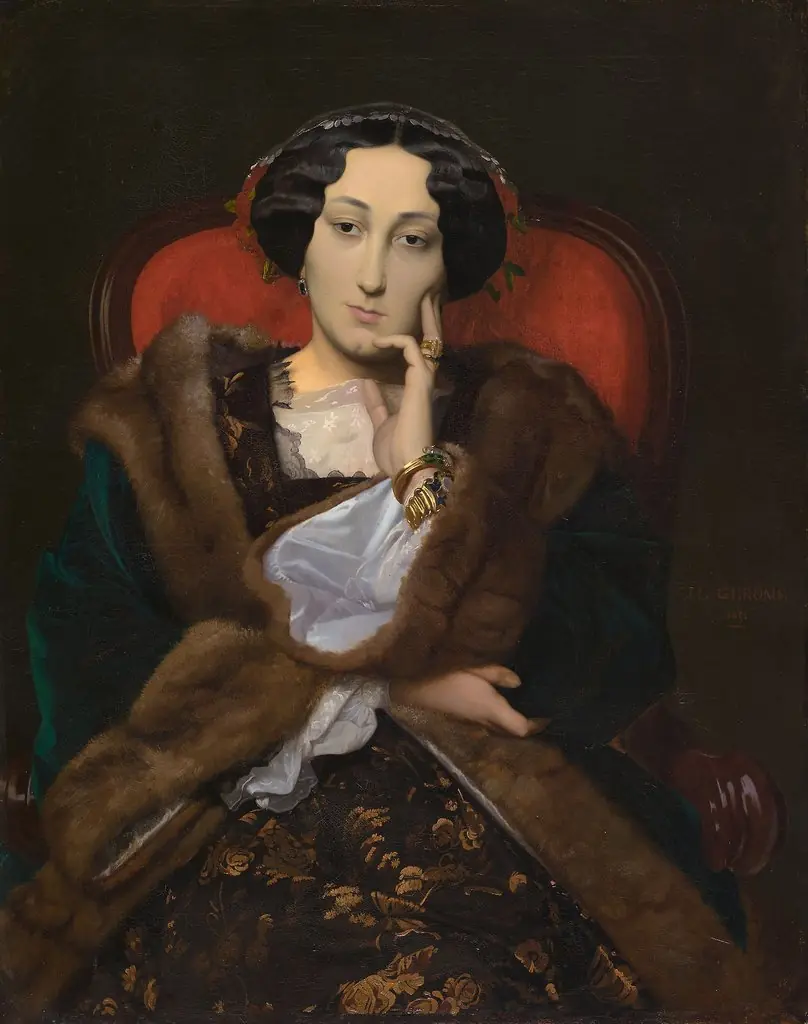 Portrait of a Woman
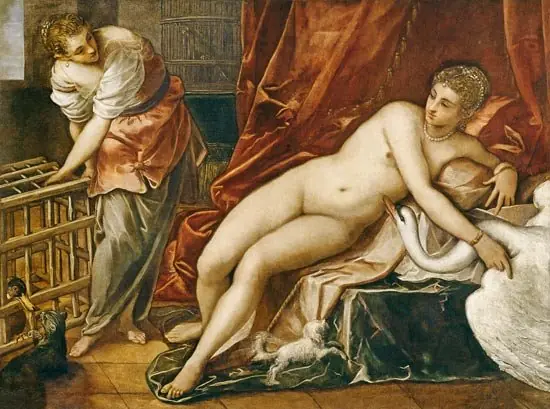 Leda and the Swan
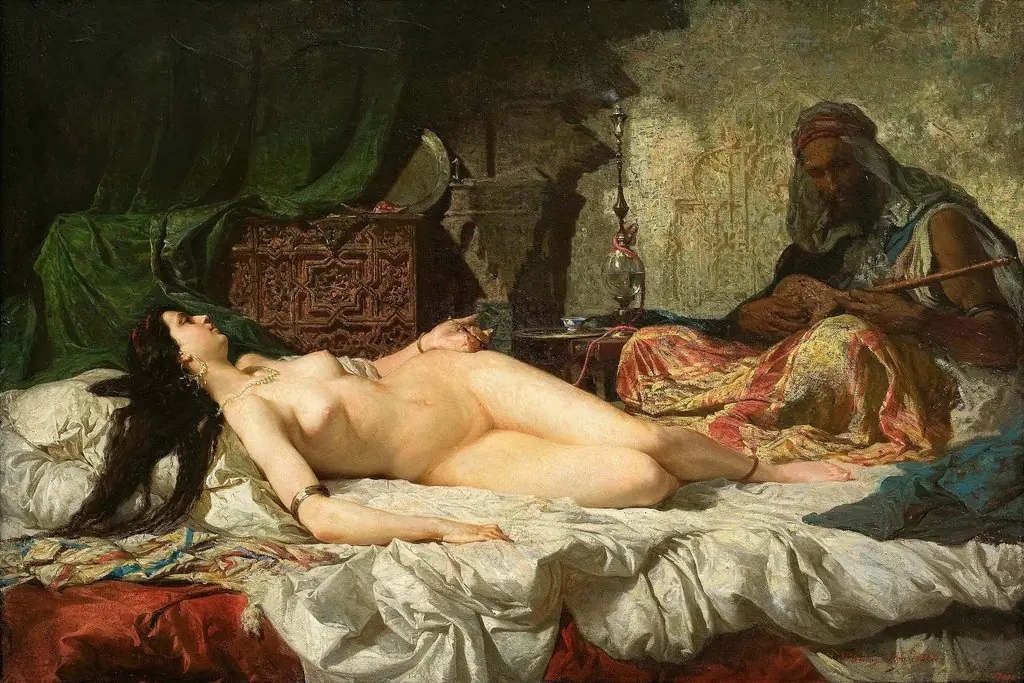 The Odalisque
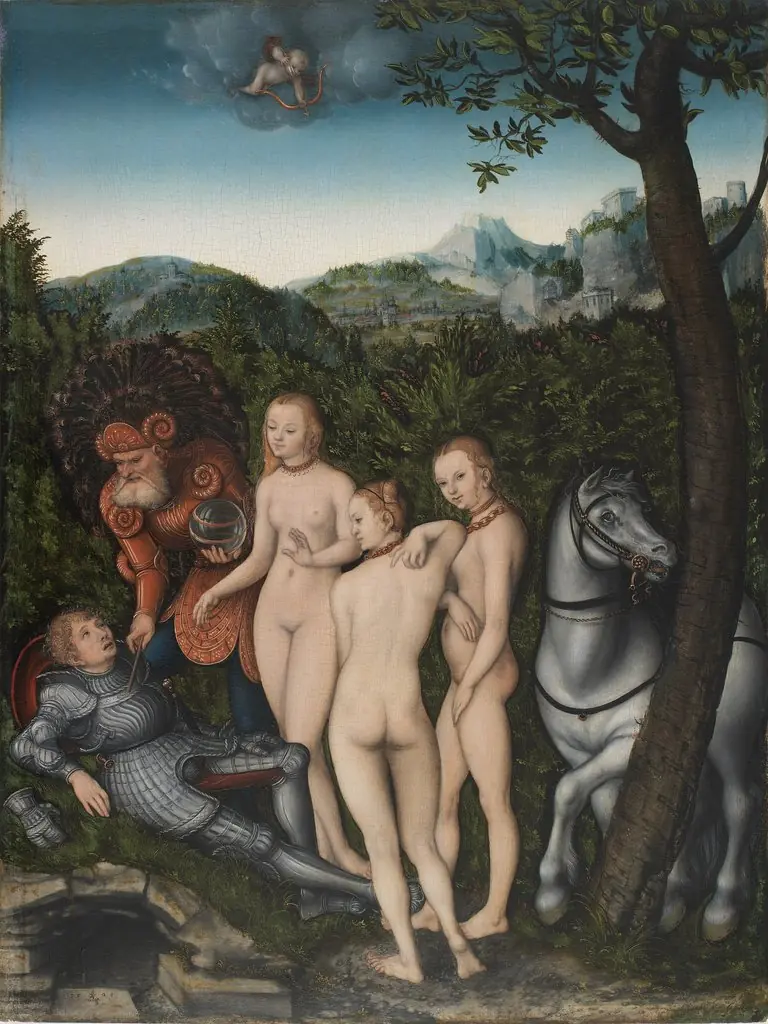 The Judgement of Paris
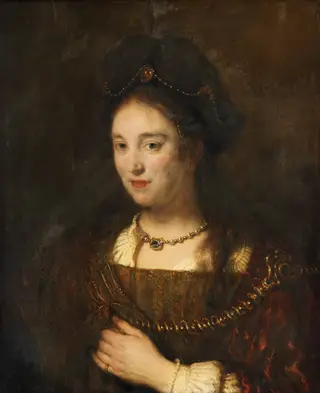 Half-figure of a woman with a beret
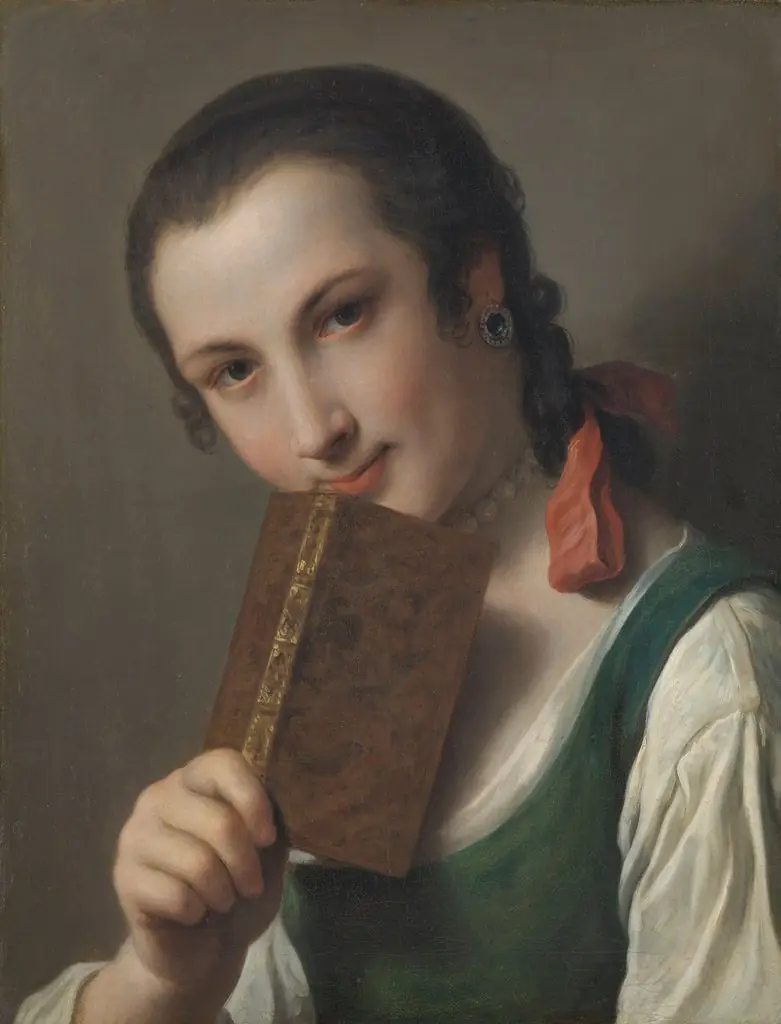 A Young Woman with a Book
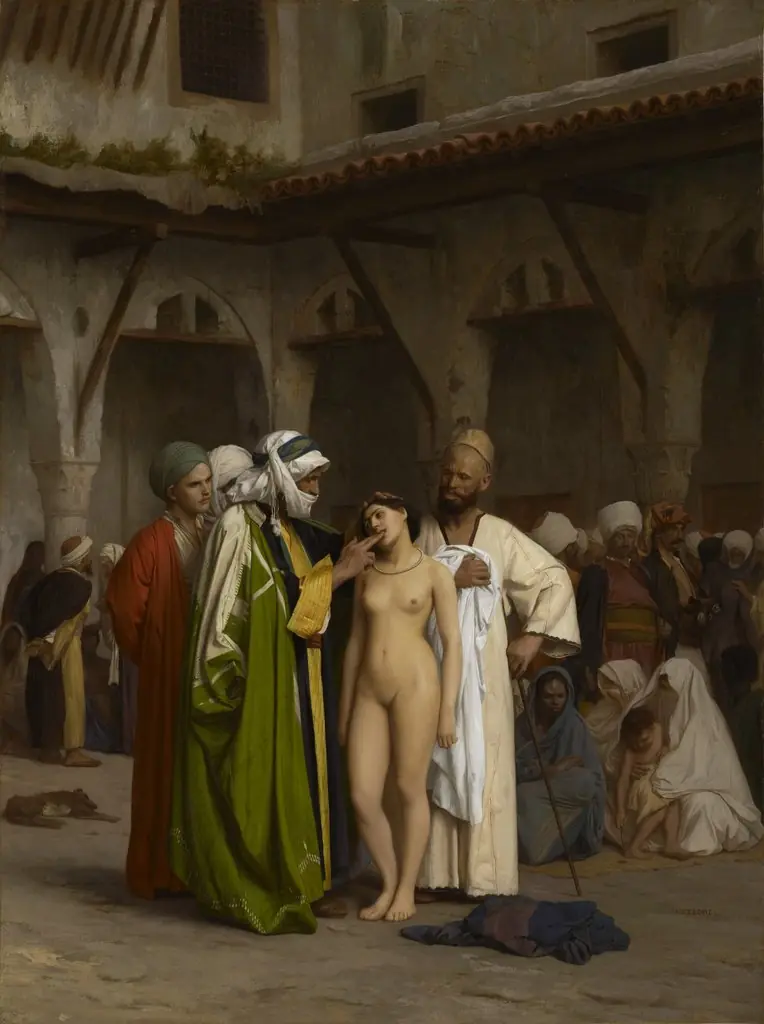 The Slave Market
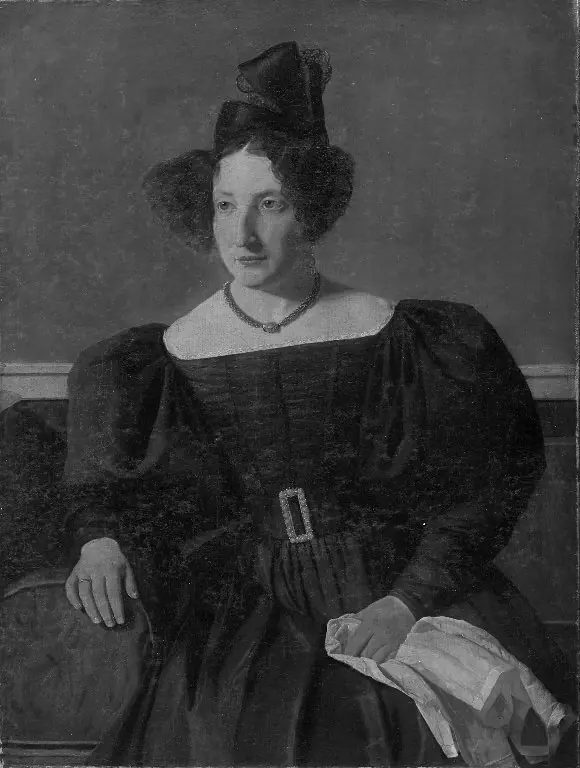 Portrait of Henriette Petersen, née Philipsen, Mrs Michael Christian Petersen
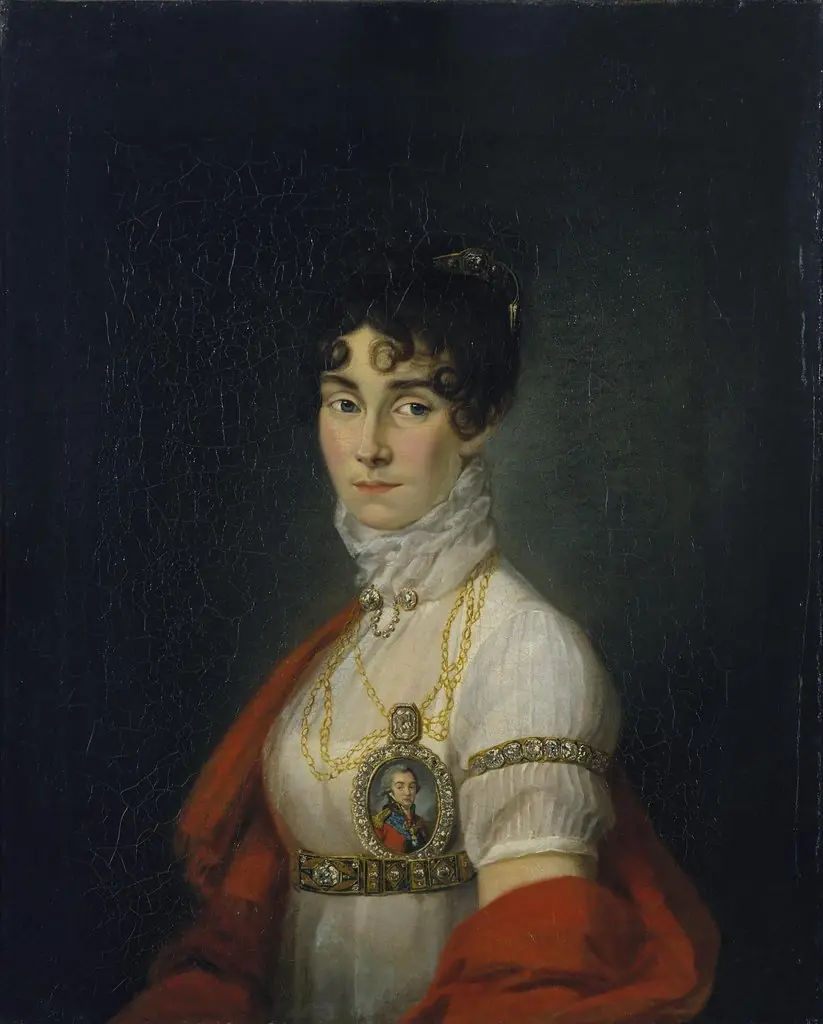 Portrait of Praskovia Kovalyova-Zhemchugova, Countess Sheremeteva (1768-1803)
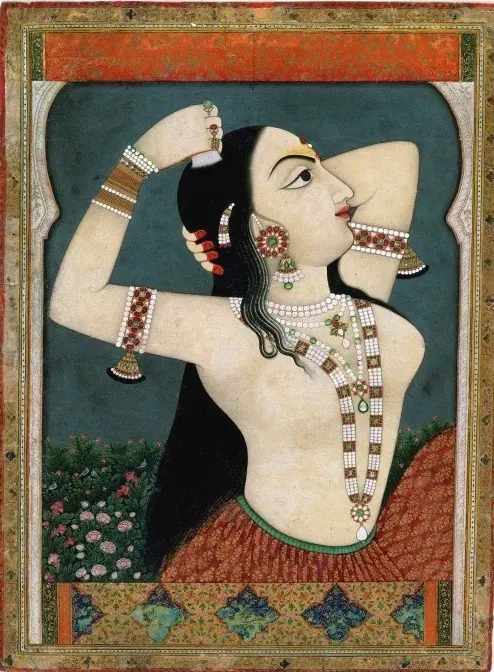 A lady combing her hair
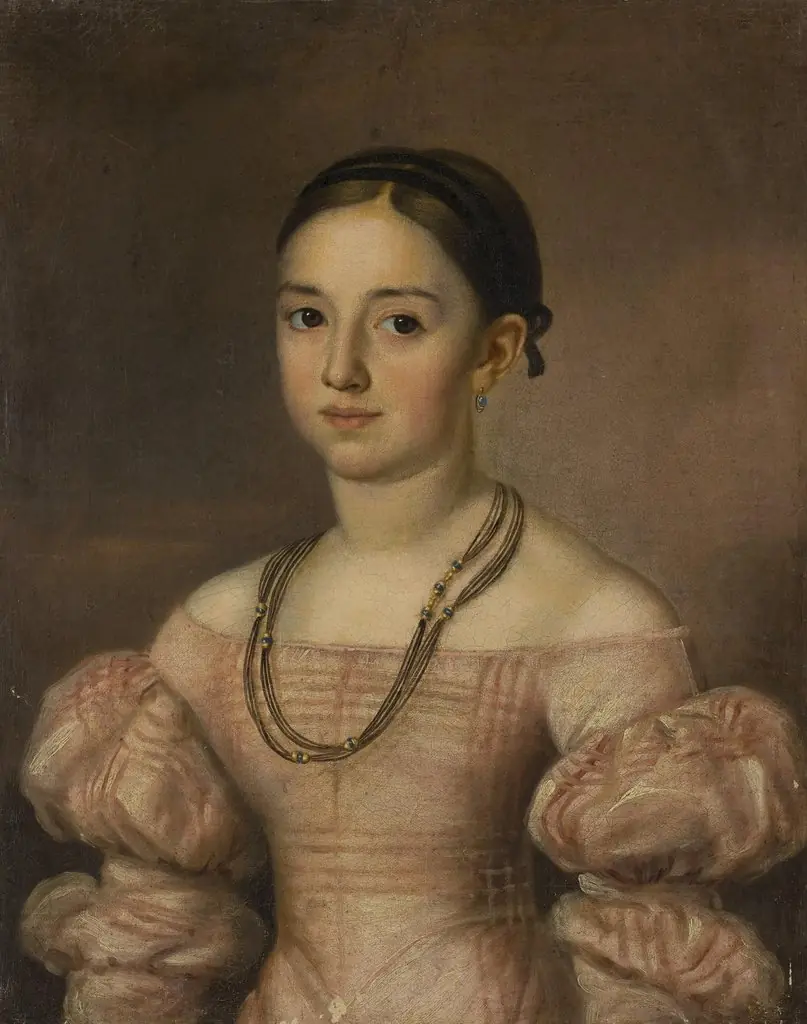 Portrait of an Adolescent Girl
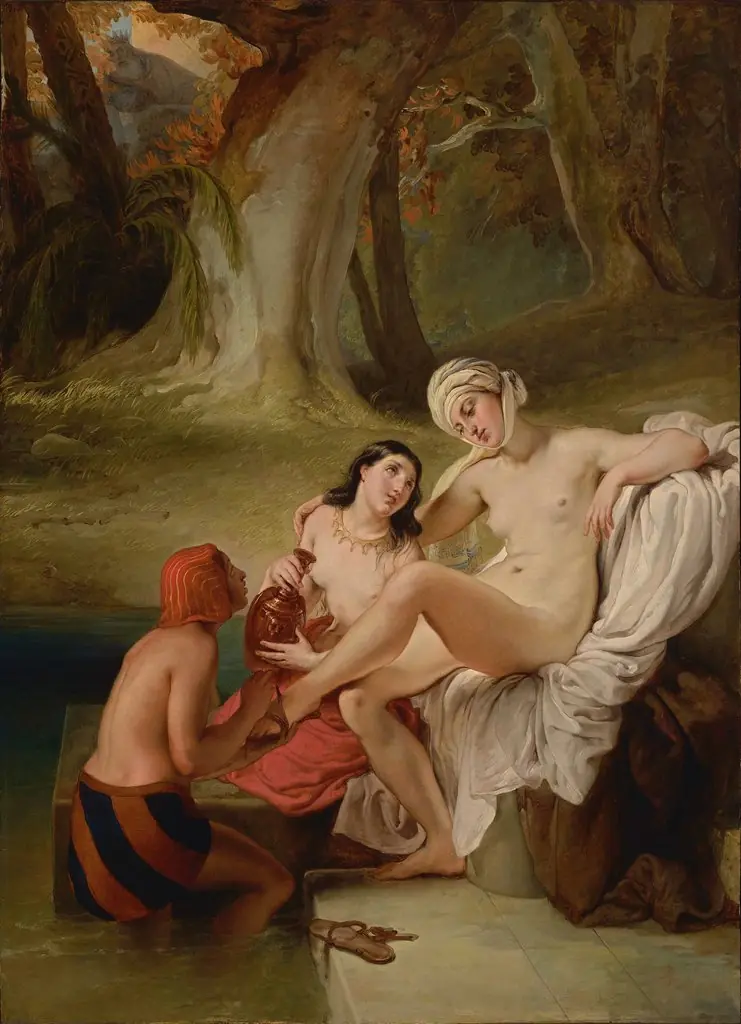 Bathsheba Bathing
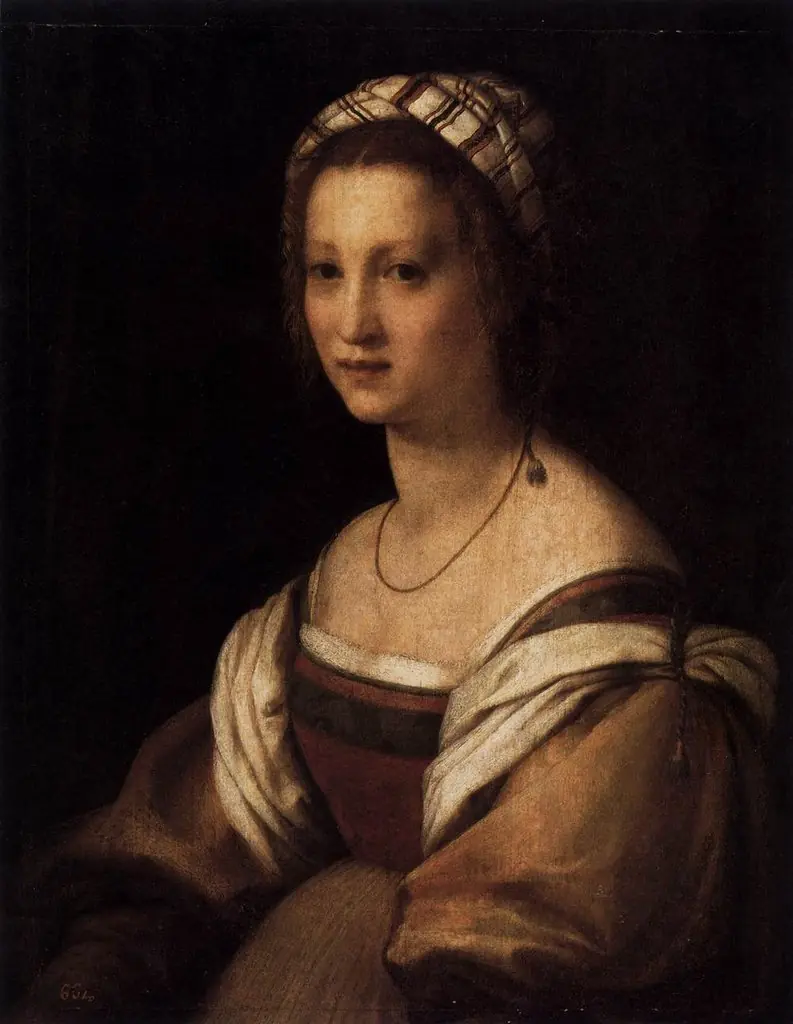 Portrait of a Woman
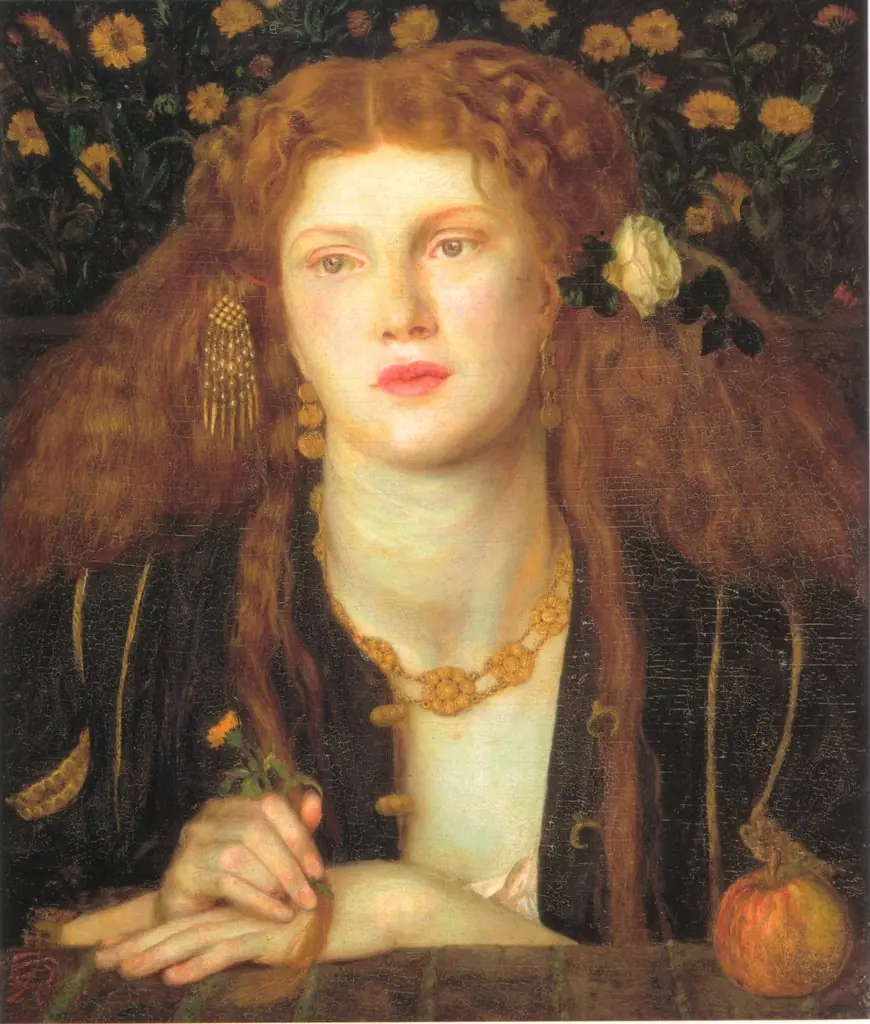 Bocca Baciata
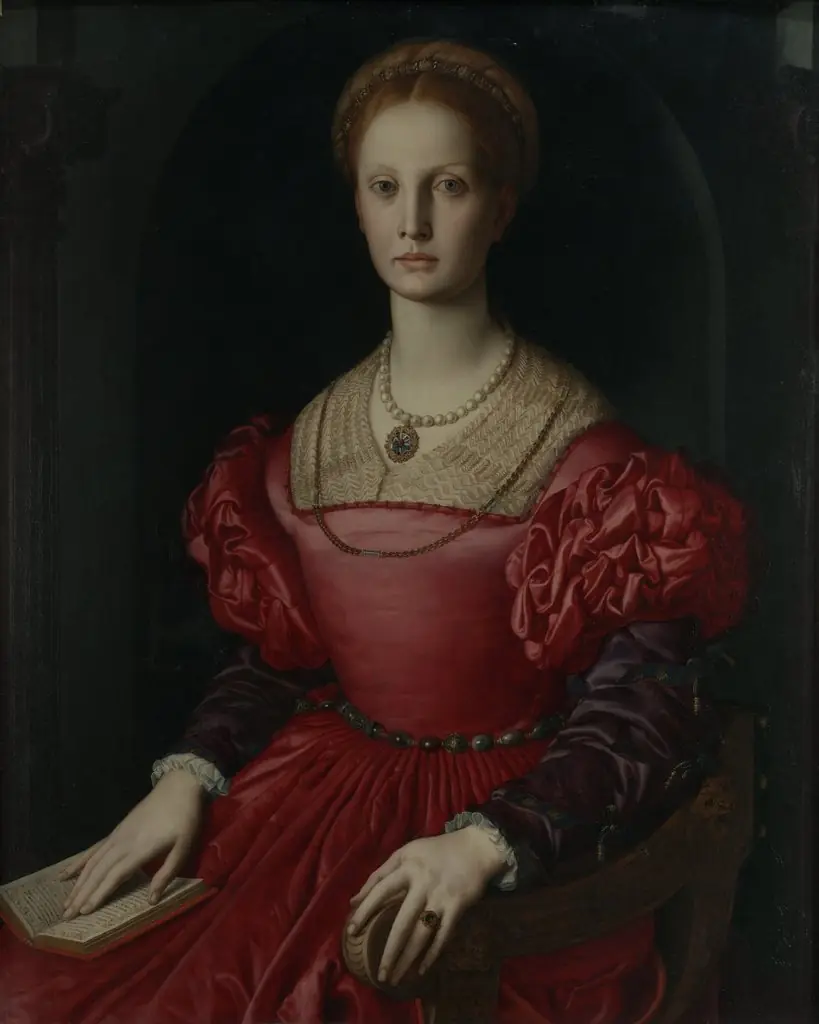 Portrait of Lucrezia Panciatichi
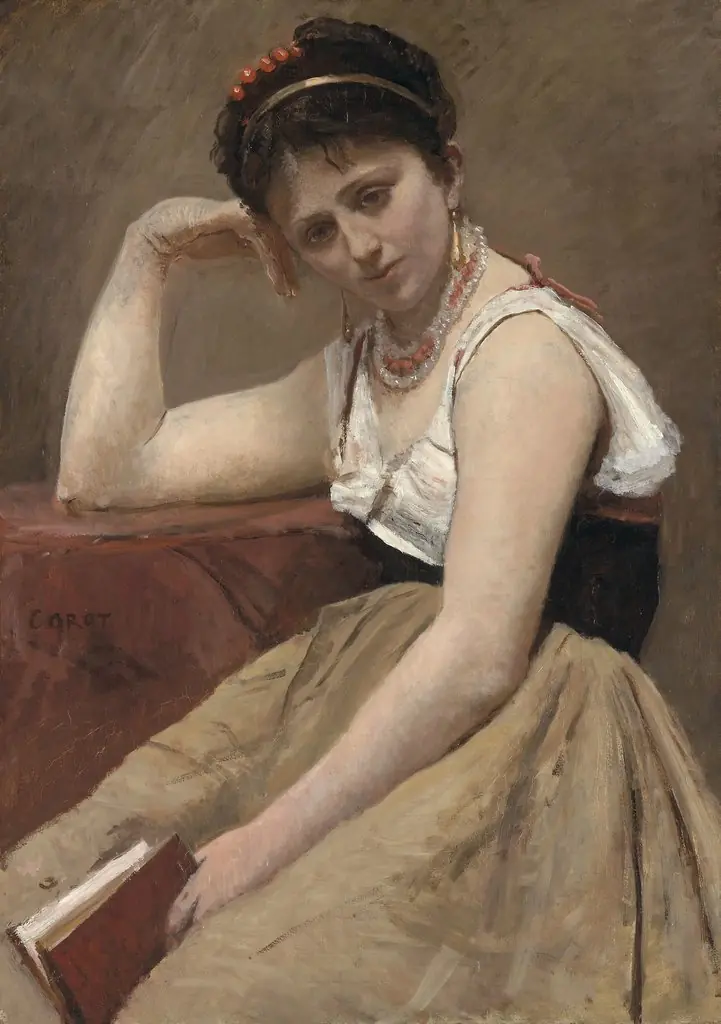 Interrupted Reading
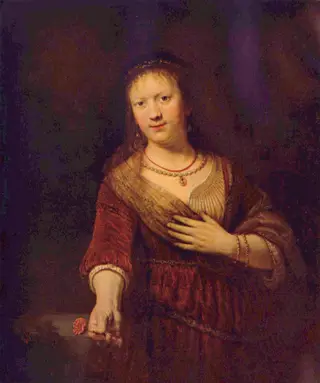 Saskia as Flora
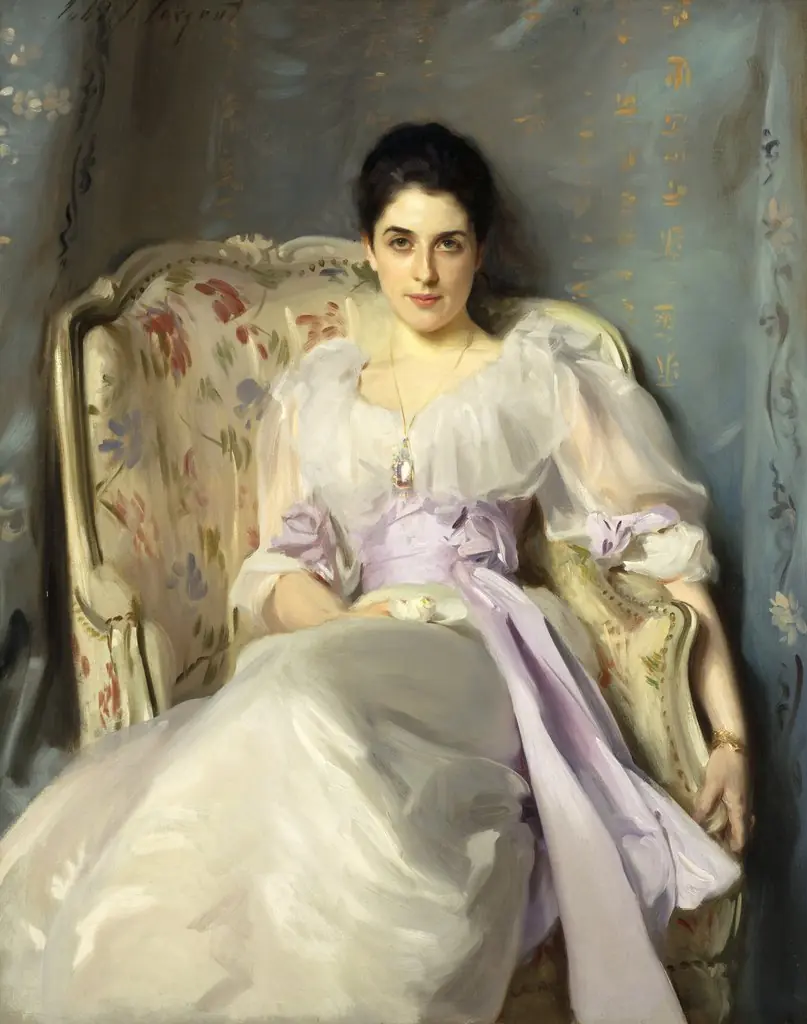 Lady Agnew of Lochnaw
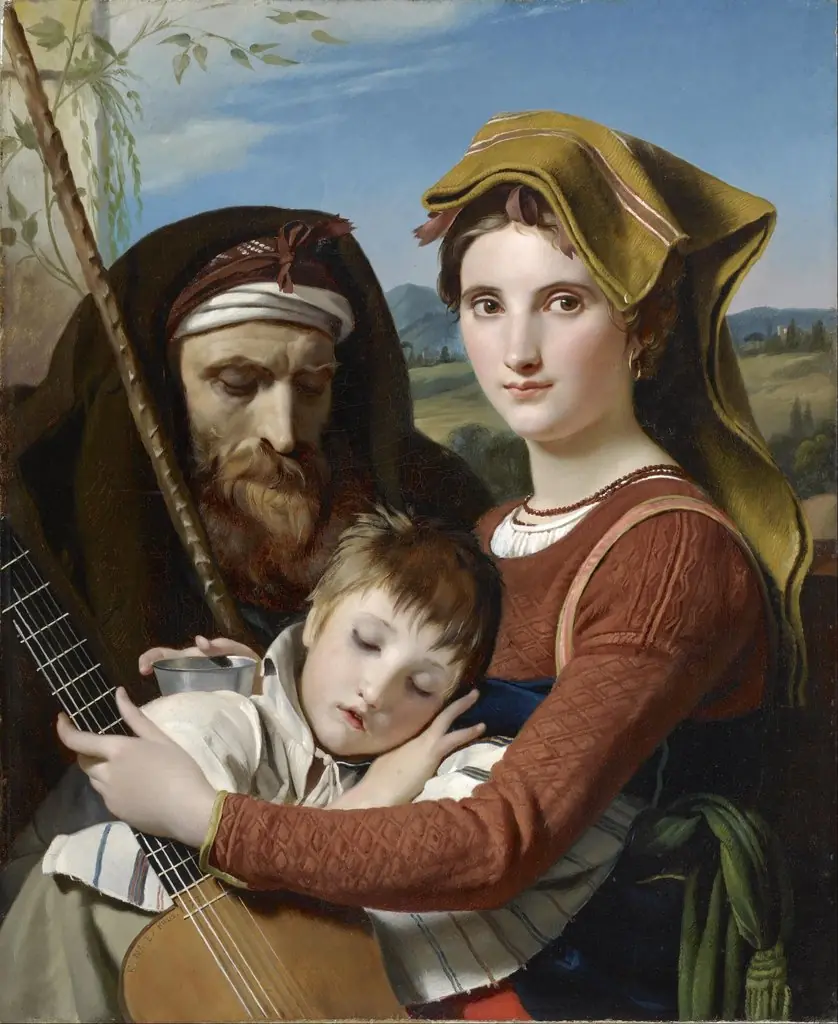 Roman Shepherd Family in the Campagna
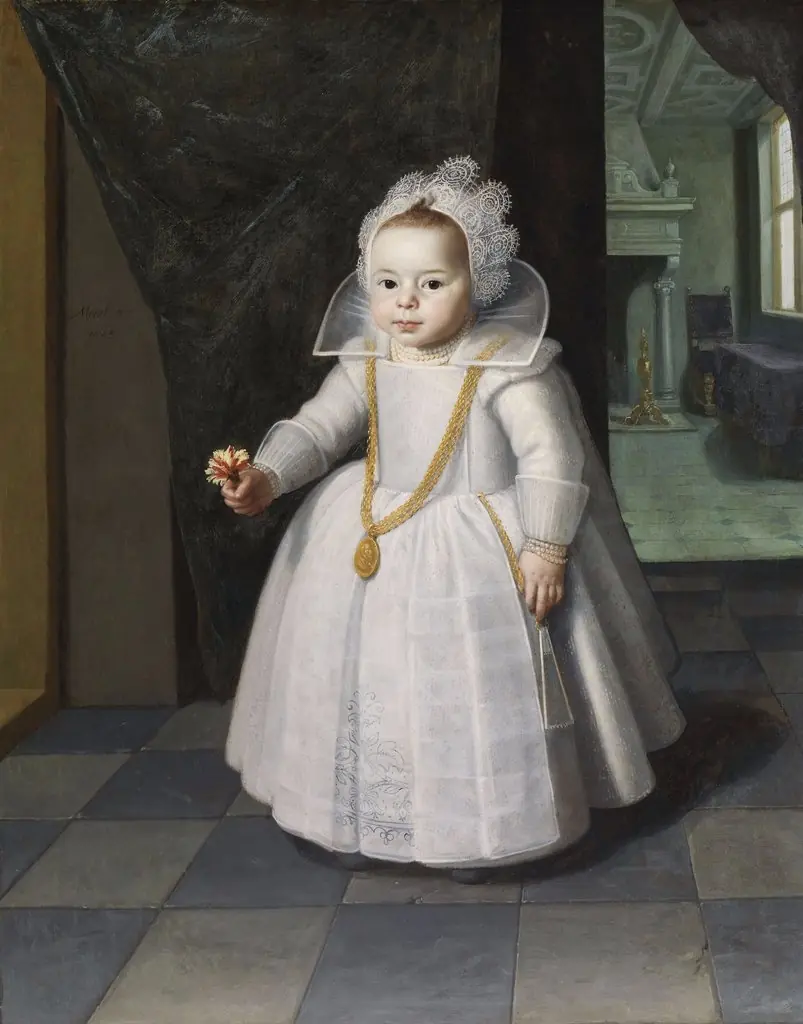 Portrait of a girl
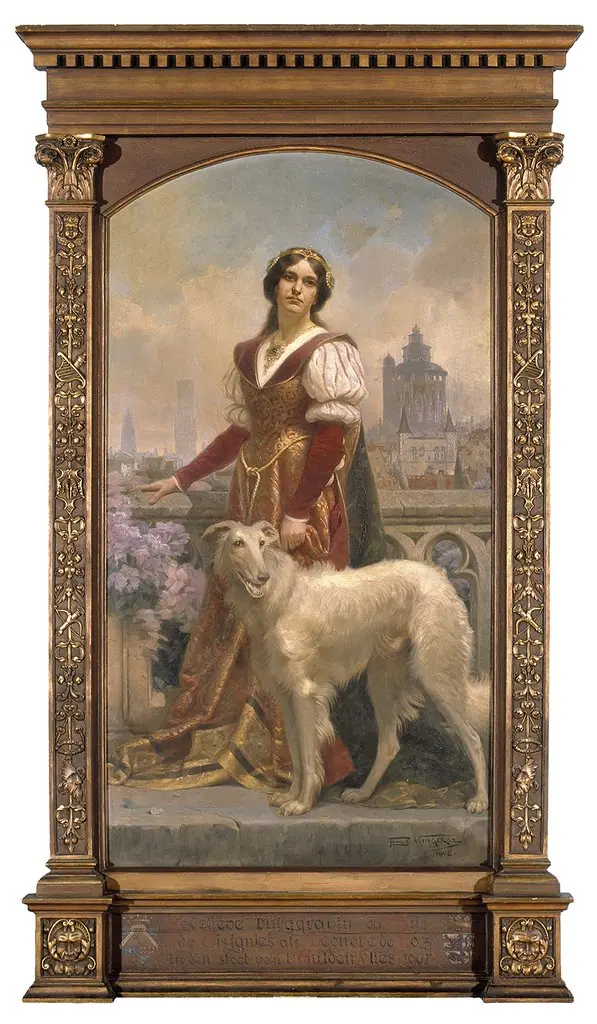 Portret van burggravin Godelieve du Bus de Gésignies
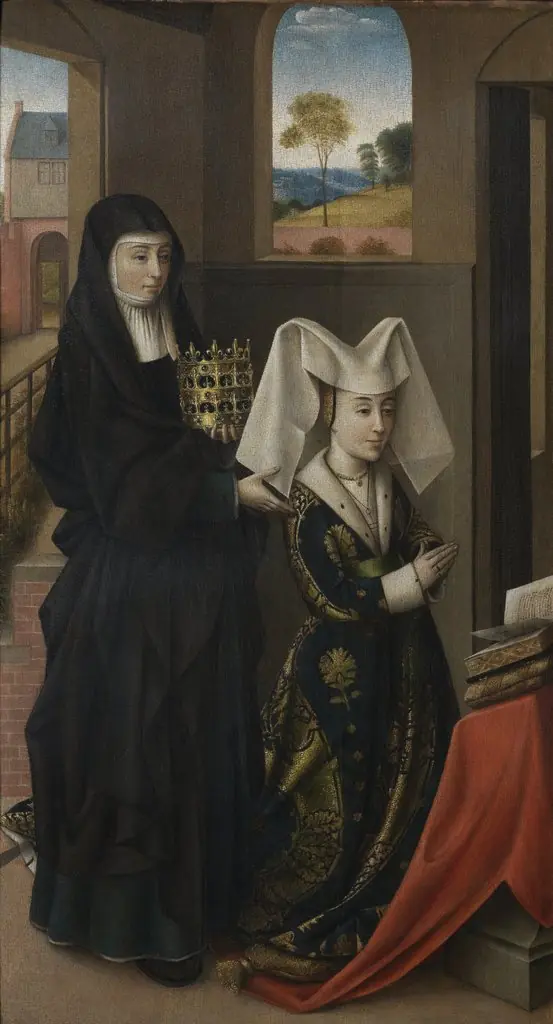 Isabella of Portugal with Saint Elisabeth
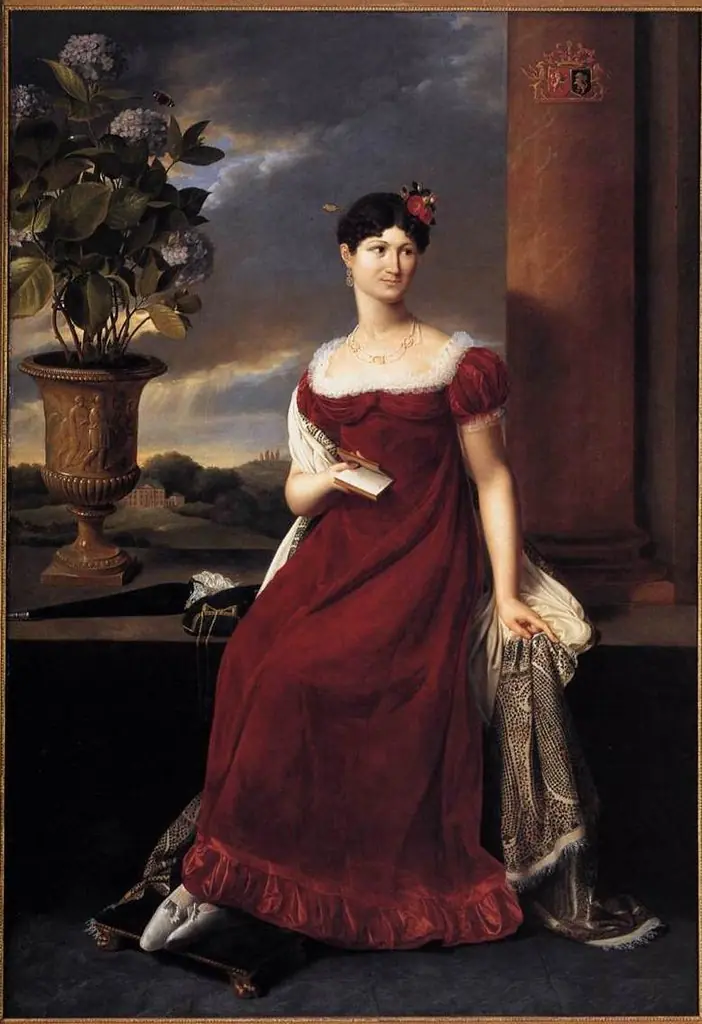 Mary Lodge, Bride of Baron Charles-Louis de Keverberg de Kessel
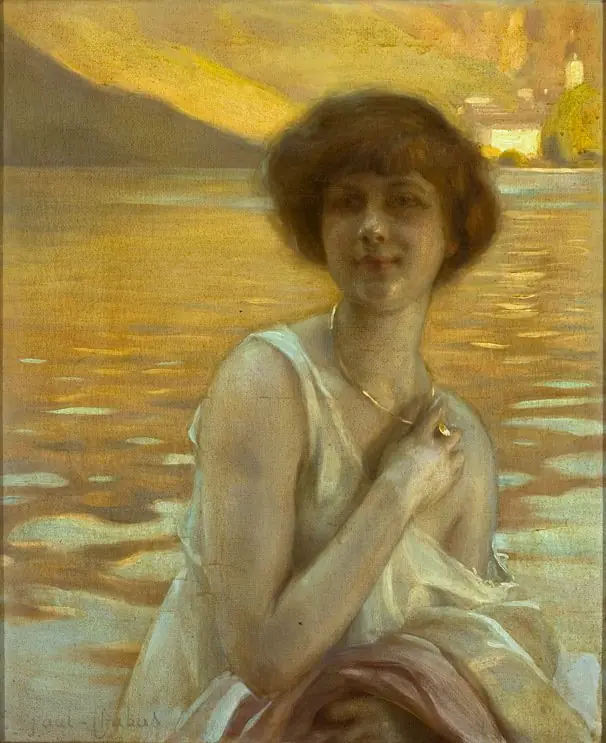 Portrait of a Lady
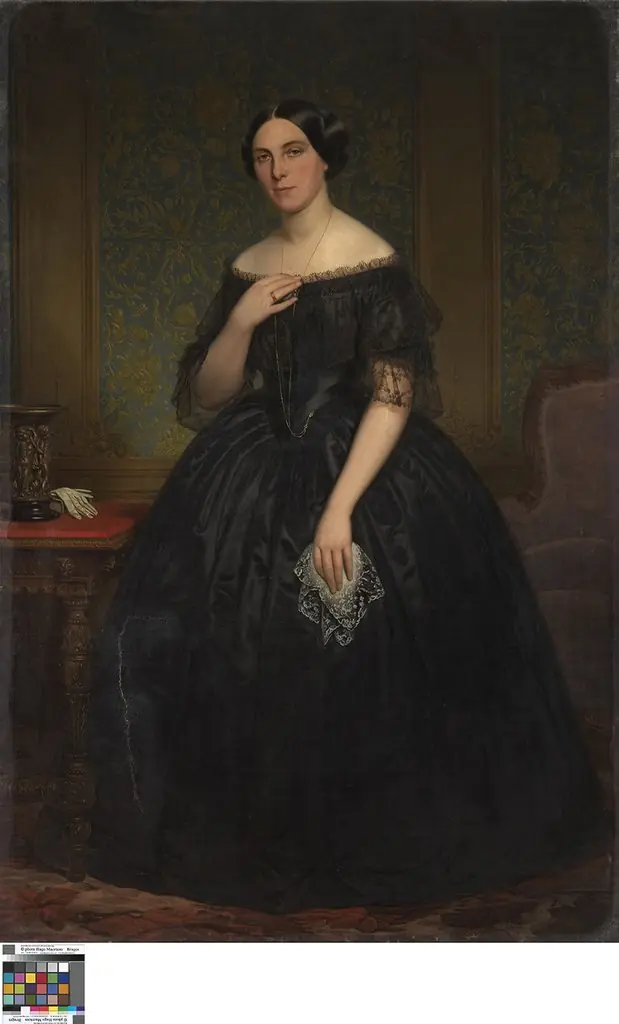 Portret van Beatrix van Herreweghe
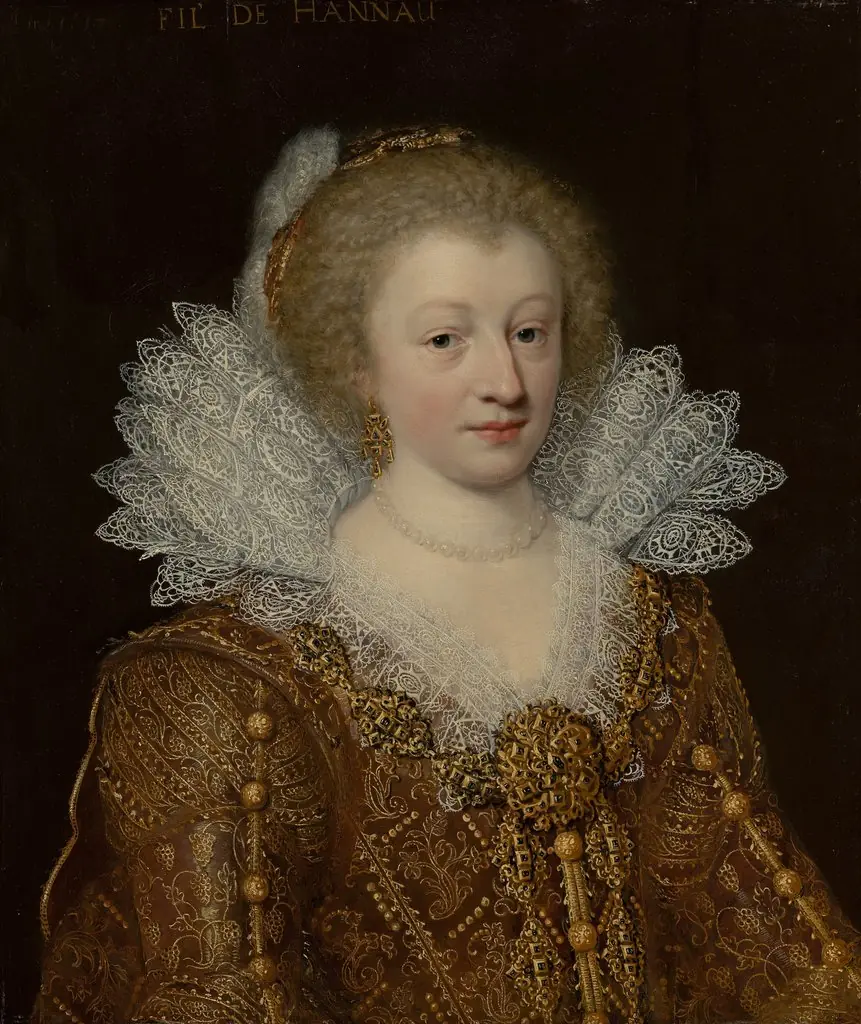 Portrait of Amélie Elisabeth of Hanau-Münzenberg
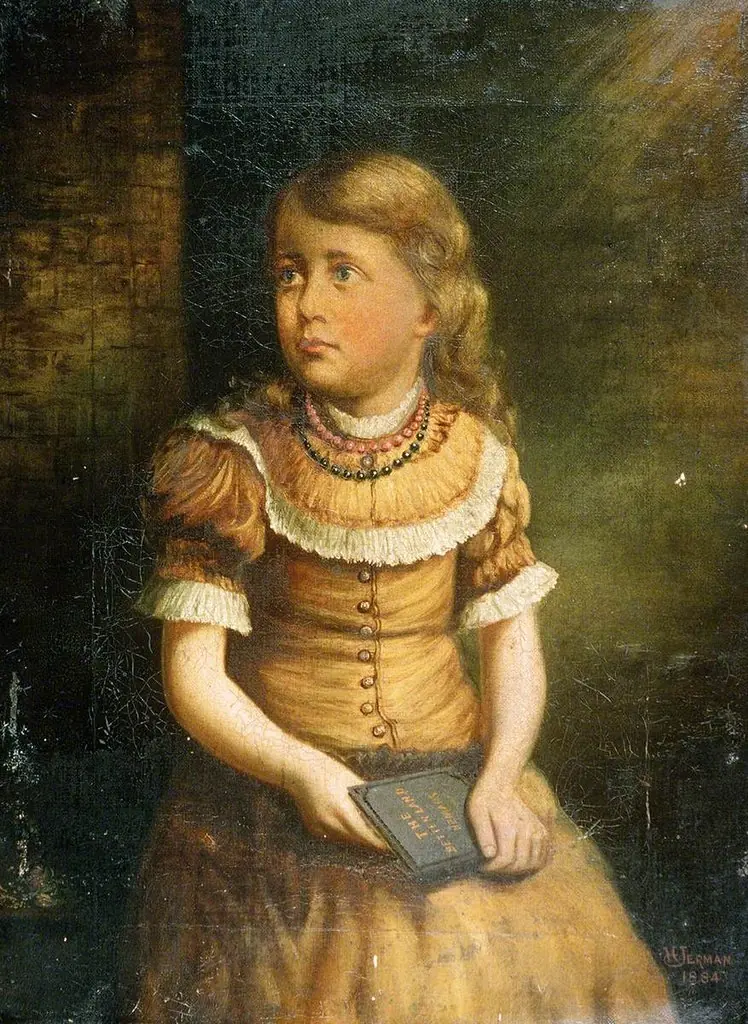 Muriel Maud Jerman (b.1876)
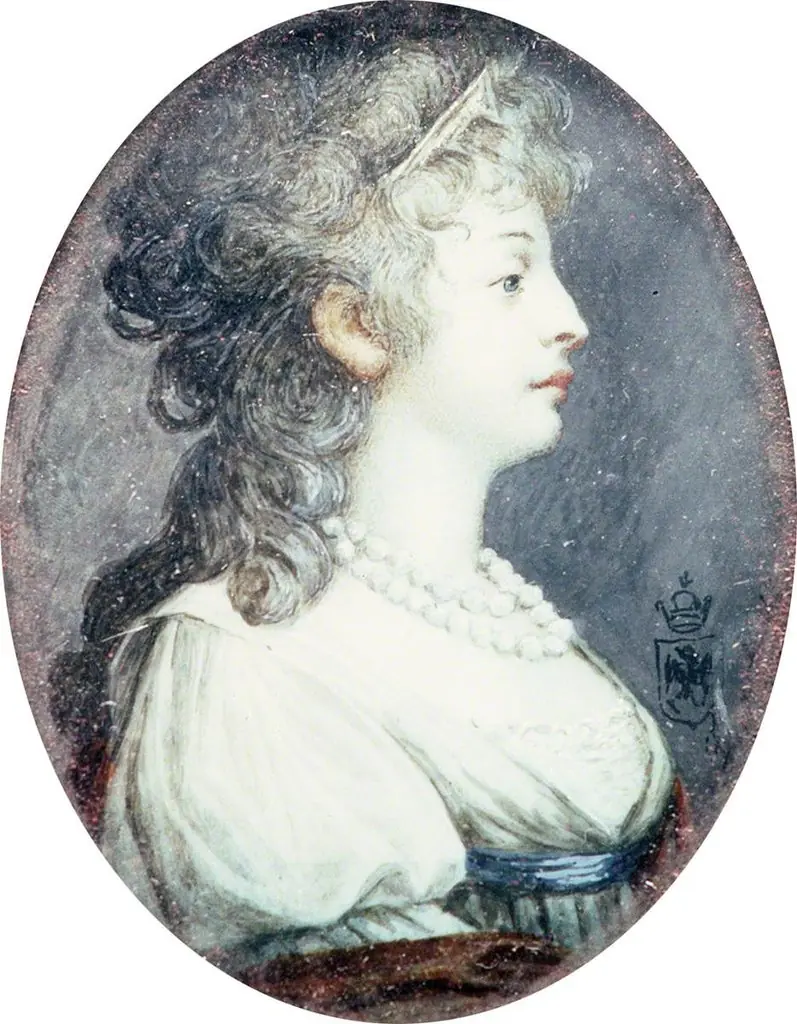 Portrait of Lady in a Pale Green Dress
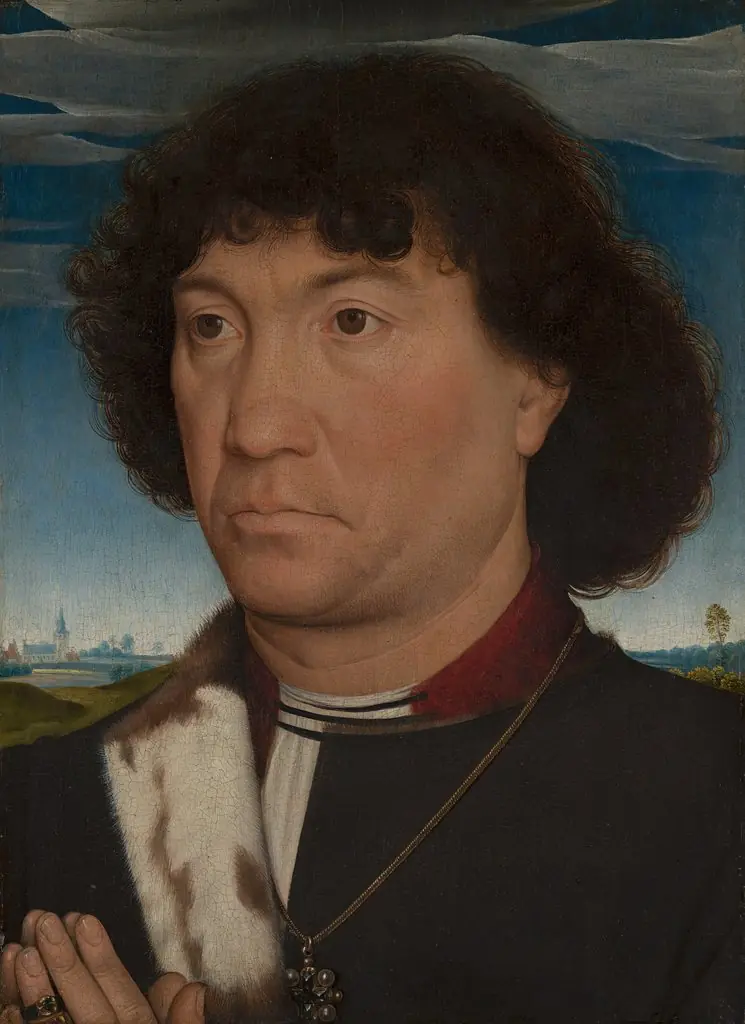 Portrait of a man of the family Lespinette
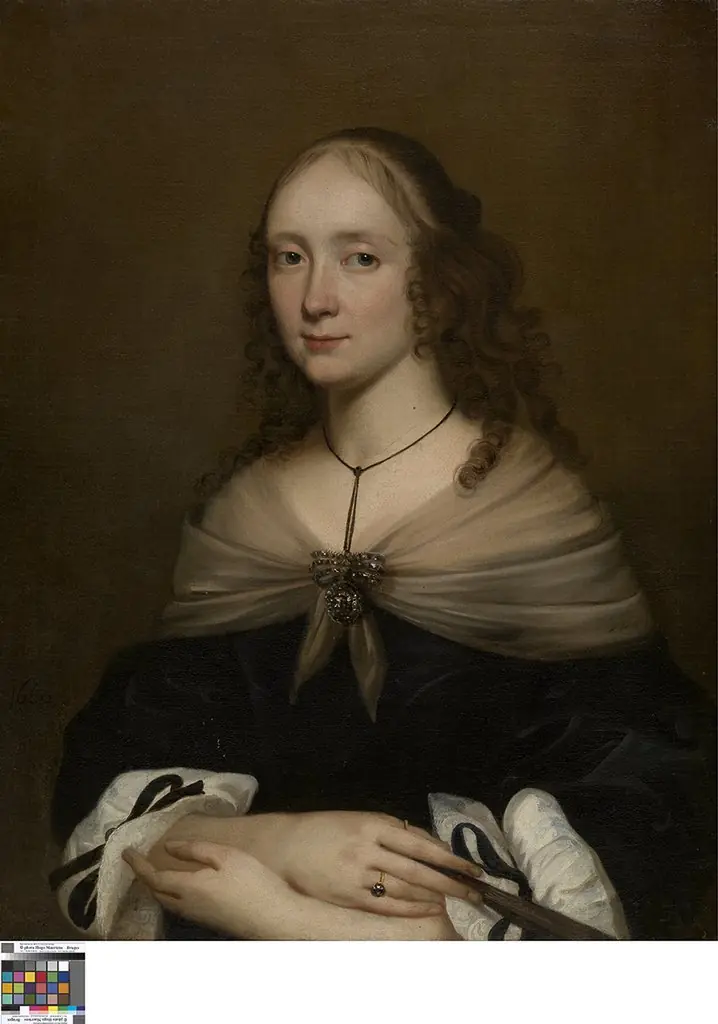 Portret van een vrouw
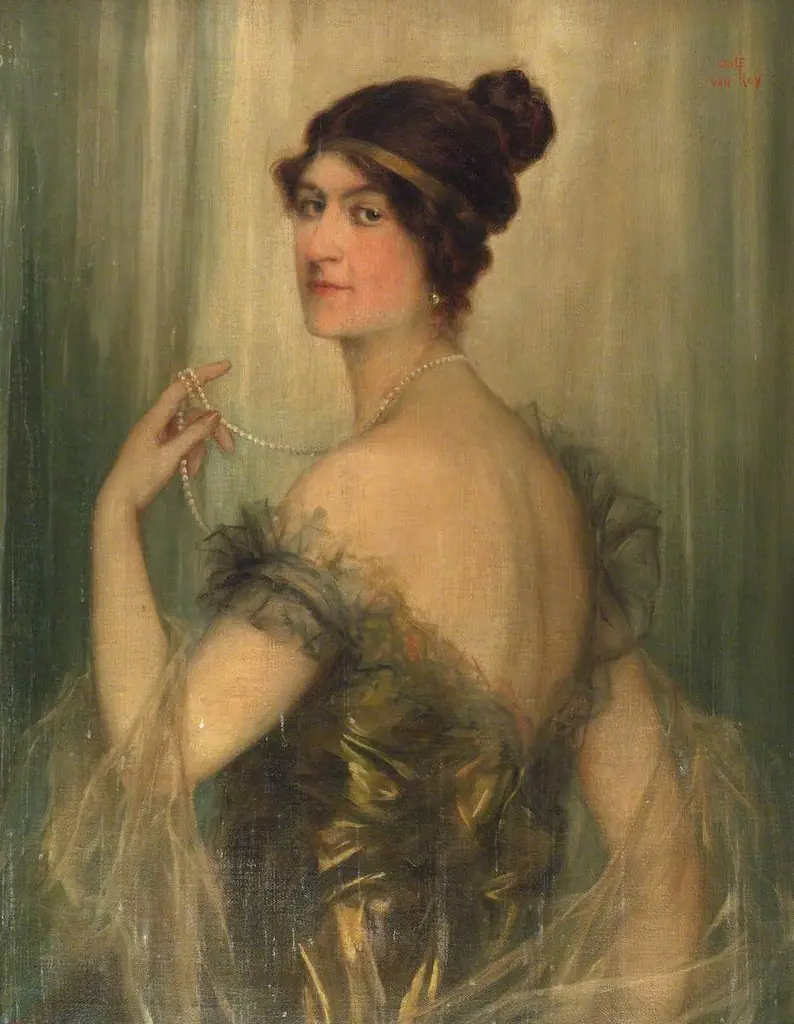 Isobelle Humphreys-Owen
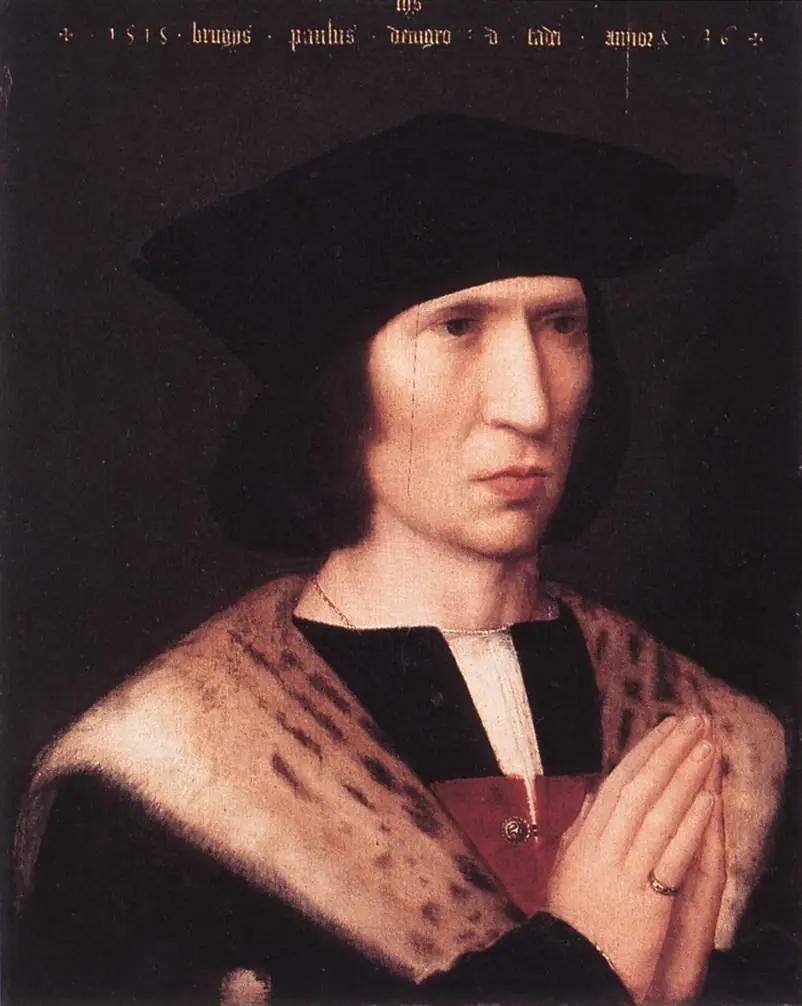 Portrait of Paulus de Nigro
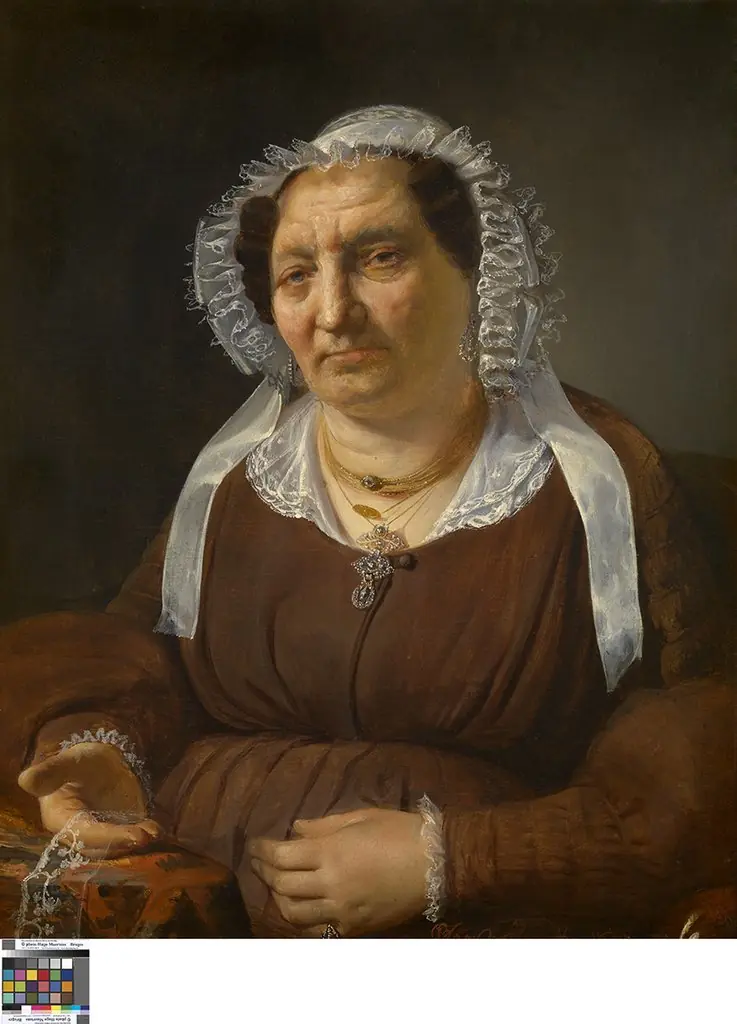 Portret van kantkoopvrouw Anne Godderis-Tulpinck
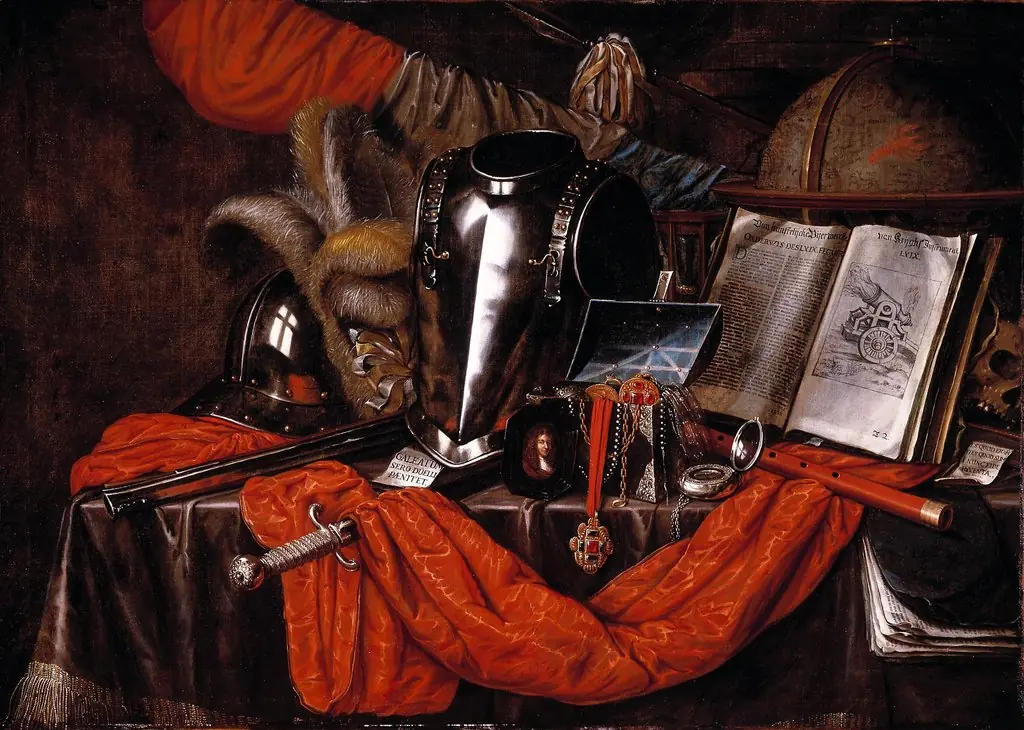 A Vanitas
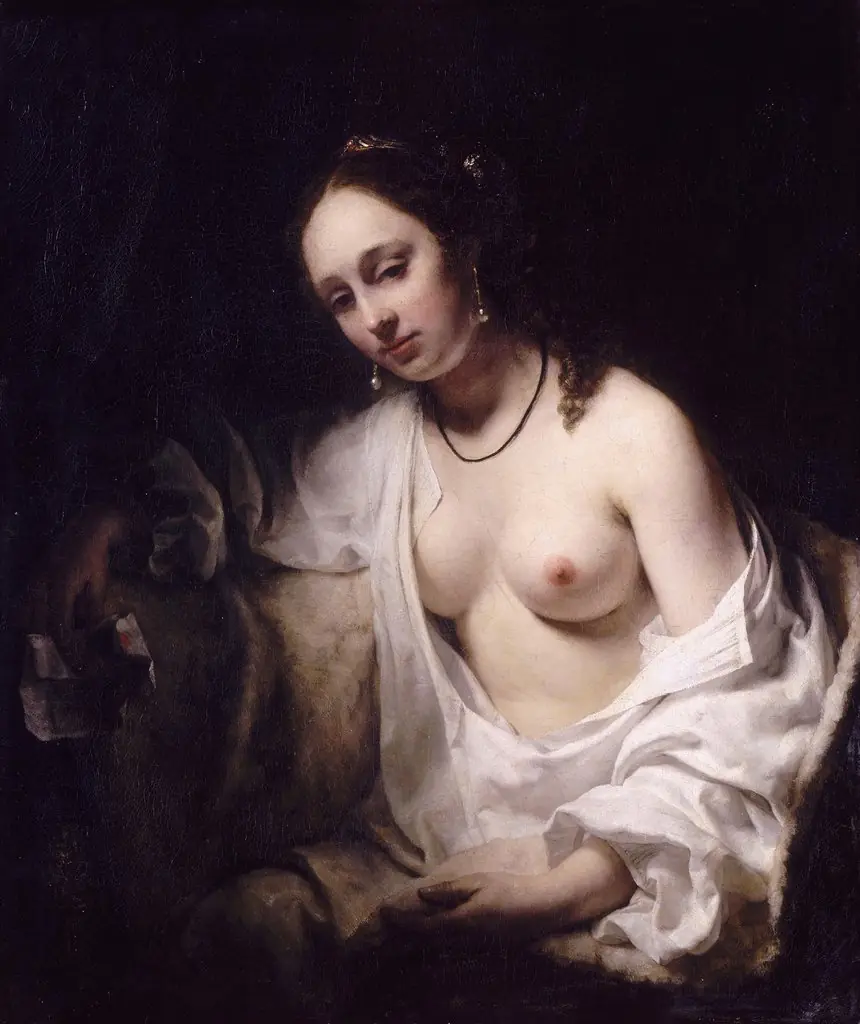 Bathsheba with King David's Letter
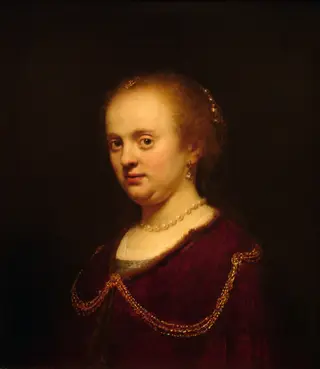 Young Woman with a Gold Chain
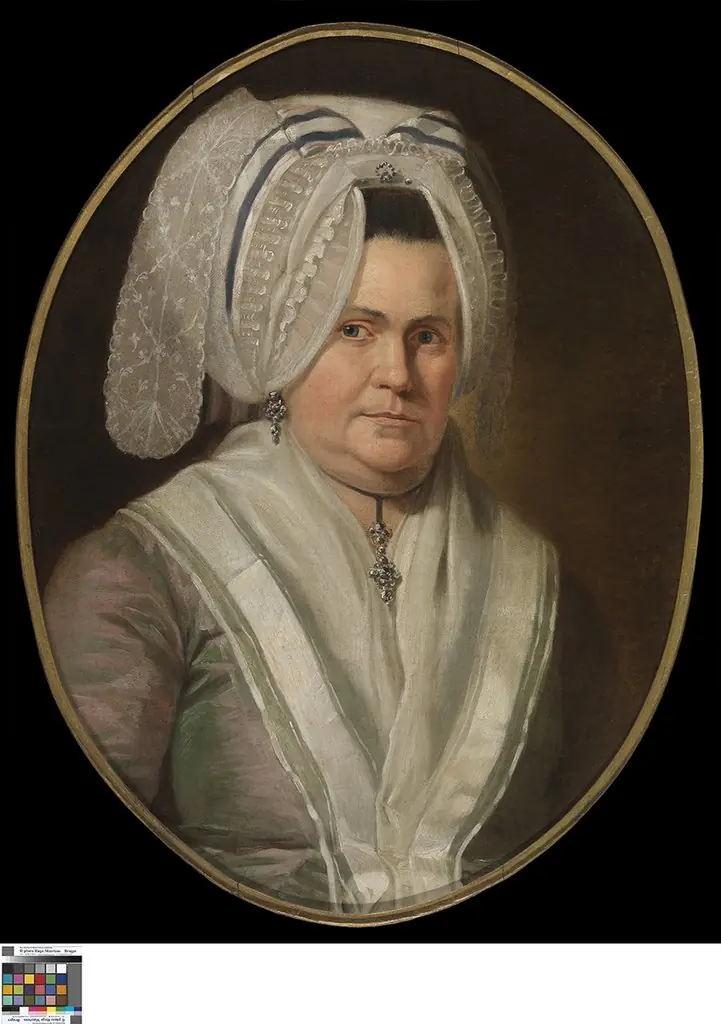 Portret van Maria Coutteau
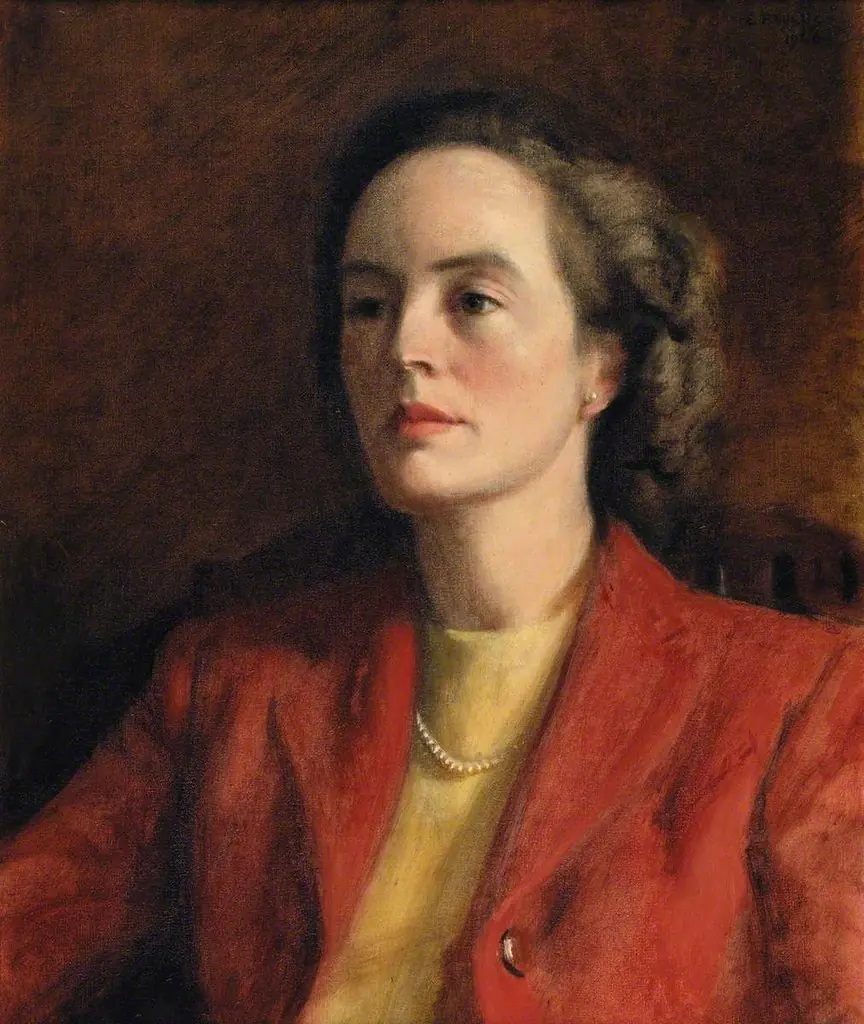 The Honourable Jane Walsh (1910–1996)
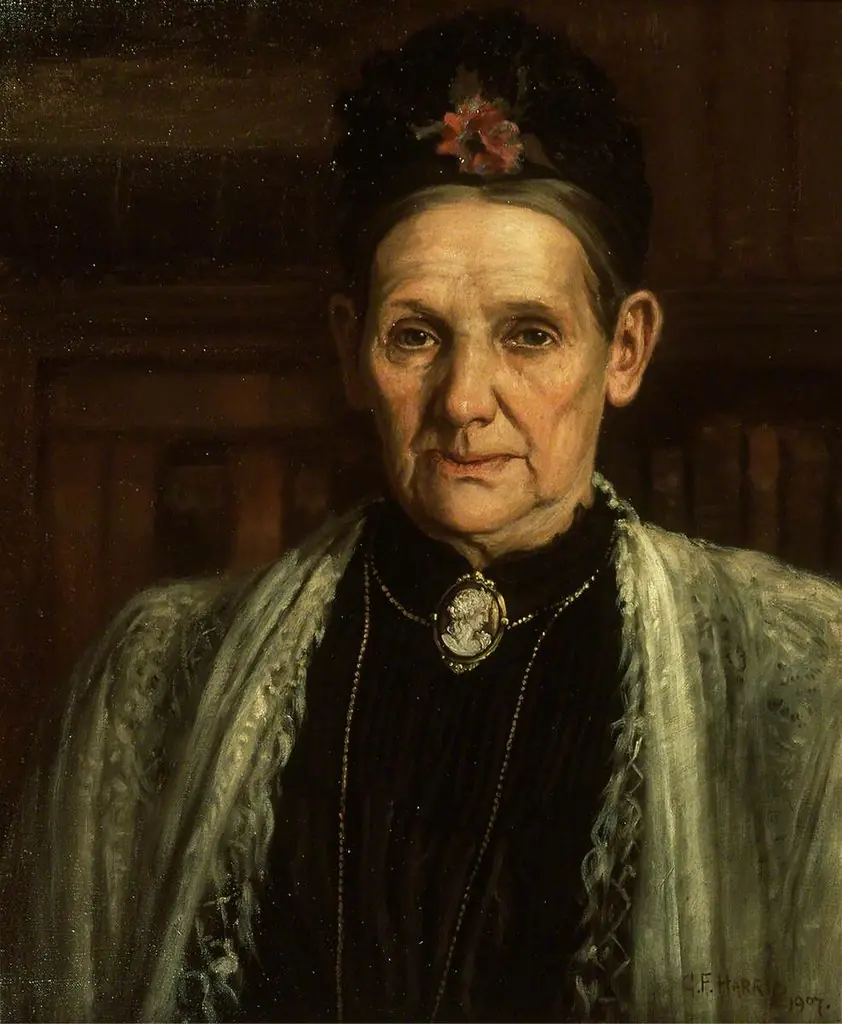 The Mother of Rosina Davies
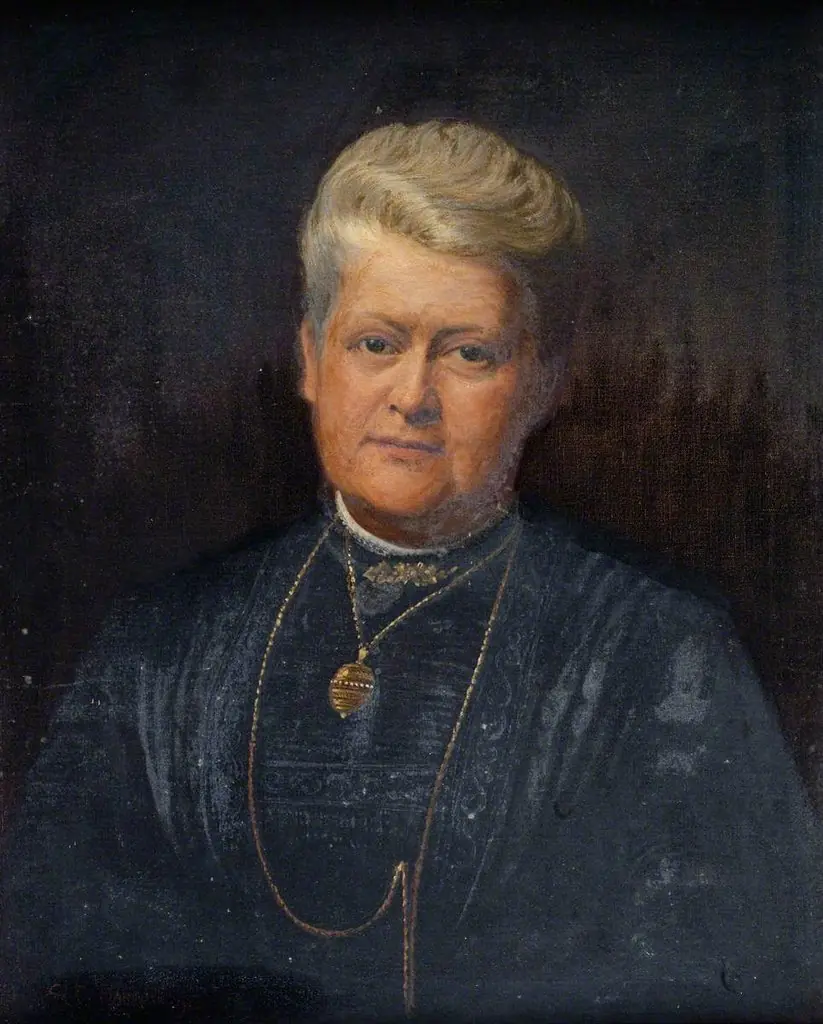 Portrait of an Unknown Lady
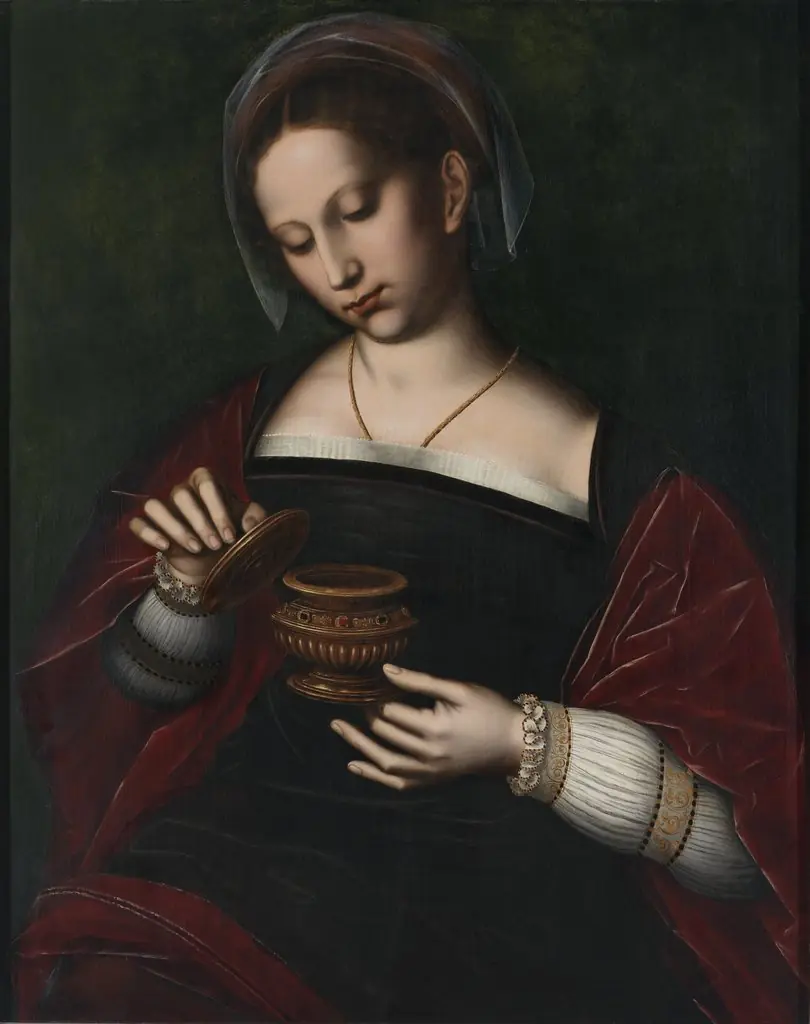 Saint Mary Magdalene
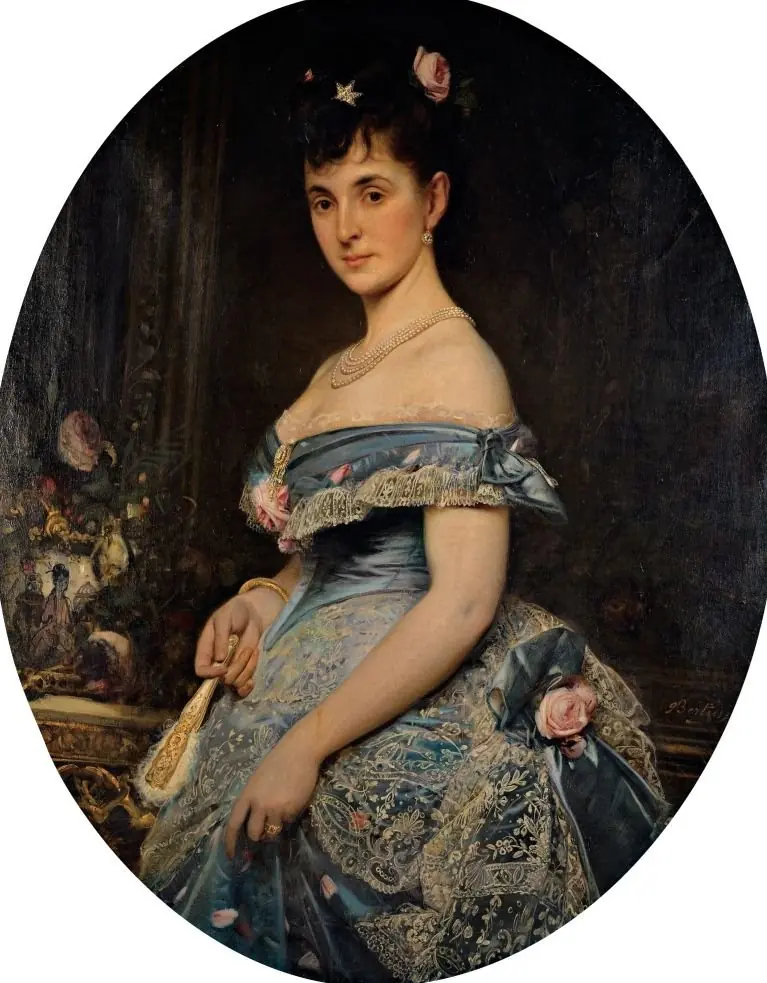 Portrait of Bice Sullam Pisa
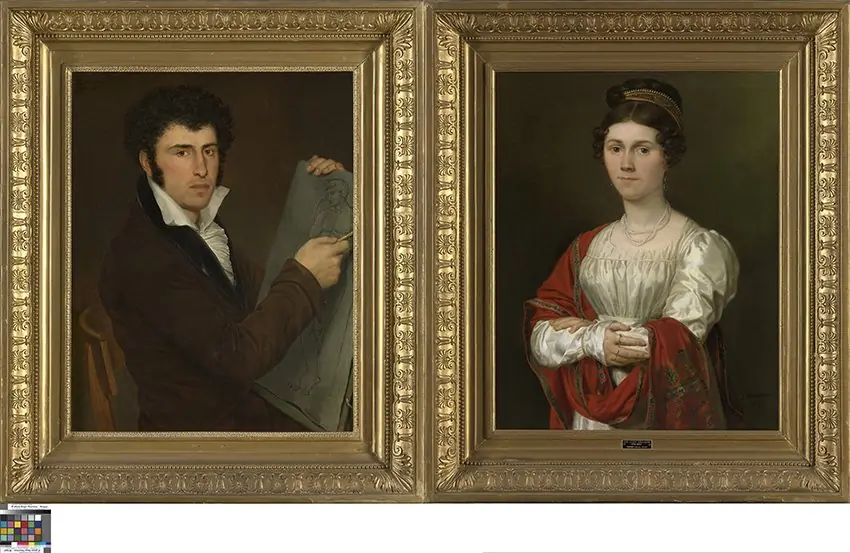 Portret van Maria Jozefa Pavot
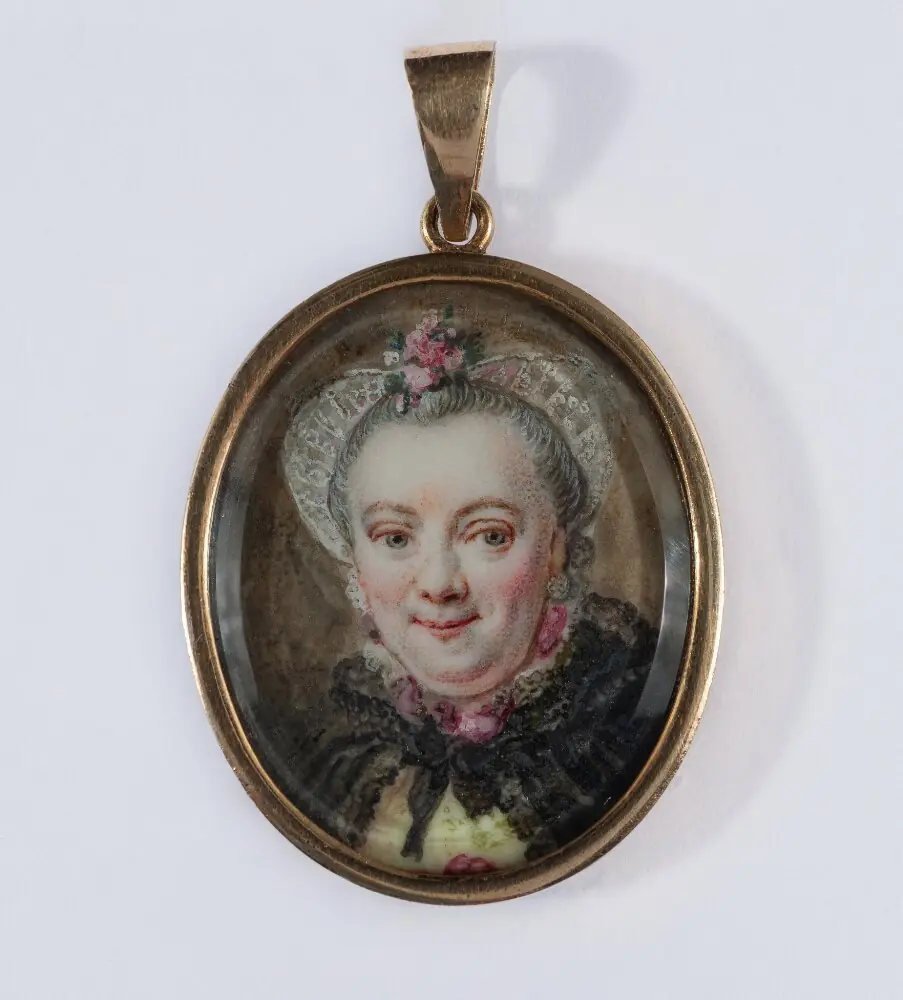 Porträtt sannolikt föreställande grevinnan Ulrika Lovisa Tessin, född Sparre (1711-1768)
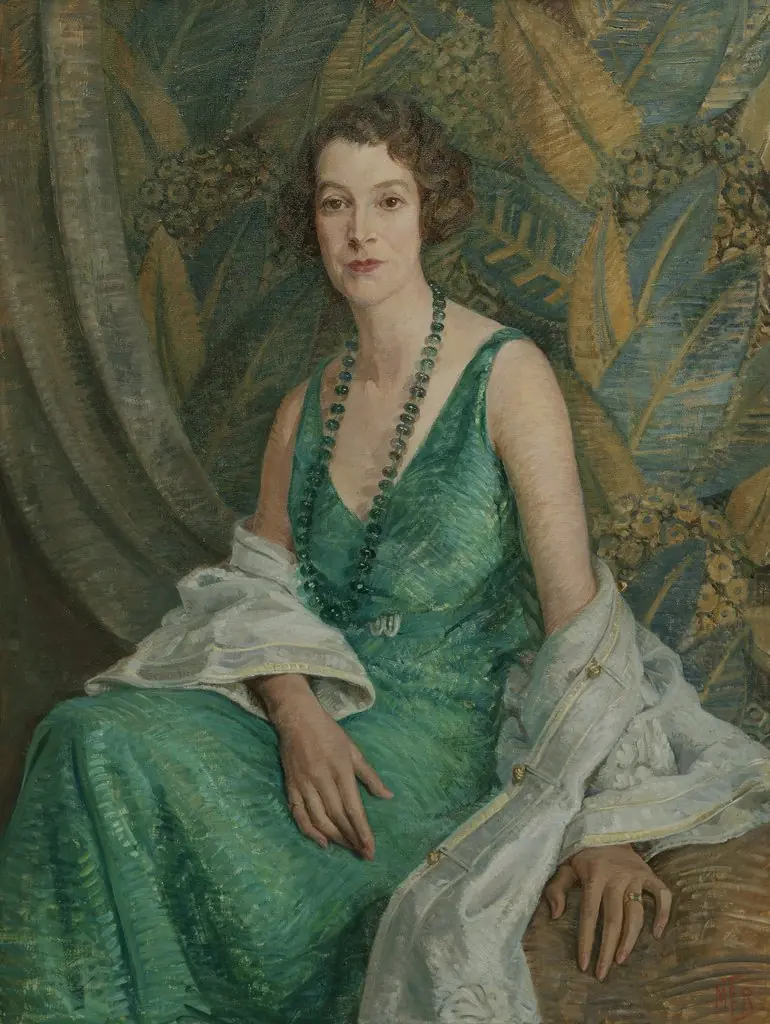 Portrait of Mrs N.S. Falla
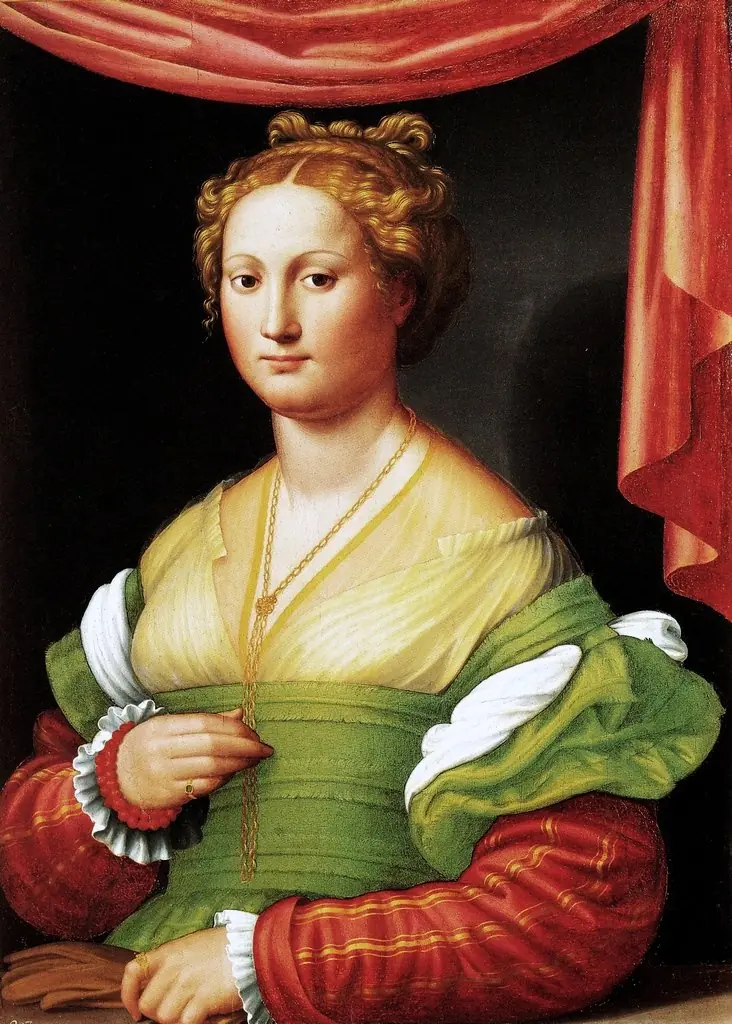 Portrait of a woman
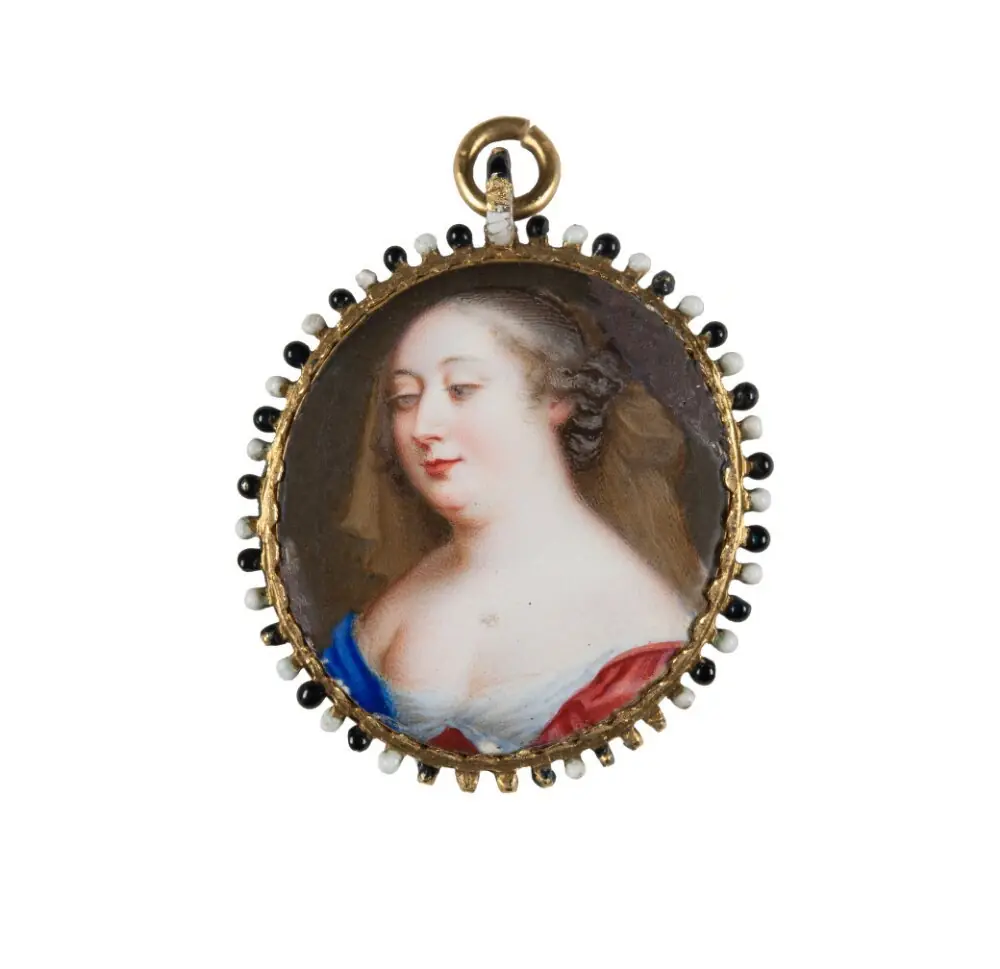 Unknown woman
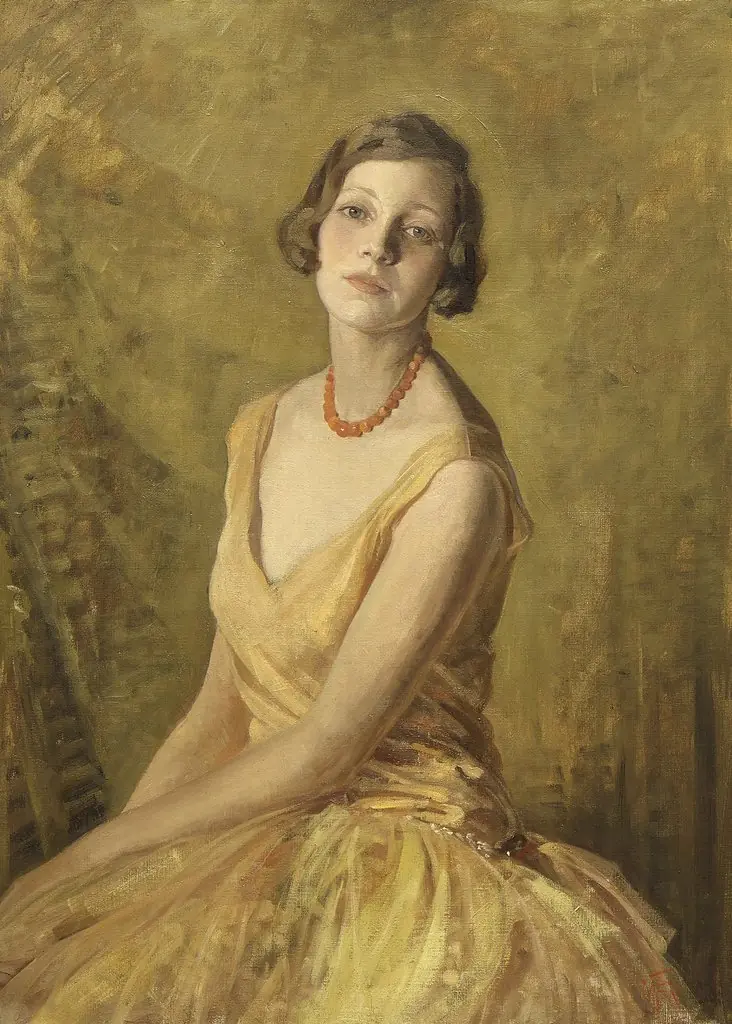 Youth
Youth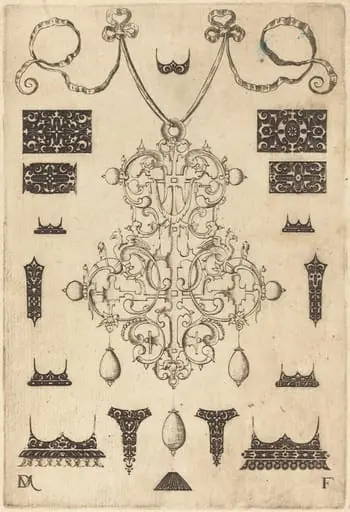 Large Pendant with Three Drops Below, Surrounded by Fifteen Different Studs
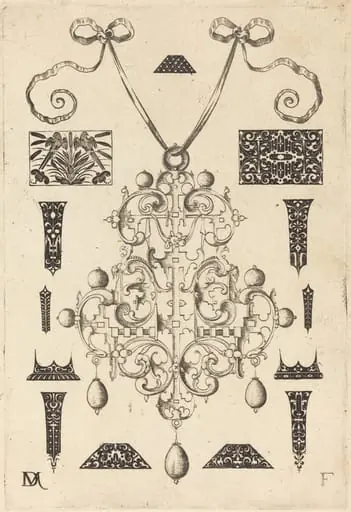 Large Pendant, Surrounded by Thirteen Studs
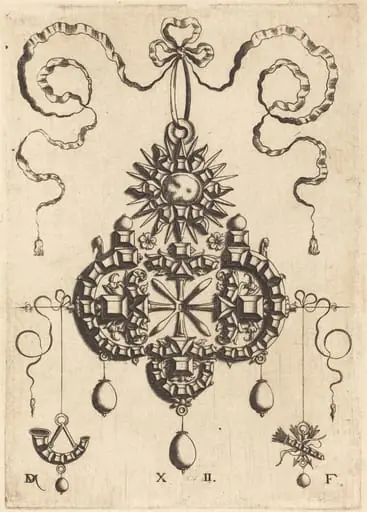 Large Pendant
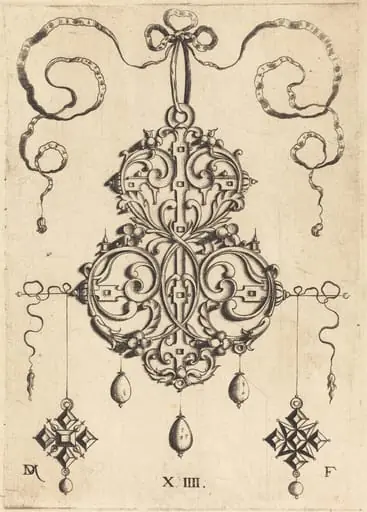 Strapwork Pendant with Three Drops and Two Cross-Shaped Pendants as Earrings at Left and Right
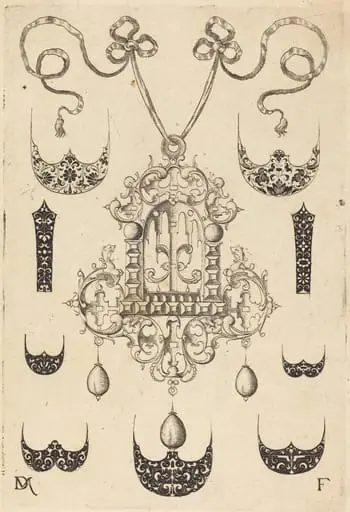 Pendant Surrounded by Seven Shields and Two Ornamental Bands
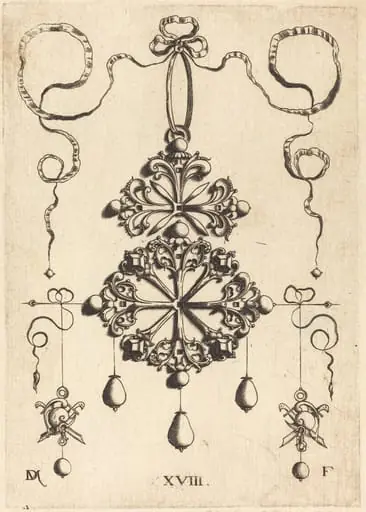 Pendant with Two Double Crosses
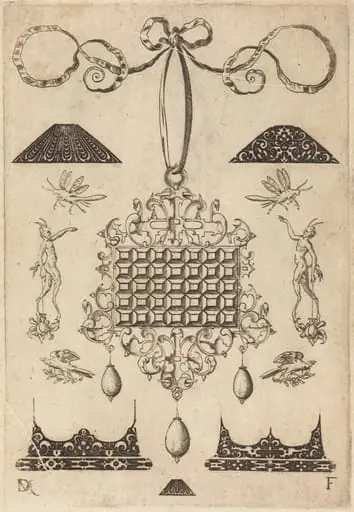 Large Pendant with Square with 35 Flat Stones
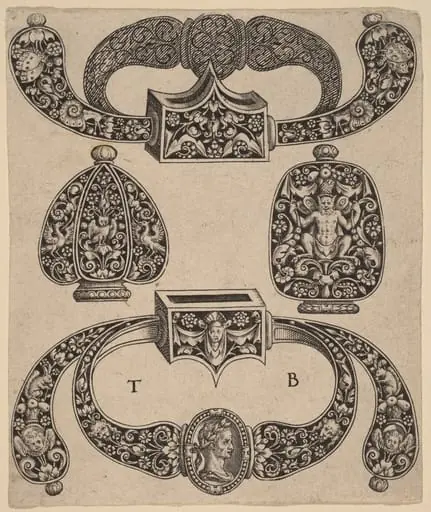 Ornament
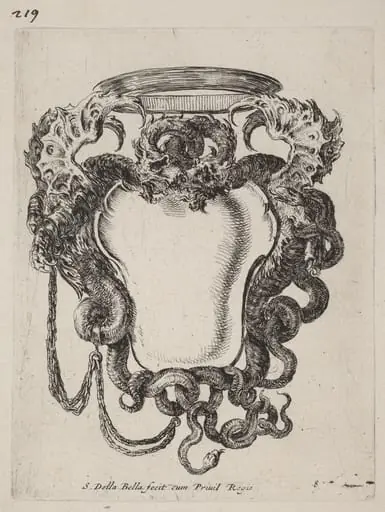 Cartouche Flanked by Dragons
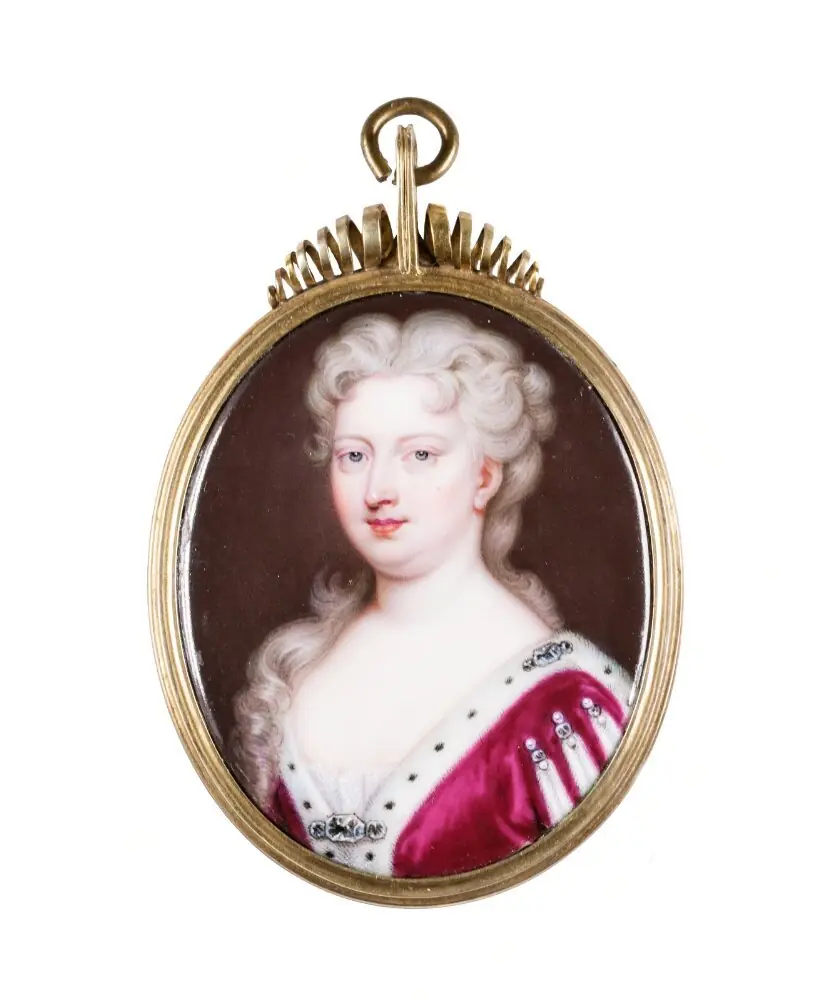 Wilhelmina Carolina, Queen of England and Scotland
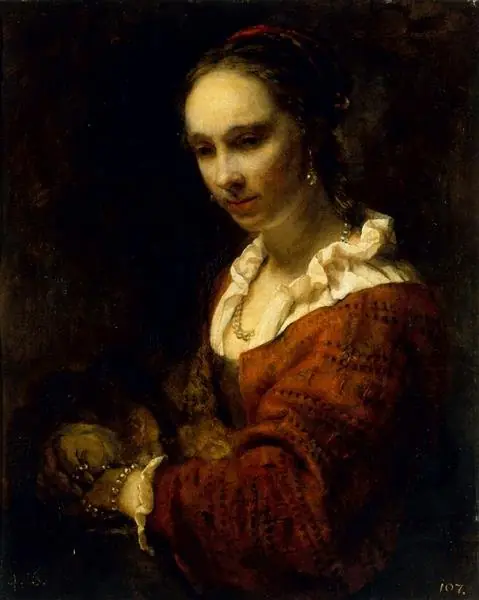 Young Woman with a Pearl Necklace
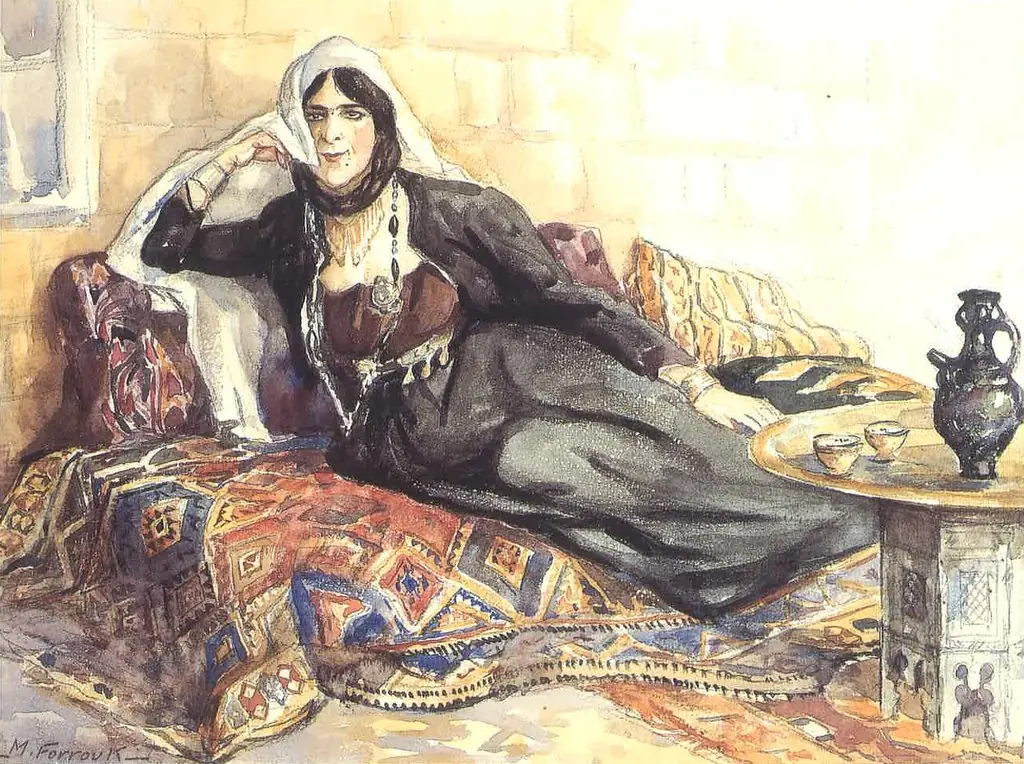 A Lady From the Mountain
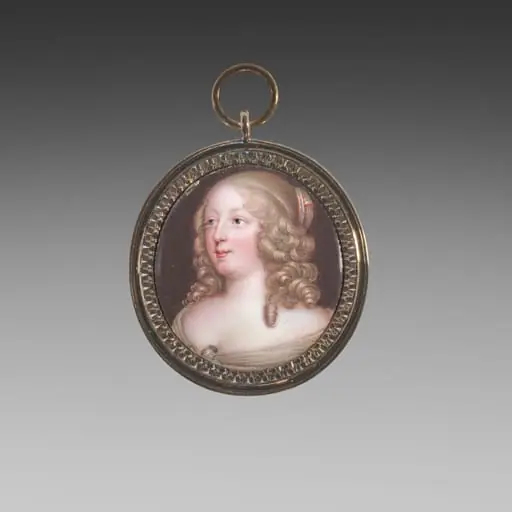 Portrait of a Woman
Frequently asked questions
What is Necklace?
Necklace is a subject in art. A necklace is an article of jewellery that is worn around the neck.
How many Necklace works does Artifact World Gallery have?
Artifact World Gallery holds 106 public-domain Necklace works, all free to view and download.
Who are the key Necklace artists?
Key Necklace artists in the collection include Titian, Paolo Veronese and Jean Baptiste Camille Corot.
Where can I see Necklace works?
Necklace works in the collection are held by Metropolitan Museum of Art, National Gallery of Art and Groeningemuseum.