Artwork
Madonna of the Harpies
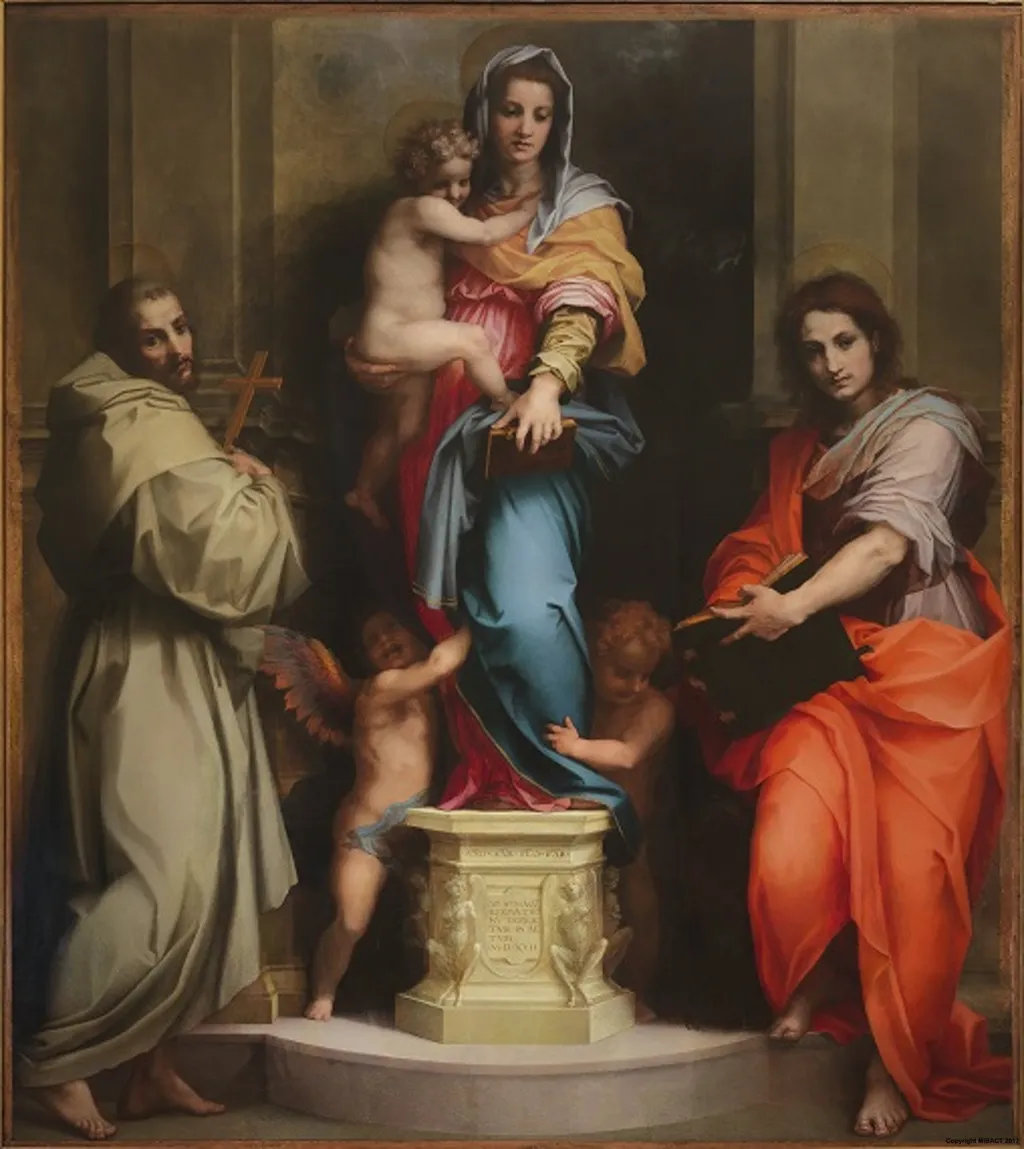
Madonna of the Harpies is an oil painting by the High Renaissance artist Andrea del Sarto. It dates from 1517 and is held in the collection of the Uffizi Gallery.
About this work
Subject & Meaning
These creatures symbolize forces of evil, temptation, or sin, which the Virgin has conquered by standing upon them.
The painting depicts a *sacra conversazione* featuring the Virgin Mary and the Christ Child flanked by Saint Francis of Assisi and Saint John the Evangelist, with two putti supporting the Virgin's drapery. Mary stands atop an octagonal pedestal adorned with sculpted figures that Giorgio Vasari identified as harpies, though modern scholars often interpret them as locusts referencing the Book of Revelation. These creatures symbolize forces of evil, temptation, or sin, which the Virgin has conquered by standing upon them. The inscription on the pedestal quotes a hymn to the Assumption of Mary, suggesting the scene represents an unusual Assumption Madonna where the putti assist in lifting her. The Christ Child is portrayed with an unusually mature, athletic *contrapposto* pose, creating a contrast between the mischievous energy of the holy figures and the solemn, abstracted demeanor of the surrounding saints.
Technique & Style
Andrea del Sarto’s *Madonna of the Harpies* is executed in oil on a wooden panel, measuring 207 × 178 cm. The support, a single, likely poplar panel, was prepared with a traditional gesso ground, over which the artist applied thin, translucent glazes to achieve luminous color effects, particularly in the Virgin’s blue mantle and red gown. The handling reveals a synthesis of Florentine disegno and Venetian colorito: crisp contours define the figures, while sfumato softens transitions in flesh tones, especially in the Christ Child’s limbs and the Virgin’s face. The composition rests on an illusionistic, polychrome pedestal decorated with sculpted harpies (or locusts) in low relief, blending painting and trompe-l’œil architecture. The figures exhibit Michelangelesque monumentality, yet their poses, such as the Christ Child’s contrapposto, are animated by a nervous energy typical of High Renaissance dynamism. After a 1984 restoration, the painting’s original chromatic brilliance was restored, though minor craquelure and localized abrasion remain visible in the darker passages, such as the background niche.
History & Provenance
Andrea del Sarto painted Madonna of the Harpies as an altarpiece for the convent and hospital of San Francesco dei Macci in Florence, commissioned on 14 May 1515 and delivered in 1517. The work remained in the church until 1703, when Ferdinando de' Medici acquired it for his collection, exchanging it for a copy by Francesco Petrucci and funding the church's renovation. The painting was subsequently moved to the Palazzo Pitti and later to the Uffizi Gallery, where it has been displayed since 1795. The inscription on the pedestal, signed ADXVII, records its completion date as 1517. The work is executed in oil on panel and measures 207 cm in height by 178 cm in width.
The Madonna of the Harpies has been held by the Uffizi Gallery in Florence since 1795. Originally commissioned in 1515 by the Poor Clares of the convent of San Francesco dei Macci in Florence, the altarpiece was completed and signed by Andrea del Sarto in 1517. In 1703 Grand Prince Ferdinando de' Medici, having become "enamoured" of the panel, arranged its transfer to his collection in exchange for a copy by Francesco Petrucci and a full renovation of the nuns' church, after which the painting was moved to the Palazzo Pitti. The Dutch source notes that the work was transferred to the Uffizi in 1795, where it remains part of the museum's collection.
No specific inventory or accession number is recorded in the available sources. No formal exhibition history beyond its original placement in the convent church and subsequent moves to the Medici collections and the Uffizi is documented.
Context
Madonna of the Harpies, painted by Andrea del Sarto in 1517 for the convent of San Francesco dei Macci in Florence, is regarded as his masterpiece and a defining work of the High Renaissance. Originally commissioned in 1515 as an altarpiece featuring the Virgin Mary crowned with saints Francis and Bonaventure, the iconographic program was later modified, possibly by the Dominican friar Fra' Antonio di Ludovico Sassolini. The work depicts the Virgin seated on an octagonal pedestal adorned with fantastical creatures, holding the Christ Child in a contrapposto pose, flanked by saints Francis and John the Evangelist and two cherubs. The pedestal's inscription references a hymn to the Assumption of Mary, indicating the painting's role in the Franciscan Marian cult. Contemporary praise from Giorgio Vasari highlighted its dynamic composition, blending classical balance with nervous energy, contrasting with earlier static religious imagery. Modern scholarship, including analyses from art historians cited in multiple sources, interprets the creatures on the pedestal not as harpies but as locusts or hybrid figures from Revelation, symbolizing evil overcome by the Virgin. The painting's complex symbolism, emotional nuance, and synthesis of Michelangelo's monumentality with Leonardo's sfumato mark it as a pivotal work bridging High Renaissance ideals and emerging Mannerist tensions.
Legacy
The Madonna of the Harpies has endured as Andrea del Sarto’s most celebrated achievement, widely regarded as his masterpiece and arguably his best-known work. Giorgio Vasari praised the painting's outstanding quality early on, cementing its esteemed reputation. The altarpiece later entered the Medici collection when Grand Prince Ferdinando de' Medici acquired it from the nuns of San Francesco dei Macci in exchange for a copy by Francesco Petrucci and a full renovation of their church.
The work's cultural legacy extends beyond art history into literature and modern criticism. It holds a prominent place in the French historian Paul Veyne’s personal anthology, described in his book Mon musée imaginaire. Additionally, the Virgin from the painting serves as the central figure in Sabahattin Ali’s Turkish novel Kürk Mantolu Madonna ('Madonna in a Fur Coat').
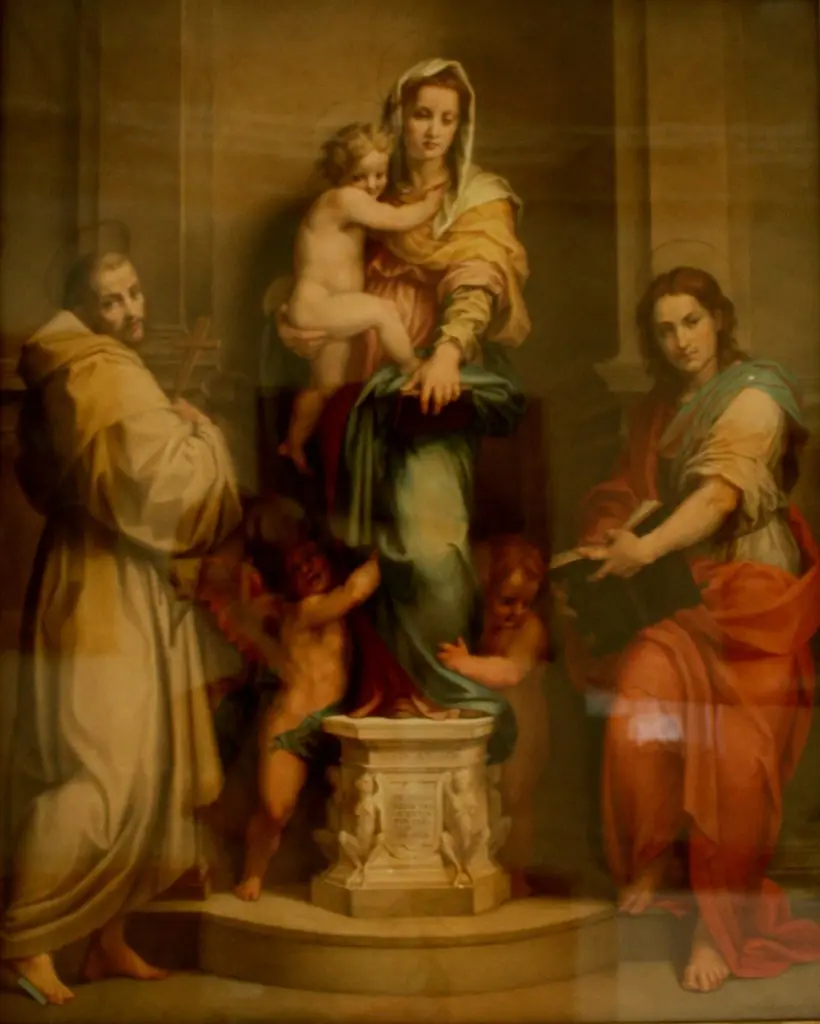
Own this work as a print
Artist & collection
Artist
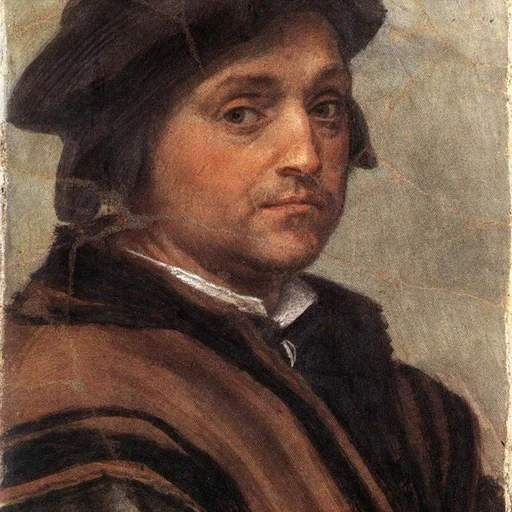
Andrea del Sarto was an Italian painter from Florence, whose career flourished during the High Renaissance and early Mannerism.

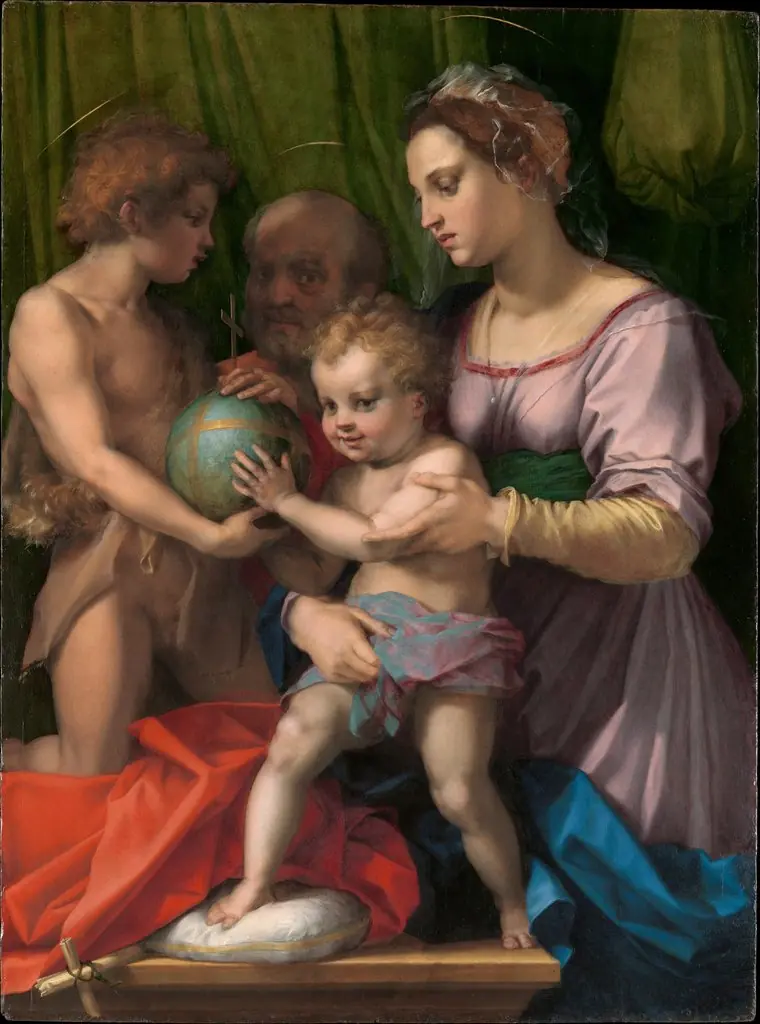
 Madonna with St. Francis
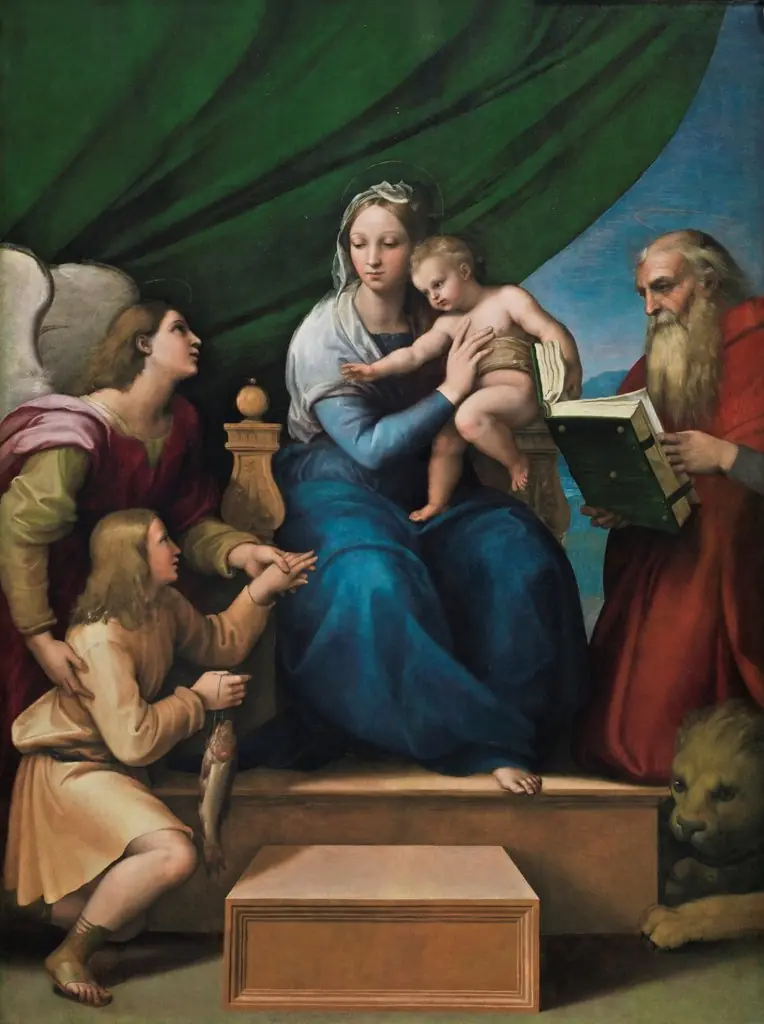 Madonna with the Fish
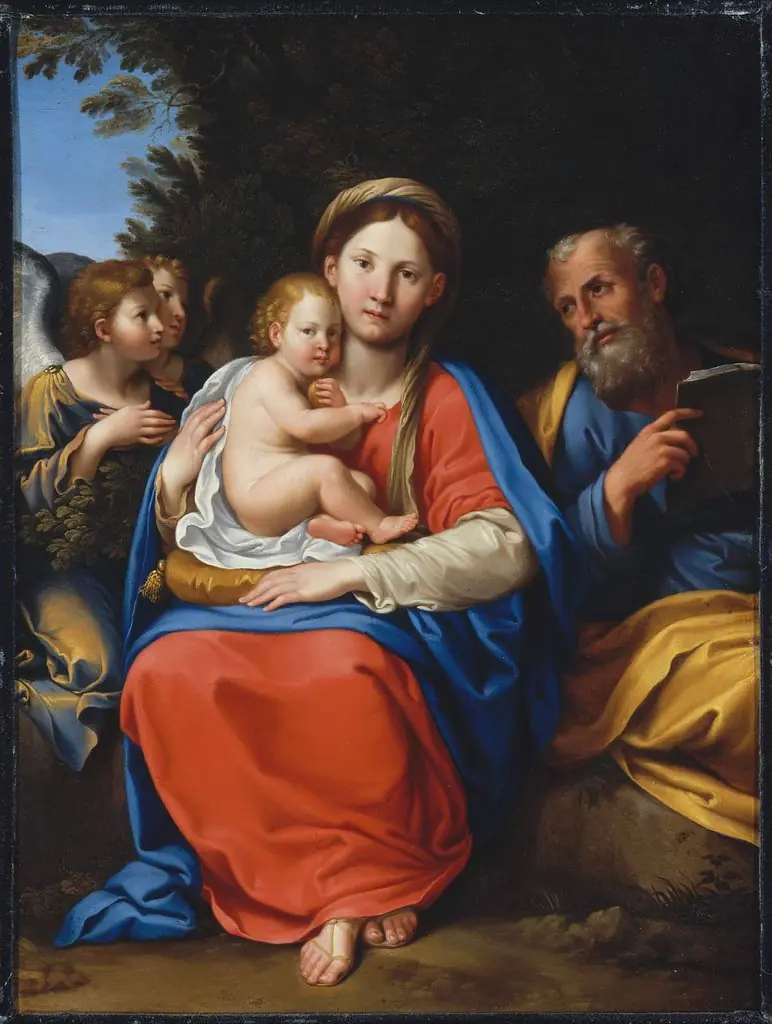 Holy Family with Angels
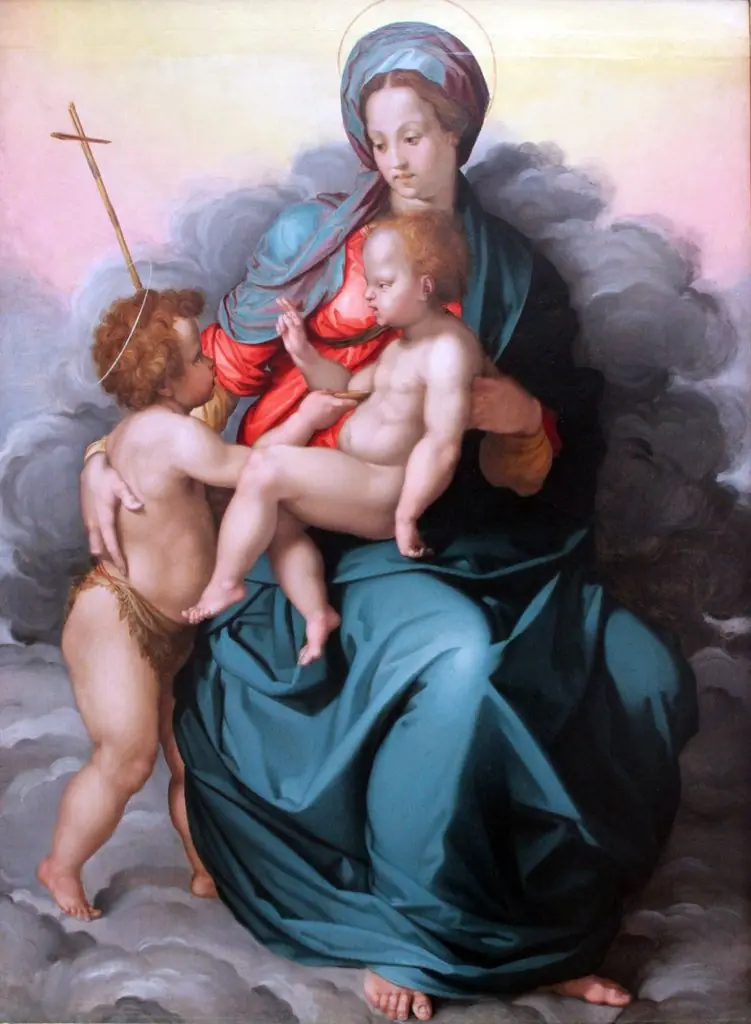 Madonna with Child and Saint John the Baptist on clouds
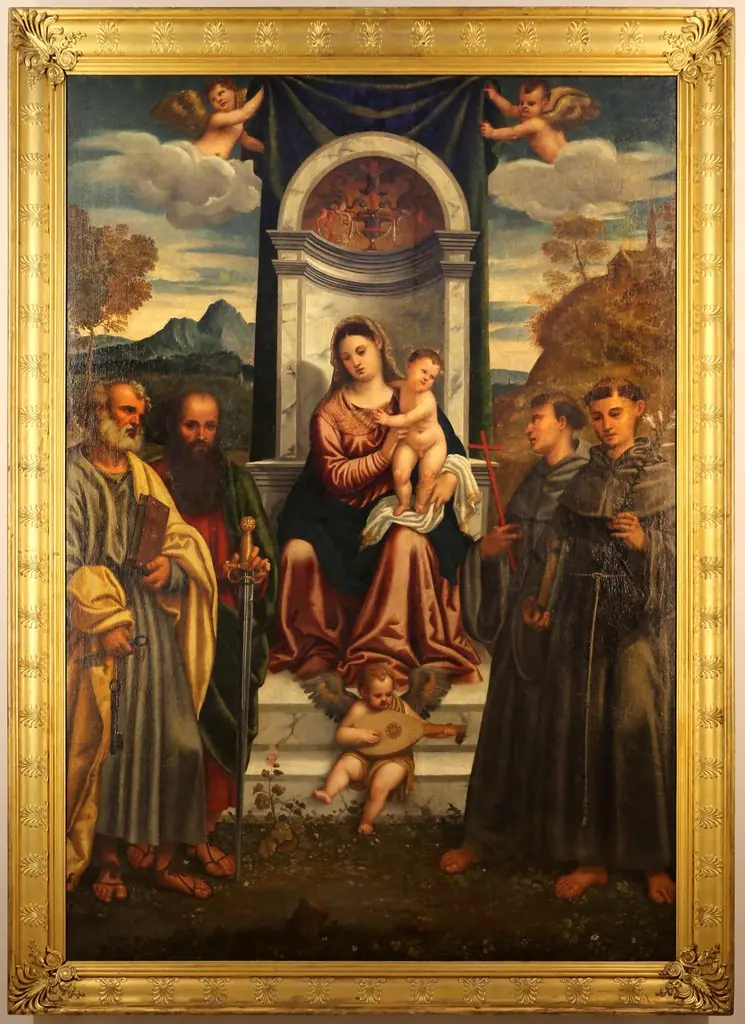 Virgin and Child enthroned with SS. Peter, Paul, Francis and Anthony of Padua
 Thronende Maria mit dem Kind und den Heiligen Martha, Magdalena und Johannes dem Täufer
 Sistine Madonna
 Maria mit Kind und den Hll. Katharina von Siena, Katharina von Alexandrien, Maria Magdalena, Dominikus, Petrus Martyr und einer Märtyrerin
 The Apparition of the Virgin
 Madonna of Saint Sebastian
 Madonna and Child Enthroned with Saints Mary Magdalen and John the Baptist
- Madonna of the Harpies