Artwork
The Apparition of the Virgin
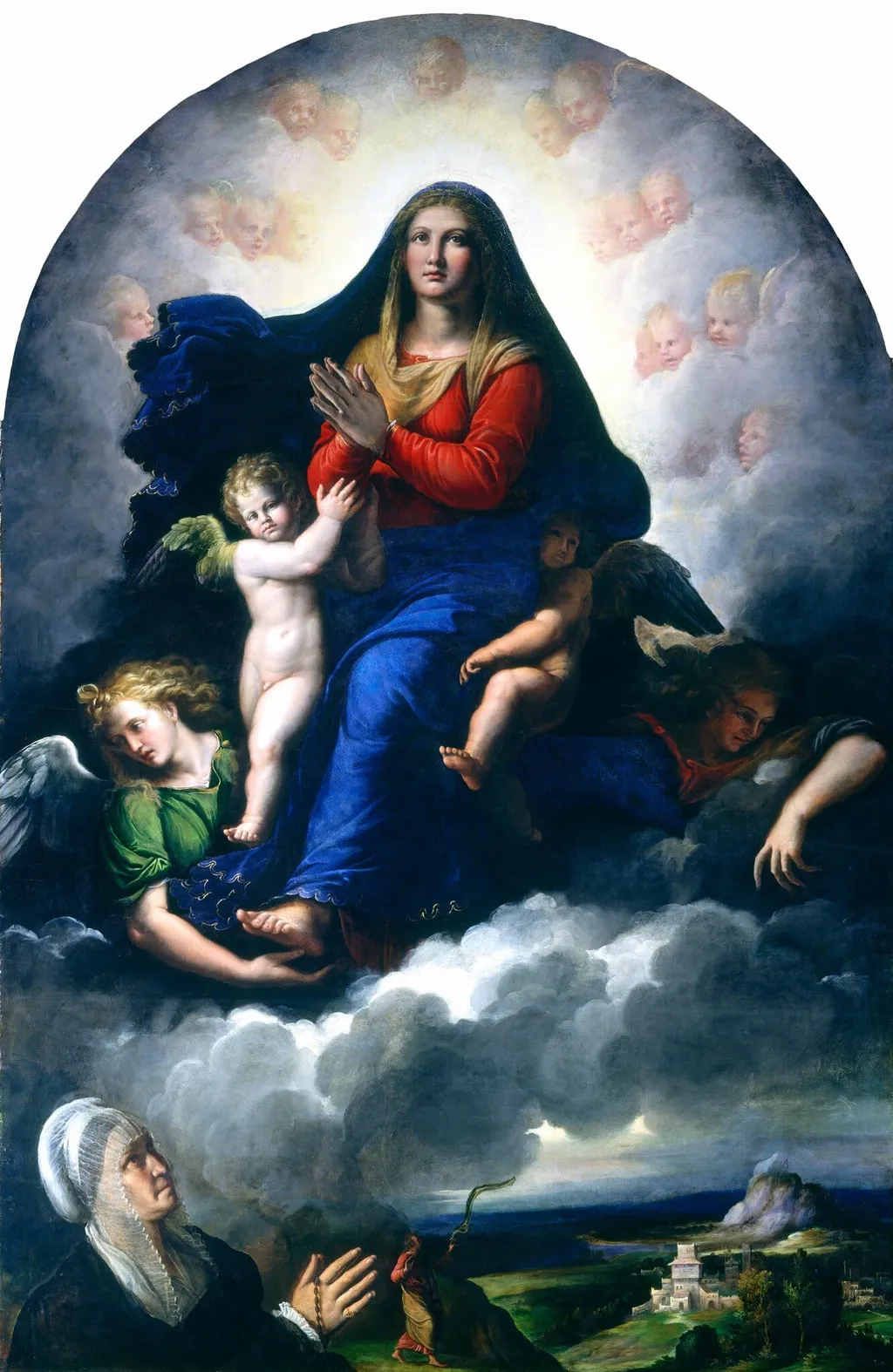
The Apparition of the Virgin is an oil painting by the Mannerist artist Girolamo da Carpi. It dates from 1535 and is held in the collection of the National Gallery of Art.
About this work
Subject & Meaning
As a work of religious art, the piece centers on the theological theme of the Virgin's supernatural manifestation, a subject intended to inspire devotion.
Girolamo da Carpi's The Apparition of the Virgin is a religious painting created in 1535 that depicts a sacred vision of the Virgin Mary. As a work of religious art, the piece centers on the theological theme of the Virgin's supernatural manifestation, a subject intended to inspire devotion. The composition illustrates the moment of divine appearance, serving as a visual representation of faith and spiritual intervention.
Commissioned by Giulia Muzzarelli of Ferrara, the painting functions as a devotional object within the context of 16th-century Italian religious practice.
Technique & Style
Girolamo da Carpi executed The Apparition of the Virgin in 1535 using oil paint applied to a wooden panel support. The work measures 199.4 cm in height and 131.1 cm in width, indicating a substantial vertical format typical of large-scale religious commissions. As a painting classified within the religious genre, the piece utilizes the medium of oil on panel, a standard technique for Italian Renaissance art of this period.
The physical dimensions and material composition reflect the formal qualities of a major devotional image intended for significant display.
History & Provenance
The Apparition of the Virgin was painted by Girolamo da Carpi circa 1535 on an oak panel. It was commissioned around 1530–1540 by Giulia Muzzarelli of Ferrara. After its creation the work may have passed to Cardinal Luigi d’Este in Tivoli by 1573, though alternative scenarios suggest it remained with the Muzzarelli family or was taken to Rome when Ferrara fell to the Papacy in 1598.
By the early seventeenth century it entered the Borghese collection, possibly through a gift from Battista Muzzarelli to Scipione Borghese circa 1608, and is first recorded in a 1693 inventory. Subsequent owners included the London dealer Littlehales (sale 1804), the pair Robert Fagan and Charles Grignion (sale 1806), Charles John Howard, 17th Earl of Suffolk (by 1854), and Count Alessandro Contini Bonacossi, who sold it to the Samuel H. Kress Foundation in 1937; the foundation donated the painting to the National Gallery of Art in 1939.
The painting is held in the collection of the National Gallery of Art in Washington, D.C., within the Samuel H. Kress Collection. Prior to this modern acquisition, the work appeared in several London auctions, including a sale at Christie's on March 2, 1804, where it was attributed to Palma Giovane, and a postponed sale by Squibb on May 29, 1806, listed under the name Carracci.
Context
The painting’s attribution history reveals shifting critical opinions: it was once recorded as a work by Scarsellino in the Borghese collection, later catalogued as by Palma Giovane in an 1804 Christie’s sale, and then attributed to the Carracci in an 1806 Squibb sale before being recognized as Girolamo da Carpi’s. Scholarly engagement with the artist includes biographies by Girolamo Baruffaldi (1844) and Alberto Serafini (1915), and the work is entered in Fern Rusk Shapley’s catalogue of the Samuel H. Kress Collection. Its acquisition by the Kress Foundation and subsequent gift to the National Gallery of Art situates it within twentieth-century museum narratives of Renaissance art.
Overview
Girolamo da Carpi, an Italian painter from the early 16th century, completed The Apparition of the Virgin in 1535. This oil on panel painting exemplifies a religious subject, a common theme during the period. The work reflects the Mannerist style, a movement characterized by its sophisticated and often dramatic compositions, which emerged as a successor to the High Renaissance. It showcases da Carpi's approach to sacred narrative through a visionary scene.
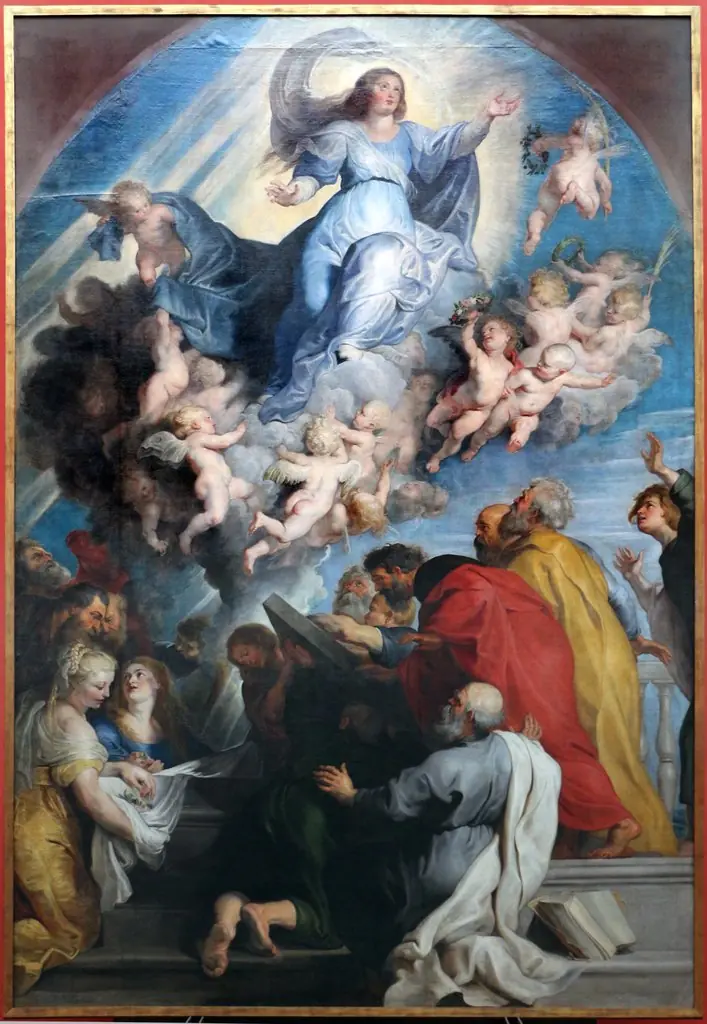
Own this work as a print
Artist & collection
Artist
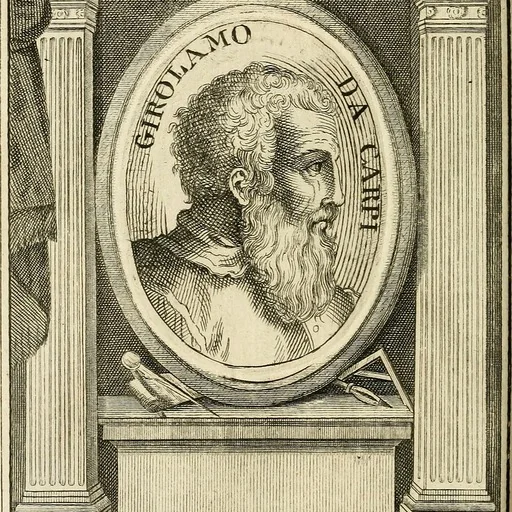
Girolamo Da Carpi (1501 – 1 August 1556) was an Italian painter and decorator who worked at the Court of the House of Este in Ferrara.

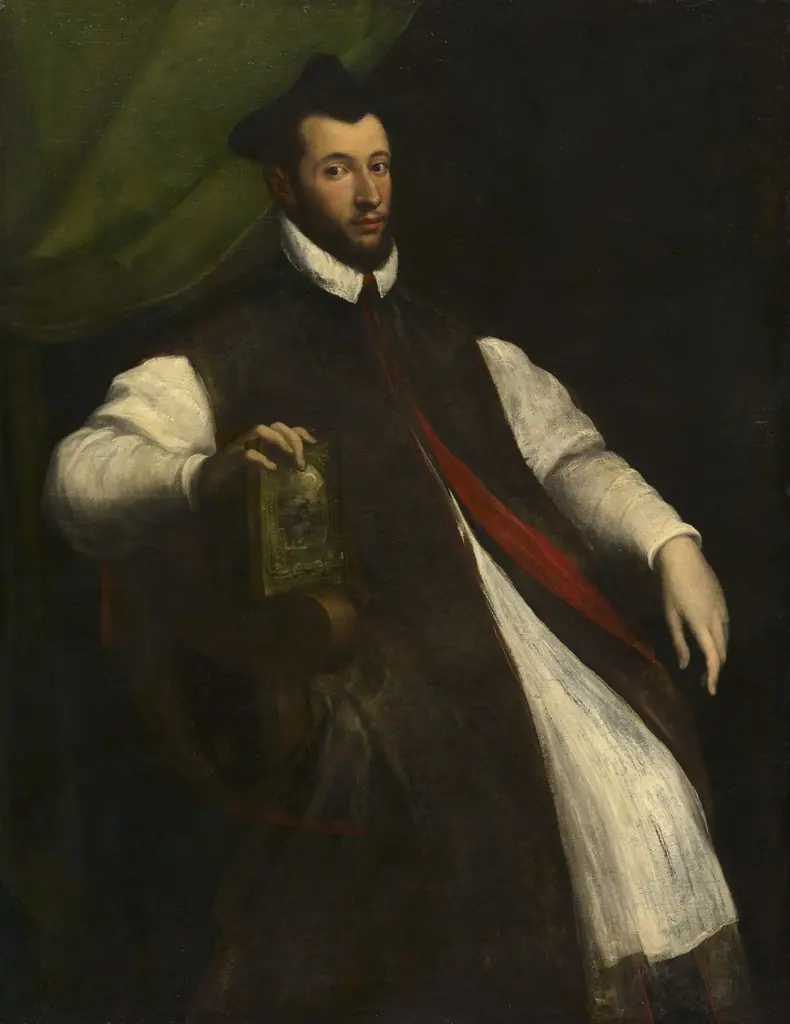
- The assumption of the Virgin
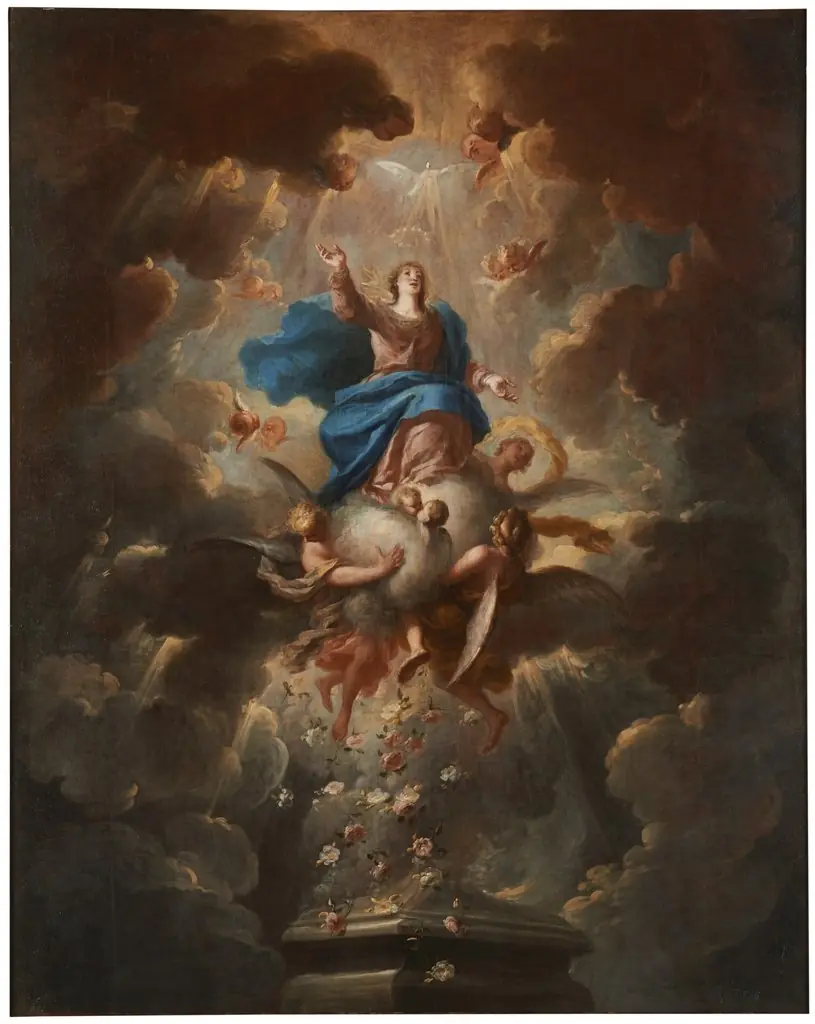 The Assumption of the Virgin
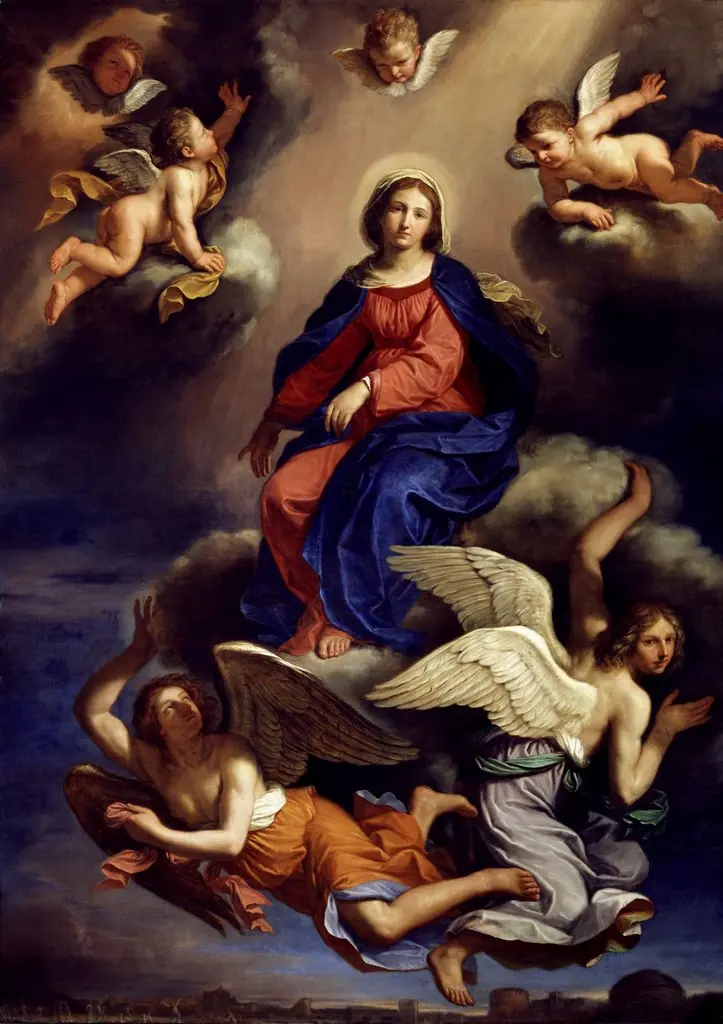 Assumption of the Virgin
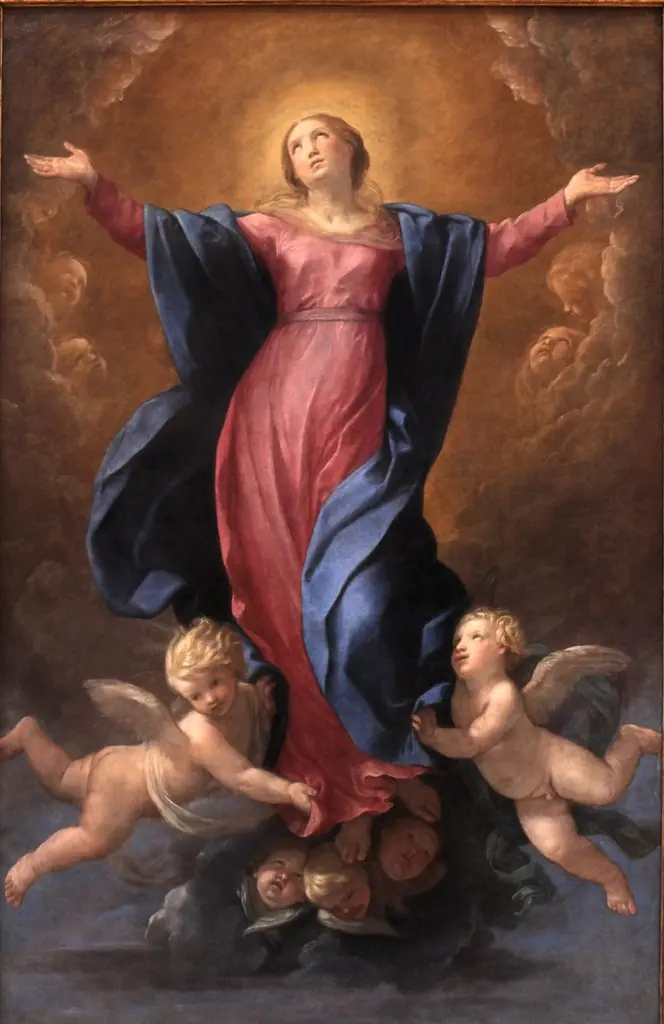 Assumption of the Virgin
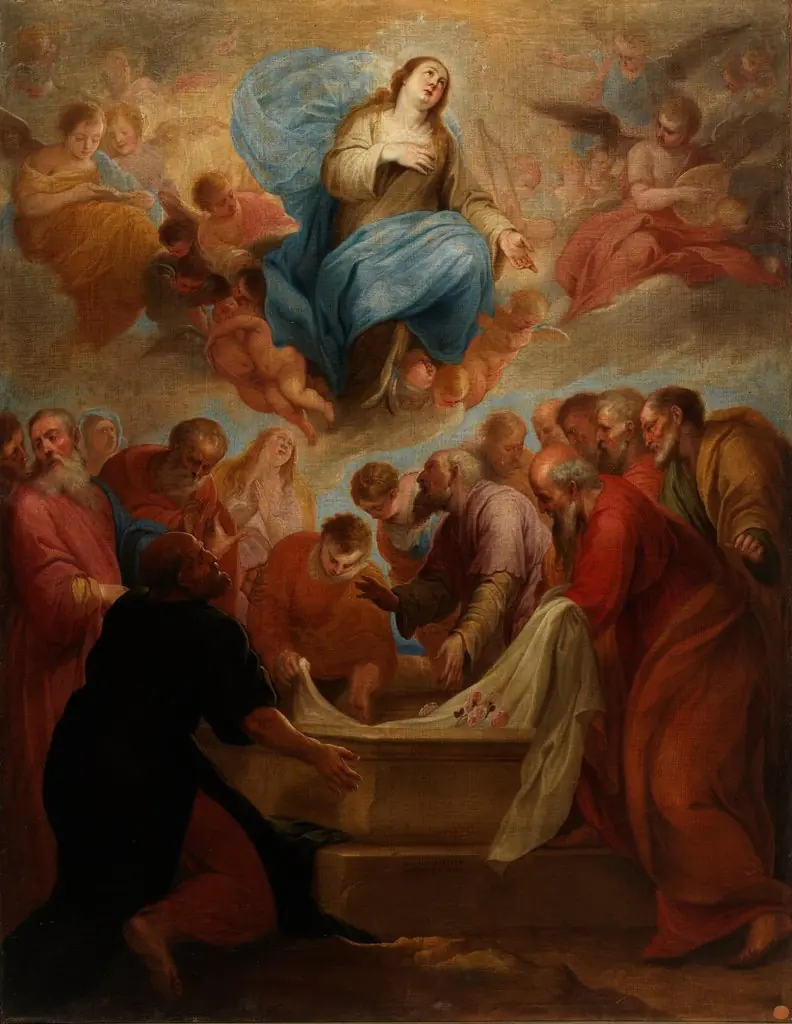 The Assumption of the Virgin
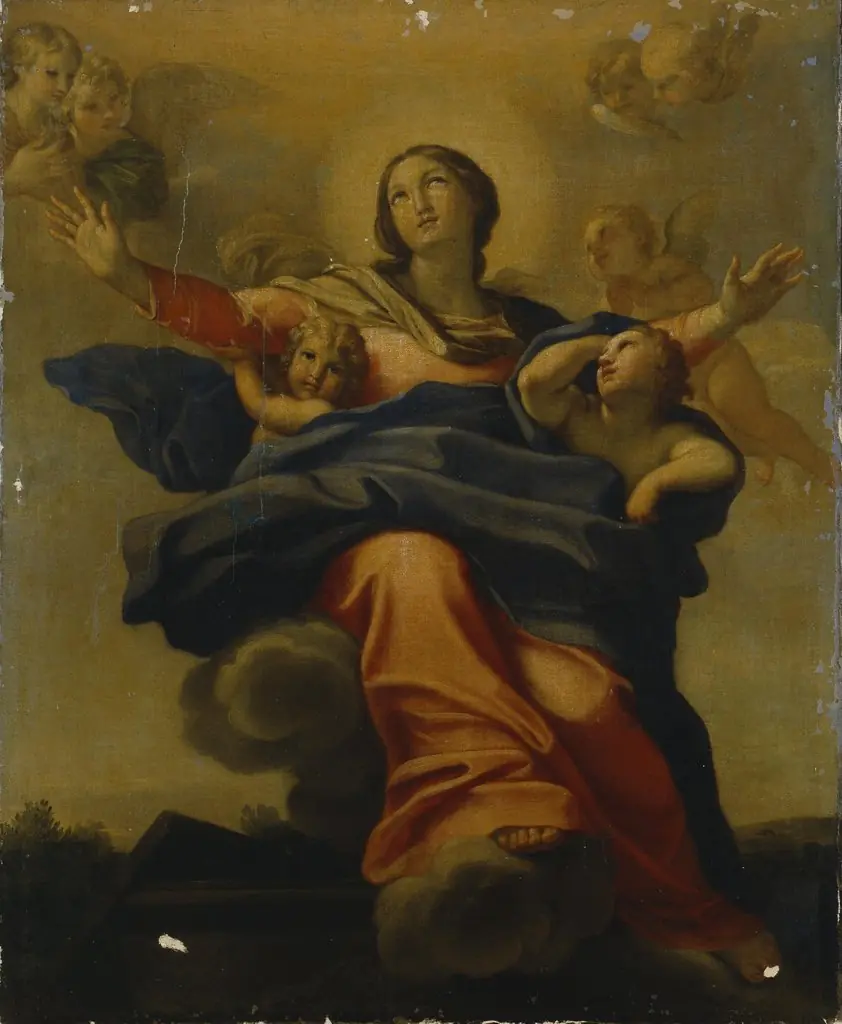 Assumption of the Virgin Mary
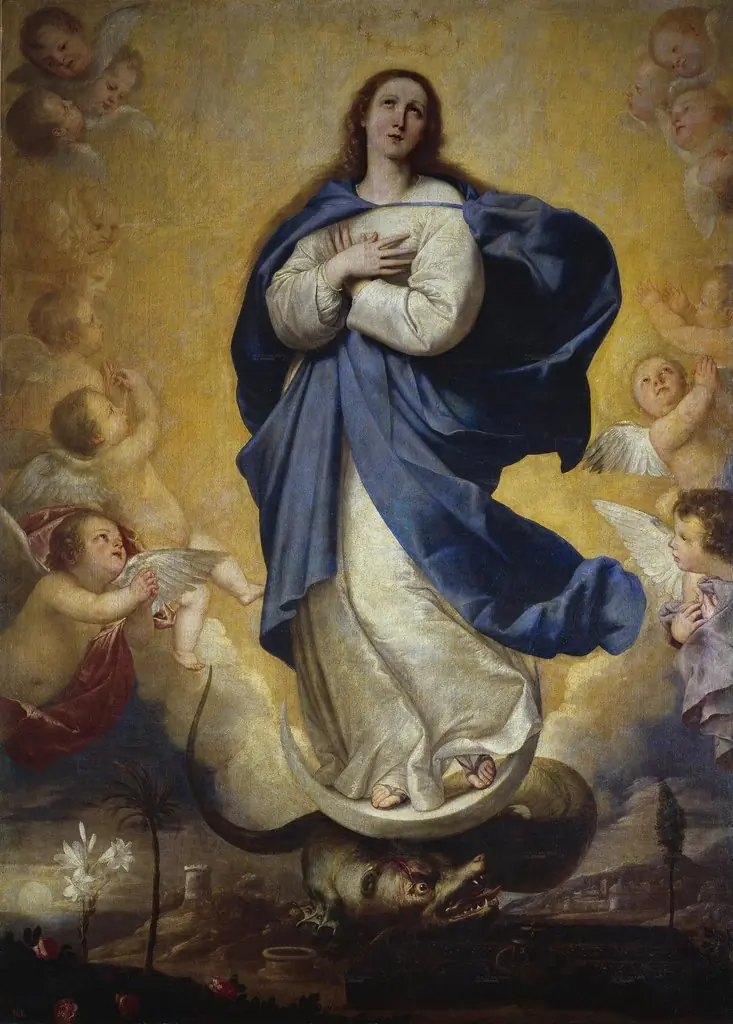 The Immaculate Conception
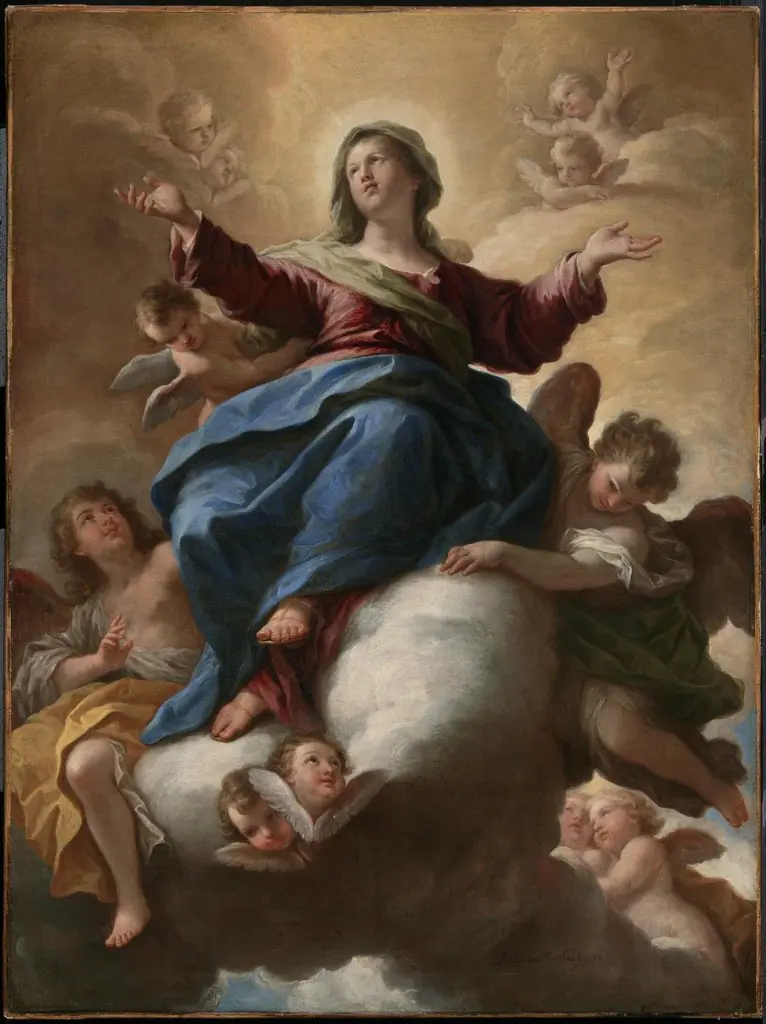 Assumption of the Virgin
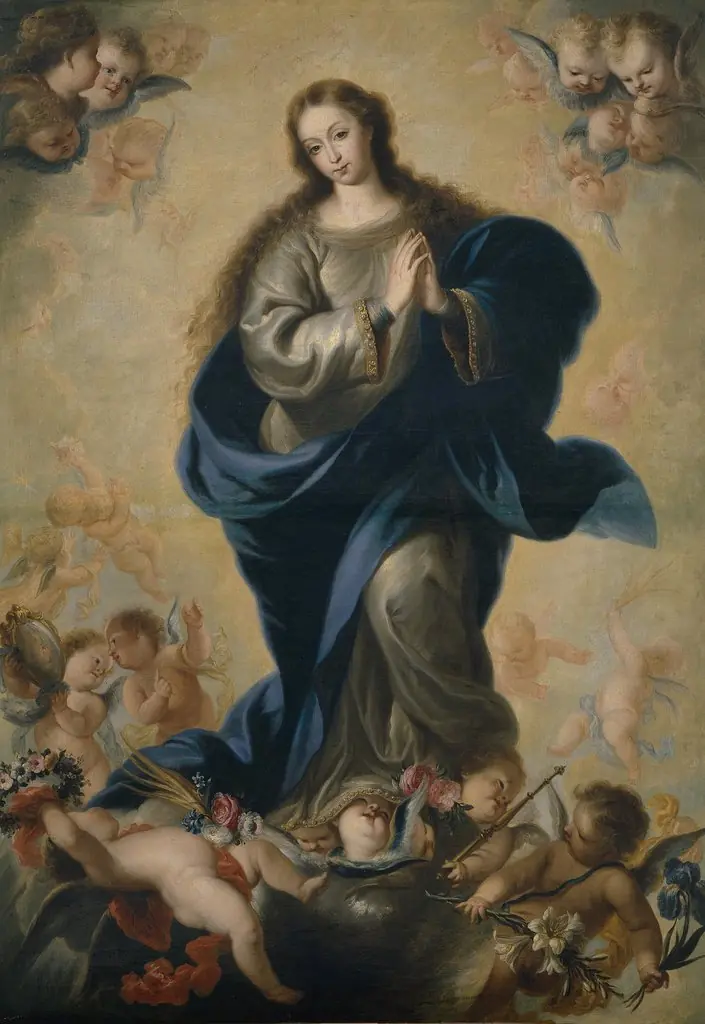 The Immaculate Conception
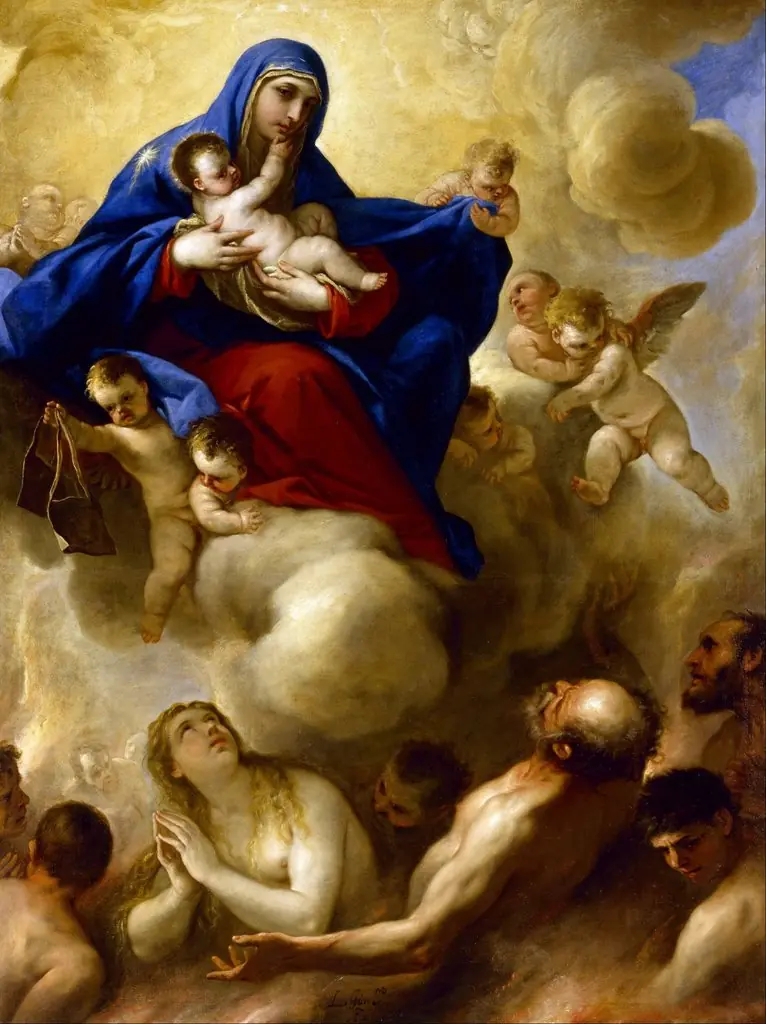 Madonna and Child with Souls in Purgatory
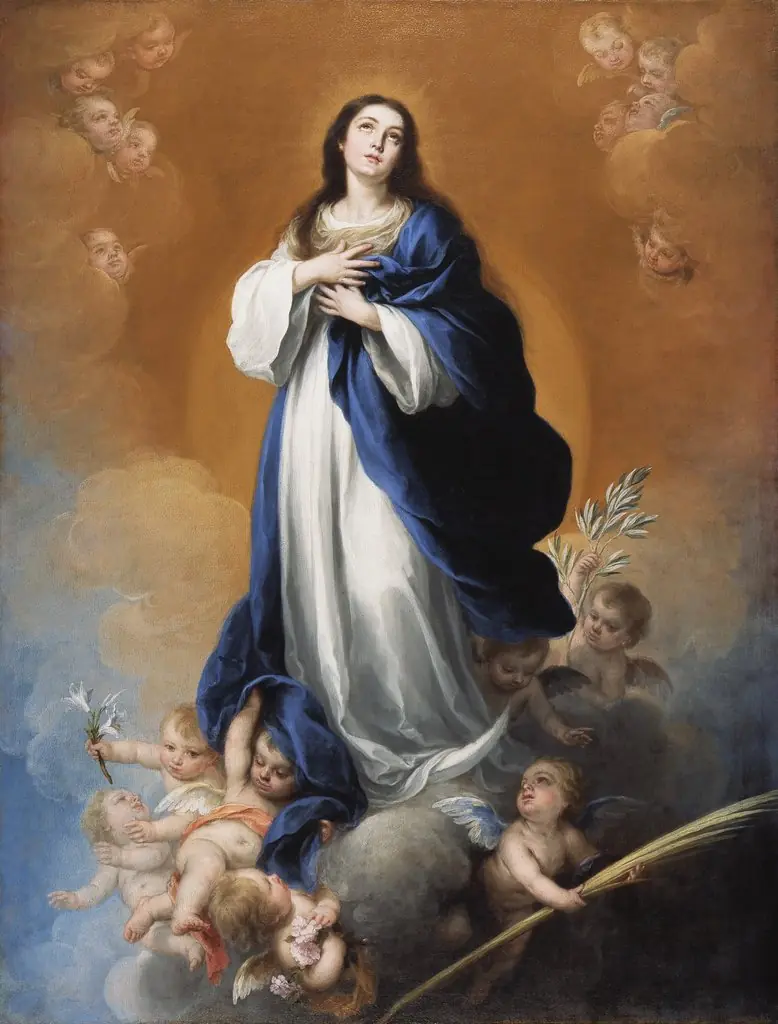 The Immaculate Conception
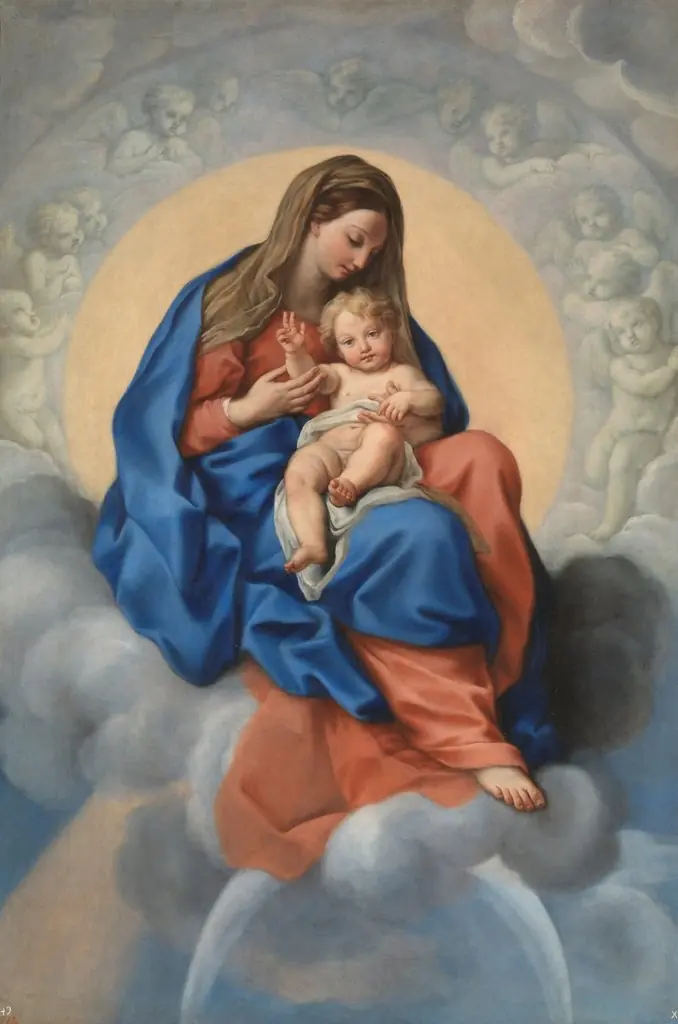 The Virgin and Child in Glory