Artwork
Judith with the Head of Holofernes
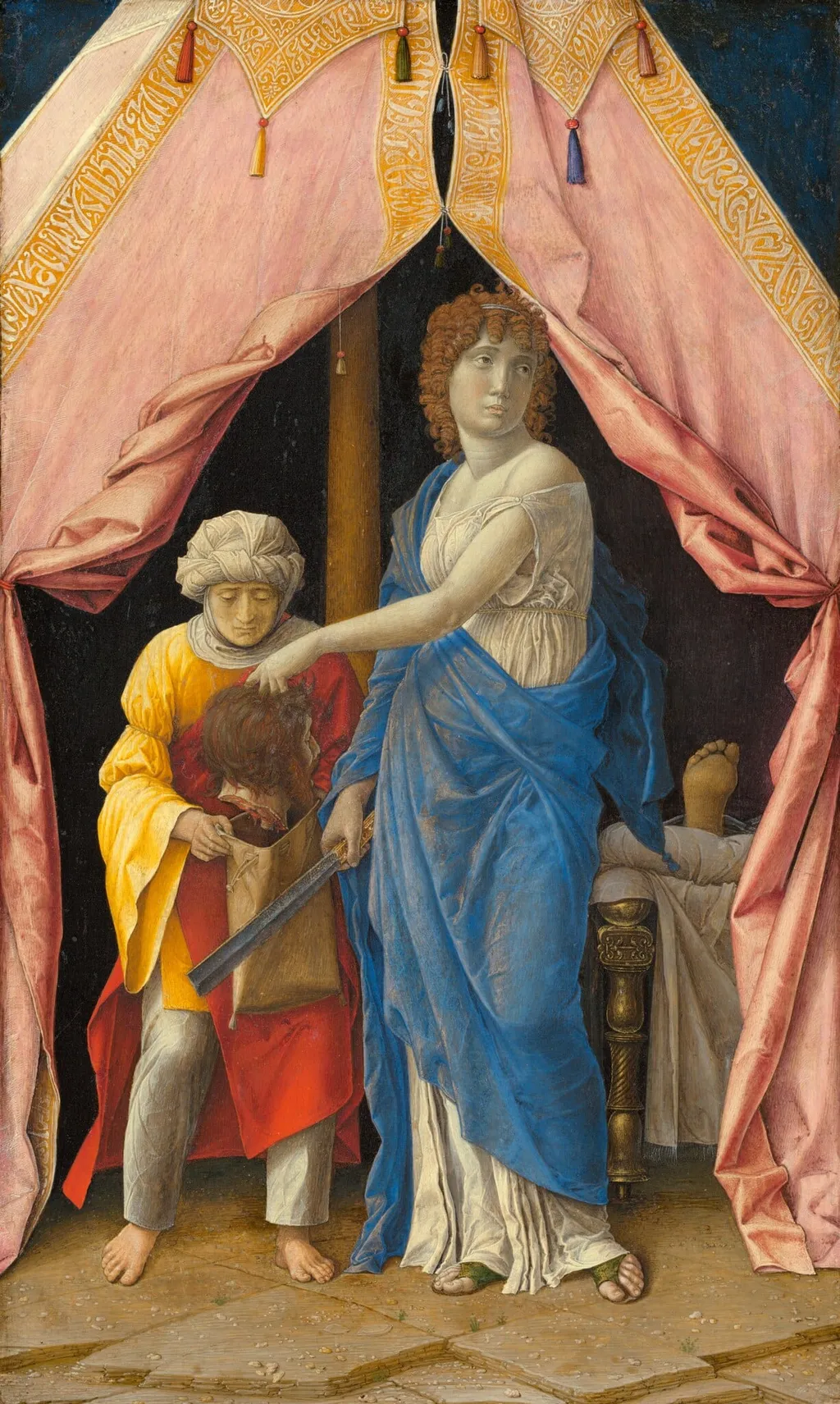
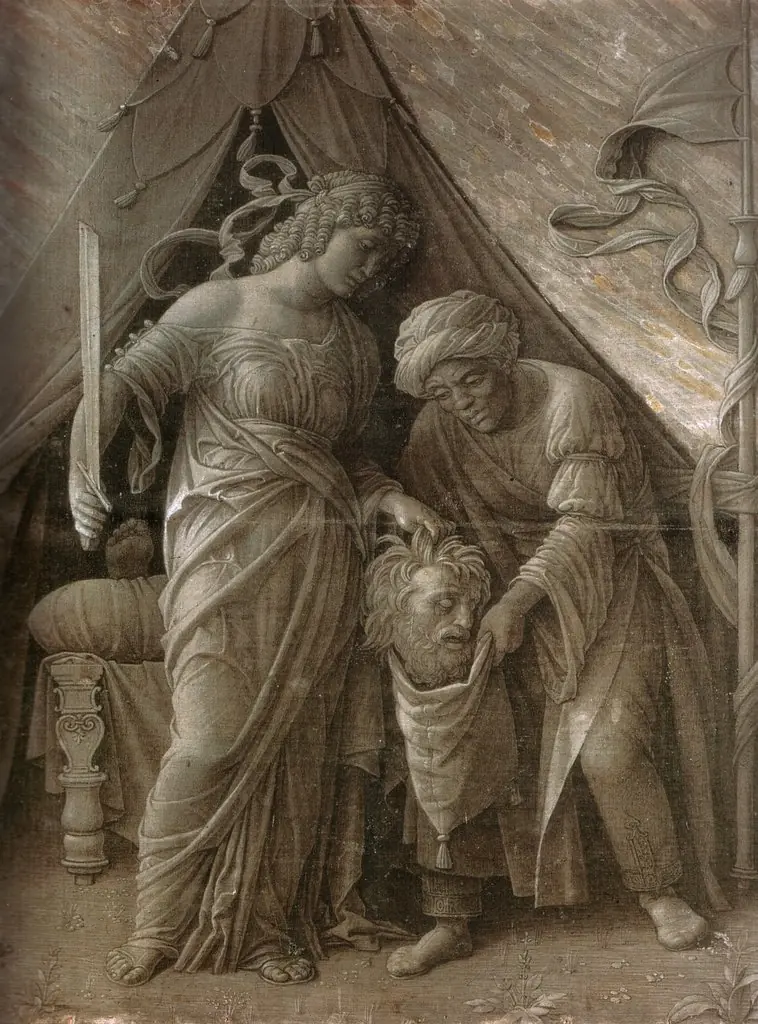
Judith with the Head of Holofernes is an oil painting by the Early Renaissance artist Andrea Mantegna. It dates from 1498 and is held in the collection of the National Gallery of Art.
- Inscription
- Inscribed:by later hand, on reverse on gesso surface: AN: MONTEGNA
About this work
Judith holds a severed head, dressed in fine clothes that contrast with the grim trophy. The Bible tells how she beheaded an enemy commander, and Andrea Mantegna painted the moment in tempera on poplar panel around 1498.
Subject & Meaning
The scene is rendered with brilliant, variegated colors resembling a miniature, set upon a diagonally perspective ground of displaced stone and earth slabs.
Derived from the apocryphal Book of Judith, this work depicts the biblical heroine immediately after beheading the Assyrian general Holofernes. Standing beneath his pink tent, Judith holds the executioner's blade while lowering the severed head into a sack held by her maid; only Holofernes' foot remains visible on the right. Unlike more violent interpretations, Mantegna presents a serene composition where Judith stands like a classical statue, her calm demeanor contrasting sharply with the horror of the act.
In Renaissance iconography, this subject symbolized civic virtue, the rejection of tyranny, and the triumph of a just cause over evil. The scene is rendered with brilliant, variegated colors resembling a miniature, set upon a diagonally perspective ground of displaced stone and earth slabs.
Technique & Style
Andrea Mantegna's Judith with the Head of Holofernes (1498) is executed in tempera on a poplar panel, measuring 30.1 by 18.1 centimeters. The work employs a refined, miniature-like technique, characterized by brilliant and variegated colors, including gold and silver accents, that enhance its luminous quality. The thin poplar panel was prepared to accommodate meticulous detailing, evident in the diagonal perspective of the stone and earthen slabs composing the ground.
Stylistically, the handling is precise, with crisp contours and a sculptural clarity reminiscent of classical statuary. Judith's serene demeanor contrasts with the violence of the scene, underscoring Mantegna's controlled, almost grisaille-like approach.
History & Provenance
Judith with the Head of Holofernes is dated to circa 1498, by comparison with analogous grisaille Old Testament panels Mantegna produced between roughly 1495 and 1500. The work may have belonged to the Gonzaga collection acquired by Charles I of England in 1628. It was subsequently given to the Earls of Pembroke and remained at Wilton House, passing by inheritance through successive Earls of Pembroke until it was sold at Sotheby's in London in 1917.
After passing through several hands, the panel was purchased in New York by Joseph E. Widener in 1923. In 1942 Widener donated the painting to the National Gallery of Art in Washington, D.C., where it remains today, attributed to Andrea Mantegna or his follower.
Context
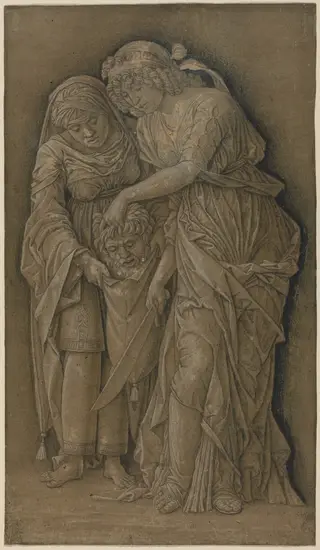
The painting is attributed to Andrea Mantegna or, according to some scholarship, to a follower, possibly Giulio Campagnola, with the attribution considered controversial. It is dated to around 1498 through comparison with analogous grisaille panels on Old Testament subjects that Mantegna produced between 1495 and 1500. The composition is regarded as a restrained stylistic exercise on a theme the master treated repeatedly, with related versions preserved in Dublin and Montreal and a preparatory drawing in the Gabinetto dei disegni e delle stampe of the Uffizi.
Within Renaissance iconography, Judith was understood as a symbol of civic virtue, intolerance of tyranny, and the triumph of a just cause over evil. The work is discussed in standard surveys and monographs, including Fred S. Kleiner's Gardner's Art Through the Ages and Joseph Manca's Andrea Mantegna and the Italian Renaissance.
Legacy
The painting's legacy was shaped by its aristocratic English provenance and later institutionalization in the United States. After passing through successive Earls of Pembroke from the seventeenth century, the work was sold in London in 1917 and entered a sequence of private American collections before being acquired by Joseph E. Widener in 1923. Its donation to the National Gallery of Art, Washington, D.C., in 1942 secured its place in a major public collection and amplified its scholarly and public reception.
Within Italian Renaissance studies, the panel's restrained treatment of Judith's deed has been cited as a deliberate stylistic exercise by Mantegna or his circle. Its repeated appearance in surveys and catalogues, such as Fred S. Kleiner's Gardner's Art Through the Ages and Joseph Manca's monograph on Mantegna, has reinforced its standing as a canonical example of late Quattrocento narrative painting.
Overview
This painting, titled Judith with the Head of Holofernes, is an Italian Renaissance work created around 1495 or 1500. Executed in tempera on a poplar panel, it depicts a scene from the biblical Book of Judith, a subject frequently explored in art. The precise authorship remains debated, with attributions ranging from the prominent artist Andrea Mantegna to a member of his circle, potentially Giulio Campagnola.
Own this work as a print
Artist & collection
Artist
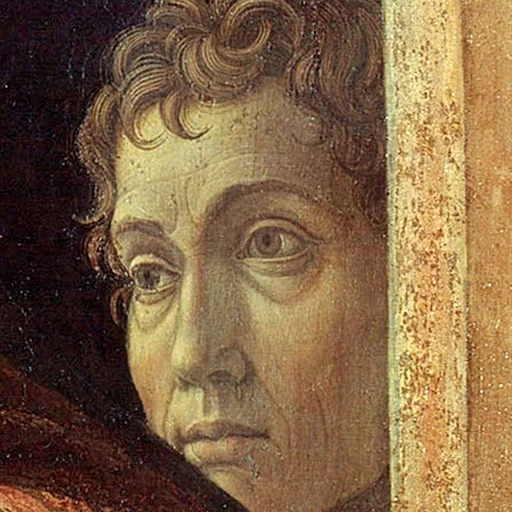
Andrea Mantegna (UK: US:; Italian:; c. 1431 – September 13, 1506) was an Italian Renaissance painter, a student of Roman archaeology, and the son-in-law of Jacopo Bellini. Like other artists of the time, Mantegna…

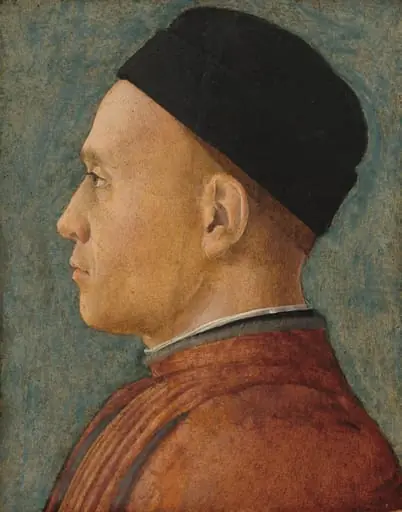
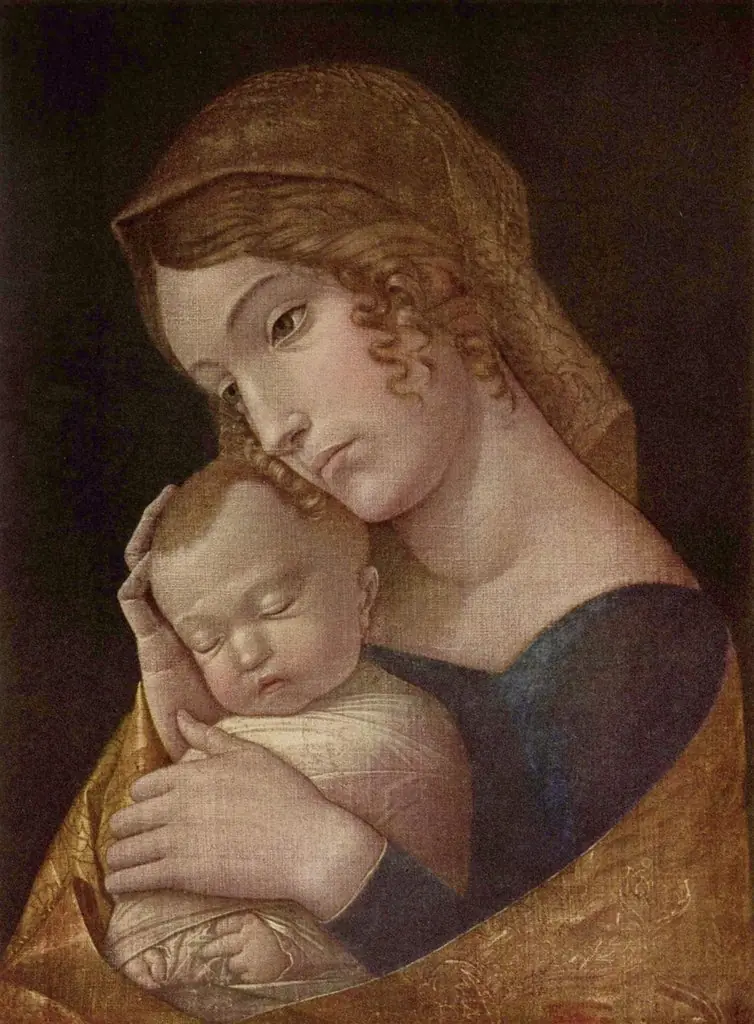
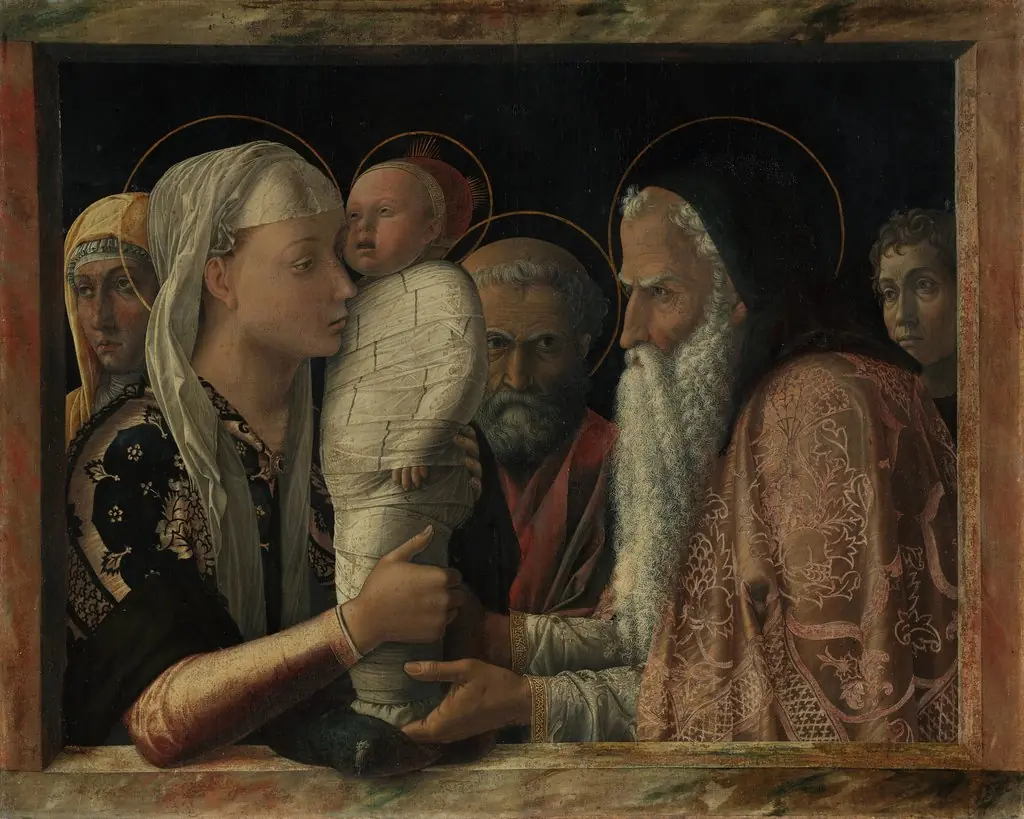
- Judith with the Head of Holofernes
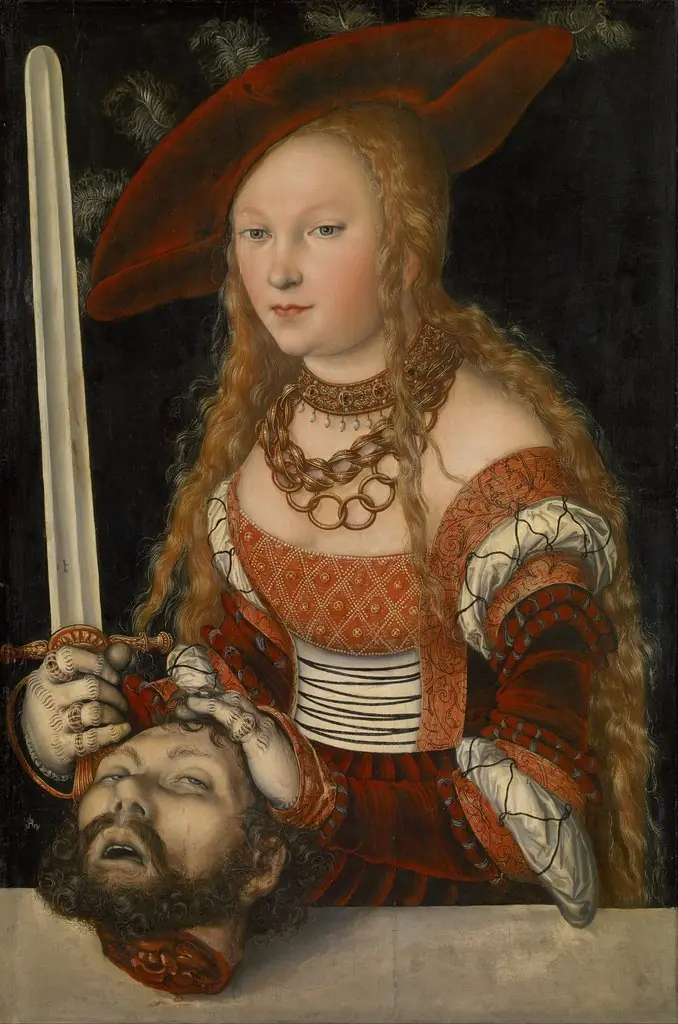 Judith with the head of Holofernes
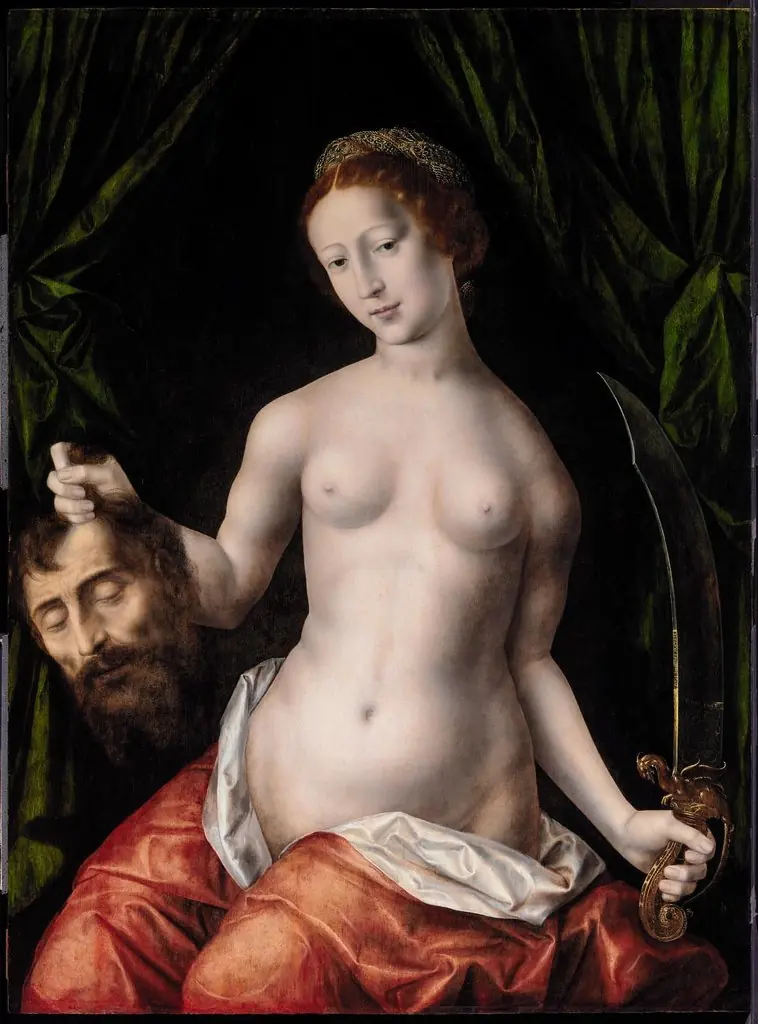 Judith with the Head of Holofernes
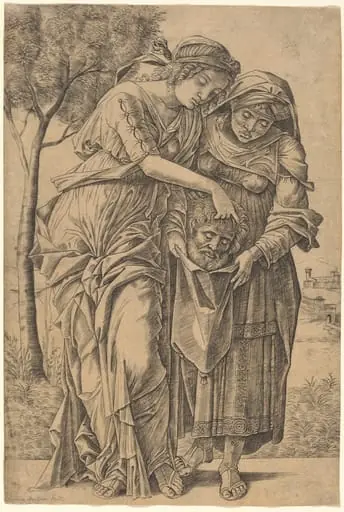 Judith with the Head of Holofernes
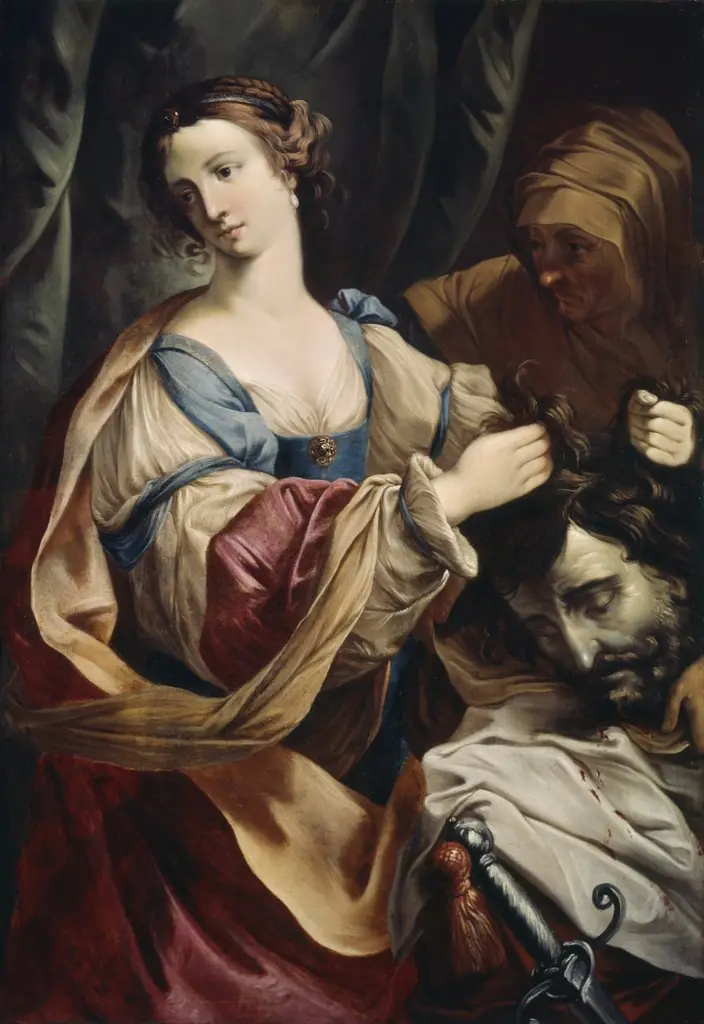 Judith with the Head of Holofernes
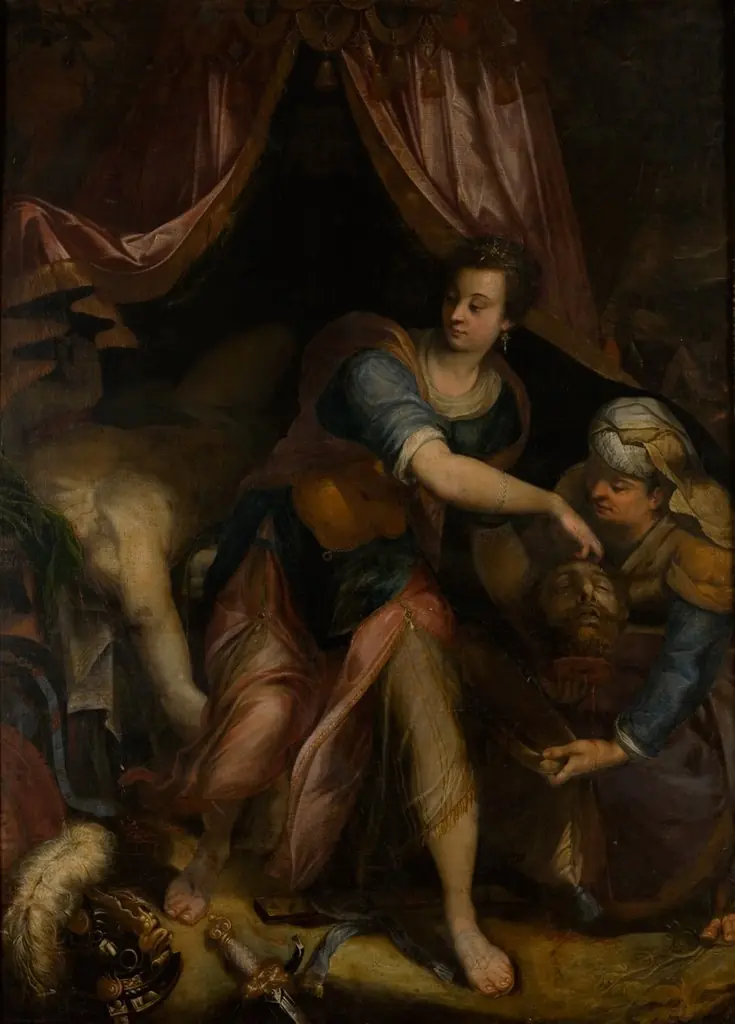 Judith with the Head of Holofernes
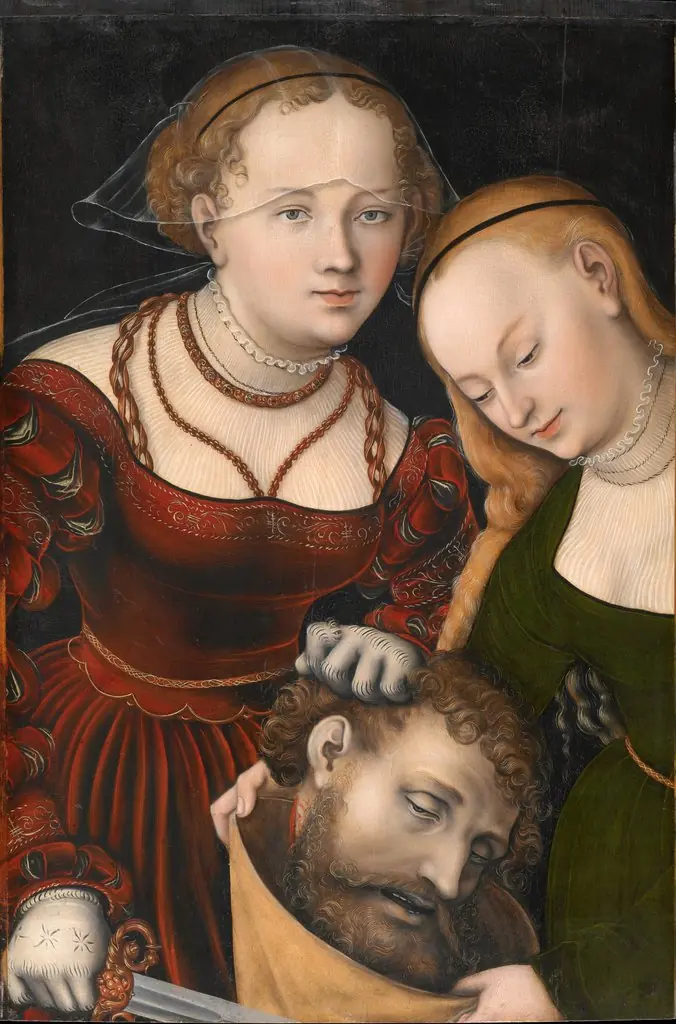 Judith with the head of Holofernes and a servant
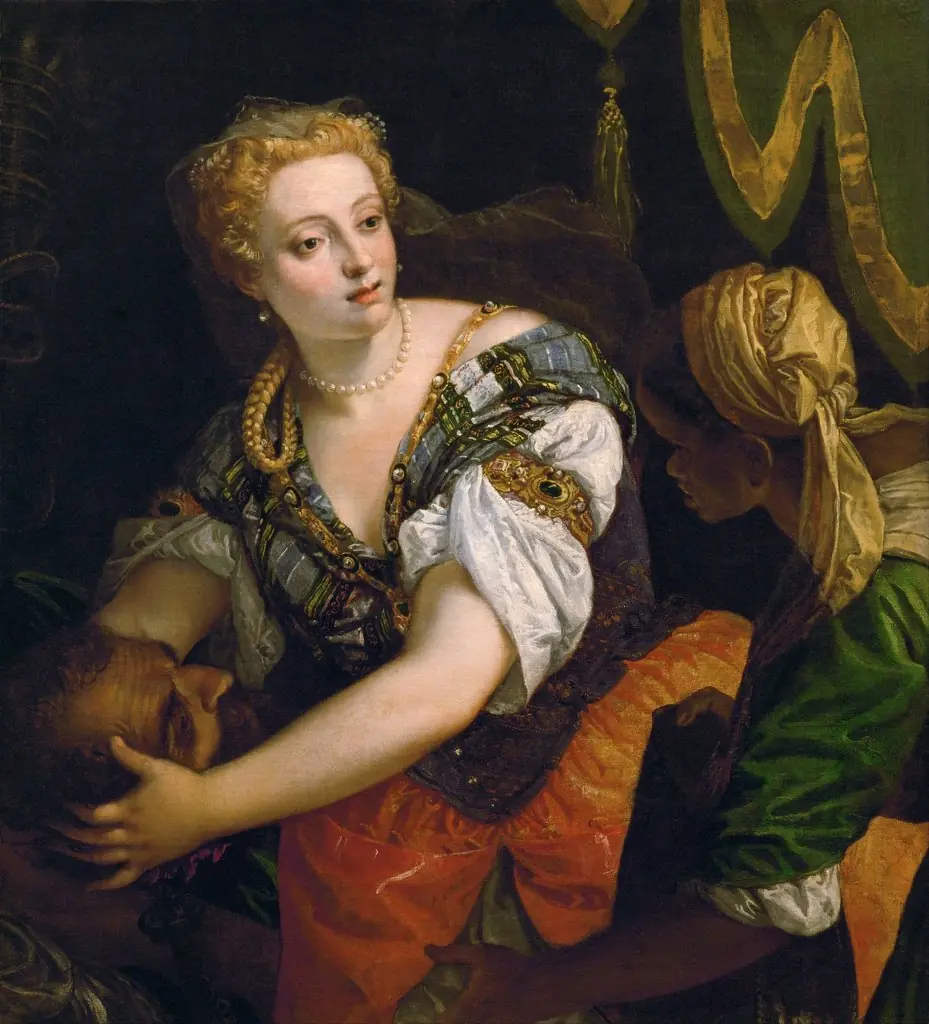 Judith with the Head of Holofernes
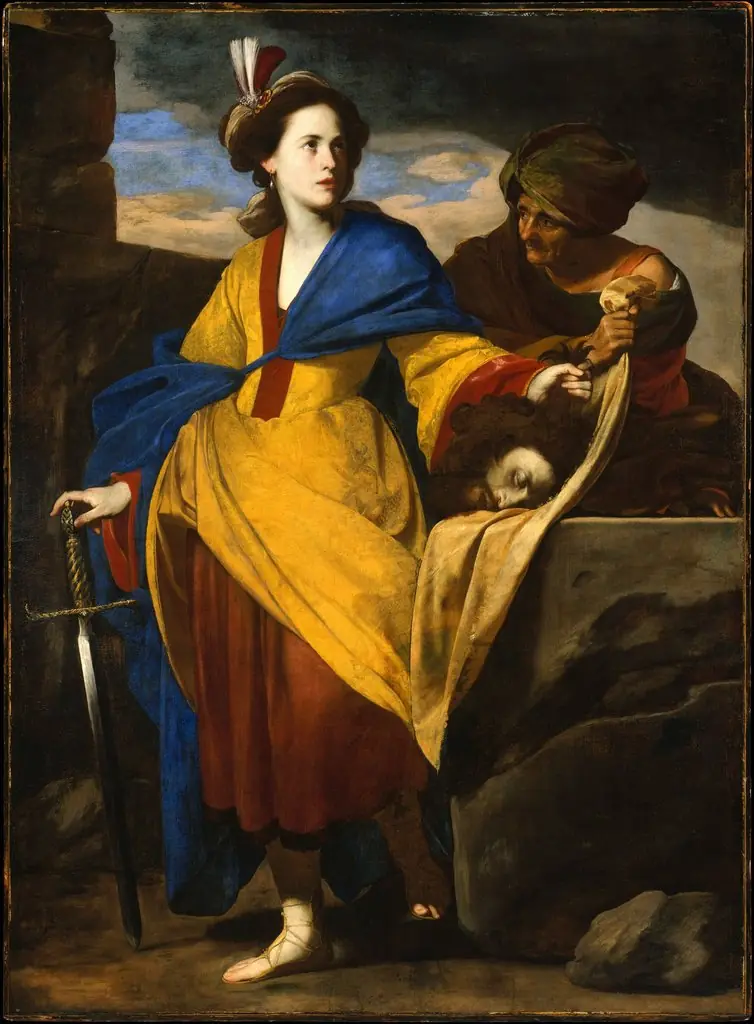 Judith with the Head of Holofernes
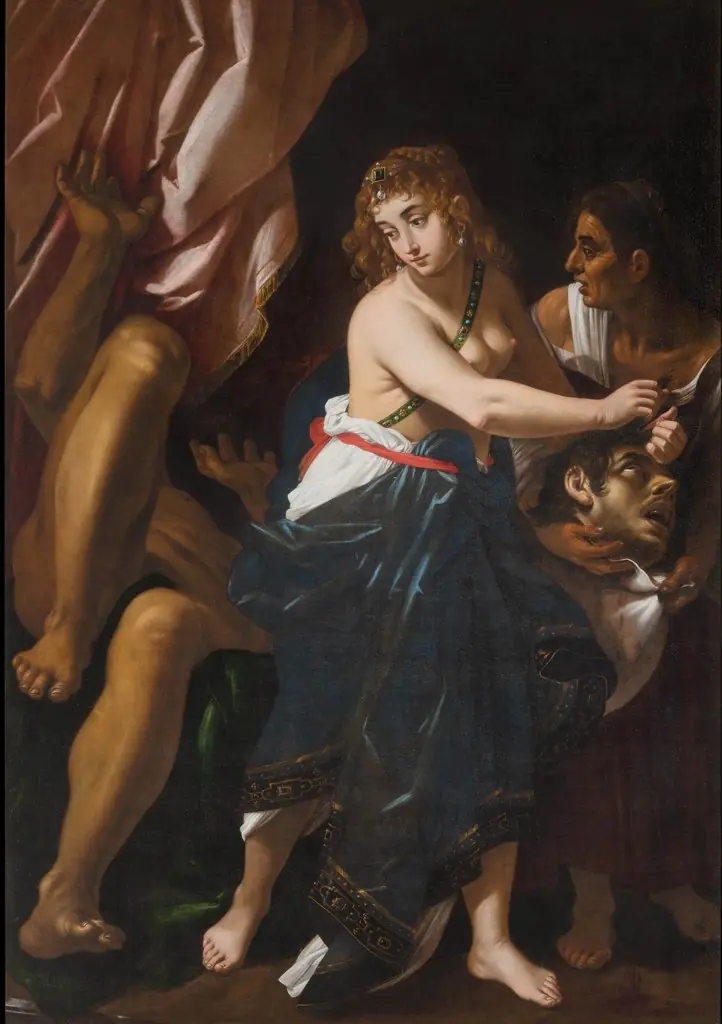 Judith and the Head of Holofernes
 Judith with the Head of Holofernes