Artwork
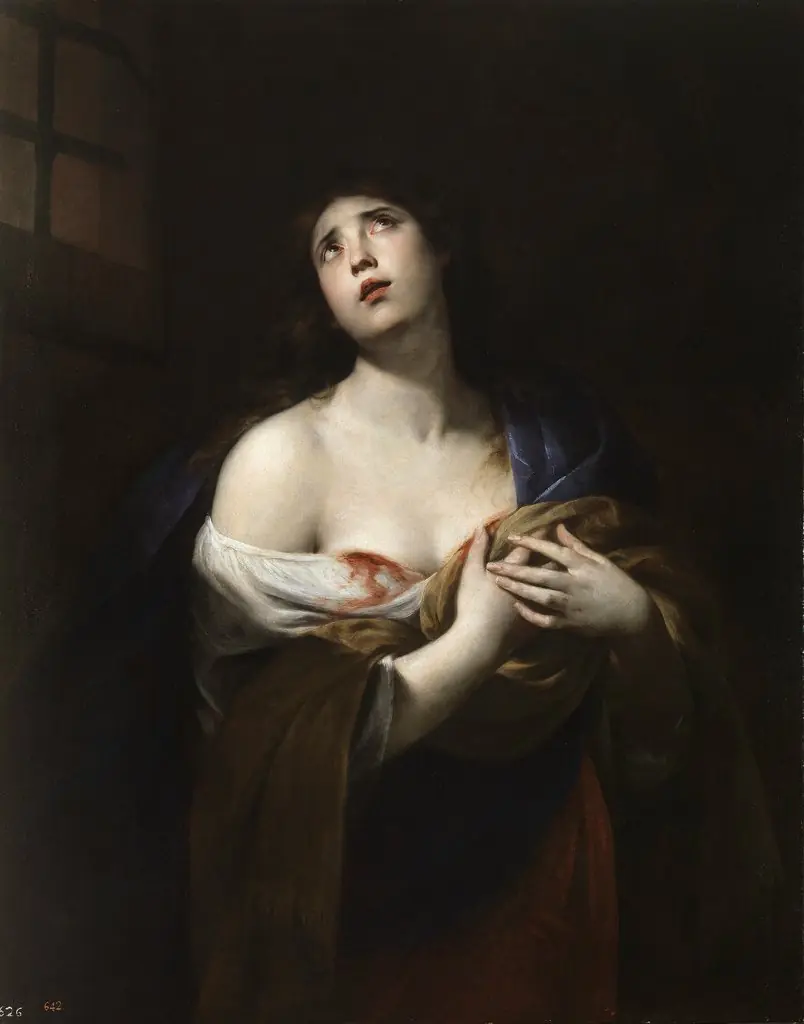
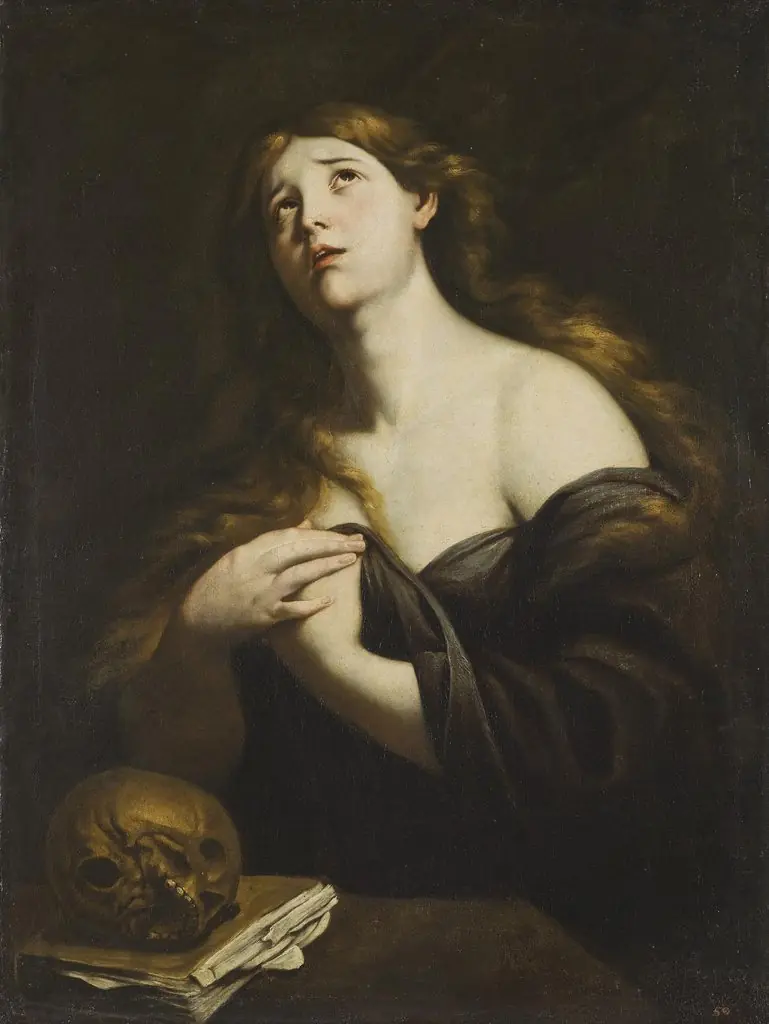
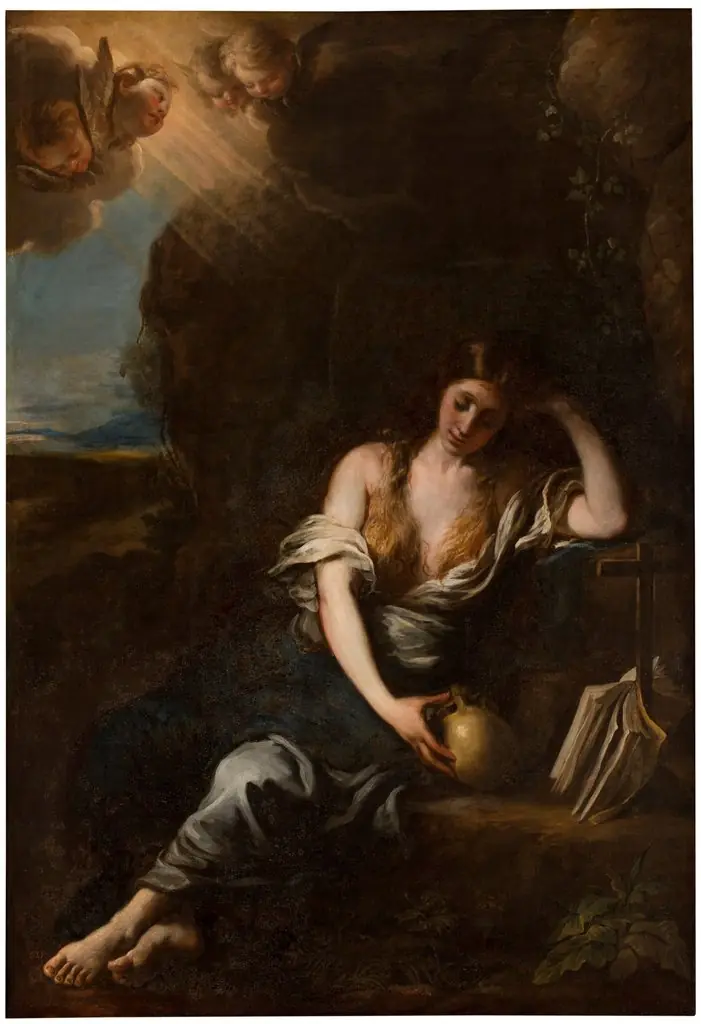
Penitent Magdalene
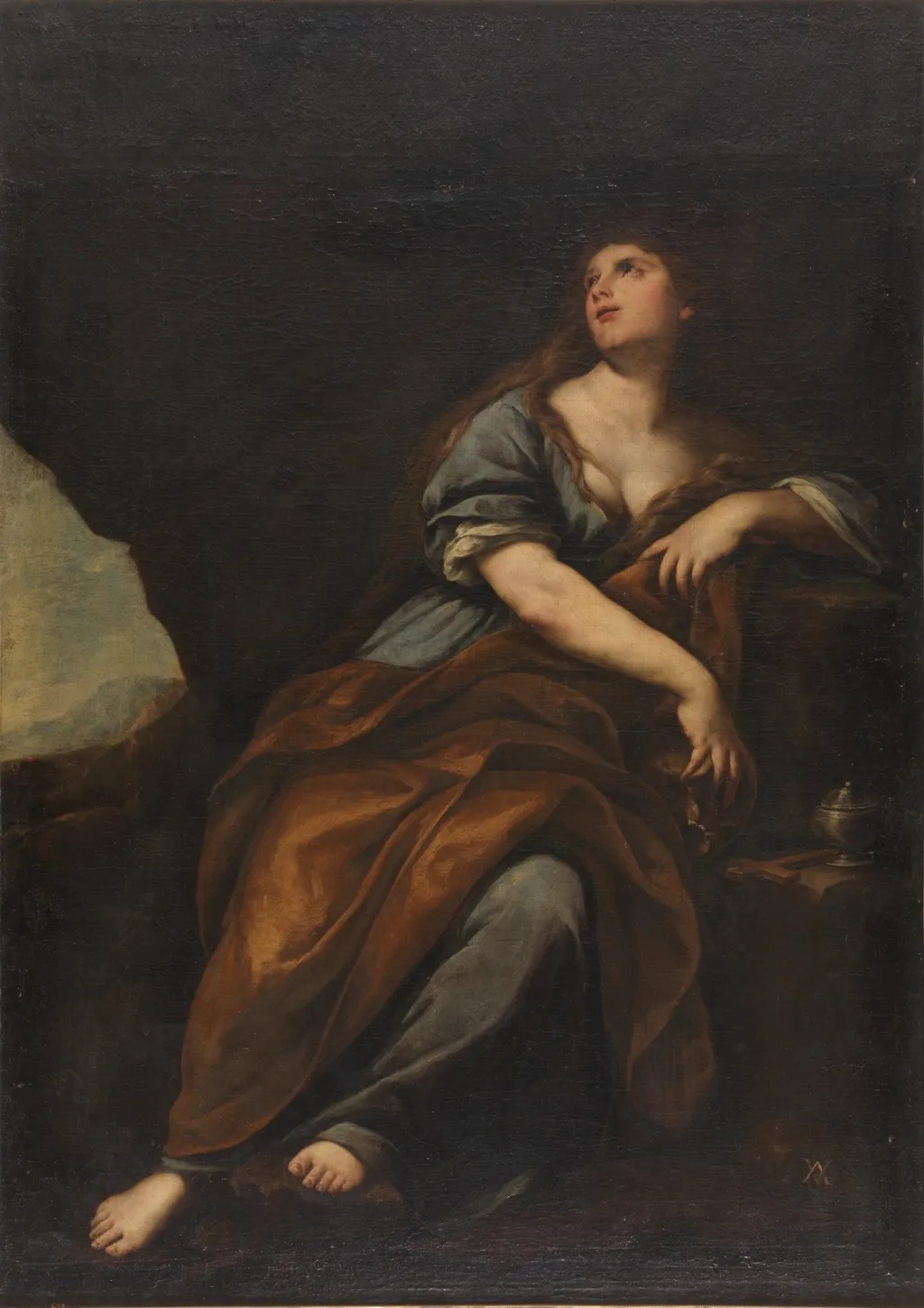
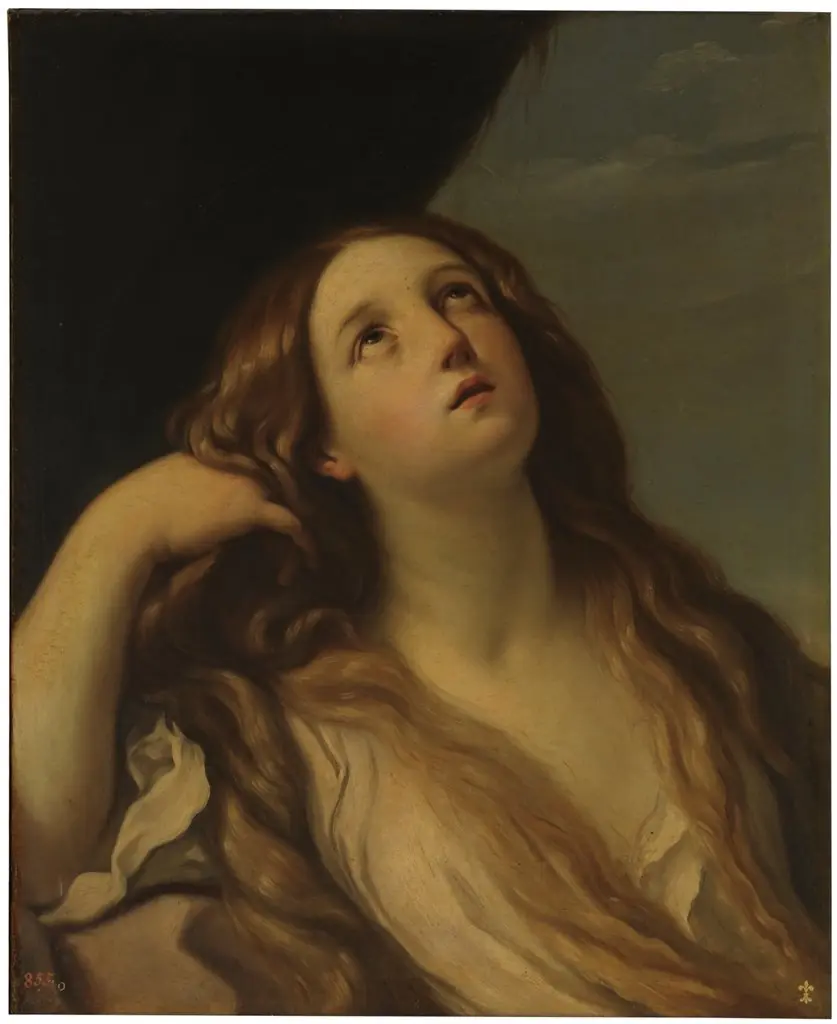
Penitent Magdalene is an oil painting by the Early Baroque Italian artist Andrea Vaccaro. It dates from 1601 and is held in the collection of the Museo del Prado.
About this work
Subject & Meaning
The painting portrays Mary Magdalene as a penitent saint, emphasizing her repentance and spiritual contemplation. Titled Penitent Magdalene, the work shows the biblical figure in a devout, sorrowful attitude that underscores themes of redemption and divine mercy. As a religious genre painting, it invites viewers to reflect on the possibility of forgiveness through sincere contrition.
History & Provenance
It was exhibited at the Museo del Prado in 1985 as part of the exhibition "El siglo XVII en Italia y los Países Bajos".
The Penitent Magdalene was painted by Andrea Vaccaro in 1601 as an oil on canvas work depicting a religious subject. After its creation, the painting entered the Spanish royal collection and was owned by Ferdinand VII of Spain. It subsequently became part of the holdings of the Museo del Prado in Madrid, where it remains on display.
The work is held in the Museo del Prado, Madrid, where it is recorded under inventory number P001221.
It was exhibited at the Museo del Prado in 1985 as part of the exhibition "El siglo XVII en Italia y los Países Bajos".
Legacy
The Penitent Magdalene has been recognized as a significant example of Counter-Reformation religious painting, influencing scholarly discussions on early modern depictions of female mysticism and penitence. Its presence in the Museo del Prado's collection since the reign of Ferdinand VII has contributed to ongoing academic interest in Vaccaro's role within Neapolitan Baroque art, though specific later receptions remain sparsely documented in available records.
Overview
Andrea Vaccaro’s Penitent Magdalene, executed in oil in 1601, is an early Baroque work now in the Museo del Prado. The composition presents a solitary female figure, identified as Mary Magdalene, seated on a dark stone ledge. A muted palette of greys and browns dominates, while a subtle light source on the left illuminates her contemplative pose.
Technique & Style
Vaccaro employs a pronounced chiaroscuro, a hallmark of Caravaggist influence, to model the figure’s flesh against the enveloping darkness. The brushwork is smooth in the drapery, contrasting with the textured stone surface. The limited color range and careful handling of light create a three‑dimensional presence that aligns with early Baroque realism.
Context
Vaccaro was a prolific Neapolitan painter who catered to both local churches and Spanish patrons, producing numerous devotional images. Penitent Magdalene exemplifies the early Baroque shift toward emotional immediacy and naturalism, situating the work within the broader movement that sought to engage viewers through direct, humanized religious representation.
Own this work as a print
Artist & collection
Artist
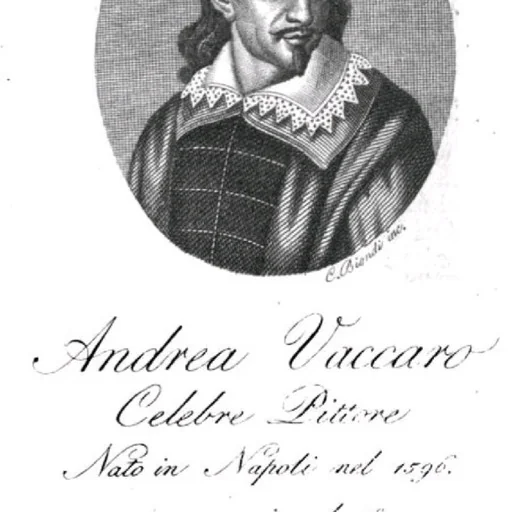
Andrea Vaccaro (baptised on 8 May 1604 – 18 January 1670) was an Italian painter of the Baroque period.