Artwork
Mary Magdalene
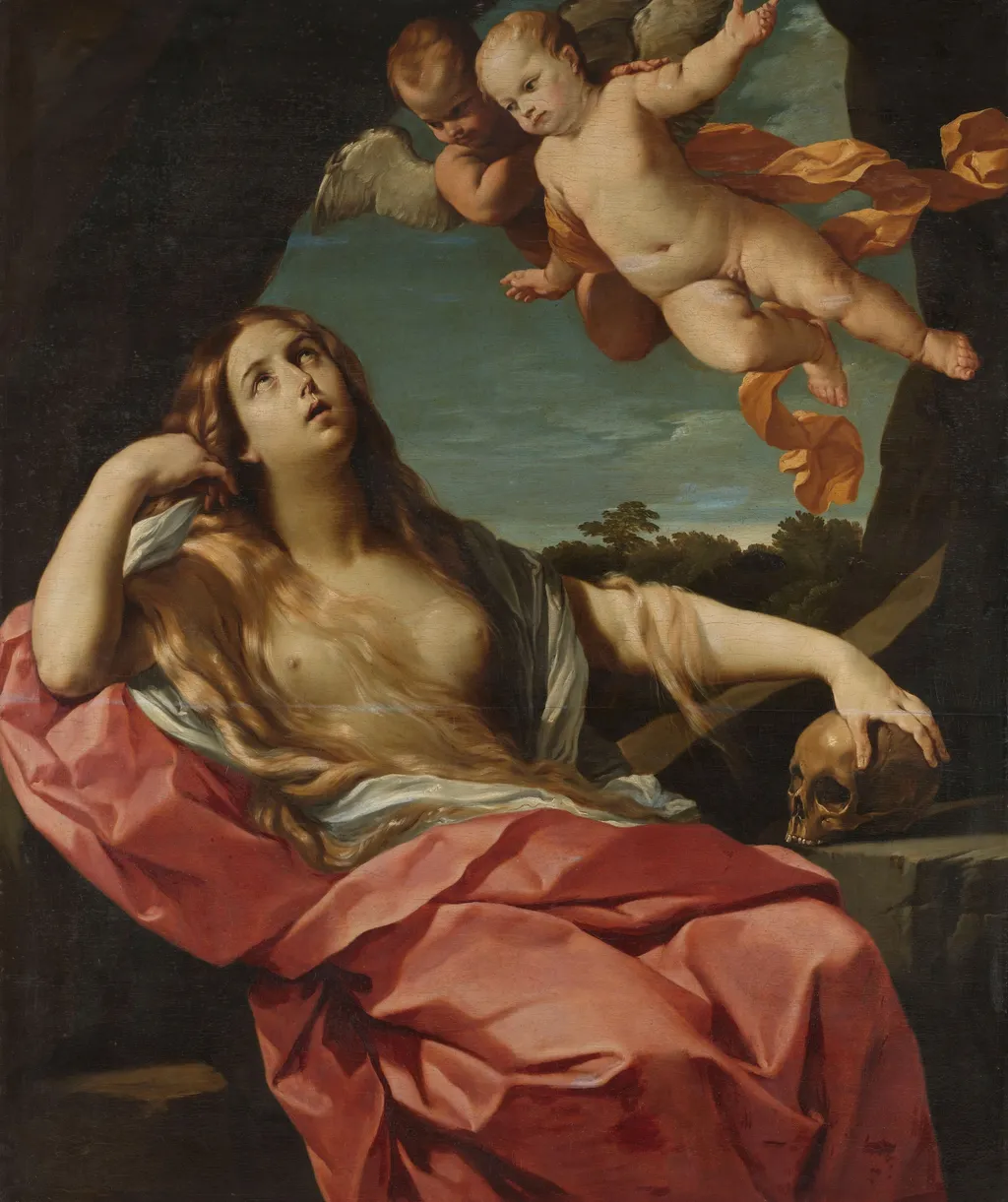
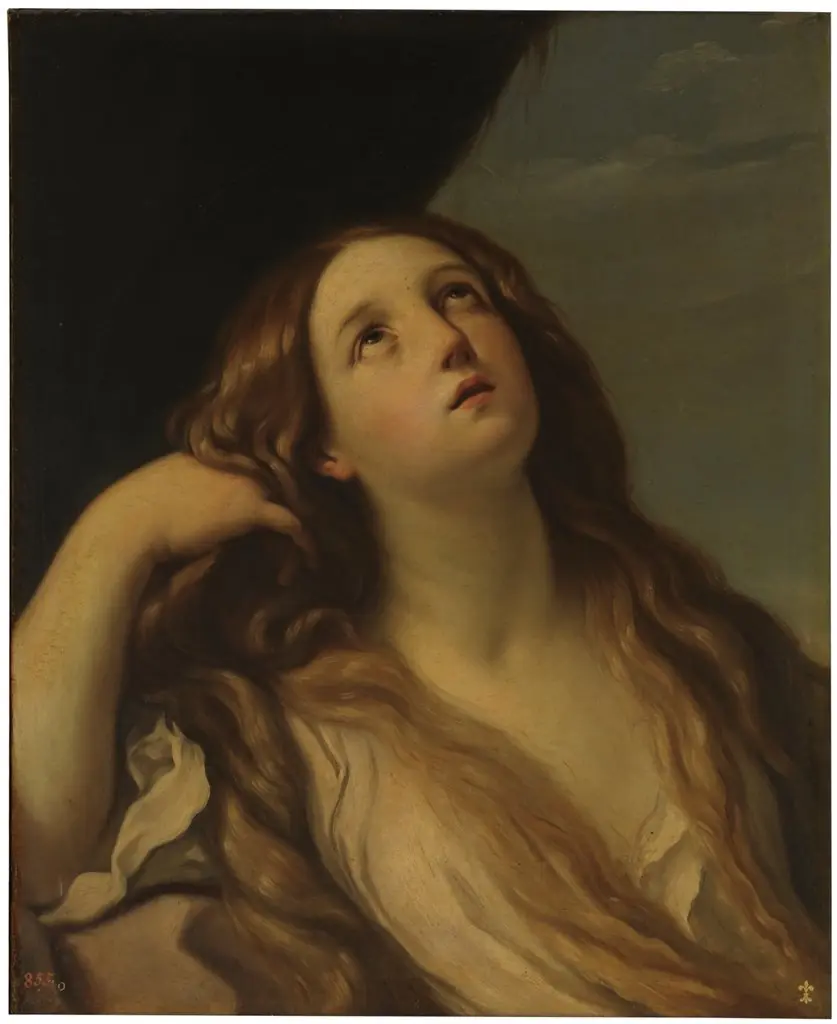
Mary Magdalene is an oil painting by the Early Baroque Italian artist Guido Reni. It is held in the collection of the Rijksmuseum.
About this work
Subject & Meaning
The figure is presented in a devotional mode, evoking themes of repentance and divine grace rather than worldly splendor.
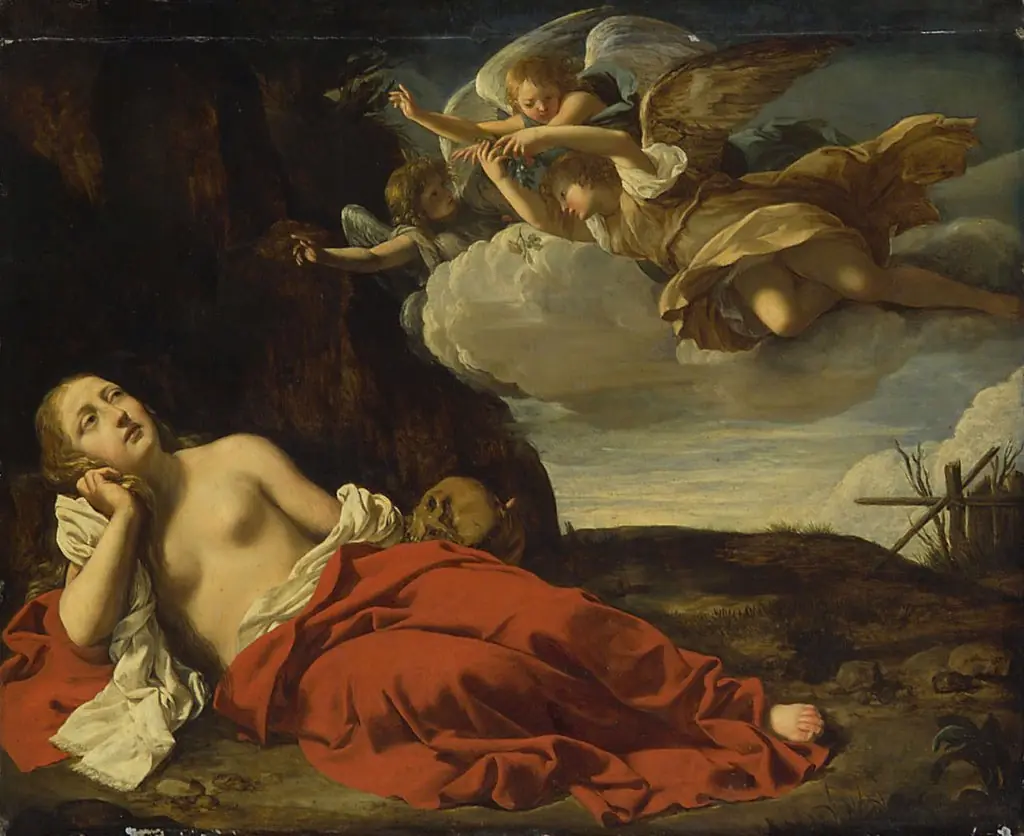
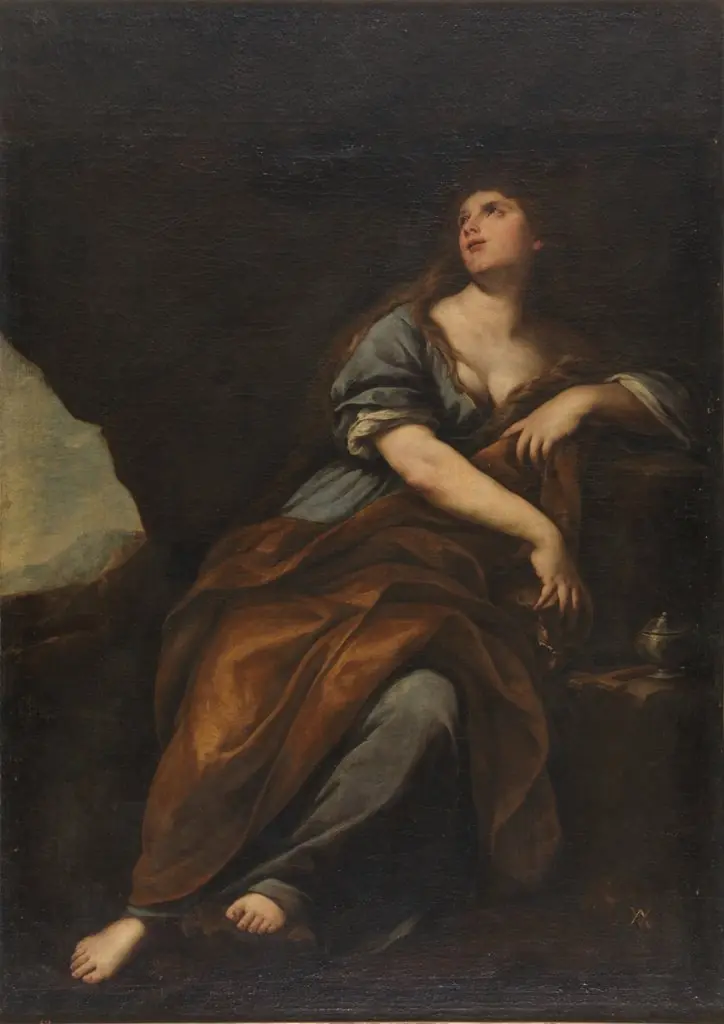
The work depicts Mary Magdalene as a penitent, a conventional subject in Counter-Reformation iconography that emphasizes spiritual renewal through asceticism and contemplation. The figure is presented in a devotional mode, evoking themes of repentance and divine grace rather than worldly splendor. This interpretation aligns with the established tradition of the Penitent Magdalene, which Reni’s composition follows, underscoring a narrative of inner transformation rather than external display.
Technique & Style
The work is an oil painting executed on canvas, measuring 160 cm by 131 cm. It portrays Mary Magdalene in a penitent pose, reflecting a religious theme common in Baroque art. The composition emphasizes intimate emotional expression through chiaroscuro and delicate brushwork, characteristic of Guido Reni's style. The painting is housed in the Rijksmuseum collection and was acquired from Adriaan Leonard van Heteren Gevers.
History & Provenance
The painting is an oil on canvas work created in 1700 by Guido Reni depicting a penitent Magdalene. It entered the collection of Adriaan Leonard van Heteren Gevers before being acquired by the Rijksmuseum, where it remains on display in the Kabinet van Heteren Gevers section of the museum.
The work measures 160 cm by 131 cm and was originally painted for private devotional use, reflecting the religious art conventions of the period.
The painting is held in the Rijksmuseum, Amsterdam, as part of the Kabinet van Heteren Gevers collection. It was formerly owned by Adriaan Leonard van Heteren Gevers, the collector whose bequest forms that cabinet. No accession number or exhibition history is documented in the available sources.
Legacy
The painting's legacy is anchored in its role within religious art, particularly as an exemplar of the Penitent Magdalene theme. Its influence is reflected in its presence in major collections, such as the Rijksmuseum, where it is recognized for its stylistic continuation of Guido Reni's work. The artwork's depiction of Mary Magdalene as a figure of penitence has contributed to ongoing discussions about her representation in art history.
Overview
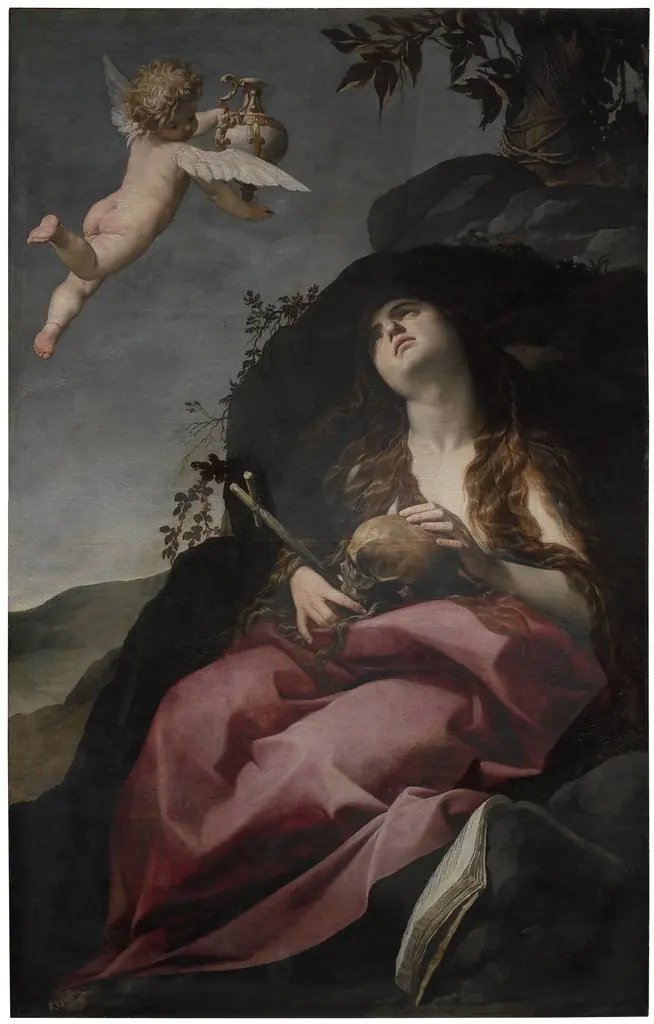
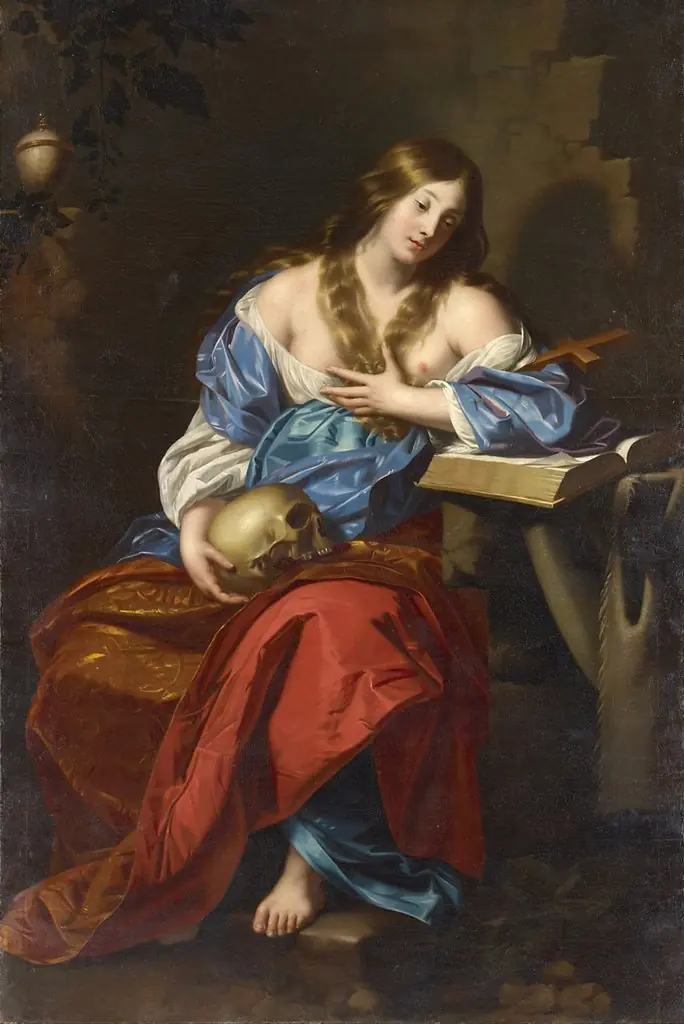
Created circa 1700, this oil painting portrays Mary Magdalene in a contemplative pose. The figure reclines on her right side, her golden hair cascading over a red drape, while a skull rests beneath her left arm. A cherubic presence and a winged figure appear in the muted background, contributing to the work’s solemn atmosphere.
Context
Reni’s approach combined the dynamism of Baroque drama with a classical restraint, aligning with the Counter‑Reformation’s demand for clear, emotionally resonant religious imagery. This painting exemplifies his mature style, where devotional subjects are rendered with serene dignity rather than overt theatricality.
Own this work as a print
Artist & collection
Artist
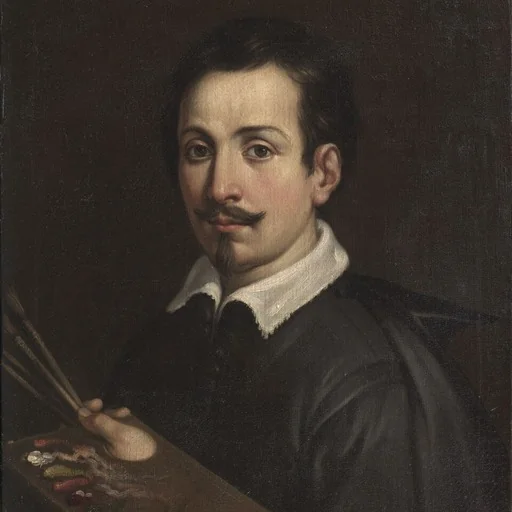
Guido Reni was an Italian Baroque painter, although his works showed a classical manner, similar to Simon Vouet, Nicolas Poussin, and Philippe de Champaigne.