Artwork
Portrait of a Man
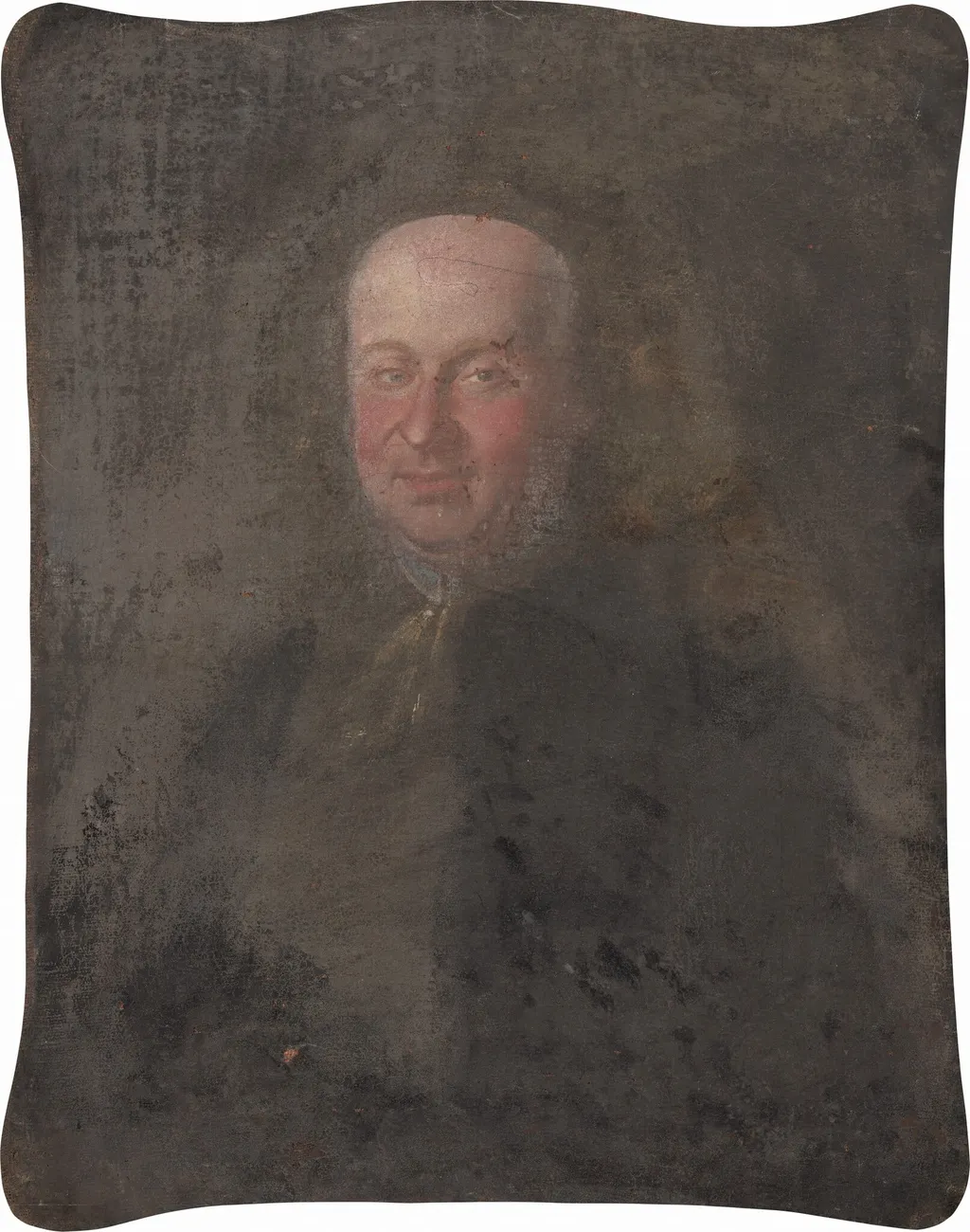
Portrait of a Man is an oil painting by the Baroque artist Follower of Alessandro Longhi. It dates from 1773 and is held in the collection of the National Gallery of Art.
About this work
Technique & Style
The work is an oil painting on canvas, measuring 76.2 cm by 60.9 cm (height × width). It belongs to the portrait genre and depicts a solitary male sitter, a format typical of 18th-century European portraiture. The artist is listed as an anonymous master associated with Alessandro Longhi. No specific condition issues are documented.
History & Provenance
The painting, attributed to an unknown artist or possibly Alessandro Longhi, is executed in oil on canvas and dated 1773.
The painting, attributed to an unknown artist or possibly Alessandro Longhi, is executed in oil on canvas and dated 1773. Its specific commission details remain undocumented. Provenance traces the work to Mrs. S. W. DuBois of Washington, D.C., who recalled the painting originating from Italy.
Mrs. DuBois gifted the portrait to the National Gallery of Art in Washington, D.C., in 1946, where it remains part of the permanent collection. No further information regarding prior owners is provided in the current sources.
Overview
This oil on canvas, titled Portrait of a Man, depicts a male figure seated within an unadorned interior. The artist rendered the subject with meticulous attention to detail, particularly in his attire and facial features, conveying a sense of realism. The composition emphasizes the man's presence through a focused portrayal against a subdued backdrop, drawing the viewer's gaze directly to his serious countenance.
Subject & Meaning
The painting centers on a man presented in formal attire, his expression solemn and contemplative. He occupies a modest room, which serves to direct full attention to his figure. The artist's choice to highlight the man's face and elaborate clothing suggests an intent to convey his status or character, while the simplicity of his surroundings prevents any distraction from his individual presence.
Artist & collection

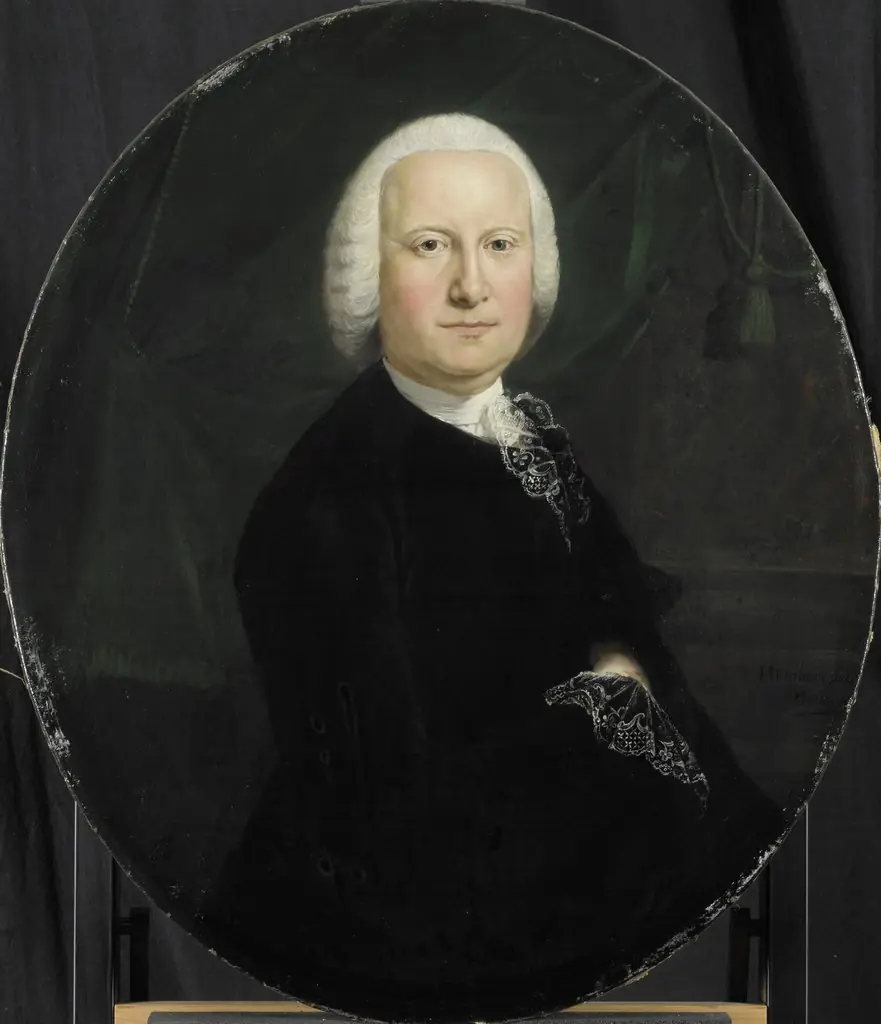
- Portrait of Adriaan du Bois, Director of the Rotterdam Chamber of the Dutch East India Company, elected 1742
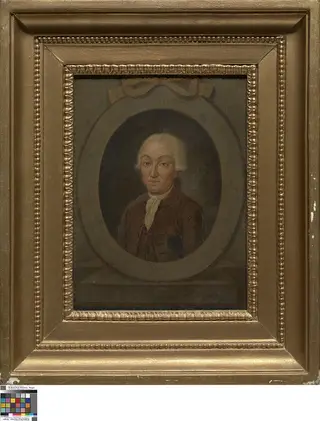 Portret van een man
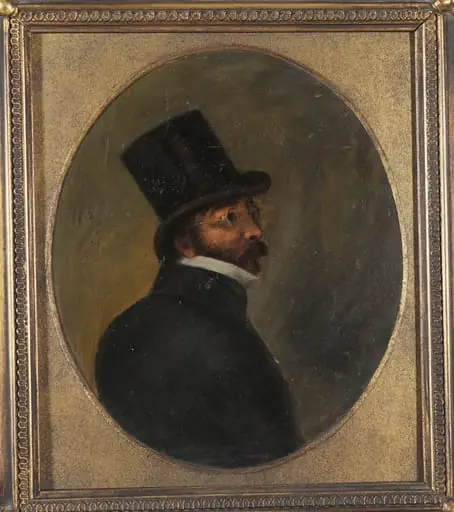 Προσωπογραφία του Αλεξάνδρου Μαυροκορδάτου
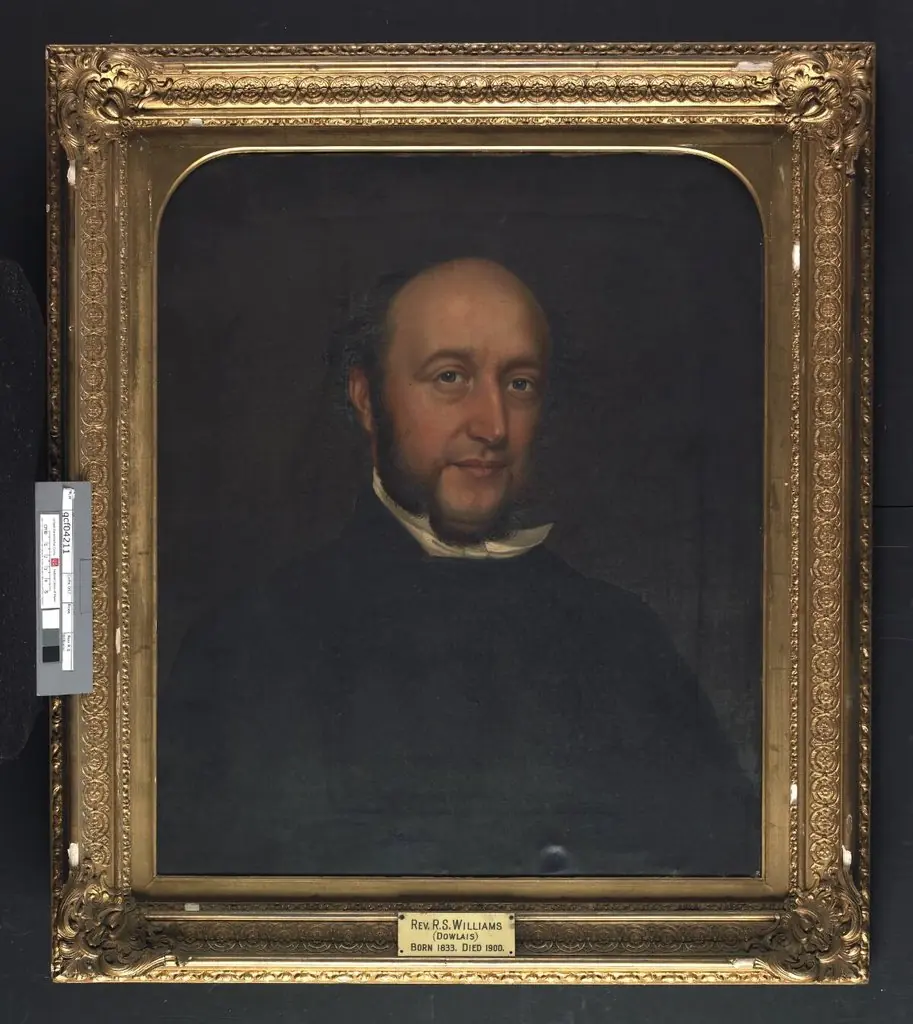 Rev R S Williams (Dowlais), 1833-1900
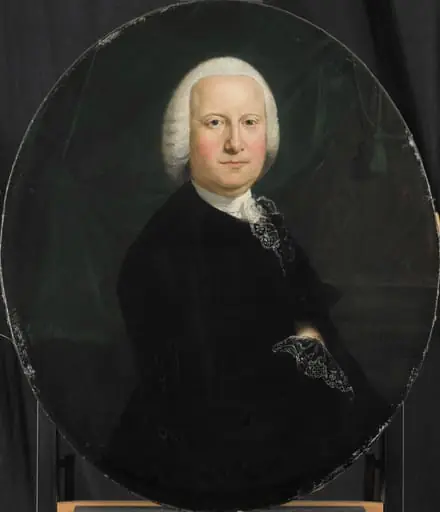 Portrait of Adriaan du Bois, Director of the Rotterdam Chamber of the Dutch East India Company, elected 1742
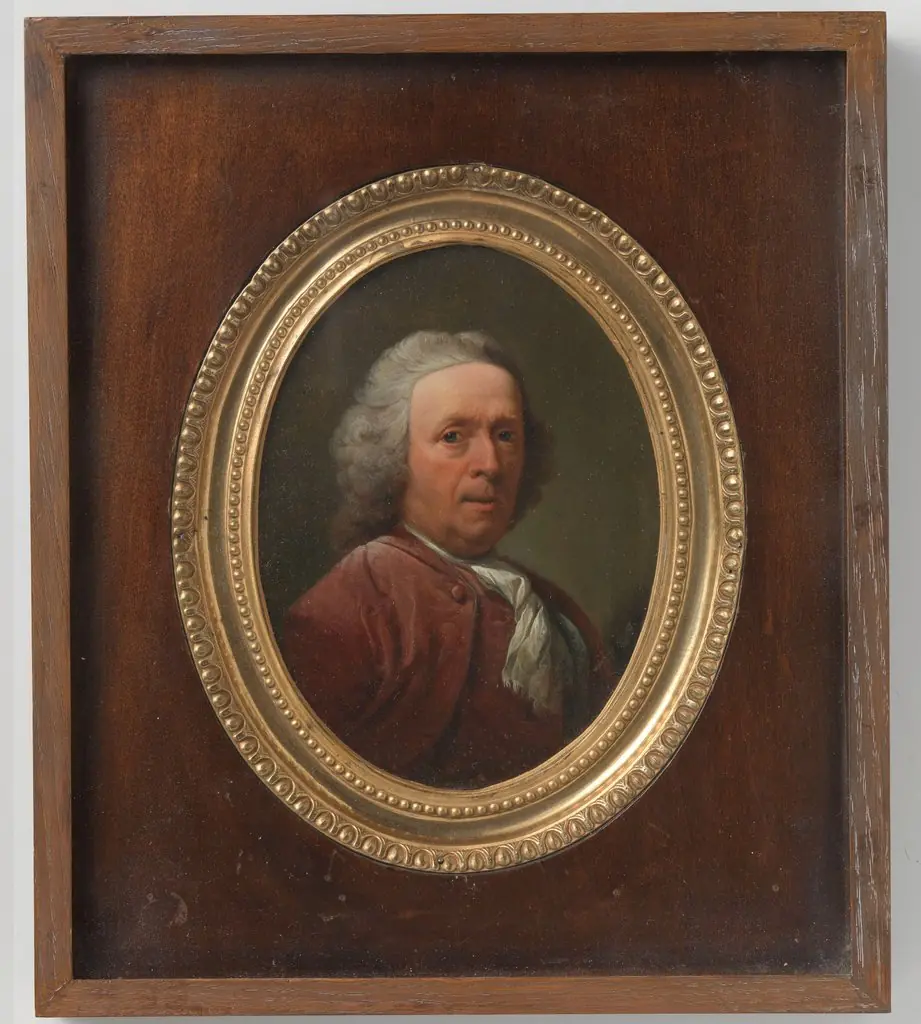 Self-Portrait
 Bildnis eines Geistlichen
 Προσωπογραφία γυναίκας ώριμης καθιστής
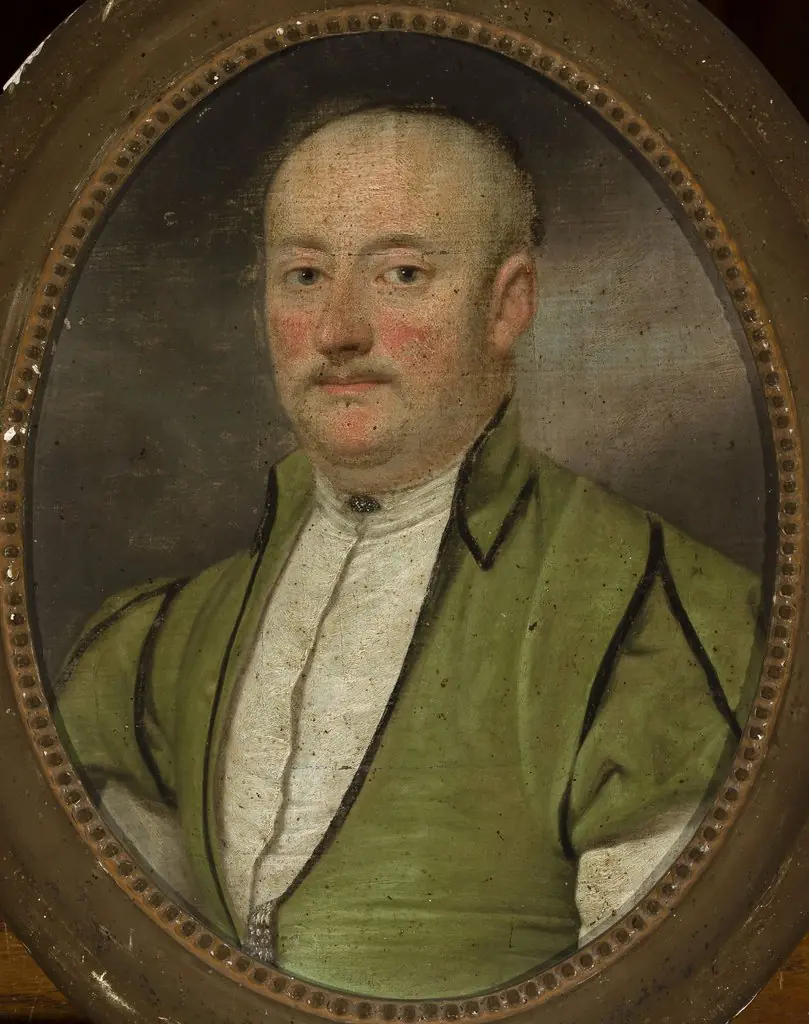 Portrait of Karol Węgliński
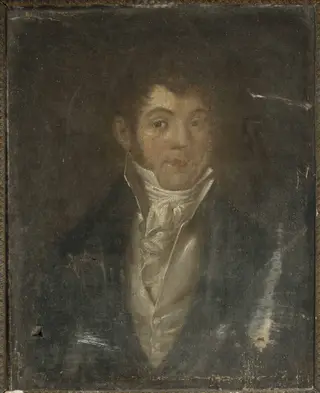 Portrait o f Fryderyk Preyss
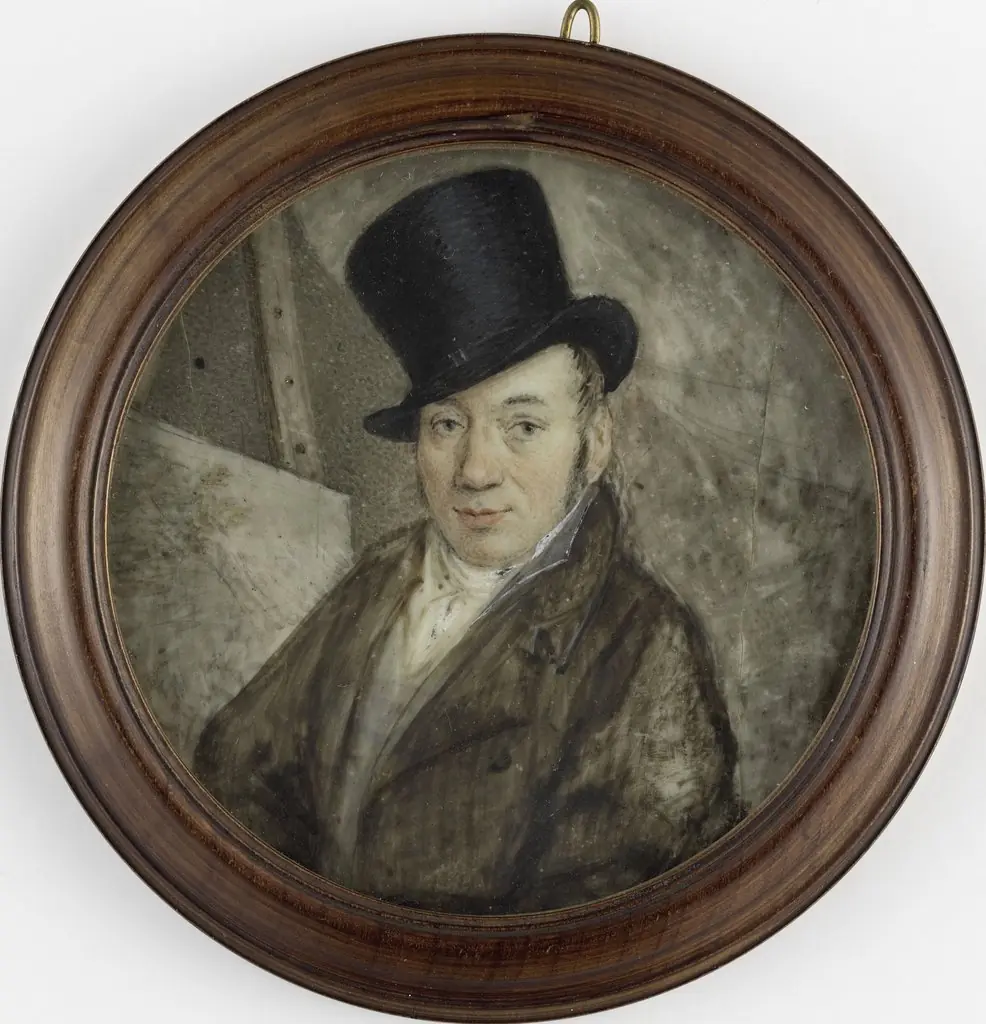 Self-portrait
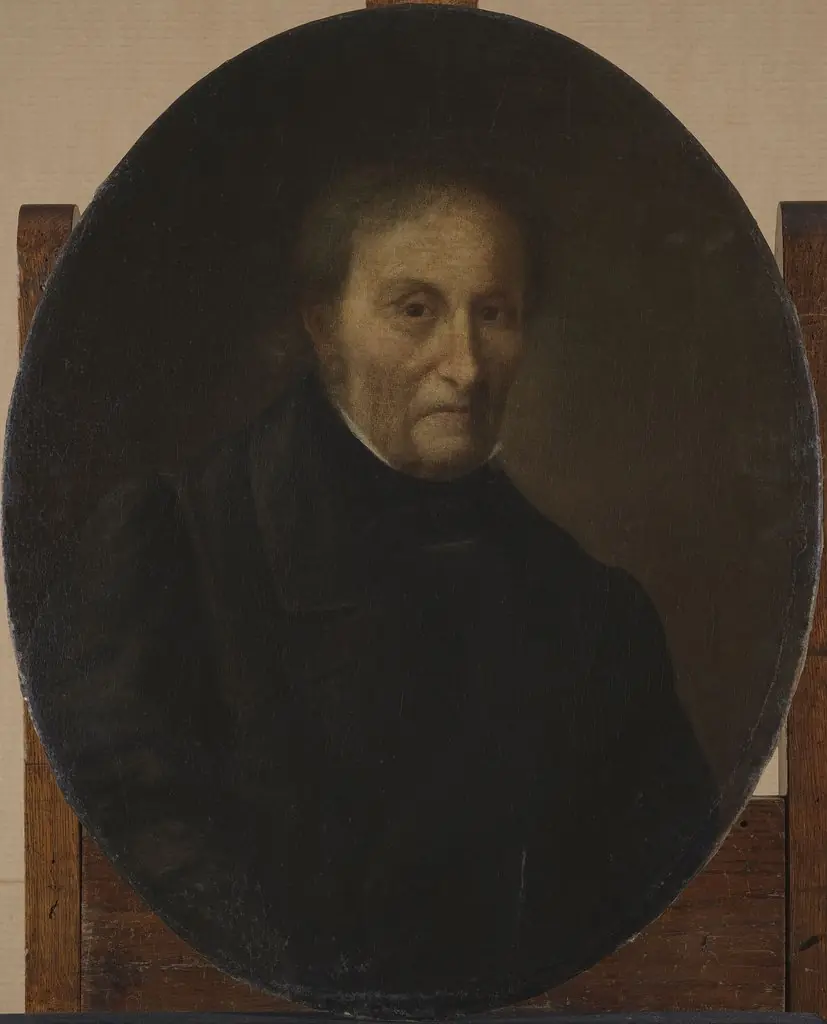 Portrait of Wiktor Grajewski, the last border judge in Samogitia