Artwork
Adoration of the Shepherds (study)
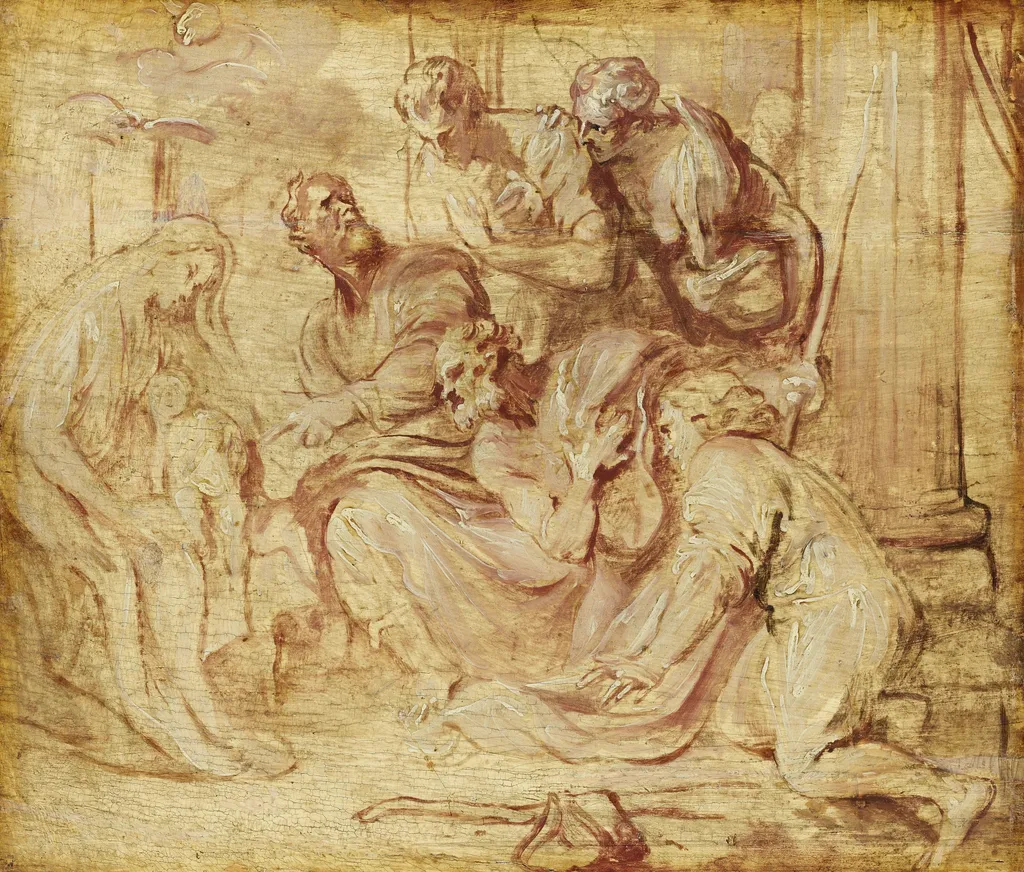
Adoration of the Shepherds (study) is an oil painting by the Flemish Baroque painting artist Anthony van Dyck. It dates from 1628 and is held in the collection of the Gemäldegalerie Berlin.
About this work
Overview
Adoration of the Shepherds (study) is a preparatory oil sketch painted by Anthony van Dyck in 1628.
Adoration of the Shepherds (study) is a preparatory oil sketch painted by Anthony van Dyck in 1628. Executed in oil paint, the work functioned as a compositional bozzetto for Van Dyck's celebrated altarpiece of the same subject in the Onze-Lieve-Vrouwekerk (Church of Our Lady) in Dendermonde. The sketch captures the artist's initial concept for the commission, allowing him to work out the arrangement of figures and secure the patron's approval before executing the final, large-scale painting. Currently held by The Phoebus Foundation, the sketch has been displayed at the church in Dendermonde as part of the Flemish Masters in Situ project, returning the design to its original intended context.
Technique & Style
Van Dyck executed the study primarily in grisaille, employing a restricted palette of warm browns, ochres, and cream tones with touches of ruddy red and blue. The Virgin is swathed in blue, a sacred and valuable hue, while the kneeling shepherd wears a red drape, likely referencing Christ's martyrdom. Rapid, sketchy brushwork defines the drapery folds and anatomical forms, with fluidly brushed lead white highlights connecting the different planes of perspective and directing the viewer's gaze. Light falls from the upper left, illuminating the central figures through contrasts of thin brown washes and thicker highlights. The background remains undefined with vague architectural suggestions. The surface shows extensive crackling throughout, consistent with a preparatory oil sketch on panel rather than a finished painting. The faces are delineated sharply with only a few quick strokes, a technique echoing Van Dyck's earlier pen and ink studies.
History & Provenance
The sketch was created in connection with the altarpiece commissioned by Cornelis Gheerolfs of Dendermonde for the Church of Our Lady. The altar, designed by Hieronymus Duquesnoy the Elder, was completed in late 1629, and the commission was discussed in a letter dated 21 November 1631. Van Dyck charged 500 guilders plus 12 guilders 18 stivers for the canvas. The sketch's provenance traces back to a wax seal formerly on the reverse of Jean Baptiste Antoine, Post Master General in Antwerp, who died in 1691. His posthumous inventory listed it as a Nativity sketch by Van Dyck valued at 72 guilders. The work later passed through the Hallsborough Gallery in 1957 and a private Swiss collection. Sold at Sotheby's in 2012 as by a follower of Van Dyck, it was subsequently handled by Philip Mould Ltd. and sold at Christie's on 15 December 2020 as an authentic Van Dyck, where it was purchased by The Phoebus Foundation.
Context
This oil sketch belongs to Van Dyck's second Antwerp period, following his return from Italy in 1627. During this time, he shifted from using pen and ink on paper to executing initial compositional thoughts directly in oil on panel. These sketches played a crucial role in procuring and fulfilling important commissions, serving as presentation pieces for prospective patrons. Preparatory oil sketches by Van Dyck are rare, and he was notoriously reluctant to part with them. The final Dendermonde altarpiece reveals significant compositional changes from this initial study, including a reduction in width and an increase in height to better suit the altar space. Van Dyck moved the donkey and ox to the far left, repositioned Joseph above and behind Mary, and reduced the background to two classical columns, adjustments that recall Titian's Pesaro Madonna, a work Van Dyck admired in Italy.
Legacy
The attribution of the sketch has fluctuated significantly over time, reflecting the broader challenges of studying Van Dyck's preparatory works. Early scholars like Gustav Glück and Lionel Cust accepted it as autograph, but in 1956 Hans Vey rejected it, classifying it as a copy. The 1960 Antwerp/Rotterdam exhibition labeled it a pastiche. Later scholars, including Erik Larsen and Michael Jaffé, reinstated it to Van Dyck's oeuvre, a view cemented by Christopher Brown in 2020 and subsequent publications by Davides and Seim. The sketch remains a vital document of Van Dyck's creative process, demonstrating his method of refining spatial dynamics and narrative focus. Its acquisition by The Phoebus Foundation and public display alongside the final altarpiece in Dendermonde have solidified its importance, allowing direct comparison between the initial concept and the finished masterpiece.
Own this work as a print
Artist & collection
Artist
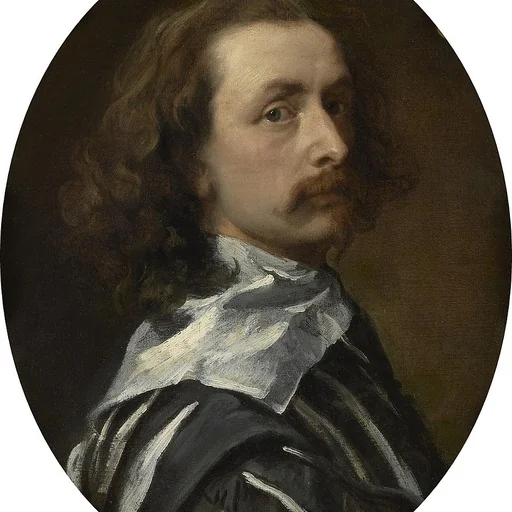
Sir Anthony van Dyck (; Dutch: Antoon van Dijck; 22 March 1599 – 9 December 1641) was a Flemish Baroque artist, who became the leading court painter in England after success in the Spanish Netherlands and Italy.

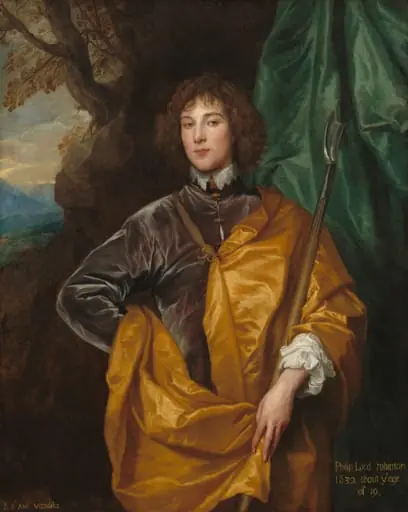
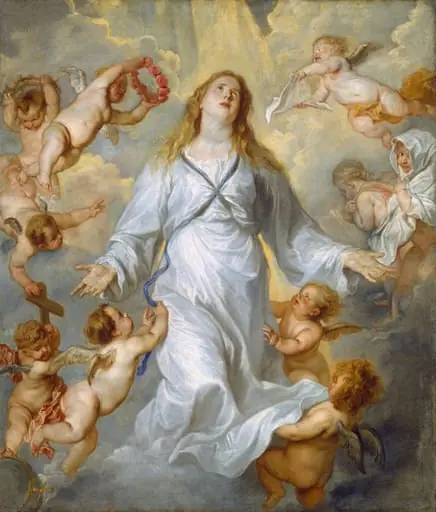
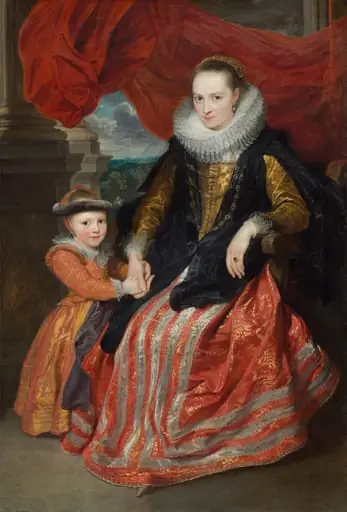
- The Adoration of the Shepherds
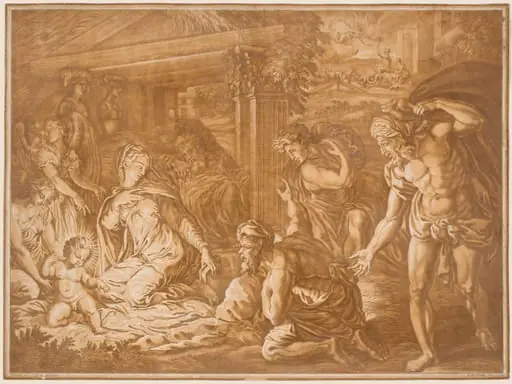 The Adoration of the Shepherds
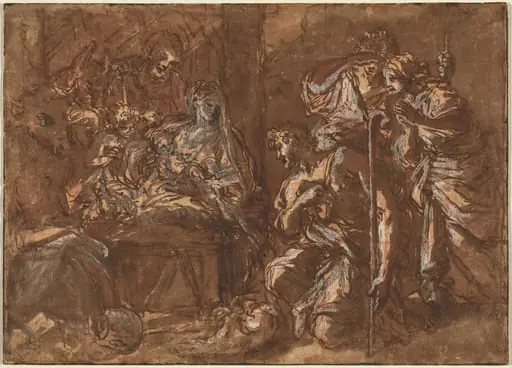 The Adoration of the Shepherds
 The Birth of the Virgin
 Saint Vincent Ferrer Taking His Vestments
 The Education of the Virgin
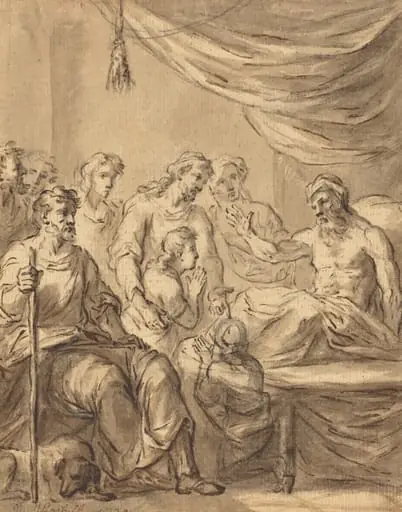 Jacob Allowing Benjamin to Go to Egypt with His Brothers
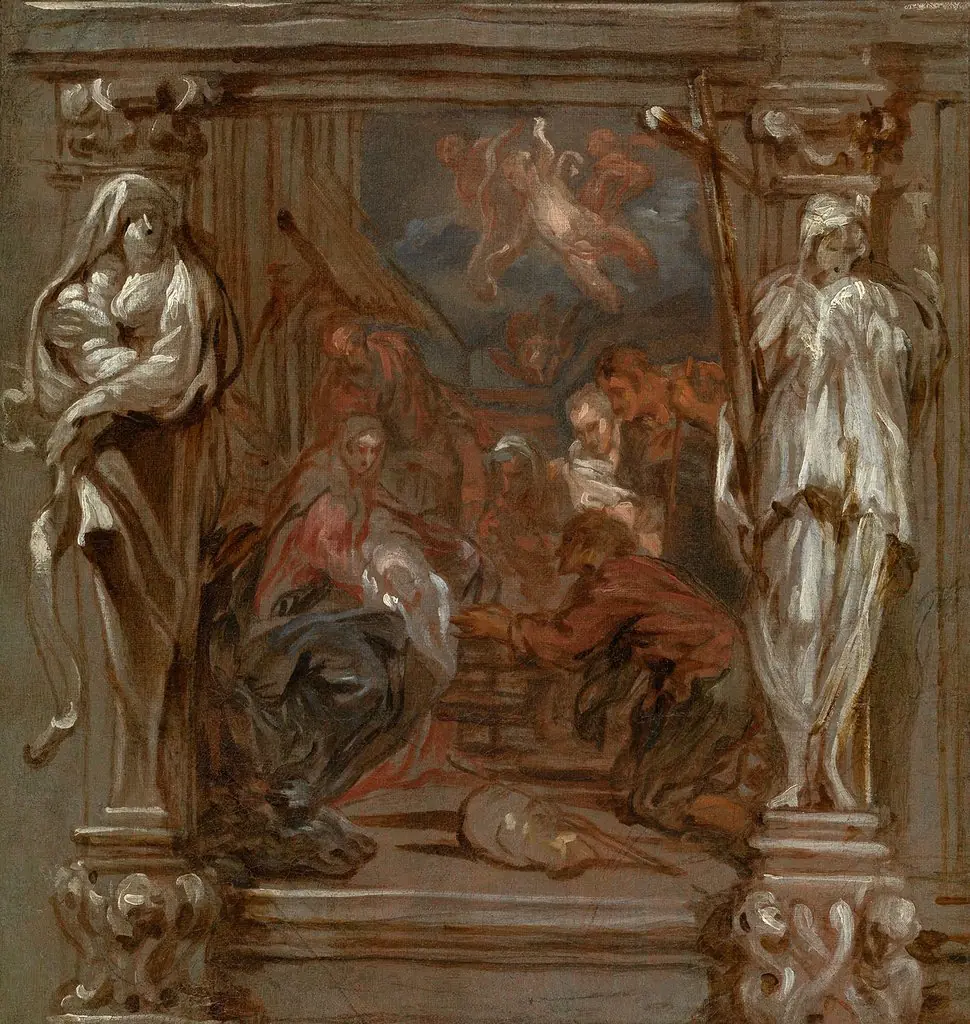 Adoration of the shepherds
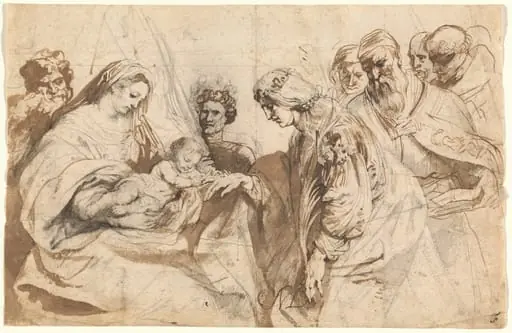 The Mystic Marriage of Saint Catherine
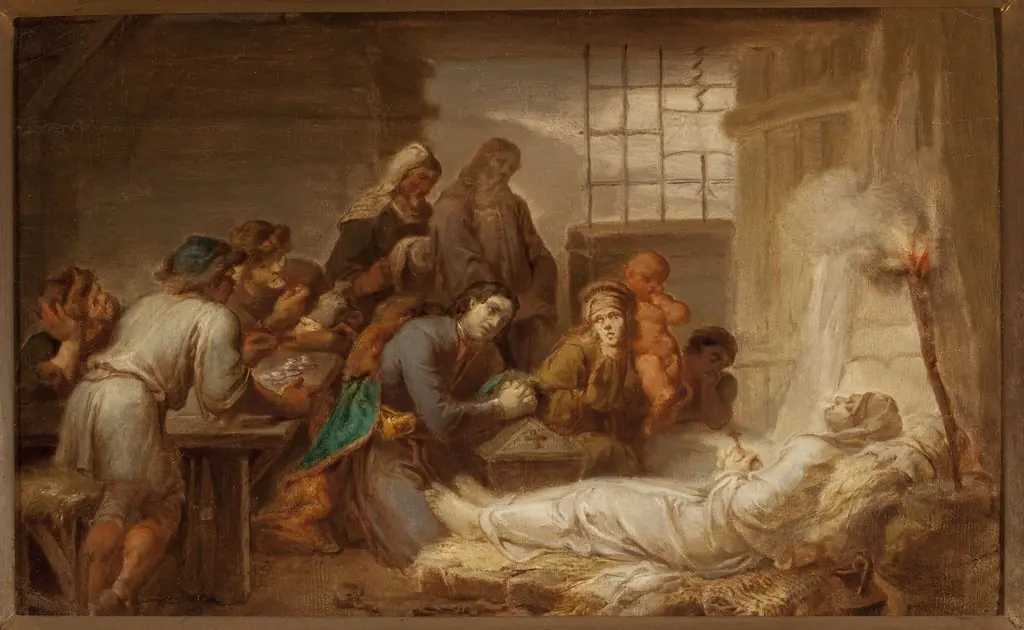 Death in exile
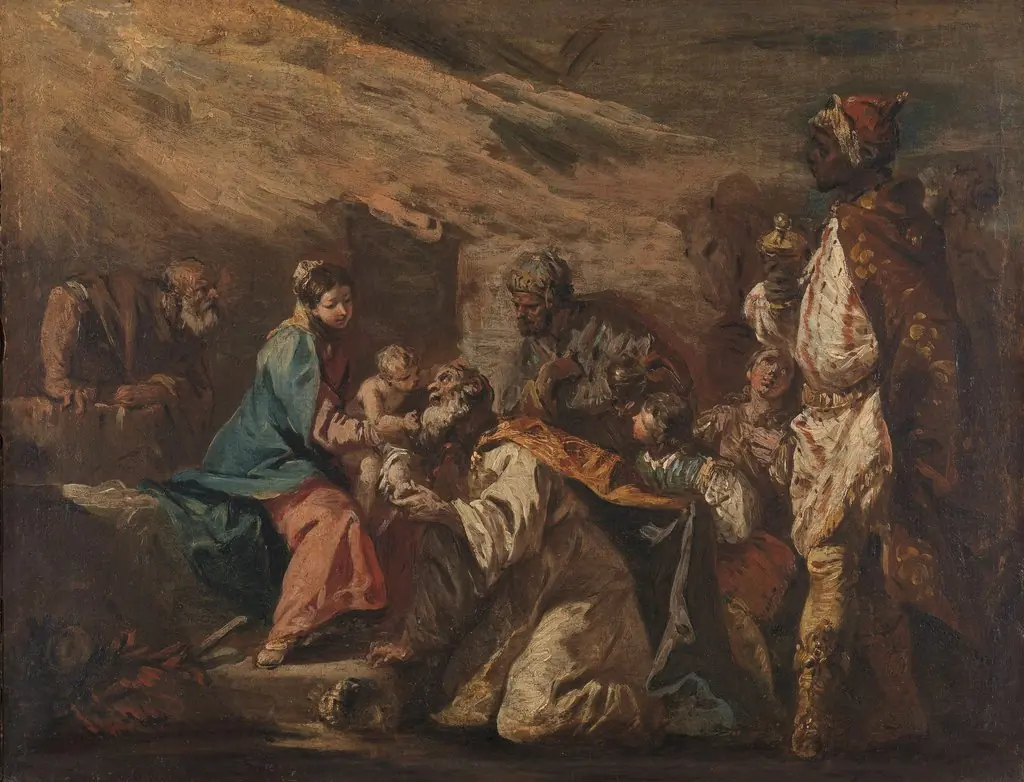 Adoration of the Magi
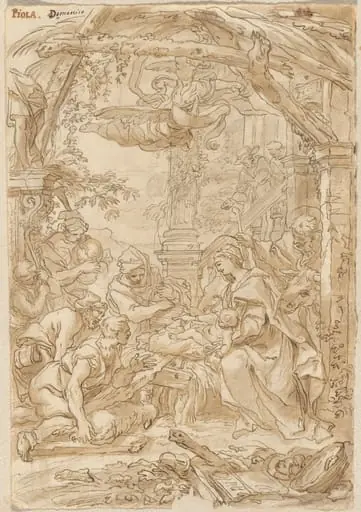 The Adoration of the Shepherds