Artwork
Philip, Lord Wharton
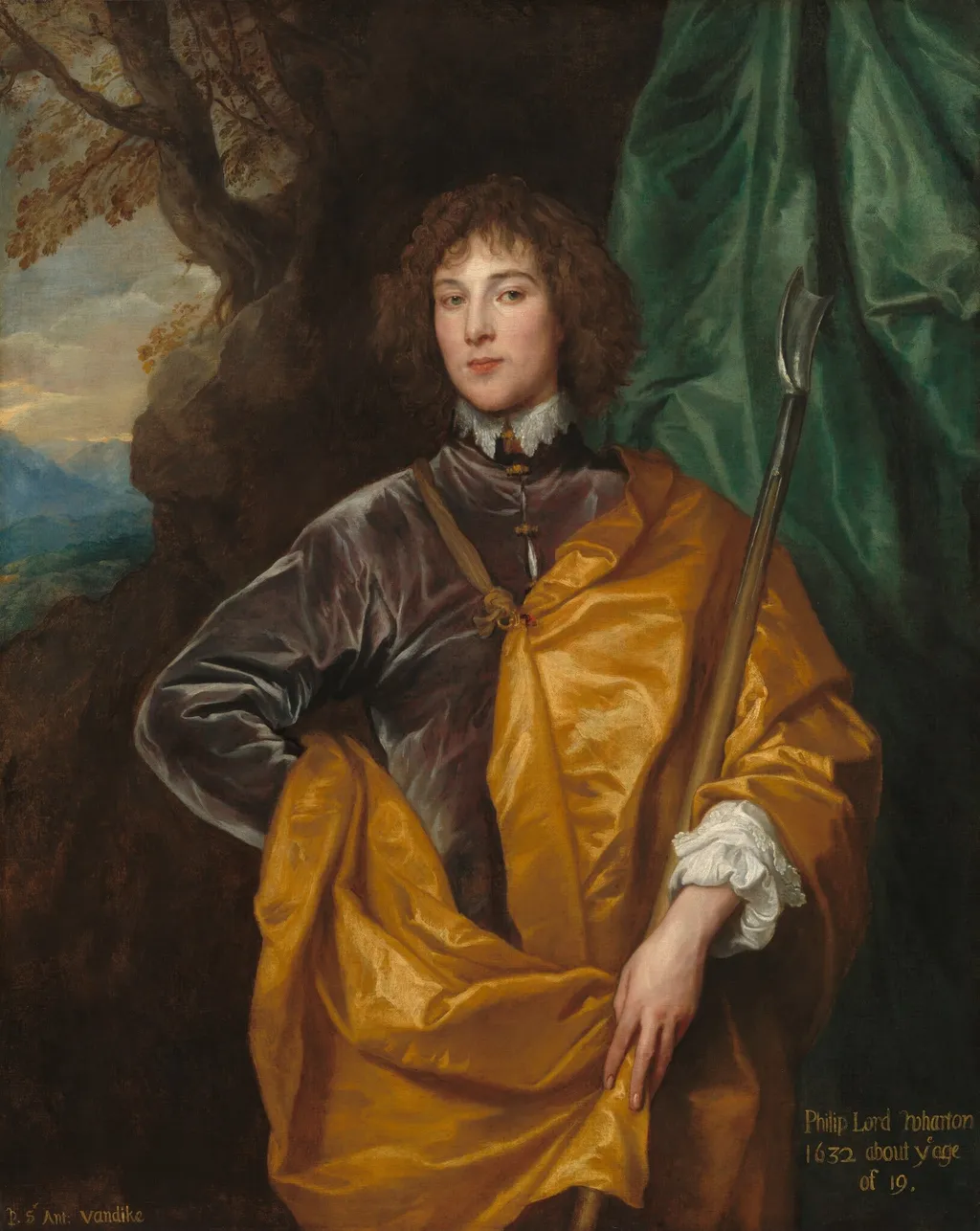
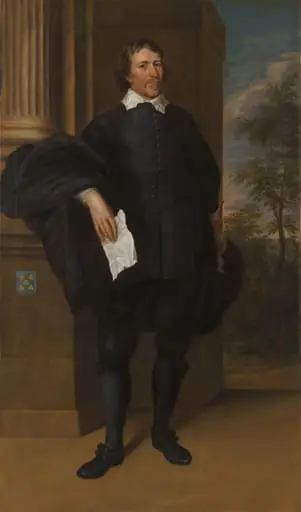
Philip, Lord Wharton is an oil painting by the Baroque artist Anthony van Dyck. It dates from 1632 and is held in the collection of the Hermitage Museum.
- Inscription
- Inscribed:lower left: P.Sr Ant: vandike; lower right: Philip Lord Wharton / 1632 about ye age / of 19.
About this work
Subject & Meaning
As a formal Baroque portrait, it presents the sitter in aristocratic attire, signaling his rank and allegiance to the Stuart monarchy.
The painting depicts Philip Wharton, 4th Baron Wharton, portrayed as a member of the court of King Charles I Stuart. As a formal Baroque portrait, it presents the sitter in aristocratic attire, signaling his rank and allegiance to the Stuart monarchy. The work therefore functions as a visual affirmation of Wharton’s social standing and his place within the royal circle, emphasizing loyalty and noble identity typical of van Dyck’s court portraiture.
Technique & Style
Executed in 1632, this portrait is an oil painting on canvas measuring 133 by 106 centimeters. The work exemplifies the Baroque style through its depiction of Philip Wharton, a member of the court of Charles I. While specific details regarding the artist's brushwork, surface condition, or underpainting are not provided in the available records, the piece is formally classified as a portrait. The medium of oil on canvas was a standard support for Anthony van Dyck during this period, allowing for the fluid rendering characteristic of his approach to aristocratic likenesses.
The physical dimensions indicate a substantial, likely three-quarter or full-length representation, consistent with the grandeur expected of high-ranking subjects in the early seventeenth century.
History & Provenance
The portrait of Philip, Lord Wharton was executed in oil on canvas by Anthony van Dyck in 1632, depicting the 4th Baron Wharton as a member of the court of Charles I. It remained in the Wharton family, first at Wharton Hall or Healaugh until 1637, then at Wooburn, passing by inheritance to his son Thomas, 5th baron, and subsequently to Philip, 1st duke of Wharton. In 1725 the work was acquired by Sir Robert Walpole, descending through the Walpole earls of Orford to Houghton Hall. Catherine II obtained it for the Hermitage in 1779, and Andrew W. Mellon purchased it in 1930, bequeathing it to the National Gallery of Art in 1937.
The portrait is held by the National Gallery of Art, Washington, D.C., accessioned as 1937.1.49. It entered the collection through a 1937 gift from The A.W. Mellon Educational and Charitable Trust, which had acquired it in March 1930 via Matthiesen Gallery, P. & D. Colnaghi & Co., and M. Knoedler & Co. from the Soviet Hermitage’s Walpole collection, purchased in 1779 by Catherine II for the Imperial Hermitage. The painting’s exhibition history is not specified in the cited sources.
Context
Painted in 1632 by Anthony van Dyck, the portrait of Philip, Lord Wharton exemplifies the Baroque style and documents a member of the court of Charles I Stuart. The work's art-historical significance is reinforced by its inclusion in major scholarly surveys, including Christopher Brown's definitive study of the artist and Didier Bodart's analysis of Van Dyck. Historically, the painting reflects the prestige of the artist's English period, having entered the distinguished Walpole collection at Houghton Hall before its acquisition by Catherine II for the Imperial Hermitage Gallery.
Its provenance, traced through the Wharton and Walpole families to the National Gallery of Art, underscores its status as a key example of 17th-century portraiture. The painting remains a focal point for understanding Van Dyck's influence on British aristocratic imagery during the Caroline era.
Legacy
The painting’s later reputation is reflected in its succession through distinguished collections. After remaining in the Wharton family until 1725, it was acquired by Sir Robert Walpole, then passed to his heirs and entered the Hermitage in 1779 as part of the Walpole purchase by Catherine II. In 1930 Andrew W. Mellon obtained the work through Matthiesen Gallery, Colnaghi and Knoedler; it was placed in the A.W. Mellon Trust in 1932 and donated to the National Gallery of Art, Washington, D.C., in 1937. This trajectory underscores its enduring esteem among collectors and institutions.
Overview
Painted in 1632 by Sir Anthony van Dyck, this oil on canvas portrait depicts Philip, Lord Wharton, a prominent English nobleman. Executed shortly after the artist's arrival in London, the work exemplifies Van Dyck's mature Baroque style, characterized by an elegant yet naturalistic approach to aristocratic portraiture. The sitter is shown in a three-quarter view, dressed in a black doublet and trunk hose with a wide lace collar, reflecting the sober yet luxurious fashion favored by the English court under Charles I. Van Dyck employs a restrained palette dominated by dark tones, allowing the intricate lace and the sitter's pale complexion to emerge through subtle chiaroscuro.
The composition balances formal dignity with a relaxed posture, capturing Wharton's status while conveying a sense of individual character. This painting is a significant example of Van Dyck's influence on British portraiture, establishing a visual language of courtly refinement that defined the era. It demonstrates the artist's ability to convey both the social standing and the personal presence of his subjects through precise brushwork and sophisticated lighting.
Own this work as a print
Artist & collection
Artist
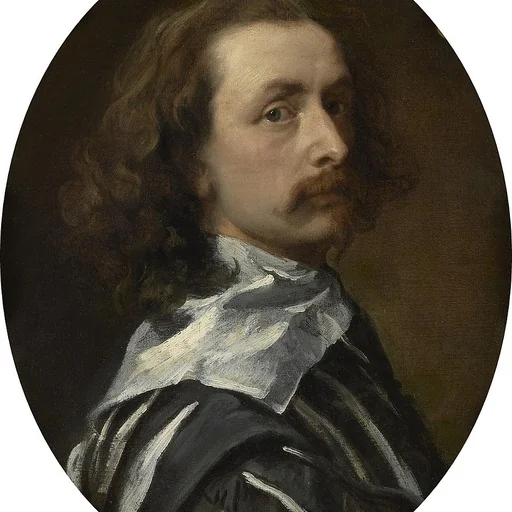
Sir Anthony van Dyck (; Dutch: Antoon van Dijck; 22 March 1599 – 9 December 1641) was a Flemish Baroque artist, who became the leading court painter in England after success in the Spanish Netherlands and Italy.

- Henry, Duke of Gloucester
 Charles Beauclerk (1670–1726), Duke of St. Albans
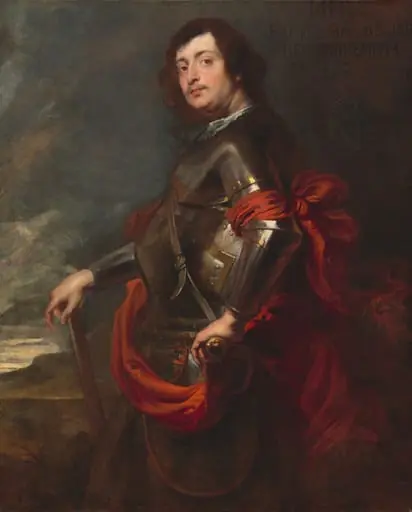 The Prefect Raffaele Raggi
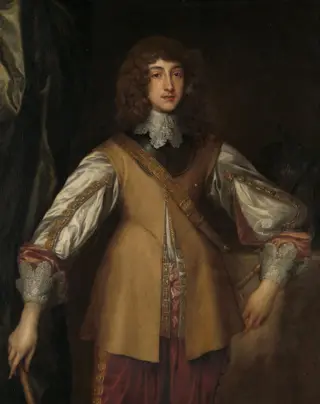 Portrait of Rupert (1619-1682), Prince-Palatine of the Rhine, in Combat Dress
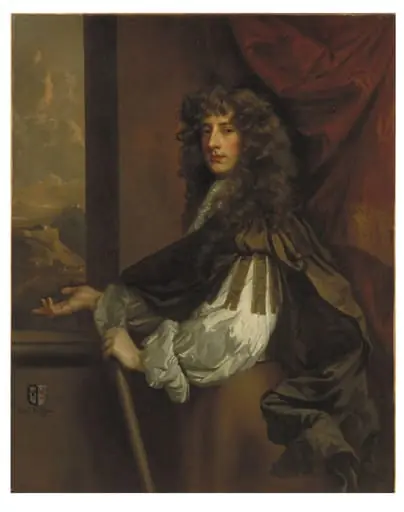 Charles Killigrew
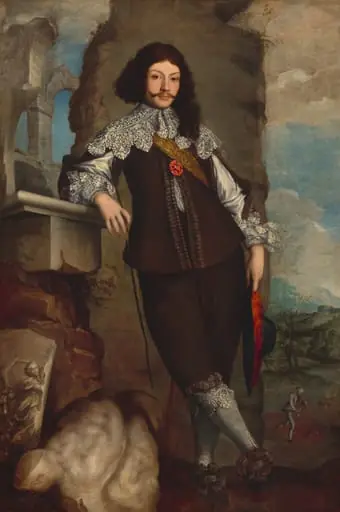 Lodovico Widmann
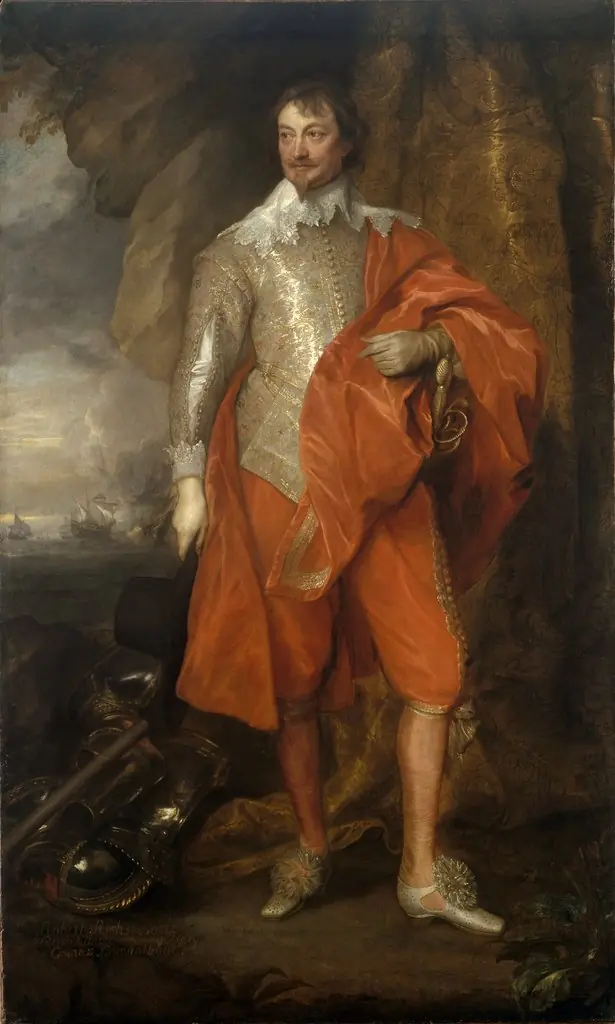 Portrait of Robert Rich, second earl of Warwick
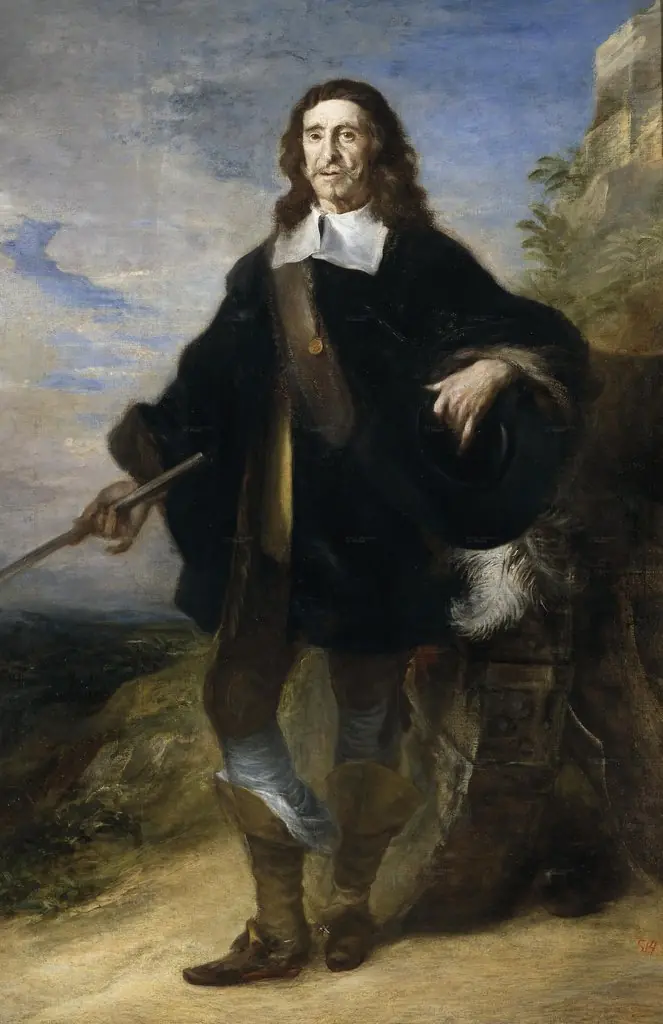 An Artillery General
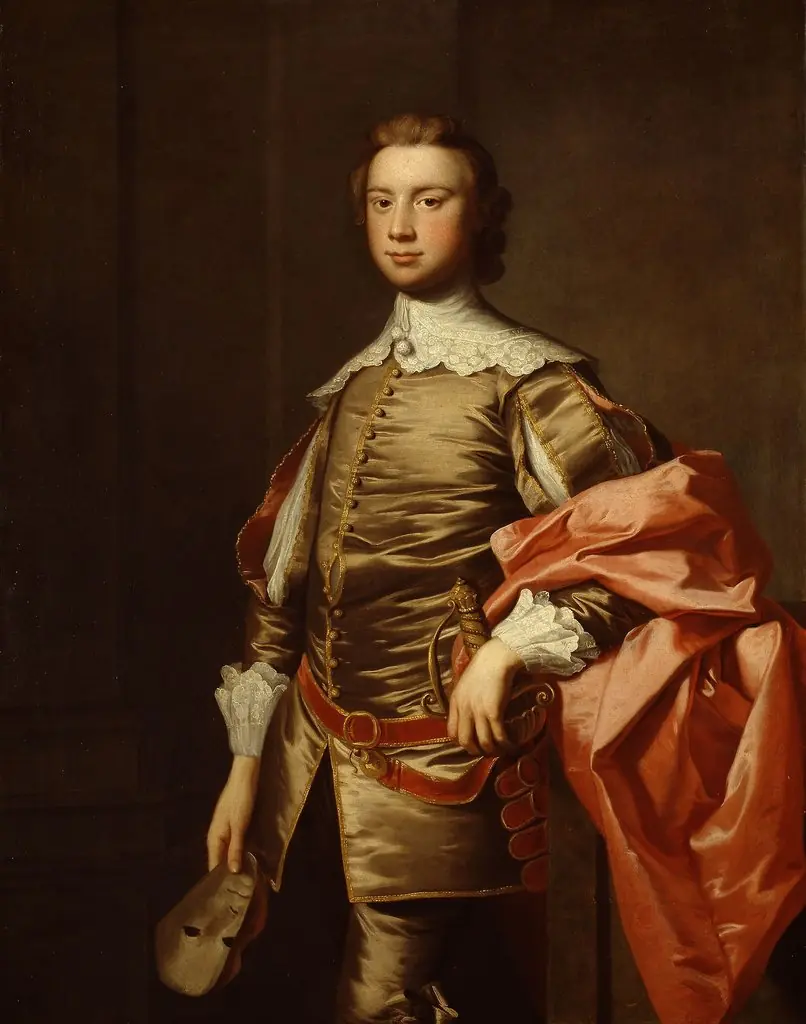 John Van der Wall
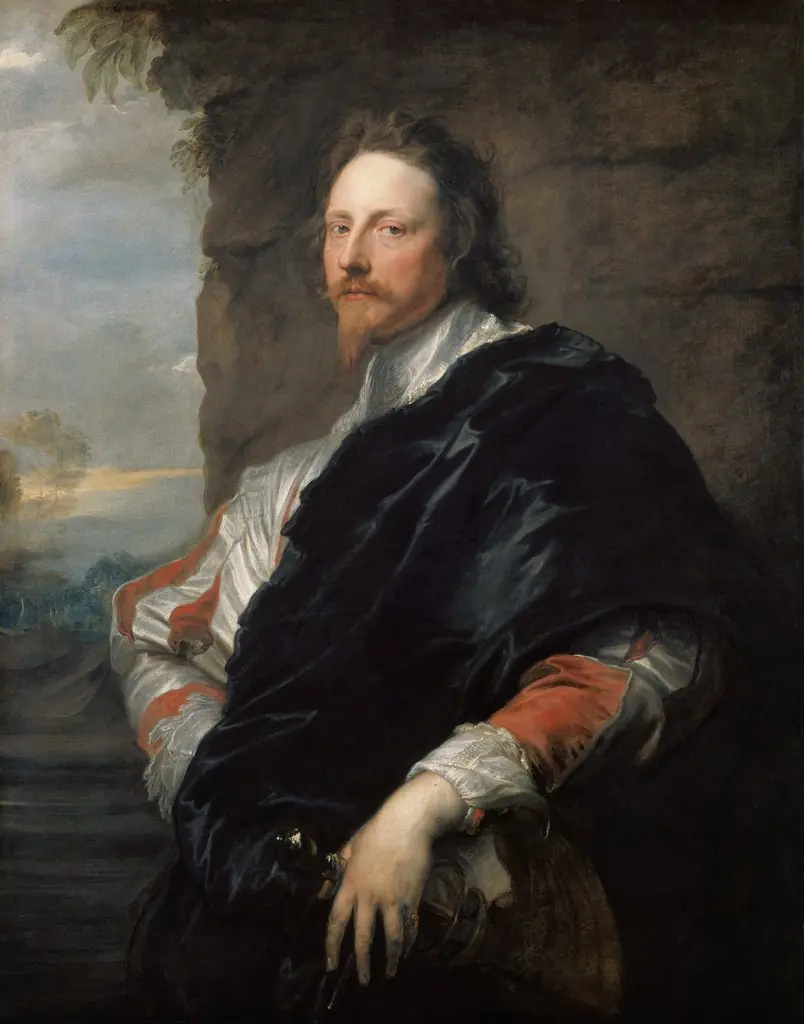 Nicolas Lanier
 Willem Kettingh (d 1670). Chief Treasurer and Bailiff of the Prince of Orange