Artwork
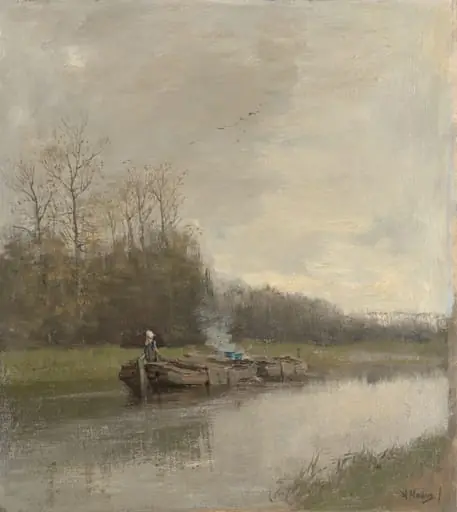
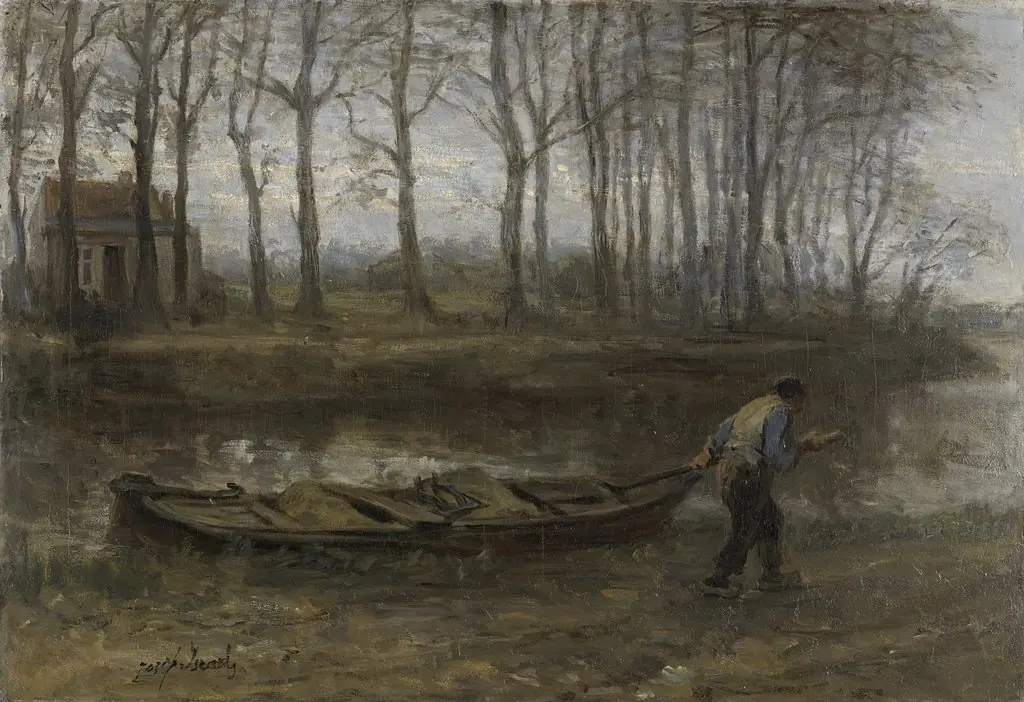
Towing canal.
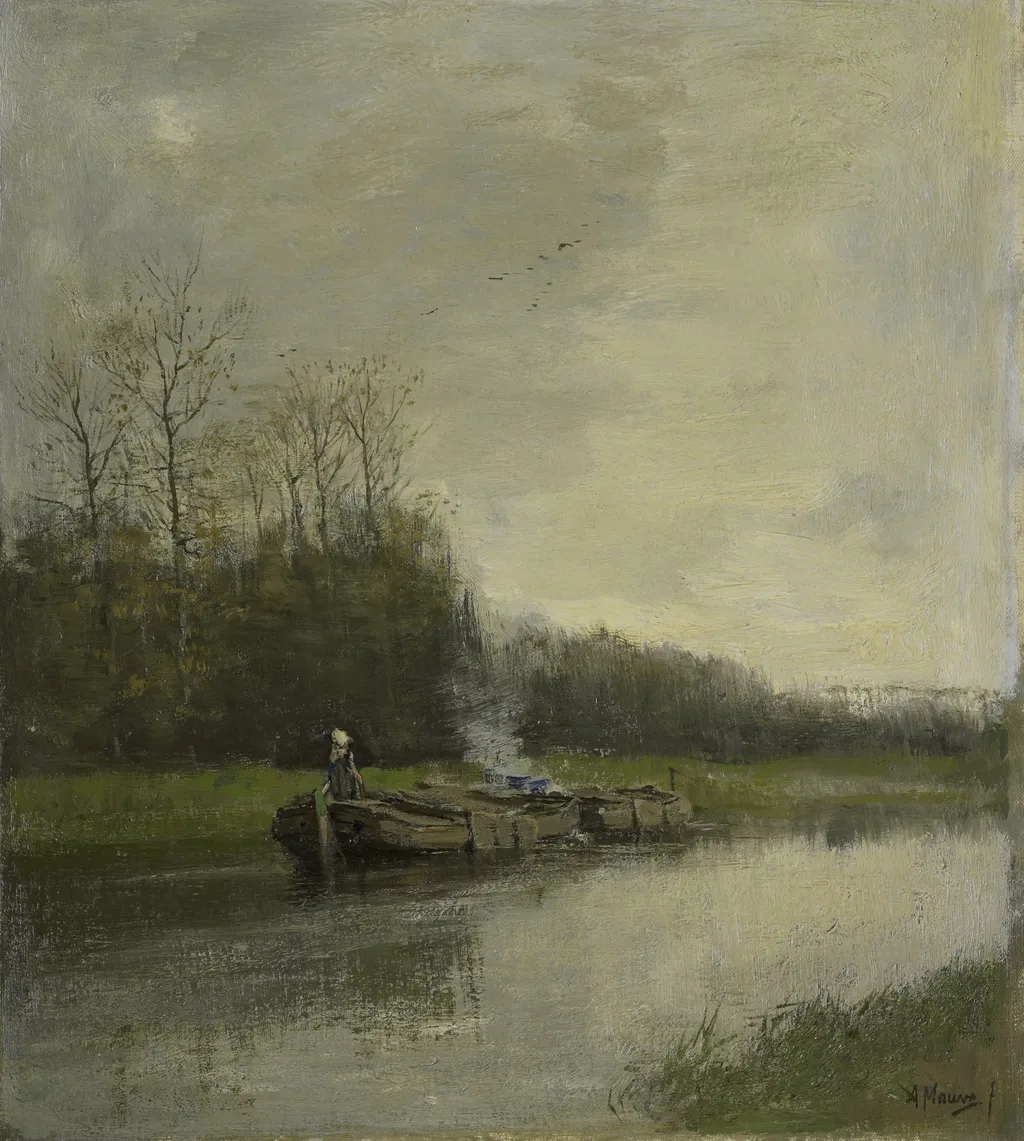
Towing canal. is an oil painting by the Plein Air artist Anton Mauve. It dates from 1874 and is held in the collection of the Rijksmuseum.
About this work
Subject & Meaning
Above, a sky filled with soft clouds stretches over the rural expanse, emphasizing the open atmosphere typical of Mauve's landscape work.
The painting shows a quiet stretch of Dutch canal where a péniche is being towed along the water, its presence anchored by the surrounding trees and broad‑leaved foliage that line the banks. Above, a sky filled with soft clouds stretches over the rural expanse, emphasizing the open atmosphere typical of Mauve's landscape work. The scene captures a moment of everyday labor, with the towing activity serving as a modest sign of human interaction with the waterway, while the trees and sky reinforce a sense of calm and natural harmony.
This juxtaposition of transport and countryside reflects the artist's focus on the simple, enduring rhythms of rural life.
Technique & Style
Towing canal is an oil painting executed on canvas, measuring 35 × 32 cm and dated 1874. The work was created by Anton Mauve using oil paint, a medium typical of Dutch landscape painting of the period. It portrays a barge navigating a waterway alongside a broad‑leaved tree under a cloud‑filled sky, arranging the elements in a balanced composition that emphasizes atmospheric depth and a restrained palette. The canvas entered the Rijksmuseum collection after passing through the ownership of Joannes Barnardus Antonius Maria Westerwoudt.
History & Provenance
Towing canal was painted by Anton Mauve in 1874 as an oil on canvas landscape. The work entered the collection of Joannes Barnardus Antonius Maria Westerwoudt before being acquired by the Rijksmuseum, where it is now housed. No information about a specific commission is provided in the sources.
Overview
Anton Mauve's Towing canal, painted in oil in 1874, exemplifies the Dutch realist tradition. This work captures a tranquil rural scene, depicting a barge being pulled along a calm waterway under a soft sky. Mauve, a prominent figure of the Hague School, was recognized for his nuanced depictions of everyday life and natural landscapes, often featuring laborers and animals. The painting is part of the Rijksmuseum's collection.
Context
Anton Mauve was a significant artist within the Hague School, a movement known for its commitment to realism and its focus on the Dutch landscape and rural life. His oeuvre frequently explored themes of agricultural labor, pastoral scenes, and the interaction between humans and nature. Towing canal aligns with these interests, showcasing his ability to find beauty in ordinary, working landscapes, a common thread among his contemporaries.
Legacy
Mauve's artistic vision and technical proficiency extended their influence to his cousin-in-law, Vincent van Gogh. Van Gogh, early in his career, admired Mauve's work and sought his guidance, particularly regarding color theory and the depiction of peasant life. Mauve's naturalistic approach to light and his empathetic portrayal of rural subjects provided an important foundation for Van Gogh's developing artistic style.
Own this work as a print
Artist & collection
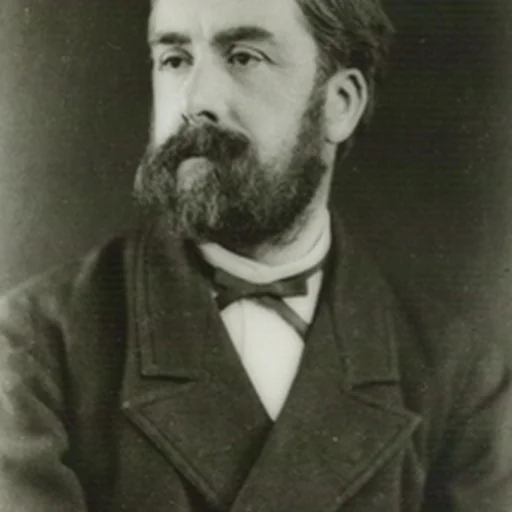
Artist
Anthonij "Anton" Rudolf Mauve (Dutch pronunciation:; 18 September 1838 – 5 February 1888) was a Dutch realist painter who was a leading member of the Hague School.