Artwork
Untitled
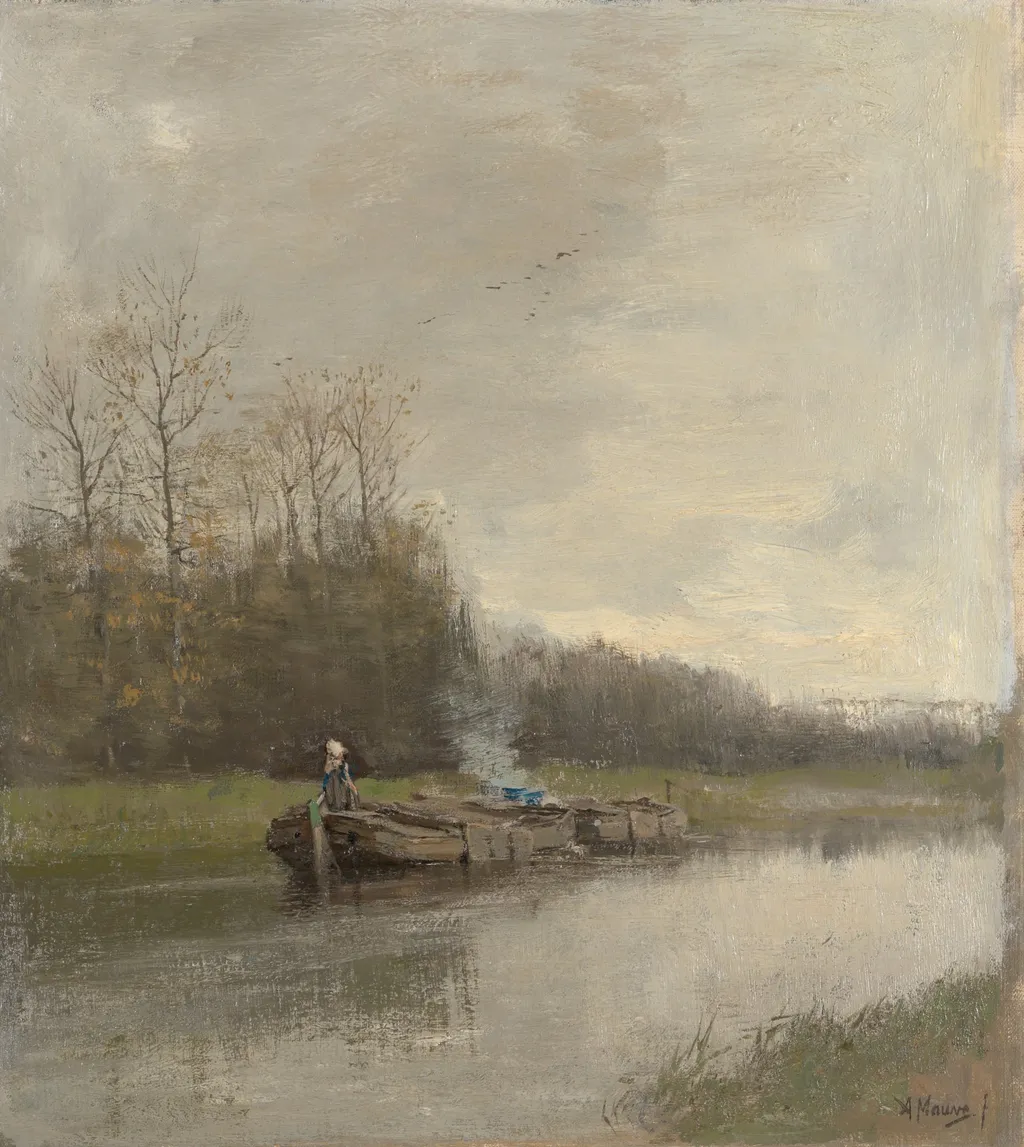
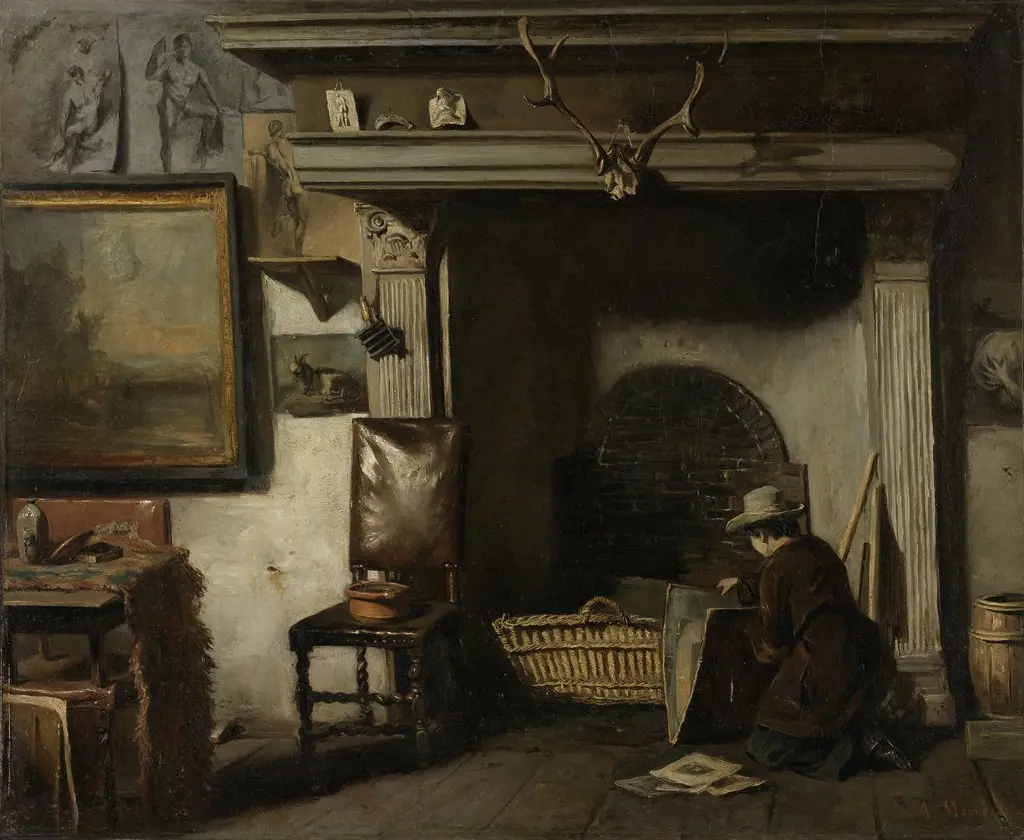
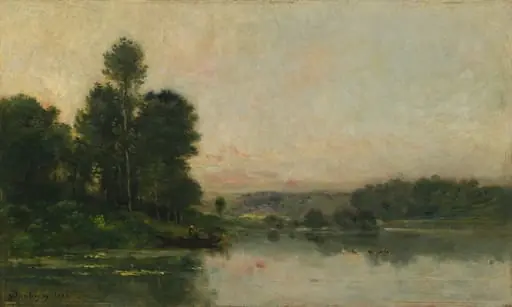
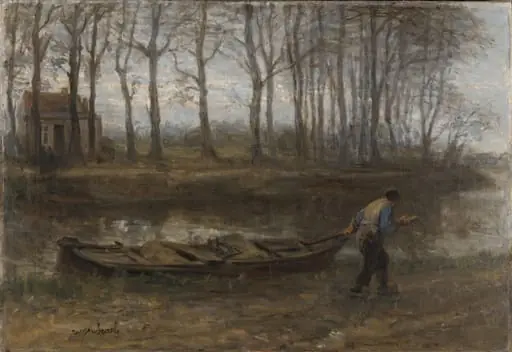
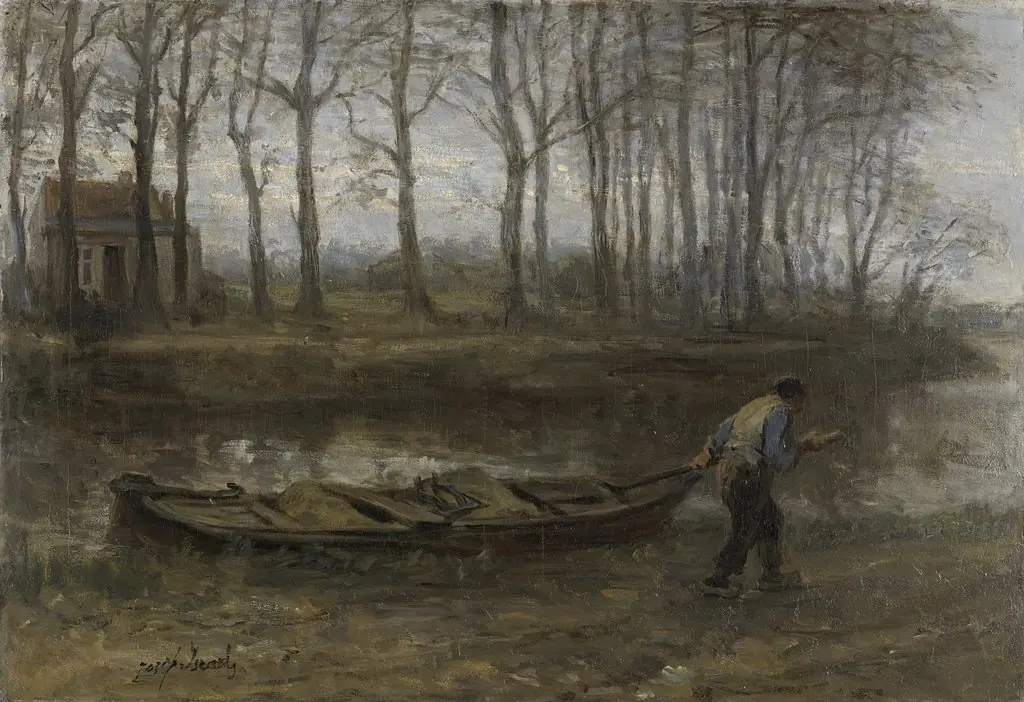
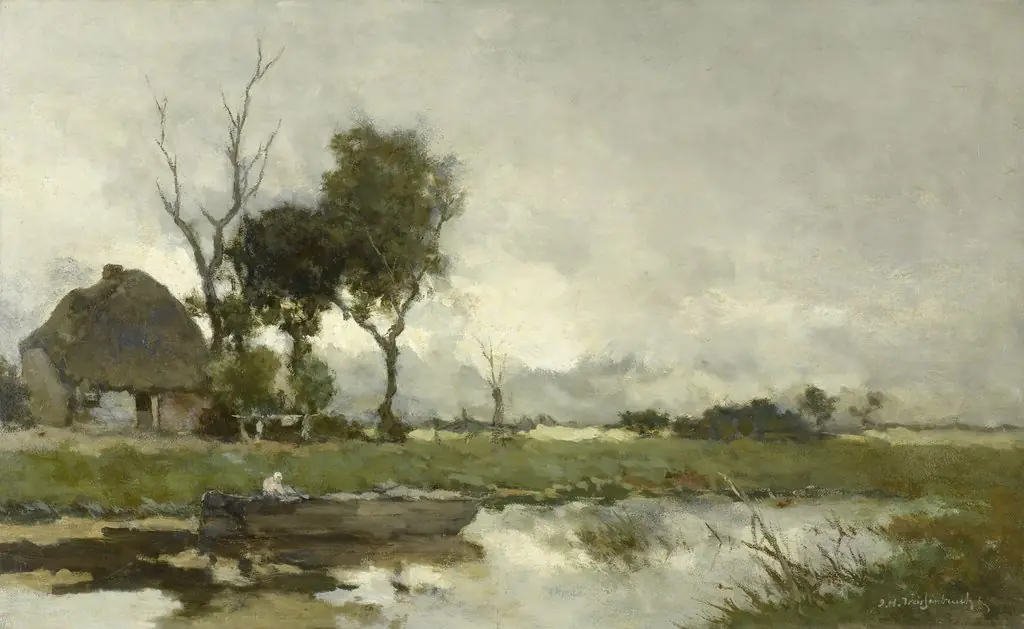
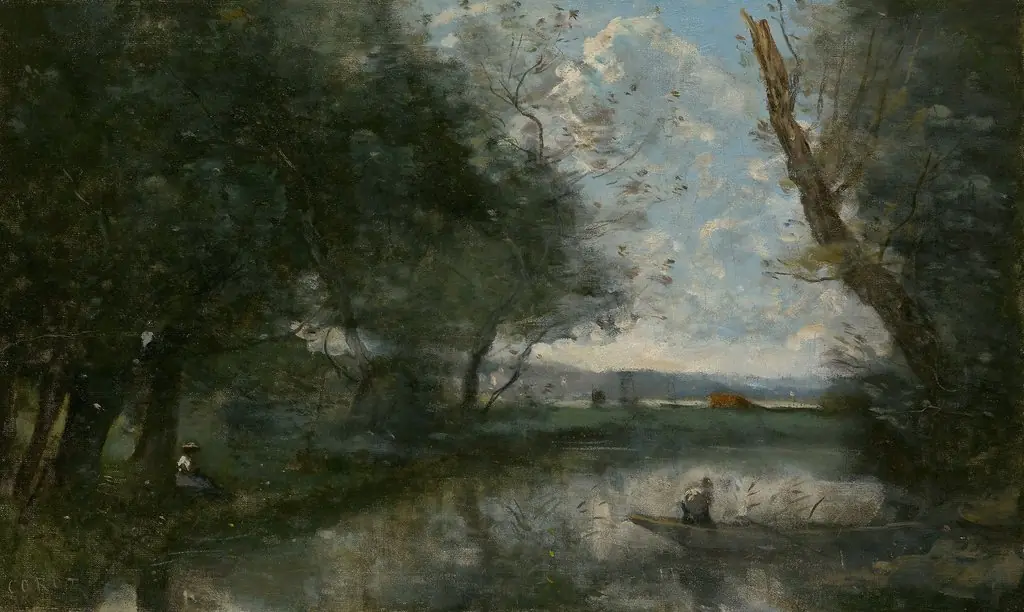
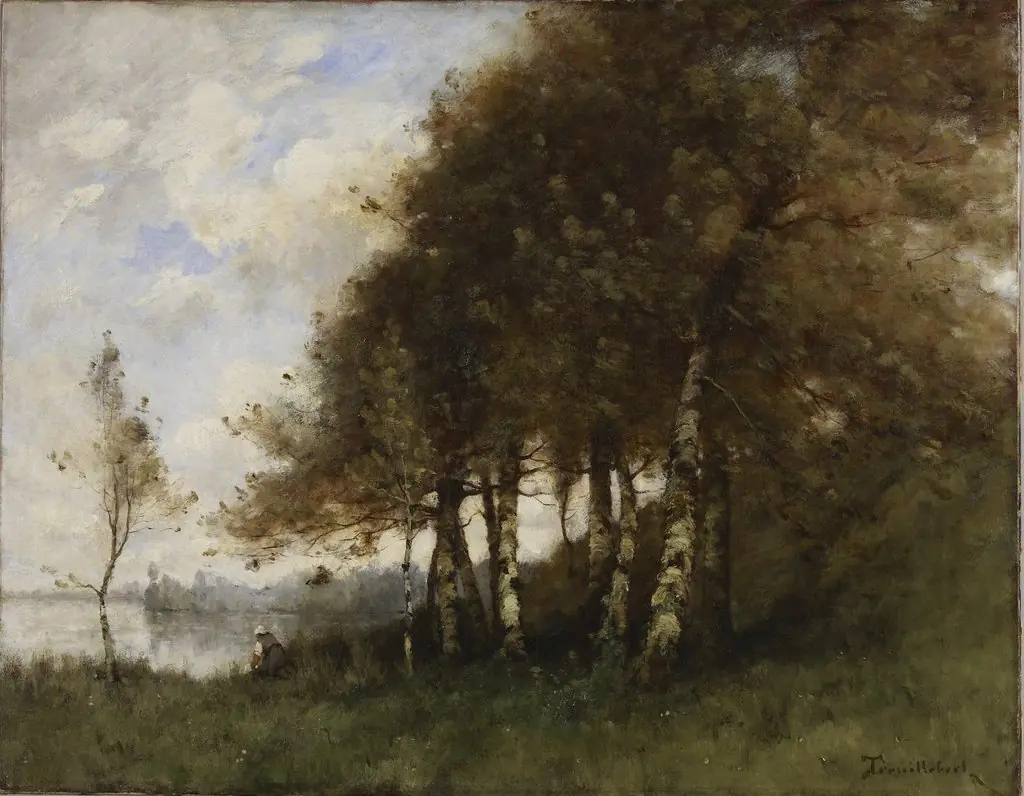
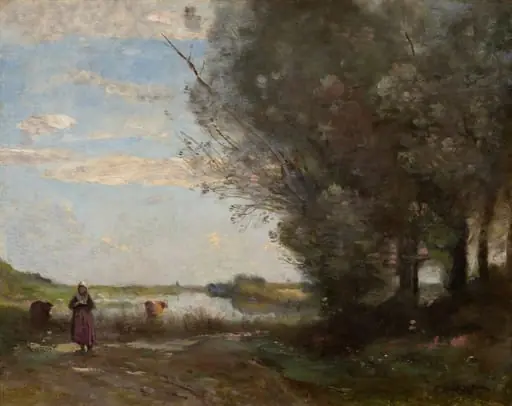
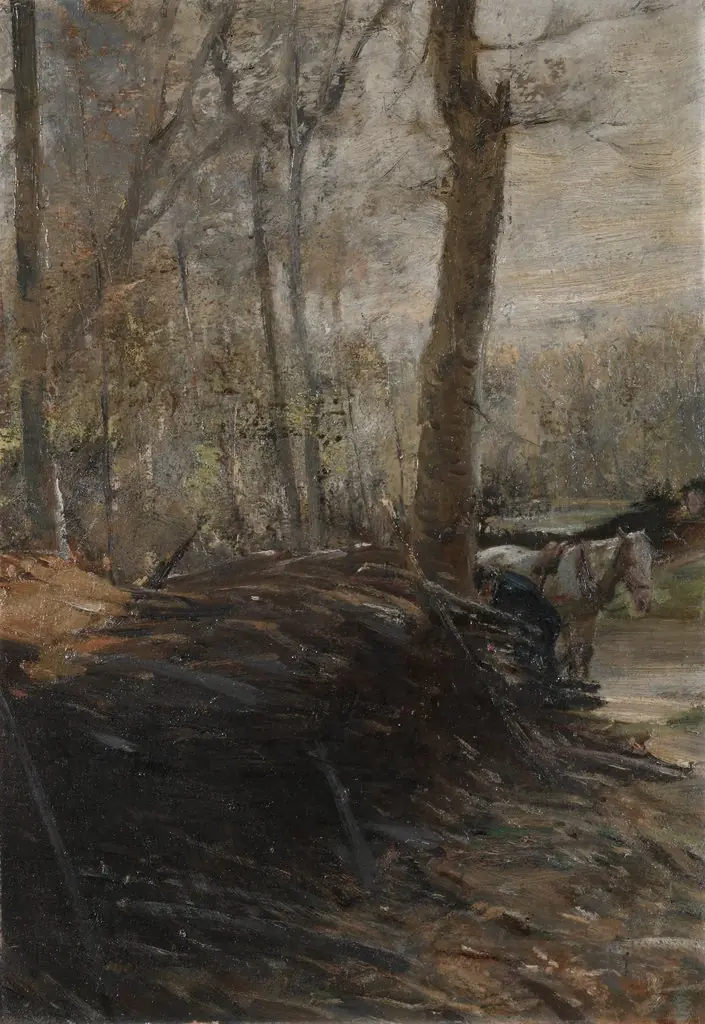
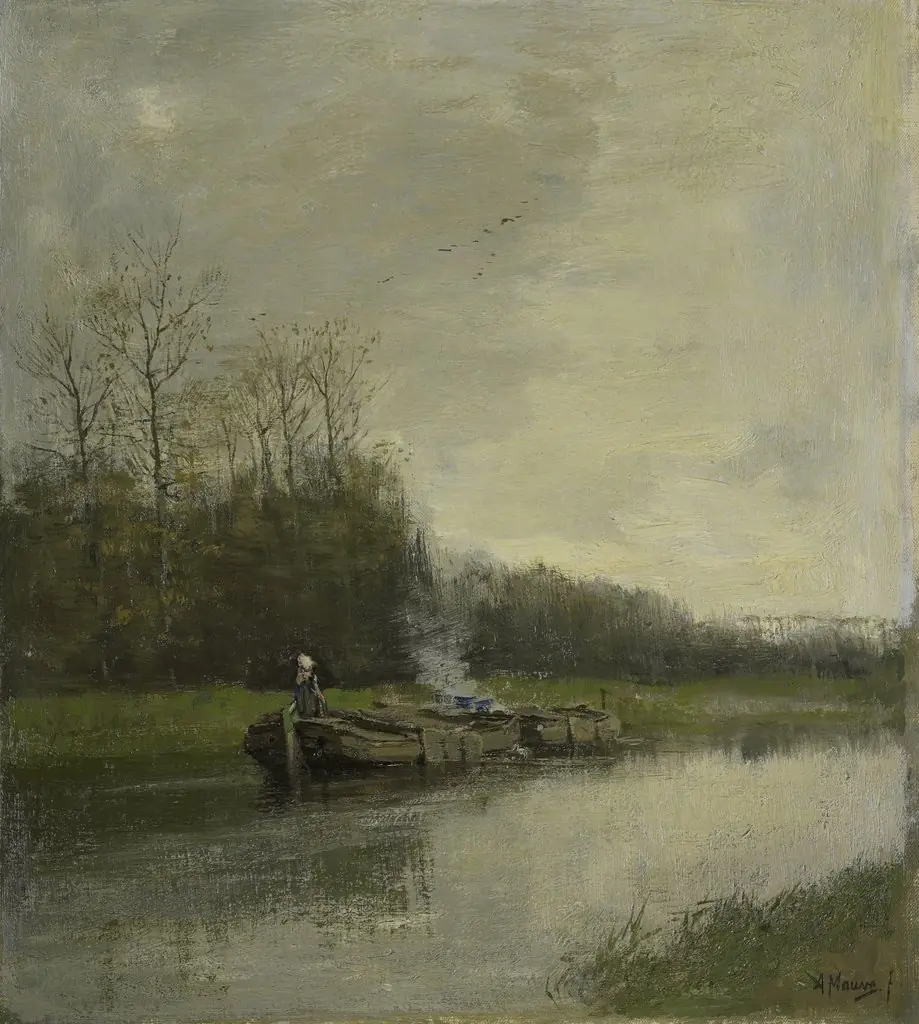
Untitled is an unspecified painting by the Hague School artist Anton Mauve. It dates from 1860 and is held in the collection of the Rijksmuseum.
About this work
Technique & Style
While his early work displayed a highly finished manner, he later adopted a freer, looser technique, frequently working en plein air to study natural light.
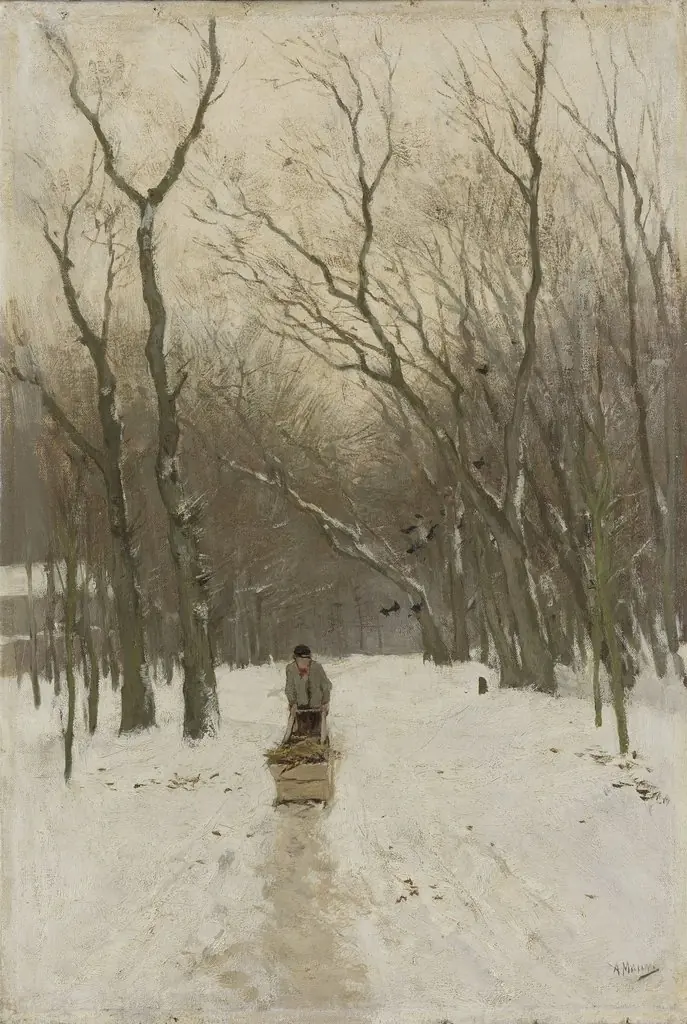
Anton Mauve was a master of both oil painting and watercolour, often applying oil paint in very thin layers to capture the atmospheric effects of misty landscapes. His palette typically consisted of delicate greys, greens, and light blues, creating a tender lyric harmony that defined his mature style within the Hague School. While his early work displayed a highly finished manner, he later adopted a freer, looser technique, frequently working en plein air to study natural light.
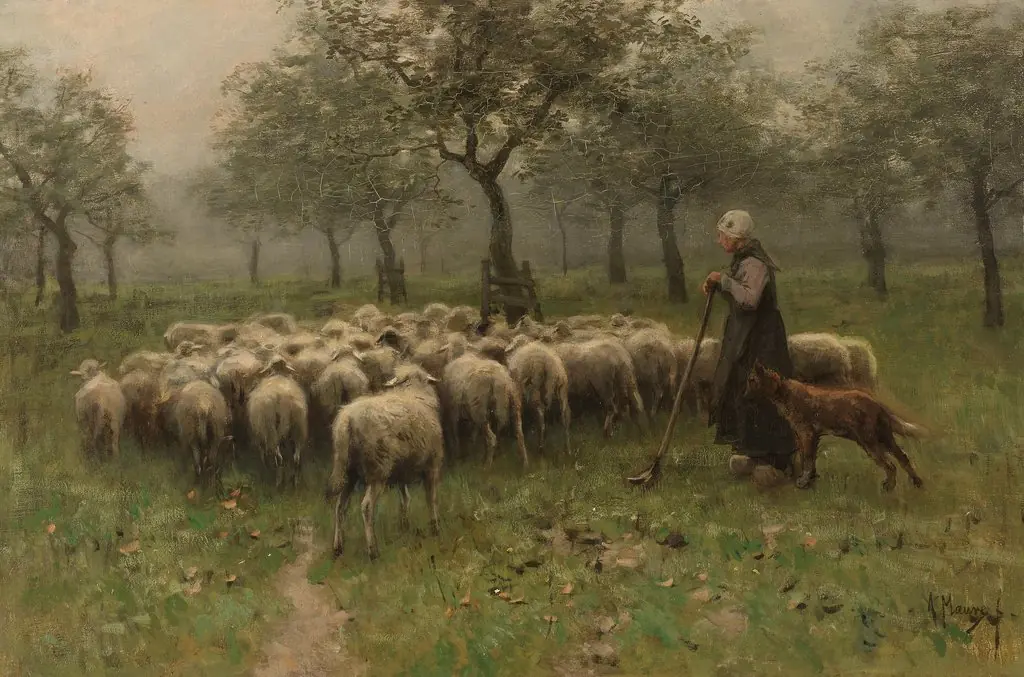
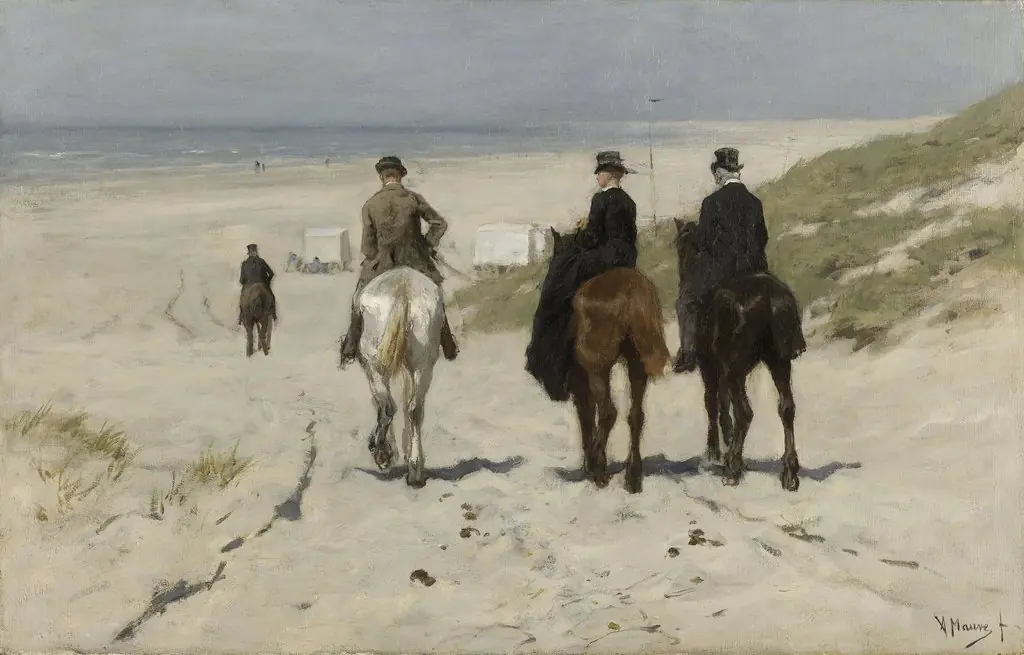
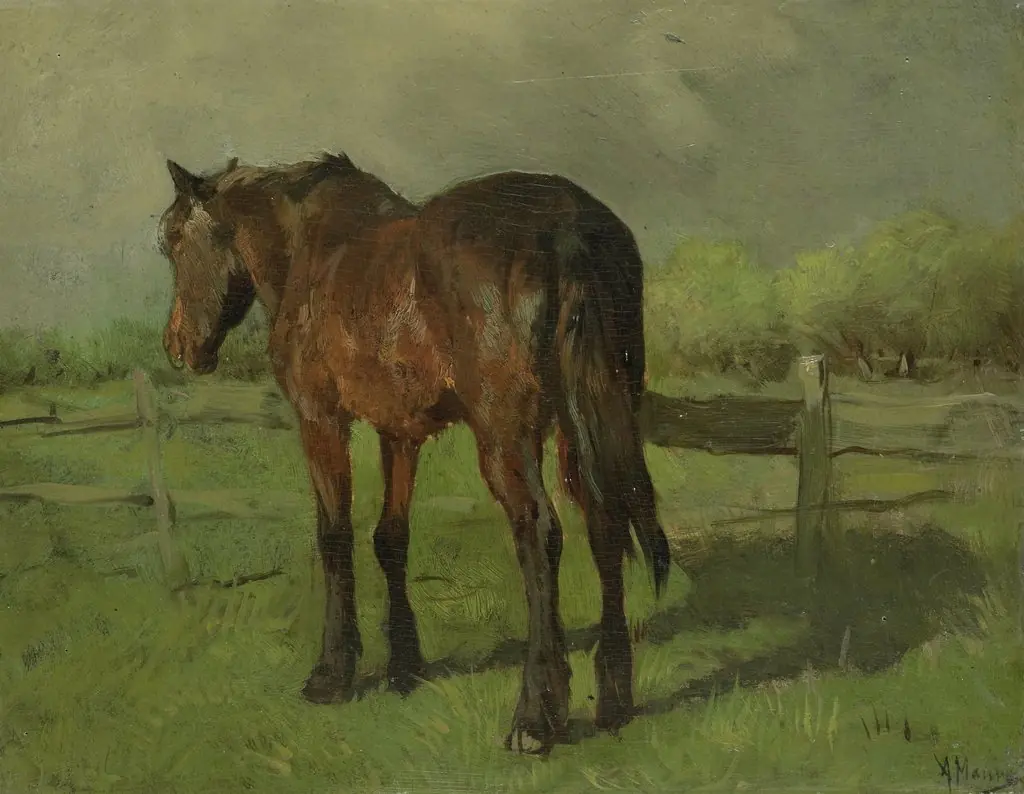
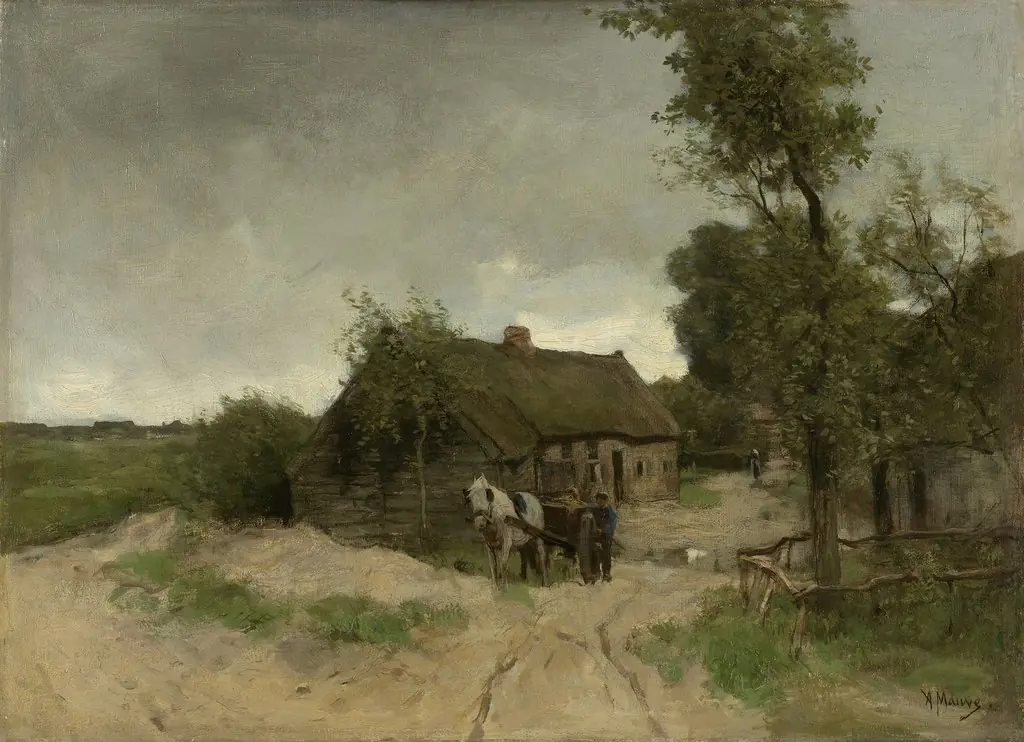
Mauve's subjects often included peasants and animals in outdoor settings, rendered with a commitment to realism that sometimes incorporated unconventional details like horse droppings. He produced works on various supports, including canvas, wood panels, and paper, utilizing media such as chalk, gouache, and drawing alongside his primary paints. His approach involved creating rough sketches during walks, which were subsequently developed into finished watercolours or oils in the studio.
History & Provenance
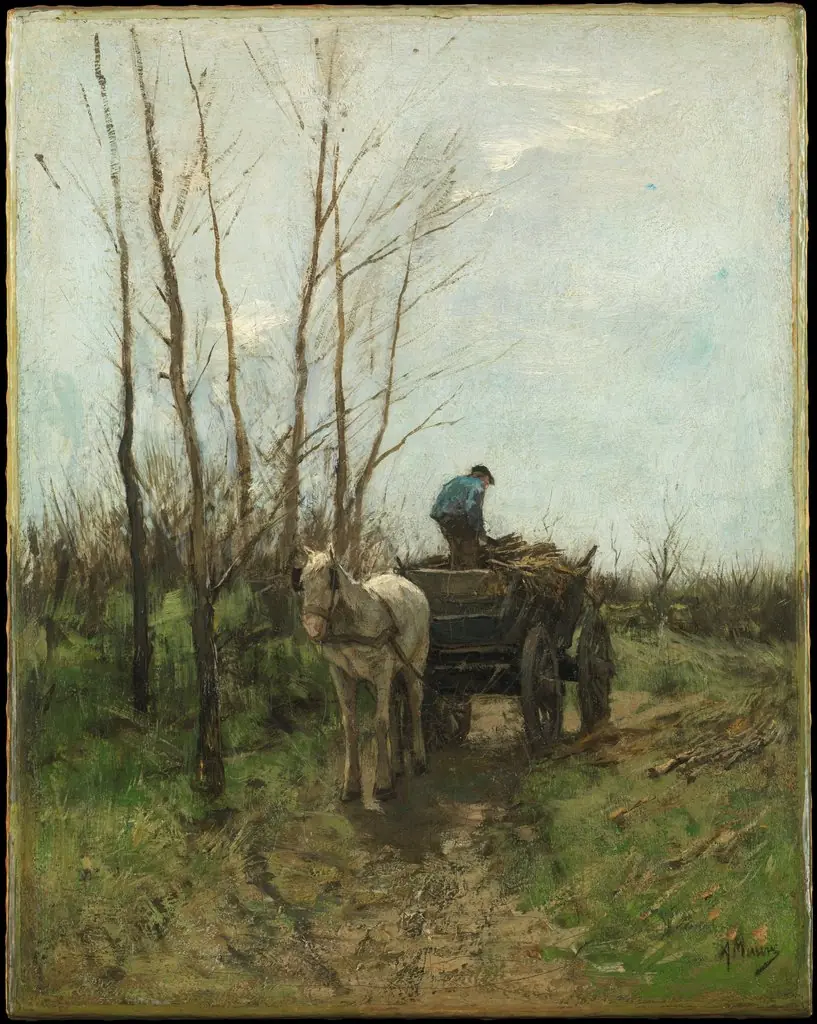
Anton Mauve created Untitled around 1860 to 1888 as a portrait within the Hague School tradition. He signed his paintings 'A. Mauve' or with the monogram 'A.M.' The work entered American collections through dealers like M. Knoedler & Co., including The Timber Truck now held by Carnegie Museum of Art in Pittsburgh. Mauve settled in The Hague in 1872, became a founding member of the Hollandsche Teekenmaatschappij in 1876, and later lived in Laren where his influence extended to the Larense School. His relationship with Vincent van Gogh began with tutelage in 1881 but ended in 1882 amid personal and professional strain, though van Gogh later dedicated paintings to Mauve's memory. The painting's provenance reflects international circulation, with documented presence in U.S. institutions by the late 19th century.
Mauve's authorship and dating are established through contemporaneous records and his active exhibition history, including participation in the 1887 Paris Salon where he won a gold medal for De terugkeer van de kudde.
Context
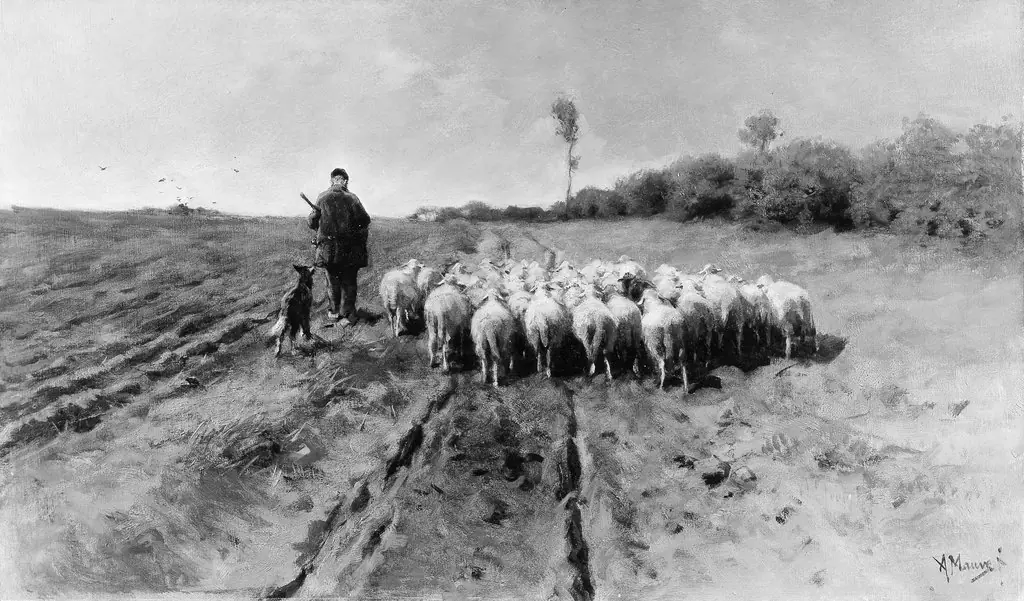
Anton Mauve is recognized as a leading figure of the Hague School, a movement defined by its realist approach and atmospheric, muted palettes. His work drew significant inspiration from the French Barbizon school, particularly in his depiction of humble rural subjects and his practice of painting en plein air. During his later years in Laren, Mauve's style showed the influence of Jean-François Millet, focusing on landscapes and flocks of sheep that garnered international acclaim.
Mauve's historical significance is deeply intertwined with his relationship to Vincent van Gogh, whom he instructed in oil and watercolor techniques in 1881. Although their personal association ended acrimoniously, van Gogh revered Mauve's artistic mastery and dedicated the painting Souvenir de Mauve to his memory following his death in 1888. Mauve's reputation peaked during the American Gilded Age, when his scenes of sheep and peasants were aggressively collected by US industrialists, creating a distinct market preference for his pastoral imagery.
Own this work as a print
Artist & collection
Artist
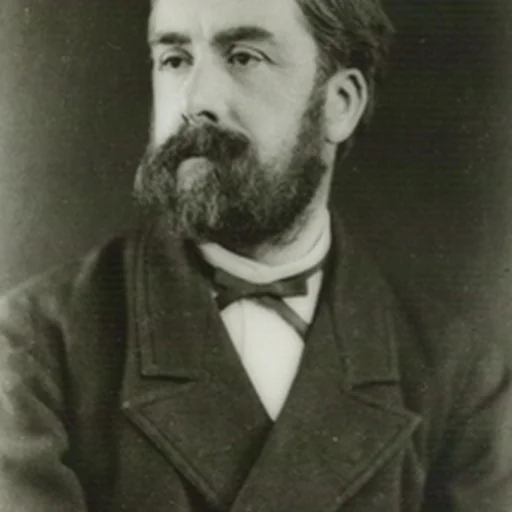
Anthonij "Anton" Rudolf Mauve (Dutch pronunciation:; 18 September 1838 – 5 February 1888) was a Dutch realist painter who was a leading member of the Hague School.