Artwork
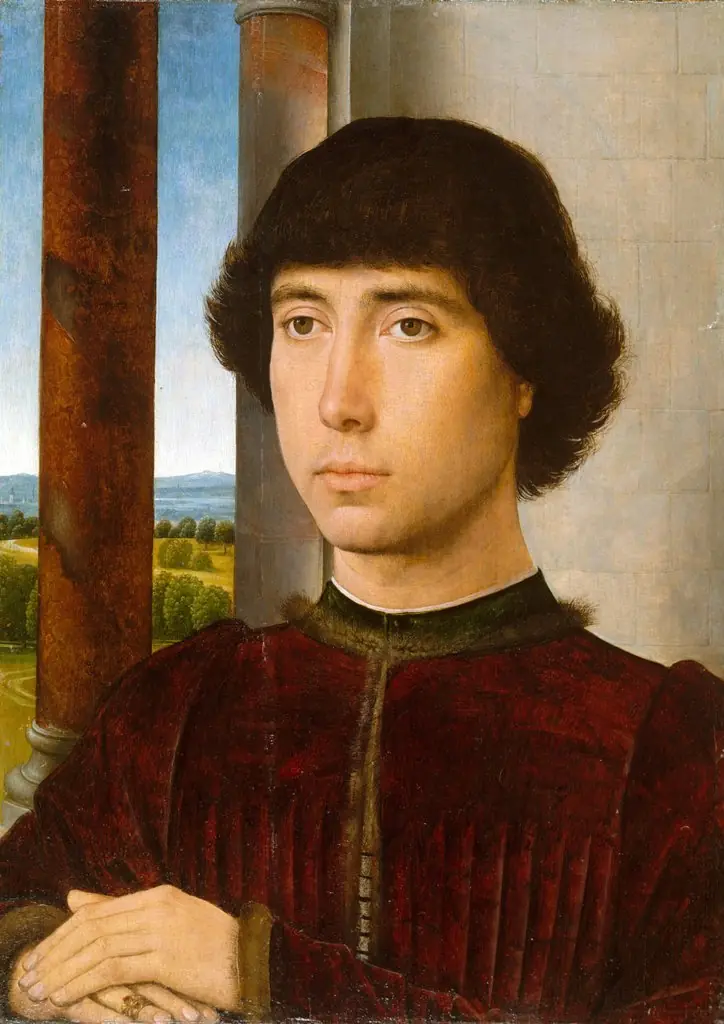
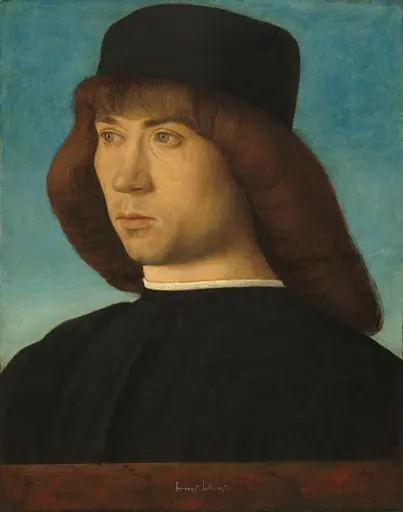
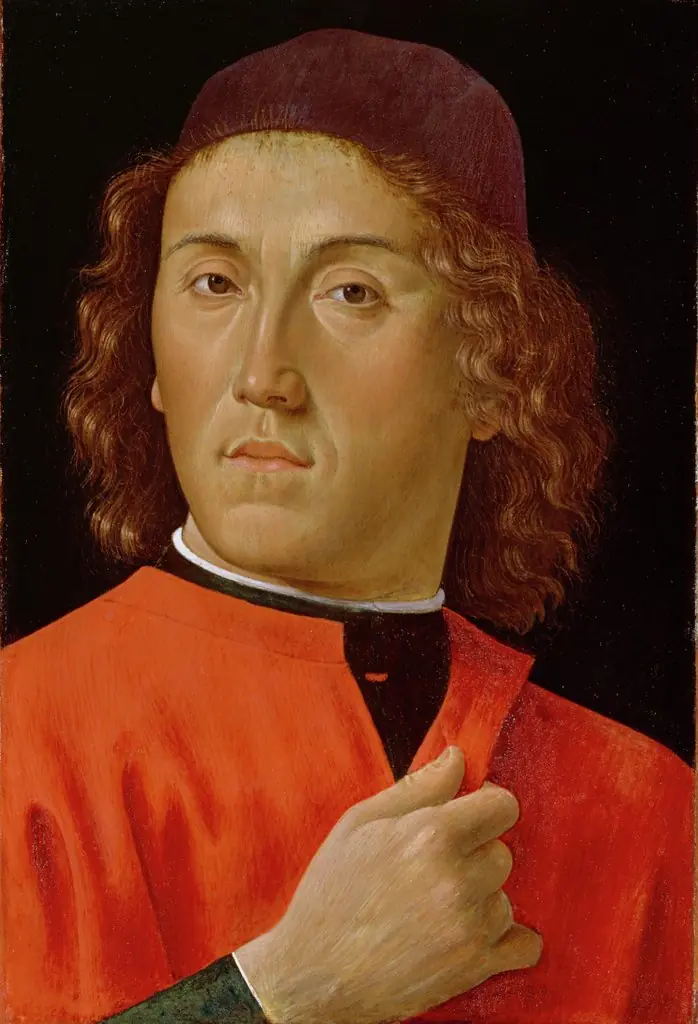
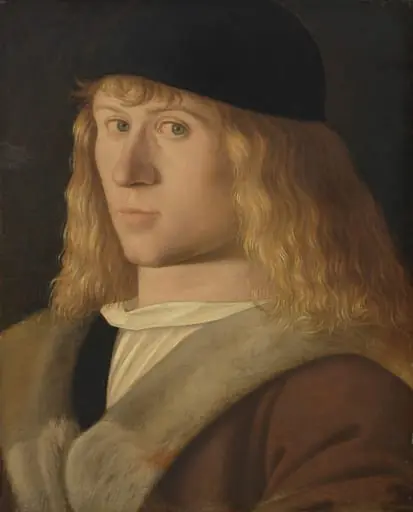
Portrait of a Young Man
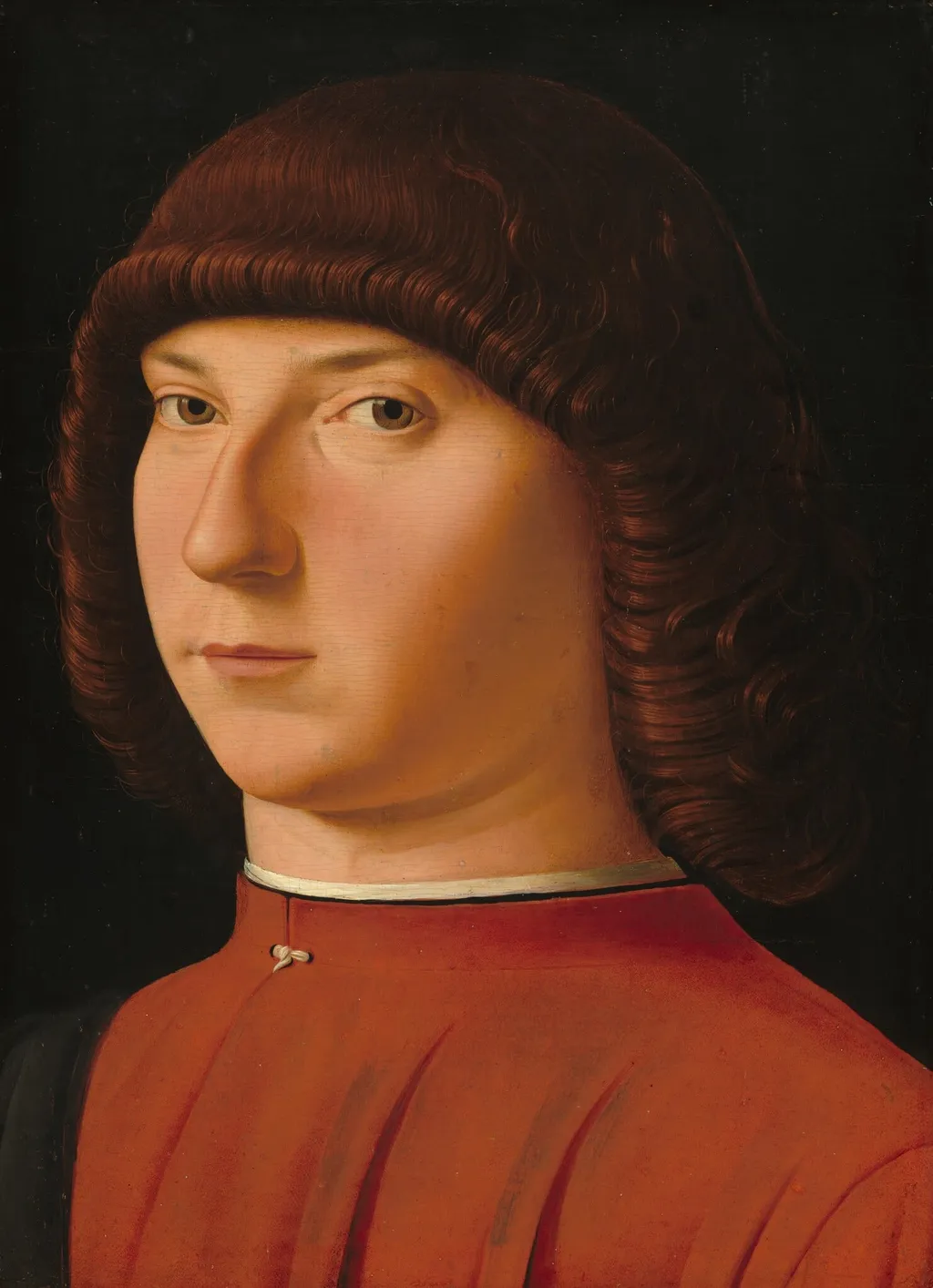
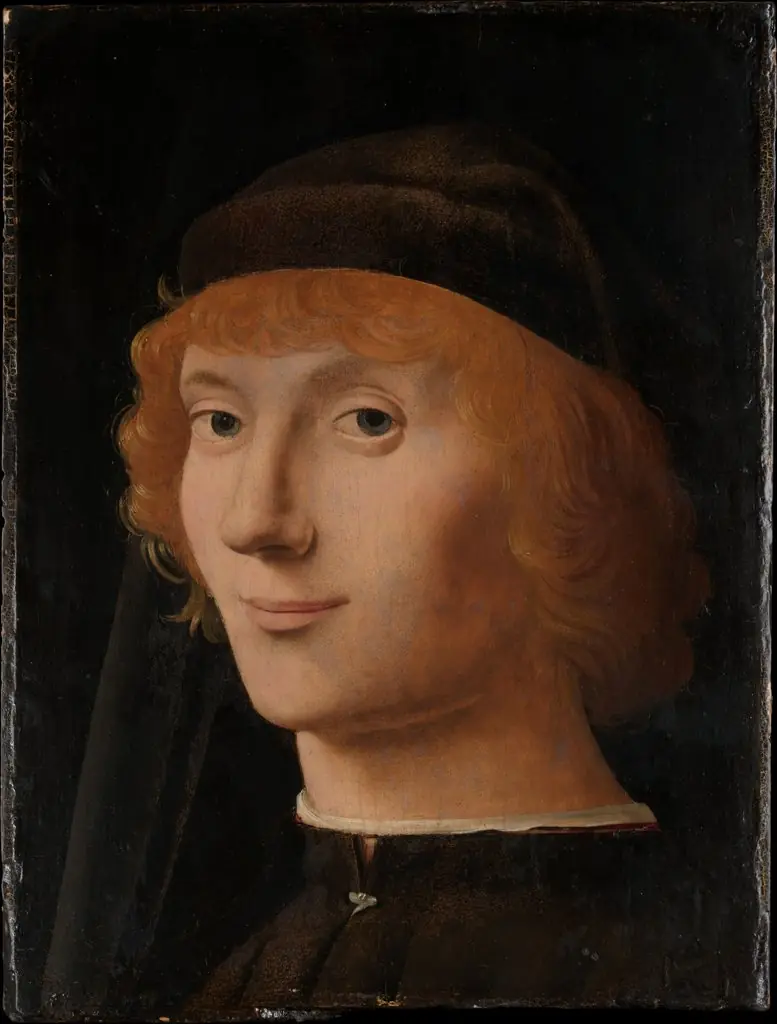
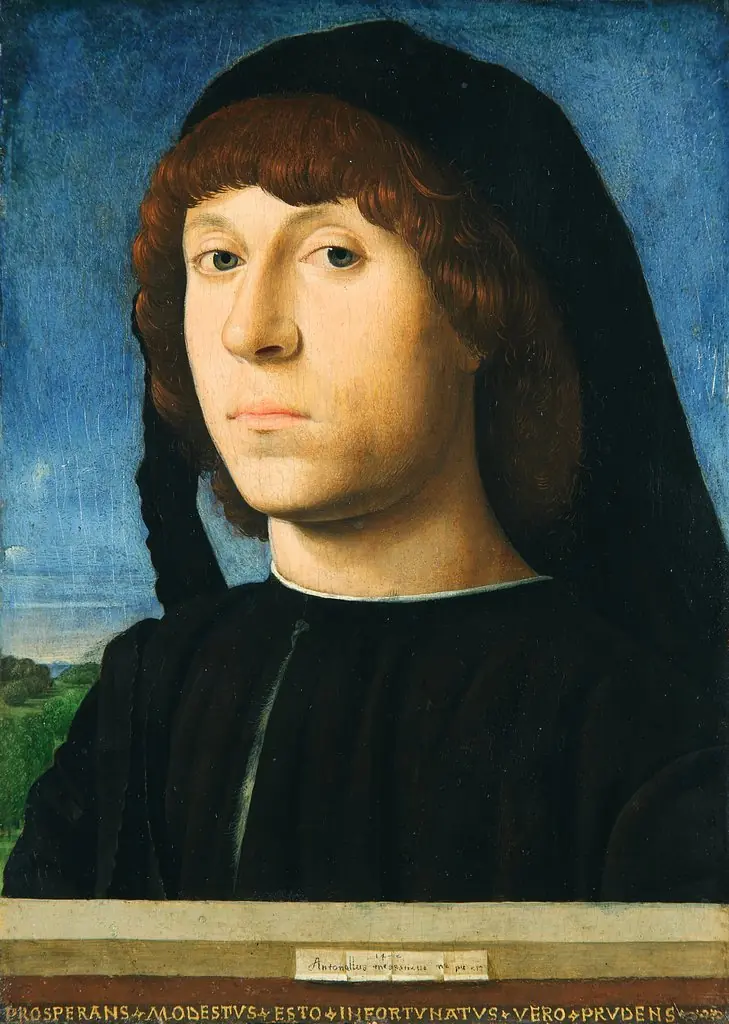
Portrait of a Young Man is an oil painting by the Early Renaissance artist Antonello da Messina. It dates from 1477 and is held in the collection of the National Gallery of Art.
About this work
Subject & Meaning
As an early example of oil-based portraiture, the piece reflects the emerging Renaissance interest in the realistic representation of individuals.
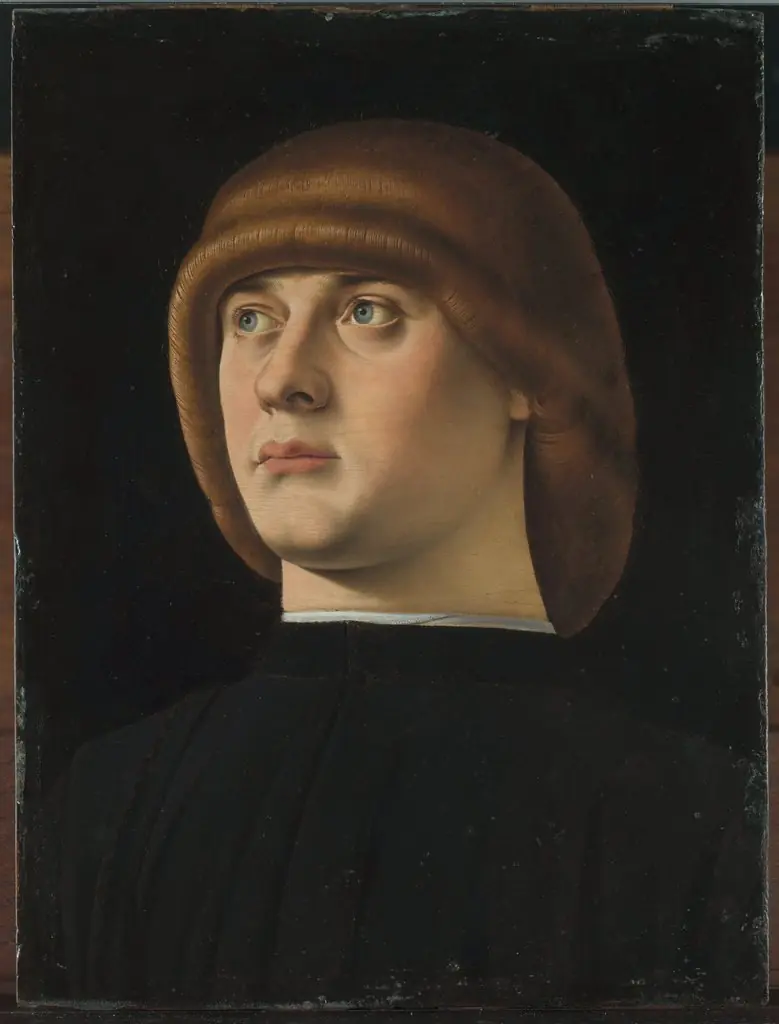
Portrait of a Young Man shows a solitary male sitter rendered at half length, facing slightly to the viewer's left. The work is classified as a portrait, a genre intended to record the appearance and perceived character of the individual. The sitter is depicted in contemporary Venetian dress of the late fifteenth century, his clothing and the subtle modeling of his face suggesting a focus on personal identity rather than allegorical meaning.
As an early example of oil-based portraiture, the piece reflects the emerging Renaissance interest in the realistic representation of individuals.
Technique & Style
The painting is executed in tempera and oil on a poplar panel, a hybrid technique characteristic of Antonello da Messina's transitional practice, and measures 33 by 24.8 cm. The panel is documented as having been trimmed at the sides at some point after leaving the Palazzo Contarini-Mocenigo collection, consistent with its small dimensions and with an originally somewhat larger format. The combination of tempera and oil on a wooden support reflects the mixed technique Antonello was known for, bridging earlier Italian panel practices with the oil-based methods he helped introduce to Venetian painting in the late 1470s.
History & Provenance
Portrait of a Young Man was executed by Antonello da Messina in 1477 in tempera and oil on a poplar panel (33 by 24.8 cm). It remained in its Venetian setting, the Palazzo Contarini-Mocenigo, until the mid-nineteenth century, after which it entered the collection of the Giovanelli princes, who held it into the early 1930s. It was sold to the Duveen firm in December 1936 and given to the National Gallery of Art in 1937 by the A.W. Mellon Educational and Charitable Trust.
Context
Attributed to Antonello da Messina and dated 1477, Portrait of a Young Man is executed in tempera and oil on a poplar panel. It entered the National Gallery of Art, Washington, D.C., through the Andrew W. Mellon collection, having previously been in the Palazzo Contarini-Mocenigo in Venice and the collection of the Princes Giovanelli, and sold by Duveen Brothers in 1936. The work is situated at a pivotal moment in the transition from tempera to oil in Venetian portraiture, reflecting Antonello's role in the development of oil technique and early Renaissance portraiture.
Overview
Antonello da Messina's Portrait of a Young Man, created around 1477, is a painting executed in tempera and oil on a poplar panel. This work exemplifies the artist's approach to portraiture, focusing on a singular figure. The composition presents a close-up depiction of its subject, emphasizing individual features and a direct gaze, characteristic of the period's evolving interest in humanistic representation.
Own this work as a print
Artist & collection