Artwork
Portrait of a Young Man
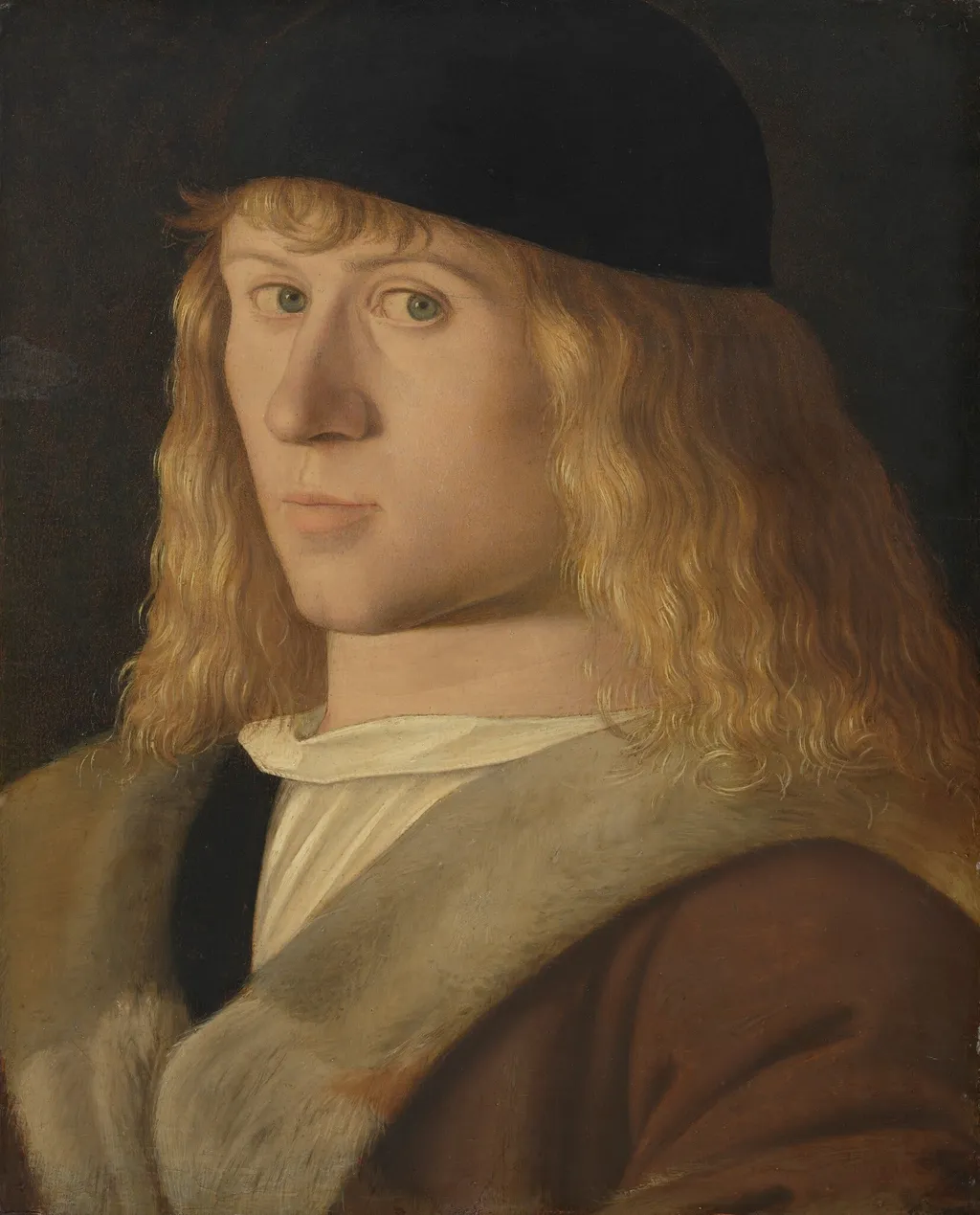
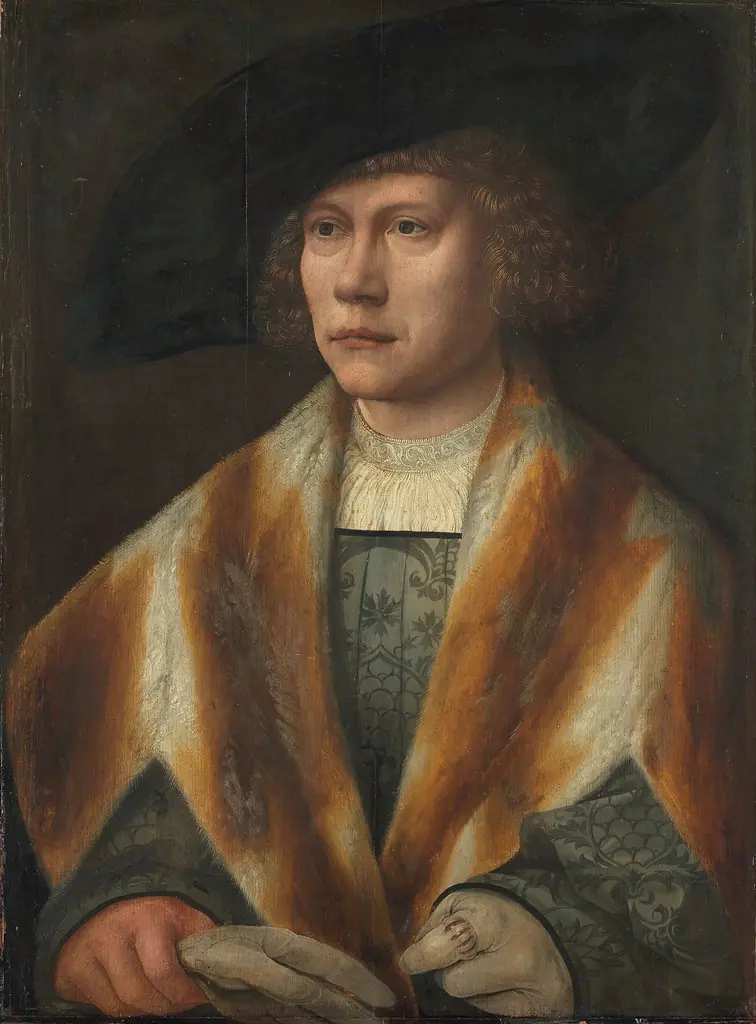
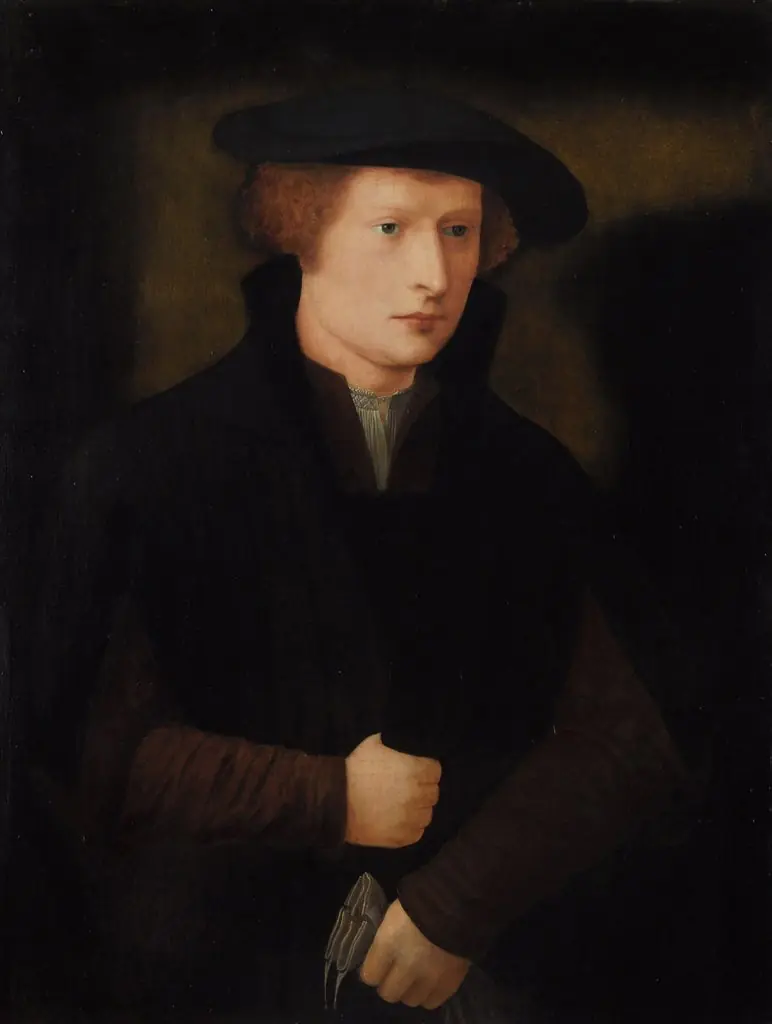
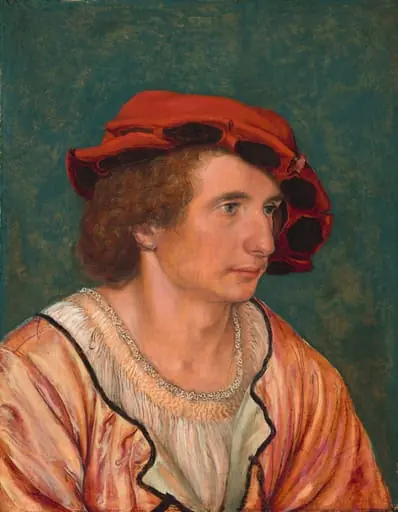
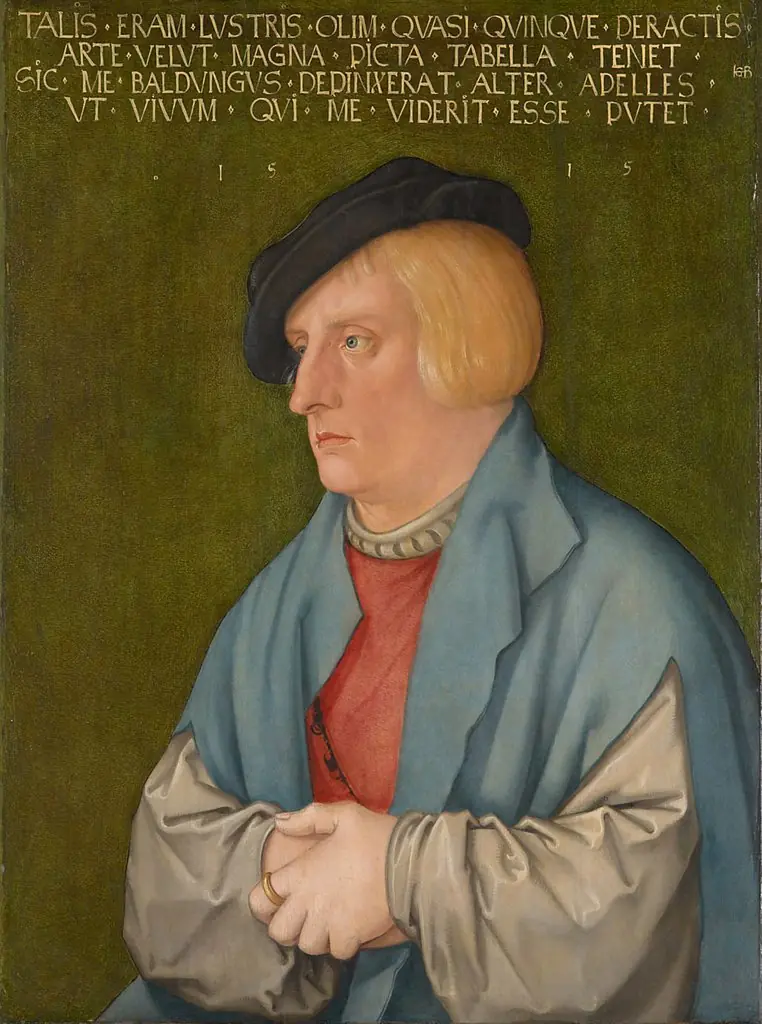
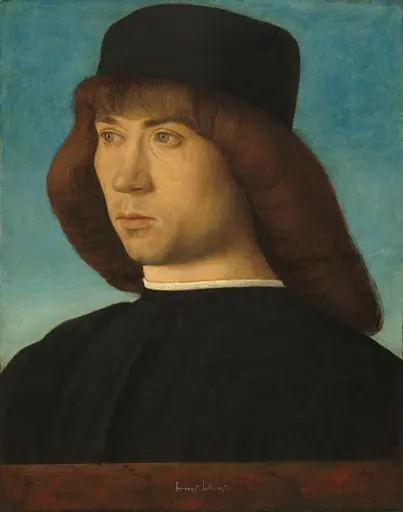
Portrait of a Young Man is an oil painting. It dates from 1505 and is held in the collection of the National Gallery of Art.
About this work
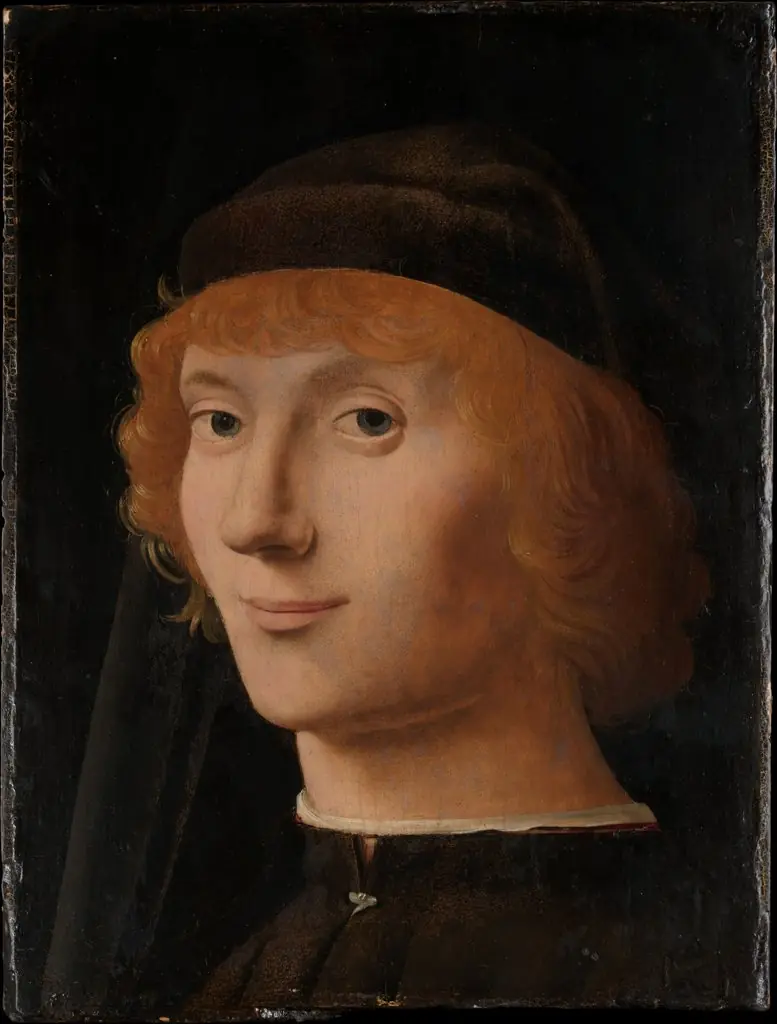
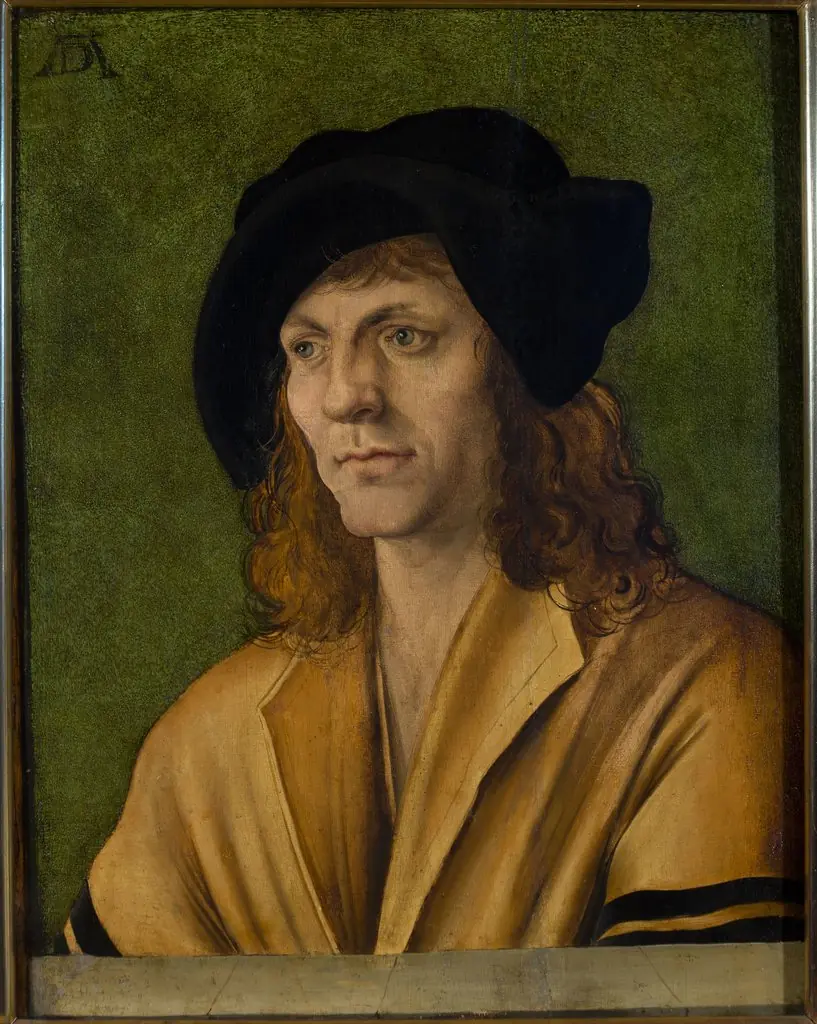
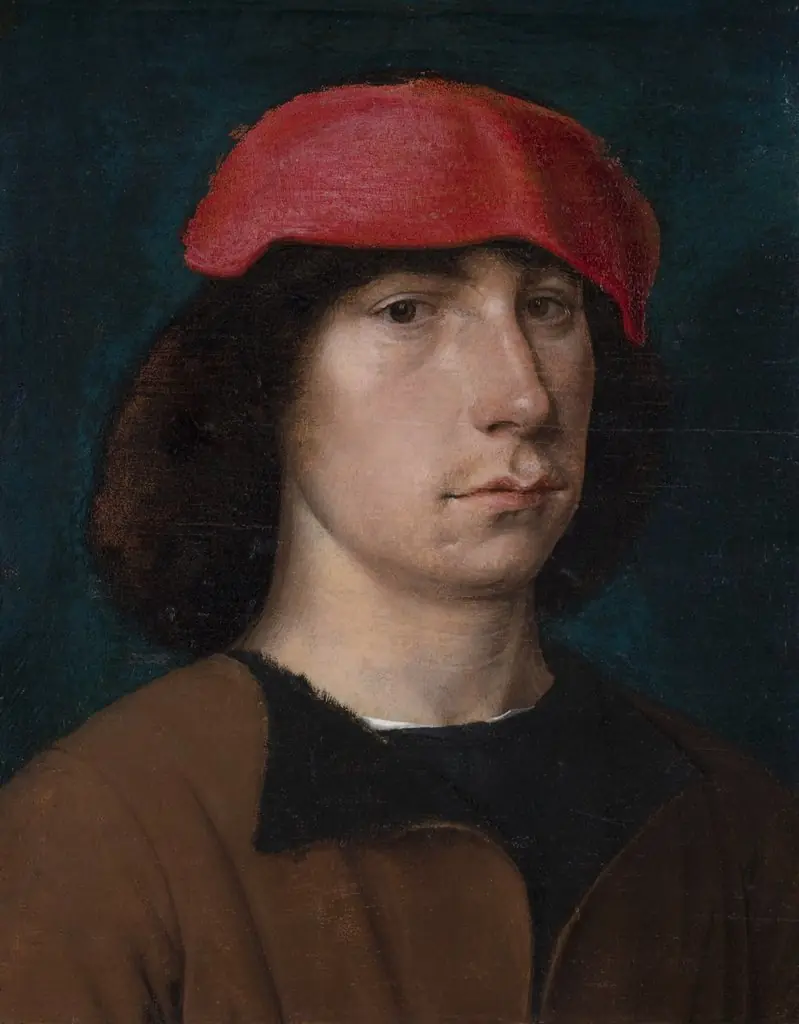
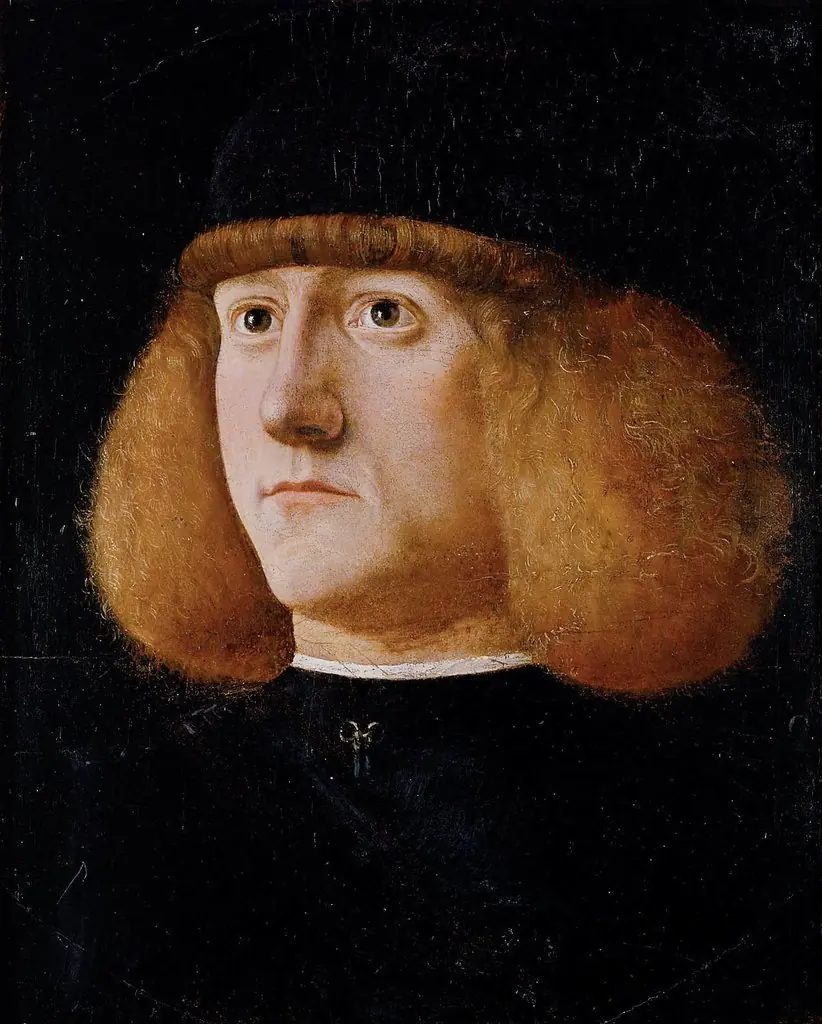
A young man in plain dress looks straight ahead, his face serious and composed. Muted colors set a calm mood, and the careful handling of his hair and eyes holds the attention. A Venetian oil on panel, around 1505.
Subject & Meaning
Consequently, the painting functions primarily as a study of human likeness and character rather than as a vehicle for allegorical or symbolic representation.
The work depicts a single male subject, identified simply as a man, rendered in a half-length format typical of Venetian portraiture from the early 16th century. Painted in 1505, the image focuses entirely on the figure's physical presence without accompanying narrative elements, objects, or background scenery that would suggest specific iconography or symbolic meaning. The subject is shown facing slightly forward, engaging the viewer with a direct gaze, yet no attributes, clothing details, or gestures are present to indicate his social status, profession, or personal identity.
Consequently, the painting functions primarily as a study of human likeness and character rather than as a vehicle for allegorical or symbolic representation. Its meaning remains rooted in the Renaissance tradition of capturing individual presence, leaving the specific identity and deeper significance of the sitter unknown.
Technique & Style
The work is executed in oil on panel, a support and medium combination typical of Venetian portraiture in the early sixteenth century. The painting is modest in scale, measuring 28 cm in height by 23.2 cm in width, an intimate format suited to private, close-range viewing. The portrait depicts a man, rendered with the kind of direct, focused characterization associated with Venetian practice of the period.
The panel support and oil medium would have allowed for the smooth blending and subtle tonal transitions characteristic of the technique. No further information regarding specific handling, pigment analysis, surface condition, or stylistic attribution is documented in the available sources.
History & Provenance
The painting’s earliest documented owner was an anonymous collector or dealer in Cremona, Italy, from whom it was acquired circa 1875 by Sir John Charles Robinson in London and Newton Manor, Dorset. By 1900 it had passed to Thomas Humphry Ward in London, and the same year Ward sold it to Thomas Agnew & Sons, London. Agnew & Sons then transferred it to Peter A.B. Widener at Lynnewood Hall, Elkins Park, Pennsylvania.
After Widener’s death, the work entered the Estate of Peter A.B. Widener and was conveyed by gift through Joseph E. Widener’s power of appointment. In 1942 the painting was donated to the National Gallery of Art, Washington, D.C. Technical analysis and stylistic features support a date of circa 1505.
Overview
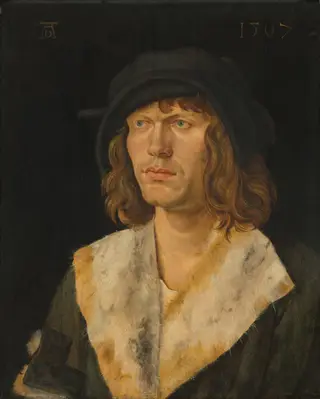
Portrait of a Young Man is an oil painting on panel depicting a young man with a serious, direct gaze. Dressed in unassuming attire, the subject is presented frontally. The artist employed a restrained palette and subtle rendering to convey a sense of calm and introspection, focusing primarily on the subject's facial features and expression rather than elaborate details or background elements.
Artist & collection