Artwork
The Immaculate Conception
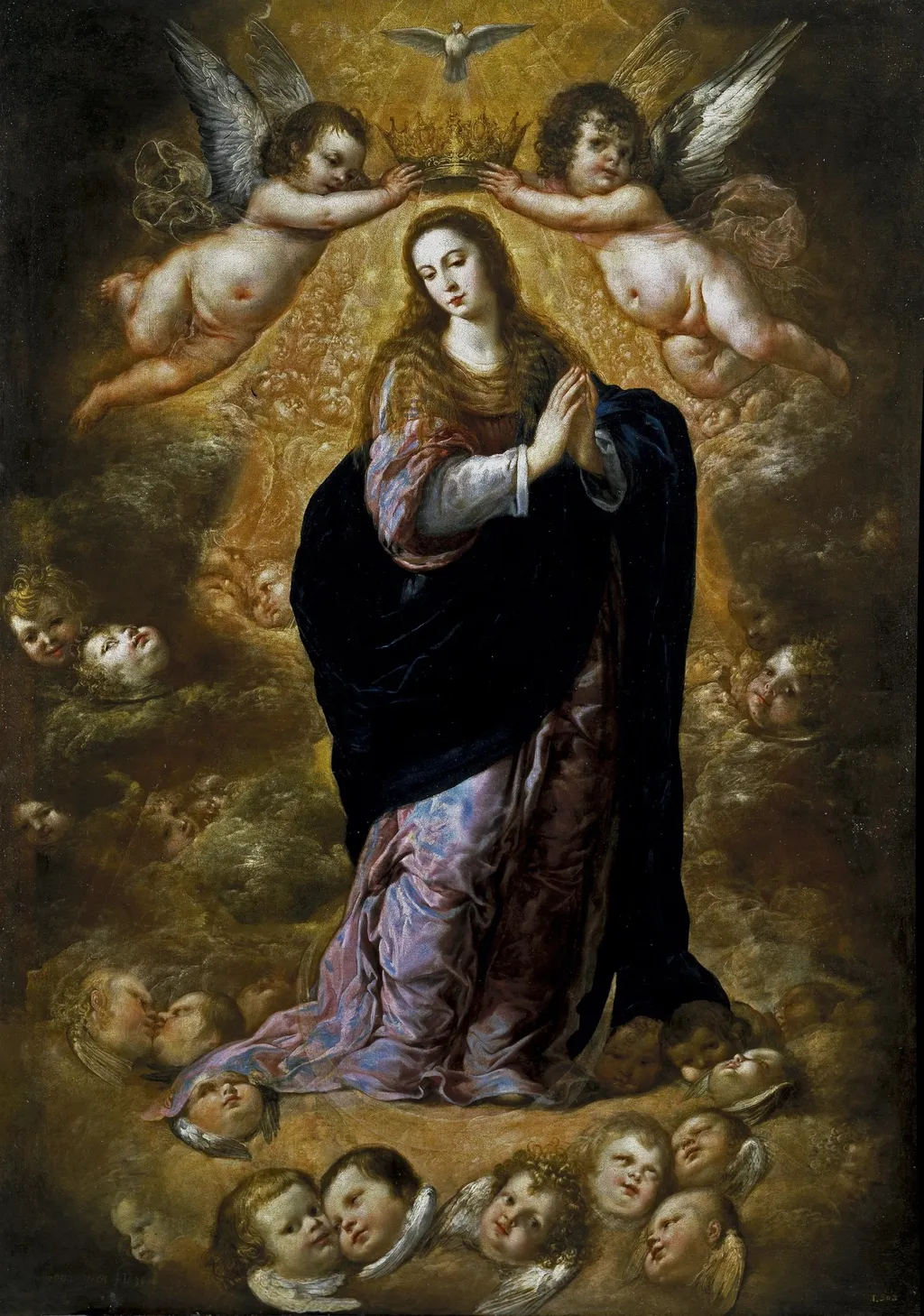
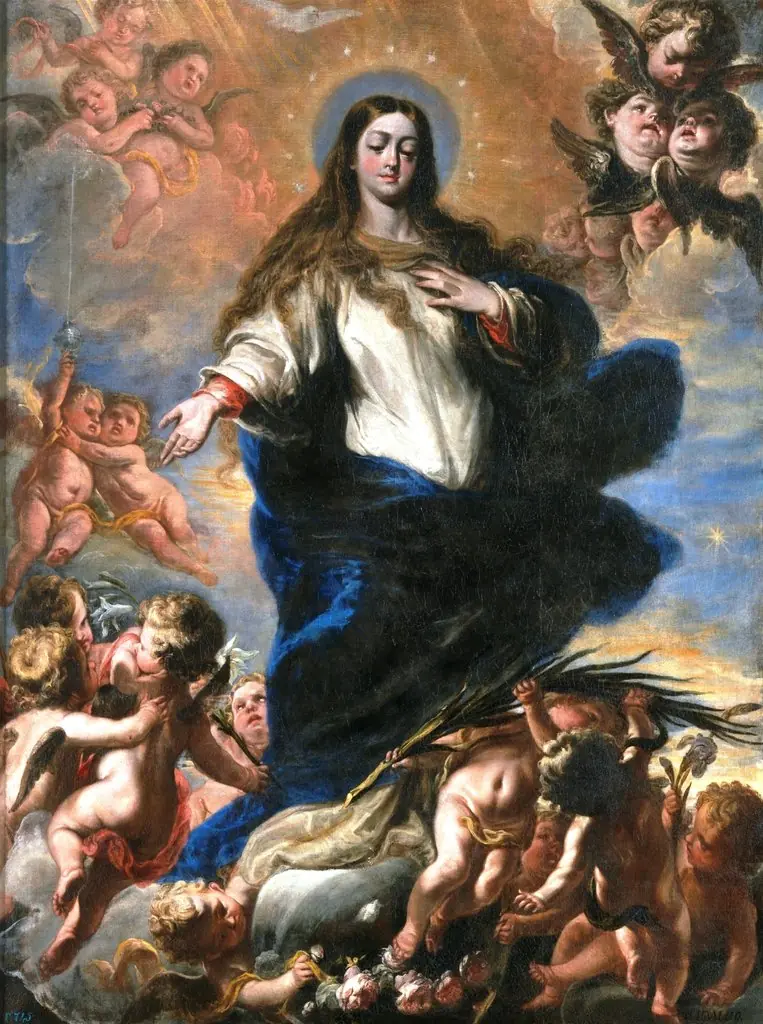
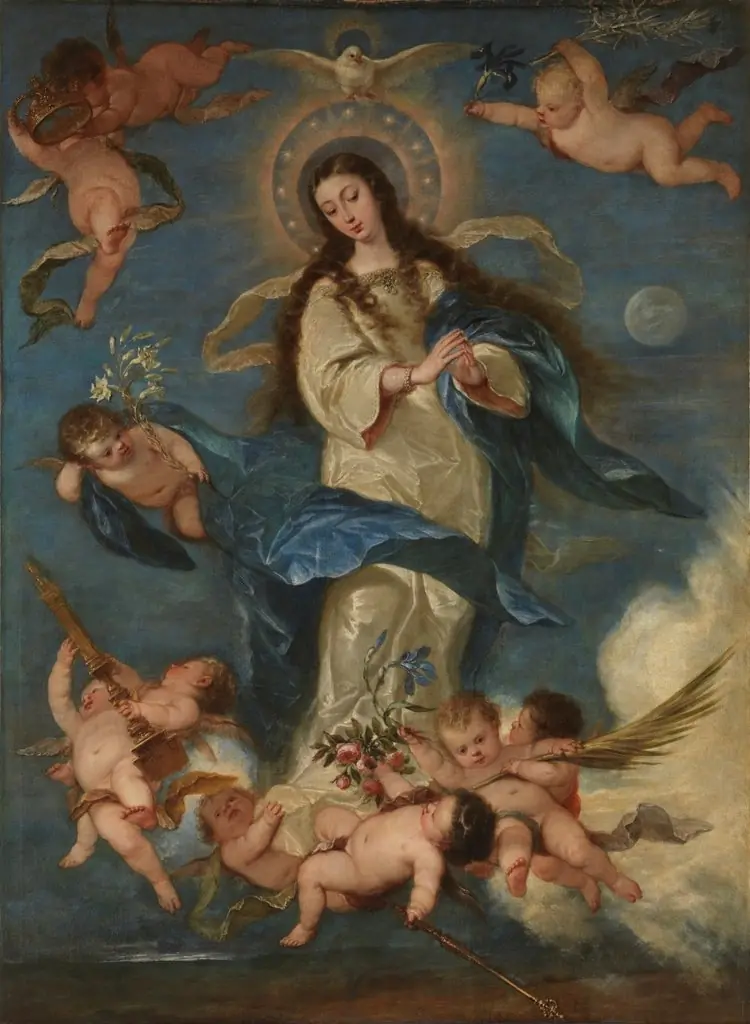
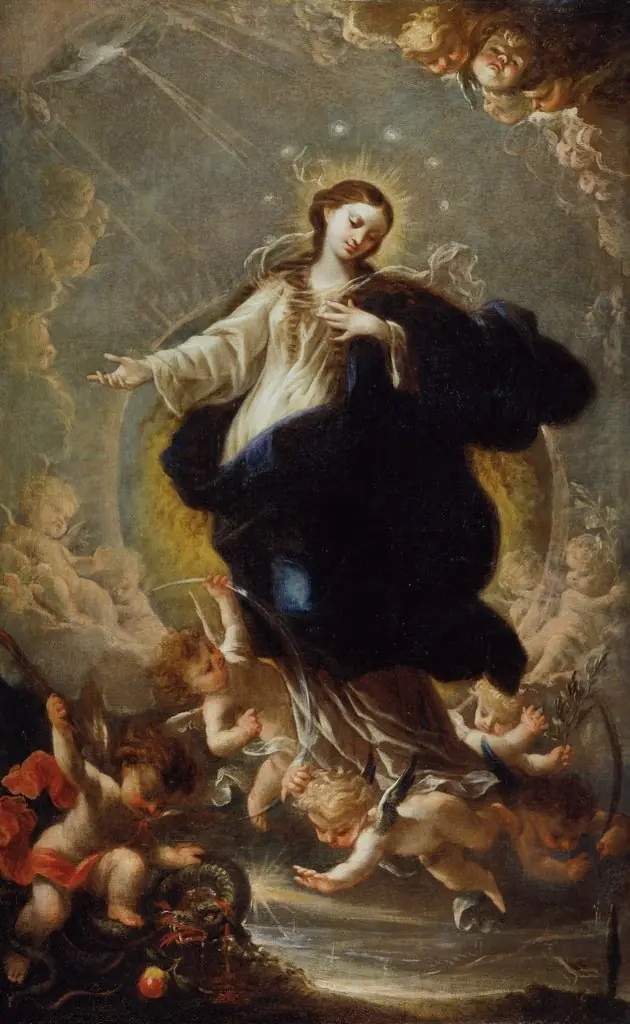
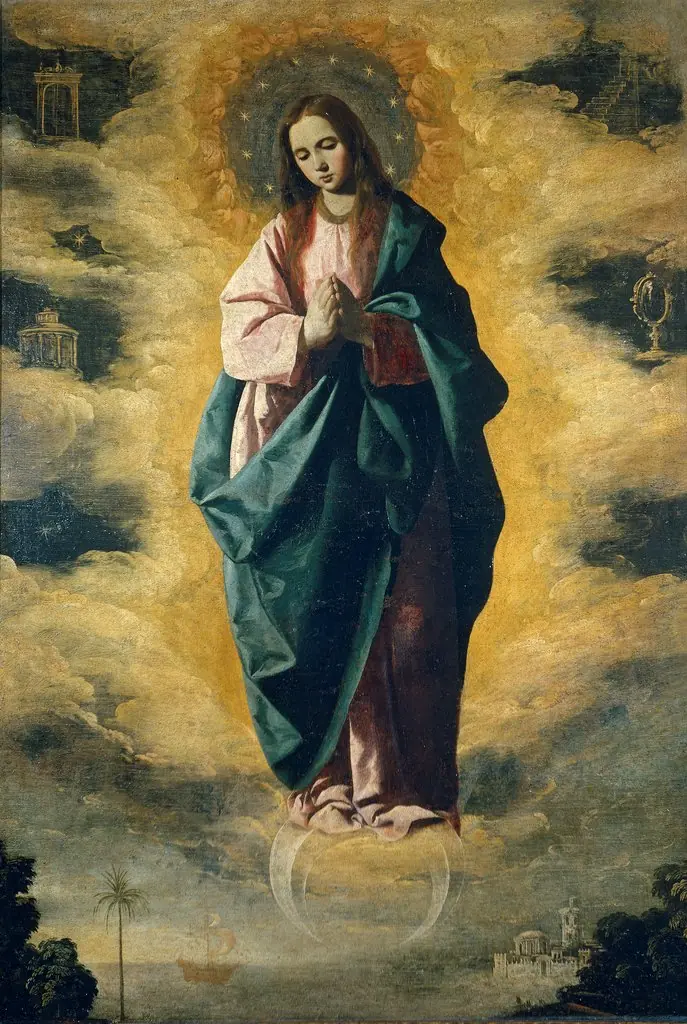
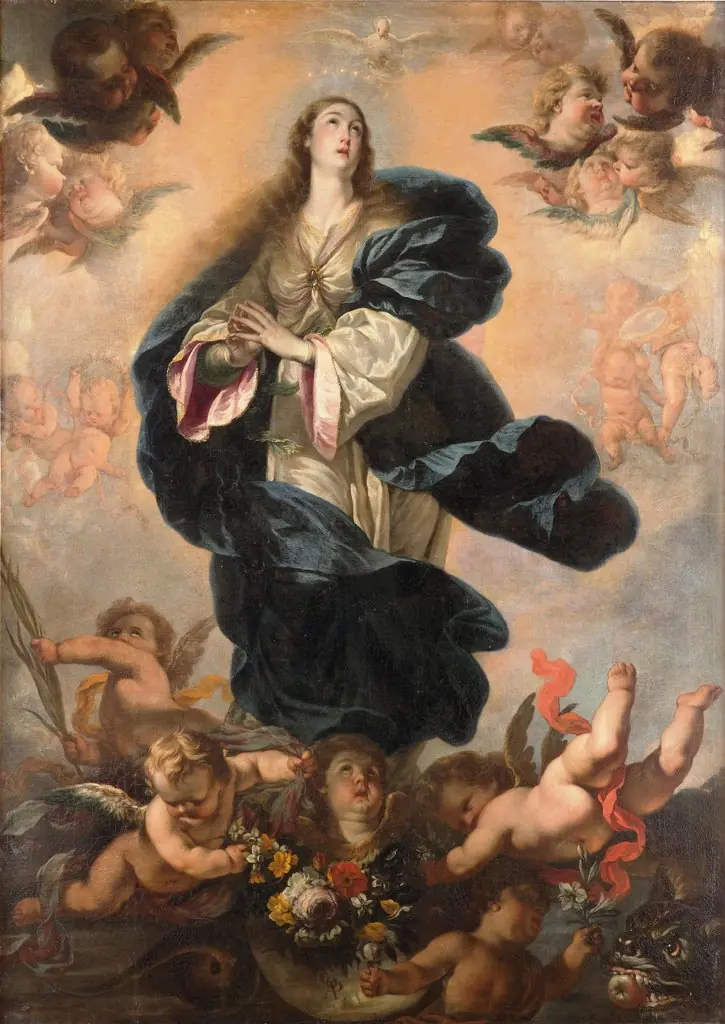
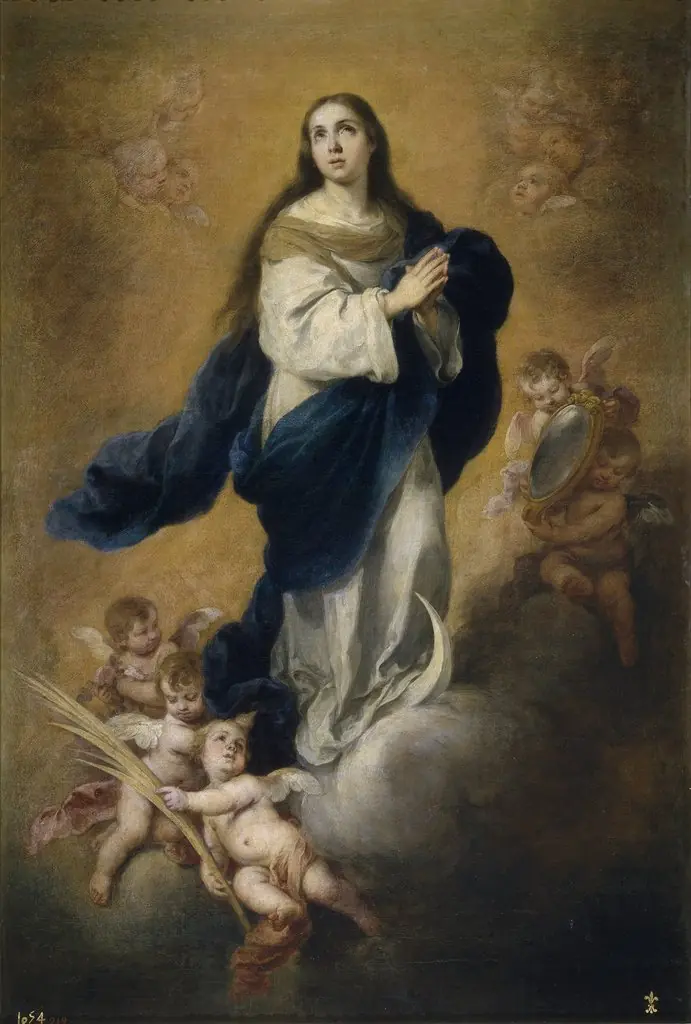
The Immaculate Conception is an oil painting by the Early Baroque Italian artist Antonio de Pereda. It dates from 1636 and is held in the collection of the Museo del Prado.
About this work
Subject & Meaning
The iconography includes the depiction of a crown, a symbol traditionally associated with her status as the Queen of Heaven and her purity.
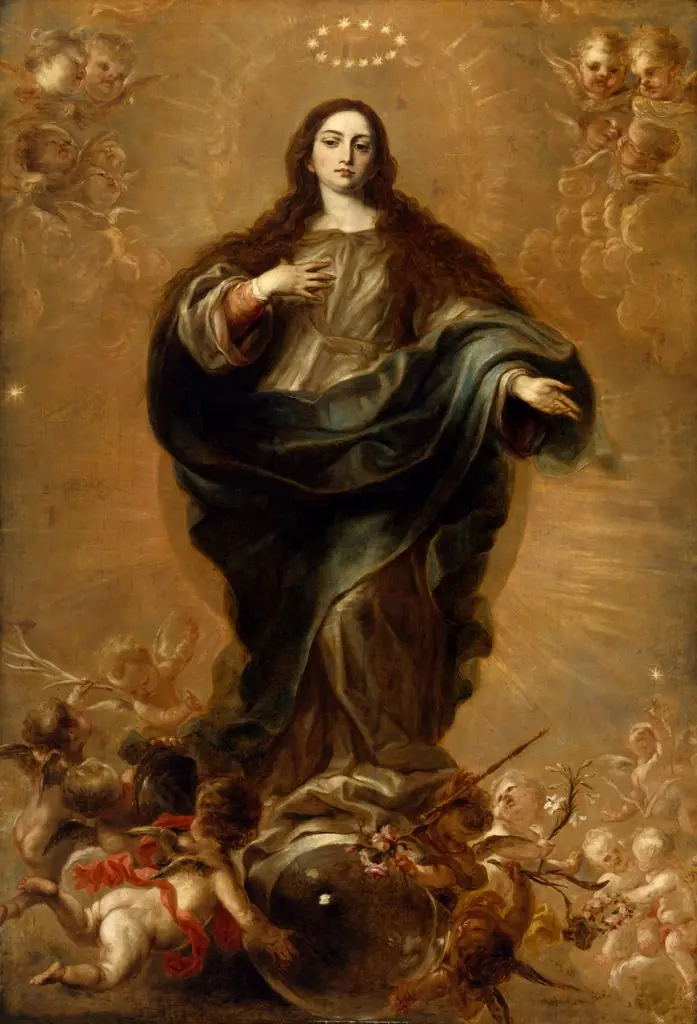
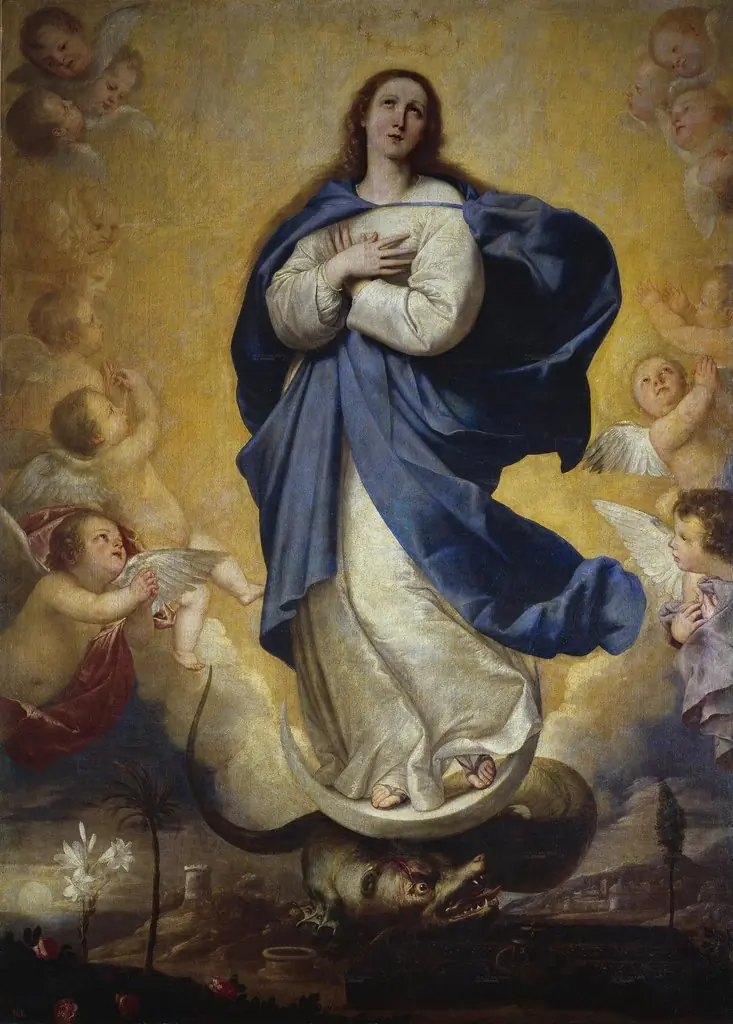
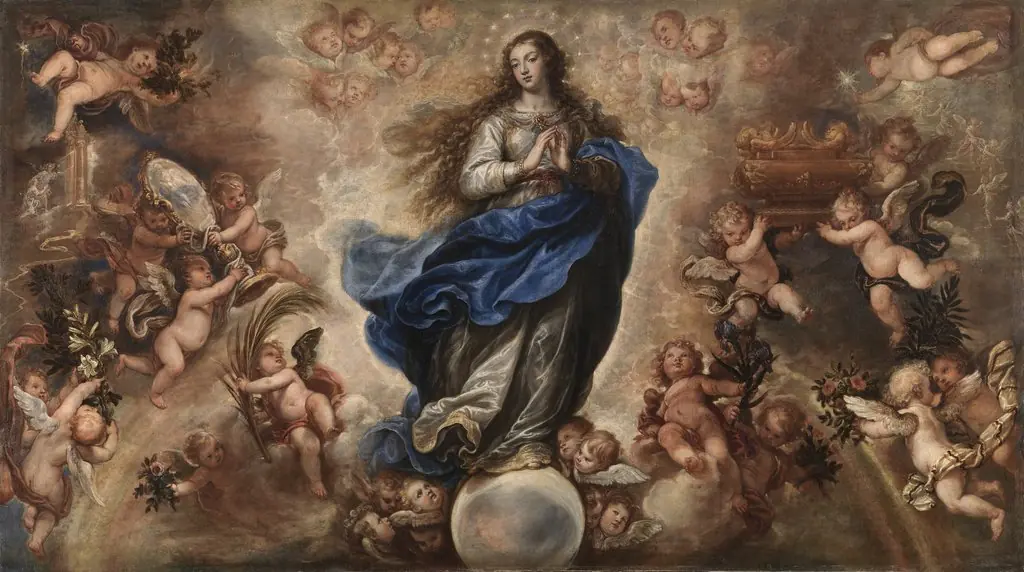
Painted by Antonio de Pereda in 1636, this work illustrates the Immaculate Conception of Mary, a central dogma of the Catholic Church asserting that the Virgin was conceived without original sin. As a piece of religious art, the composition focuses on Mary as the primary subject. The iconography includes the depiction of a crown, a symbol traditionally associated with her status as the Queen of Heaven and her purity.
Executed in oil on canvas, the painting serves as a visual representation of these theological concepts, aligning with the genre of religious art prevalent in seventeenth-century Spain.
Technique & Style
The Immaculate Conception is executed in oil paint on canvas, a standard support for Spanish religious painting of the period. According to the catalogue record, the work measures 179 cm in height by 128 cm in width, giving it a tall, vertical format suited to its devotional subject. The painting belongs to the religious genre and is held in the Museo del Prado. No further details regarding handling, condition, or specific stylistic qualities are documented in the available sources.
History & Provenance
Antonio de Pereda created The Immaculate Conception in 1636 as an oil painting on canvas, measuring 179 cm by 128 cm, depicting the Virgin Mary's immaculate conception. The work entered the collection of the Museo del Prado, where it remains on display. Its creation was recorded in 1636, and it is classified as a religious painting within the broader corpus of Spanish Baroque art.
The Immaculate Conception is held in the collection of the Museo del Prado, where it is recorded under the inventory number P00968.
The work was created in 1636 and has been part of the museum's exhibition history, appearing in displays of Spanish Golden Age religious painting.
Overview
Antonio de Pereda’s 1636 oil painting titled The Immaculate Conception is part of the Museo del Prado’s collection. Executed in the early Baroque idiom, the work presents a devotional scene centered on a kneeling female figure surrounded by cherubic attendants and a luminous sky.
Own this work as a print
Artist & collection
Artist
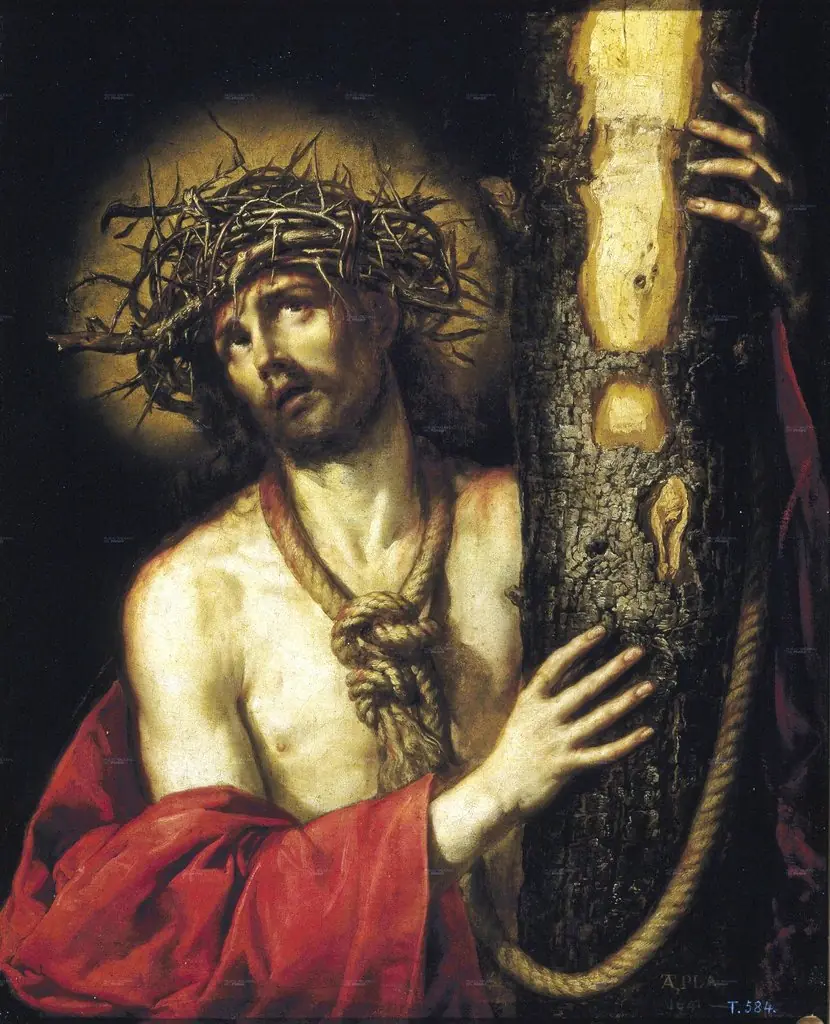
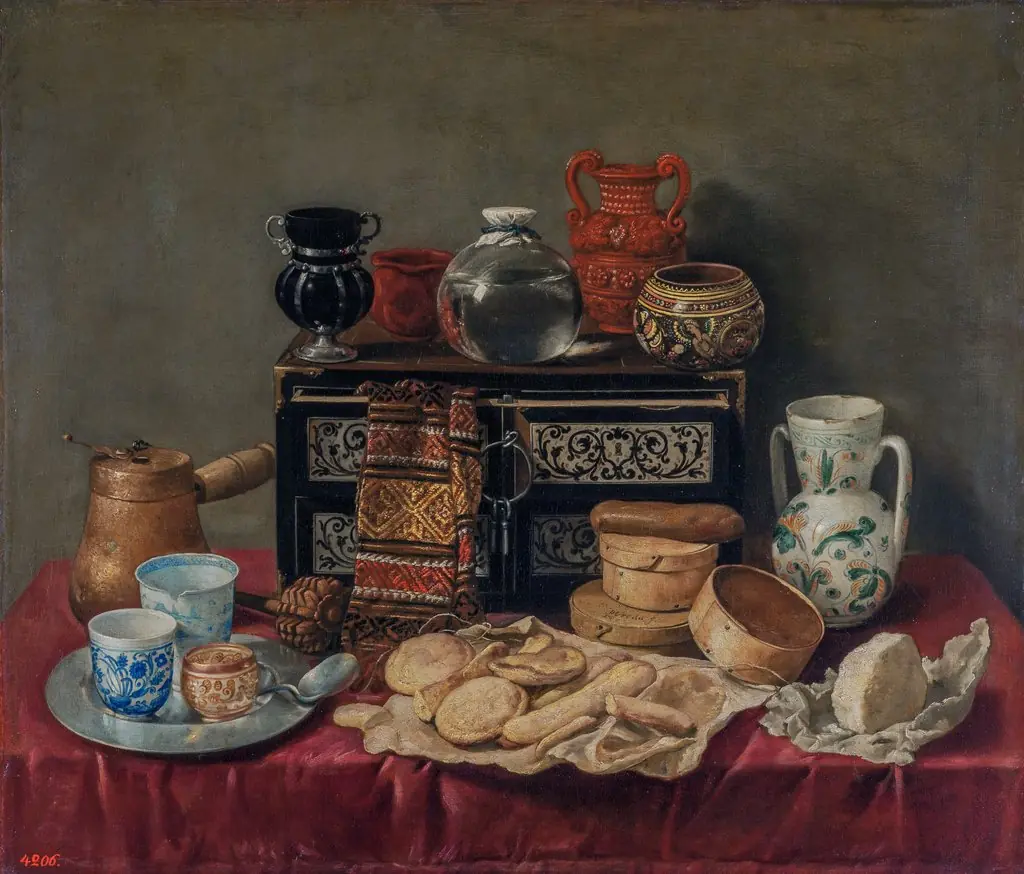
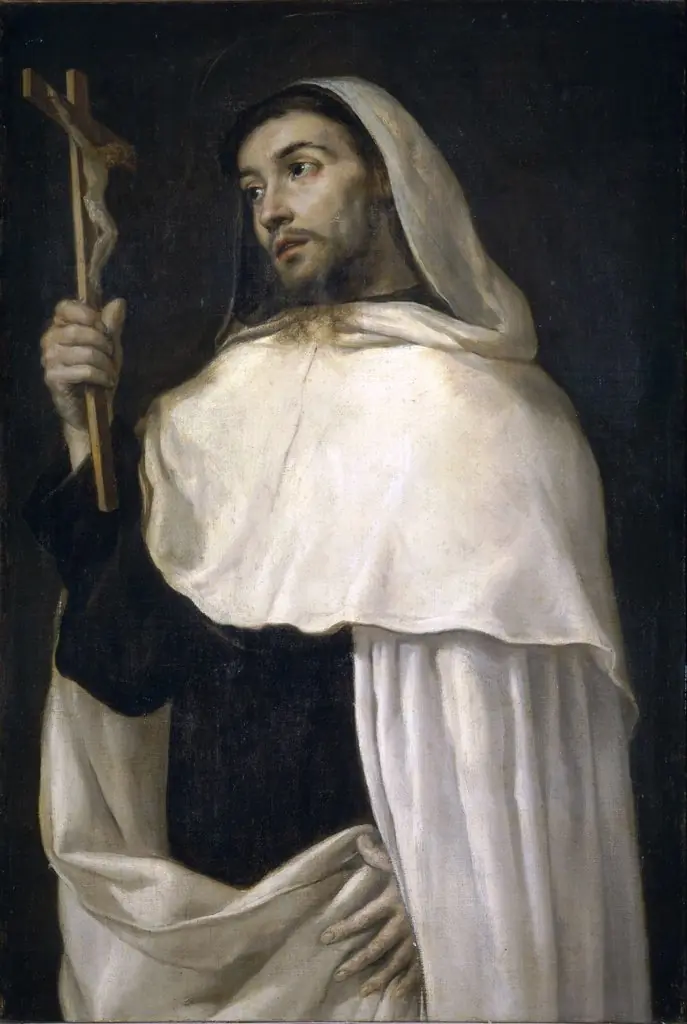
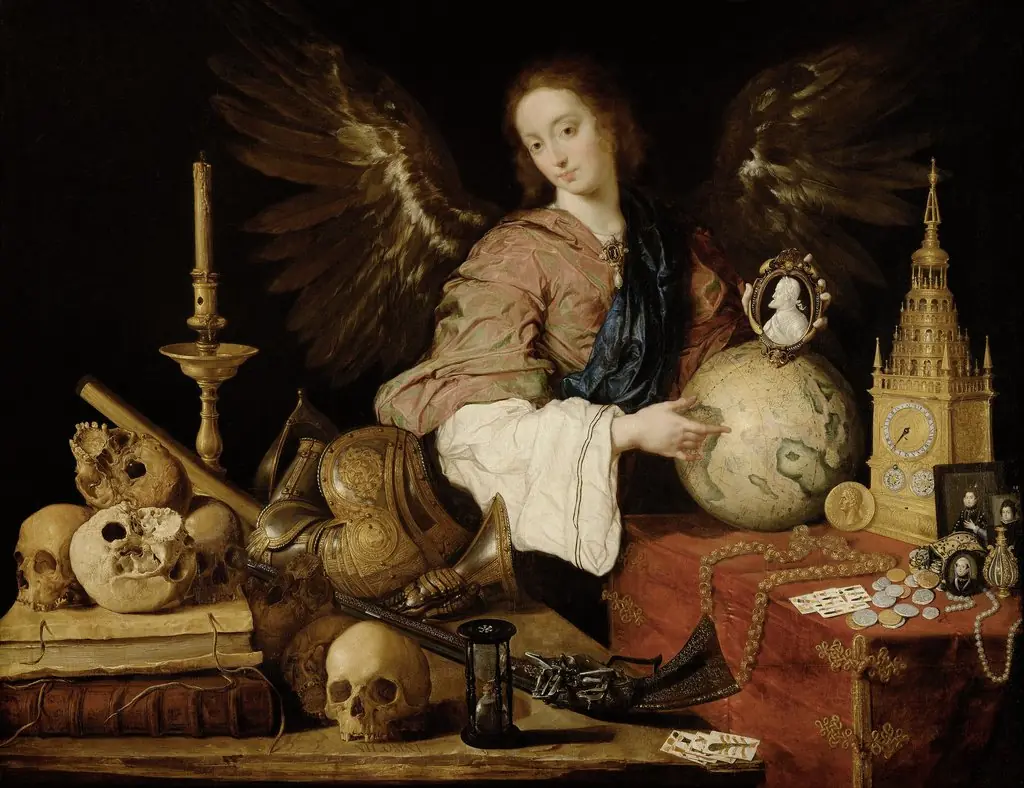
Antonio de Pereda y Salgado (c. 1611 – January 30, 1678) was a Spanish Baroque-era painter, best known for his still lifes.

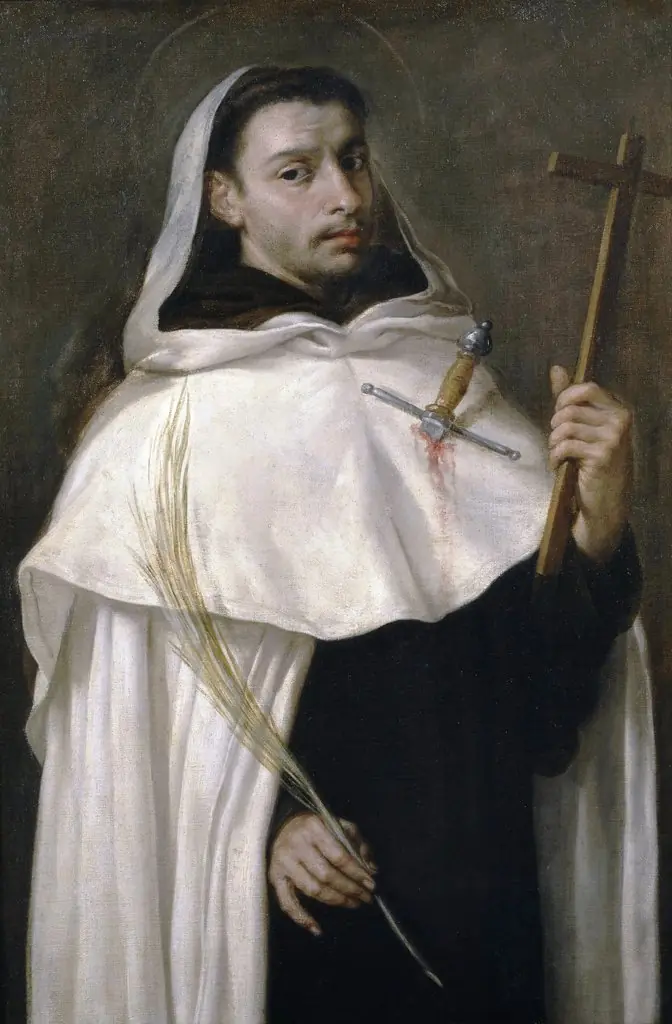
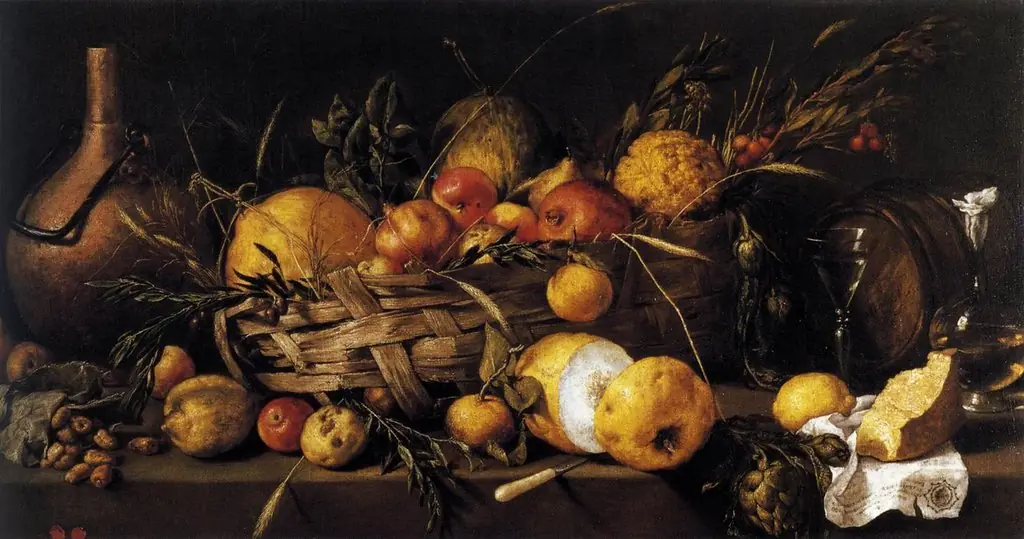
- The Immaculate Conception
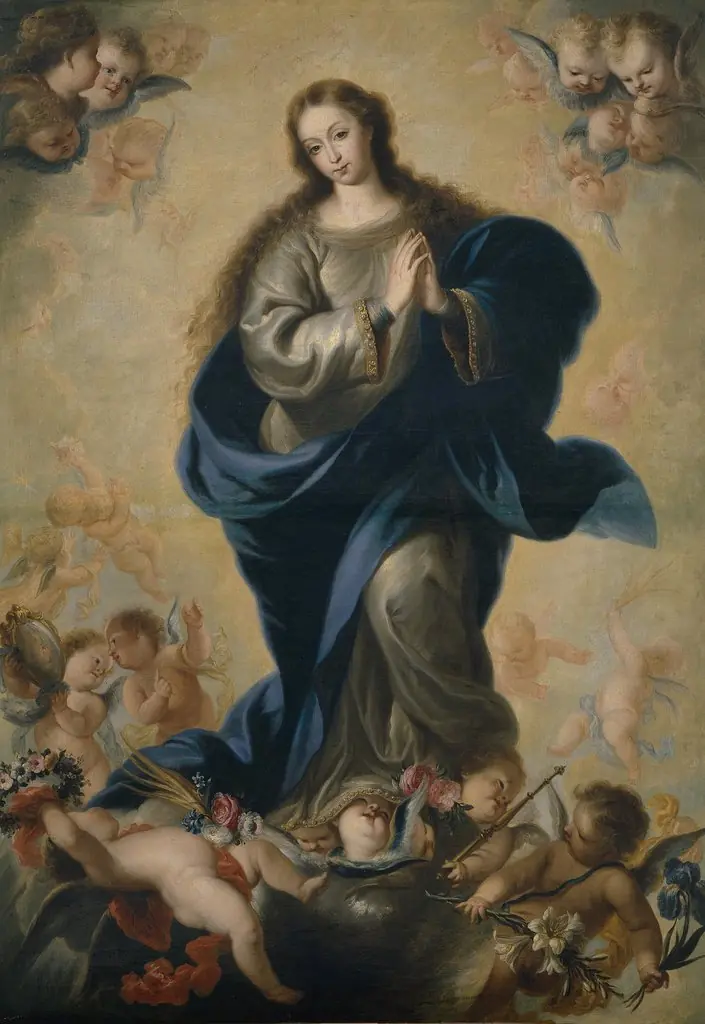 The Immaculate Conception
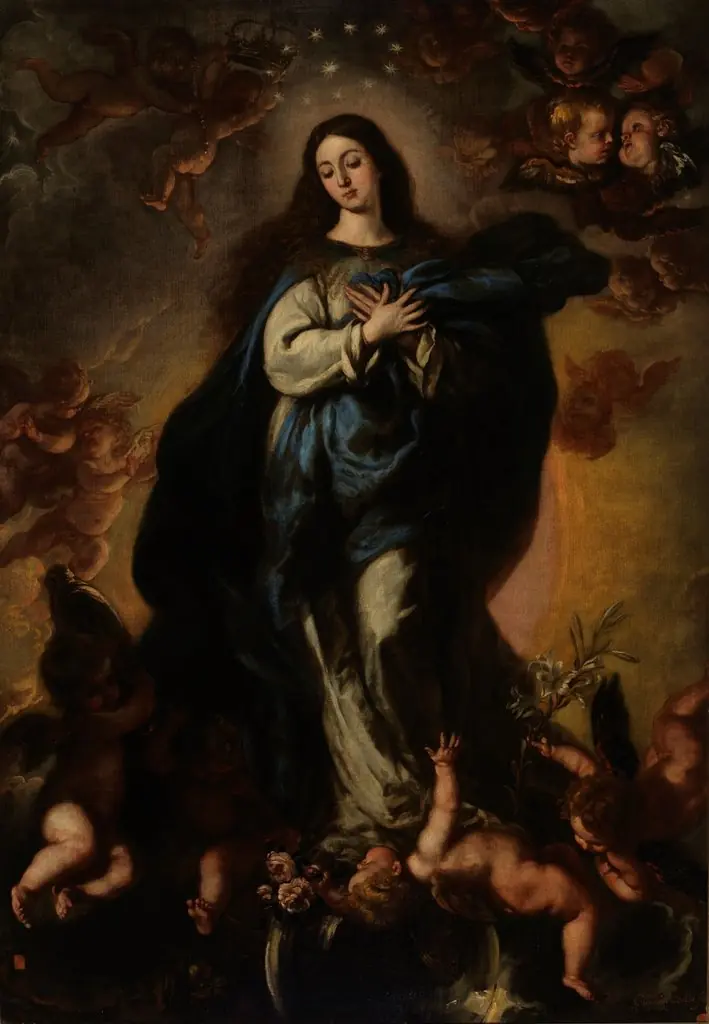 The Immaculate Conception
 The Immaculate Conception
 The Immaculate Conception
 The Immaculate Conception
 The Immaculate Conception
 The Immaculate Conception
 The Immaculate Conception
 The Immaculate Conception
 The Immaculate Conception
 The Immaculate Conception