Artwork
The Immaculate Conception
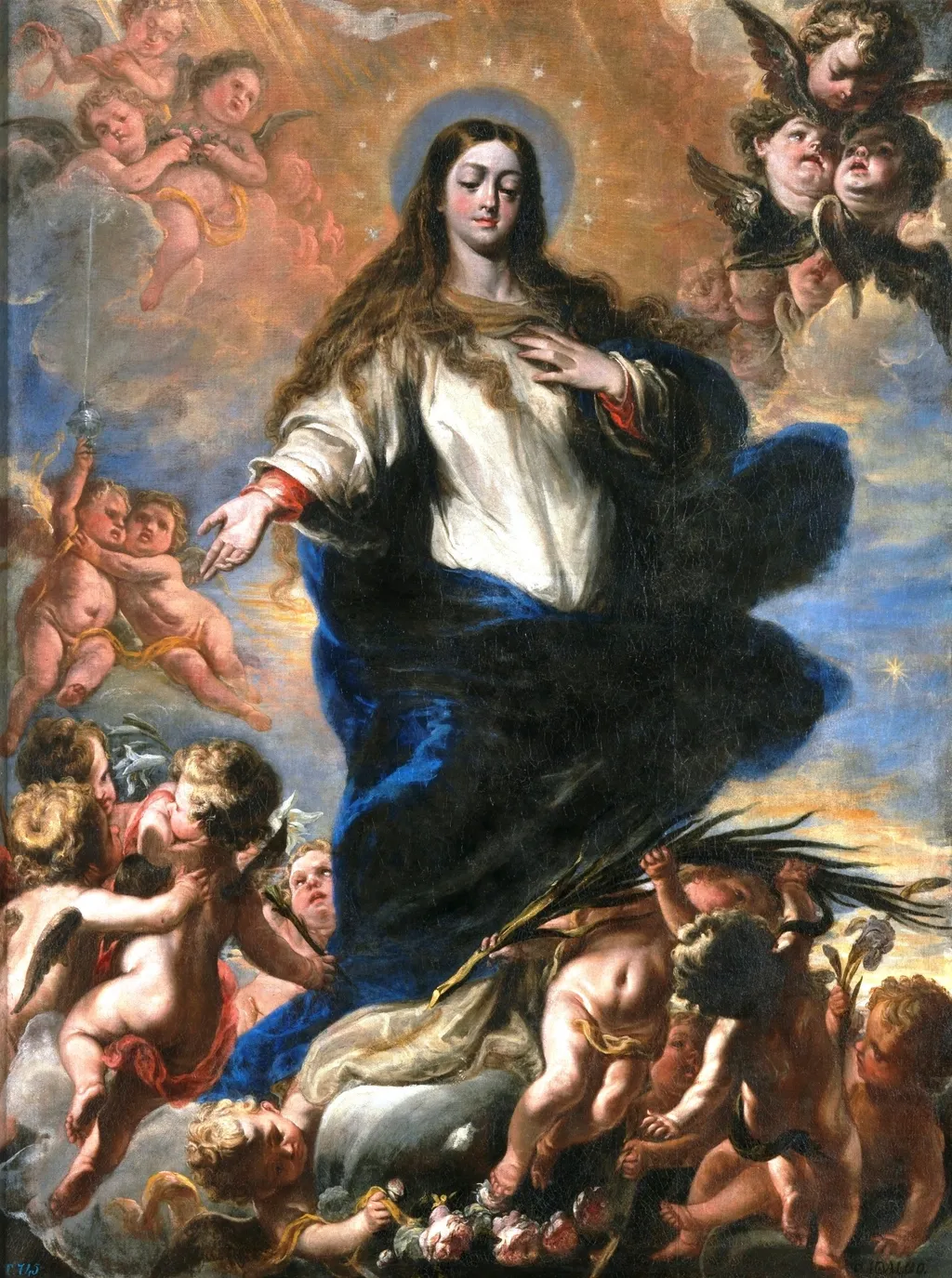
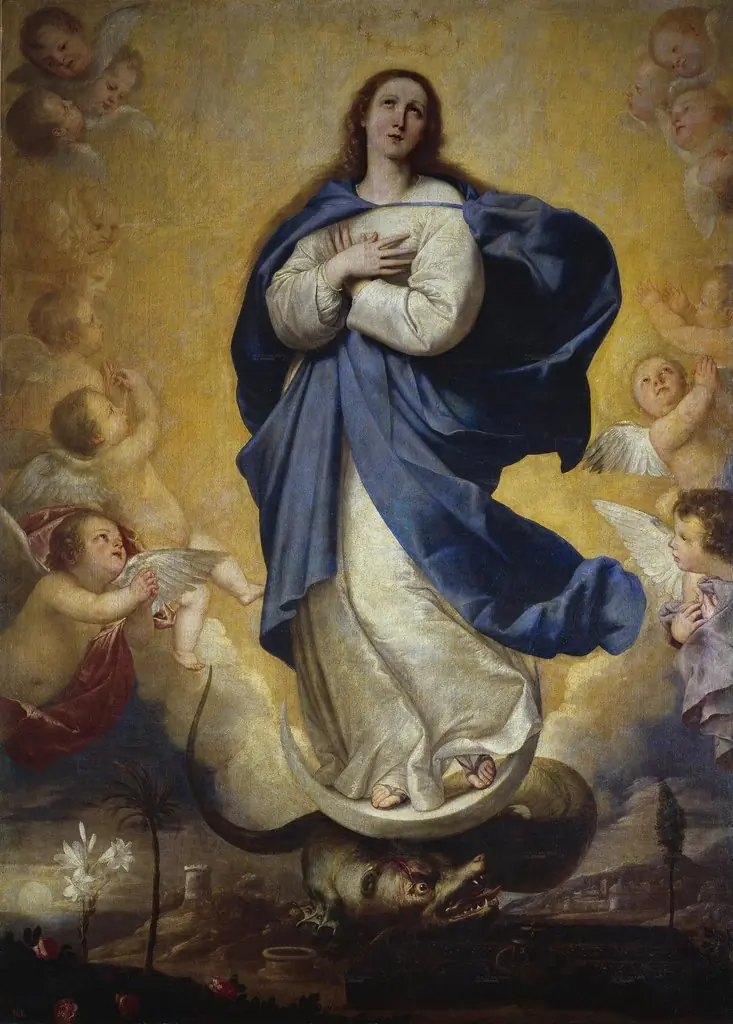
The Immaculate Conception is an oil painting by the Early Baroque Italian artist José García Hidalgo. It dates from 1601 and is held in the collection of the Museo del Prado.
About this work
Subject & Meaning
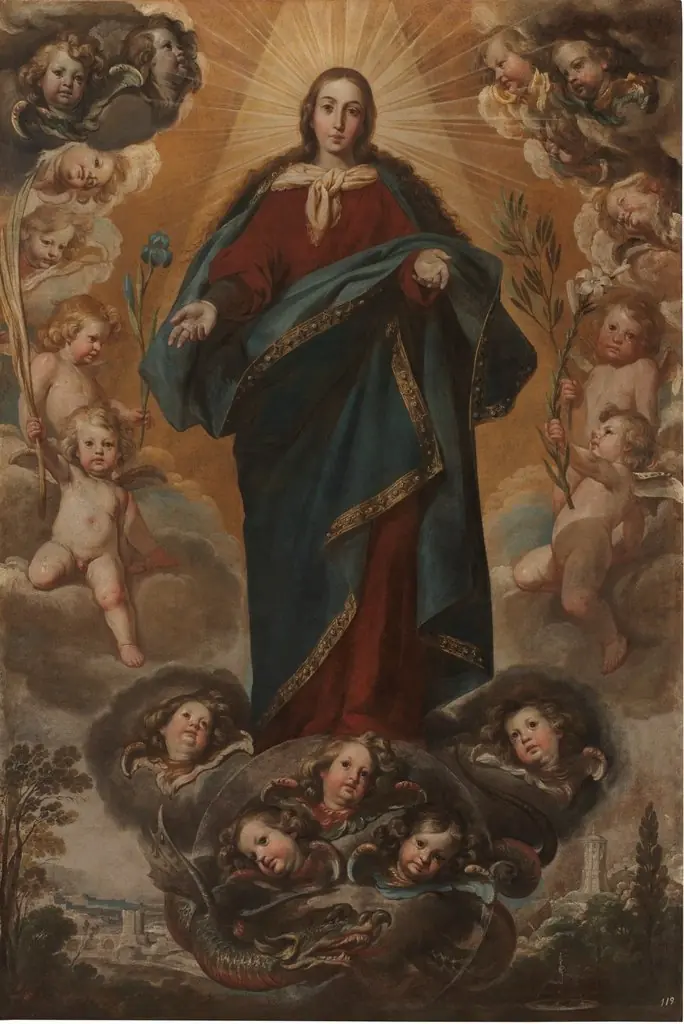
The work depicts the Immaculate Conception of Mary, a central theme in religious art representing the belief in Mary's conception without original sin.
The work depicts the Immaculate Conception of Mary, a central theme in religious art representing the belief in Mary's conception without original sin. As the main subject, the Virgin Mary is portrayed in accordance with traditional iconography associated with this specific dogma. The painting serves as a visual expression of Catholic devotion, utilizing the medium of oil on canvas to render the sacred figure.
Created by José García Hidalgo, the piece functions within the genre of religious art to communicate theological concepts regarding Mary's purity and divine role.
Technique & Style
The Immaculate Conception by José García Hidalgo is executed in oil paint on canvas, a standard support for Spanish religious painting of the period. The work measures 205 cm in height by 155 cm in width, giving it a substantial vertical format well suited to its devotional subject. Its classification as a religious painting aligns with the iconographic tradition of depicting the Immaculate Conception of Mary, a popular theme in Spanish Baroque art.
Sources give two inception dates, 1601 and 1650, leaving the precise moment of execution uncertain within the sources provided. No information is available regarding the painting's condition, handling, or specific stylistic qualities beyond its medium and genre classification.
History & Provenance
The painting titled The Immaculate Conception was created by the artist José García Hidalgo. While one internal record lists the date of creation as 1601, Wikidata provides a more specific inception year of 1650. The work was executed in oil paint on canvas and depicts the Immaculate Conception of Mary.
Regarding its ownership history, the artwork was formerly part of the collection of the Museo de la Trinidad. It is currently held in the collection of the Museo del Prado, where it remains located.
The painting The Immaculate Conception by José García Hidalgo is housed in the Museo del Prado. It entered the collection under the inventory number P00968628. The work has been part of several exhibitions at the Prado, including a 1995 retrospective on Spanish Baroque painting and a 2005 display of religious works from the museum’s storerooms.
Context
José García Hidalgo painted The Immaculate Conception in 1601, an oil on canvas work portraying the Immaculate Conception of Mary. The painting measures 205 cm in height and 155 cm in width and belongs to the religious genre. It is held in the collections of the Museo del Prado and the Museo de la Trinidad, with its primary location at the Museo del Prado.
The work is recognized within religious art and forms part of the broader corpus of early Spanish Baroque religious painting. Scholarship situates it within García Hidalgo's devotional output and the devotional practices surrounding Marian imagery in Counter-Reformation Spain. Its composition and iconography have been analyzed in relation to contemporary Spanish artistic conventions for depicting Marian miracles.
Legacy
The Immaculate Conception by José García Hidalgo, painted in 1601, has been recognized as a significant religious work within Spanish Baroque art. Its composition and iconography contributed to later devotional imagery in Spanish religious art, influencing subsequent interpretations of the Immaculate Conception theme. The painting is housed in the Museo del Prado and Museo de la Trinidad, where it remains part of their collections.
Overview
Created in 1601 by the Spanish artist José García Hidalgo, known as El Castellano, this oil painting portrays the Catholic doctrine of the Immaculate Conception. The work is part of the early Baroque tradition that emerged in Italy and is presently housed in Madrid’s Museo del Prado.
Own this work as a print
Artist & collection
Artist
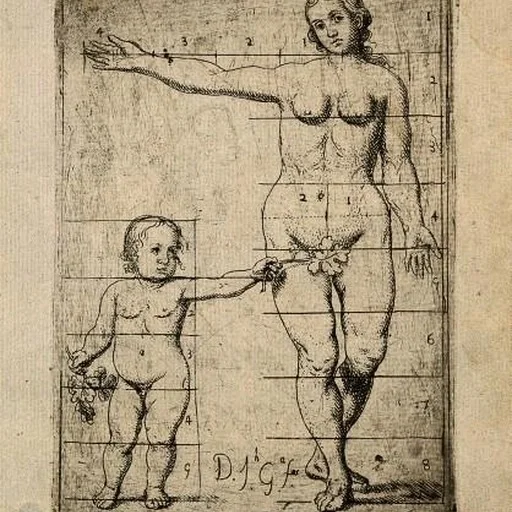
José García Hidalgo (1645 or 1646 – 1717 or 1719) was a Spanish painter, who wrote notes of his life, but omitted to state where and when he was born.

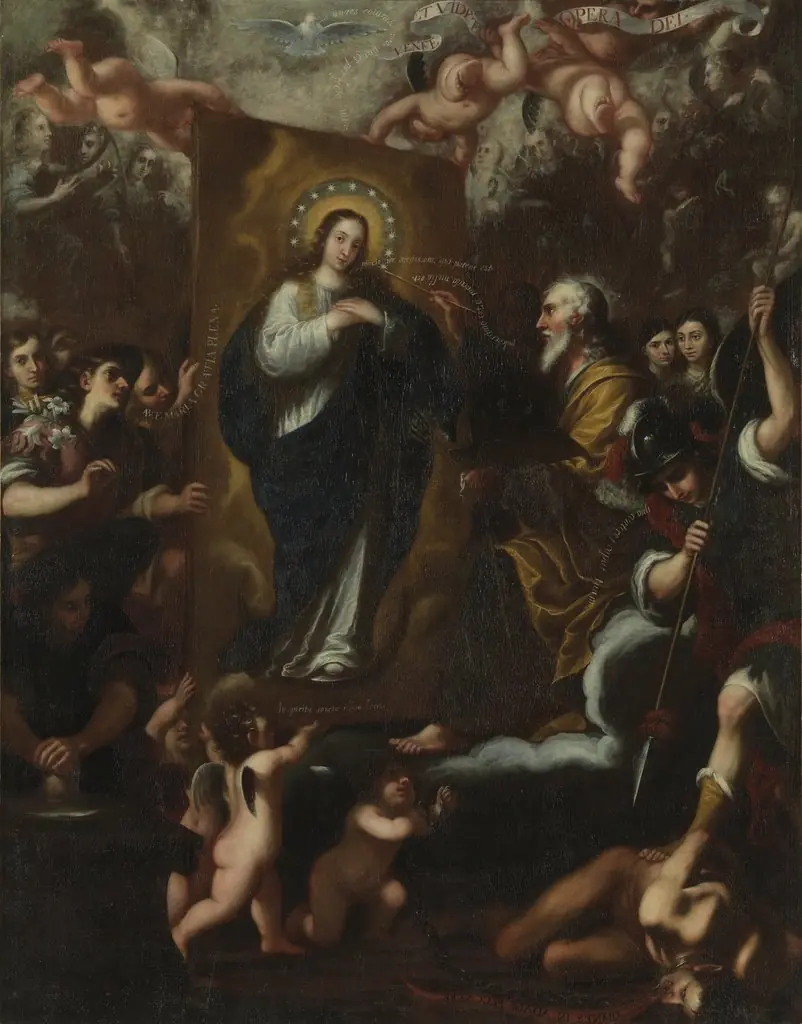 God the Father painting the Immaculate Conception
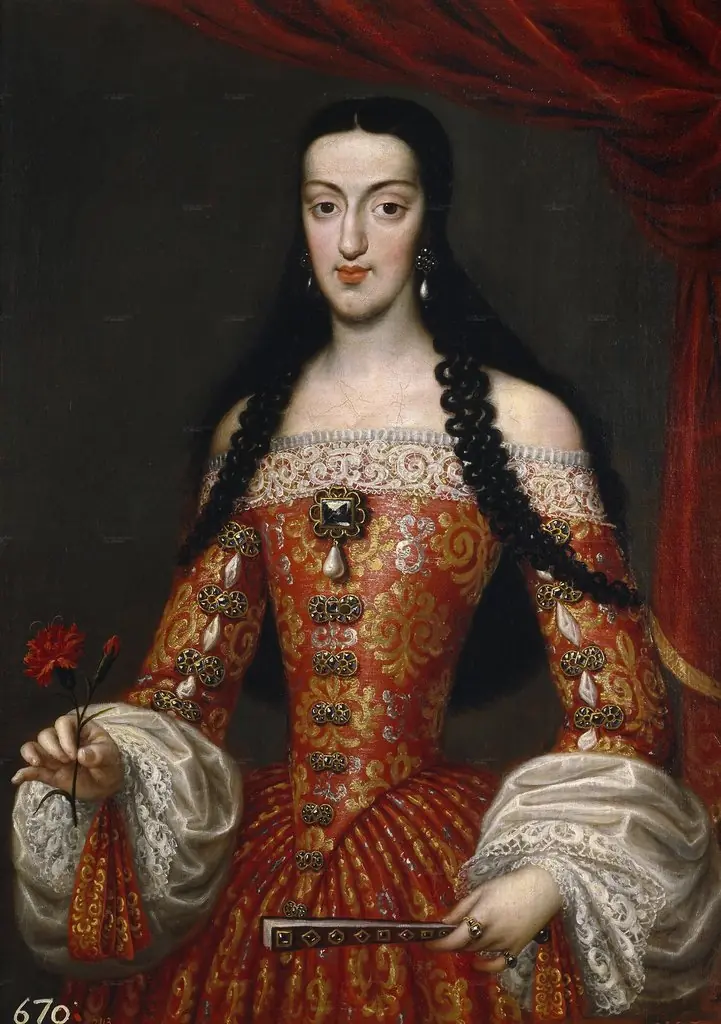 Mary Louise of Orleans, queen of Spain
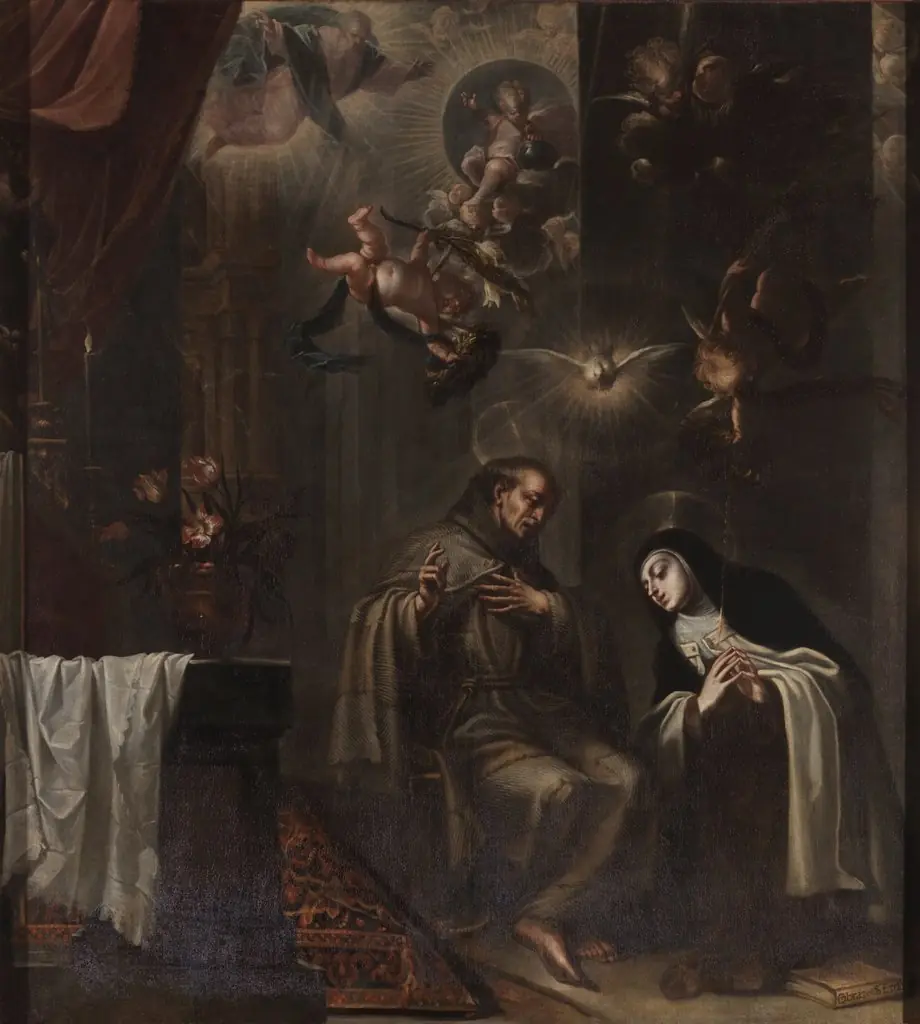 San Pedro de Alcántara confesando a Santa Teresa
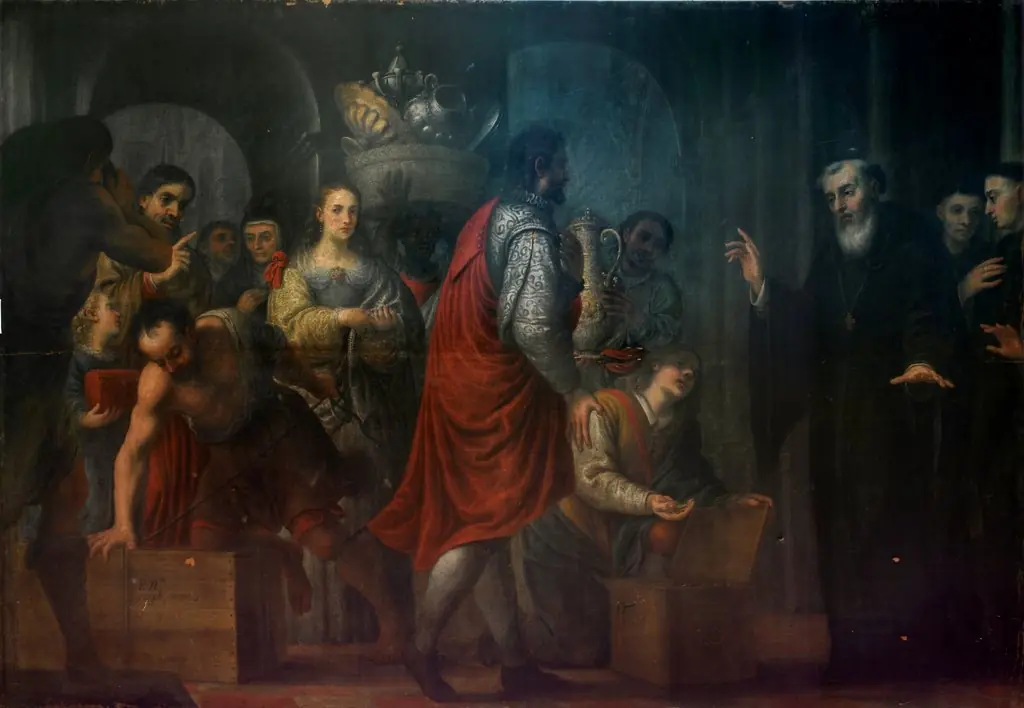 San Agustín recibiendo donaciones de los ricos para entregarlas a los pobres
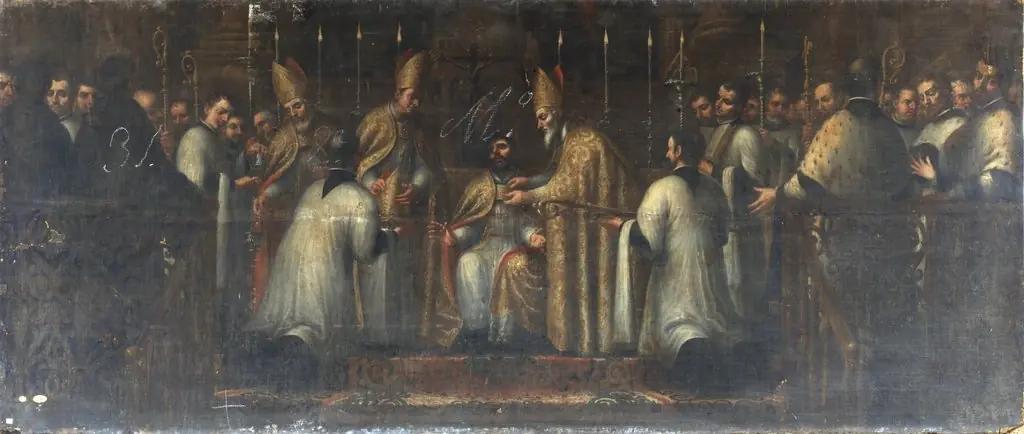 San Agustín discutiendo con el maniqueo Fortunato
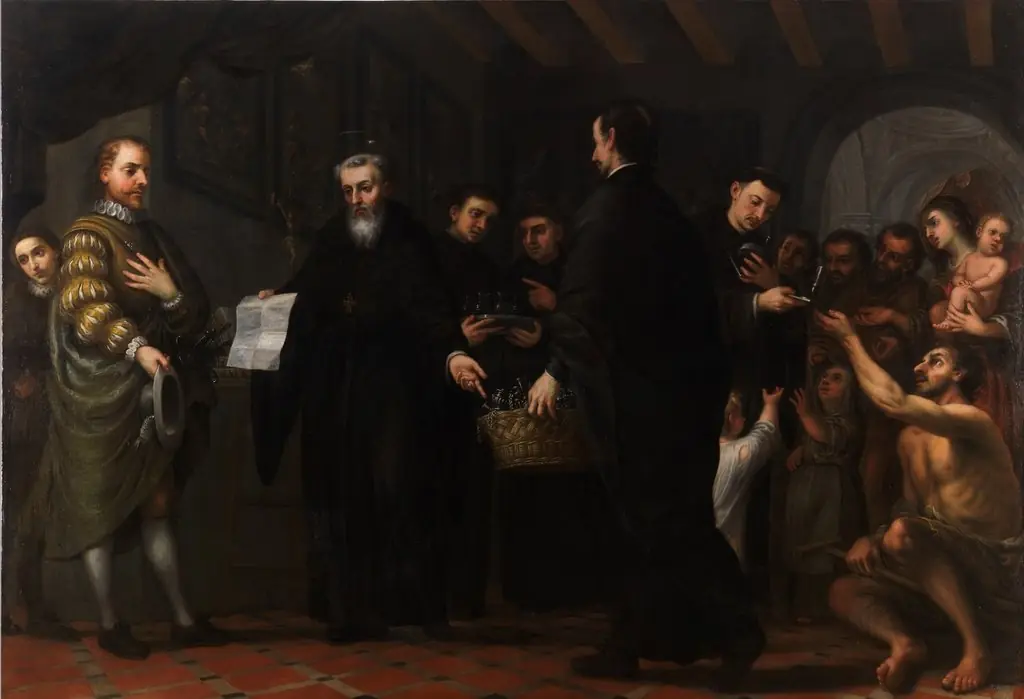 San Agustín repartiendo los bienes de los ricos entre los pobres
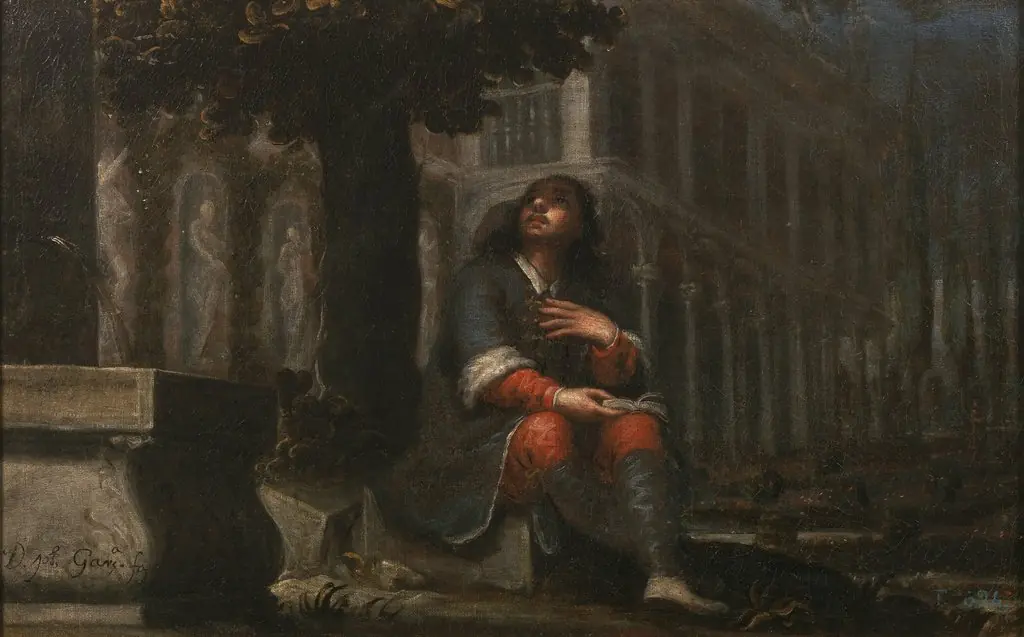 Conversion of Saint Augustin
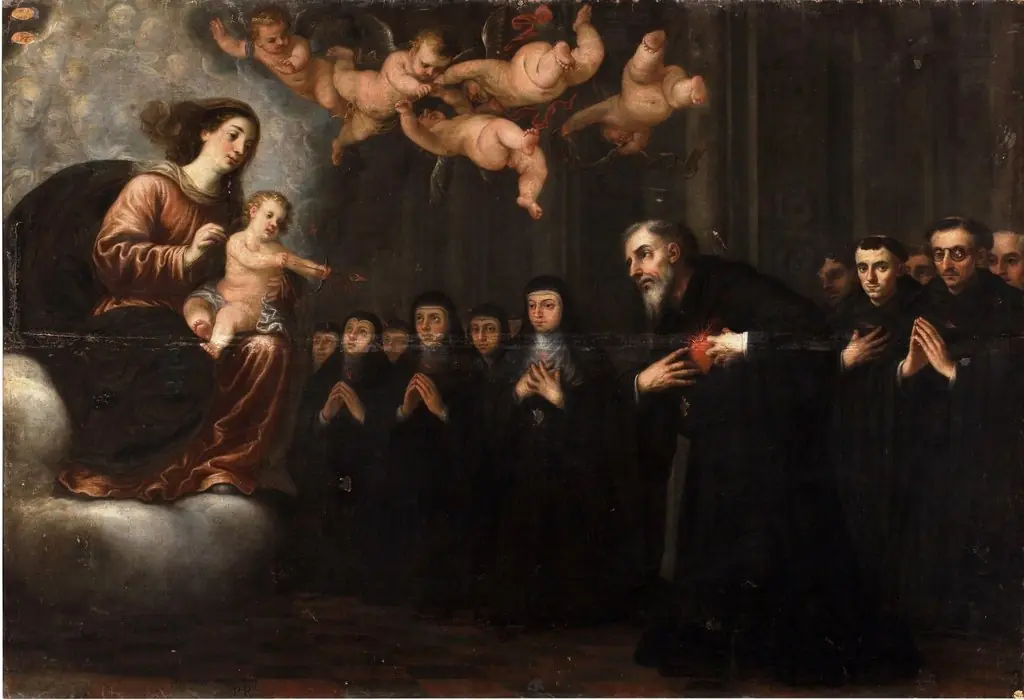 La Virgen y el Niño transverberando el corazón a San Agustín ante la comunidad de agustinos
- The Immaculate Conception
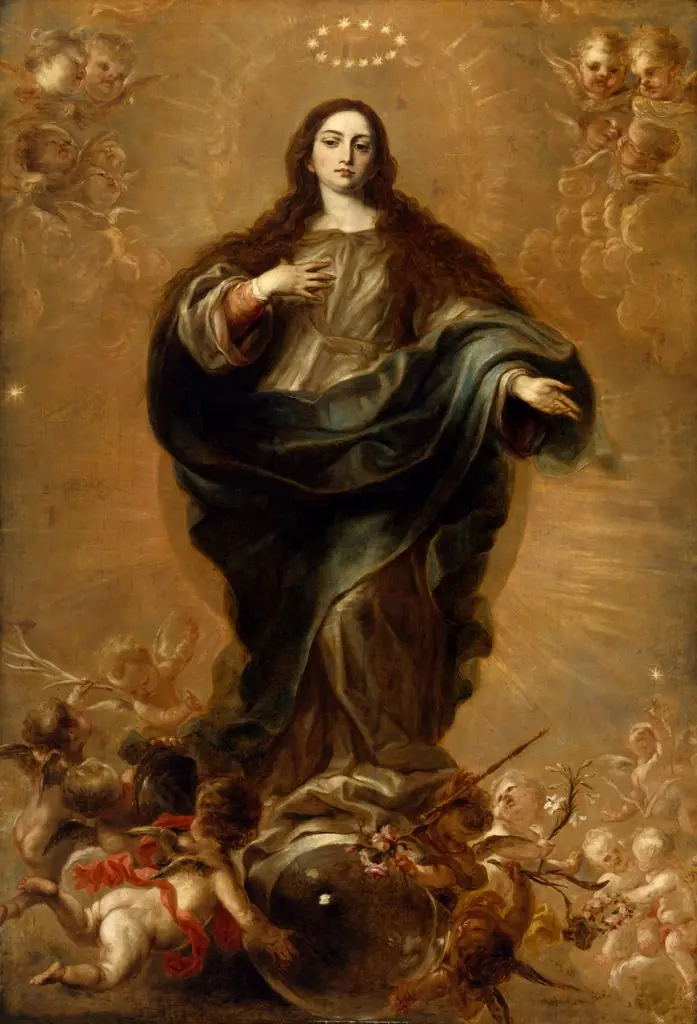 The Immaculate Conception
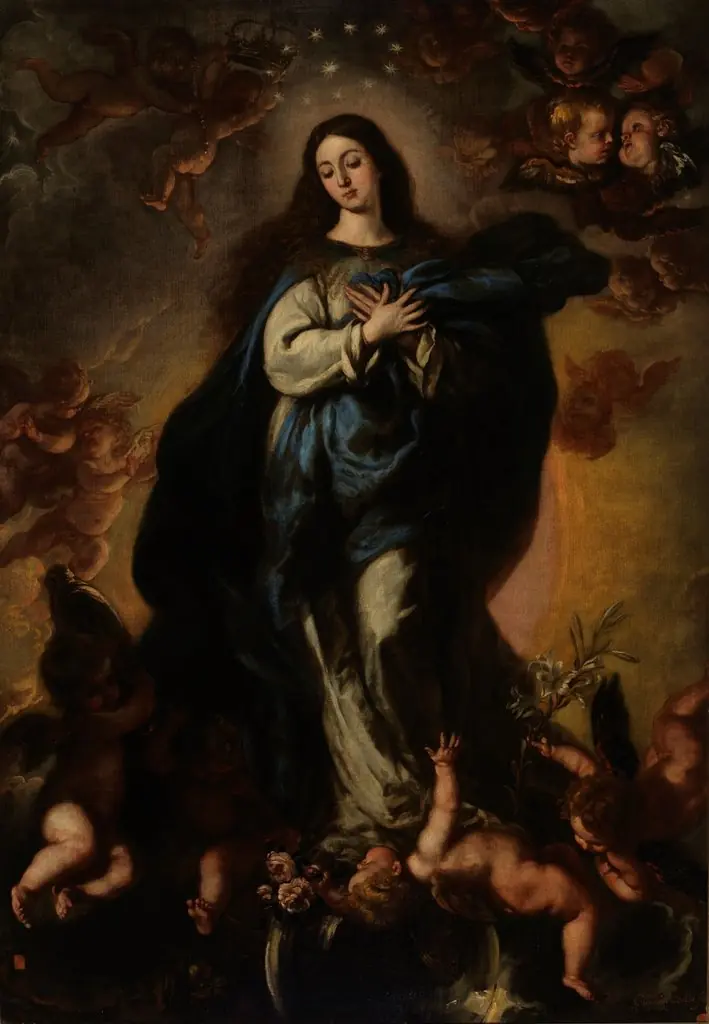 The Immaculate Conception
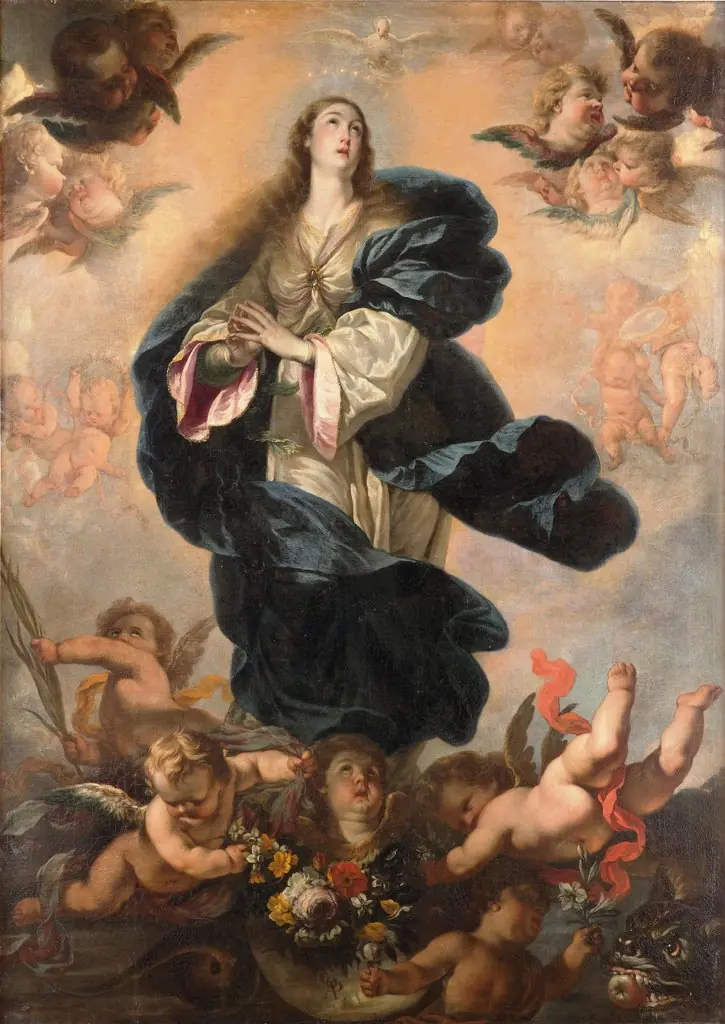 The Immaculate Conception
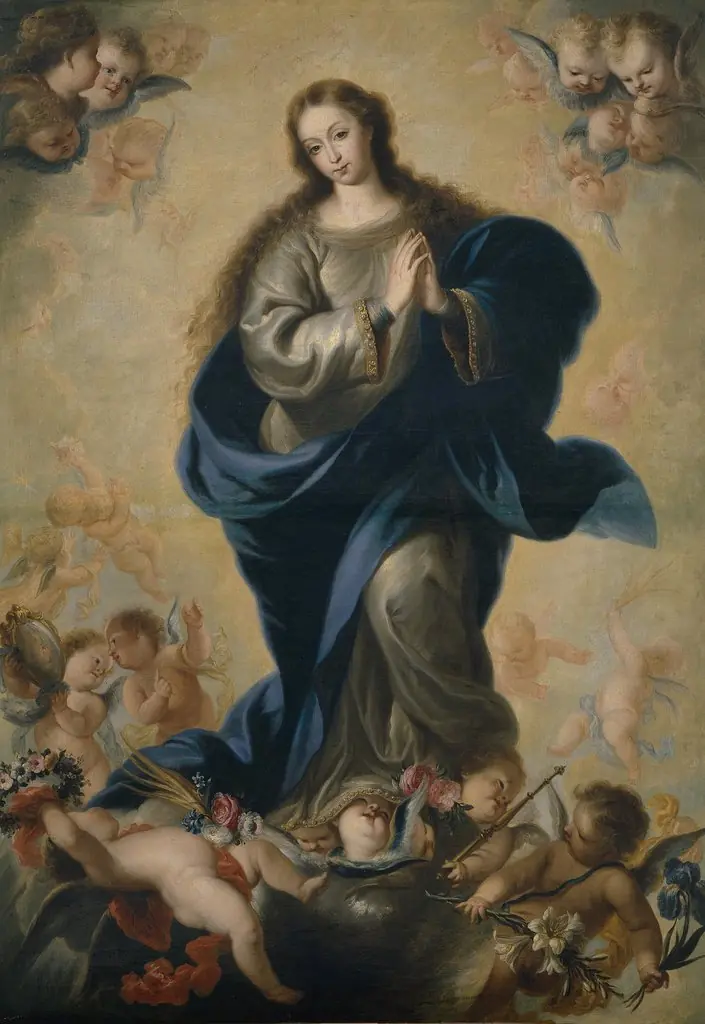 The Immaculate Conception
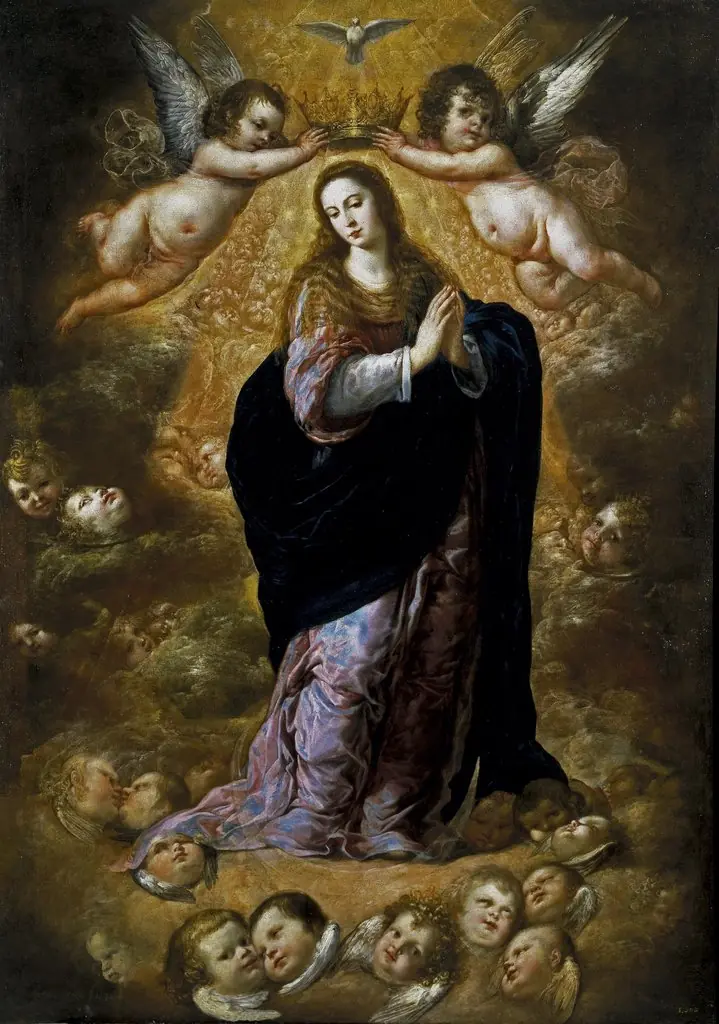 The Immaculate Conception
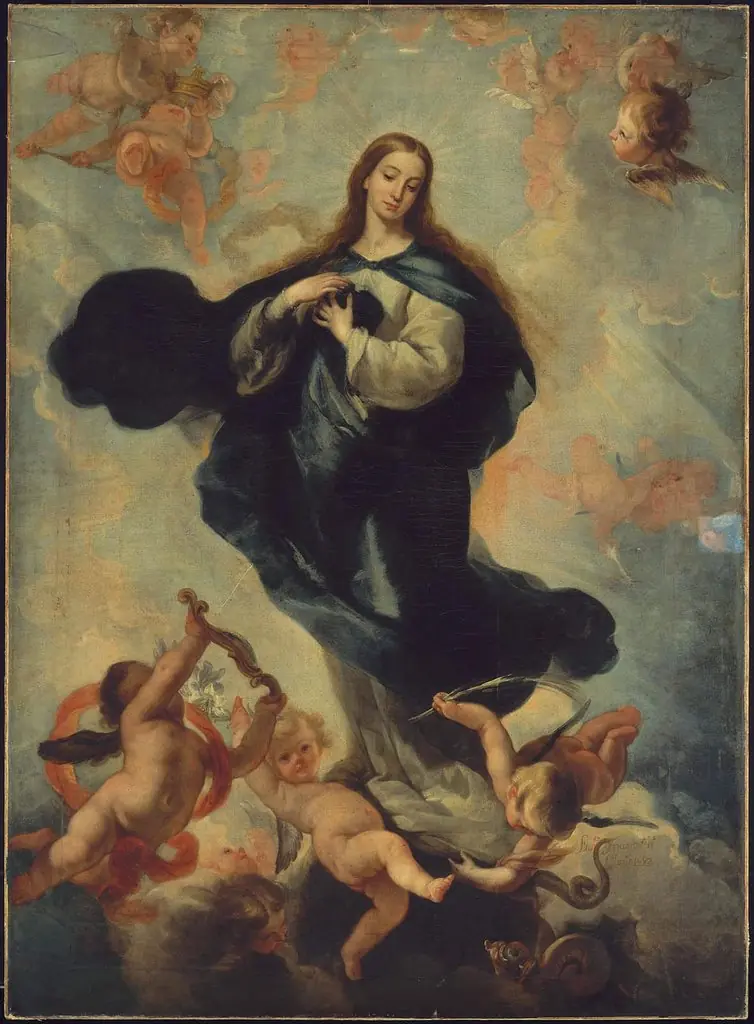 The Virgin of the Immaculate Conception
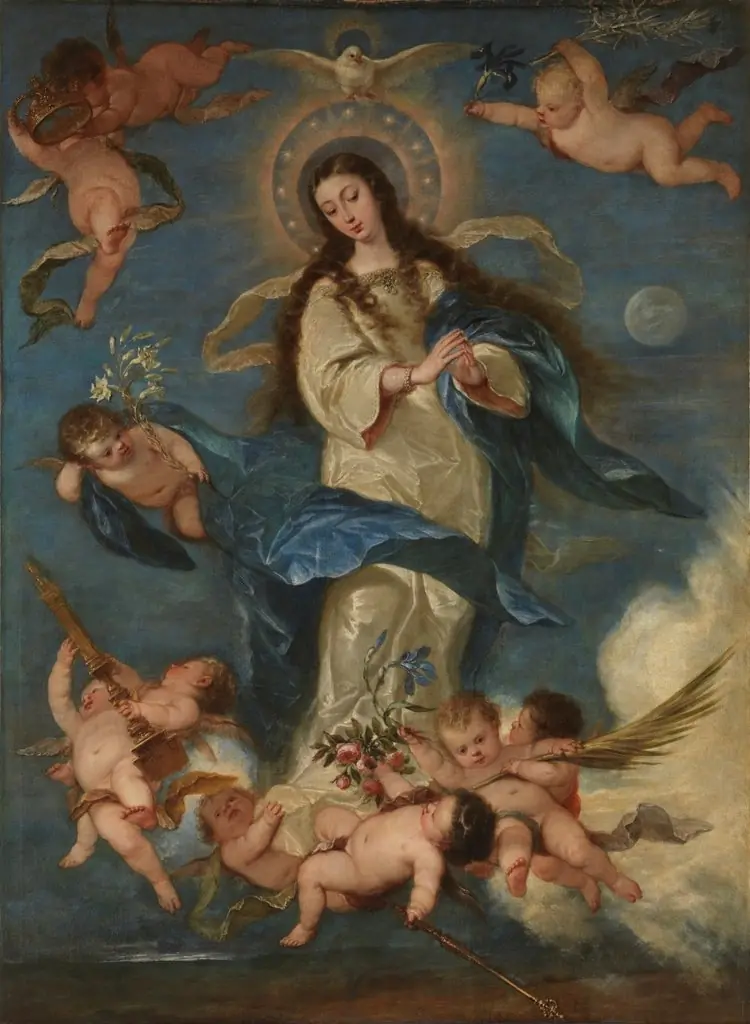 The Immaculate Conception
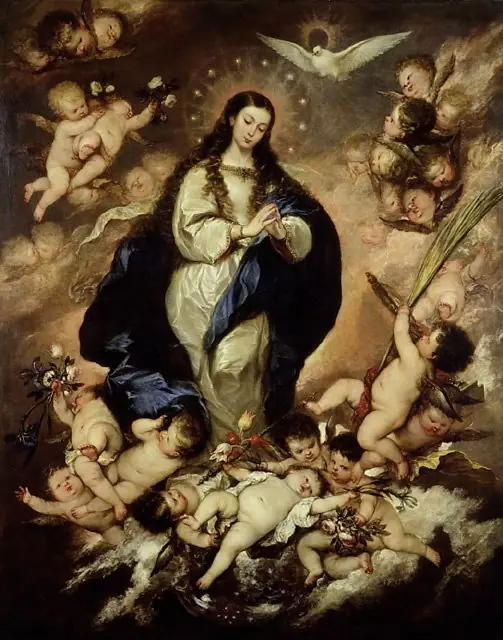 The Immaculate Conception
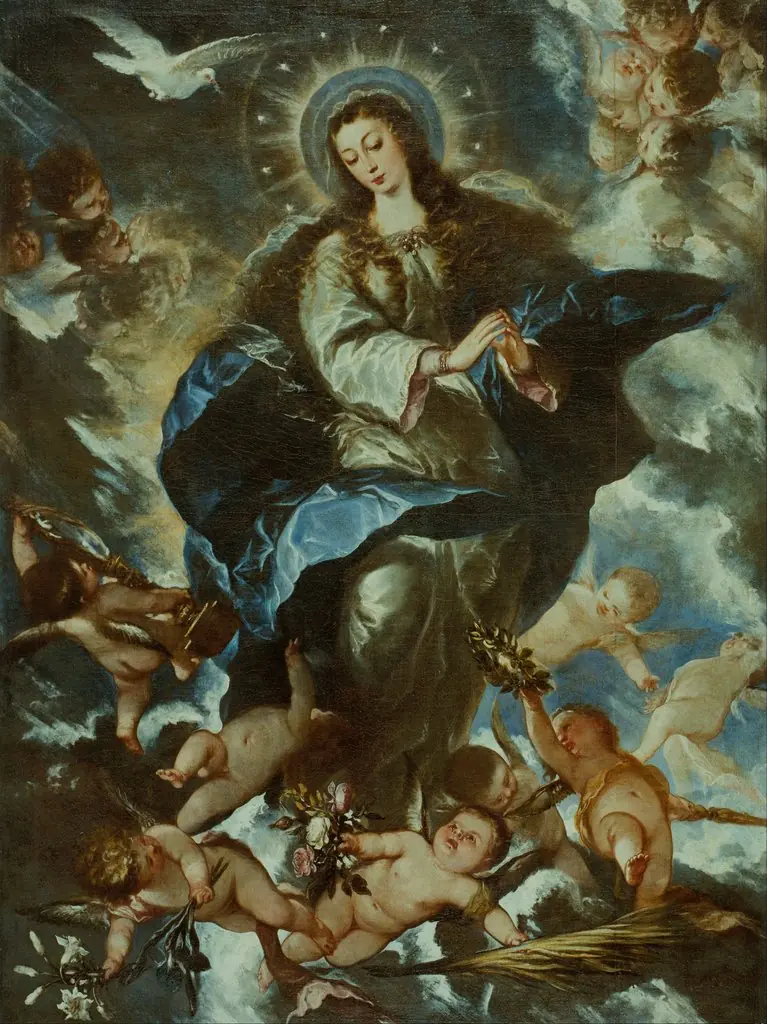 Immaculate Conception
 The Immaculate Conception
 The Immaculate Conception