Artwork
San Bernardo Abad
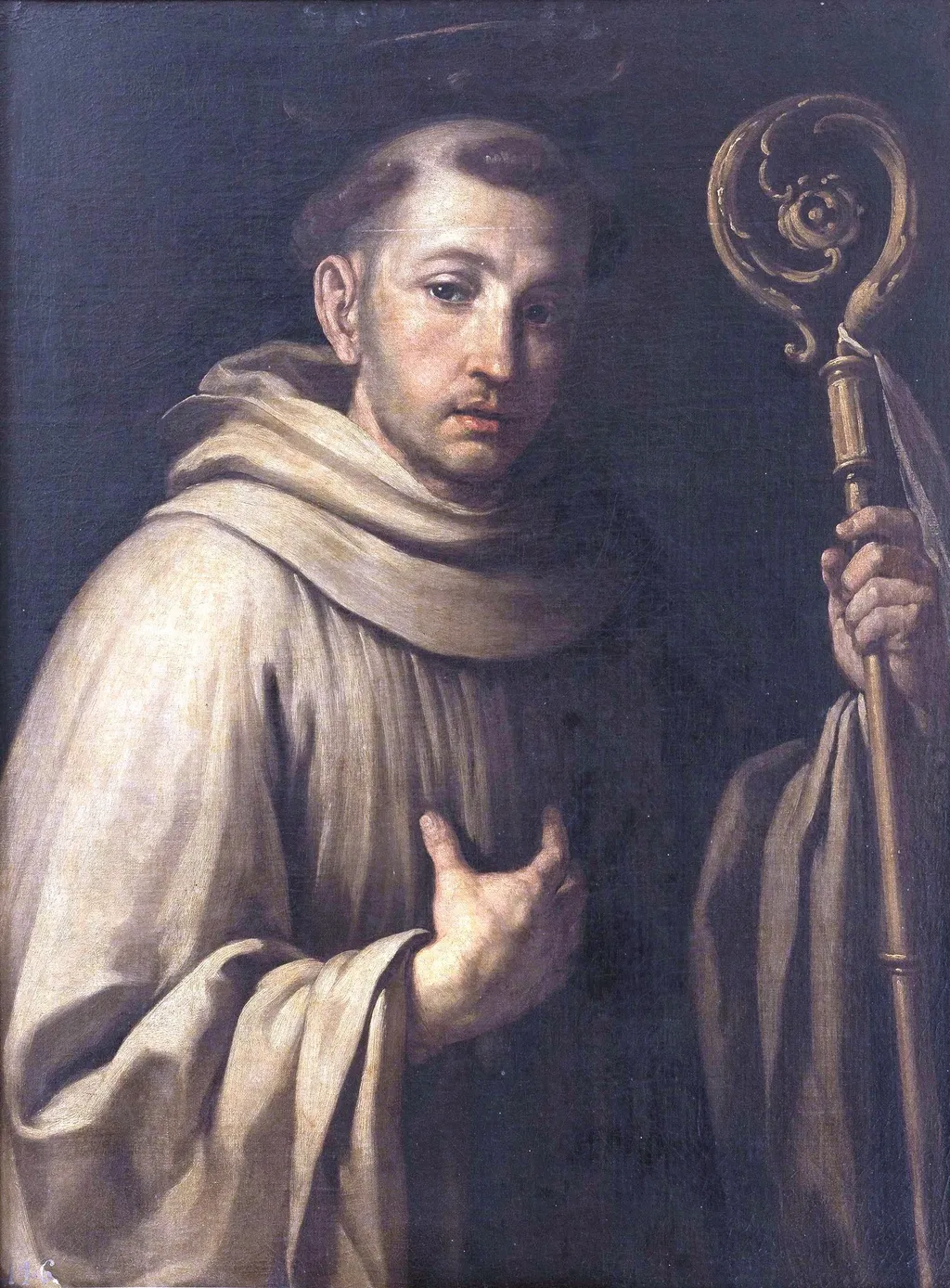
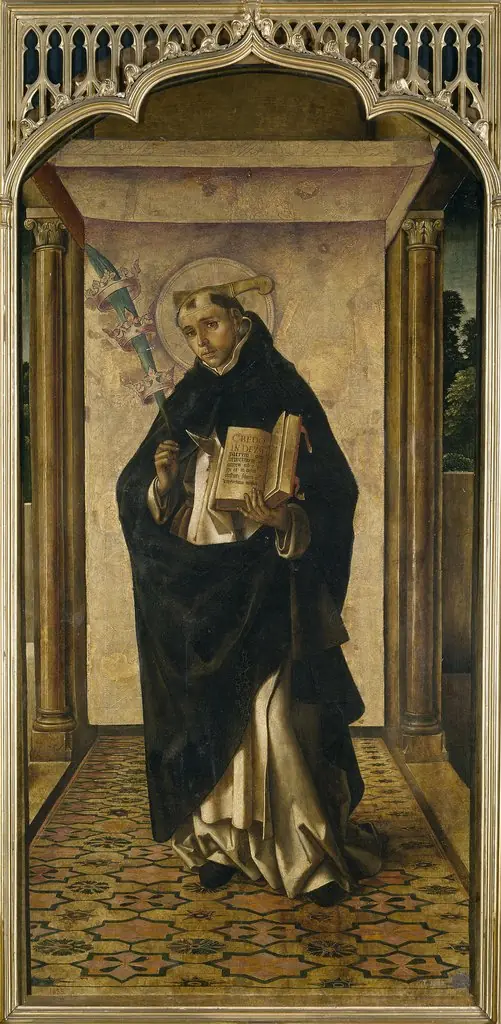
San Bernardo Abad is an oil painting by the Early Baroque Italian artist Antonio Palomino. It dates from 1601 and is held in the collection of the Museo del Prado.
About this work
Subject & Meaning
The painting portrays Bernard of Clairvaux, a prominent 12th-century Cistercian monk revered for his theological contributions and mystical writings.
The painting portrays Bernard of Clairvaux, a prominent 12th-century Cistercian monk revered for his theological contributions and mystical writings. As a central figure in Christian spirituality, Bernard symbolizes monastic devotion and doctrinal authority within the Catholic tradition. His depiction in this work reflects Counter-Reformation emphasis on saintly intercession and the veneration of religious orders, aligning with the devotional practices promoted by the Council of Trent. The composition underscores themes of contemplative piety and ecclesiastical influence, central to early Baroque religious art.
The artwork is part of the Museo del Prado collection and was created by Antonio Palomino in 1601, measuring 81 cm in height and 61 cm in width.
Technique & Style
San Bernardo Abad is executed in oil paint on canvas, a standard support for Palomino's religious compositions of this period. The work is a religious painting depicting Bernard of Clairvaux, classified within the corpus as a devotional image. Its modest dimensions, 81 cm in height by 61 cm in width, situate it as an intimate, small-scale panel rather than a large altarpiece, a format consistent with private devotion or a side chapel.
Stylistically, the painting belongs to the Spanish Baroque tradition associated with Palomino, whose handling of oil on canvas typically combined naturalistic modeling with the dramatic tonal contrasts characteristic of the era. The canvas support and oil medium allowed for the layered glazes and refined surface finish typical of late seventeenth-century Spanish religious painting, though specific condition notes are not documented in the available sources.
Overview
Antonio Palomino’s 1601 oil painting titled San Bernardo Abad portrays the Cistercian saint Bernard of Clairvaux. Executed in the early Baroque period, the work is housed in the Museo del Prado. The composition centers on a solitary figure in a modest brown habit, set against a dark backdrop that emphasizes his solemn expression.
History & Provenance
Although Palomino is better known for his later writings on Spanish artists, this early work demonstrates his engagement with religious subjects. Created in 1601, the painting entered the collection of the Museo del Prado, where it remains part of the museum’s representation of Spanish Baroque art.
Own this work as a print
Artist & collection
Artist
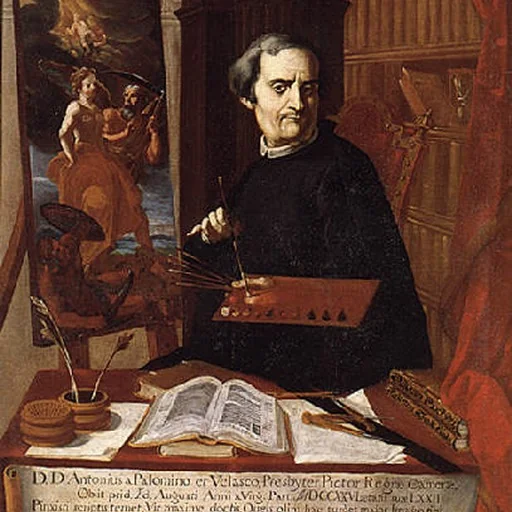
Acislo Antonio Palomino de Castro y Velasco (1655 – 13 April 1726) was a Spanish painter of the Baroque period, and a writer on art, author of El Museo pictórico y escala óptica, which contains a large amount of…

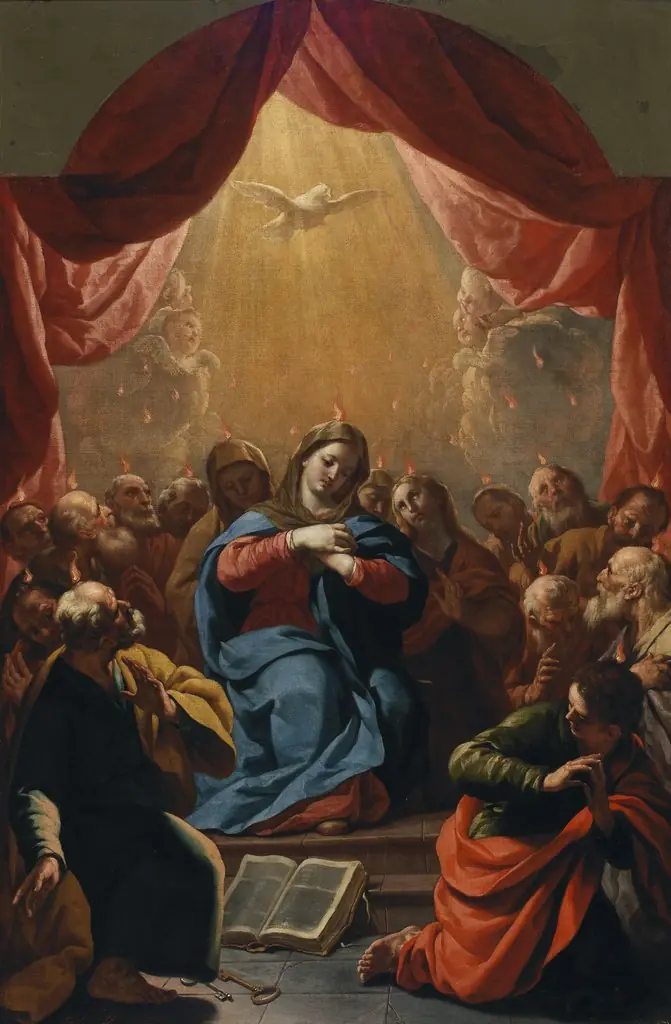
- Saint Dominic of Guzmán
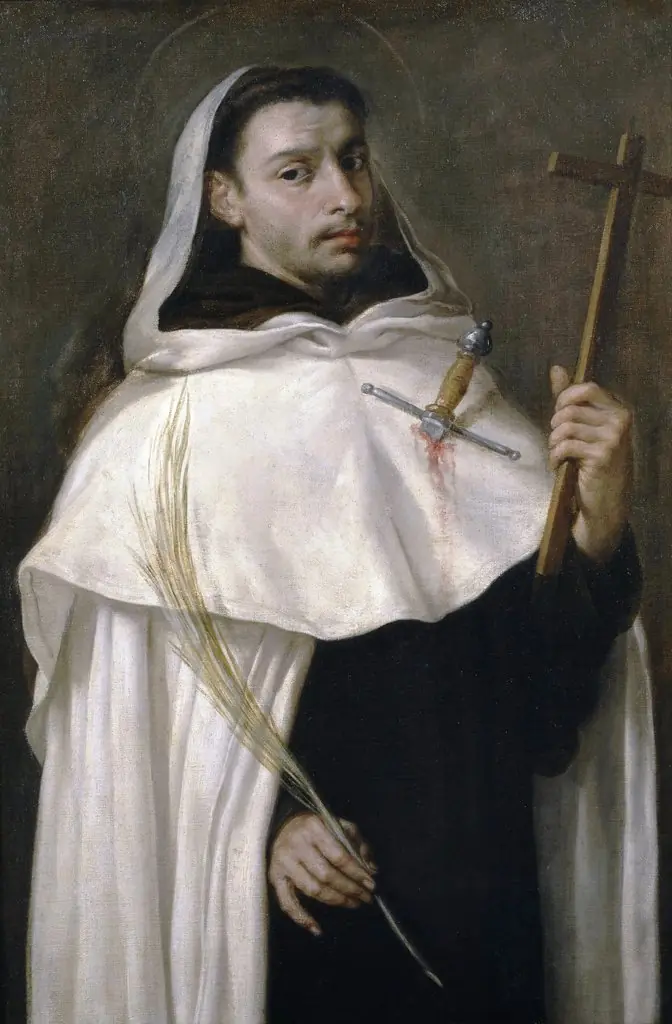 San Ángelo
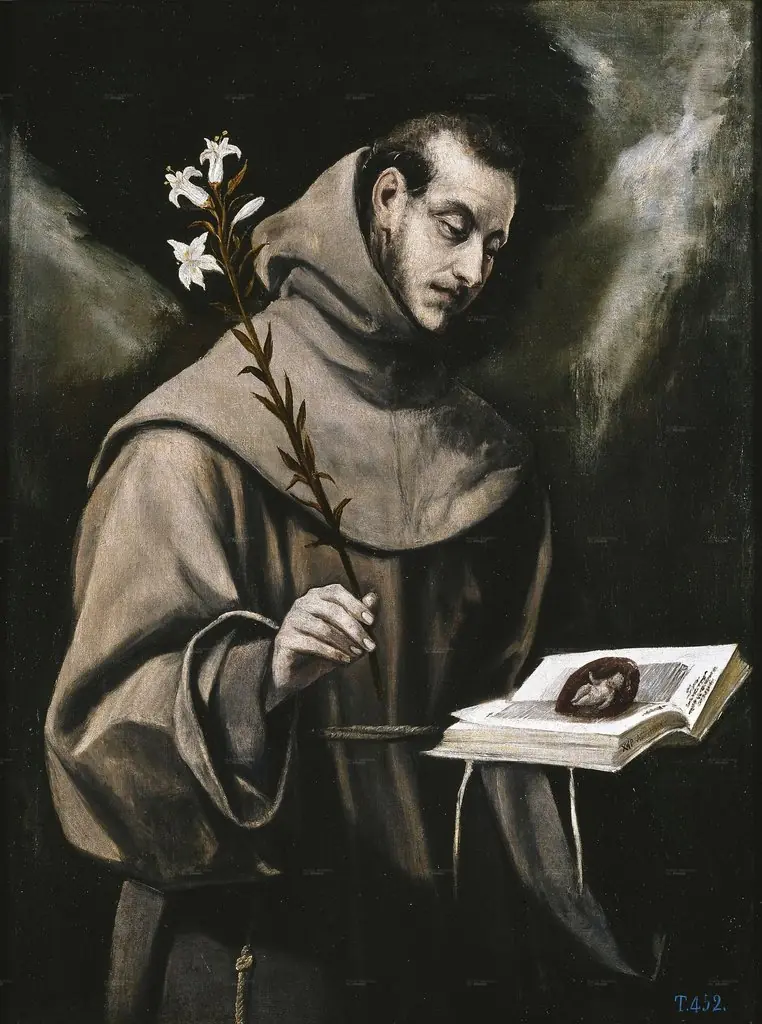 Saint Anthony of Padua
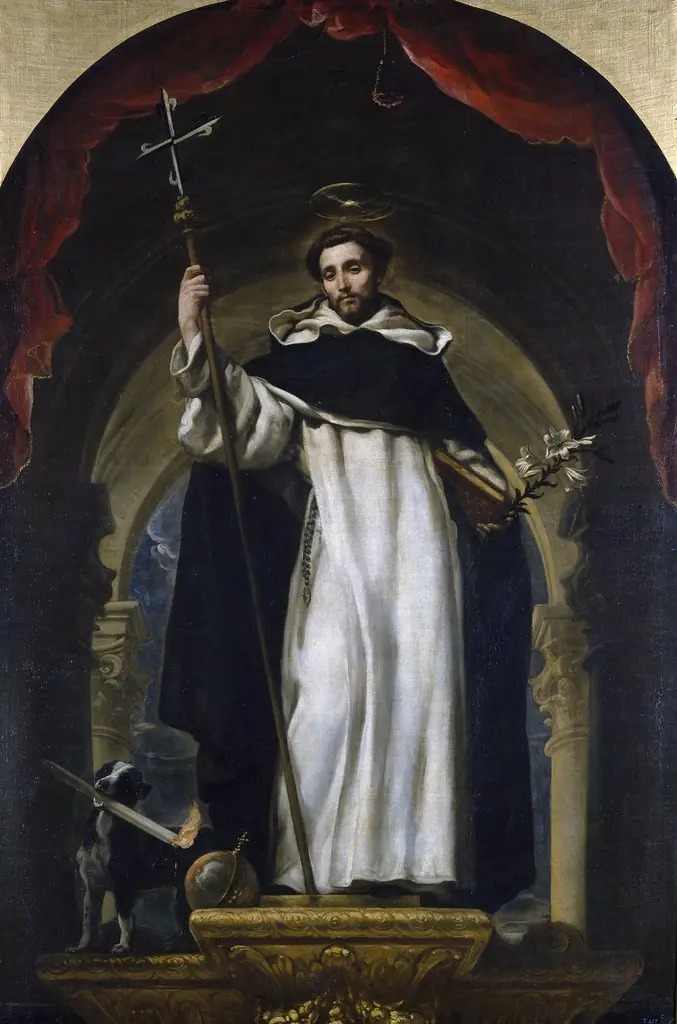 Saint Dominic of Guzmán
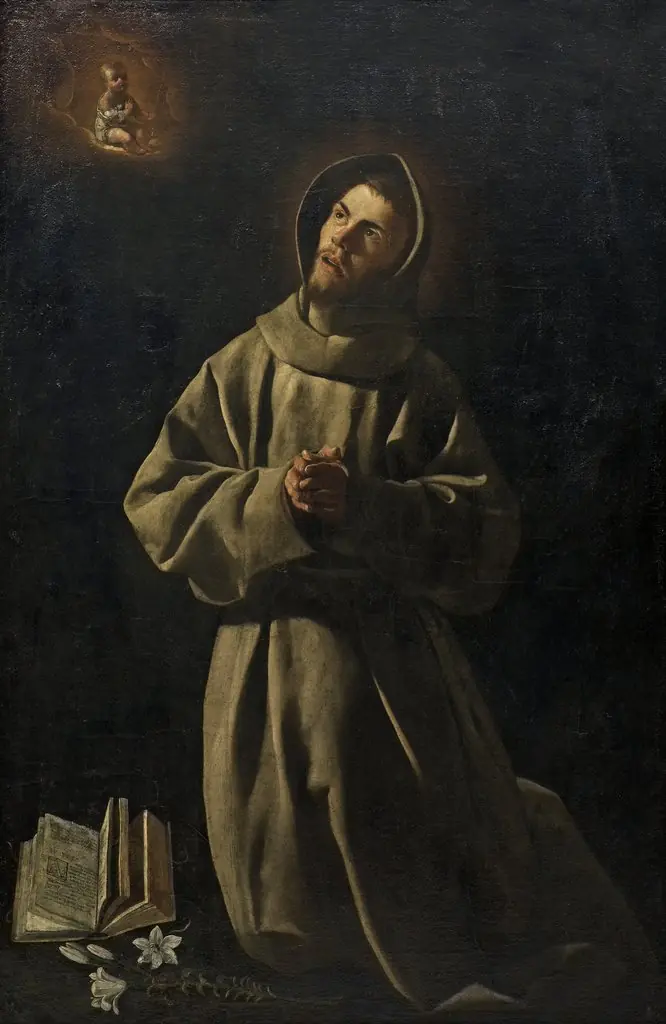 Apparition of the Child Jesus to Saint Anthony of Padua
![Saint Bernard with Donor [obverse], by Imitator of Flemish 15th Century](https://artifactworldgallery.com/img/imitator-of-flemish-15th-century--saint-bernard-with-donor-obverse--52b3aed0ca4160ff-w320.webp) Saint Bernard with Donor [obverse]
Saint Bernard with Donor [obverse]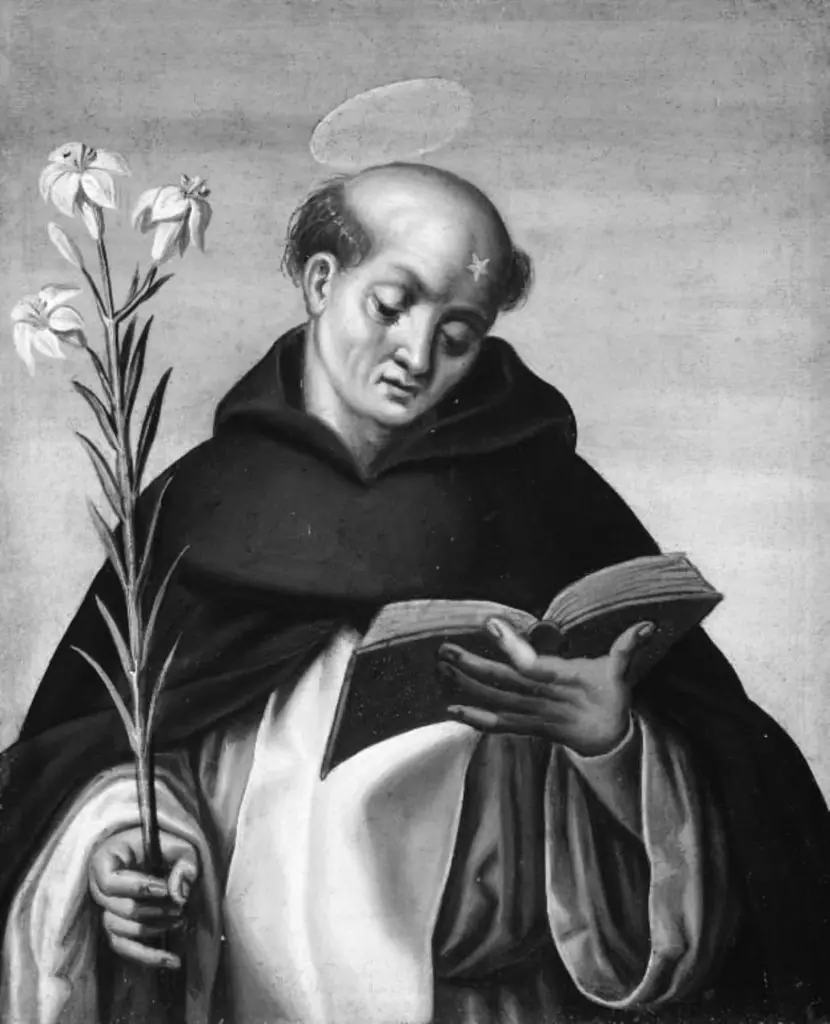 En helgen
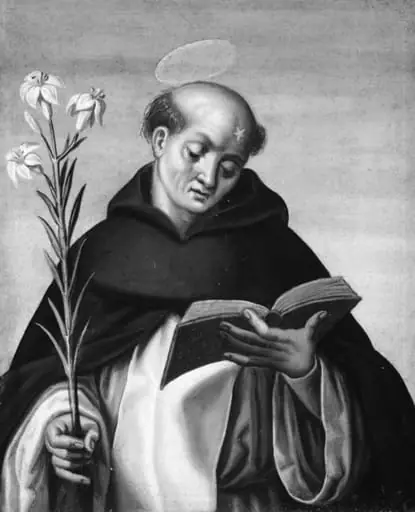 En helgen
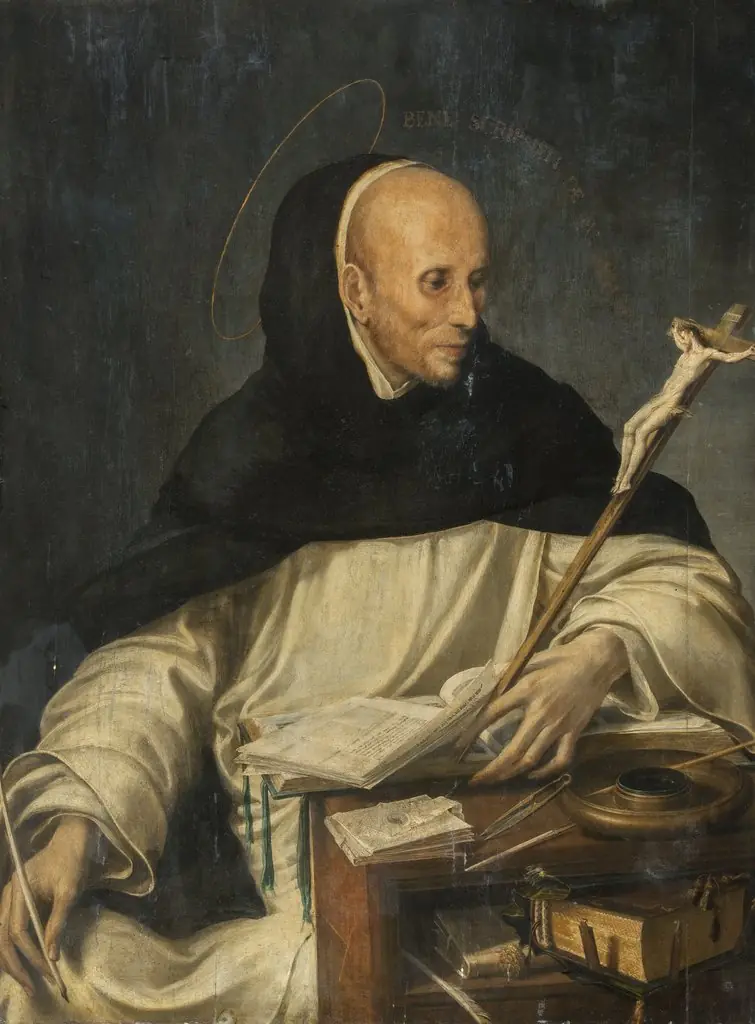 Portrait of friar, possibly Antonio Michele Ghislieri, as st. Thomas
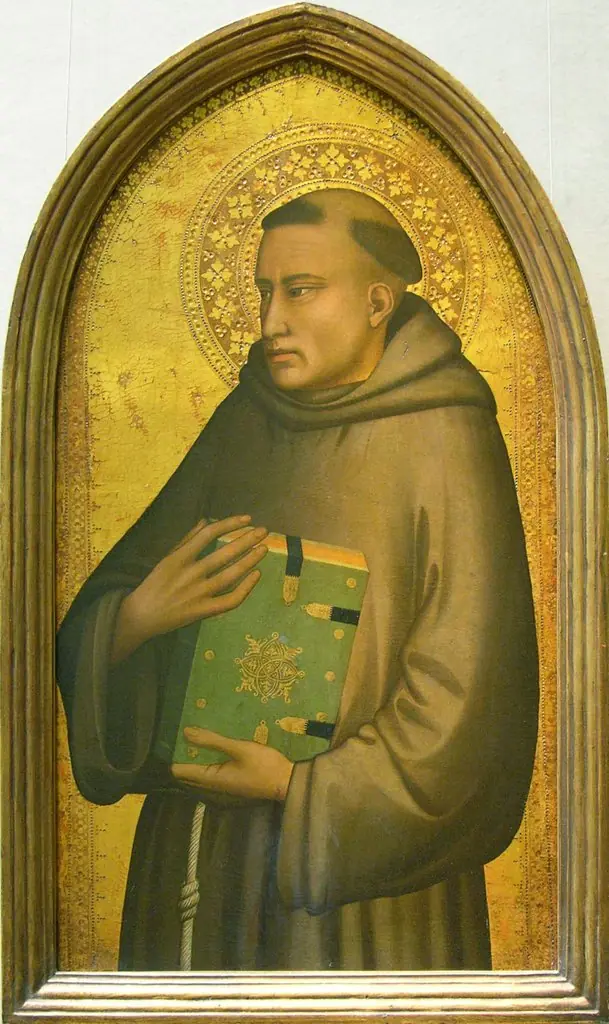 Saint Anthony of Padua
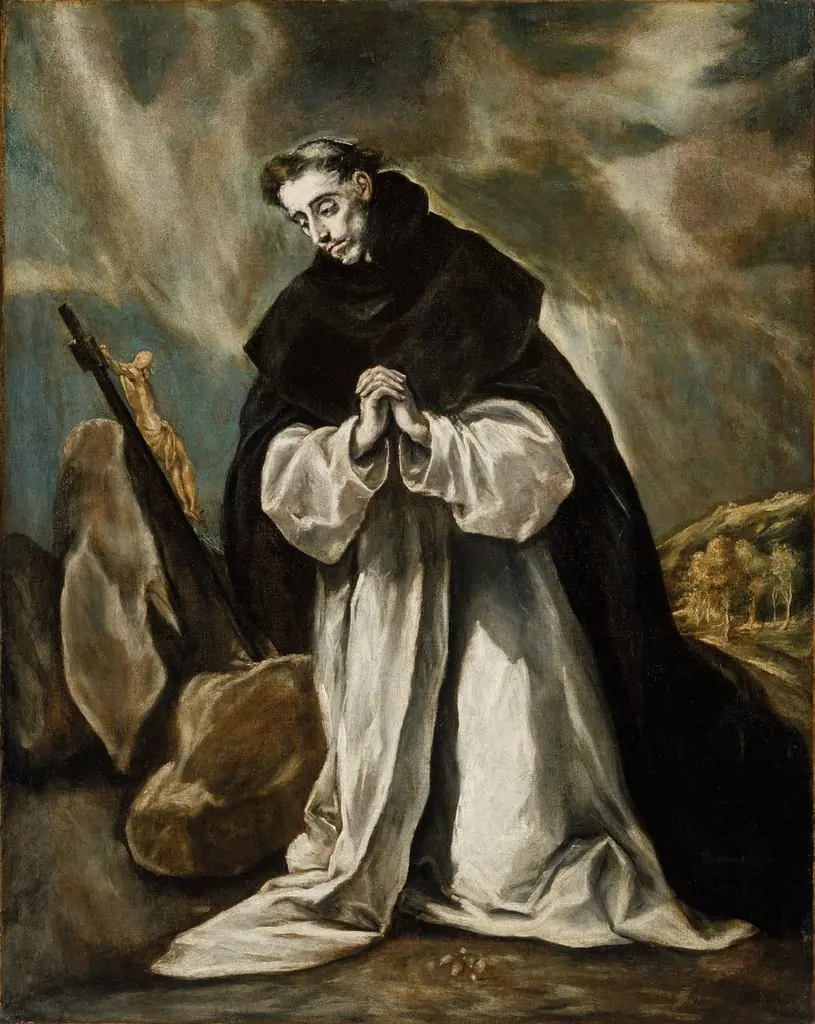 Saint Dominic in Prayer
 Saint Peter Martyr