Artwork
Pentecostés
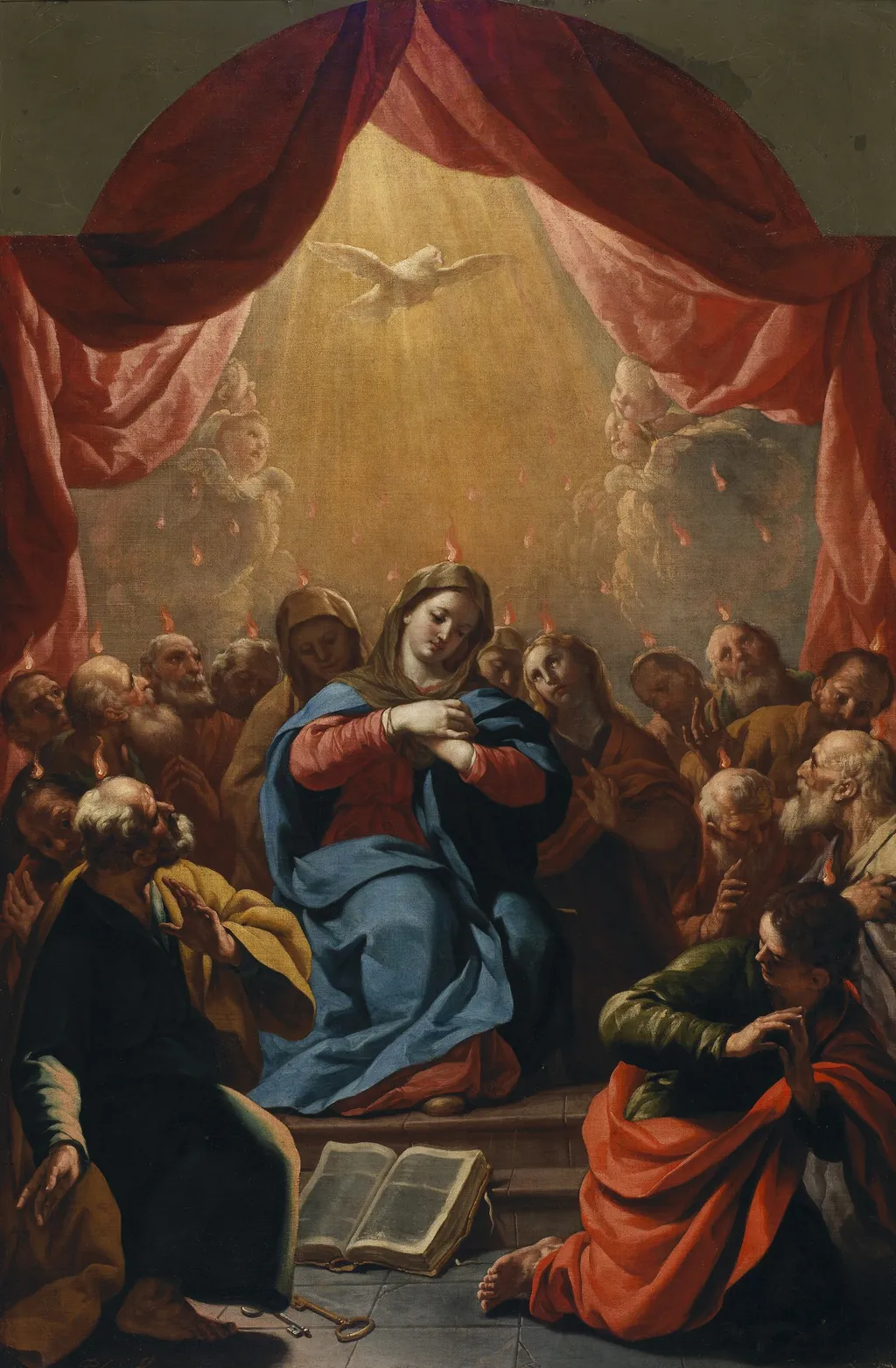
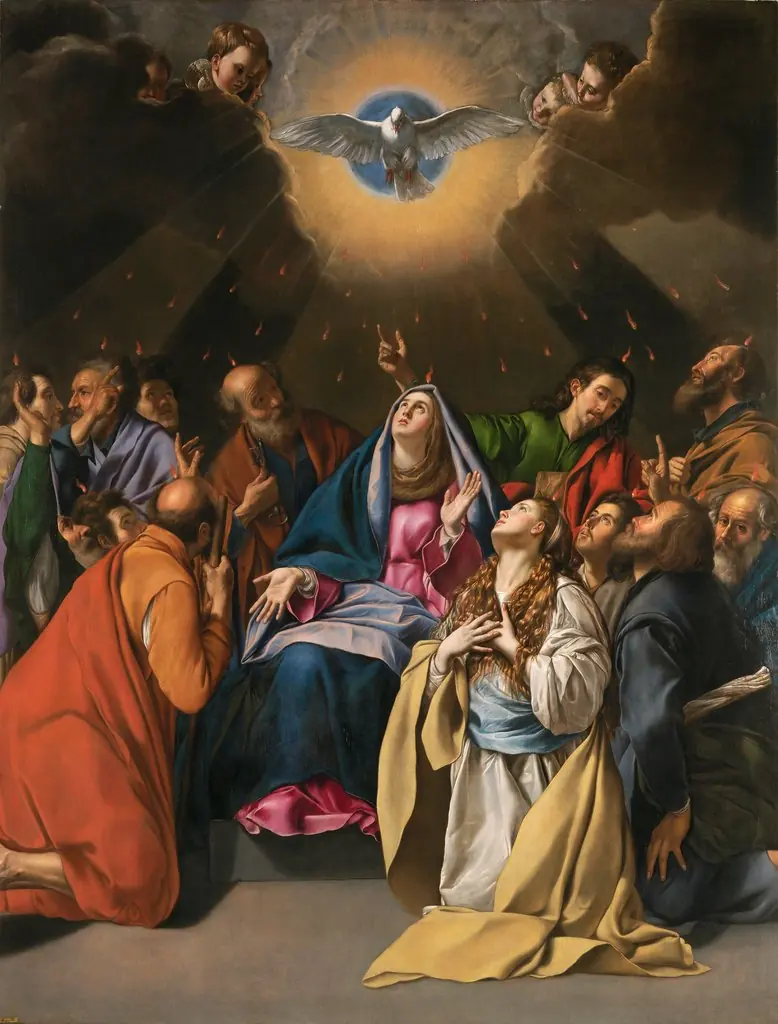
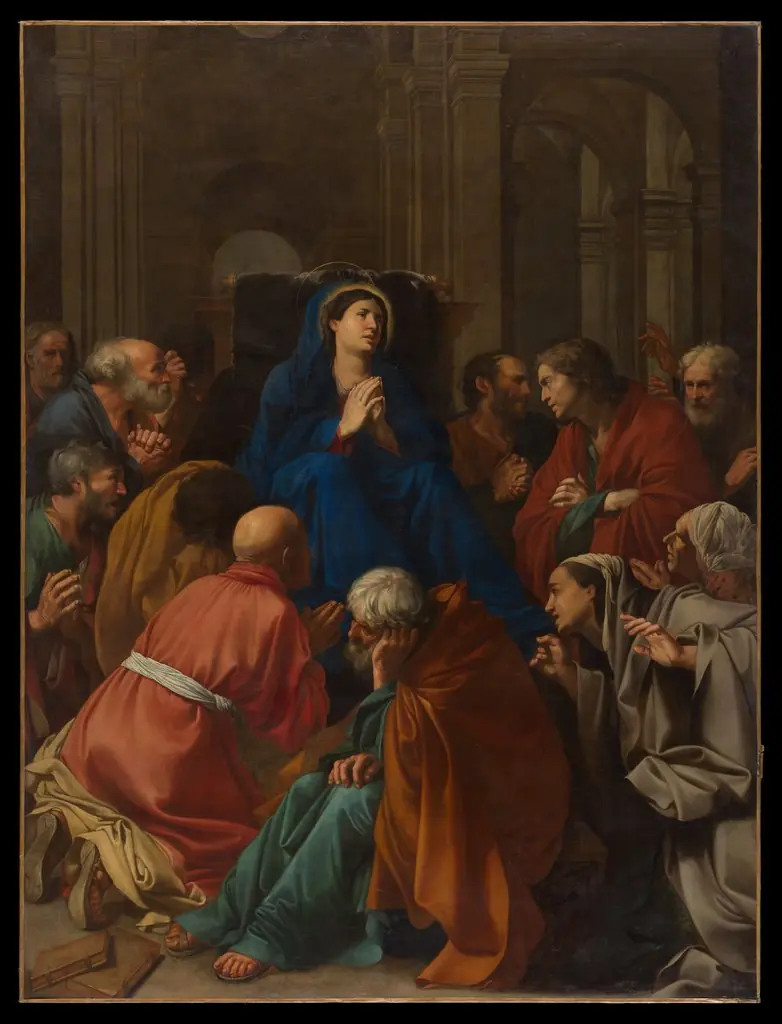
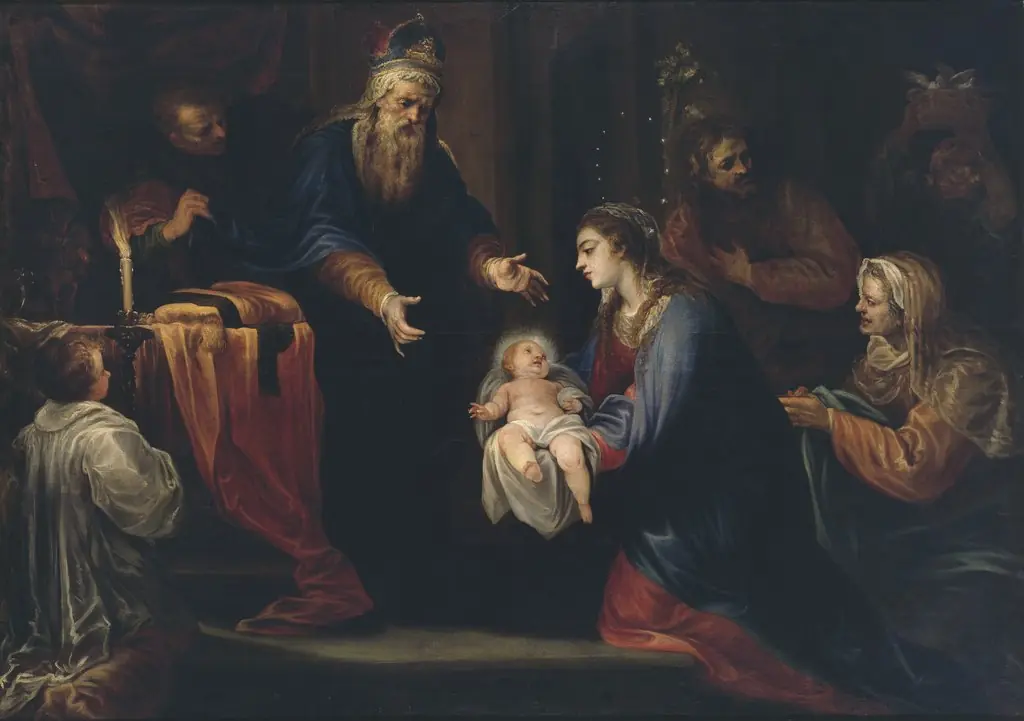
Pentecostés is an oil painting by the High Baroque Italian artist Antonio Palomino. It dates from 1698 and is held in the collection of the Museo del Prado.
About this work
Subject & Meaning
These elements likely serve to identify specific figures or symbolize the authority and wisdom granted to the church leaders during this foundational moment.
Antonio Palomino's painting depicts the biblical event of Pentecost, a central subject in religious art representing the descent of the Holy Spirit upon the Apostles. The iconography includes specific attributes such as a book and a key, which are visually present within the composition. These elements likely serve to identify specific figures or symbolize the authority and wisdom granted to the church leaders during this foundational moment.
As a work of religious genre, the piece functions as a visual narrative of this spiritual occurrence, capturing the theological significance of the event through its depicted objects and overall subject matter.
Technique & Style
Antonio Palomino's Pentecostés is executed in oil paint on a canvas support. The work measures 164 cm in height and 108 cm in width. Created in 1696, the painting belongs to the religious genre and depicts the Pentecost event, including specific iconographic elements such as a book and a key. The handling of the medium supports its classification as a religious painting from the late 17th century.
History & Provenance
Antonio Palomino executed the religious painting Pentecostés in 1696. Created using oil paint on canvas, the work measures 164 cm in height and 108 cm in width. The piece entered the collection of the Museo de la Trinidad before becoming part of the holdings at the Museo del Prado, where it remains located.
While some records indicate an inception year of 1700, the authoritative date for the work's creation is established as 1696.
Pentecostés is held in the collection of the Museo del Prado, listed under its inventory as part of the museum's holdings. The work was created in 1696 by Antonio Palomino, measures 164 cm by 108 cm, and has been exhibited in the museum’s displays of Spanish religious painting.
Context
Antonio Palomino created Pentecostés in 1696 as an oil painting on canvas, depicting the Pentecost event with symbolic elements including a book and key. The work is housed in the Museo del Prado and was documented in major collections by the early 20th century. Scholars have examined its stylistic connections to Spanish Baroque religious art and its role within Palomino's broader oeuvre as a painter active in Madrid during the late 17th century.
Its iconography and composition reflect contemporary devotional practices and have been analyzed in relation to Palomino's theoretical writings on artistic practice.
Legacy
The work's enduring influence is rooted in its devotional intensity and formal innovation within late Baroque religious painting. Art historians note its role in shaping devotional imagery across Iberian contexts, particularly through its vivid portrayal of Pentecost and symbolic elements like the book and key that convey theological narrative. The painting's presence in major institutional collections such as the Museo del Prado has cemented its reputation as a significant example of Palomino's artistic legacy, studied for its compositional mastery and spiritual gravitas.
Scholarly discourse continues to reference the piece as a benchmark for understanding 17th-century Spanish religious art, with its technical execution and iconography informing both academic analysis and contemporary interpretations of Baroque aesthetics.
Overview
Pentecostés is a 1698 oil painting by Spanish Baroque artist Antonio Palomino, characterized by warm colors and dramatic lighting, depicting a pivotal religious moment.
Own this work as a print
Artist & collection
Artist
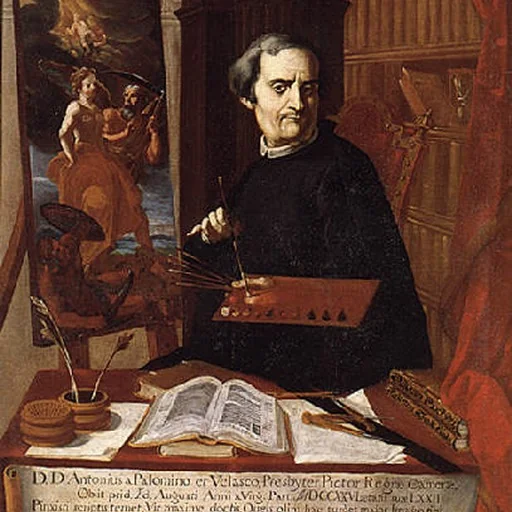
Acislo Antonio Palomino de Castro y Velasco (1655 – 13 April 1726) was a Spanish painter of the Baroque period, and a writer on art, author of El Museo pictórico y escala óptica, which contains a large amount of…