Artwork
Reverberations of Taiga, Volume 2 (leaf 7)
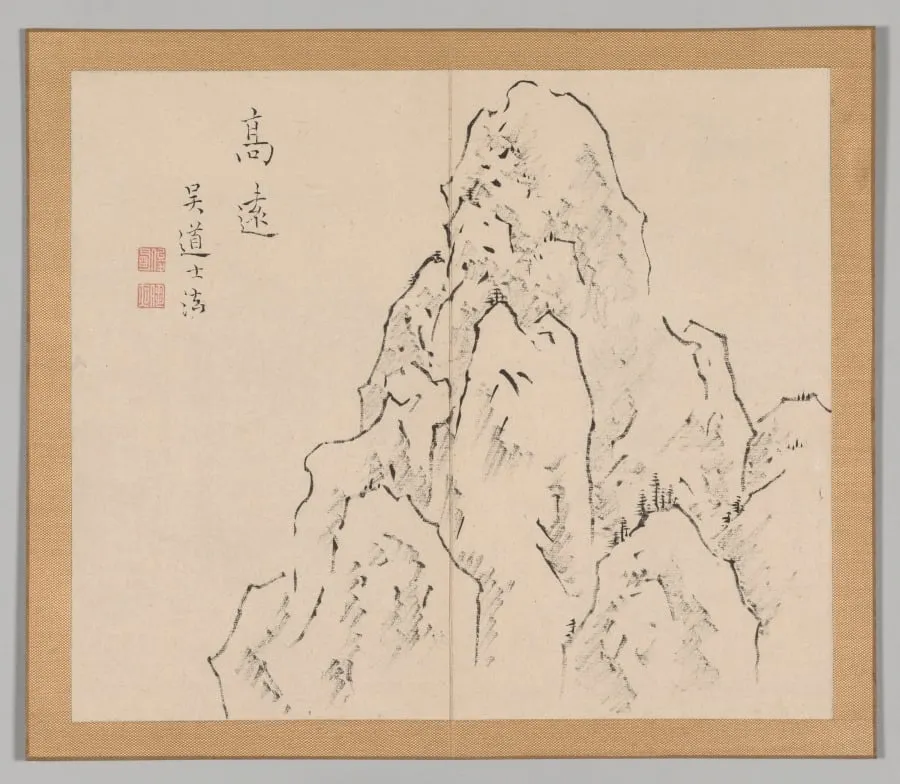
Reverberations of Taiga, Volume 2 (leaf 7) is a work on paper by the Baroque artist Aoki Shukuya. It dates from 1704 and is held in the collection of the Cleveland Museum of Art.
- Accession no.
- 1979.73.2.7
- Credit line
- Andrew R. and Martha Holden Jennings Fund
About this work
This is a single sheet from a painted album: ink on paper, a few quick brushstrokes of a rocky shore, mist, and pine trees.
This is a single sheet from a painted album: ink on paper, a few quick brushstrokes of a rocky shore, mist, and pine trees.
It’s a copy, one of many, of a lost original by Ike Taiga, Shukuya’s teacher. The student didn’t just trace; he kept the loose, almost careless energy of the original. That energy is what mattered to Edo-period artists: not perfect lines, but the feeling of a place in a single breath.
To see how this style spread, look up the subject: japan, edo period (1615–1868).
Overview
Reverberations of Taiga, Volume 2 (leaf 7) is a hand-painted sheet from a serialized album, created by Aoki Shukuya as a tribute to his teacher Ike Taiga. It reproduces a composition originally drawn by Taiga for his wife, Tokuyama Gyokuran, later adapted into a woodblock-printed series in 1804. Shukuya’s version retains the spontaneity of the lost original, emphasizing expressive brushwork over precision, reflecting Edo-period ideals of artistic transmission.
Subject & Meaning
The image depicts a minimalist landscape, rocky shore, mist, and sparse pine trees, evoking a sense of quiet distance. Shukuya inscribed the scene with a reference to Wu Daozi, a revered Tang-dynasty painter whose works survive only in later copies. This linkage situates Taiga’s style within a broader East Asian tradition, framing its simplicity not as lack of skill but as an inherited philosophical approach to nature.
Technique & Style
Executed in ink on paper, the work uses rapid, unrefined brushstrokes to suggest form rather than define it. Shukuya did not replicate the original mechanically; instead, he captured its energetic looseness, mirroring Taiga’s own approach. This method prioritized the immediacy of perception over technical finish, aligning with Edo-period literati values that favored emotional resonance over polished detail.
History & Provenance
The original album by Ike Taiga, created for his wife Tokuyama Gyokuran, is now lost. Surviving fragments exist as hanging scrolls in Kyoto. Shukuya’s painted album and the 1804 woodblock prints derived from it preserved Taiga’s compositions for wider circulation.
The prints included a postscript by scholar Minagawa Kien, confirming the album’s personal origin and its role in transmitting Taiga’s legacy.
Context
During the Edo period, artists often engaged with earlier masters through reinterpretation rather than imitation. Shukuya’s work exemplifies this practice: copying was not replication but a form of dialogue. The reference to Wu Daozi reflects a broader trend among Japanese literati to anchor their aesthetics in Chinese tradition, while adapting it to local sensibilities of impermanence and understatement.
Legacy
Shukuya’s album helped sustain Taiga’s influence beyond his death, ensuring his brushwork remained a touchstone for later artists. The coexistence of painted and printed versions demonstrates how artistic ideas moved between elite circles and broader audiences. The emphasis on feeling over form in these works shaped the trajectory of Edo-period ink painting, valuing spontaneity as a sign of authentic expression.
Artist & collection

 Reverberations of Taiga, Volume 1 (leaf 4)
 Reverberations of Taiga, Volume 2 (leaf 30)
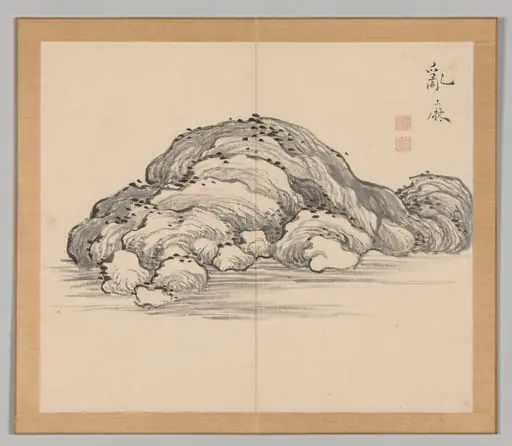 Reverberations of Taiga, Volume 1 (leaf 12)
 Reverberations of Taiga
 Reverberations of Taiga (Volume 1)
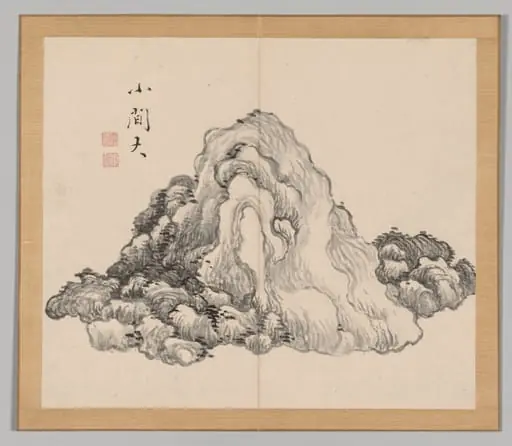 Reverberations of Taiga, Volume 1 (leaf 7)
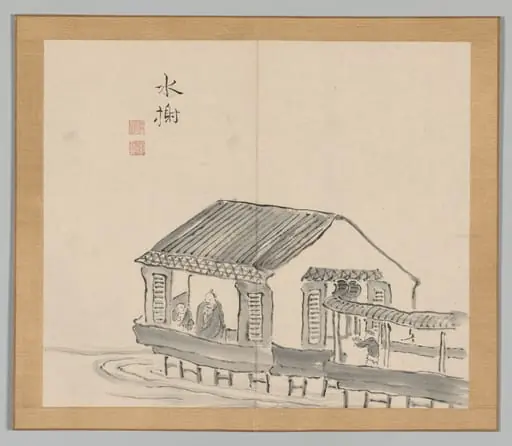 Reverberations of Taiga, Volume 2 (leaf 29)
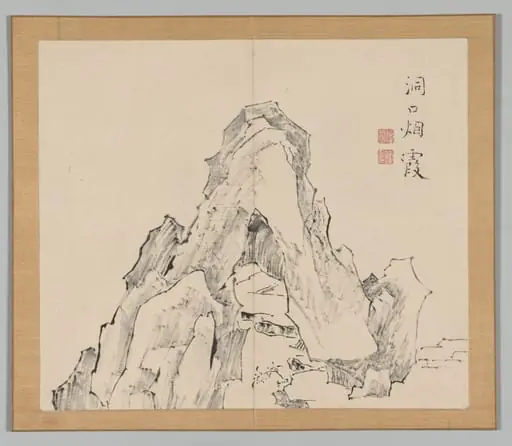 Reverberations of Taiga, Volume 2 (leaf 20)
 Reverberations of Taiga, Volume 2 (leaf 2)
 Reverberations of Taiga, Volume 1 (leaf 23)
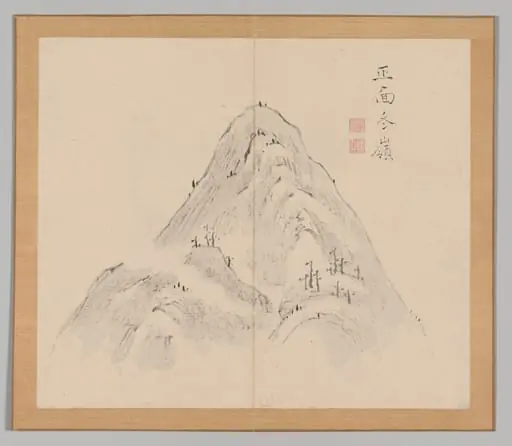 Reverberations of Taiga, Volume 1 (leaf 24)
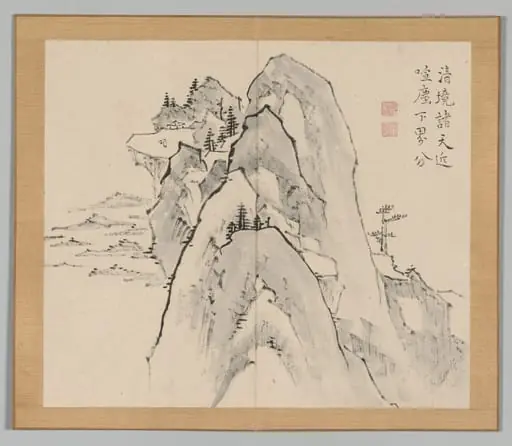 Reverberations of Taiga, Volume 2 (leaf 33)
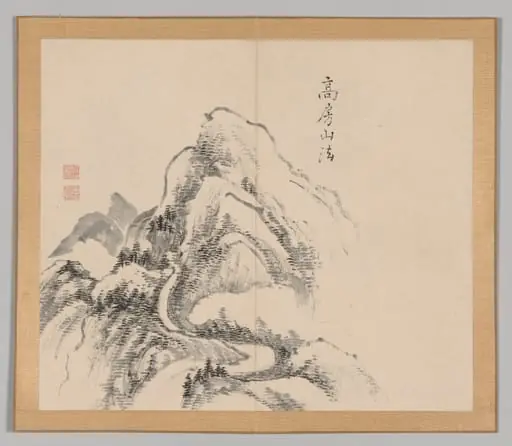 Reverberations of Taiga, Volume 1 (leaf 34)
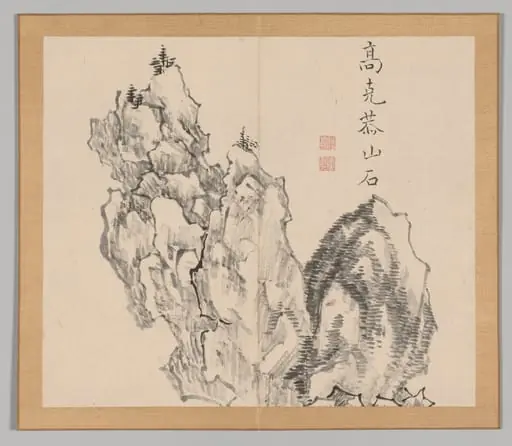 Reverberations of Taiga, Volume 1 (leaf 22)
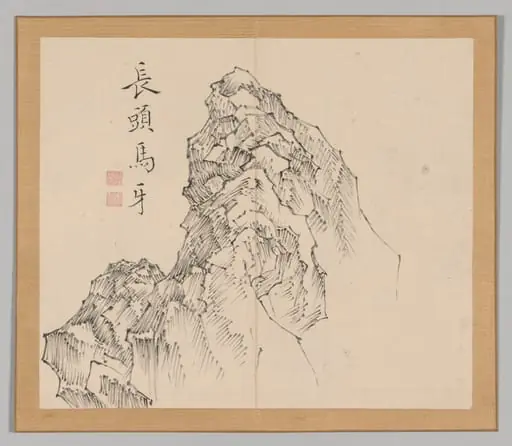 Reverberations of Taiga, Volume 1 (leaf 17)
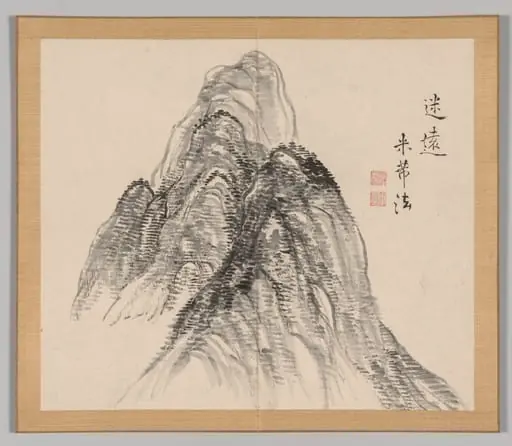 Reverberations of Taiga, Volume 2 (leaf 3)