Artwork
Portrait of Jan Six (1618-1700)
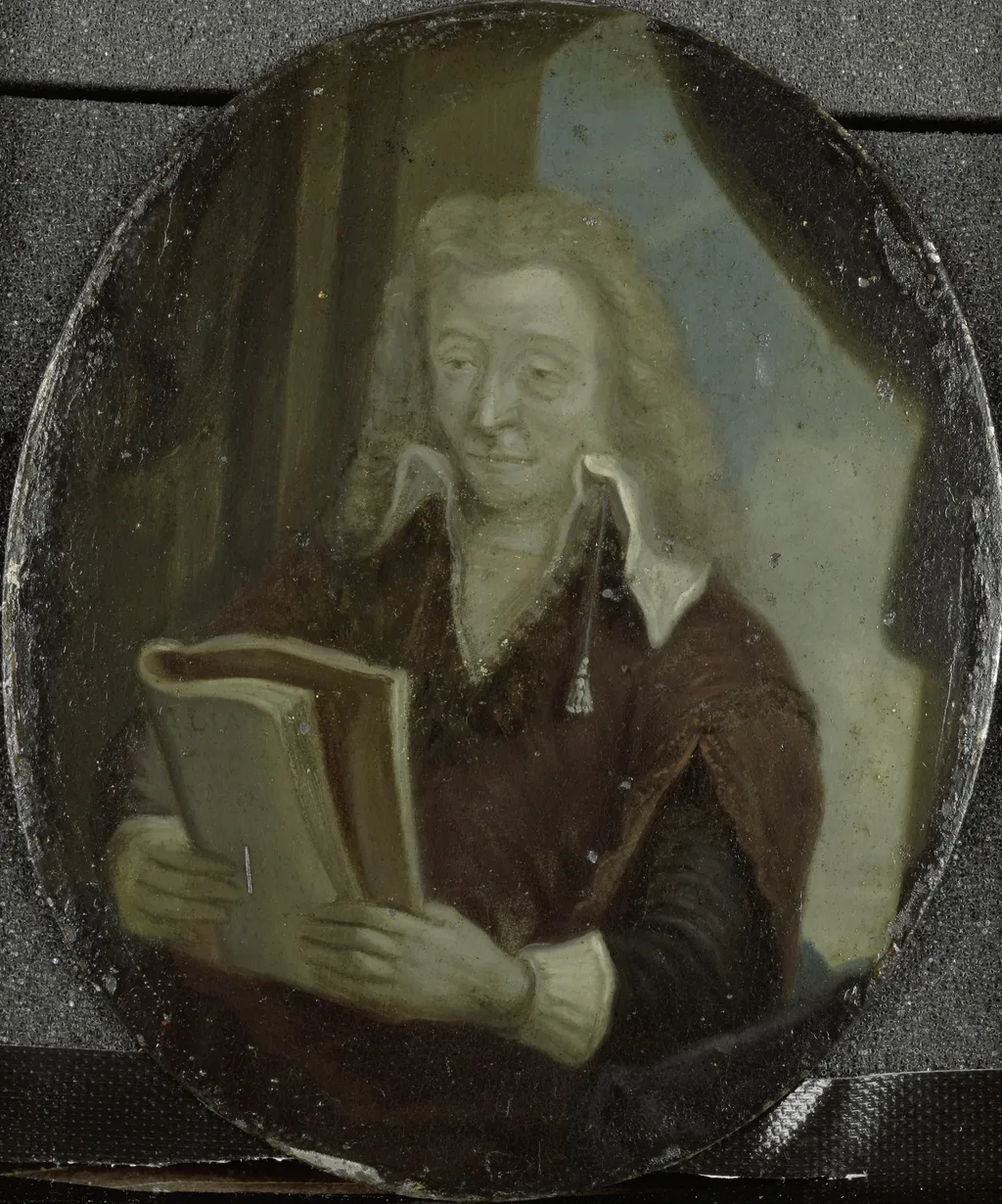
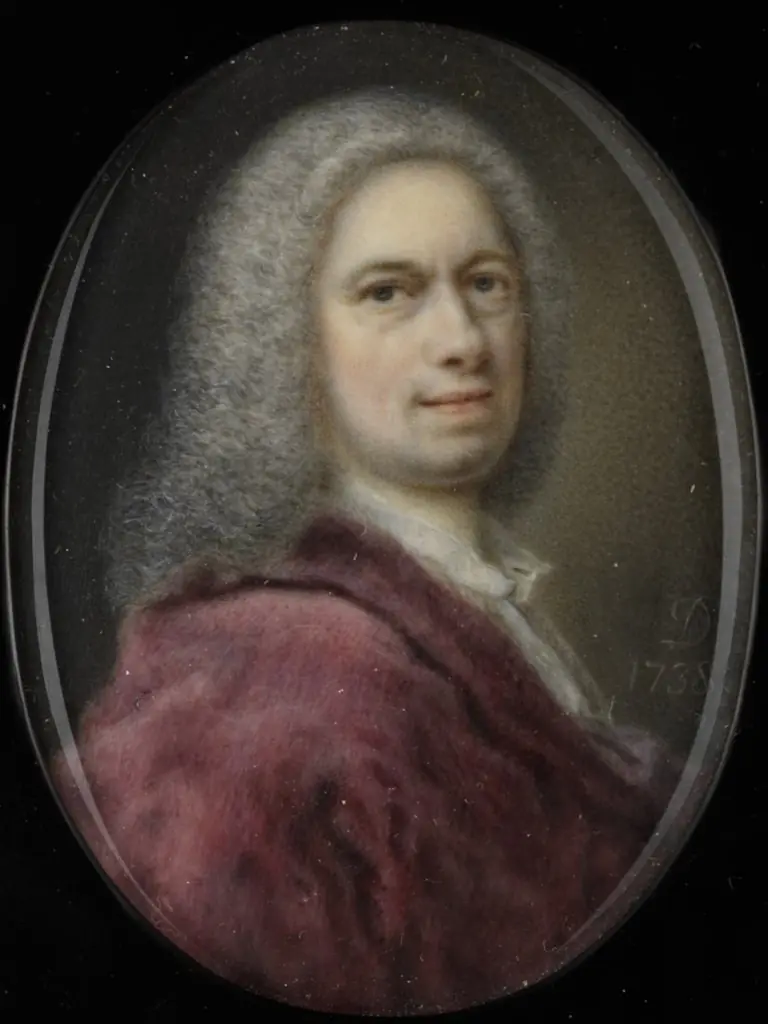
Portrait of Jan Six (1618-1700) is an oil painting by the Rococo painting artist Arnoud van Halen. It dates from 1716 and is held in the collection of the Rijksmuseum.
About this work
Technique & Style
As a portrait genre piece, the choice of tin as a substrate distinguishes its material composition from more traditional canvas or panel supports of the period.
Executed in 1716 by Arnoud van Halen, this portrait of Jan Six is an oil painting applied on a tin support. The work is notably small in scale, measuring 11 cm in height and 9.5 cm in width. As a portrait genre piece, the choice of tin as a substrate distinguishes its material composition from more traditional canvas or panel supports of the period. The painting is held in the collections of the Rijksmuseum and the Amsterdam Museum.
History & Provenance
The Portrait of Jan Six (1618-1700) was created by Arnoud van Halen in 1716, executed in oil paint on tin in a small format measuring 11 by 9.5 cm. The work is recorded as depicting Jan Six I as its main subject.
According to documented ownership records, the painting was held by Arnoud van Halen himself and later by Michiel de Roode. It subsequently entered the collections of the Rijksmuseum and the Amsterdam Museum, where it is jointly held.
Portrait of Jan Six (1618-1700) is held in the Rijksmuseum, Amsterdam, under inventory number SK-A-530. The work was created in 1716 by Arnoud van Halen and is classified as a tin painting within the portrait genre. It has been exhibited at the Rijksmuseum as part of its permanent collection displays and featured in the 2016 exhibition "Dutch and Flemish Masters from the Rijksmuseum" at the Kunsthal Rotterdam.
The painting entered the collection of the Rijksmuseum through private ownership, documented in its provenance as originally belonging to Arnoud van Halen and later Michiel de Roode before acquisition.
Context
Arnoud van Halen's Portrait of Jan Six (1716) exemplifies Dutch Golden Age portraiture through its restrained composition and emphasis on status. The work depicts Jan Six I, a prominent Amsterdam regent and poet, reflecting the era's focus on civic identity and scholarly pursuits. Its creation during the early 18th century marks a transitional period in Dutch art, as traditional portrait conventions gradually gave way to emerging Enlightenment ideals.
The painting's presence in the Rijksmuseum collection underscores its significance within institutional efforts to preserve national cultural heritage.
Legacy
The portrait remained in private hands after its creation, passing from van Halen to collector Michiel de Roode, and later entered museum collections that highlight early Dutch portraiture. Its inclusion in the Rijksmuseum and Amsterdam Museum inventories has positioned it as a representative example of 18th-century portrait conventions, influencing scholarly assessments of the period’s artistic patronage. The work’s material composition of oil paint on tin, documented in museum records, exemplifies the technical experimentation of the era and informs contemporary conservation practices.
Overview
Arnoud van Halen’s 1716 portrait presents Jan Six I, a Dutch nobleman of the late 17th century. Executed on a tin support, the work resides in the Rijksmuseum’s collection. The composition centers the sitter holding an open book, his right hand resting on the page, against a subdued backdrop of muted tones and a partially drawn curtain.
Subject & Meaning
The figure portrayed is Jan Six (1618‑1700), a prominent patron of the arts and member of an influential Amsterdam family. His serious expression and the act of reading suggest erudition and a dedication to scholarship, reflecting the humanist values associated with the Six lineage.
Own this work as a print
Artist & collection

 Portrait of Sibylle van Griethuysen (ca.1620-na 1662)
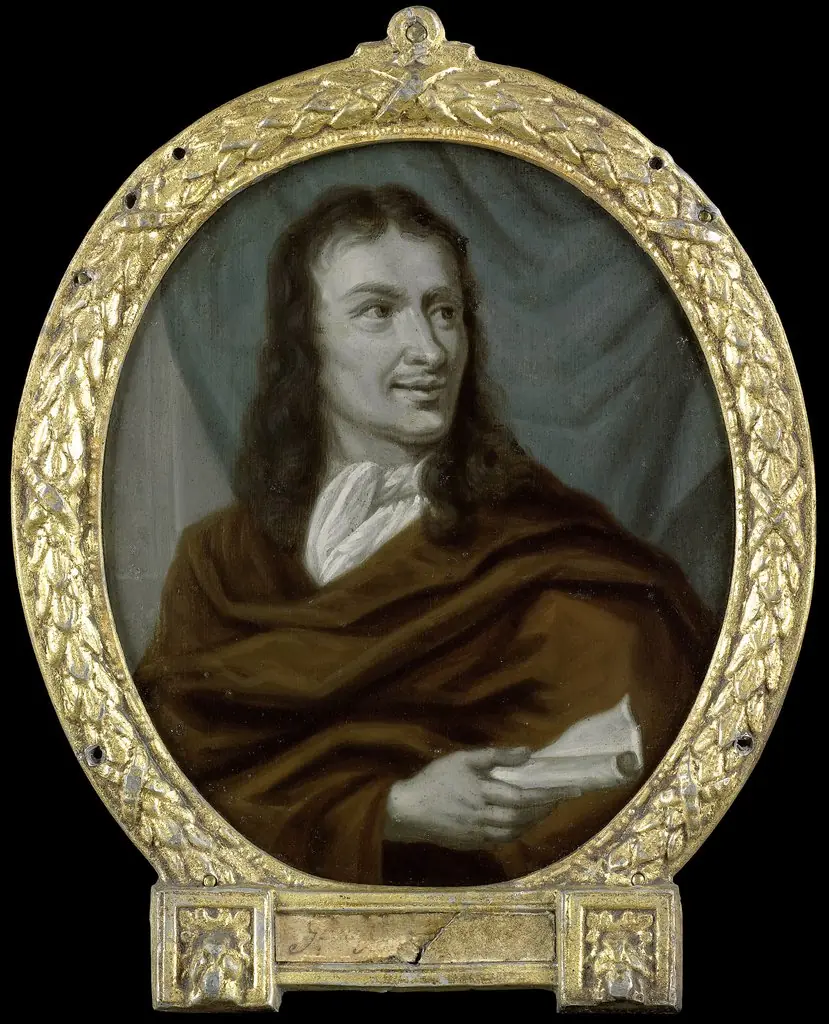 Portrait of Pieter Verhoek (1633-1702)
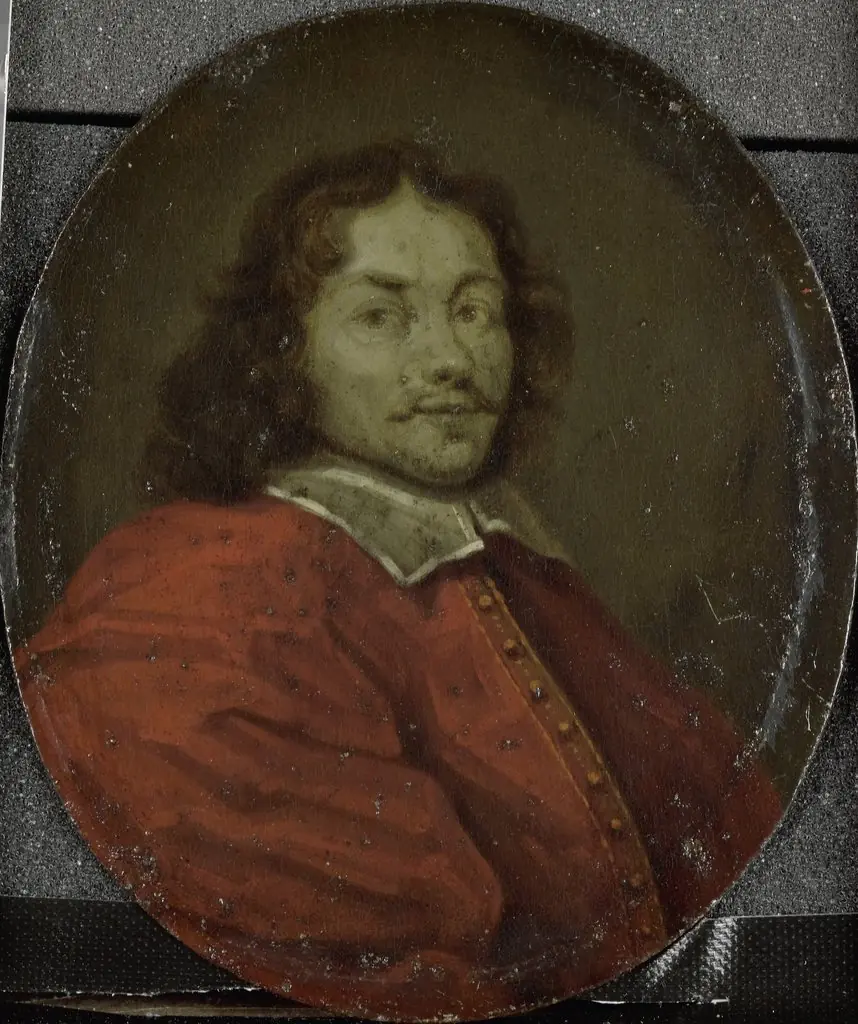 Portrait of Matthijs Gansneb, called Tengnagel, Poet in Amsterdam
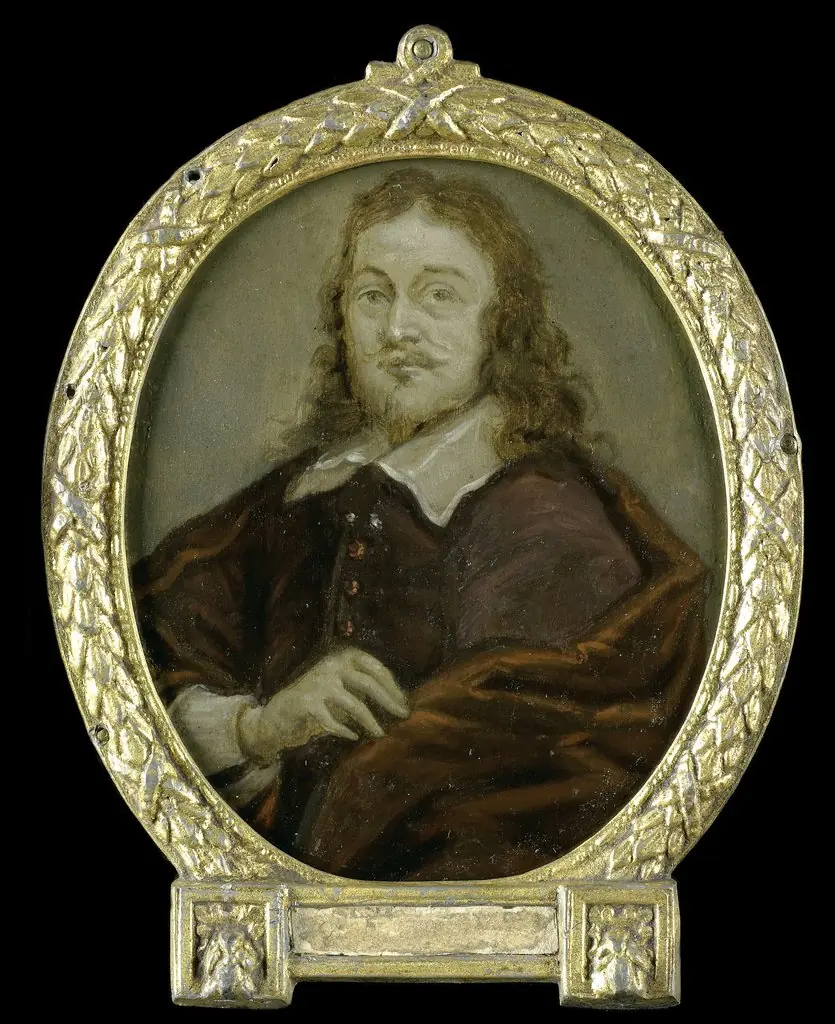 Portrait of the painter Bonaventura Peeters I (1614-52)
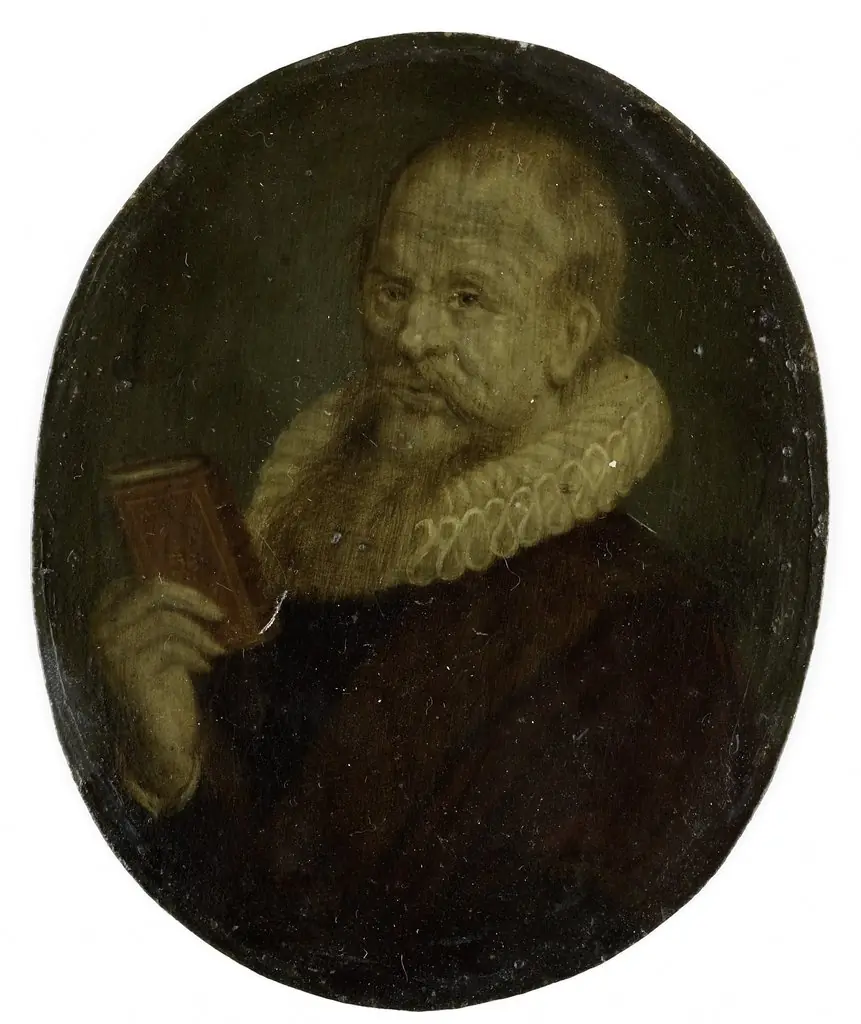 Portrait of Theodorus Schrevelius (1572-1653)
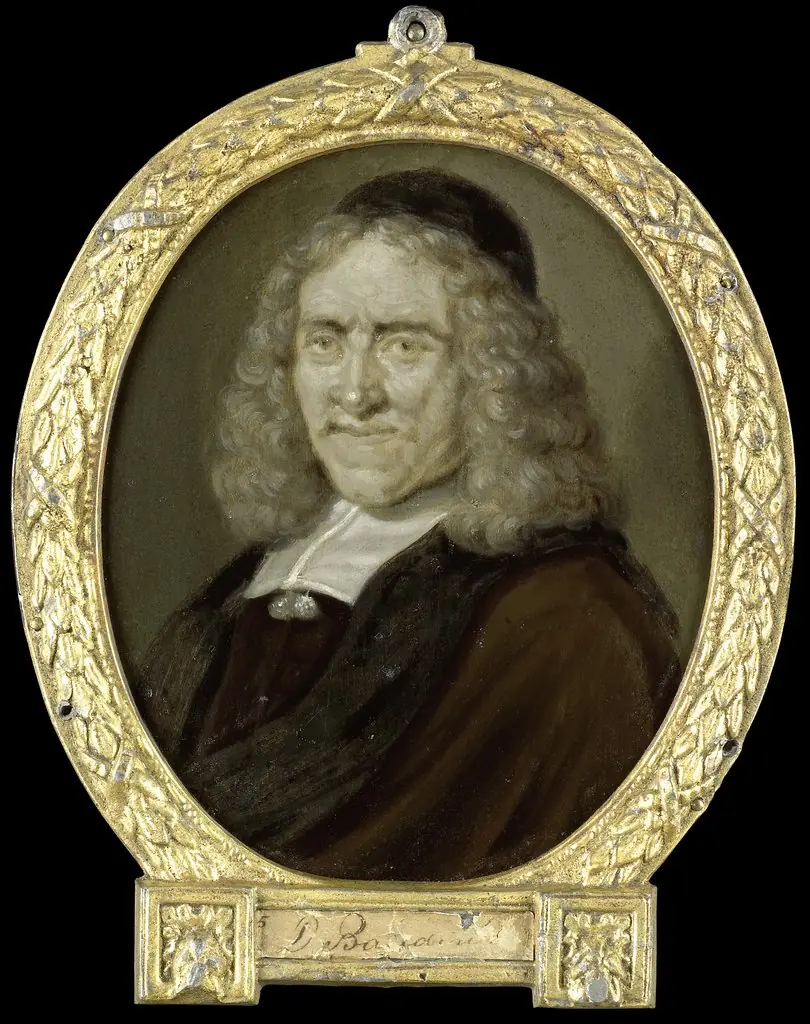 Portrait of Willem Jacobsz van Heemskerck, Poet and Engraver on Glass
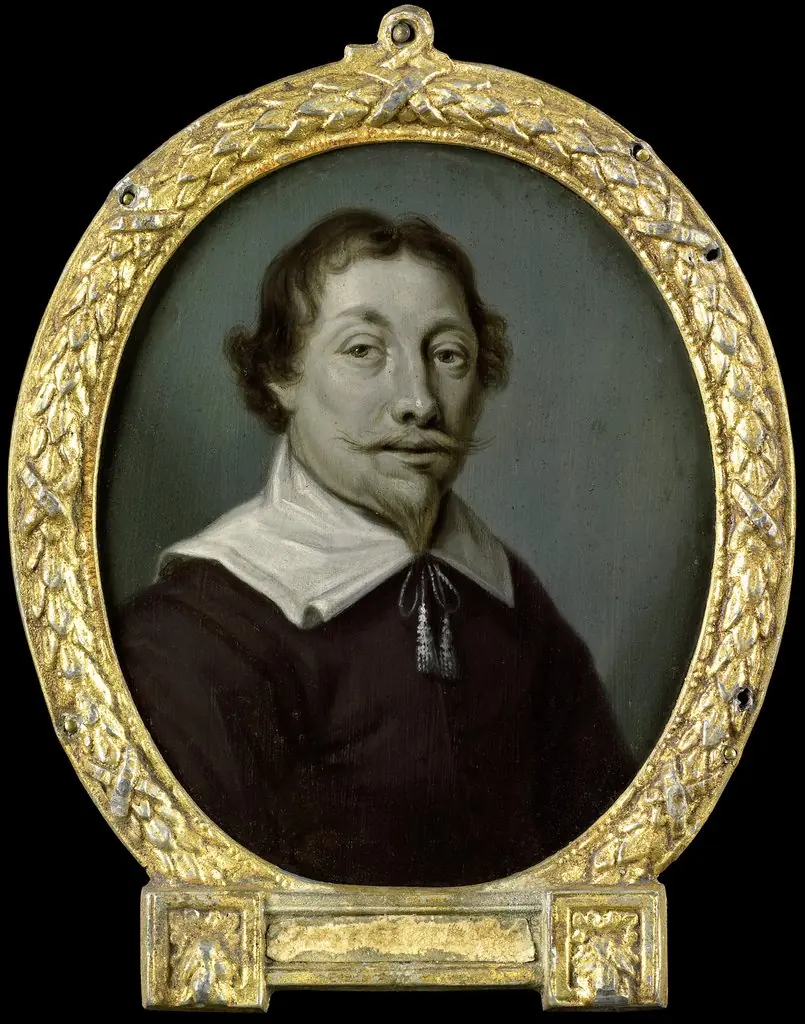 Portrait of Jan van der Veen, Pharmacist and Poet in Deventer
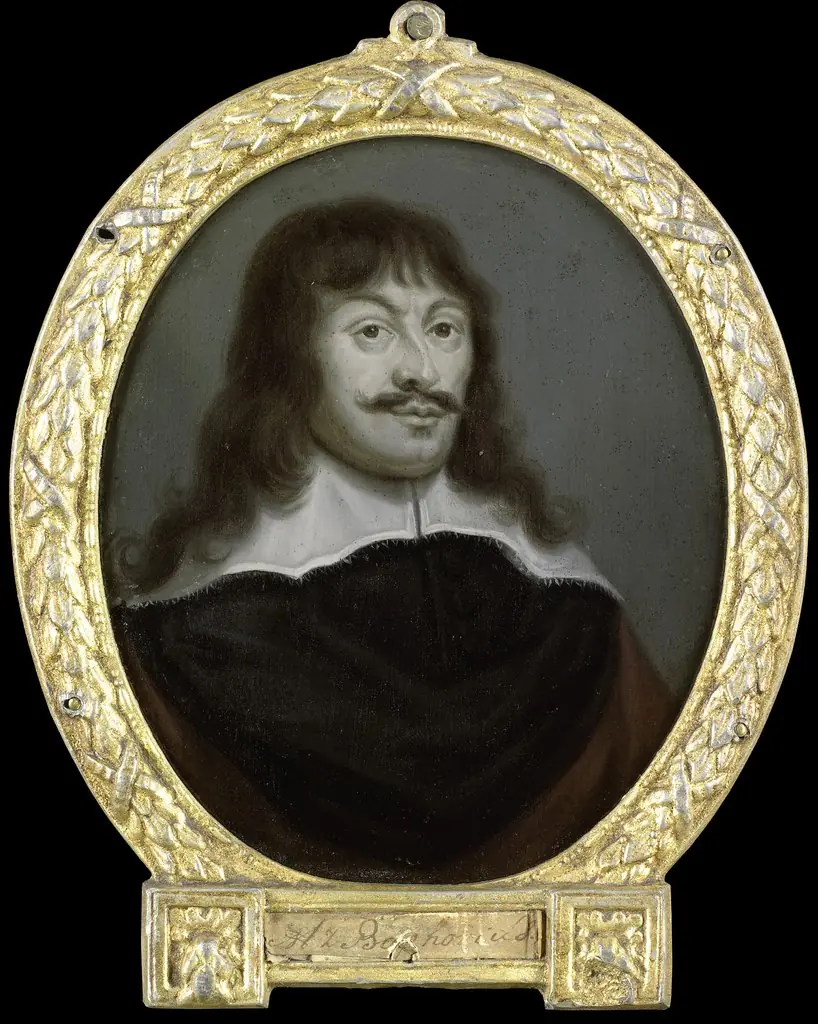 Portrait of Marcus Zuërius van Boxhorn, Historian and Professor at Leiden
- Portrait of Christoffel Pierson (1631-1714)
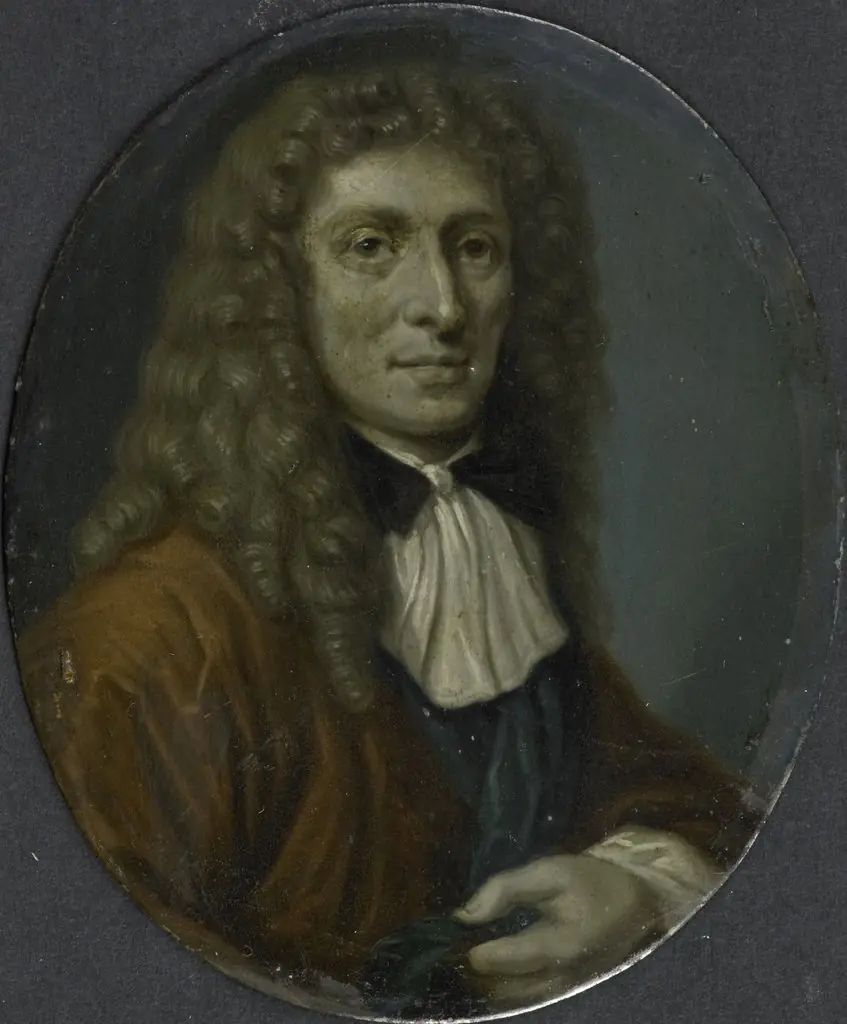 Portrait of Govert Bidloo
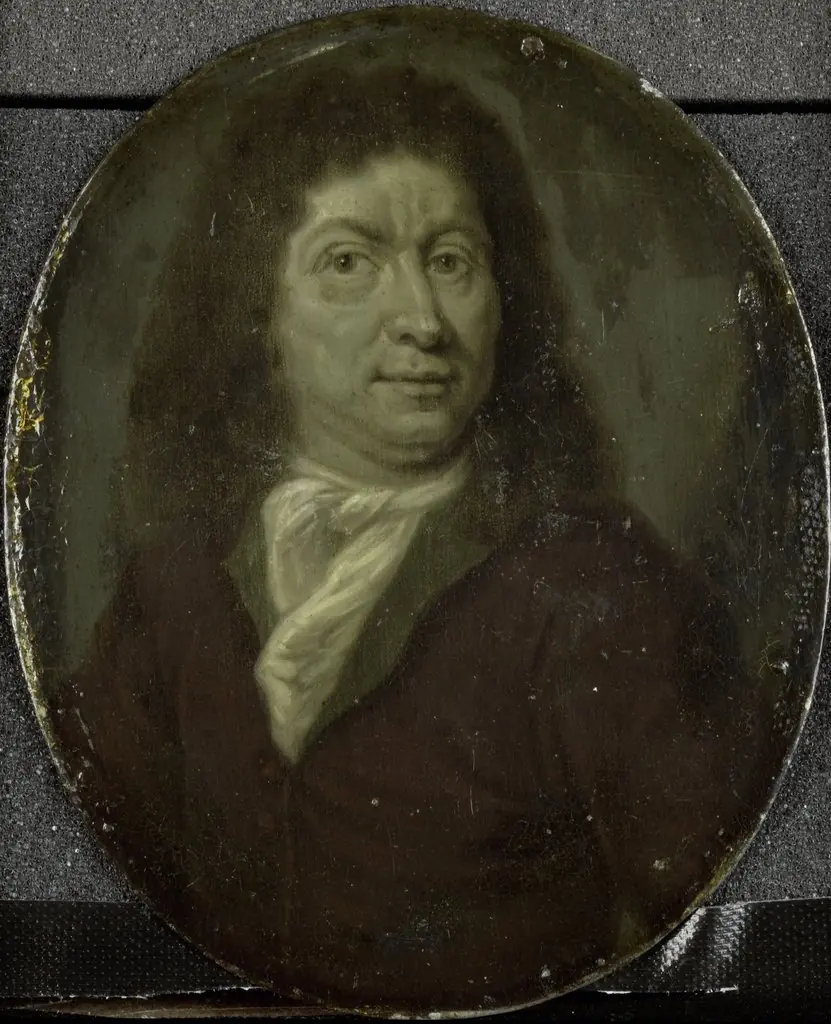 Portrait of Andries Pels (1631-81)
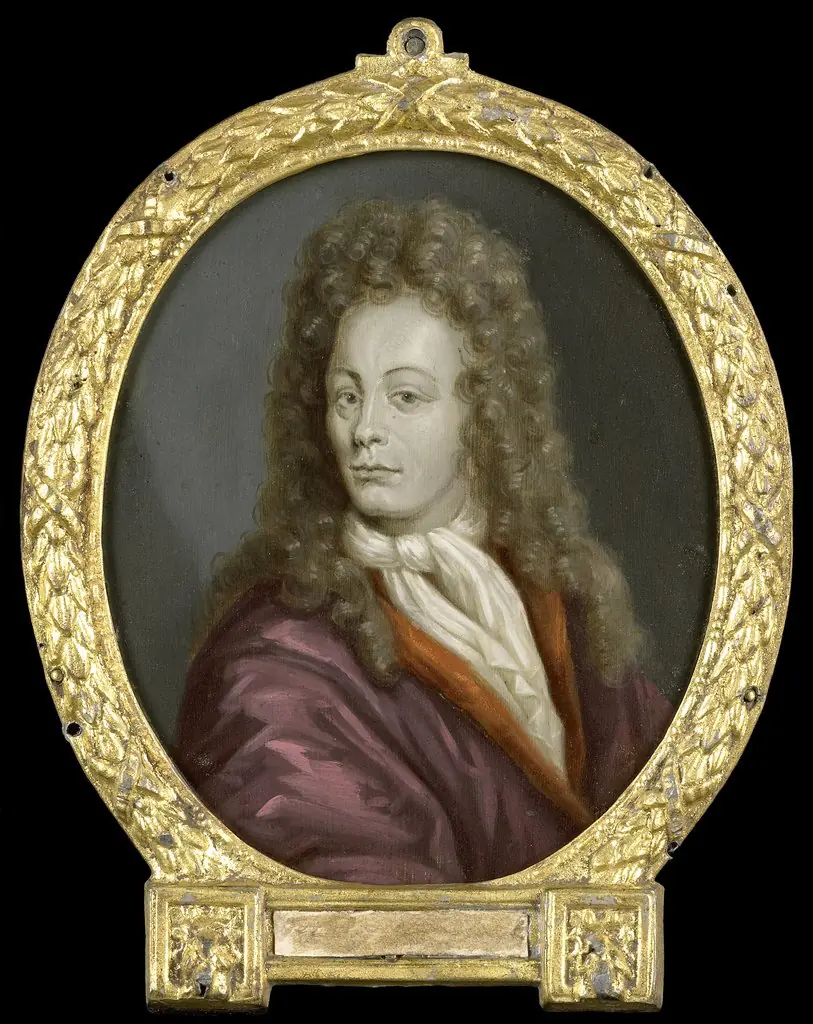 Portrait of Tobias Gutberleth, Man of Letters in Leeuwarden
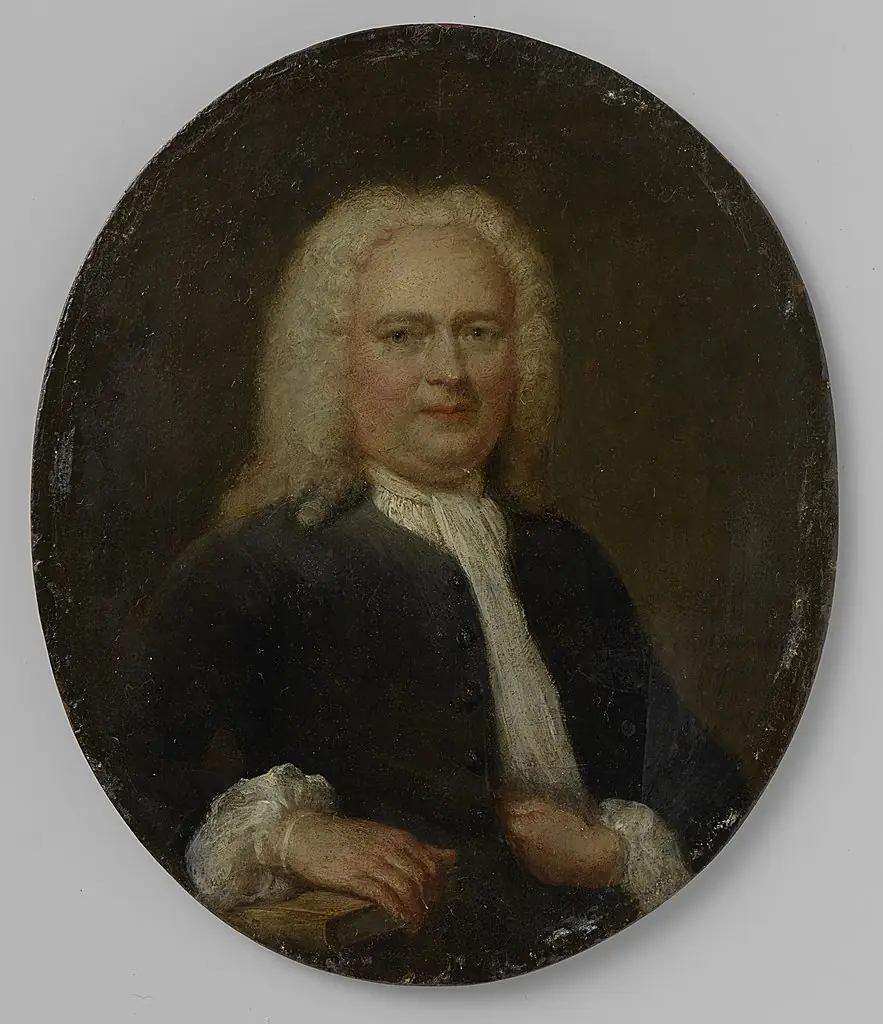 Portrait of a Man, perhaps a Member of the Klinkhamer Family
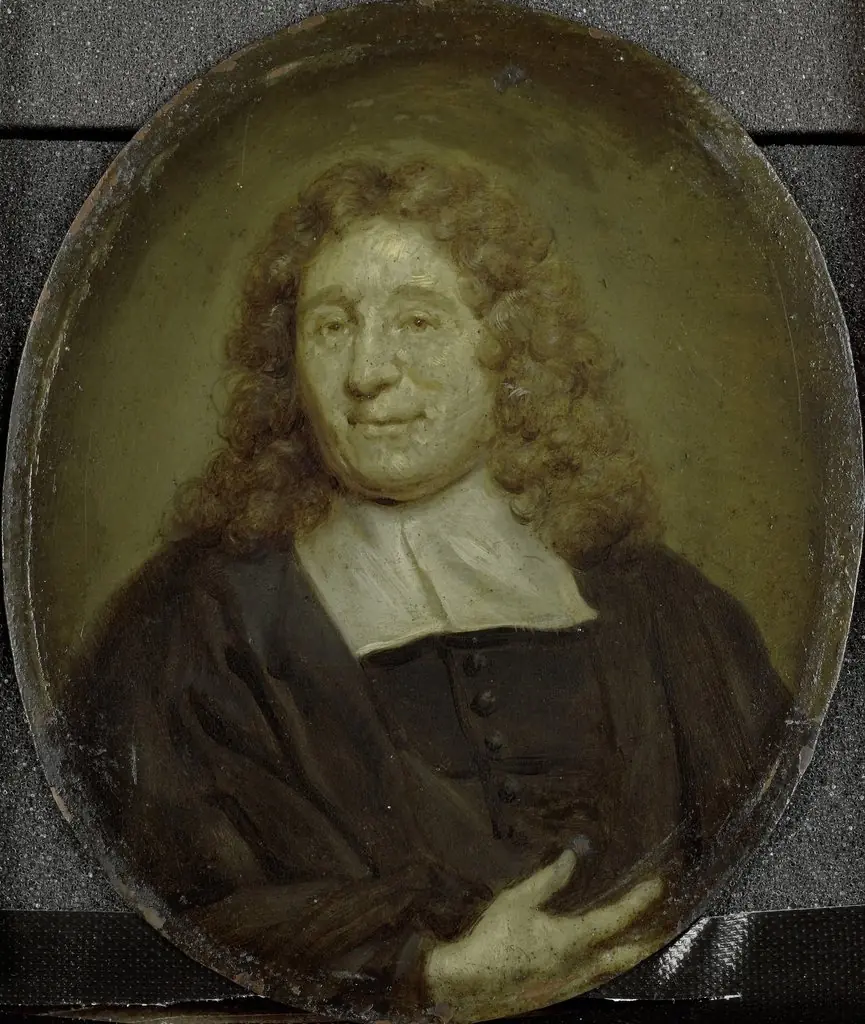 Portrait of Petrus Schaak, Clergyman and Scholar in Amsterdam
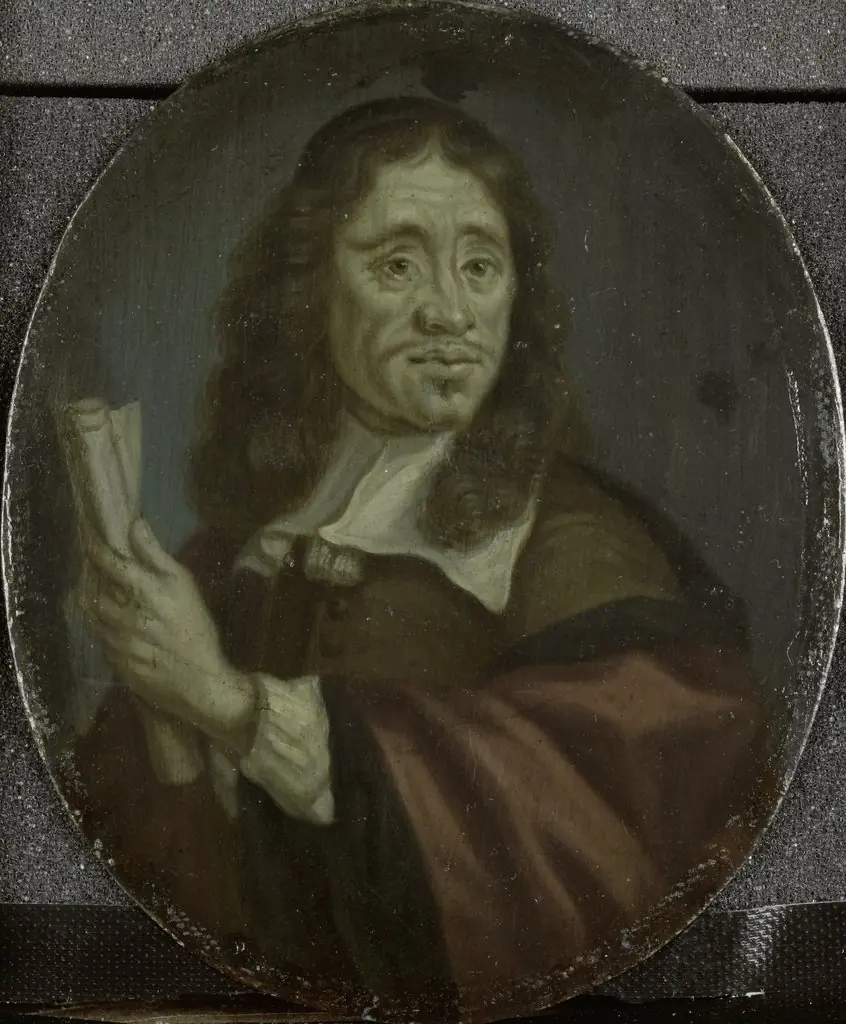 Jan Vos (c. 1620-67), Amsterdam poet
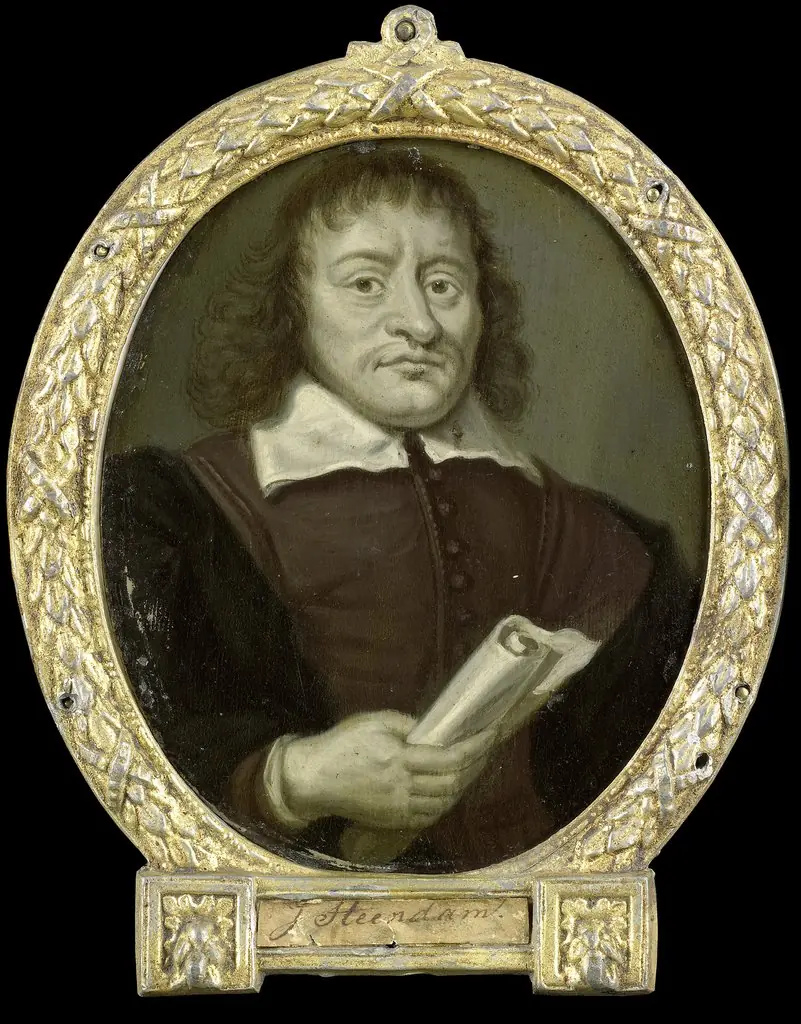 Portrait of Hendrik Bruno, Poet and Co-Rector of the Latin School in Hoorn
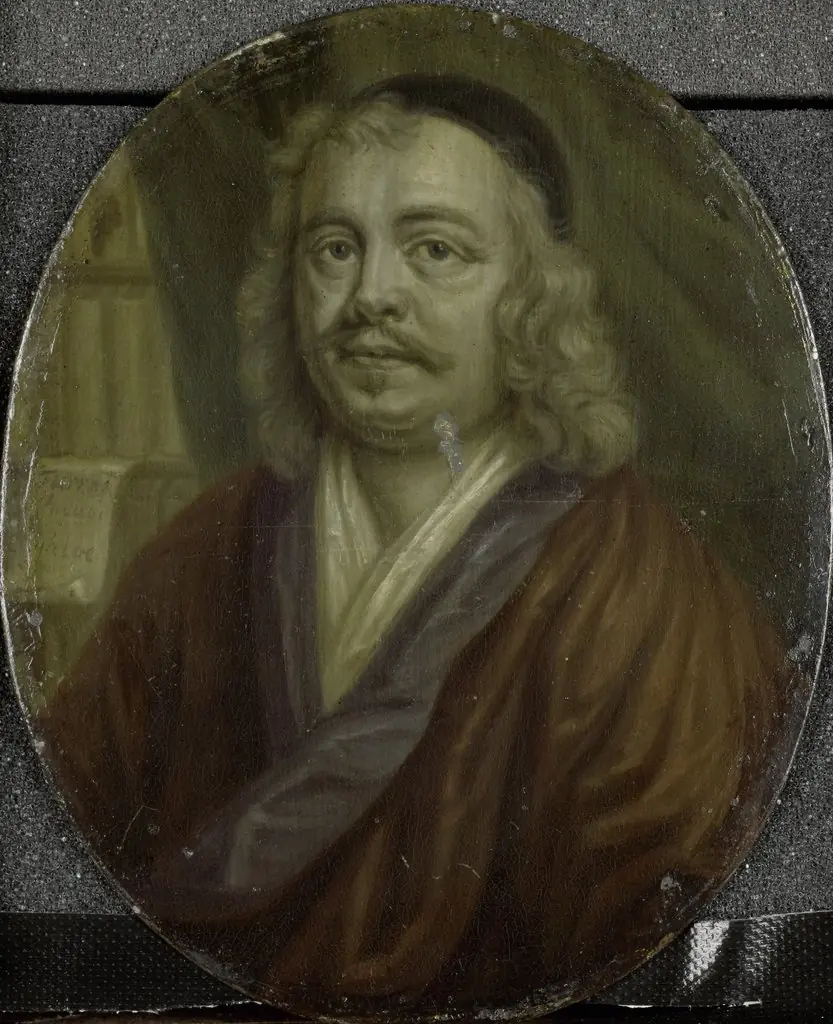 Portrait of Jacob Heiblocq, Rector of the Latin School in Amsterdam
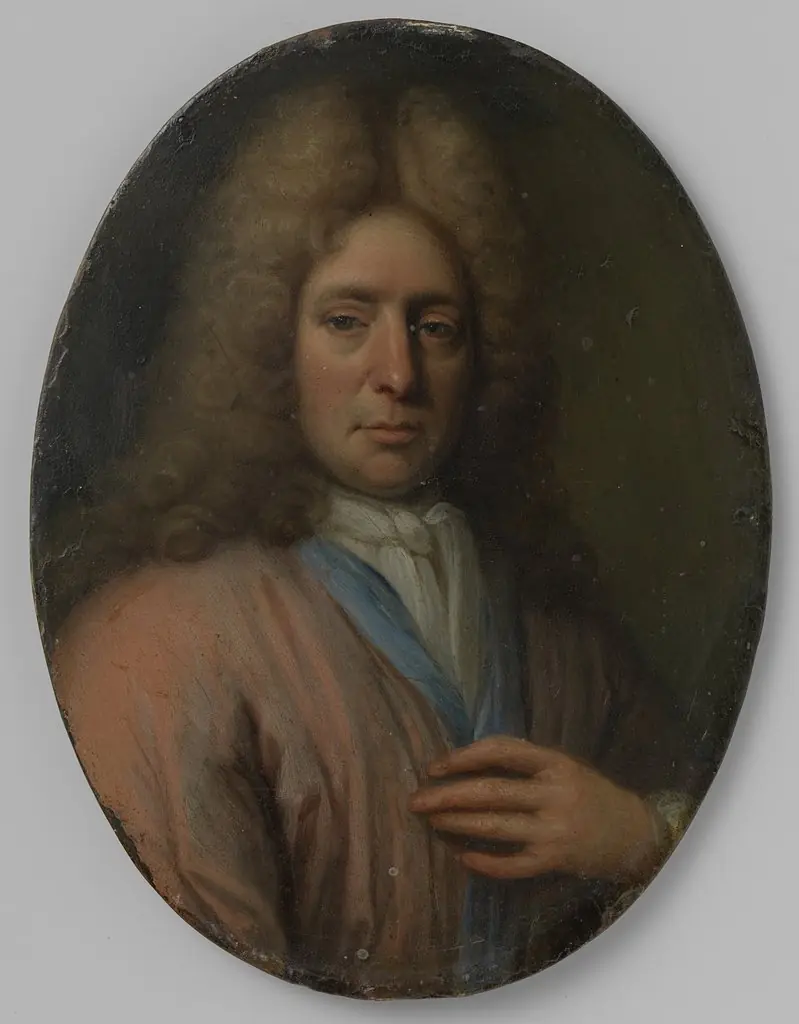 Portrait of a Man, perhaps a Self Portrait
 Self-portrait
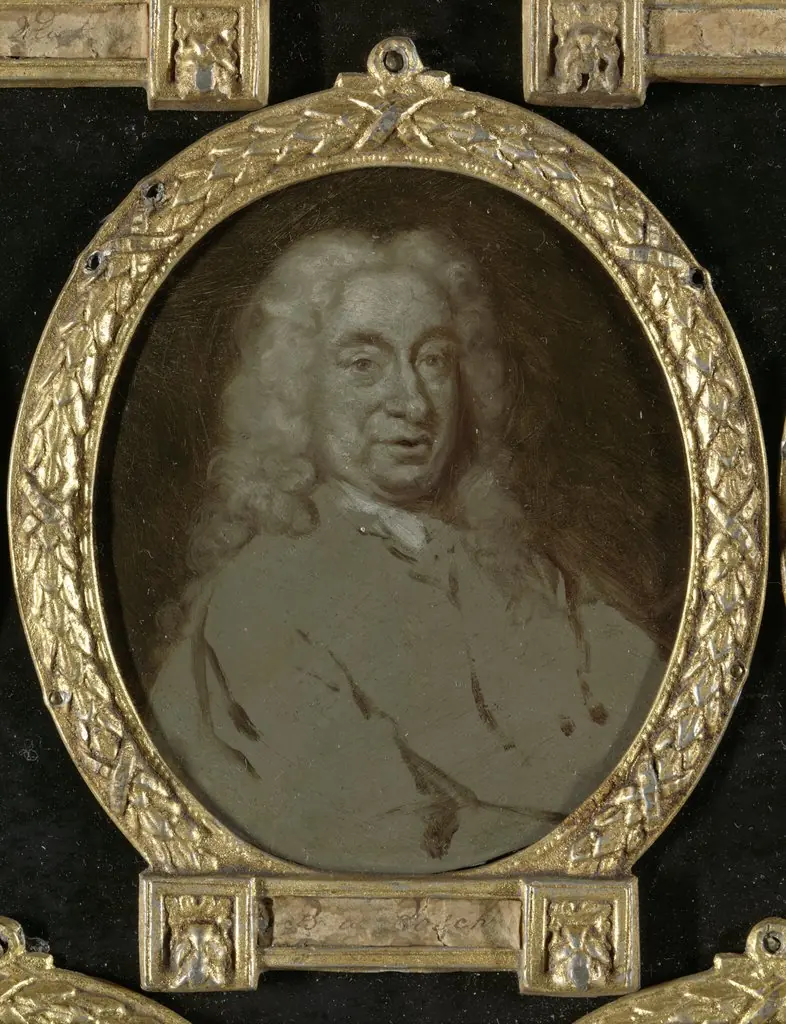 Portrait of Hendrik van der Zande, Jurist and Dramatic Poet in Amsterdam