Artwork
Kunigunde of Austria, wife of Duke Albrecht IV of Bavaria
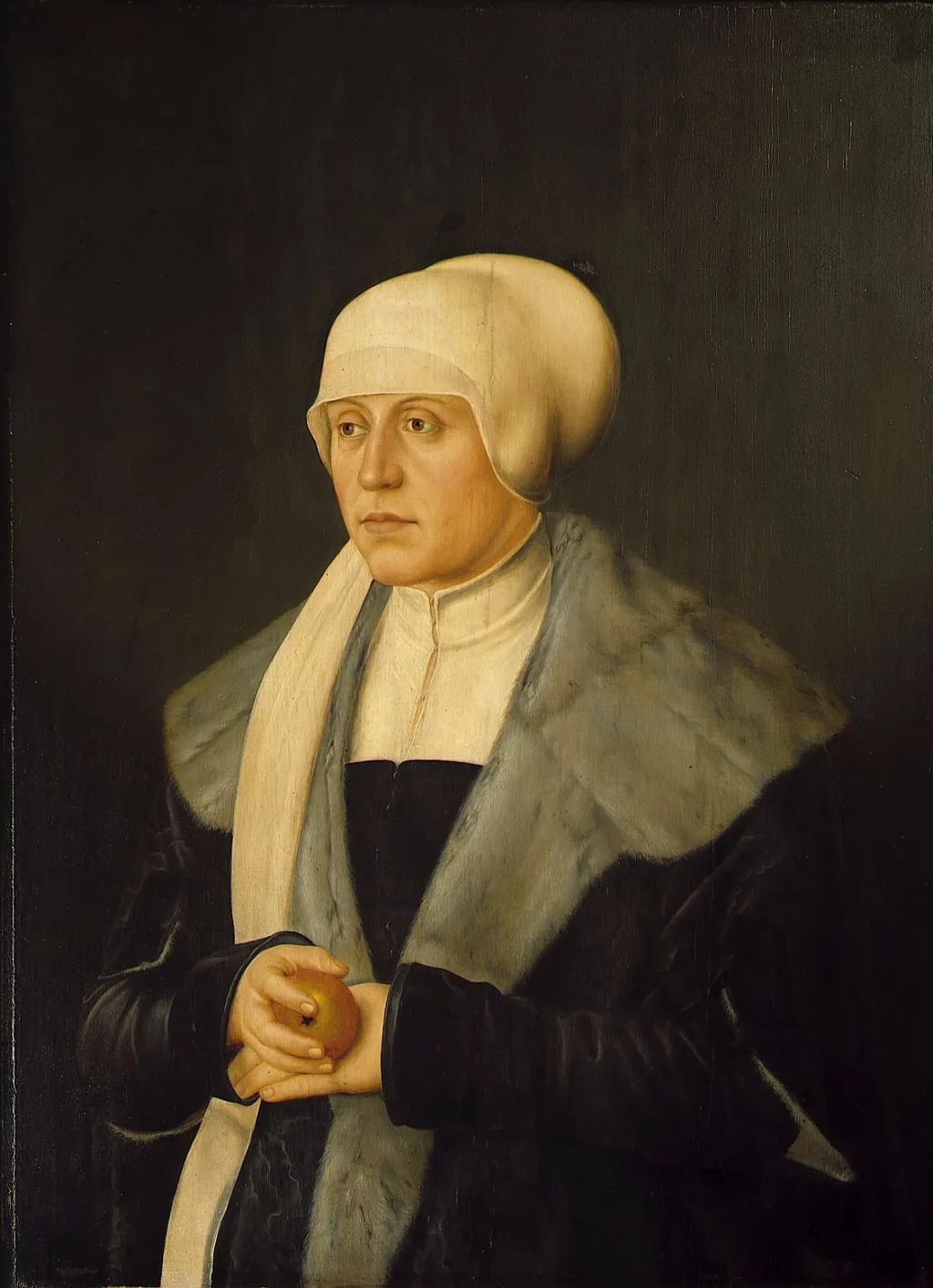
Kunigunde of Austria, wife of Duke Albrecht IV of Bavaria is an unspecified painting by the Mannerist artist Barthel Beham. It dates from 1531 and is held in the collection of the Bavarian State Painting Collections. Bartolomeus (Barthel) Beham’s 1531 portrait presents Kunigunde of Austria, consort of Duke Albrecht IV of Bavaria.
About this work
Subject & Meaning
The portrait depicts Kunigunde of Austria, consort of Duke Albrecht IV of Bavaria, executed by Barthel Beham in 1531.
The portrait depicts Kunigunde of Austria, consort of Duke Albrecht IV of Bavaria, executed by Barthel Beham in 1531.
Rendered in a three-quarter view against a neutral ground, the composition emphasizes the sitter’s high forehead, tightly bound hair, and the stiff ruff at her neck, aligning with courtly ideals of reserved dignity. Her black dress with white under-sleeves underscores her noble status without overt heraldic display. The spruce panel and restrained palette reflect the artist’s adherence to Northern Renaissance portrait conventions, focusing on individual likeness rather than allegorical amplification.
Technique & Style
The portrait of Kunigunde of Austria is painted in oil on a spruce wood support, a common choice for German panel paintings of the early 16th century. The handling is characterized by fine, linear brushwork that defines delicate facial features and softly modeled forms, typical of Barthel Beham’s engraving-influenced style. The composition is tightly framed, with the sitter’s black dress and white ruff creating strong tonal contrast against a dark background, emphasizing her austere elegance.
The painting’s condition is stable, with no significant losses or abrasions reported in recent records, and the spruce panel remains intact without visible warping or cracks.
History & Provenance
Kunigunde of Austria, portrayed as the wife of Duke Albrecht IV of Bavaria, was painted by Barthel Beham in 1531 on spruce wood. The work is classified as a portrait and is part of the Bavarian State Painting Collections, currently housed in the Alte Pinakothek. Its dimensions measure 97.6 cm in height and 71.5 cm in width. The painting entered the collection of the Bavarian State Painting Collections, where it remains on display.
The artwork's creation history is documented through its commission likely by the Bavarian court, reflecting the period's artistic practice of depicting noble consorts. Its dating to 1531 is confirmed by archival records and the artist's active years. The provenance chain traces from the workshop of Barthel Beham to the Bavarian court, and subsequently to the state collection, ensuring its preservation and public accessibility.
The portrait of Kunigunde of Austria, wife of Duke Albrecht IV of Bavaria, is housed in the Alte Pinakothek, part of the Bavarian State Painting Collections. It was created by Barthel Beham in 1531 using spruce as the support medium, with dimensions of 97.6 cm in height and 71.5 cm in width. The work has been exhibited as part of displays focusing on Renaissance portraiture within the museum's collection.
Context
Kunigunde of Austria, depicted as Albrecht IV's wife in a 1531 spruce wood portrait by Barthel Beham, occupied a politically significant dynastic role within Bavarian ducal lineage. Her representation as a noble consort reflects early Northern Renaissance portraiture's function in legitimizing marital alliances among Wittelsbach family branches. The work's technical execution in spruce panel and modest dimensions (97.6 cm × 71.5 cm) align with contemporary Bavarian court painting practices observed in the Alte Pinakothek's collection.
Art historical analysis positions this portrait within Beham's broader output of devotional and secular works for Bavarian patrons, contextualizing it alongside his engravings for the 'Bauernkrieg' cycle while demonstrating stylistic continuity with Cranach's court portraiture. Current scholarship interprets the piece as both a dynastic record and a subtle commentary on female political agency within late medieval German aristocracy, though debate persists regarding the extent of Kunigunde's active influence versus symbolic representation.
Legacy
The portrait of Kunigunde of Austria by Barthel Beham, created in 1531, exemplifies early Northern Renaissance portraiture with its refined depiction of noble status and psychological depth. Its composition and treatment of drapery influenced subsequent court portraiture in the German territories, establishing conventions for representing aristocratic women in the early 16th century. The work's technical execution in spruce panel contributed to the development of panel painting practices in the region, noted for its smooth surface and fine detail.
Contemporary scholarship highlights its significance in the oeuvre of Beham and its role in shaping visual narratives of Habsburg familial alliances, reinforcing the political symbolism embedded in courtly imagery. The painting remains a key reference for understanding the intersection of art and power in early modern Europe.
Overview
Bartolomeus (Barthel) Beham’s 1531 portrait presents Kunigunde of Austria, consort of Duke Albrecht IV of Bavaria. Executed on a spruce panel, the work is part of the collection of Munich’s Alte Pinakothek. The composition isolates the sitter against a dark, unadorned backdrop, emphasizing her presence.
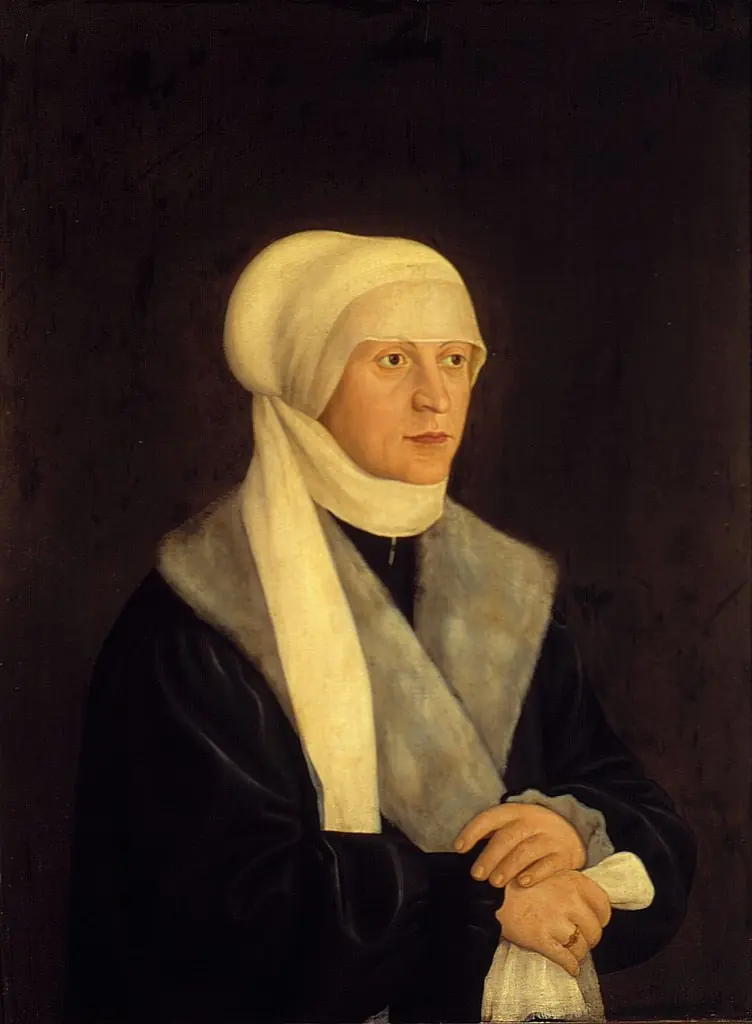
Own this work as a print
Artist & collection

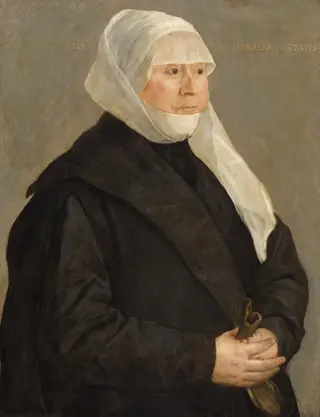 Regina von Stetten (1499-1562), Gemahlin des Peter Honold
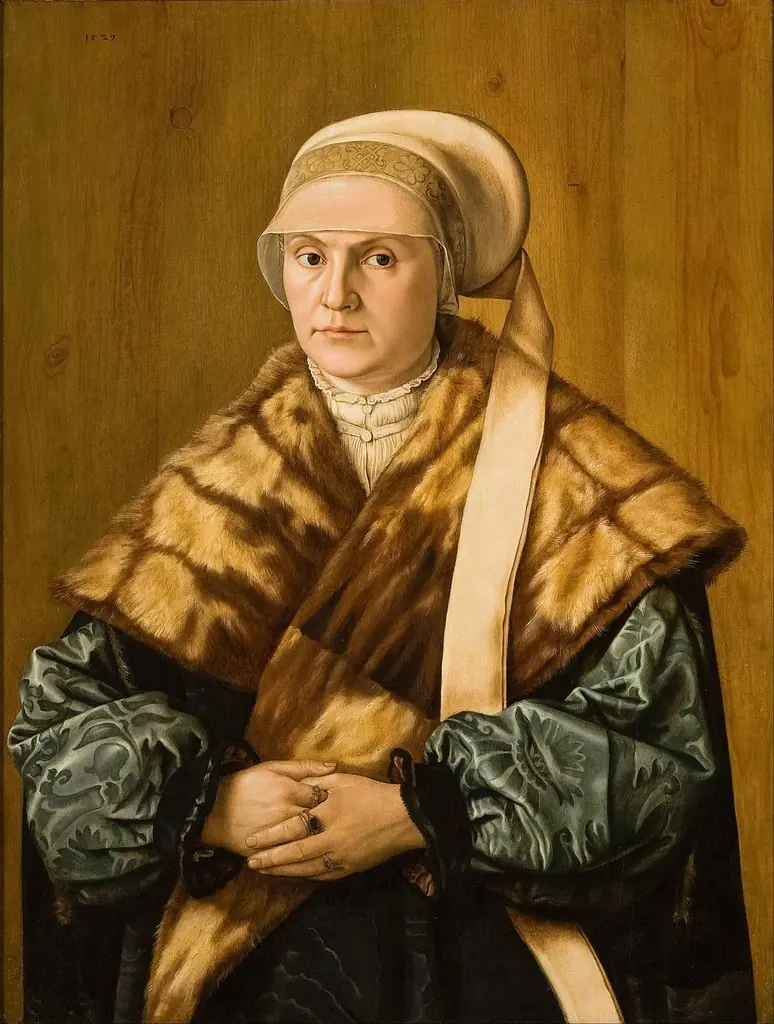 Portrait of a Woman
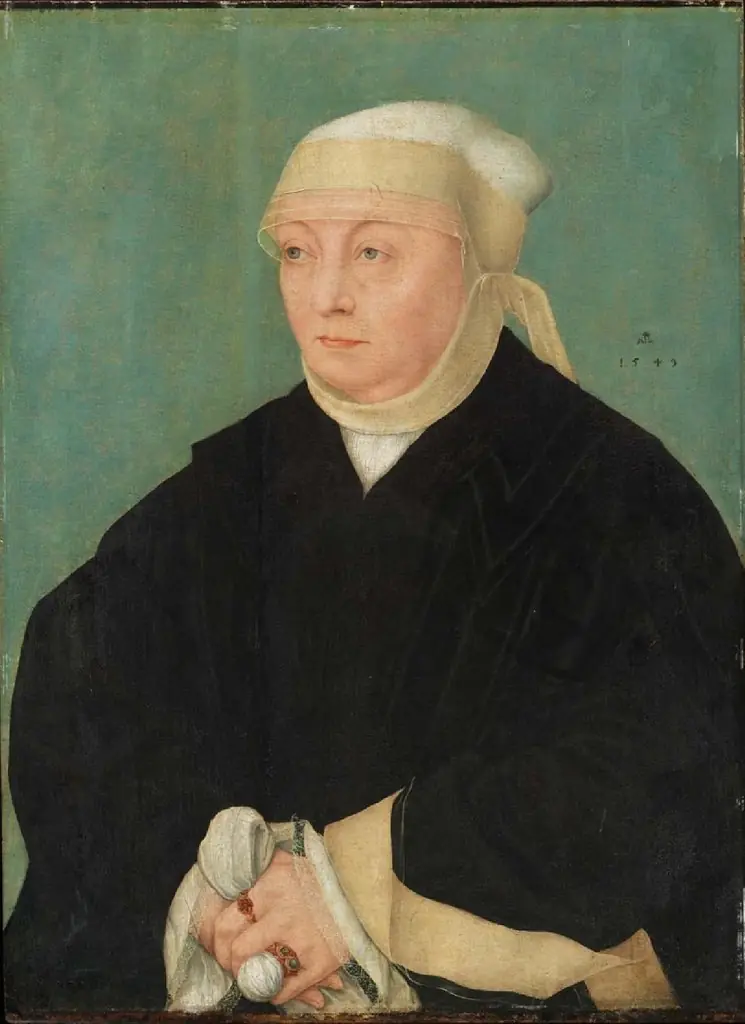 Portrait of a Woman
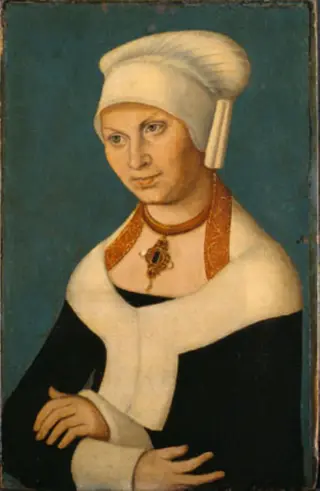 Portrait of the Duchess Barbara of Saxony, 1478-1534 (wife of George the Bearded)
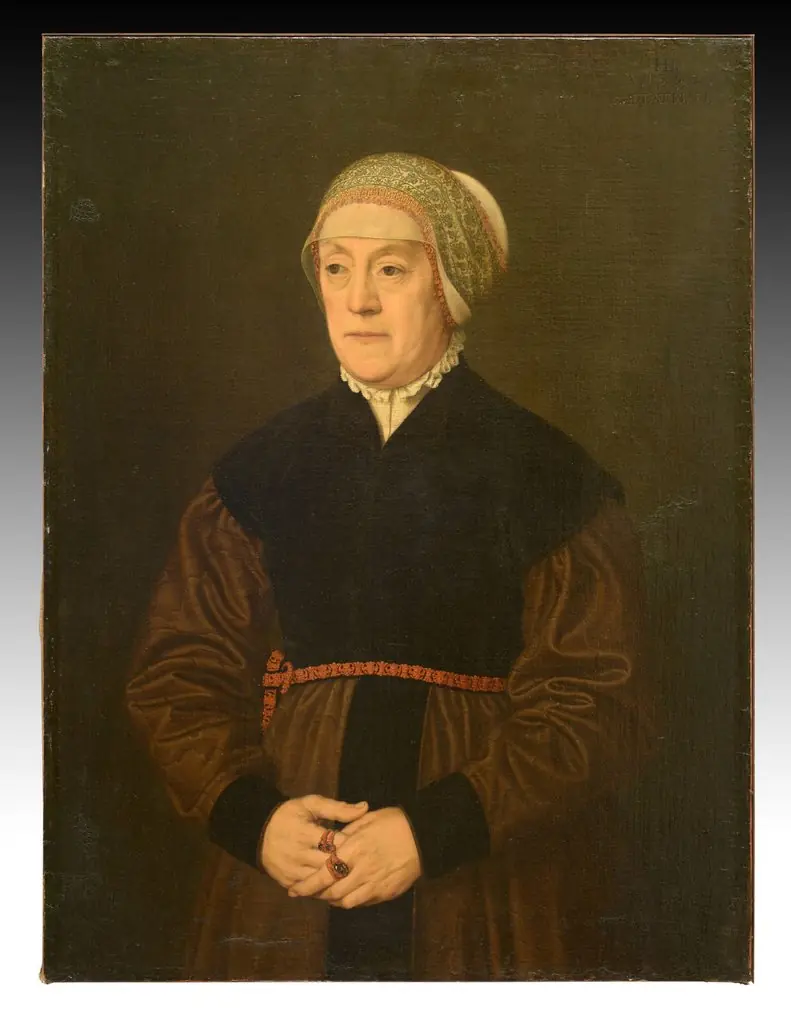 Portrait of an Elderly Woman
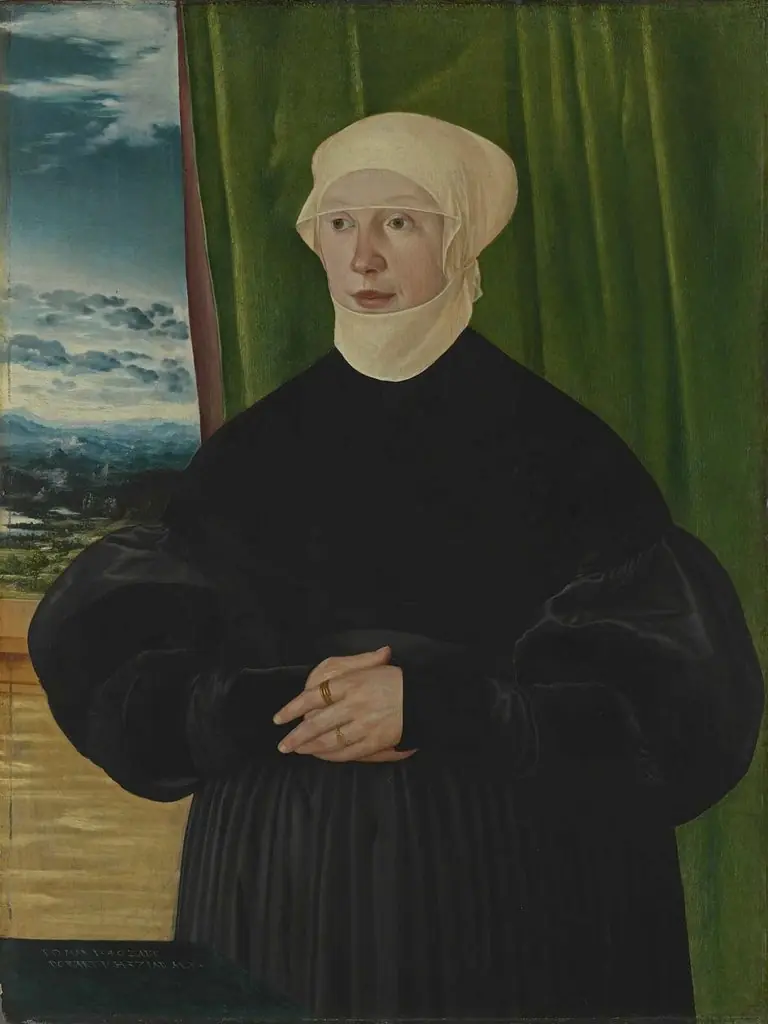 Ligsalz-Bildnisdiptychon: Apollonia Ligsalz, geb. Ridler
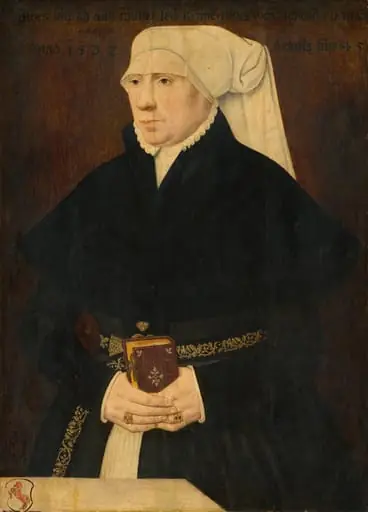 Portrait of a Lady
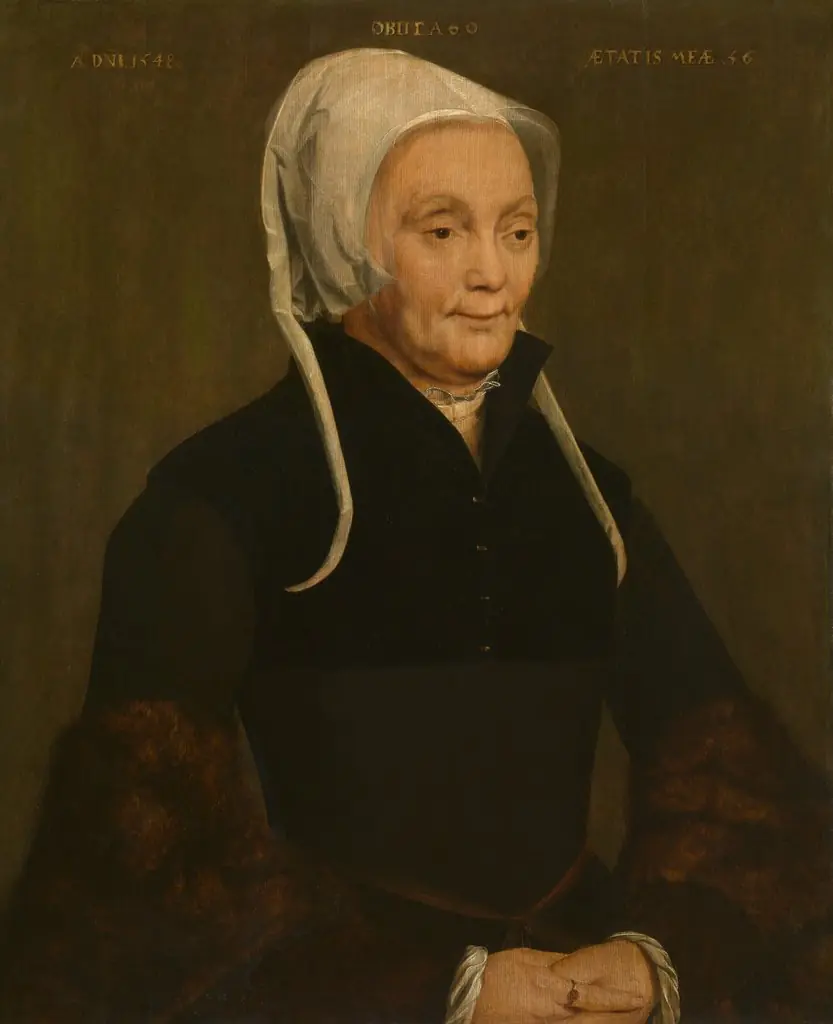 Portrait of a Woman
 Portrait of a woman
 Isabella Jagiellon
 Portrait of the Duchess Barbara of Saxony, 1478-1534 (wife of George the Bearded)