Artwork
Die hl. Maria Magdalena (?)
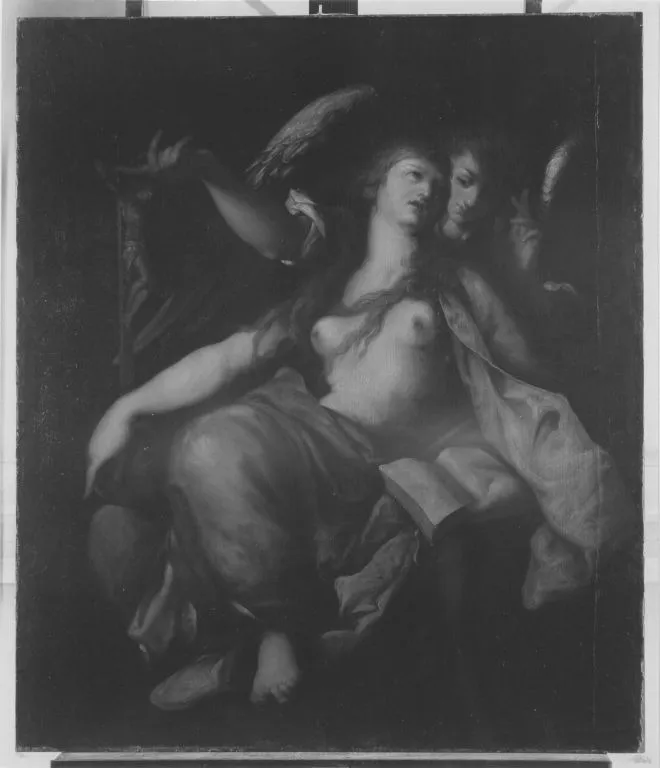
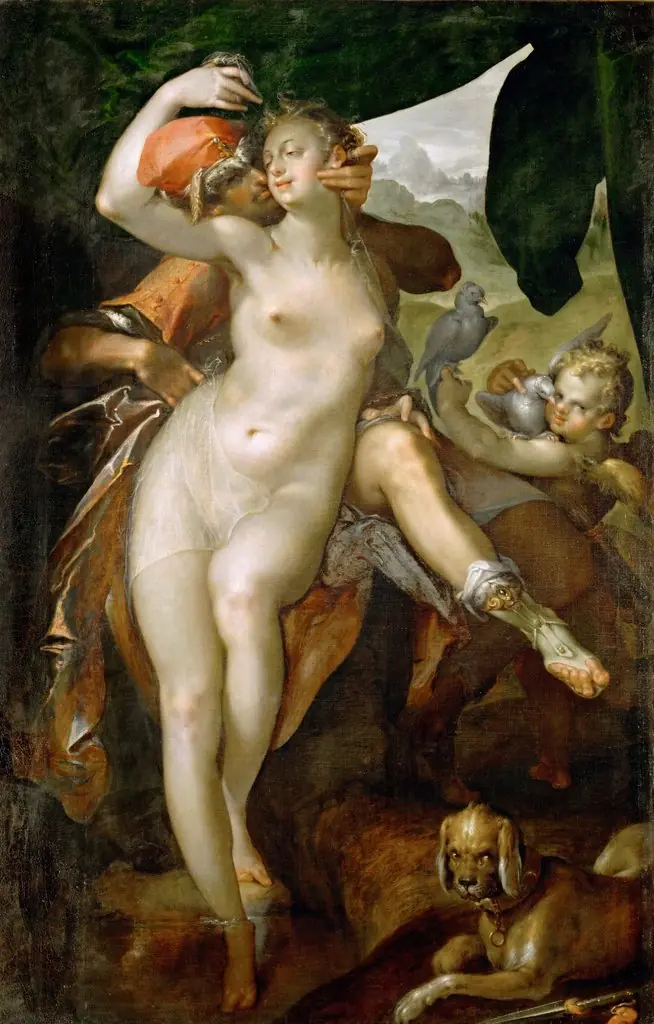
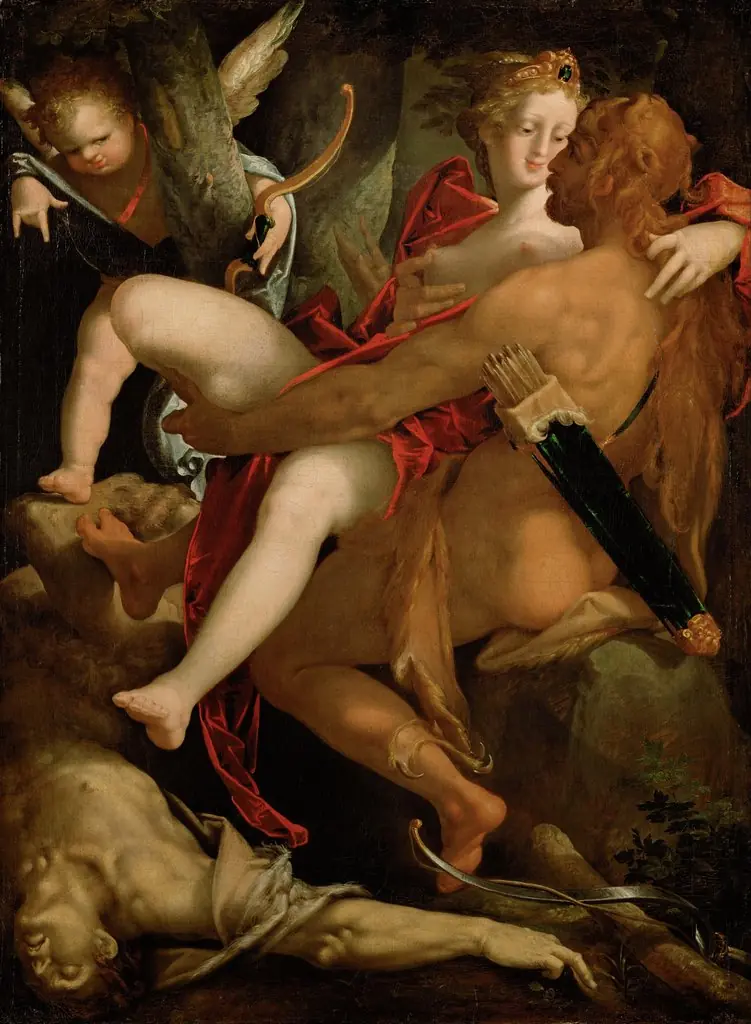
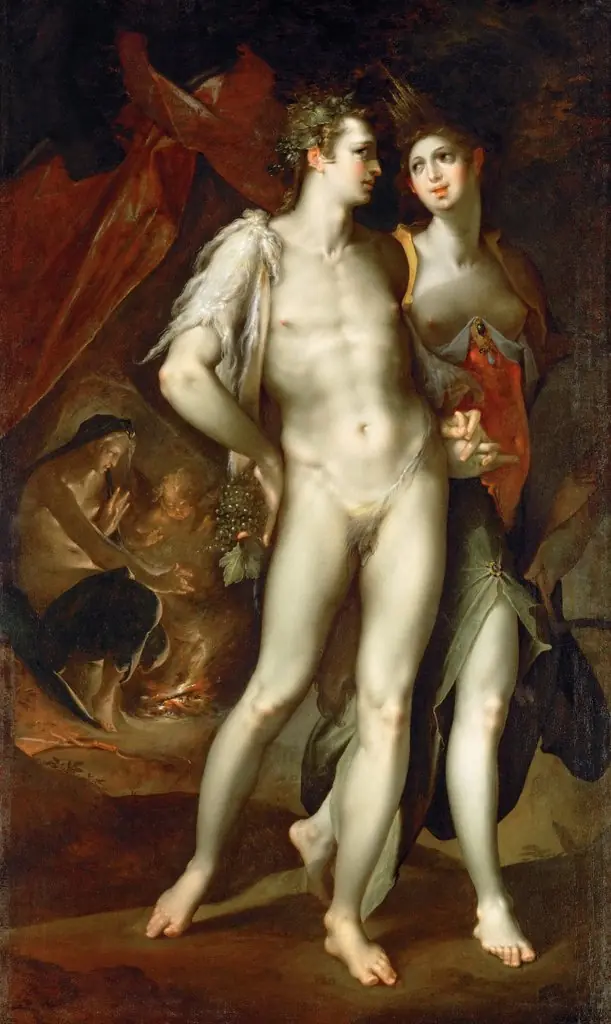
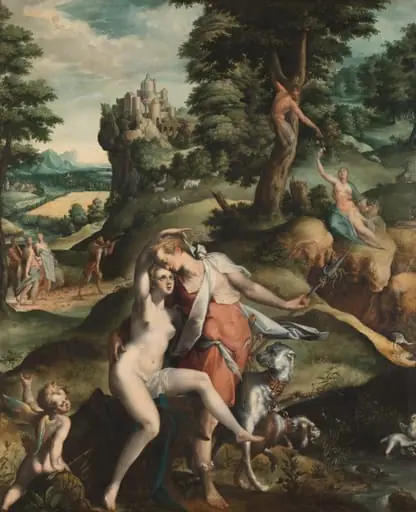
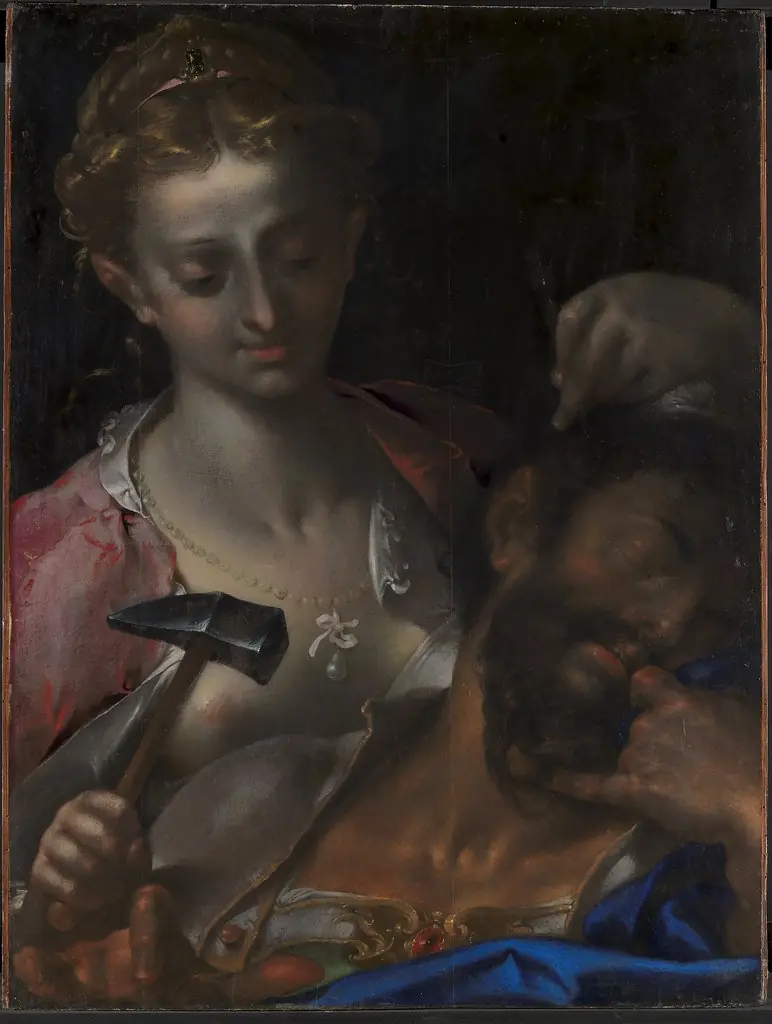
Die hl. Maria Magdalena (?) is an unspecified painting by the Mannerist artist Bartholomeus Spranger. It dates from 1590 and is held in the collection of the Bavarian State Painting Collections. Die hl.
About this work
Subject & Meaning
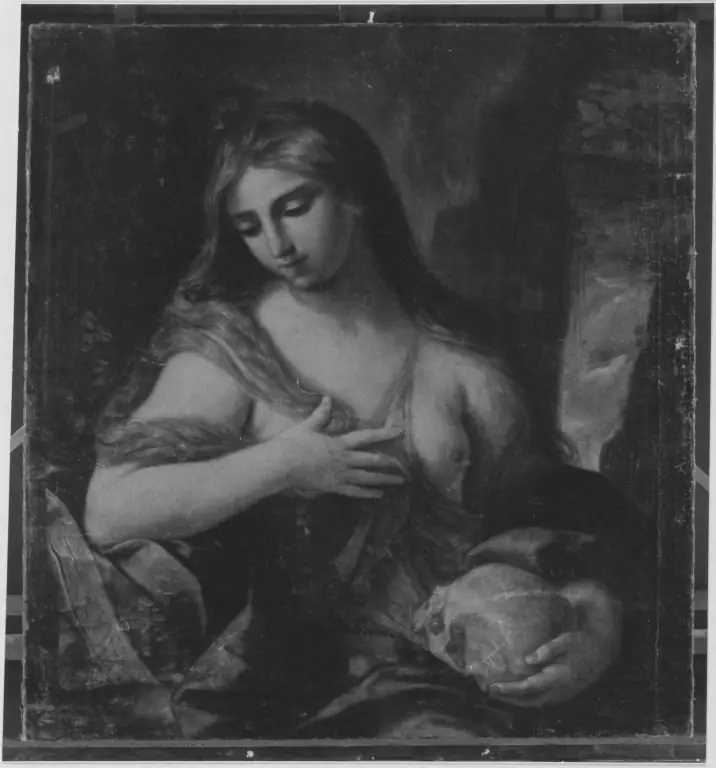
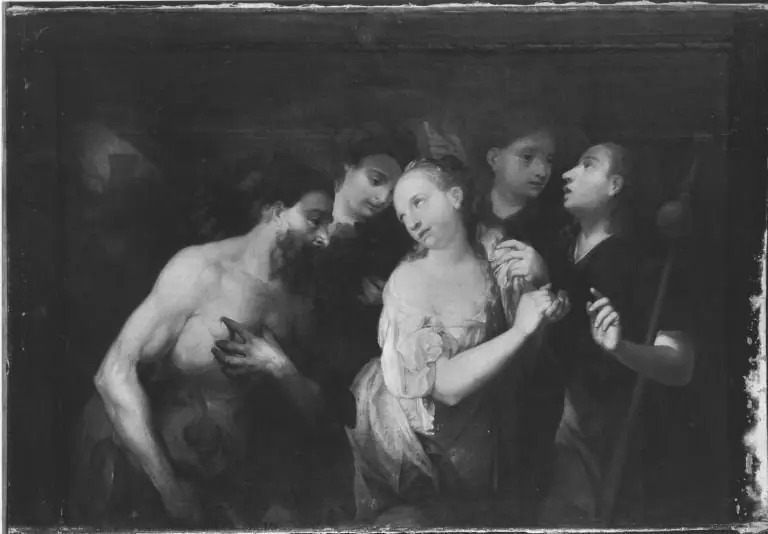
The painting depicts Mary Magdalene, a saint traditionally associated in Christian iconography with penitence, contemplation, and redemption.
The painting depicts Mary Magdalene, a saint traditionally associated in Christian iconography with penitence, contemplation, and redemption. As a work of religious art, it belongs to the long tradition of devotional images portraying the Magdalene as a focus for meditation on spiritual transformation.
The subject's identification is reinforced by the work's title, and its religious genre situates it within the Counter-Reformation context of late sixteenth-century sacred imagery, when depictions of penitent and devotional saints served to inspire piety among viewers.
History & Provenance
The work is dated 1578, aligning with Spranger’s early maturity in Prague under Rudolf II.
It entered the Bavarian State Painting Collections, where it is currently held in the Alte Pinakothek. This institutional chain indicates state acquisition rather than a private commission, though no specific patron is recorded in the sources.
Overview
Die hl. Maria Magdalena (?) is a circa 1590 painting attributed to Bartholomeus Spranger, a Flemish artist working in Prague as court painter to Holy Roman Emperor Rudolf II. The work is housed in the Alte Pinakothek.
Technique & Style
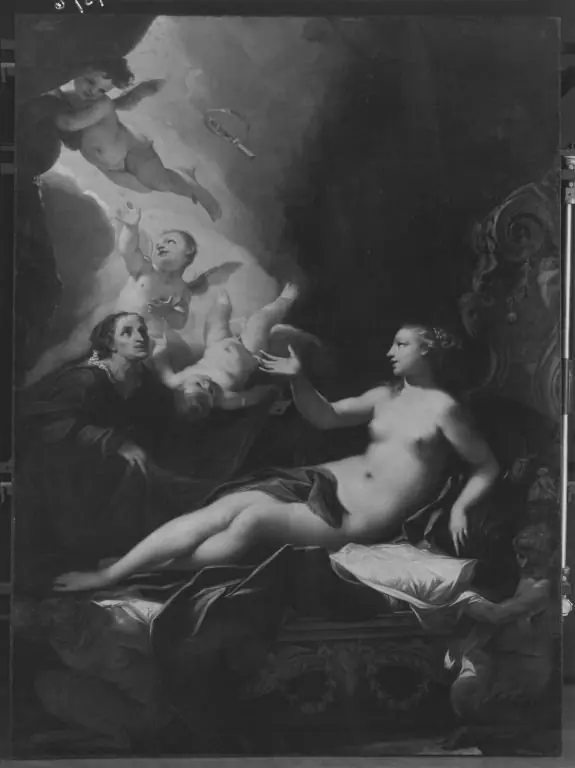
Executed in the Northern Mannerist style, the painting features Spranger's characteristic use of chiaroscuro, where strong contrasts between light and dark emphasize the subject's skin and the book's pages against a dark backdrop. The figure's relaxed yet elegant pose is also typical of Spranger's emphasis on graceful, often sensual, forms.
Context
As a court artist, Spranger's work, including this piece, reflects the aesthetic and intellectual preferences of Rudolf II's court, known for its fascination with Mannerist ideals of beauty, contemplation, and subtle symbolism.
Legacy
While not widely recognized outside academic circles, the painting contributes to the understanding of Northern Mannerism's evolution in Central Europe during the late 16th century, particularly in its blend of sensuality, spirituality, and technical innovation in lighting.
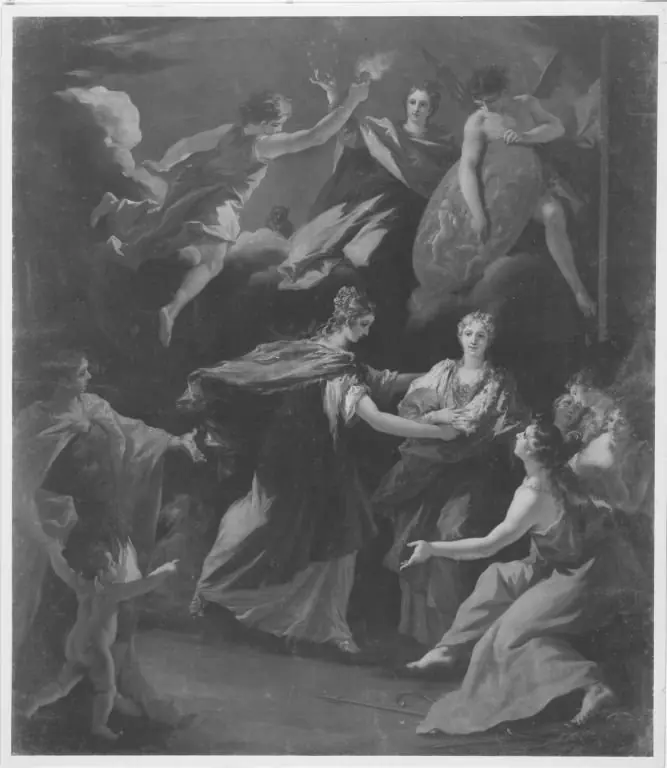
Artist & collection
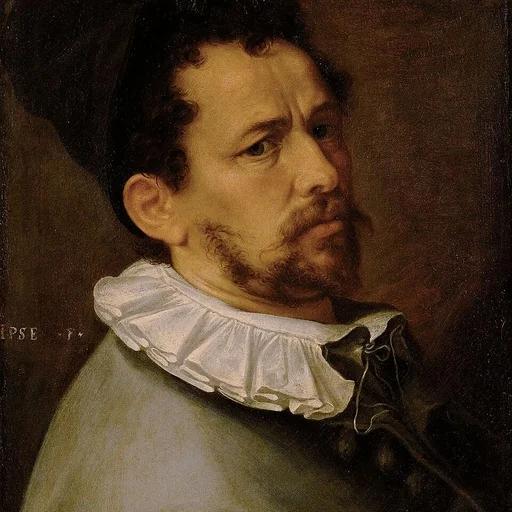
Artist
Bartholomeus Spranger or Bartholomaeus Spranger (21 March 1546 – 27 June 1611) was a Flemish painter, draughtsman, sculptor, and designer of prints.