Artwork
Adoration of the Magi
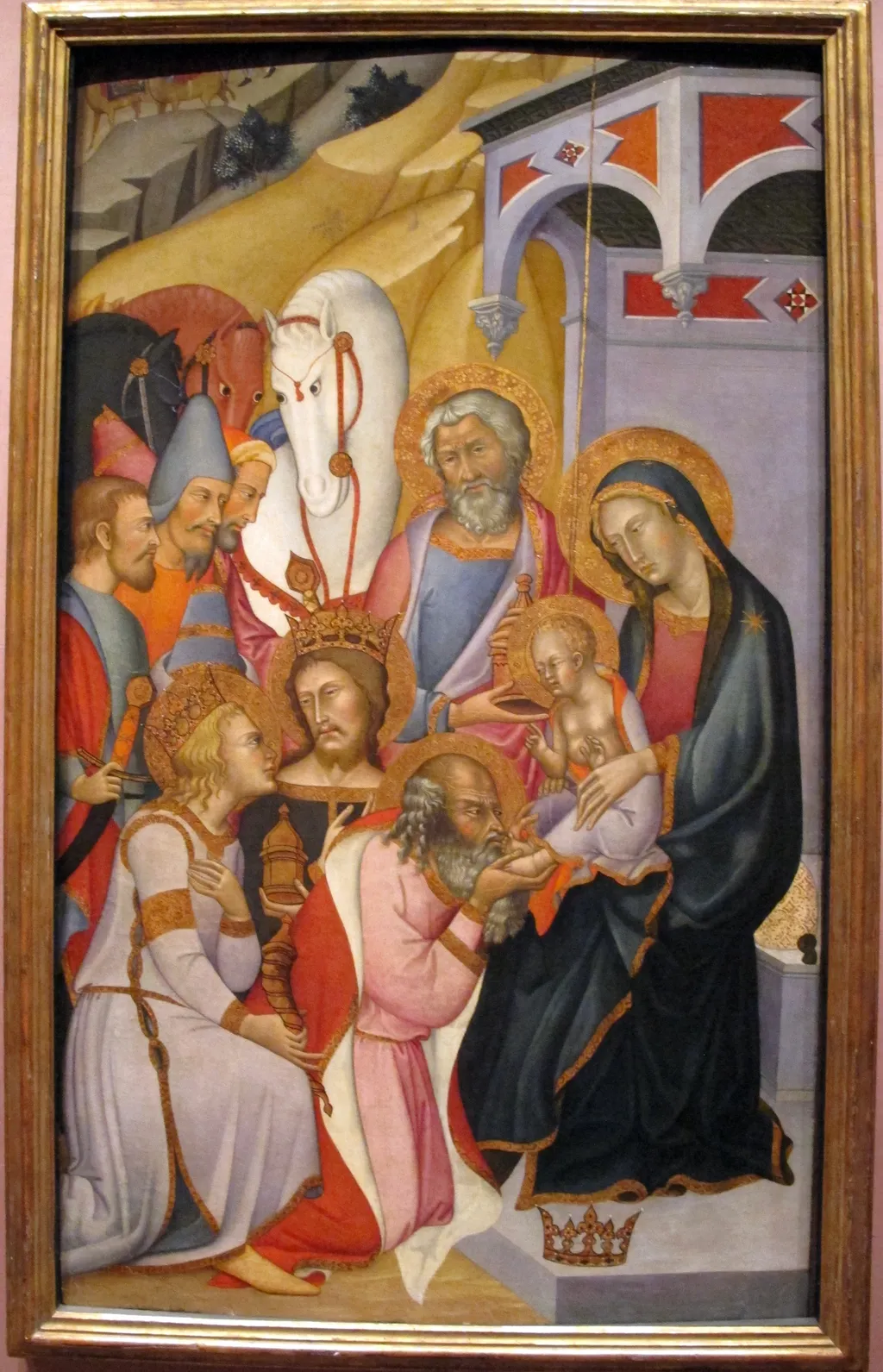
Adoration of the Magi is an unspecified painting by the Italo Byzantine artist Bartolo di Fredi. It dates from 1396 and is held in the collection of the Metropolitan Museum of Art.
About this work
Subject & Meaning
As a religious genre piece, the work visualizes these theological meanings through the veneration of the Holy Family by the foreign travelers.
The artwork depicts the Adoration of the Magi, a traditional religious subject portraying the biblical narrative of the three Magi visiting the newborn Christ Child to present their gifts. This iconography centers on the theme of divine revelation to the Gentiles, symbolizing the recognition of Jesus's sovereignty and spiritual authority by the wider world. The presentation of gifts, typically gold, frankincense, and myrrh, carries deep symbolic weight, representing Christ's kingship, divinity, and eventual mortality.
As a religious genre piece, the work visualizes these theological meanings through the veneration of the Holy Family by the foreign travelers.
History & Provenance
The painting known as Adoration of the Magi was created by the Sienese artist Bartolo di Fredi in 1396. Classified as a religious artwork, the piece was produced during the late fourteenth century as part of the artist's oeuvre of devotional subjects. The work is currently held in the collection of the Metropolitan Museum of Art, where it remains a significant example of Italian religious art from this period. No accession number is recorded in the available sources, and no exhibition history is documented.
Overview
Bartolo di Fredi, a Sienese painter active in the late fourteenth century, completed the Adoration of the Magi in 1396. Executed in the Italo‑Byzantine idiom, the work portrays the biblical episode of the three wise men’s homage to the infant Christ. The panel is part of the permanent collection of the Metropolitan Museum of Art in New York.
Technique & Style
Di Fredi employs the flat, luminous coloration typical of the Italo‑Byzantine tradition, avoiding gradual shading or chiaroscuro. Figures are rendered with clear outlines and bright, unmodulated hues, giving the scene a decorative, almost icon‑like quality. Architectural elements, arched windows and a rocky hill, are suggested rather than modeled, reinforcing the emphasis on symbolic surface over three‑dimensional illusion.
Context
The Adoration of the Magi reflects the devotional focus of late medieval Siena, where the cult of the Virgin and the celebration of Christ’s nativity were central to civic and religious life. The work aligns with contemporary Sienese panels that blend narrative clarity with ornamental richness, illustrating the city’s continued engagement with Byzantine visual conventions even as early Renaissance ideas began to emerge.
Own this work as a print
Artist & collection

Artist
Bartolo di Fredi (c. 1330 – 26 January 1410), also called Bartolo Battiloro, was an Italian painter, born in Siena, classified as a member of the Sienese School.

- Adoration of the Magi
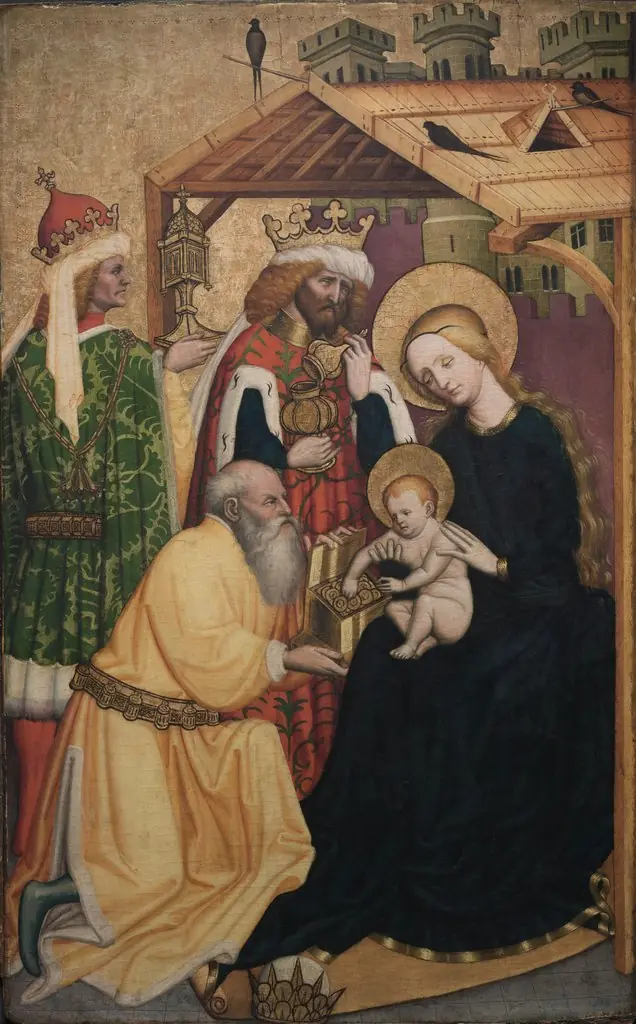 Adoration of the Magi
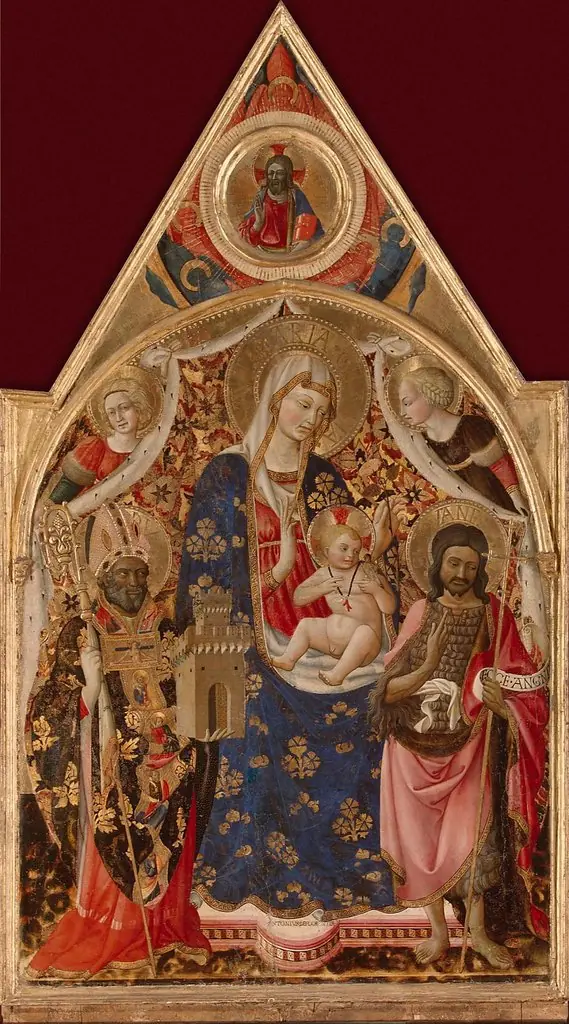 Madonna and Child, with a Bishop, St John The Baptist and Angels
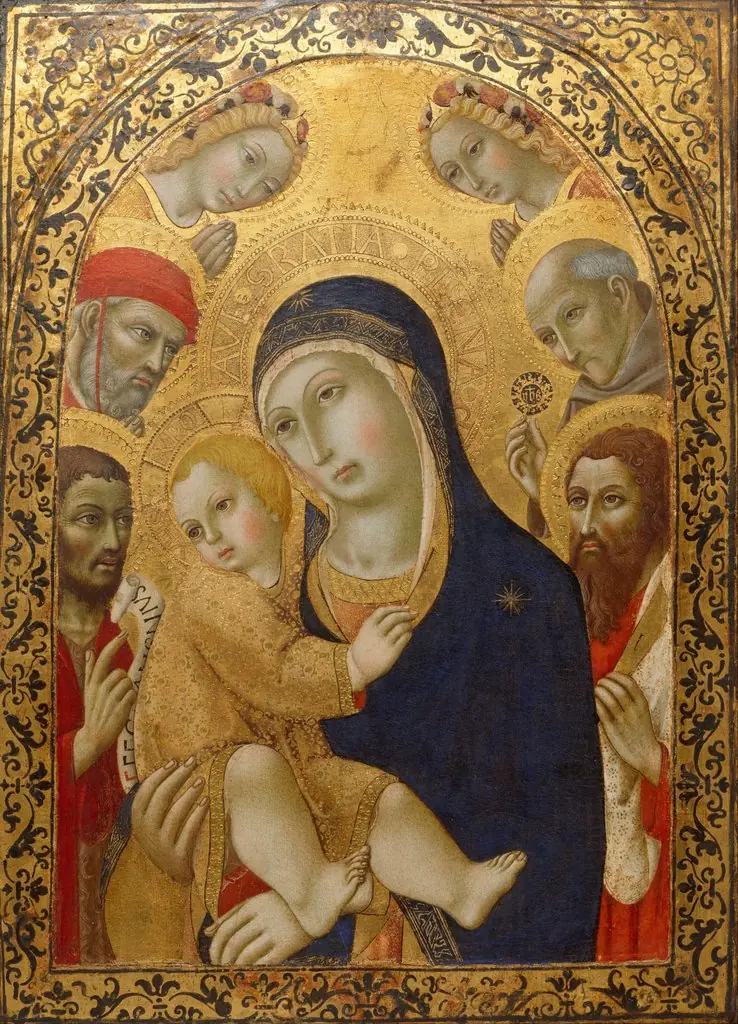 Madonna and Child with Saints Jerome, John the ...
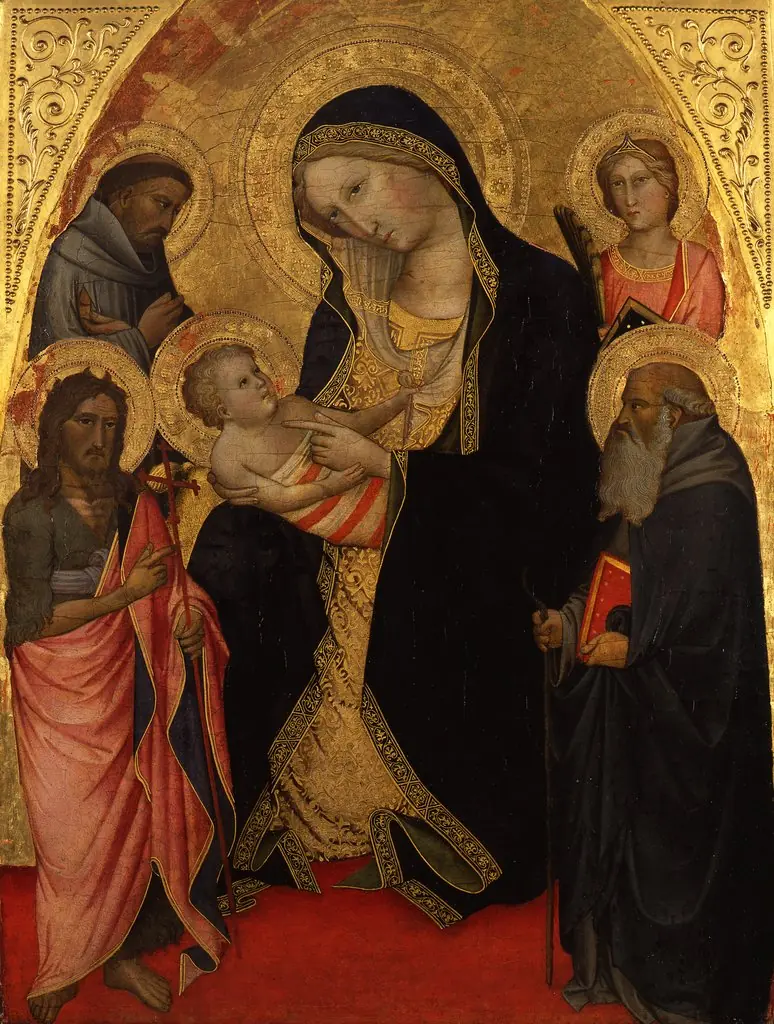 Madonna with the child, St. John the Baptist, St. Francis and St. Anthony and a martyr
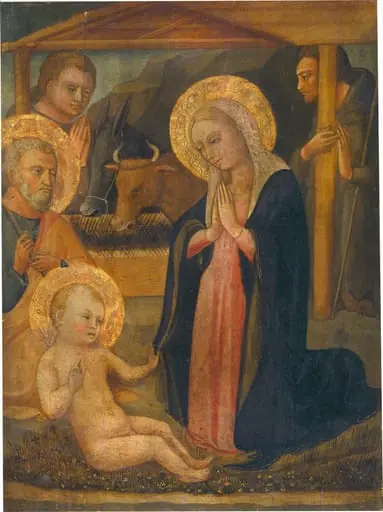 The Adoration of the Christ Child
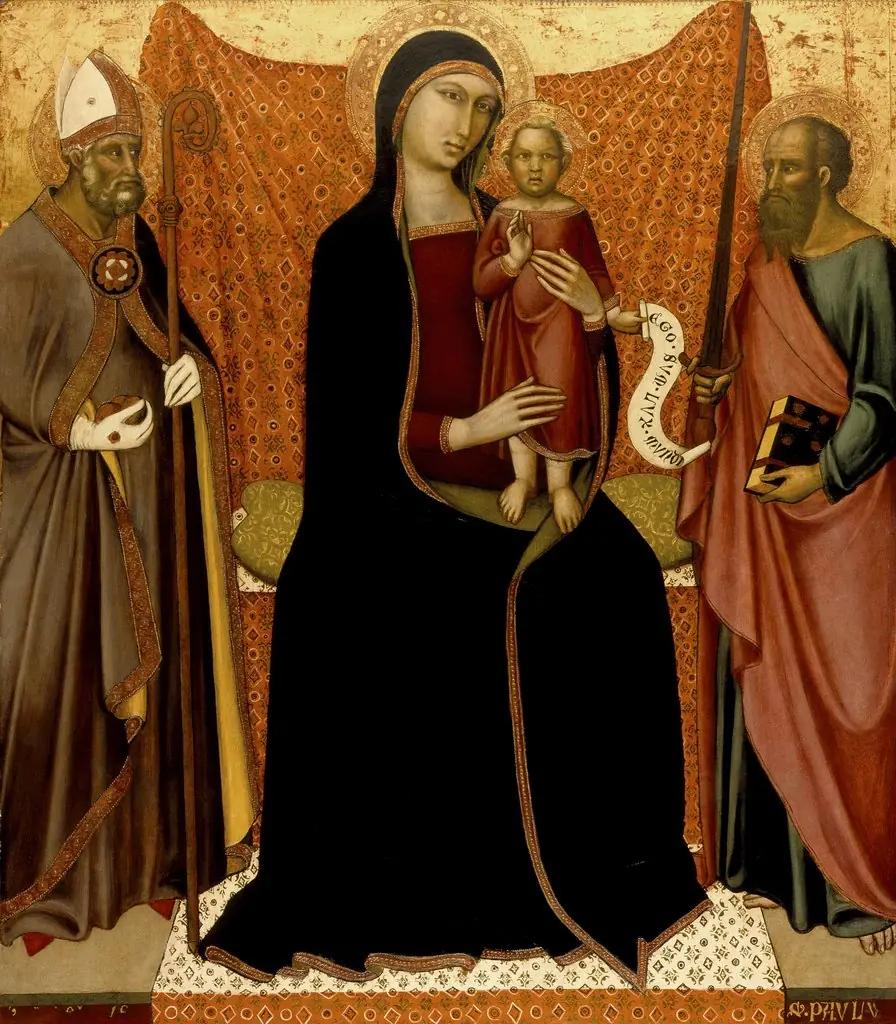 Madonna and Child with Sts. Nicholas and Paul
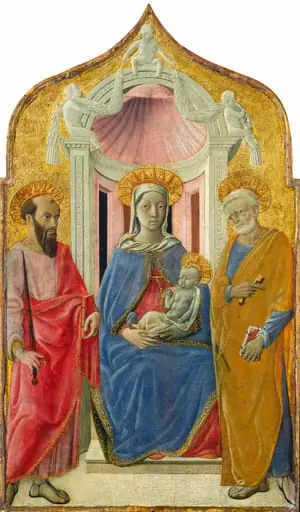 Madonna and Child Enthroned with Saint Peter and Saint Paul
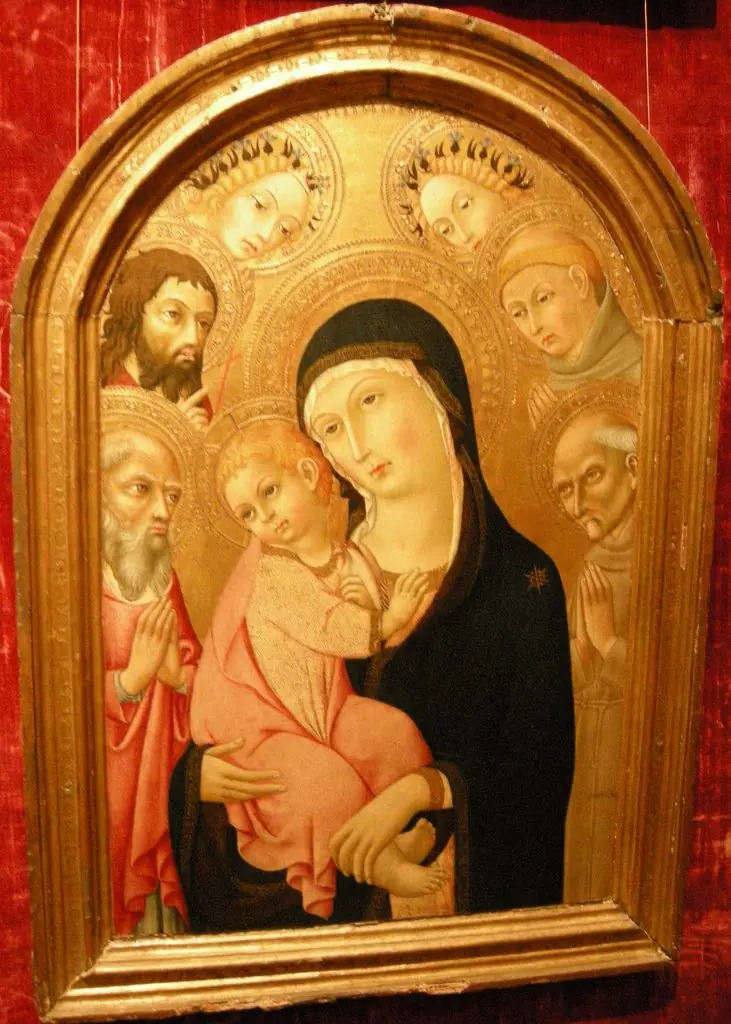 madonna col bambino, santi e due angeli
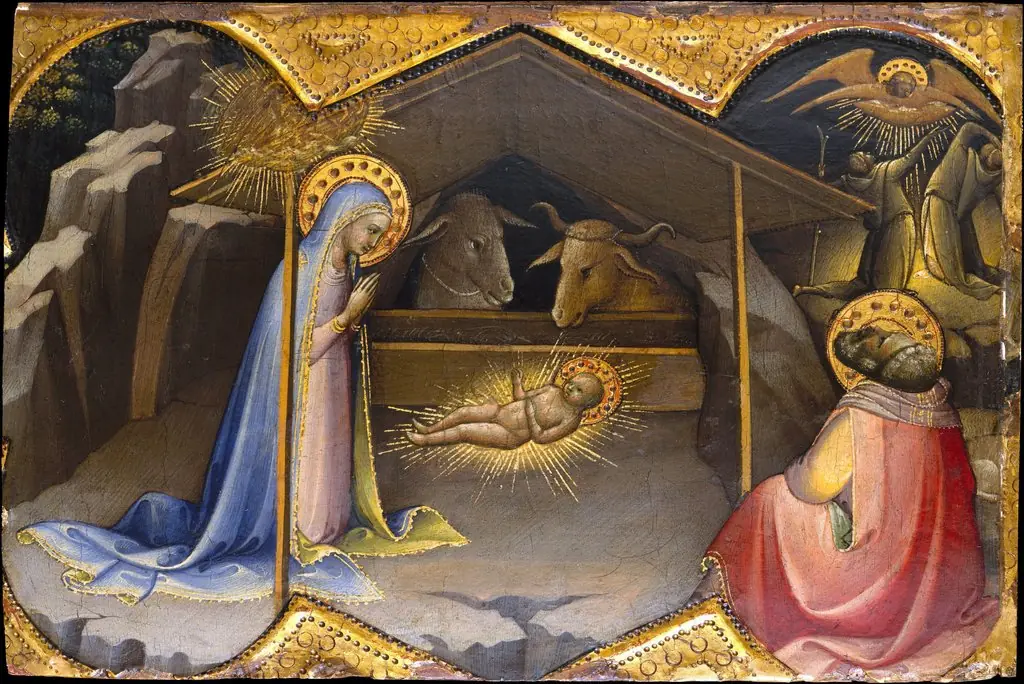 The Nativity
 Adoration of the Magi
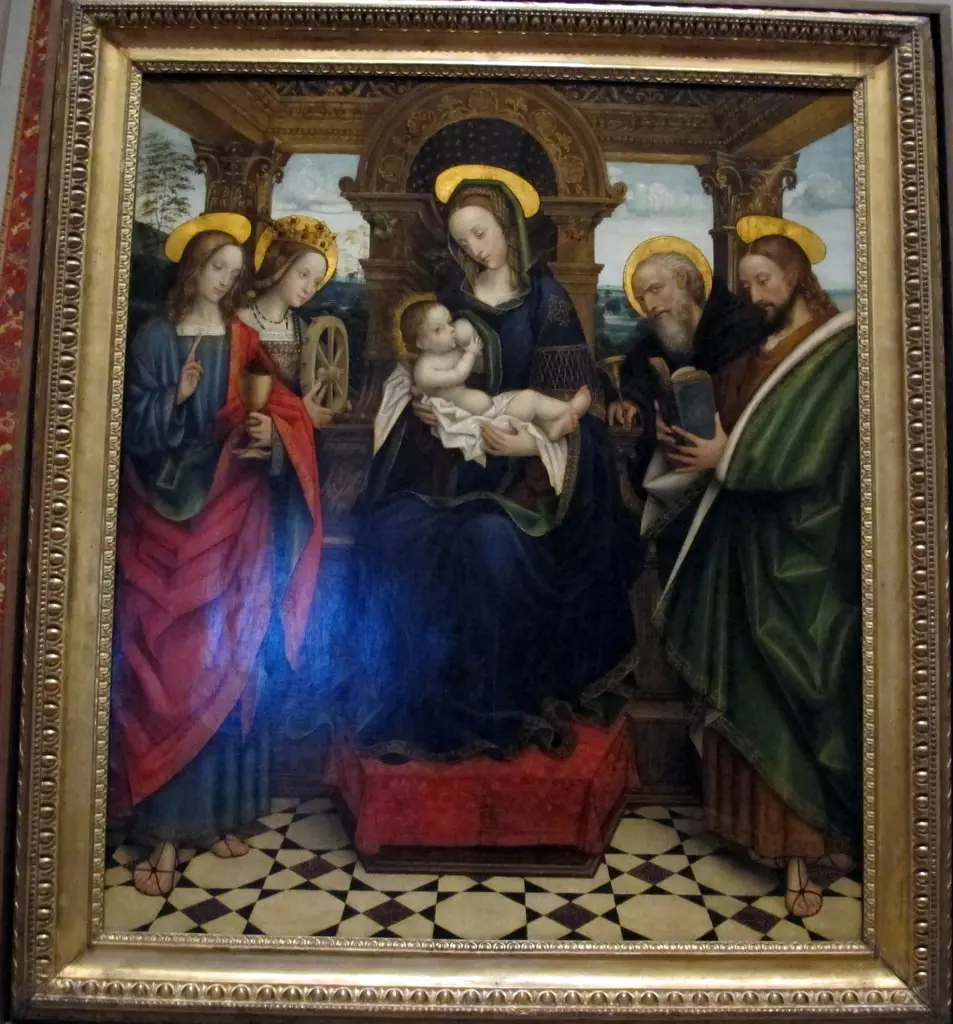 Enthroned Virgin and Child, with Saints John the Evangelist, Catherine of Alexandria, and Anthony Abbot, and a Saint Reading a Book