Artwork
Trois anges musiciens
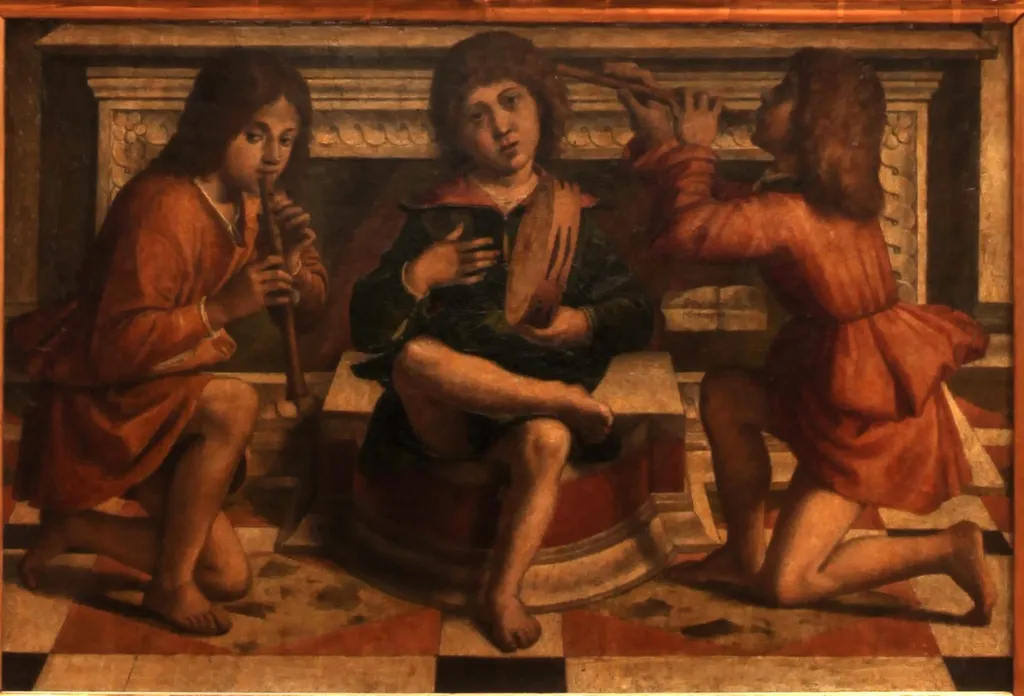
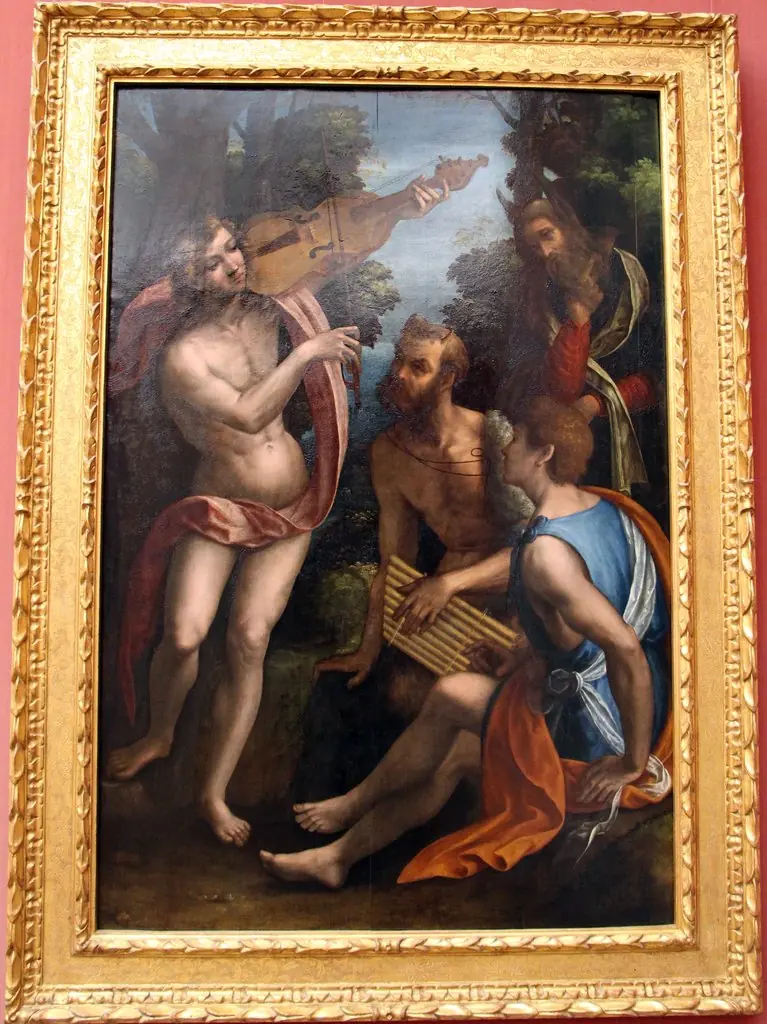
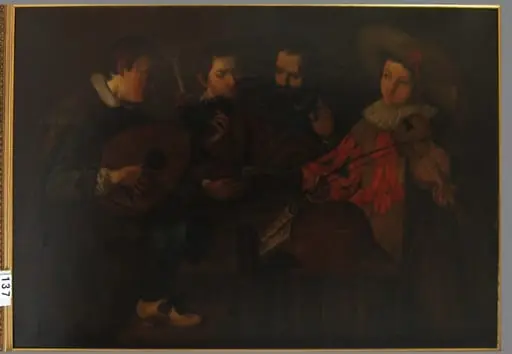
Trois anges musiciens is an unspecified painting by the Venetian Renaissance artist Bartolomeo Montagna. It dates from 1500 and is held in the collection of the Museum of Fine Arts of Lyon.
About this work
Overview
Painted around 1500, Trois anges musiciens is a panel work by Bartolomeo Montagna, an artist centered in Vicenza but active across the Veneto region.
Painted around 1500, Trois anges musiciens is a panel work by Bartolomeo Montagna, an artist centered in Vicenza but active across the Veneto region. Belonging to the Venetian Renaissance tradition, the piece captures three angelic figures in a domestic interior, engaged in musical activity. Its quiet tone and restrained palette reflect the regional aesthetic of the time, distinct from the grandeur of larger urban centers.
Subject & Meaning
The three figures, interpreted as angels, are shown in a modest interior, each holding musical instruments: a flute, a tambourine, and a stick alongside another tambourine. One holds a book, suggesting sacred text or liturgical use. The scene evokes celestial harmony made tangible, aligning with devotional themes common in Renaissance religious art, where music symbolized divine order and spiritual contemplation.
Technique & Style
Montagna employs soft, gradual transitions in modeling to render the figures with a gentle realism. The robes are rendered in muted earth tones, browns, ochres, and deep reds, creating a subdued, intimate atmosphere. The architectural details, including the tiled floor and marble fireplace, are rendered with careful attention to texture and perspective, showing the influence of Giovanni Bellini’s spatial sensitivity and atmospheric lighting.
History & Provenance
The painting’s early ownership is undocumented, but its style and materials place it firmly within Montagna’s known output from the turn of the 16th century. It likely originated as part of a private devotional setting, possibly in a Venetian or Vicentine household. No record of its movement before the modern era exists, though its preservation suggests it remained in regional collections for centuries.
Context
Montagna worked during a period when Venetian painting emphasized color and mood over linear precision. His engagement with Bellini’s compositional language placed him within a broader network of artists responding to the region’s evolving devotional needs. The domestic setting of this panel reflects a trend toward intimate religious imagery, suited for personal meditation rather than public altarpieces.
Legacy
Though less celebrated than his contemporaries, Montagna’s work contributed to the development of Venetian panel painting through his quiet, lyrical approach. His son Benedetto carried forward the family’s artistic practice through engraving, ensuring their influence extended beyond painting. Trois anges musiciens remains a quiet testament to the spiritual and aesthetic values of provincial Renaissance art.
Artist & collection

Artist
Bartolomeo (or Bartolommeo) Montagna (UK: , US: , Italian: ; 1450?– 11 October 1523) was an Italian Renaissance painter who mainly worked in Vicenza.

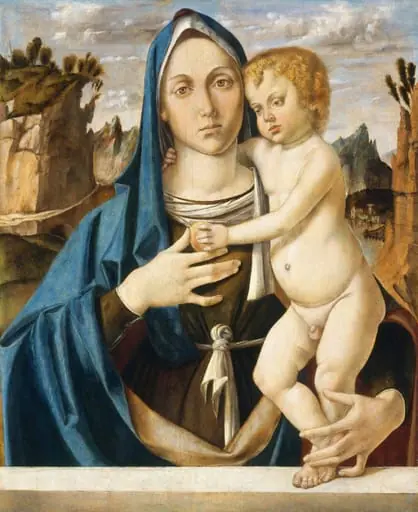 Madonna and Child
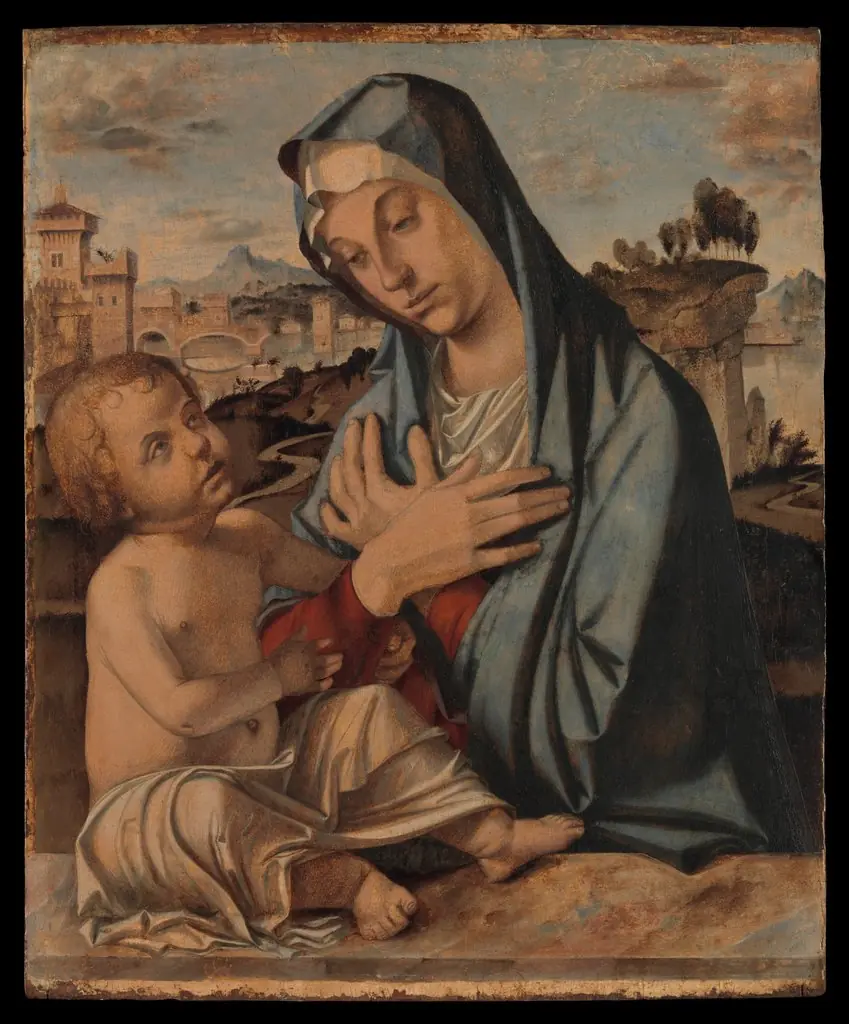 Madonna Adoring the Child
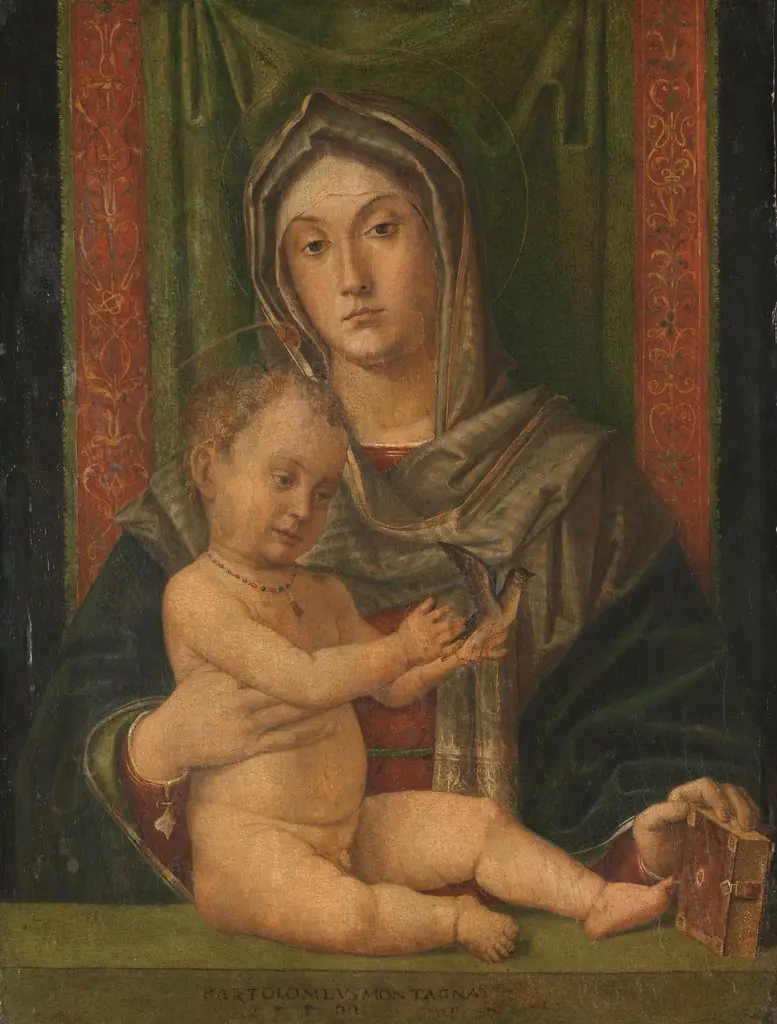 Virgin and Child
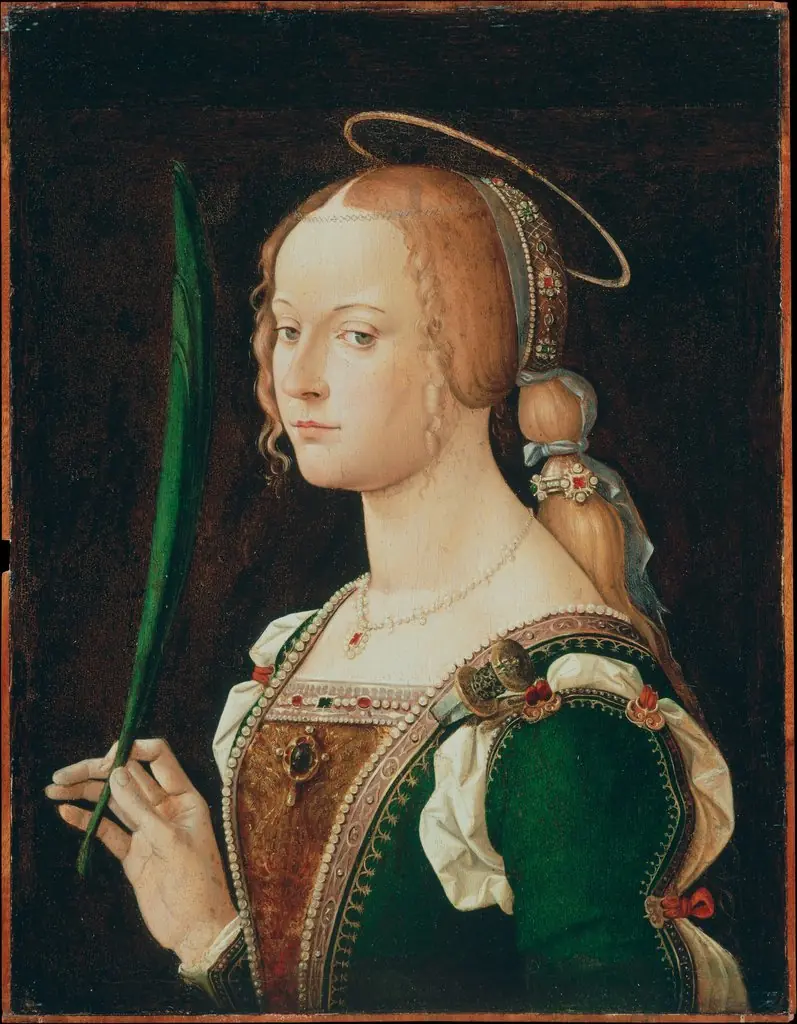 Saint Justina of Padua
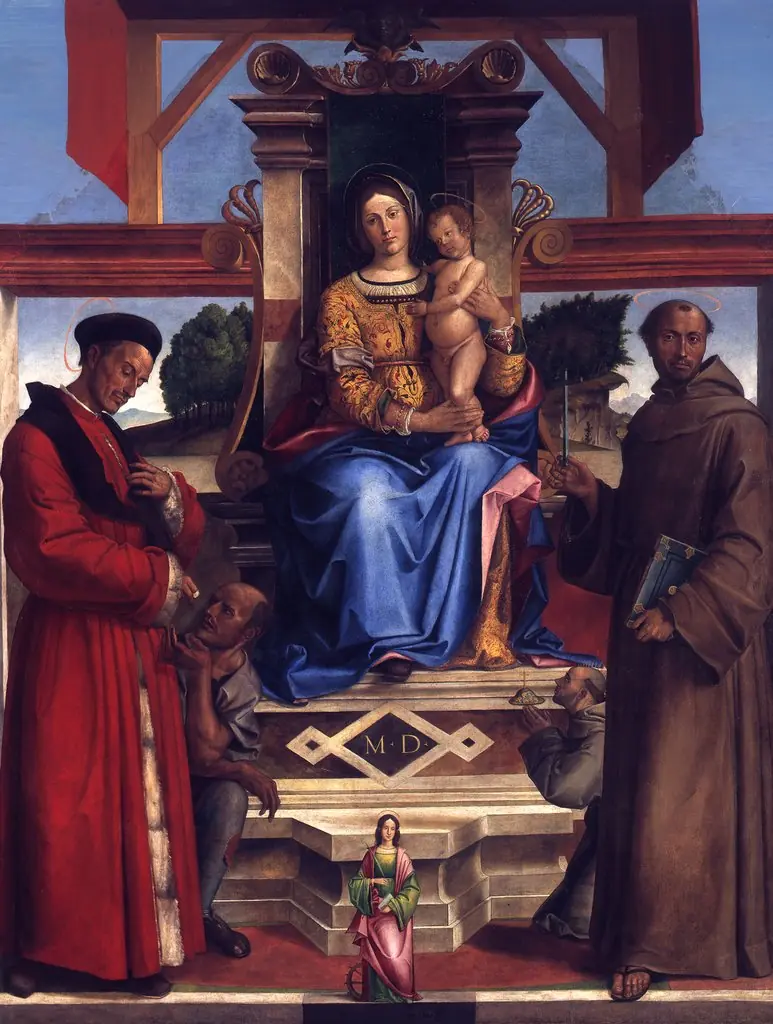 The Virgin and Child Enthroned and St. Homobonus, Francis of Assisi, Catherine of Alexandria and the Donor Bernadino da Feltre (Death 1494)
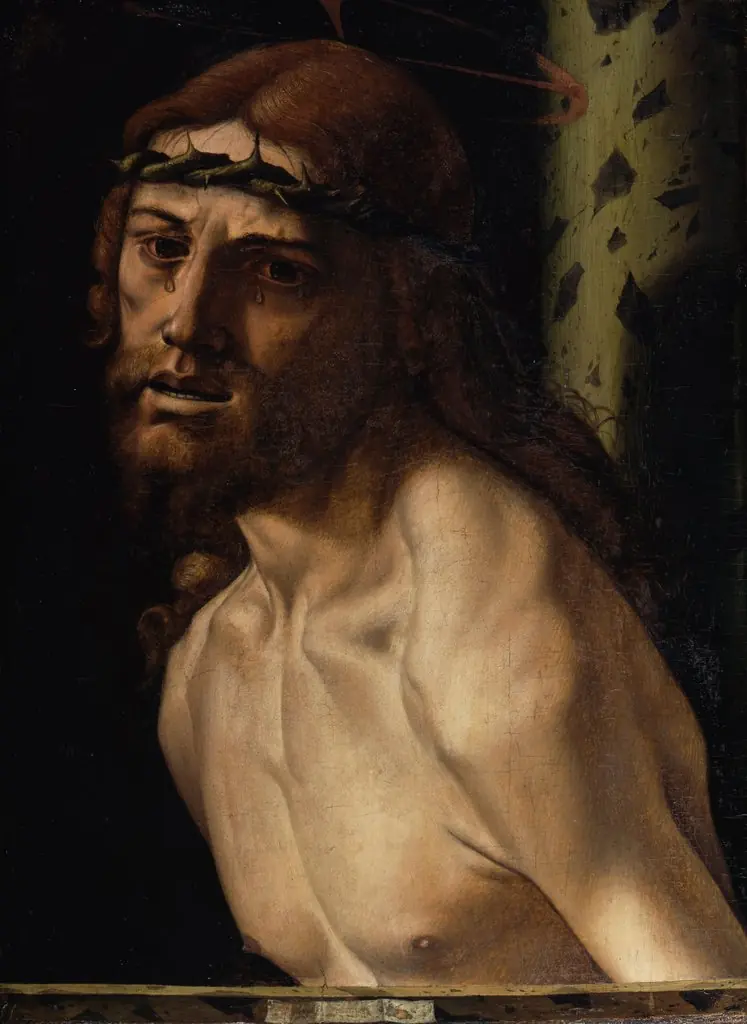 Christ at the scourge column
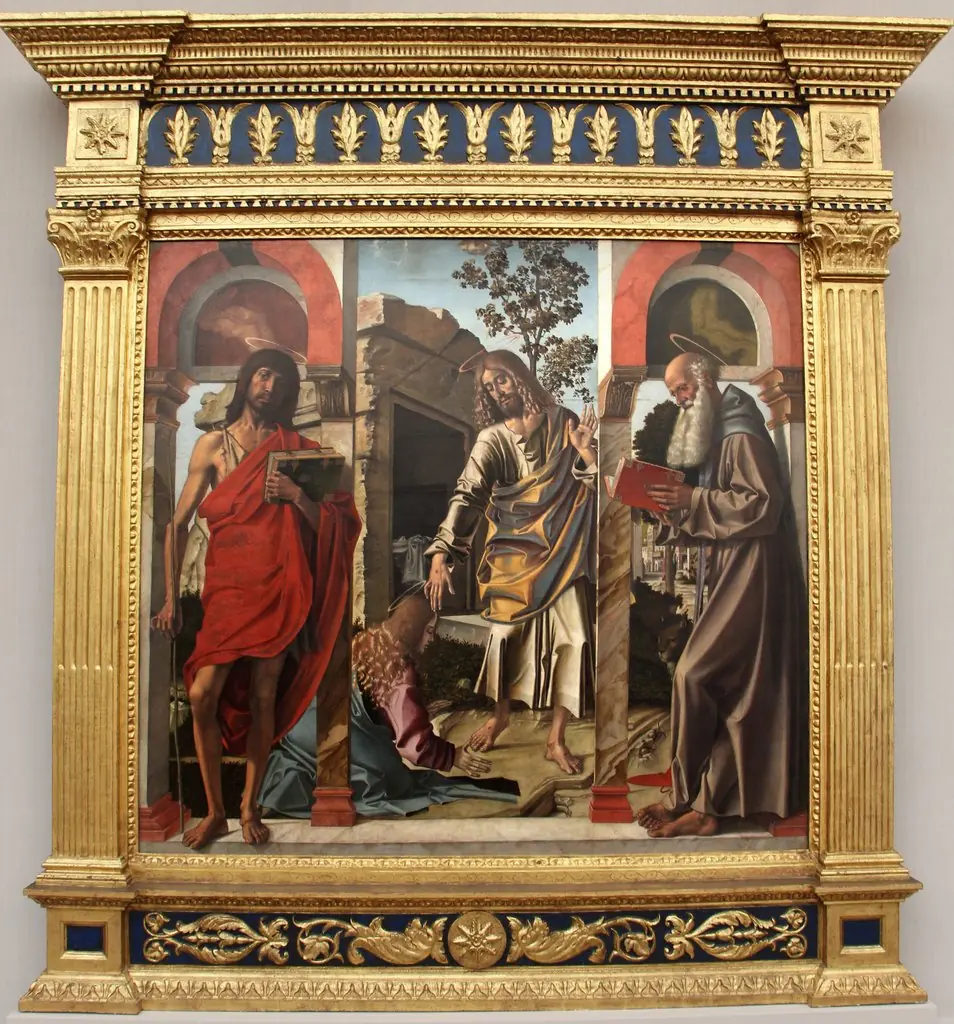 Noli me tangere between Saints John the Baptist and Jeronimo
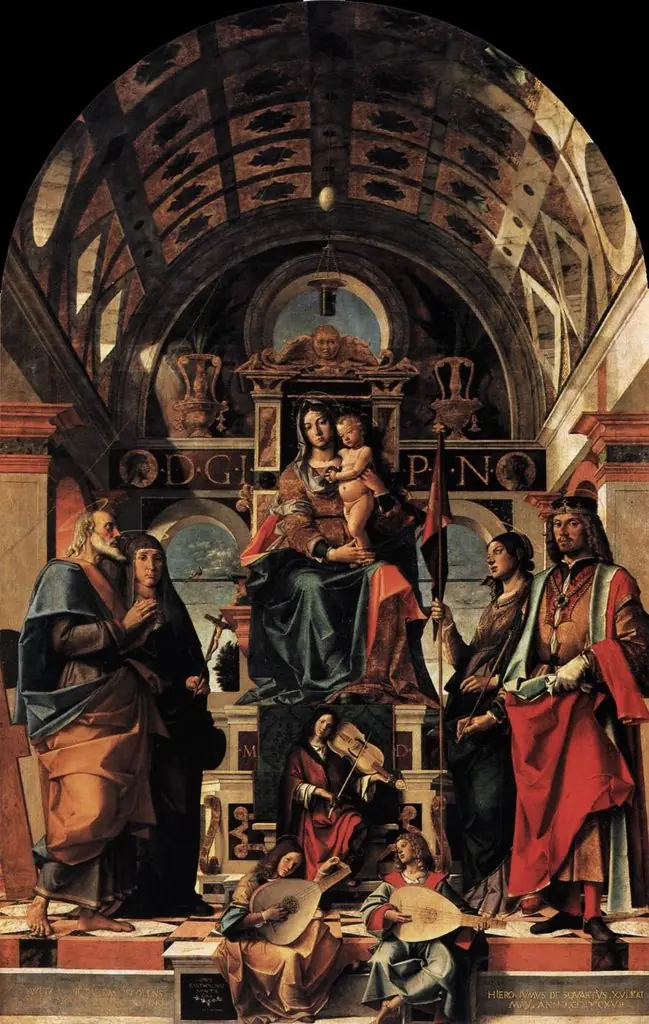 Madonna and Child enthroned with Saints