Artwork
The Lone Tenement
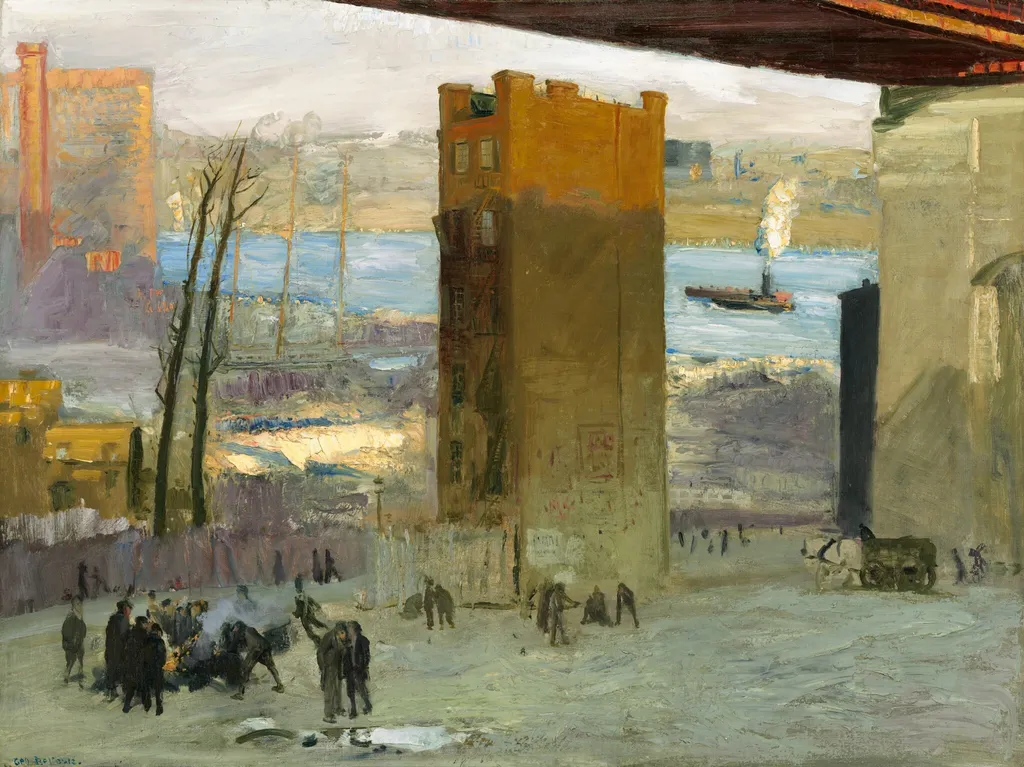
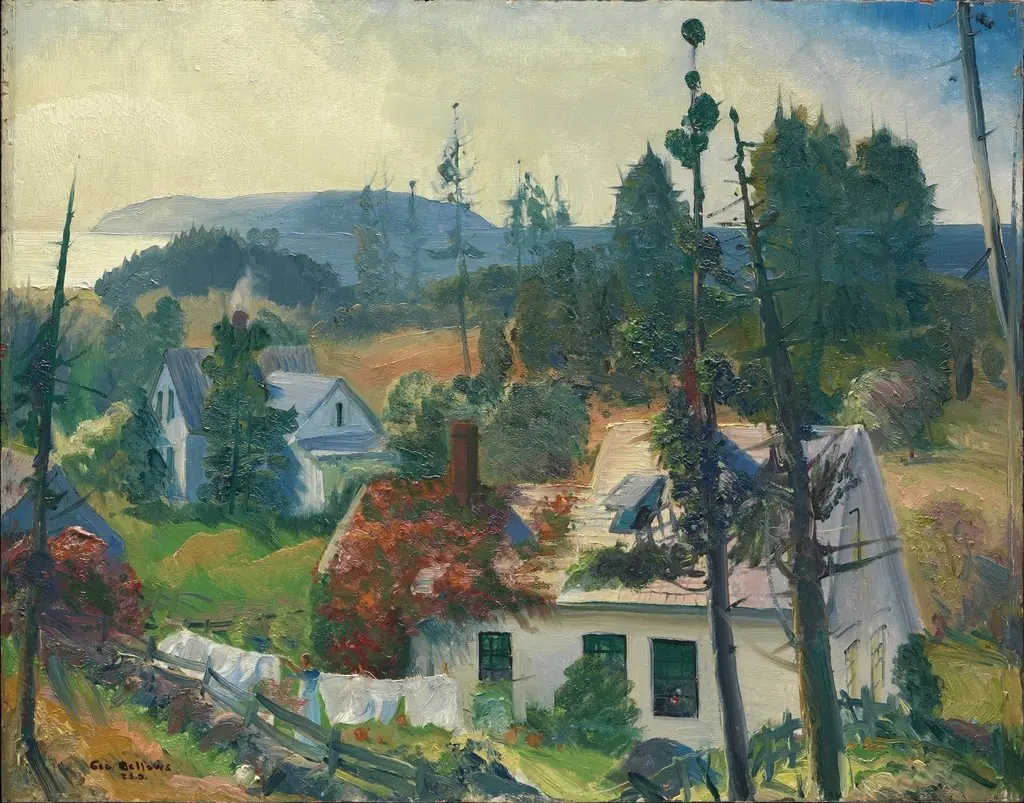
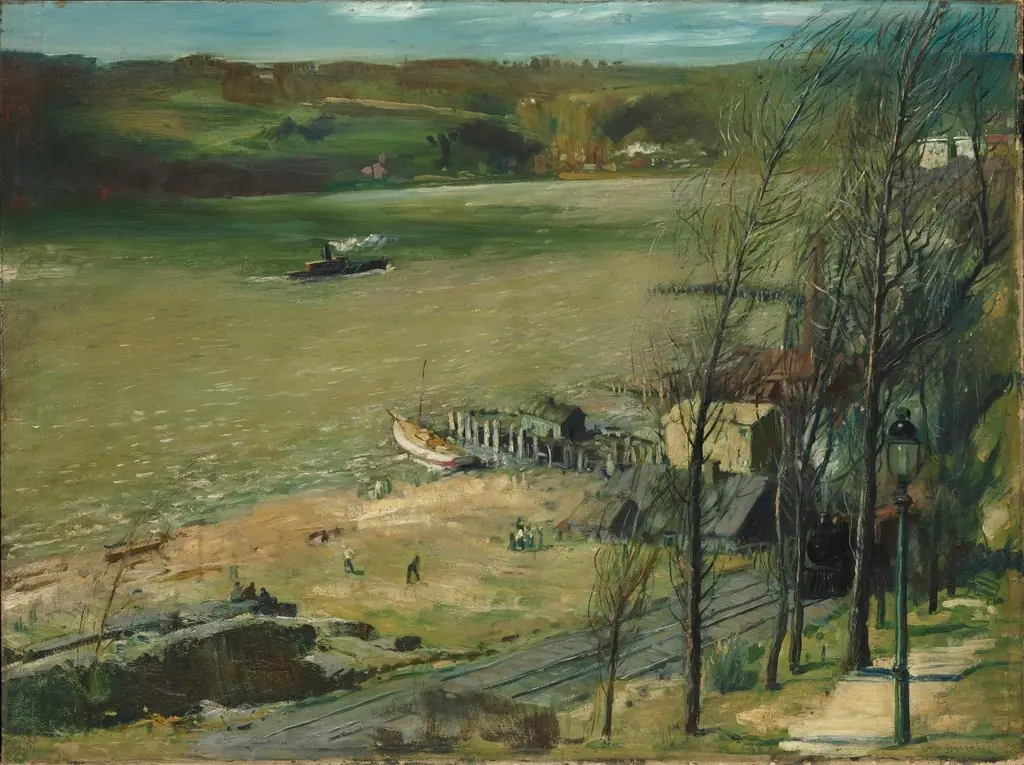
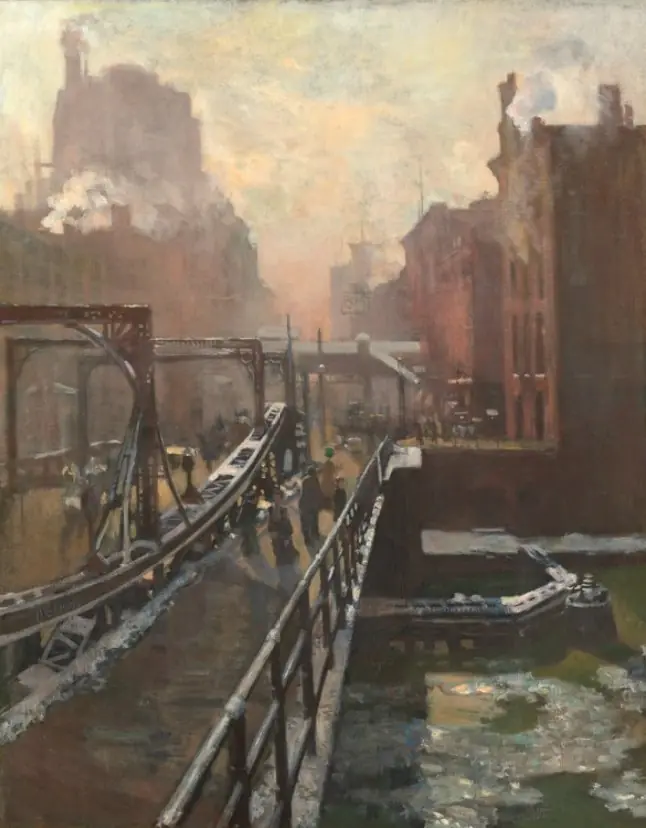
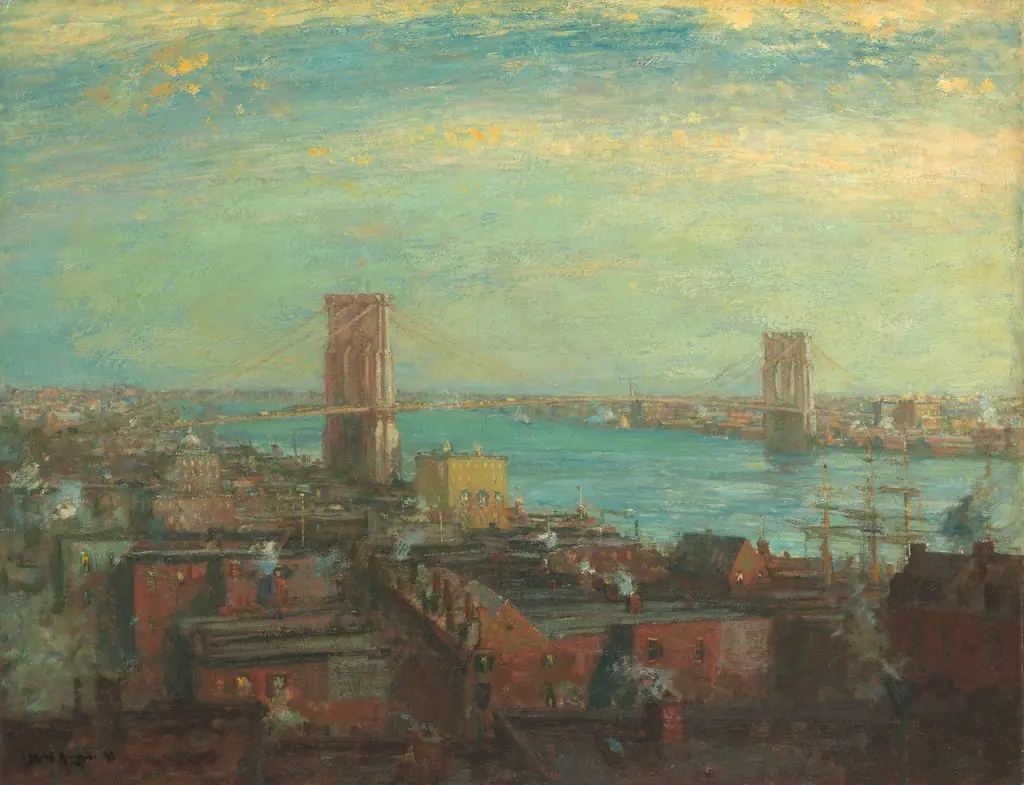
The Lone Tenement is an oil painting by the Realist artist George Bellows. It dates from 1909 and is held in the collection of the National Gallery of Art.
- Inscription
- Inscribed:lower left: Geo Bellows
About this work
Technique & Style
The piece is classified as a painting within the collection of the National Gallery of Art.
Executed in 1909, The Lone Tenement is an oil painting on canvas by George Bellows. The work measures 91.8 cm in height and 122.3 cm in width. Stylistically, the composition focuses on a solitary tree as its primary subject matter, rendered through the artist's application of oil paint on a woven fabric support. The piece is classified as a painting within the collection of the National Gallery of Art.
History & Provenance
The painting The Lone Tenement was executed by George Bellows in 1909 as an oil on canvas, measuring approximately 91.8 by 122.3.
Its early ownership remained within the artist’s family; after Bellows’s death the work passed to his wife, Emma S. Bellows. In February 1945 it was sold through the New York dealer H.V. Allison & Co. to collector Chester Dale, and in 1963 the painting was bequeathed to the National Gallery of Art, where it remains on view.
The sale was documented as part of the estate settlement following the artist’s death.
The Lone Tenement is held by the National Gallery of Art, Washington, D.C., where it entered the collection as part of the Chester Dale Bequest in 1963. Its accession number is 1963.10.153, assigned upon the museum’s receipt of the bequest.
The painting was first owned by the artist, George Bellows, and passed by inheritance to his wife, Emma S. Bellows. It was purchased on 3 February 1945 through H.V. Allison & Co., New York, by Chester Dale, who later bequeathed it to the National Gallery of Art.
Overview
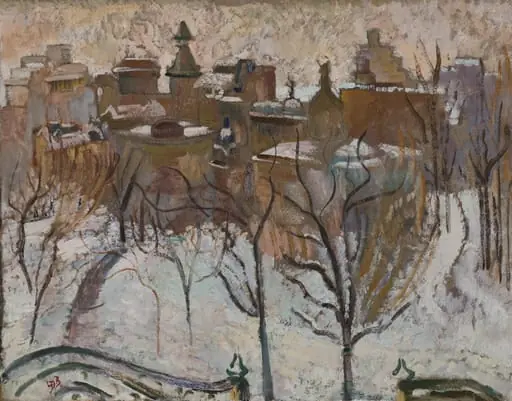
George Bellows' The Lone Tenement (1909) is a seminal oil on canvas work that captures the stark reality of urban life in New York City during the early twentieth century. The composition centers on a solitary, weathered tenement building set against a bleak, overcast sky, with a lone, leafless tree standing in the foreground. This imagery reflects Bellows' association with the Ashcan School, a group of American Realists dedicated to depicting the unvarnished conditions of the city's working class.
Executed with the artist's characteristic vigorous and broad brushwork, the painting utilizes a muted palette dominated by grays, browns, and ochres to convey the somber atmosphere of the Lower East Side. Bellows employs strong contrasts of light and shadow to model the building's form and create a sense of volume, grounding the structure within its environment. Created during a pivotal year in his career, shortly after his move to New York, the work exemplifies his shift from athletic scenes to social commentary.
It stands as a significant example of American Realism, documenting the architectural density and human struggle inherent in the rapidly expanding metropolis without romanticizing the setting.
Subject & Meaning
The painting's central focus is a lone tenement structure, characteristic of early 20th-century urban housing. A single tree stands in the foreground, creating a visual counterpoint to the building's stark facade. This juxtaposition of natural elements with man-made architecture suggests themes of urban development and the presence of nature within the city environment.
Own this work as a print
Artist & collection
Artist
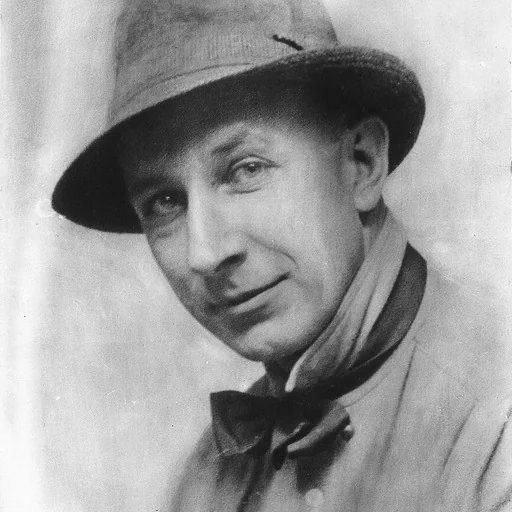
George Wesley Bellows (August 12 or August 19, 1882 – January 8, 1925) was an American realist painter, known for his bold depictions of urban life in New York City.