Artwork
The Shower-Bath
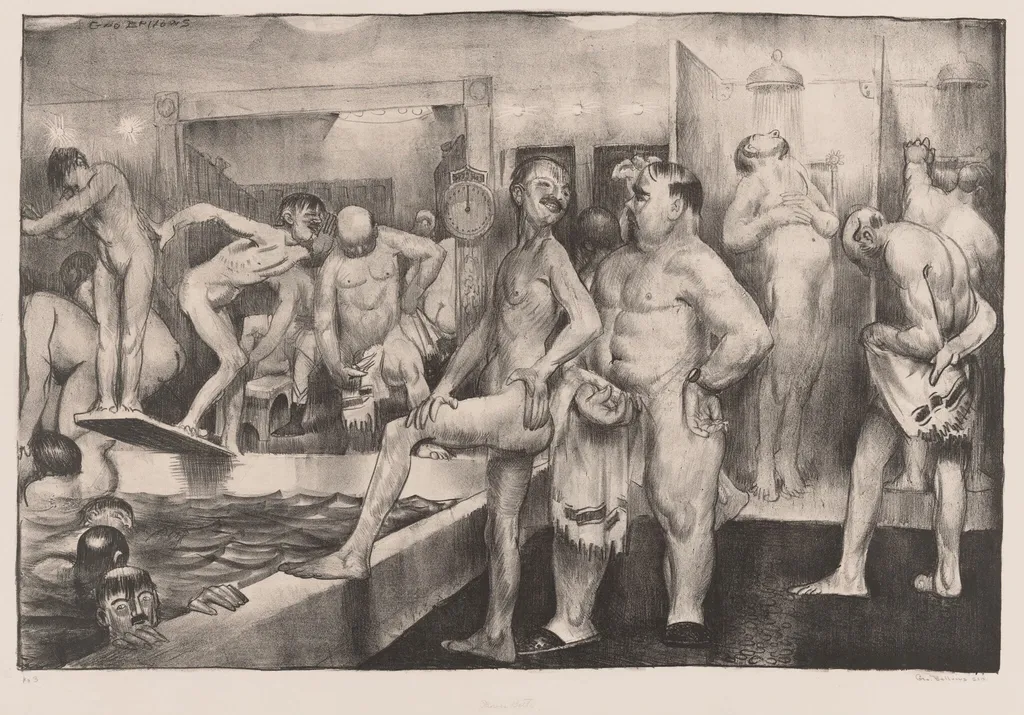
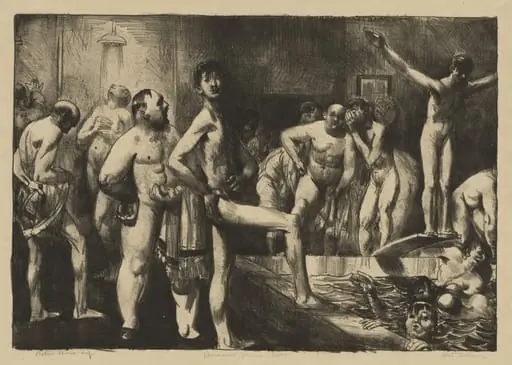
The Shower-Bath is an ink print by George Bellows. It dates from 1917 and is held in the collection of the National Gallery of Art.
- Inscription
- Inscribed:lower left in graphite: No. 3; lower center in graphite: Shower Bath; lower right in graphite: Geo. Bellows ESB
About this work
Overview
George Bellows' 1917 lithograph, The Shower-Bath, captures the frenetic energy of a public bathhouse through a dense, crowded composition.
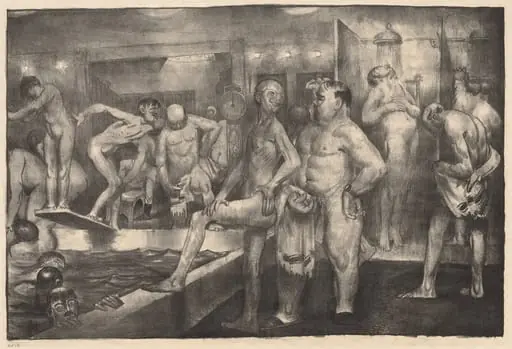
George Bellows' 1917 lithograph, The Shower-Bath, captures the frenetic energy of a public bathhouse through a dense, crowded composition. Executed in black ink on wove paper, the work features numerous nude and semi-nude figures engaged in various stages of washing, standing, bending, or slumping on benches. The scene is characterized by a thick, steamy atmosphere that blurs individual forms, creating a sense of chaotic intimacy.
Bellows populates the space with industrial details such as exposed pipes, clocks, and scattered towels, which contribute to the utilitarian and slightly claustrophobic environment. A solitary child sits apart in the corner, providing a focal point of stillness amidst the surrounding activity. Created during the height of Bellows' Ashcan School period, the piece exemplifies his commitment to depicting unvarnished urban life and the physical realities of the working class.
The artist's bold, expressive linework conveys the humidity and movement of the room, marking a significant exploration of the nude genre outside of traditional academic settings and reinforcing his reputation as a leading American realist of the early 20th century.
Subject & Meaning
The composition depicts men, women, and a solitary child amid steaming steam, benches, and utilitarian fixtures. Figures are shown standing, bending, or lounging, suggesting a range of private and public behaviors within the same setting. The presence of the child, isolated in a corner, introduces a note of vulnerability amid the bustling, anonymous crowd.
Technique & Style
Bellows employed the lithographic process, using rough, sketch‑like lines that convey immediacy and movement. The black ink on wove paper emphasizes contrast and texture, while the loose drawing style resembles a rapid study, reinforcing the sense of a fleeting, observational snapshot rather than a polished portrait.
History & Provenance
Created during World War I, the print was part of Bellows’ broader exploration of New York’s social environments. It entered the public domain through early exhibitions of his prints and has since been held in several American museum collections, illustrating the artist’s engagement with the city’s working‑class spaces.
Context
At the time, public bathhouses served as essential hygiene facilities for urban residents lacking private bathing amenities. Bellows’ depiction aligns with contemporary social realist concerns, documenting the everyday realities of a rapidly modernizing metropolis and the communal spaces that shaped public life.
Own this work as a print
Artist & collection
Artist
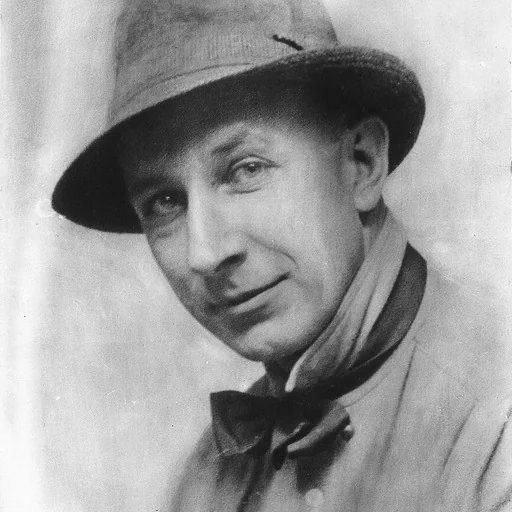
George Wesley Bellows (August 12 or August 19, 1882 – January 8, 1925) was an American realist painter, known for his bold depictions of urban life in New York City.