Artwork
Portrait of a Young Man
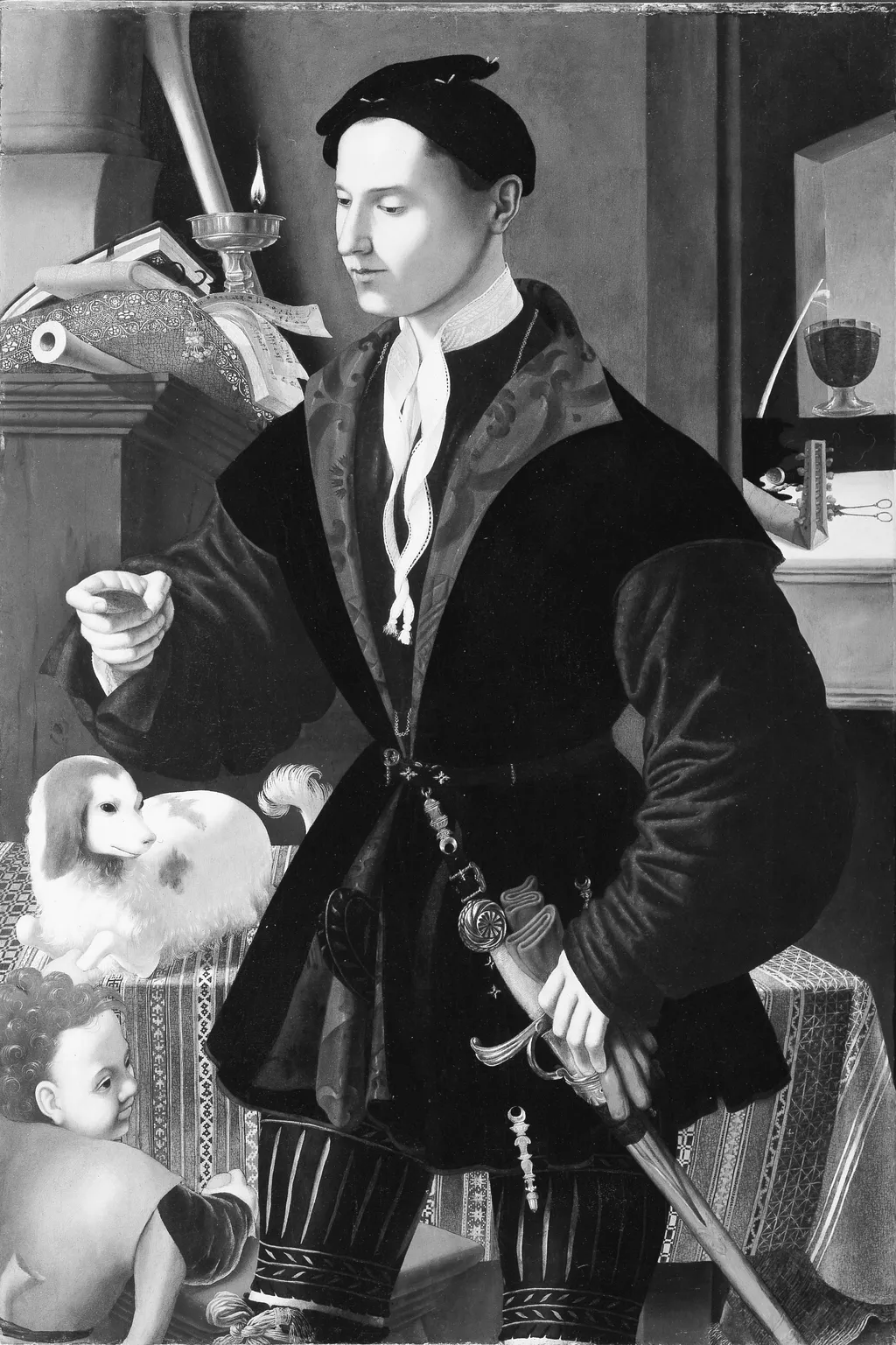
Portrait of a Young Man is an oil painting by the Mannerist artist Benedetto Pagni. It dates from 1551 and is held in the collection of the Metropolitan Museum of Art.
About this work
Subject & Meaning
The composition focuses entirely on the man and these symbolic accoutrements, anchoring the work's meaning in the representation of personal and civic identity.
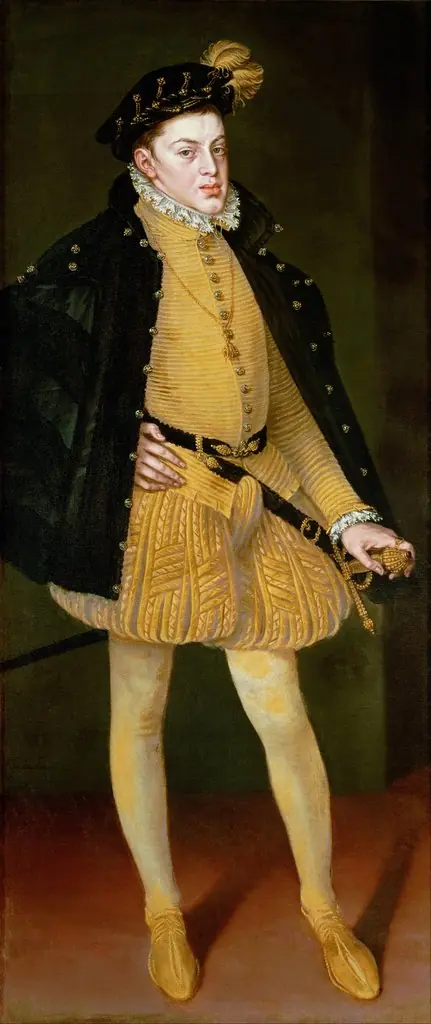
The work depicts a man holding a sword, accompanied by a dog, within a formal portrait composition. Created in 1551, the painting presents the sitter in a manner characteristic of the period's portraiture, emphasizing status and identity through specific attributes. The inclusion of the sword suggests martial prowess or noble standing, while the presence of the dog often symbolizes loyalty or fidelity in Renaissance iconography.
These elements combine to represent the subject not merely as an individual, but as a figure embodying specific social virtues and roles. The composition focuses entirely on the man and these symbolic accoutrements, anchoring the work's meaning in the representation of personal and civic identity.
Technique & Style
Portrait of a Young Man is executed in oil paint on panel, a support characteristic of mid-sixteenth-century Italian portraiture. The composition measures 117.5 cm in height by 78.1 cm in width, producing a vertical format suited to the half-length depiction of the sitter. The work is classified as a painting within the portrait genre, and its handling reflects Benedetto Pagni's practice as a sixteenth-century artist working in oil on a wooden support.
The panel medium and oil technique are consistent with the conventions of the period, allowing for the layered modeling and detail evident in the rendering of attributes such as the sword and dog that accompany the sitter. The painting is held in the collection of the Metropolitan Museum of Art.
History & Provenance
The Portrait of a Young Man was created by the Italian artist Benedetto Pagni in 1551. Executed in oil paint on a panel support, the work depicts a young man accompanied by a dog and holding a sword. While the specific commission details and the original ownership chain prior to its arrival at the Metropolitan Museum of Art are not detailed in the available records, the painting is firmly dated to the year 1551.
The artwork is currently held in the collection of the Metropolitan Museum of Art, where it is cataloged as a portrait from the mid-sixteenth century. The physical dimensions of the panel measure 117.5 cm in height and 78.1 cm in width.
The Portrait of a Young Man, painted by Benedetto Pagni in 1551, is currently held in the collection of the Metropolitan Museum of Art. The work, executed in oil on panel, measures 117.5 cm in height and 78.1 cm in width. While the sources confirm the painting's location and physical attributes, they do not provide a specific inventory or accession number for the piece.
Furthermore, the available documentation does not list a history of exhibitions for this portrait, limiting the record to its creation date and current institutional custody.
Overview
Benedetto Pagni, an Italian Mannerist painter, completed Portrait of a Young Man in 1551. This oil painting captures a young man in a formal setting, holding both a sword and a small dog. The composition also includes subtle background elements like a child and a candle, suggesting a narrative beyond a simple likeness. The work exemplifies Pagni's approach to portraiture during the mid-16th century.
Context
Benedetto Pagni developed his artistic practice within the vibrant environment of 16th-century Italy. He initially honed his skills under the tutelage of Giulio Romano in Mantua, where he contributed to the elaborate decorative schemes of the Palazzo del Te. This foundational experience in a prominent workshop likely influenced his subsequent independent career as a painter, shaping his distinctive Mannerist style.
Own this work as a print
Artist & collection
Artist
Benedetto Pagni (died 1578) was an Italian painter of the Mannerist period, active mainly in Mantua and Pescia.

- Portrait of Marquess Massimiliano Stampa
 Portrait of Ludovico Madruzzo
 Erzherzog Ferdinand von Tirol (1529-1595)
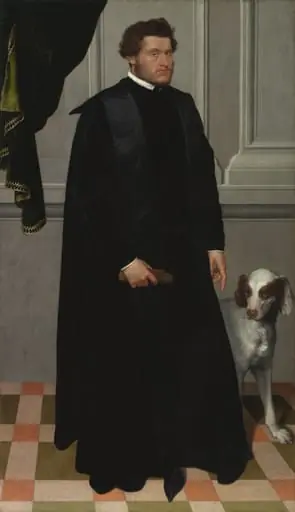 Gian Lodovico Madruzzo
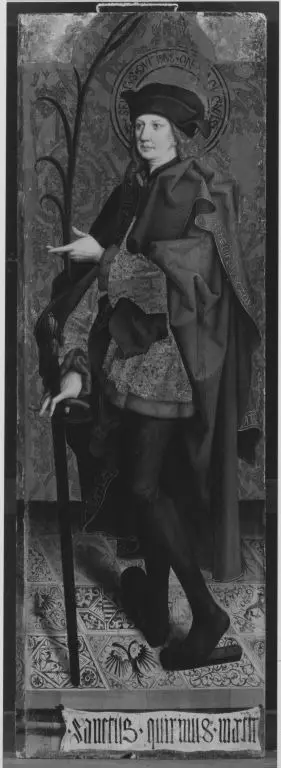 Portrait of Saint Quirinus of Neuss
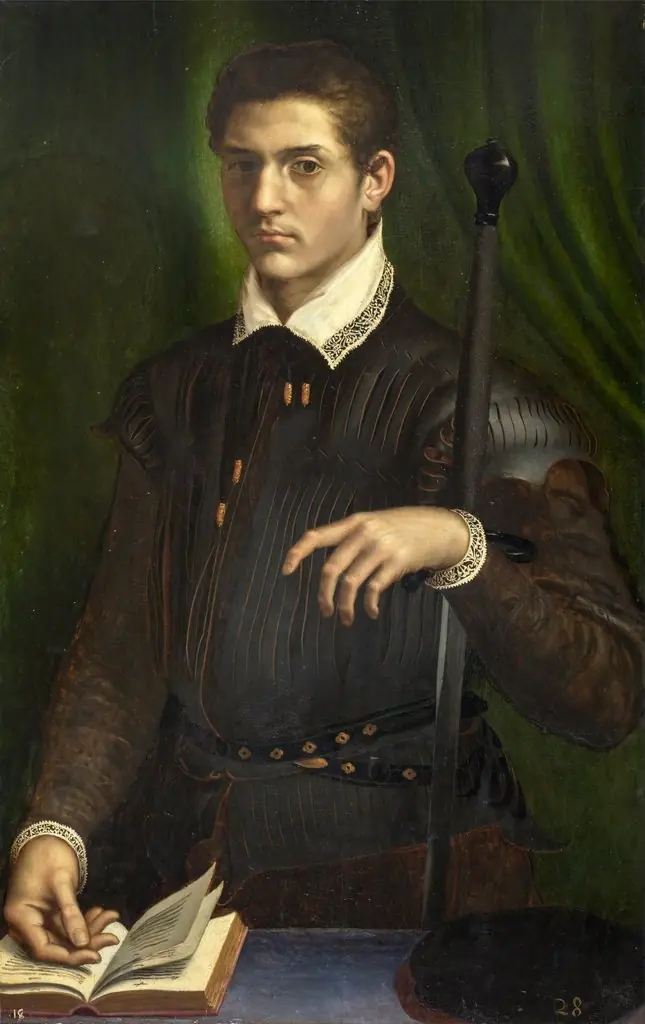 Portrait of a Gentleman
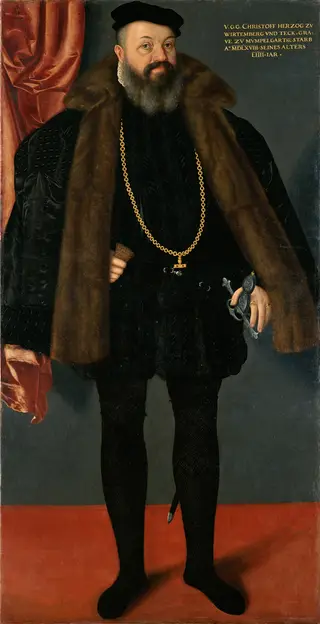 Portrait of Duke Christoph von Württemberg (1515-1568) in Spanish costume
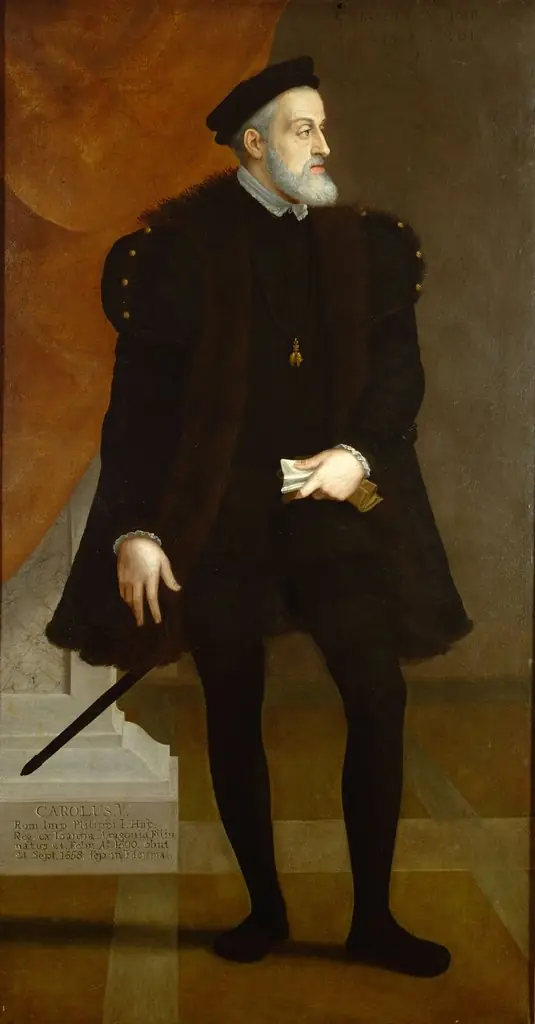 Kaiser Karl V. (1500-1558) als Fünfzigjähriger in ganzer Figur
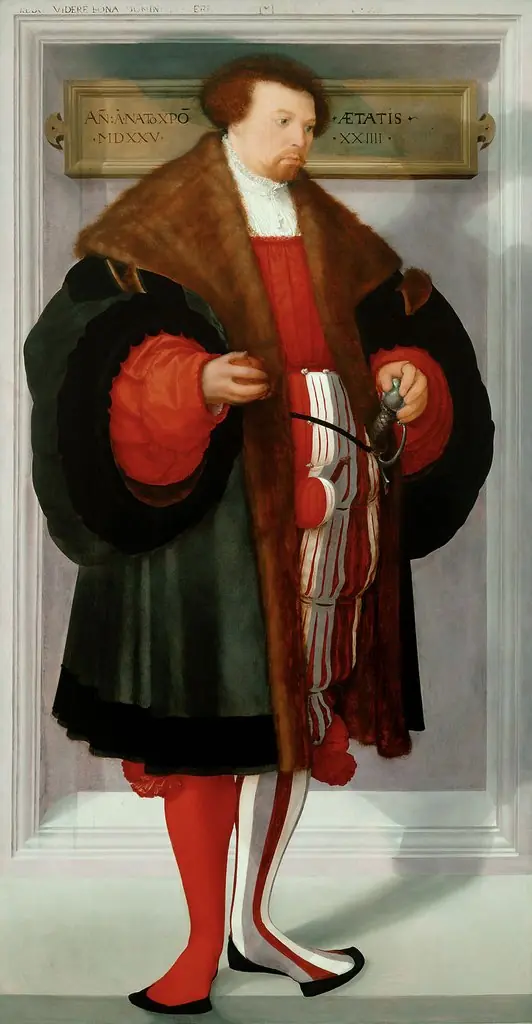 Portrait of a Man.
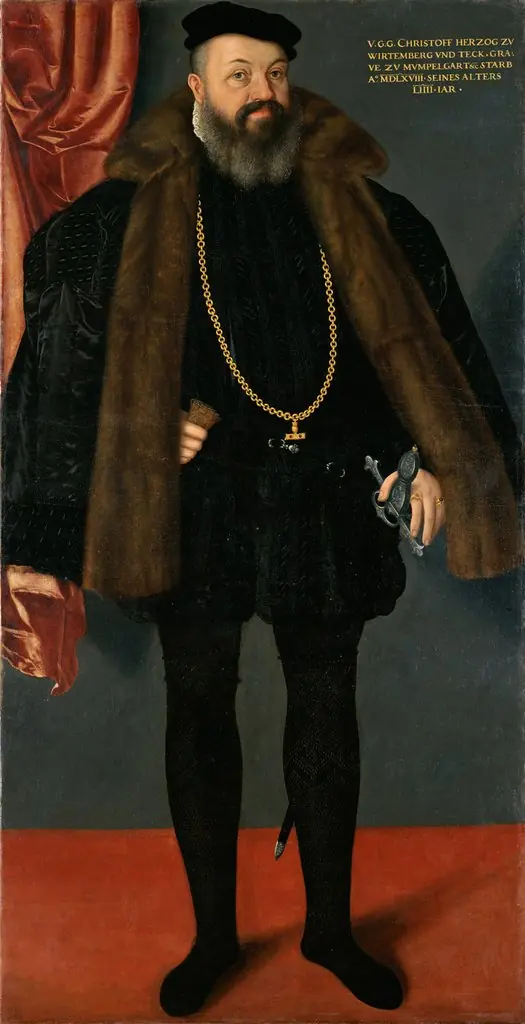 Herzog Christoph von Württemberg (1515-1568) in spanischer Tracht
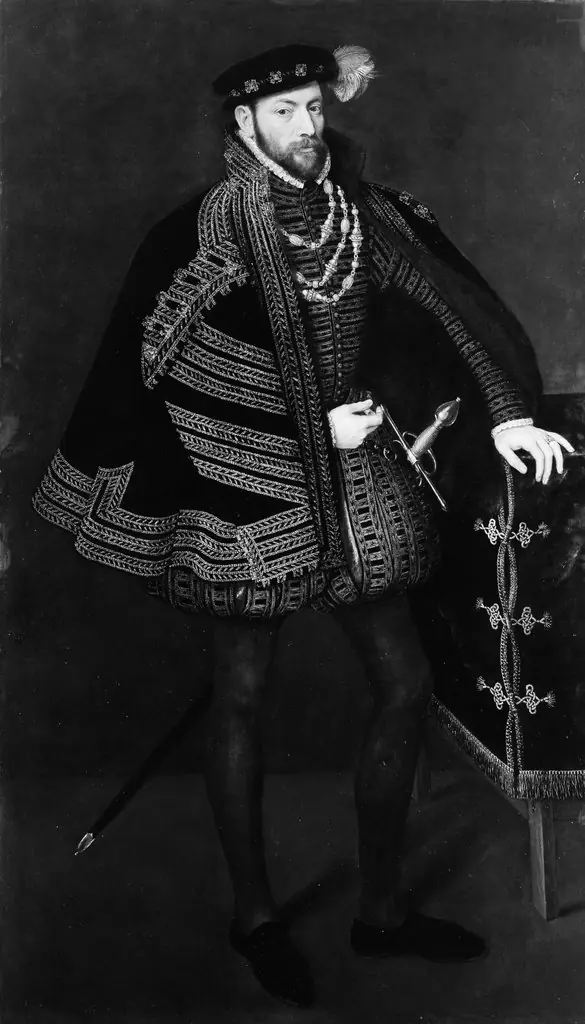 Portrait of a Man, Possibly Ottavio Farnese (1524–1586), Duke of Parma and Piacenza
 Infante Don Carlos (1545-1568)