Artwork
The Virgin of Louvain
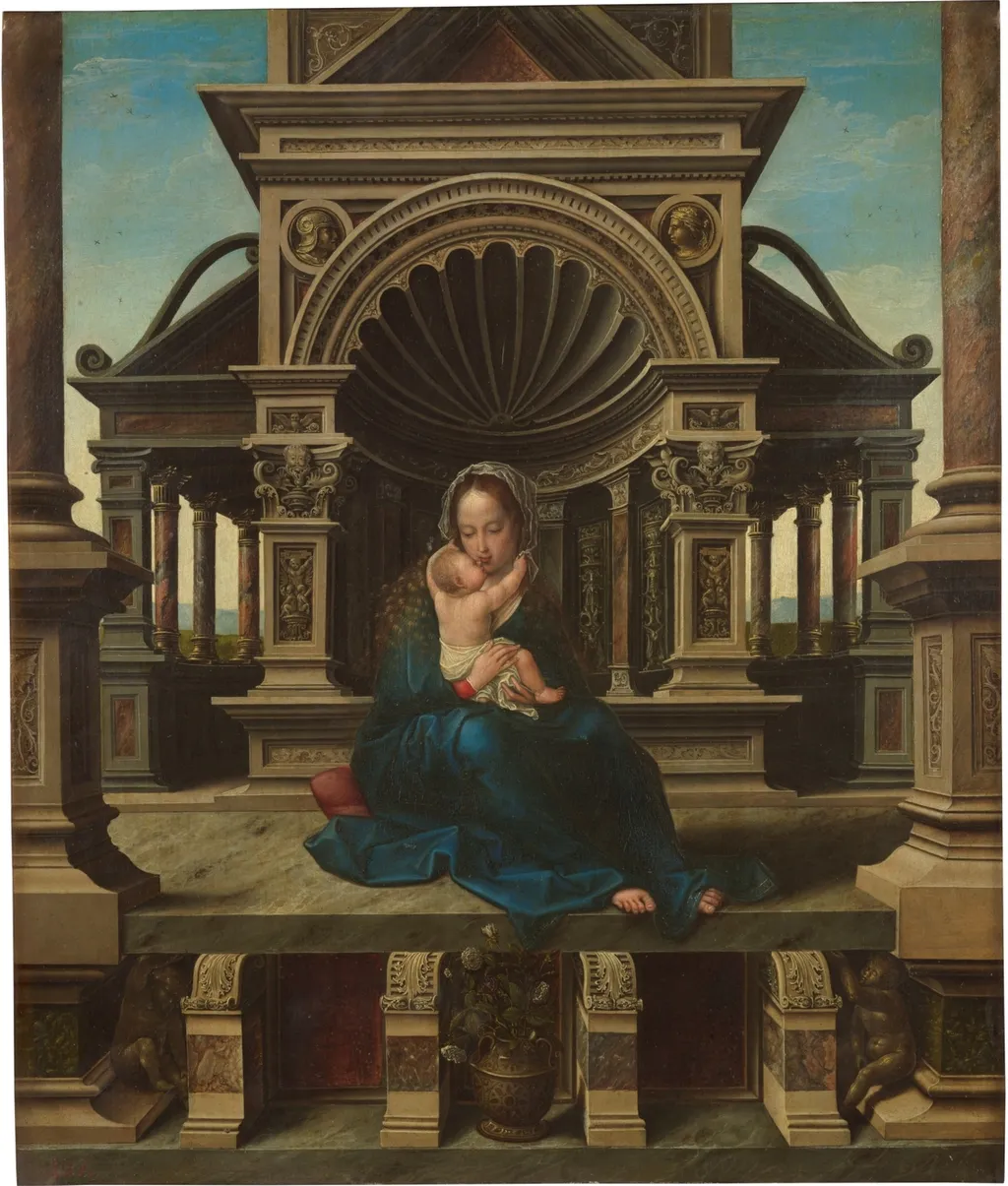
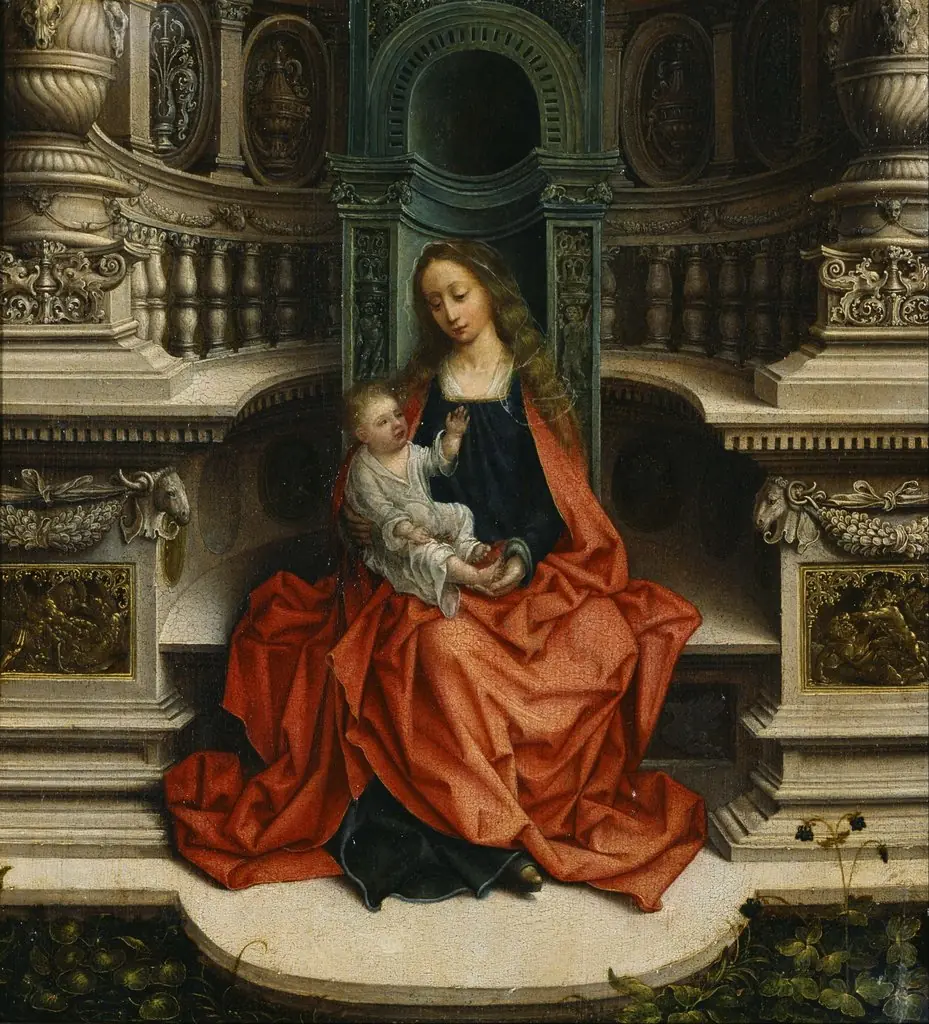
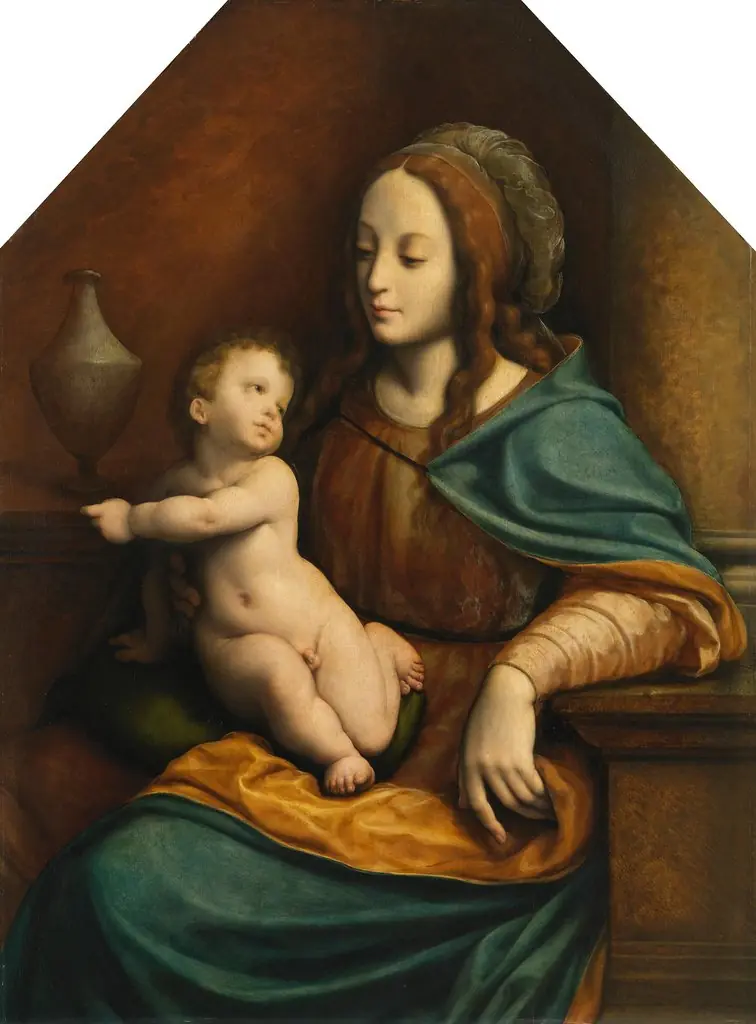
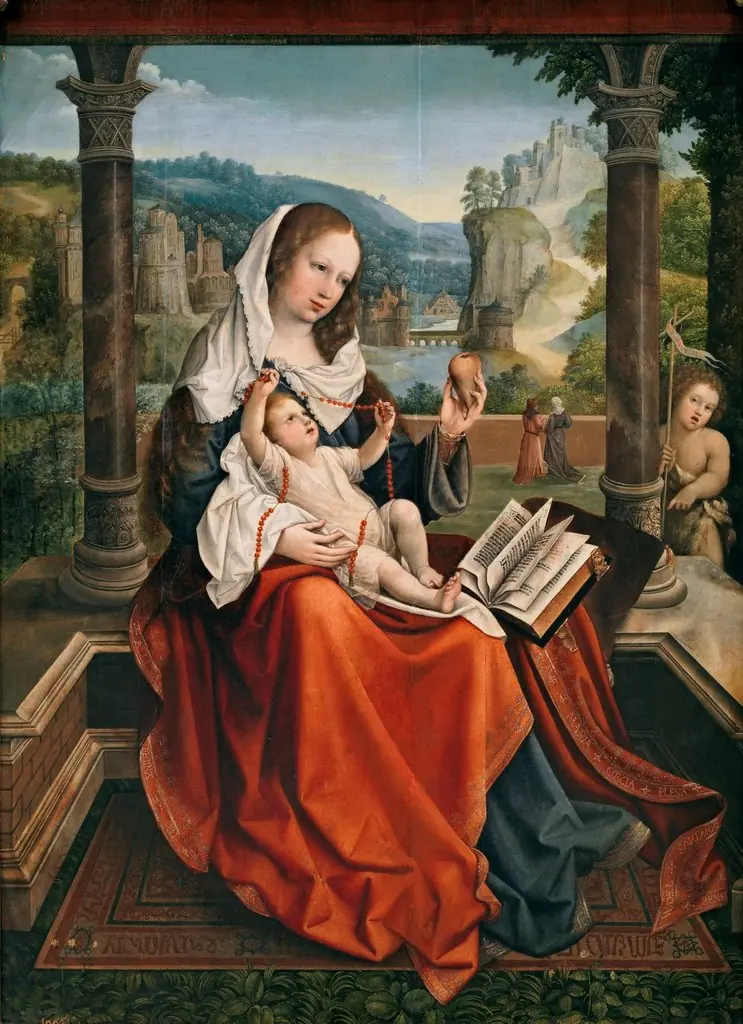
The Virgin of Louvain is an oil painting by the Northern Renaissance artist Bernard Van Orley. It dates from 1516 and is held in the collection of the Museo del Prado.
About this work
Technique & Style
Bernard van Orley executed the work in oil paint, a medium that allowed for the detailed, luminous finish characteristic of early Netherlandish panel painting.
The Virgin of Louvain is an oil painting on panel, measuring 45 by 39 cm. Bernard van Orley executed the work in oil paint, a medium that allowed for the detailed, luminous finish characteristic of early Netherlandish panel painting. The small scale and devotional genre suggest a work designed for private contemplation. The painting depicts the Virgin with a vase, a conventional attribute that reinforces its religious function.
The panel support and oil technique align with Flemish workshop practices of the period, enabling precise handling of detail and rich color saturation.
History & Provenance
The Virgin of Louvain is an oil painting on panel created by the artist Bernard van Orley. While some records suggest a range of dates including 1520 or 1550 for its inception, authoritative internal documentation establishes the specific creation date as 1516. The work measures 45 cm in height and 39 cm in width.
It is currently held in the collection of the Museo del Prado, where it is classified as a piece of religious art depicting a vase.
The Virgin of Louvain, an oil-on-panel painting by Bernard van Orley dated 1516, is held in the collection of the Museo del Prado. According to the Wikidata record, its location is the Museo del Prado, and the work is catalogued as part of that museum's holdings. The painting measures 45 cm in height by 39 cm in width.
No specific inventory or accession number is provided in the available sources, nor is any exhibition history recorded.
Overview
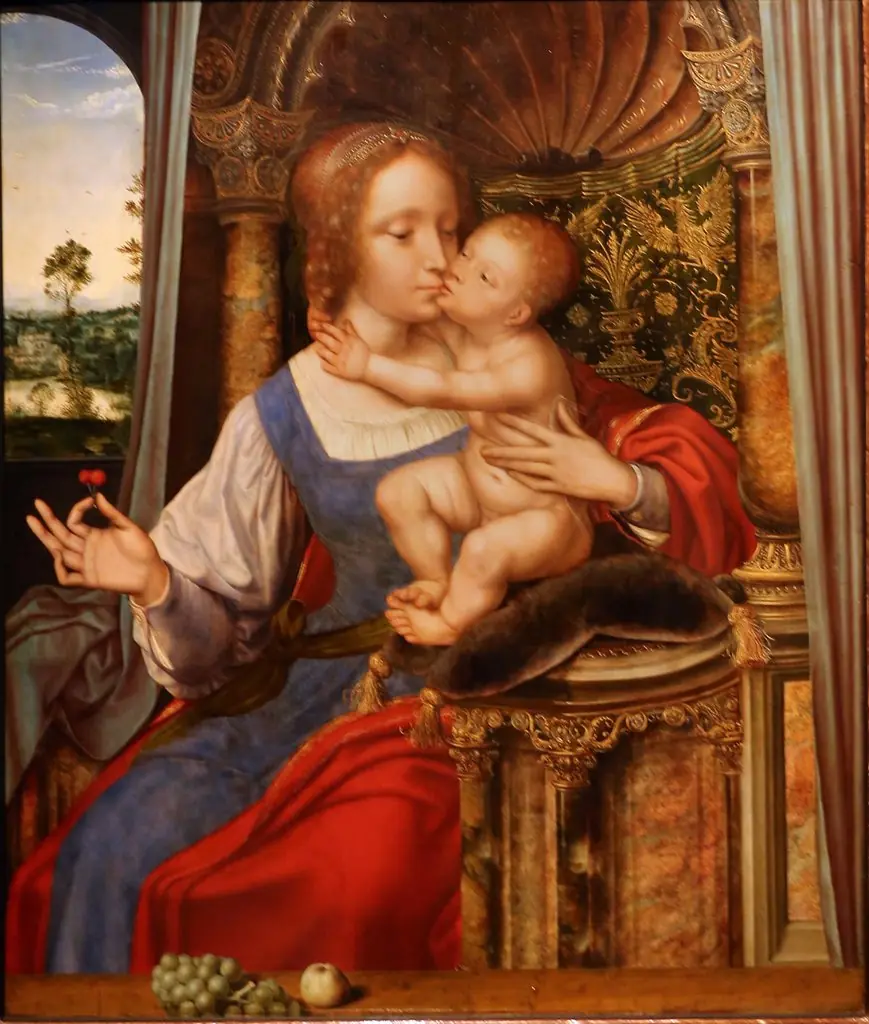
Bernard van Orley’s Virgin of Louvain is an oil painting executed in 1516. The work presents a kneeling female figure in a blue garment cradling a child, set before an elaborately carved stone arch that opens onto a pale sky. The composition reflects the calm, devotional atmosphere typical of Northern Renaissance religious art and is presently displayed in the Museo del Prado.
Subject & Meaning
The central figure is the Virgin Mary, rendered in a dark blue dress with a lighter drapery across her lap, gently holding the infant Christ, who is dressed in a simple white shirt and red socks. The intimate pose and subdued setting emphasize maternal tenderness and the spiritual bond between mother and son, inviting contemplation of the holy family’s humility.
Context
Bernard van Orley belonged to the Romanist circle of Flemish artists who incorporated Italianate motifs into local traditions. Working during a period of cultural exchange between the North and Italy, he synthesized the precise observation of Northern detail with the harmonious proportions of the Italian Renaissance, a synthesis clearly visible in the Virgin of Louvain.
Own this work as a print
Artist & collection
Artist
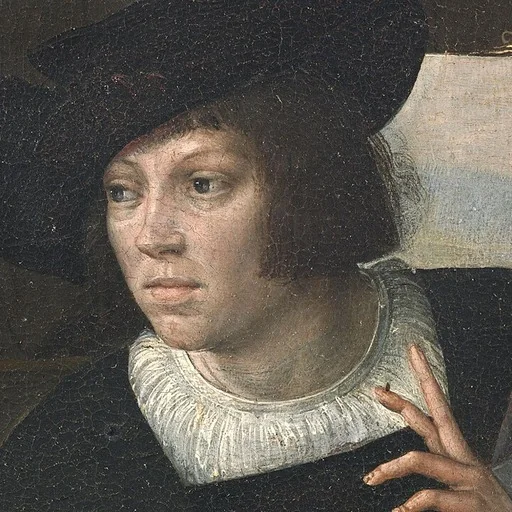
Bernard van Orley (between 1487 and 1491 – 6 January 1541), also called Barend or Barent van Orley, Bernaert van Orley or Barend van Brussel, was a versatile Flemish artist and representative of Dutch and Flemish…

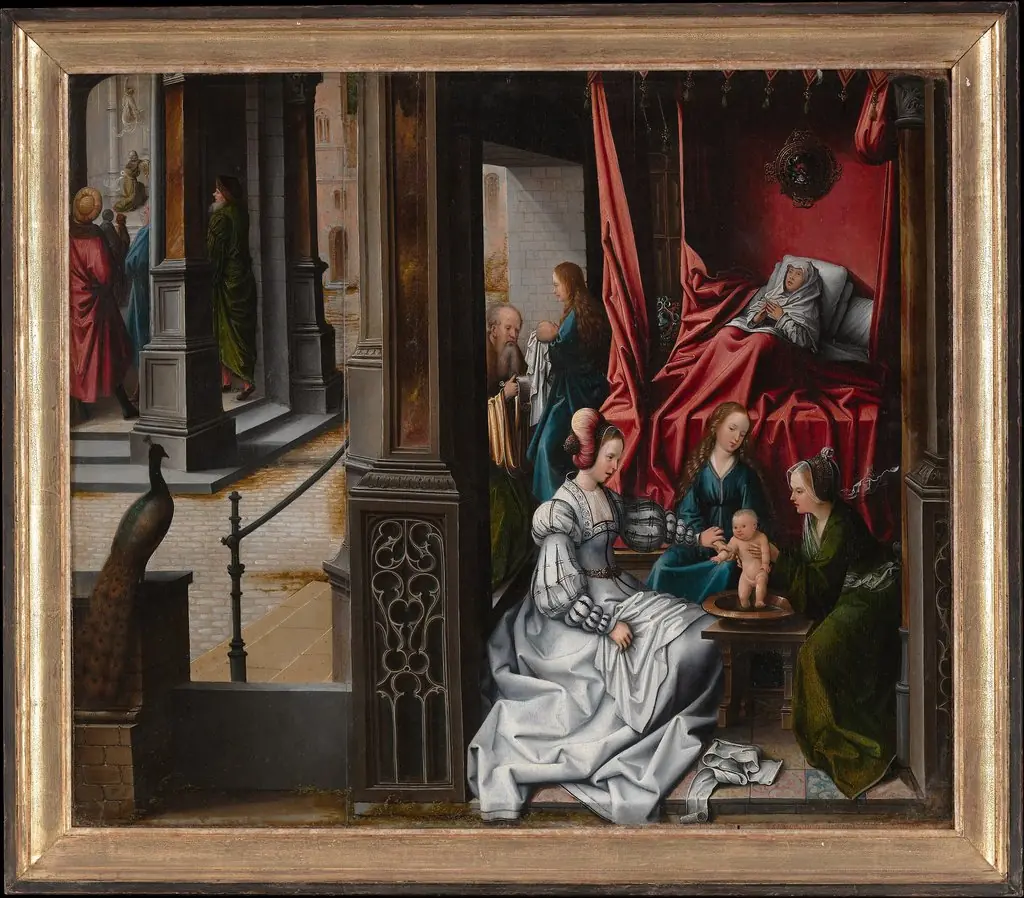 The Birth and Naming of Saint John the Baptist; (reverse) Trompe-l'oeil with Painting of The Man of Sorrows
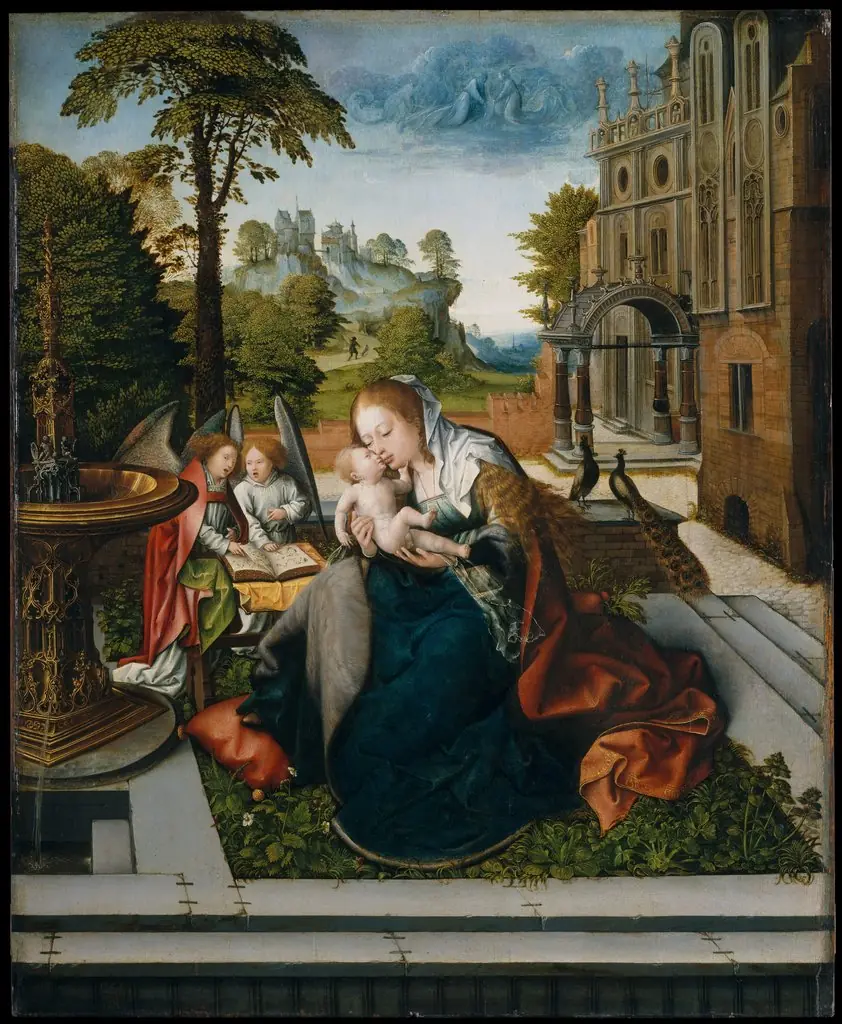 Virgin and Child with Angels
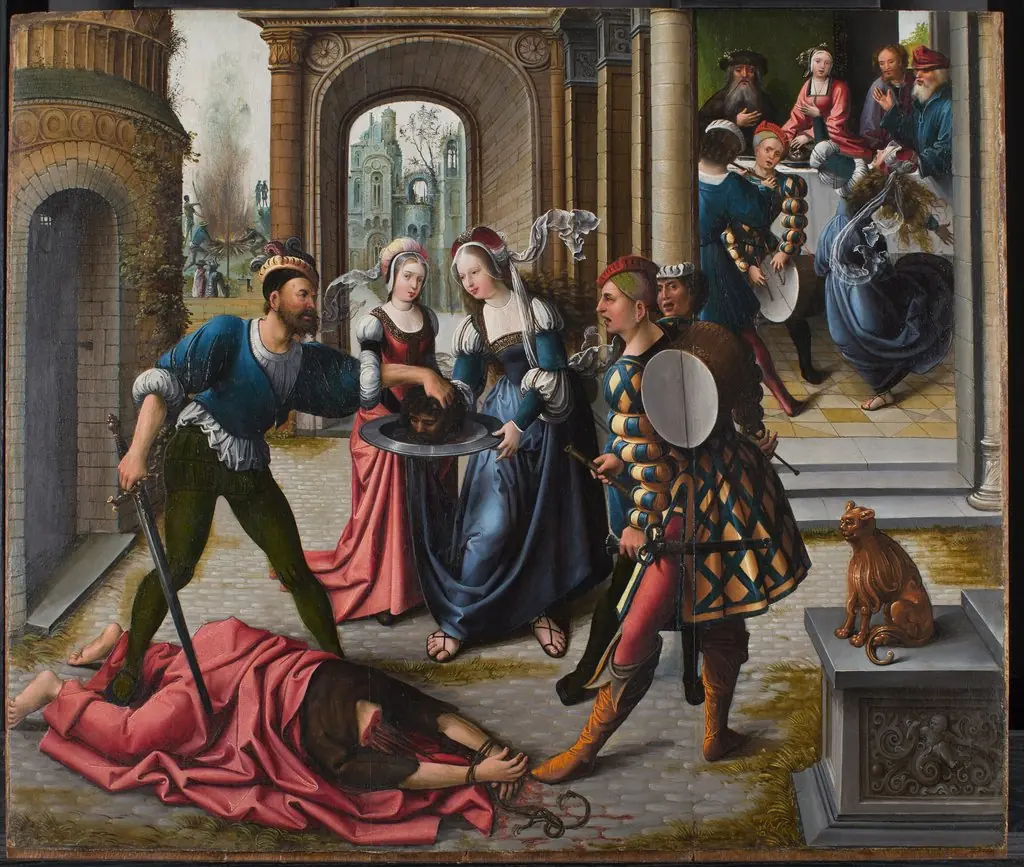 The Martyrdom of Saint John the Baptist
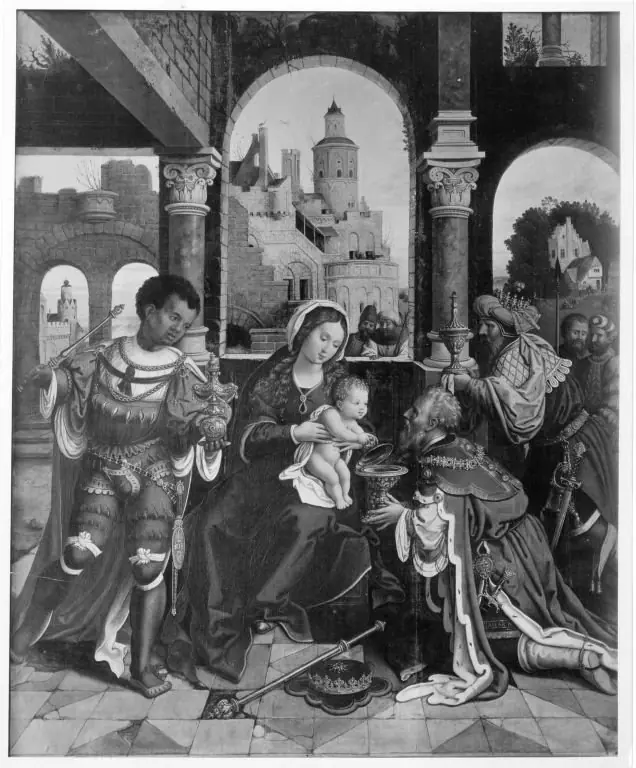 The Adoration of the Magi
![Christ among the Doctors [obverse], by Bernard Van Orley](https://artifactworldgallery.com/img/bernard-van-orley--christ-among-the-doctors-obverse--78795f311364e613-w320.webp) Christ among the Doctors [obverse]
Christ among the Doctors [obverse]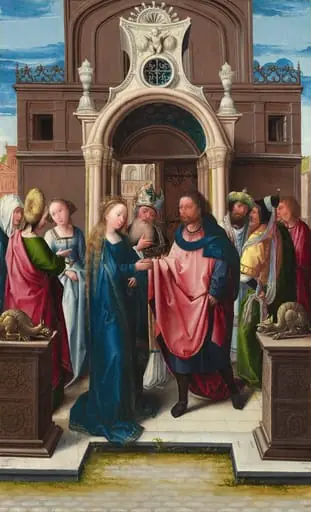 The Marriage of the Virgin
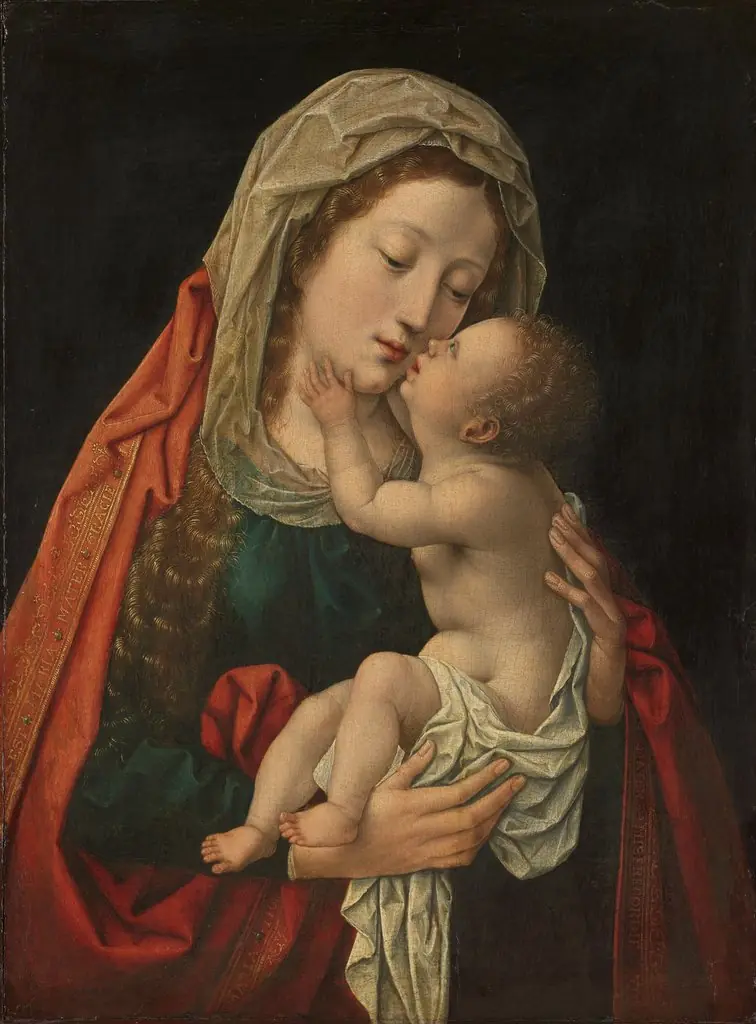 The Virgin and Child
 The Virgin and Child with the Infant Saint John the Baptist