Artwork
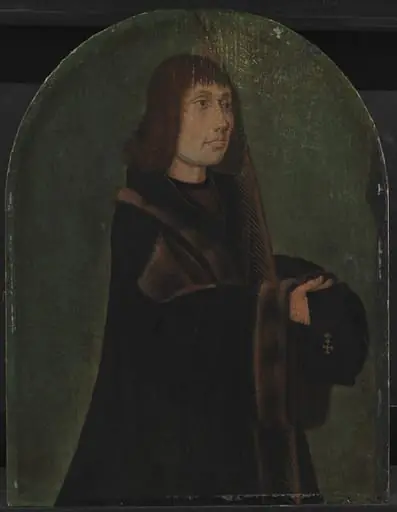
Funk-Diptychon: Stifterbildnis des Hans Funk
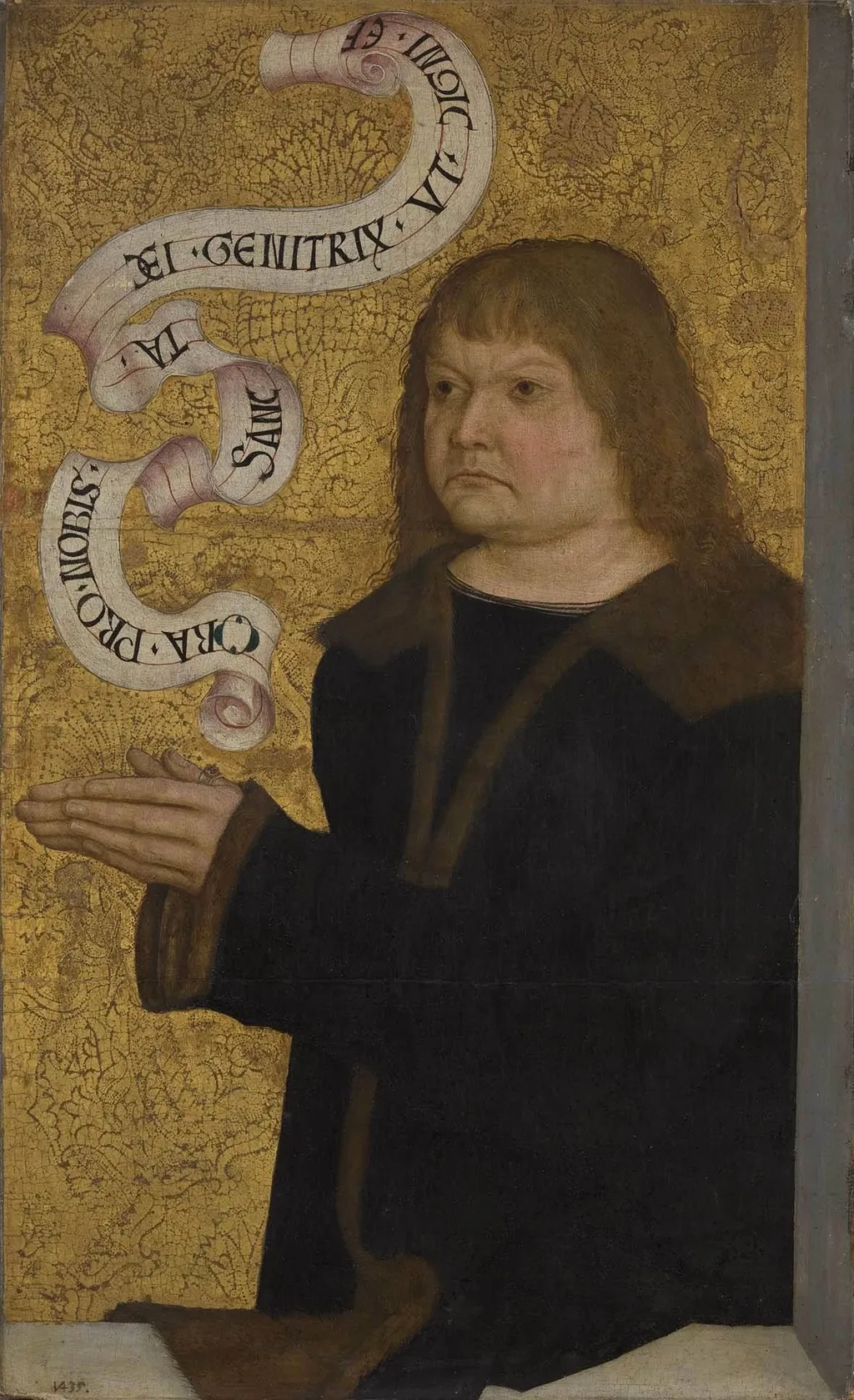
Funk-Diptychon: Stifterbildnis des Hans Funk is an oil painting by the Northern Renaissance artist Bernhard Strigel. It dates from 1496 and is held in the collection of the Bavarian State Painting Collections.
About this work
Subject & Meaning
Hans Funk is portrayed as a donor figure within a religious diptych, his likeness serving as a devotional image that emphasizes his role as a pious patron.
Hans Funk is portrayed as a donor figure within a religious diptych, his likeness serving as a devotional image that emphasizes his role as a pious patron. The work combines portraiture with iconographic elements typical of late medieval devotional paintings, linking the individual's identity to spiritual intercession. The formal composition and material execution reflect contemporary artistic practices in late 15th‑century Bavaria.
The diptych is housed in the Bavarian State Painting Collections and displayed at the Alte Pinakothek in Munich, where it remains part of the permanent collection of religious artworks.
Technique & Style
The Funk-Diptychon: Stifterbildnis des Hans Funk is executed in oil paint on panel, measuring 61.5 by 37.5 cm. Painted by Bernhard Strigel in 1490, this religious work exemplifies the artist's approach to donor portraiture within a devotional context. The use of oil paint on a wooden panel support reflects the technical practices of late fifteenth-century German painting, allowing for detailed rendering and rich coloration characteristic of Strigel's style.
History & Provenance
The work titled Funk-Diptychon: Stifterbildnis des Hans Funk was created in 1490 by Bernhard Strigel. It was commissioned as a donor portrait and is executed in oil paint on panel. The painting measures 61.5 cm in height and 37.5 cm in width.
It has been part of the Bavarian State Painting Collections since its creation and is currently housed in the Alte Pinakothek in Munich.
The painting is housed at the Alte Pinakothek in Munich, part of the Bavarian State Painting Collections, and was created by Bernhard Strigel in 1490. It measures 61.5 cm in height and 37.5 cm in width on panel, depicting Hans Funk in a religious context. The work has not been recorded in major exhibition histories, with no documented display events beyond its inclusion in the museum's permanent holdings.
Overview
Created in 1496, the diptych titled Funk‑Diptychon: Stifterbildnis des Hans Funk is an oil painting by the Swabian artist Bernhard Strigel. Executed as a religious pair, it presents a single figure, Hans Funk, against a gold‑toned backdrop, rendered with the meticulous detail characteristic of Northern Renaissance portraiture.
Context
The work belongs to the Northern Renaissance, a period when German artists integrated Italian compositional ideas with local traditions of detailed observation. Strigel’s portrait aligns with contemporary depictions of clergy and nobility, emphasizing individual identity while adhering to the devotional functions of diptychs used in private chapels.
Artist & collection
Artist
Bernhard Strigel (c. 1461 – 4 May 1528) was a German portrait and historical painter of the Swabian school, the most important of a family of artists established at Memmingen. He was born at Memmingen and was probably a…

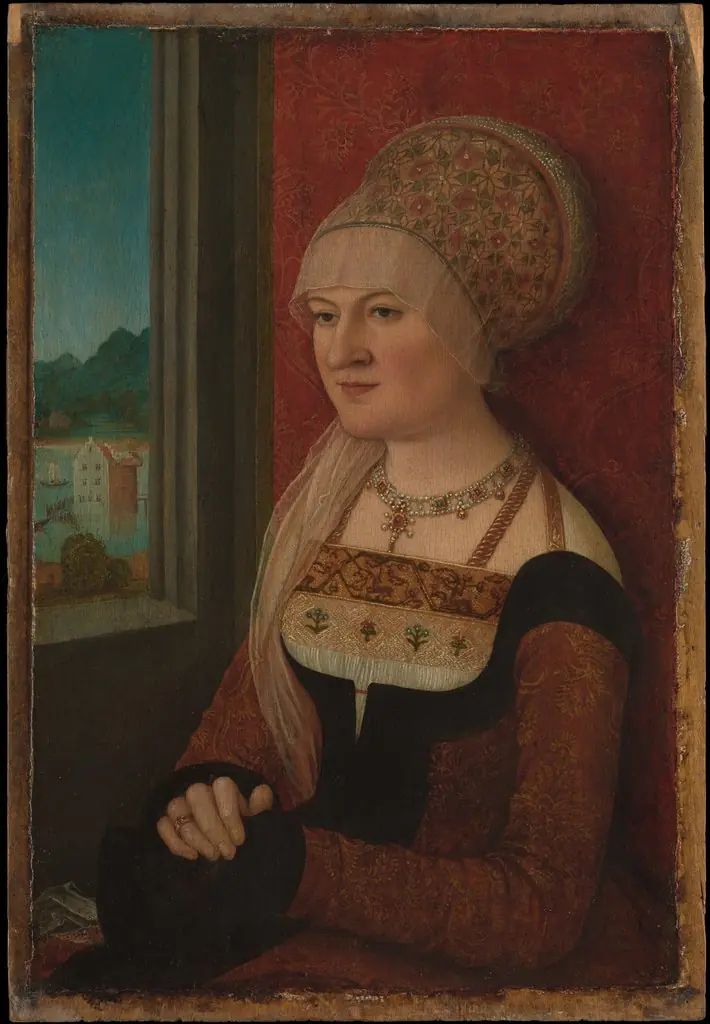
![Margarethe Vöhlin [reverse], by Bernhard Strigel](https://artifactworldgallery.com/img/bernhard-strigel--margarethe-vohlin-reverse--01f4c80425fbb8fe-w320.webp)
![Margarethe Vöhlin [obverse], by Bernhard Strigel](https://artifactworldgallery.com/img/bernhard-strigel--margarethe-vohlin-obverse--435992056faaebf8-w320.webp)
![Hans Roth [obverse], by Bernhard Strigel](https://artifactworldgallery.com/img/bernhard-strigel--hans-roth-obverse--9904e8cf2692db0d-w320.webp)
![Hans Roth [reverse], by Bernhard Strigel](https://artifactworldgallery.com/img/bernhard-strigel--hans-roth-reverse--9e98efc46bbdf23c-w320.webp)
- Portrait of Sigismund of Tyrol
 Portrait of a Man
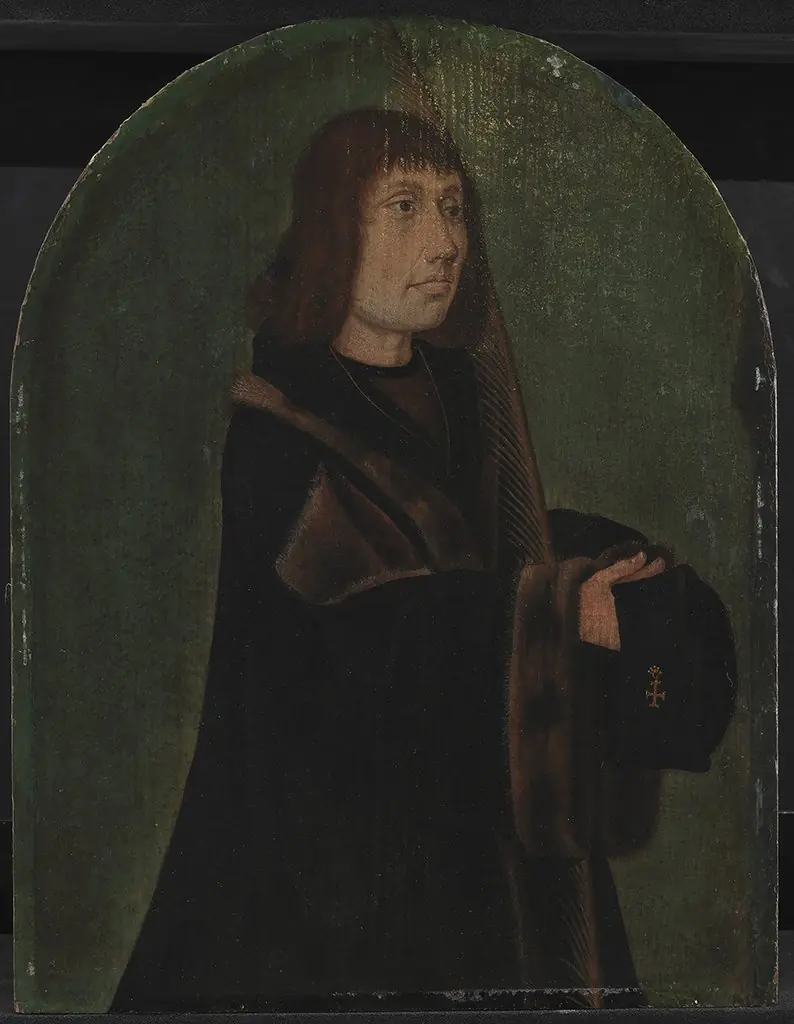 Portrait of a Man
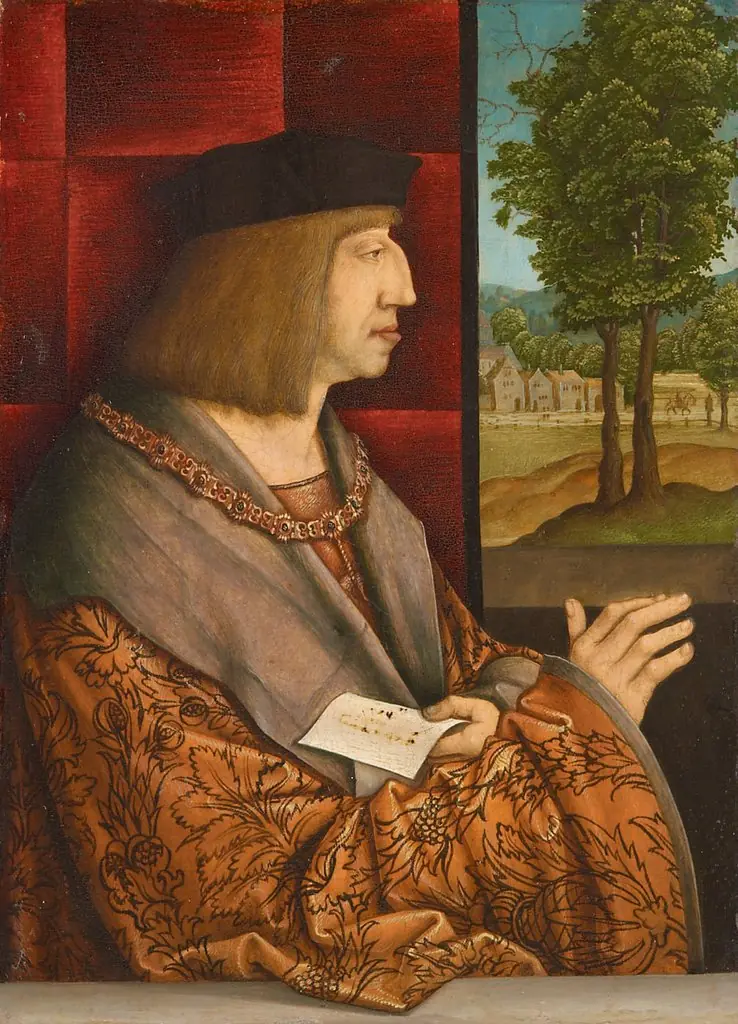 Portrait of Maximilian I (1459-1519)
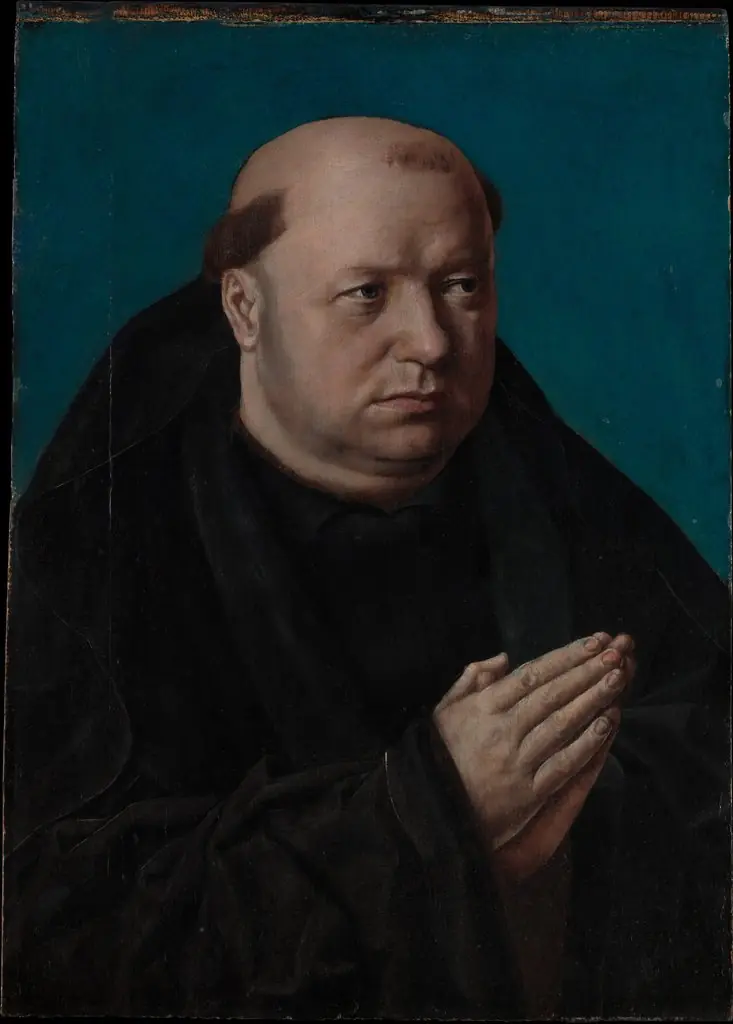 Portrait of a Monk in Prayer
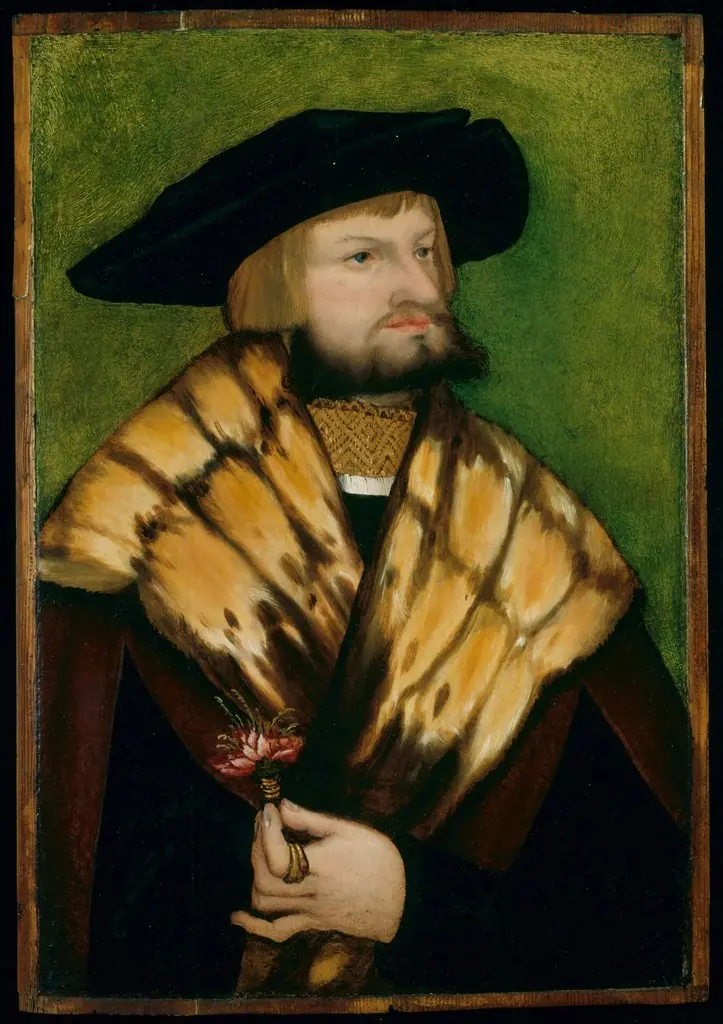 Portrait of Leonhard Fuchs
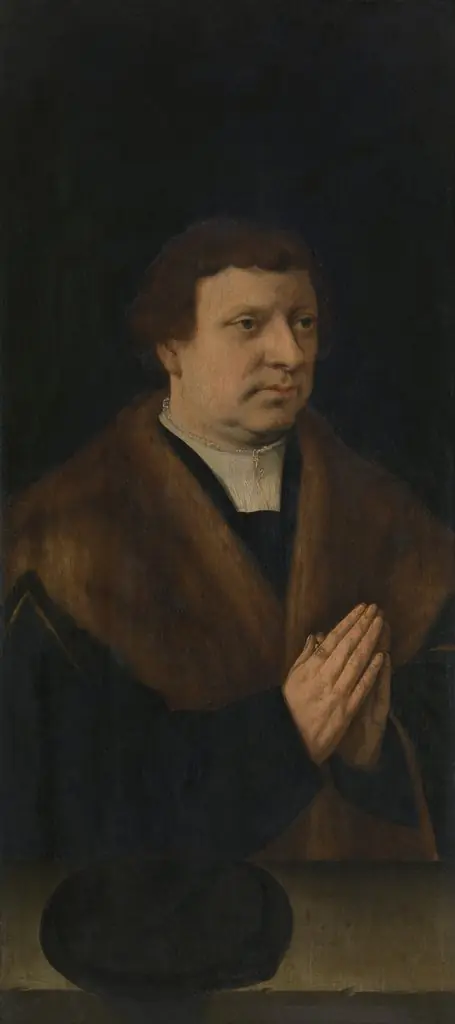 Portrait of a Man
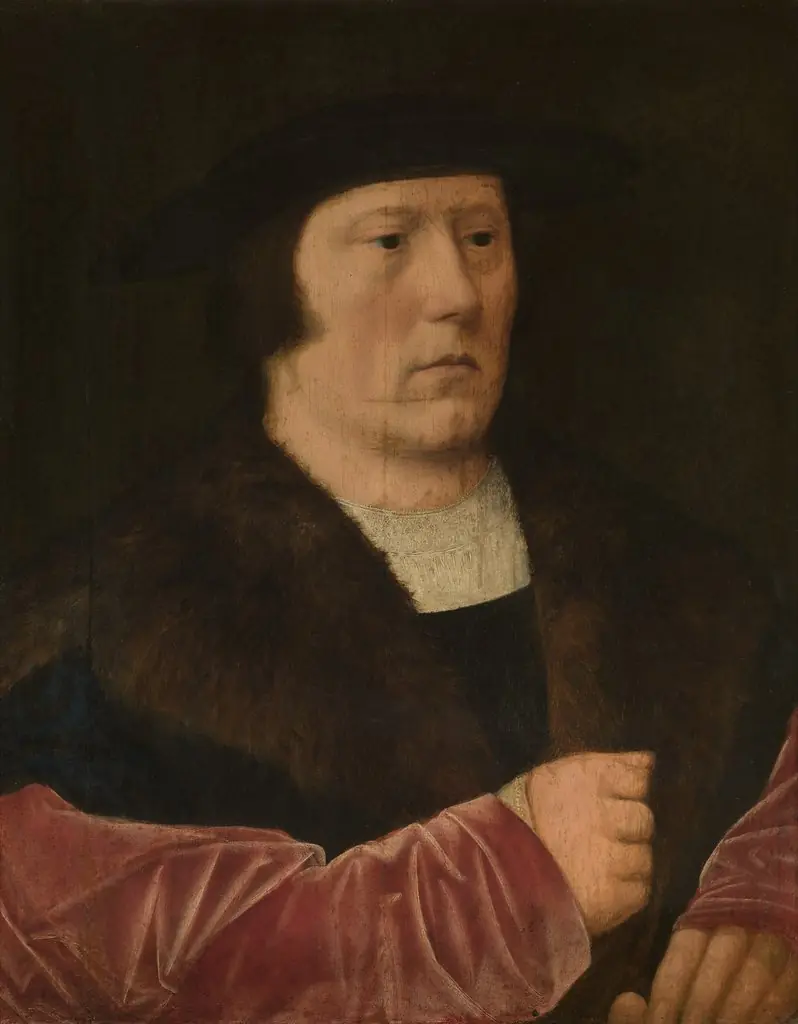 Portrait of a Man
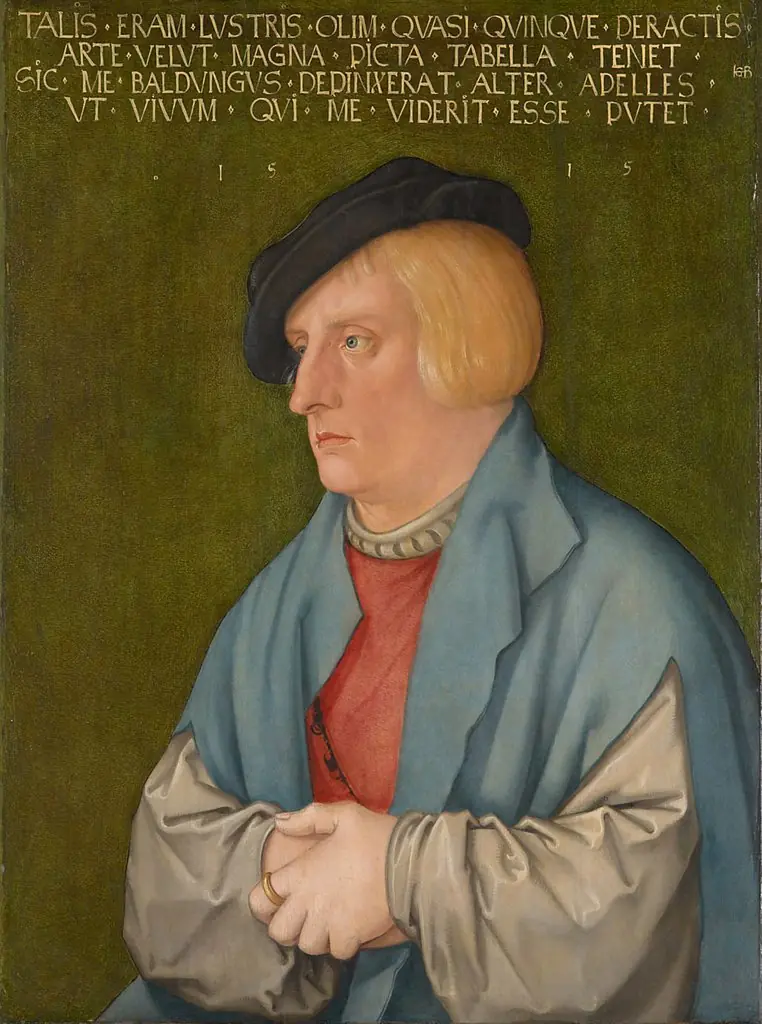 Portrait of a young man
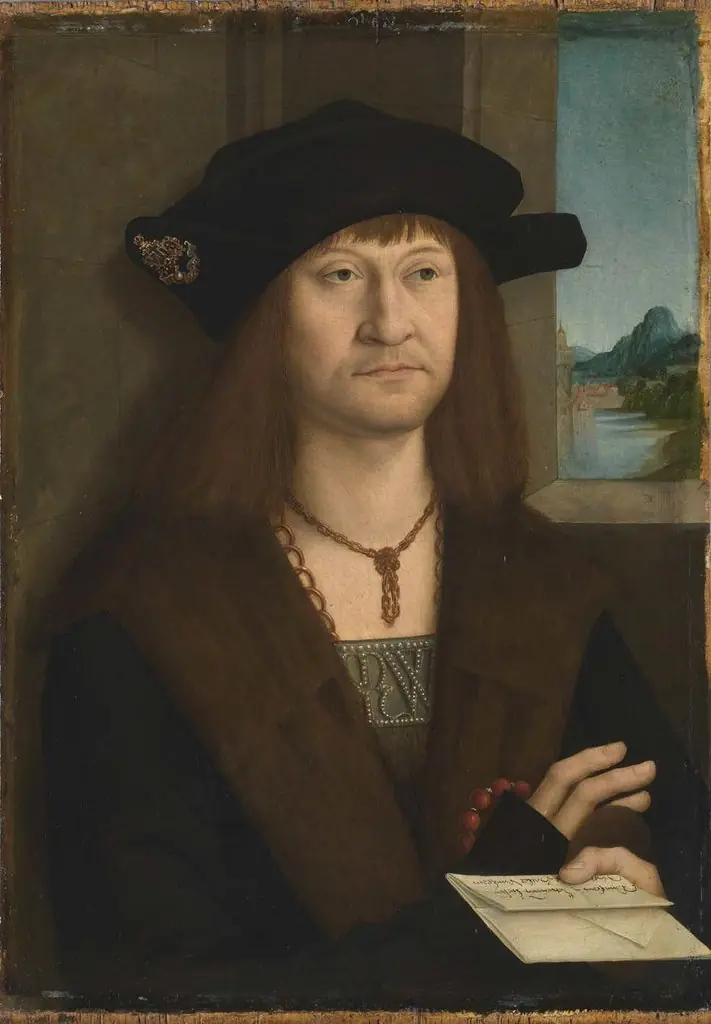 Bildnis des Hieronymus II. Haller zu Kalchreuth
 Portrait of a man with ring
 Wolfgang I. Graf von Oettingen