Artwork
Untitled
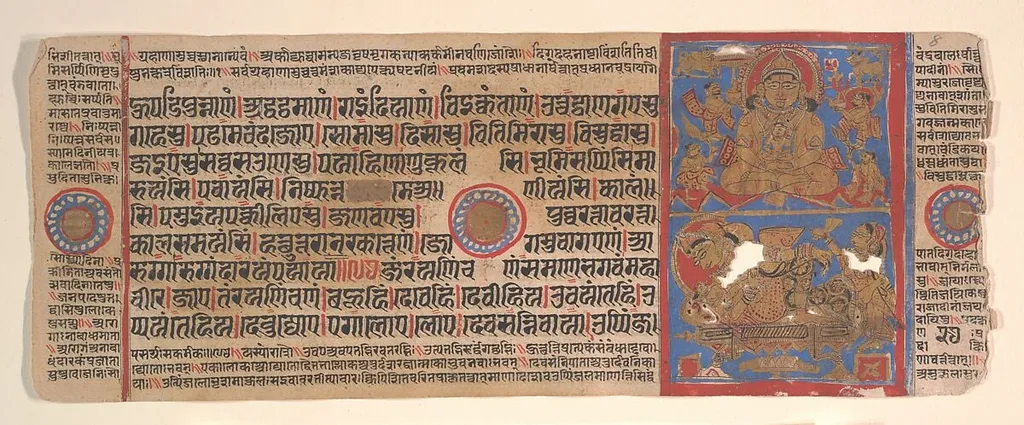
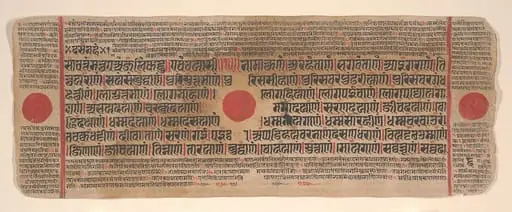
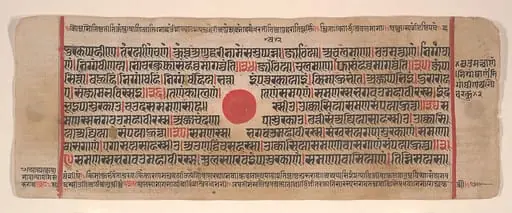
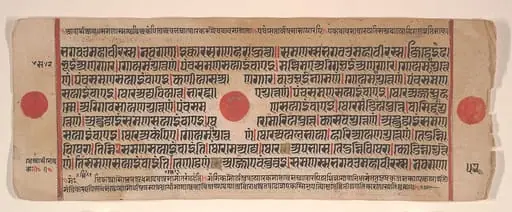
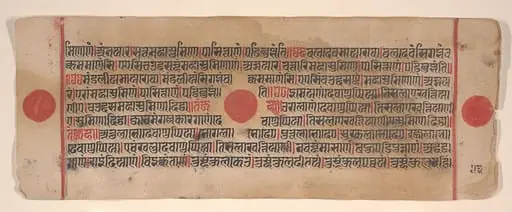
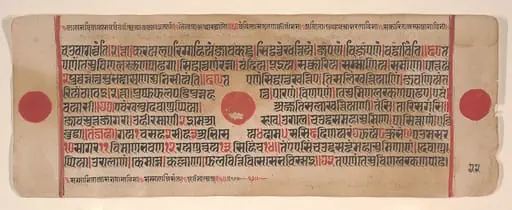
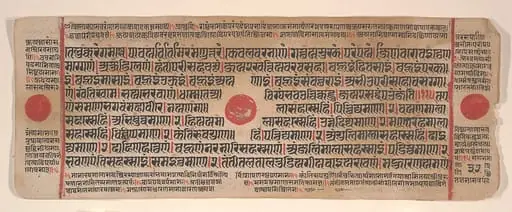
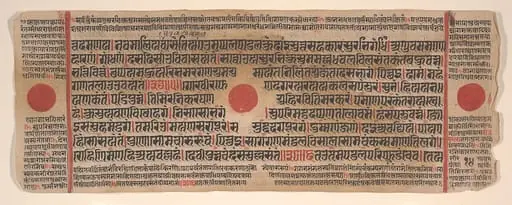
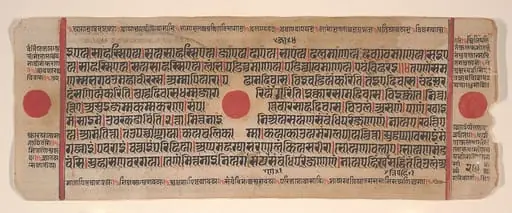
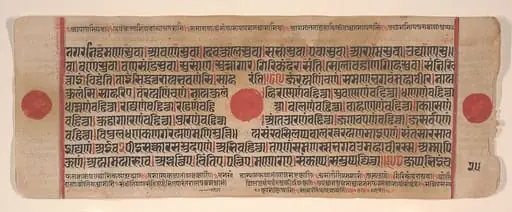
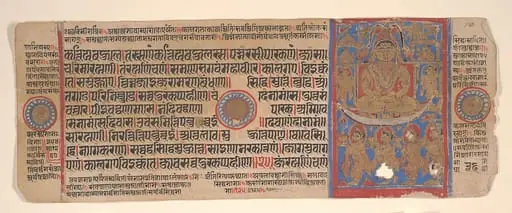
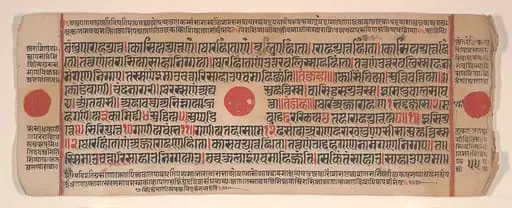
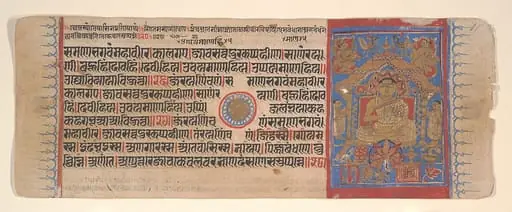
Untitled is a watercolor painting by the Indian Miniature artist Bhadrabahu. It dates from 1449 and is held in the collection of the Metropolitan Museum of Art.
About this work
Subject & Meaning
The artwork Untitled, created in 1449 and attributed to Bhadrabahu, is a religious painting reflecting the spiritual tradition of Jainism.
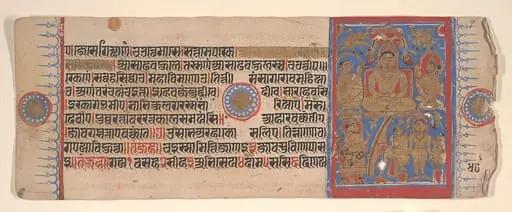
The artwork Untitled, created in 1449 and attributed to Bhadrabahu, is a religious painting reflecting the spiritual tradition of Jainism. Executed in ink, opaque watercolor, and gold on paper, the work functions as an iconographic representation of Jain belief rather than a narrative scene of specific events. As a piece of religious art originating in India, its primary purpose is to visualize and honor the tenets of the Jain faith.
The use of gold and its devotional character indicate that the painting served a liturgical or meditative function within the context of 15th-century Indian religious practice.
Technique & Style
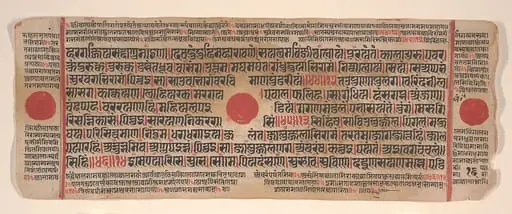
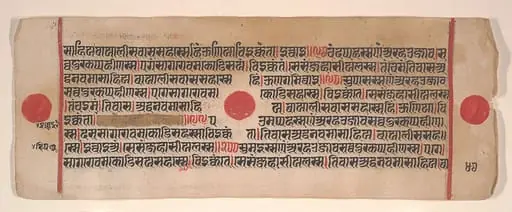
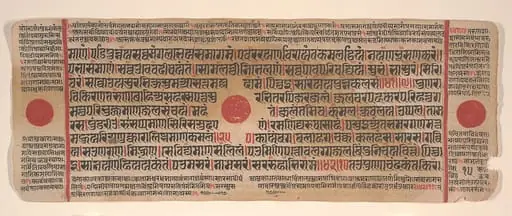
Created in 1449 in India, this religious painting employs ink, opaque watercolor, and gold applied to a paper support. The work measures 11.4 cm in height and 28.9 cm in width, a horizontal format typical of its genre. The technique involves the precise layering of pigments and metallic leaf to depict Jain themes.
The integration of gold with opaque watercolor on paper reflects a delicate handling of materials intended for devotional or narrative illustration. The physical dimensions and material composition indicate a portable format, likely designed for close viewing or inclusion in a manuscript rather than large-scale display.
History & Provenance
Created in 1449 in India, this religious painting titled Untitled is attributed to Bhadrabahu and was produced using ink, opaque watercolor, and gold on paper, depicting themes related to Jainism. The piece currently resides in the collection of the Metropolitan Museum of Art, where it is cataloged under accession number 57.51.38.8. While the specific circumstances of its commission and the details of its ownership chain prior to entering the museum are not delineated in the available records, its date and place of creation are established as mid-15th-century India. The artwork measures 11.4 cm in height and 28.9 cm in width.
Context
The 15th-century Jain religious painting Untitled, attributed to Bhadrabahu, combines ink, opaque watercolor, and gold on paper to illustrate Jain motifs. Its creation in India around 1449 places it within the broader tradition of Jain manuscript illumination, in which gold-leaf accents and stylized figures convey spiritual themes. The work's inclusion in the Metropolitan Museum of Art's collection makes it a representative example of early Indian religious art that blends technical refinement with ritual symbolism.
Overview
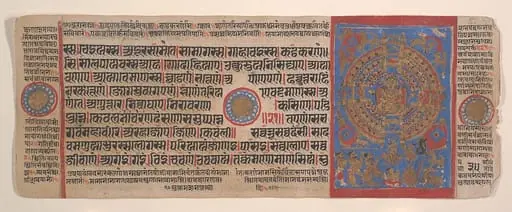
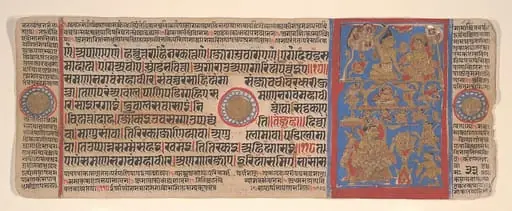
This untitled work, created by Bhadrabahu in 1449, is a religious painting executed with ink, opaque watercolor, and gold on paper. It originates from a Jain manuscript and visually represents core tenets of Jainism. The composition features a central monk in a white robe, seated beneath a tree, encompassed by numerous small figures and various animals, illustrating a vibrant, interconnected natural world.
Artist & collection