Artwork
Untitled
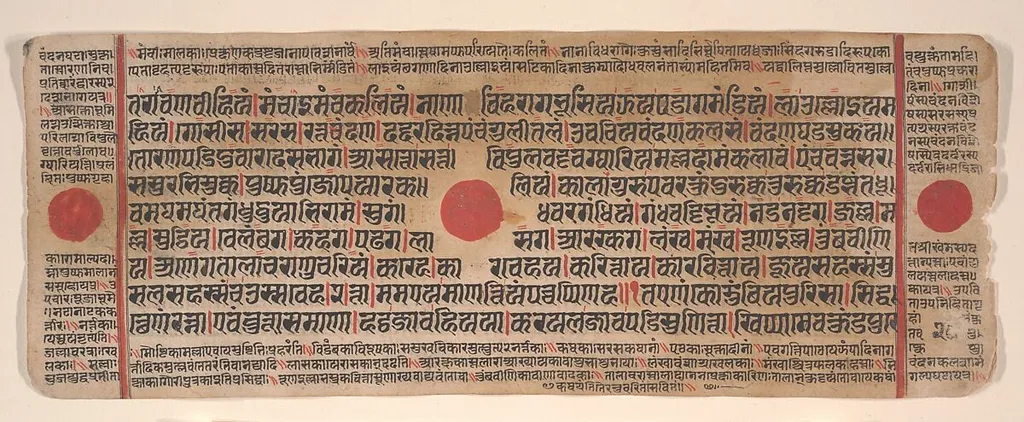
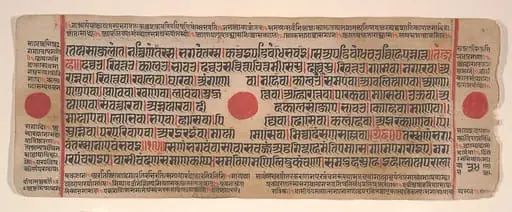
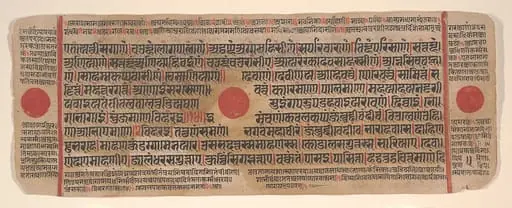
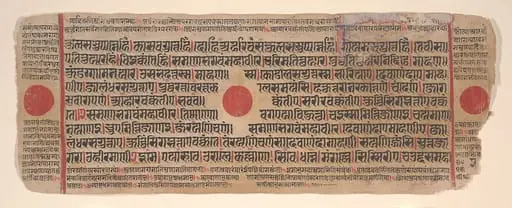
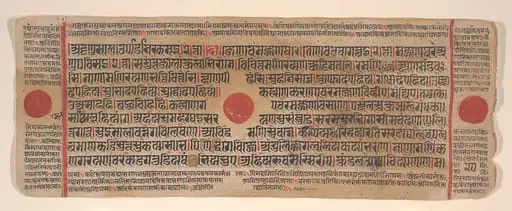
Untitled is a watercolor painting by the Indian Miniature artist Bhadrabahu. It dates from 1449 and is held in the collection of the Metropolitan Museum of Art.
About this work
Technique & Style
9 cm in width, the horizontal format characteristic of Jain manuscript illumination derived from the earlier palm-leaf tradition.
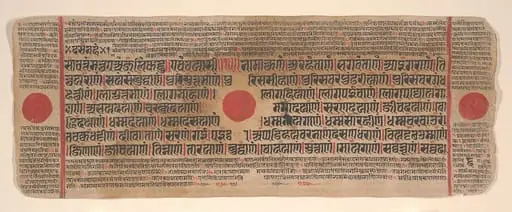
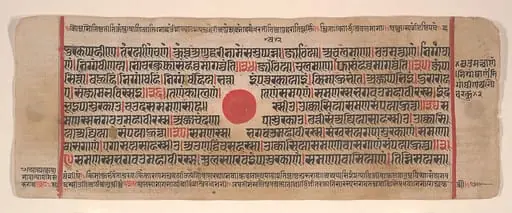
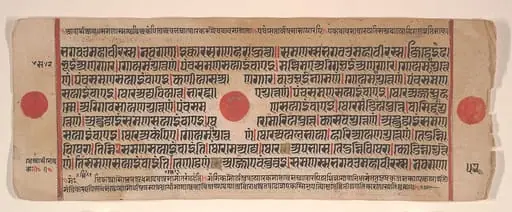
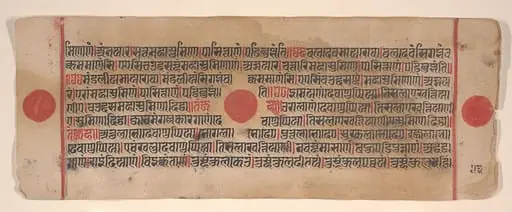
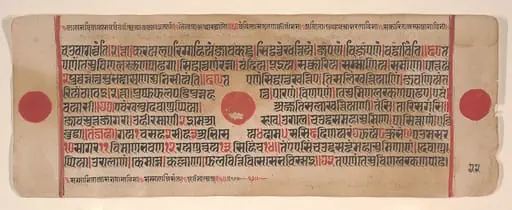
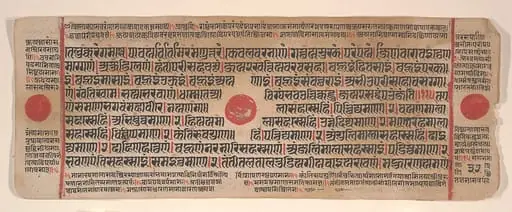
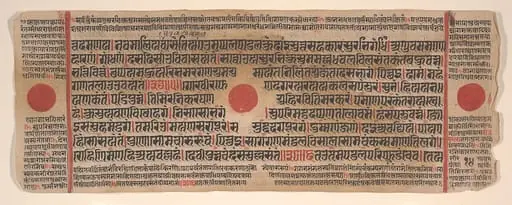
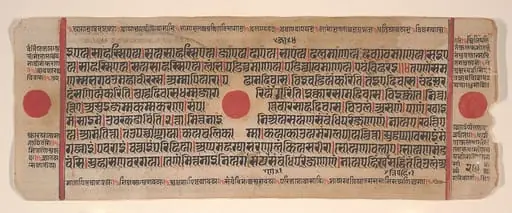
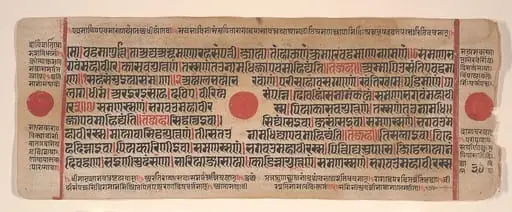
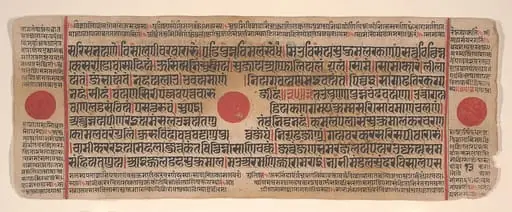
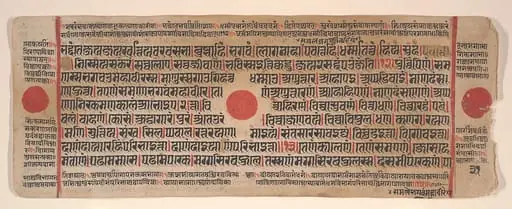
Created in 1449 in India, this religious painting is executed on a paper support using ink, opaque watercolor, and gold. The work measures 11.4 cm in height and 28.9 cm in width, the horizontal format characteristic of Jain manuscript illumination derived from the earlier palm-leaf tradition. The application of gold alongside opaque pigments conveys spiritual luminosity within a devotional context.
Stylistically, the piece adheres to the conventions of Jain religious painting, using ink, water-based pigments, and gold leaf to define its forms on the paper surface, emphasizing clarity and sacred symbolism through the interplay of color and gold.
History & Provenance
Created in 1449 in India, this religious manuscript painting depicts themes related to Jainism and is executed in ink, opaque watercolor, and gold on paper. It is held in the collection of the Metropolitan Museum of Art under the accession number 57.51.38.37. The painter is not recorded.
While the specific circumstances of its original production and the detailed chain of ownership prior to its museum acquisition are not detailed in the available records, its inception date and place of manufacture are established as mid-15th-century India.
Overview
This untitled painting, created in 1449, is a religious work rendered with ink, opaque watercolor, and gold on paper. It portrays a scene central to Jainism, featuring a revered monk instructing his followers. The artist, whose name is not recorded, is conventionally referred to as Bhadrabahu, after the central figure depicted in the composition.
Subject & Meaning
The artwork illustrates a serene moment of spiritual teaching, with a monk dressed in white seated beneath a tree, addressing two disciples who lean in attentively. This depiction likely represents the historical figure Bhadrabahu, a significant Jain ascetic. The presence of gold within the composition is not merely decorative; it functions symbolically to convey the emanation of sacred light, underscoring the spiritual significance of the scene.
Context
This painting originally formed part of a Jain manuscript, a type of religious book meticulously produced by hand in the Gujarat region. Such manuscripts served as important vehicles for disseminating spiritual knowledge and narratives. The absence of an artist's signature is common for works of this period and genre, leading to the posthumous attribution of the artist's name based on the prominent subject.
Artist & collection