Artwork
Untitled
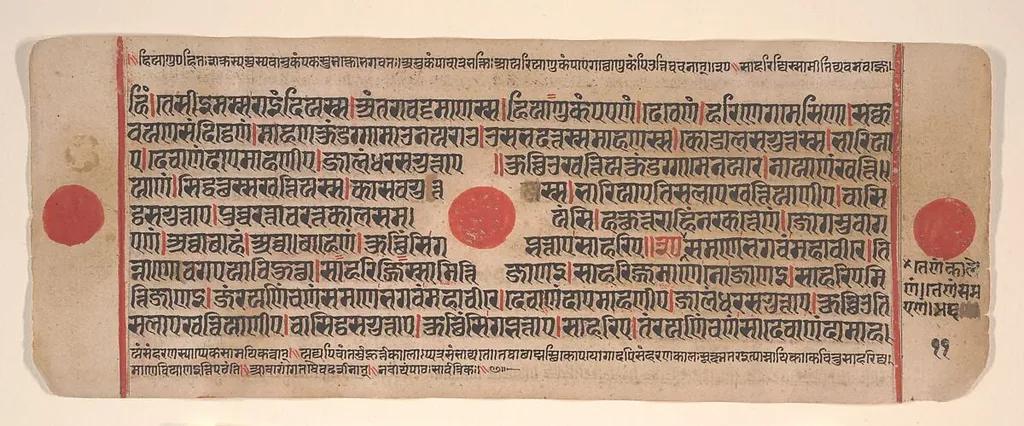
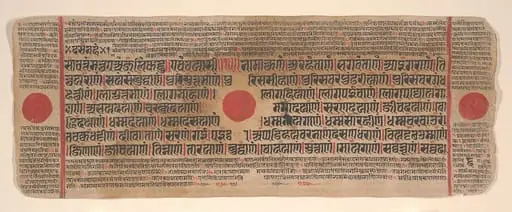
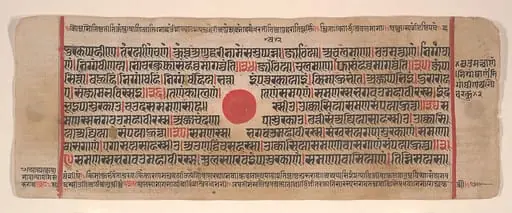
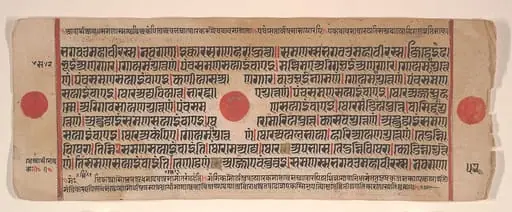
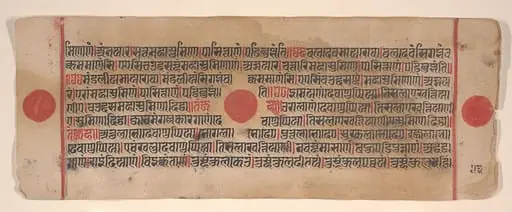
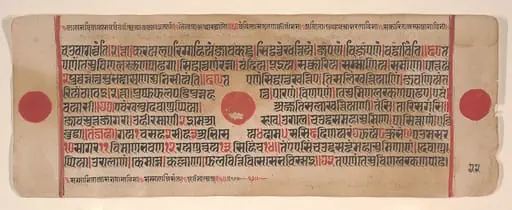
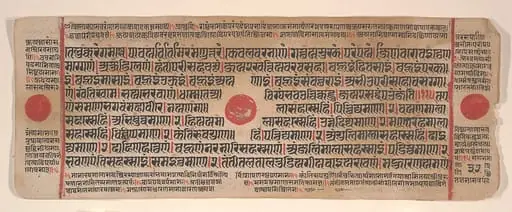
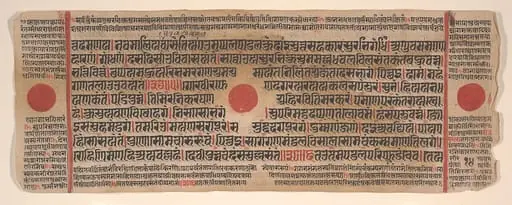
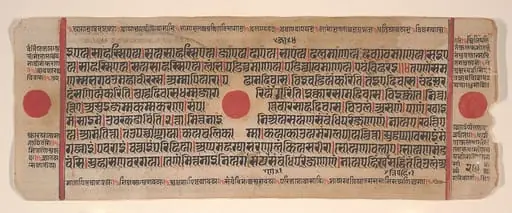
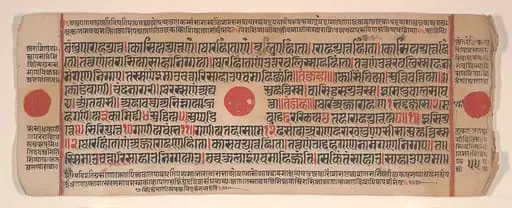
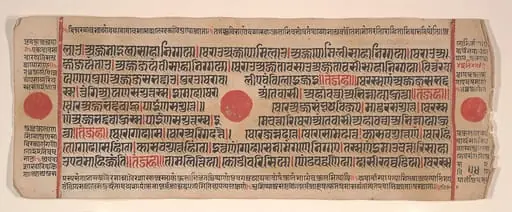
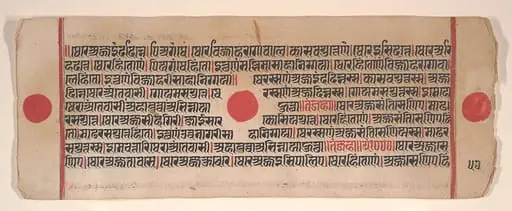
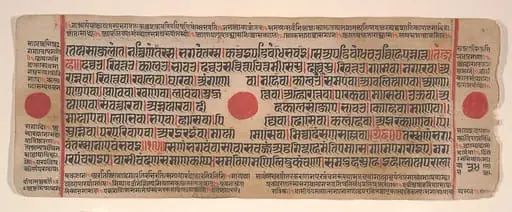
Untitled is a watercolor painting by the Indian Miniature artist Bhadrabahu. It dates from 1449 and is held in the collection of the Metropolitan Museum of Art.
About this work
Subject & Meaning
It depicts themes and figures associated with Jainism and functions as a folio within the tradition of Jain manuscript painting.
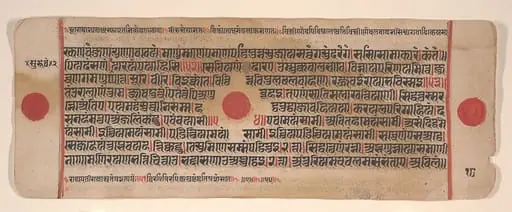
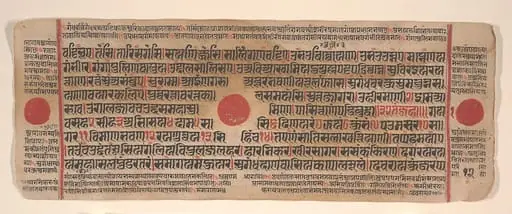
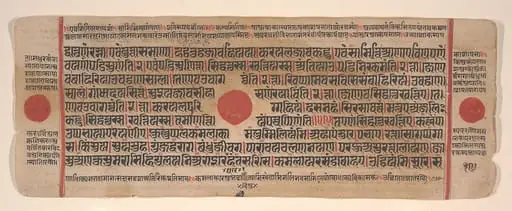
Created in 1449 in India, this work is a religious painting executed in ink, opaque watercolor, and gold on paper. It depicts themes and figures associated with Jainism and functions as a folio within the tradition of Jain manuscript painting. As a piece of religious art, its subject illustrates doctrines or narratives central to the Jain faith, and the use of gold alongside traditional pigments indicates a devotional context that emphasizes the sacred significance of the imagery. The specific narrative scene is not detailed in the available records.
Technique & Style
This Jain religious painting, dated 1449, is executed in ink, opaque watercolor, and gold leaf on paper, a support typical of Jain manuscript illumination. Fine brushwork and subtle gradations of color are combined with selective gold highlighting that accentuates sacred figures, following the balanced, hierarchical layout characteristic of the tradition. The piece measures approximately 11.4 × 28.9 cm and belongs to the Metropolitan Museum of Art collection in New York. Its formal qualities reflect the meticulous draftsmanship and luminous palette characteristic of fifteenth-century Indian Jain art.
History & Provenance
Created in 1449 in India, this religious painting is a folio in the Jain manuscript tradition, executed in ink, opaque watercolor, and gold on paper and depicting themes related to Jainism. It is held in the collection of the Metropolitan Museum of Art in New York under accession number 57.51.38.21. The painter is not recorded in the available sources, and no details of the original commission or intermediate ownership are documented.
The work measures 11.4 cm in height by 28.9 cm in width, and no specific exhibition history is recorded.
Overview
This untitled painting, created by Bhadrabahu in 1449, is an example of Jain religious art. Executed with ink, opaque watercolor, and gold on paper, it likely originated as part of a larger manuscript. The work visually articulates principles and figures central to Jainism, a spiritual tradition emphasizing non-violence and asceticism, offering insight into the devotional practices of its time.
Context
This painting originally served as an illustration within a Jain manuscript, a tradition where visual art often accompanied sacred texts. The inclusion of gold, beyond its decorative appeal, held significant spiritual meaning. Its application was a deliberate act of veneration, intended to honor the holy writings and enhance their sacred presence for devotees. Such works were integral to the religious practices and scholarly pursuits of Jain communities.
Artist & collection