Artwork
Untitled
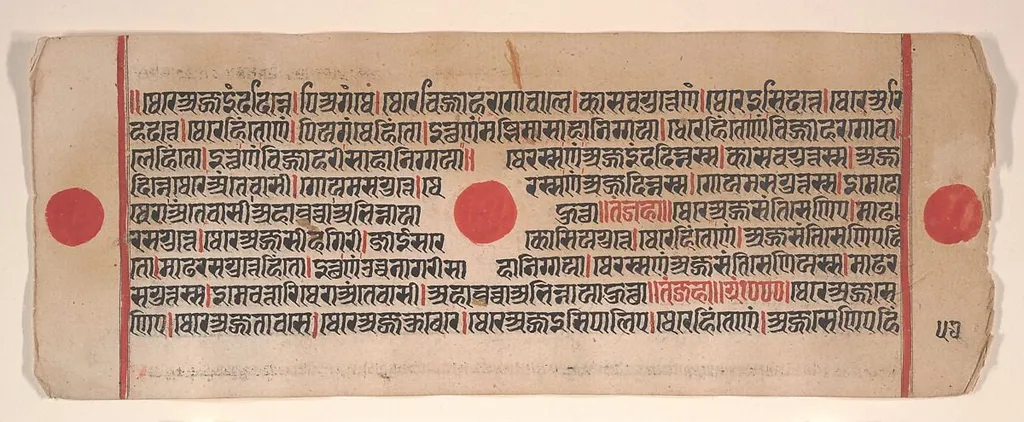
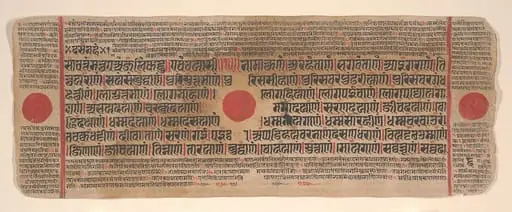
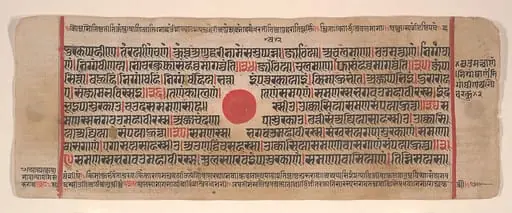
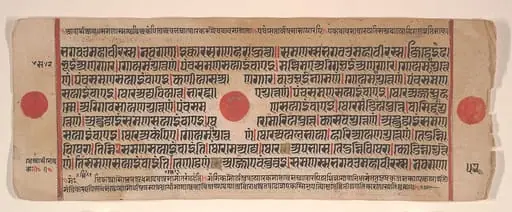
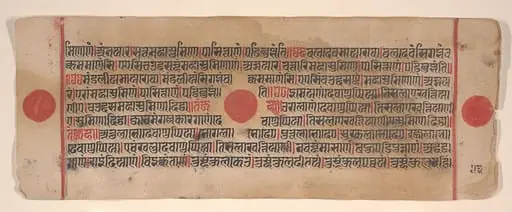
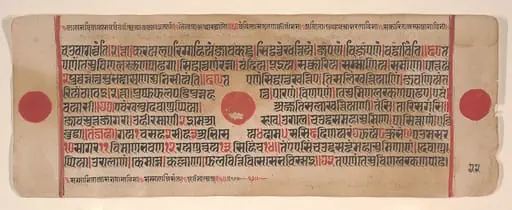
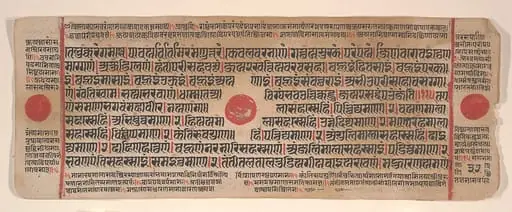
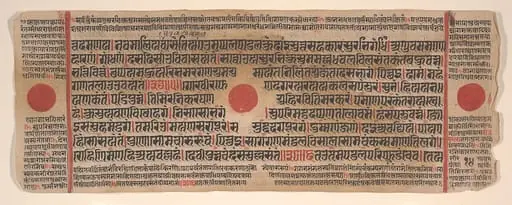
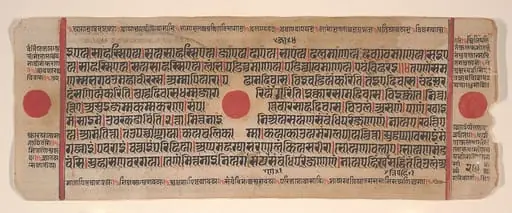
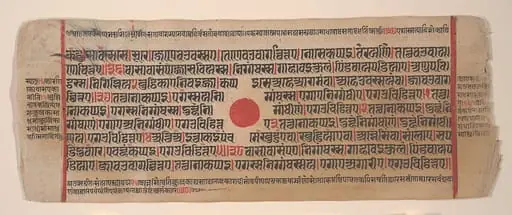
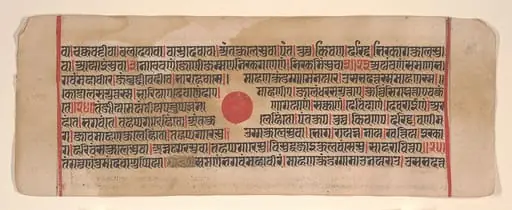
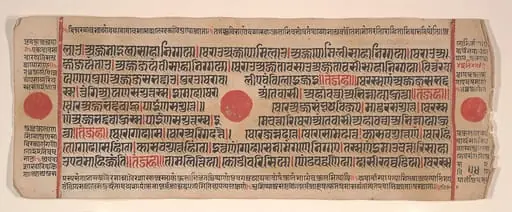
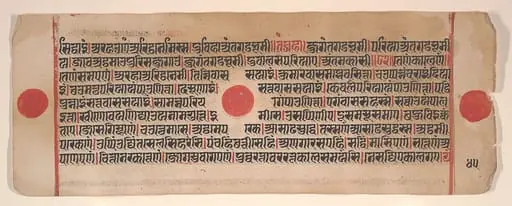
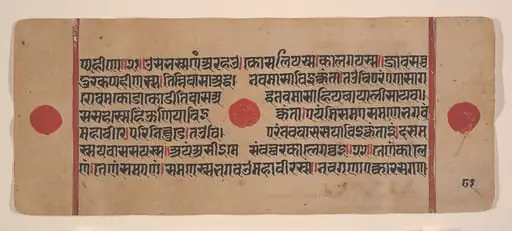
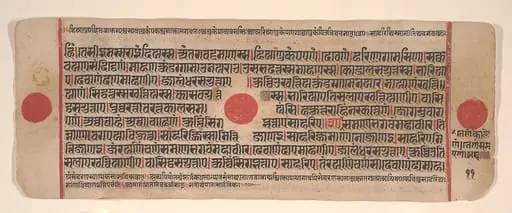
Untitled is a watercolor painting by the Indian Miniature artist Bhadrabahu. It dates from 1449 and is held in the collection of the Metropolitan Museum of Art.
About this work
Subject & Meaning
This 1449 painting by Bhadrabahu is a religious work depicting Jainism, one of the ancient Indian spiritual traditions.
This 1449 painting by Bhadrabahu is a religious work depicting Jainism, one of the ancient Indian spiritual traditions. Created with ink, opaque watercolor, and gold on paper, the work belongs to the genre of religious art. While the specific iconographic details of this untitled composition are not fully elaborated in the available sources, its classification as a Jain religious painting from 15th-century India suggests it likely portrays sacred figures, narratives, or symbols central to Jain belief and practice.
The use of gold and opaque watercolor indicates a devotional purpose, consistent with the rich tradition of Jain manuscript illumination and temple imagery from this period.
Technique & Style
Executed in ink, opaque watercolor, and gold on paper, this 1449 work by Bhadrabahu employs the traditional materials of the Indian miniature painting tradition. The horizontal format, with dimensions of 11.4 by 28.9 centimeters, suggests a small-scale devotional manuscript or album leaf. The combination of ink drawing, opaque watercolor washes, and gold leaf application is characteristic of religious Jain painting produced in India during the fifteenth century, a period when such refined techniques were used to render sacred subjects with luminosity and detail.
History & Provenance
The work titled Untitled was produced in 1449 in India by the artist Bhadrabahu. Executed in ink, opaque watercolor and gold on paper, it belongs to the religious painting genre and portrays Jain themes. The painting is recorded in the Metropolitan Museum of Art’s collection, where it has been housed since its acquisition, and is catalogued under accession number MET 57.51.38.59.
Its dimensions measure approximately 11.4 cm in height by 28.9 cm in width. The dating of 1449 is documented in both the artist’s catalogue entry and the museum’s metadata, establishing the work’s creation period.
Context
The painting Untitled, executed by Bhadrabahu in 1449, is recorded as an ink, opaque watercolor and gold work on paper that belongs to the religious painting genre and portrays Jainism. Its creation in India and subsequent acquisition by the Metropolitan Museum of Art situate it within the corpus of 15th‑century Jain manuscript illumination, a body of work examined in scholarship for its stylistic and iconographic contributions to Indian religious art. The piece is cited in museum documentation as exemplifying the devotional function of Jain visual culture and as a key reference point for studies of Bhadrabahu’s artistic output and the broader tradition of Jain painting.
Overview
This untitled work, created in 1449 by Bhadrabahu, is a religious painting rendered in ink, opaque watercolor, and gold on paper. It portrays a scene central to Jainism, depicting a monk imparting wisdom to two listeners. The small scale and vibrant colors are characteristic of devotional art from the period, intended for private contemplation or instruction.
Artist & collection