Artwork
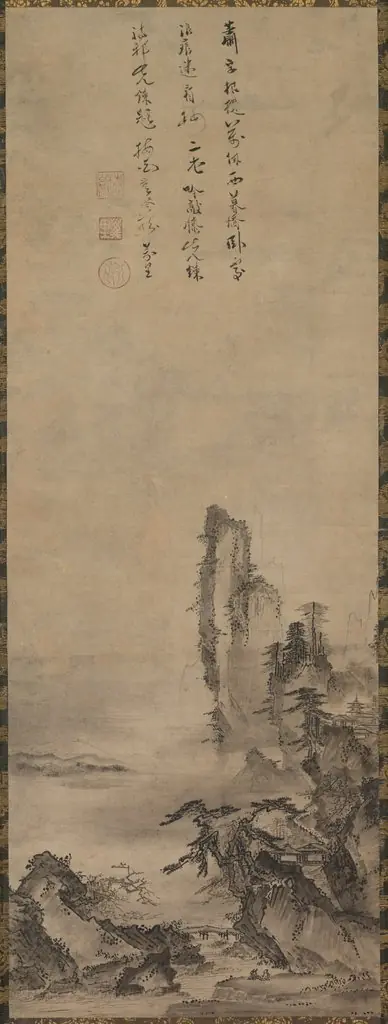
牧松周省筆 破墨山水図|Splashed-Ink Landscape
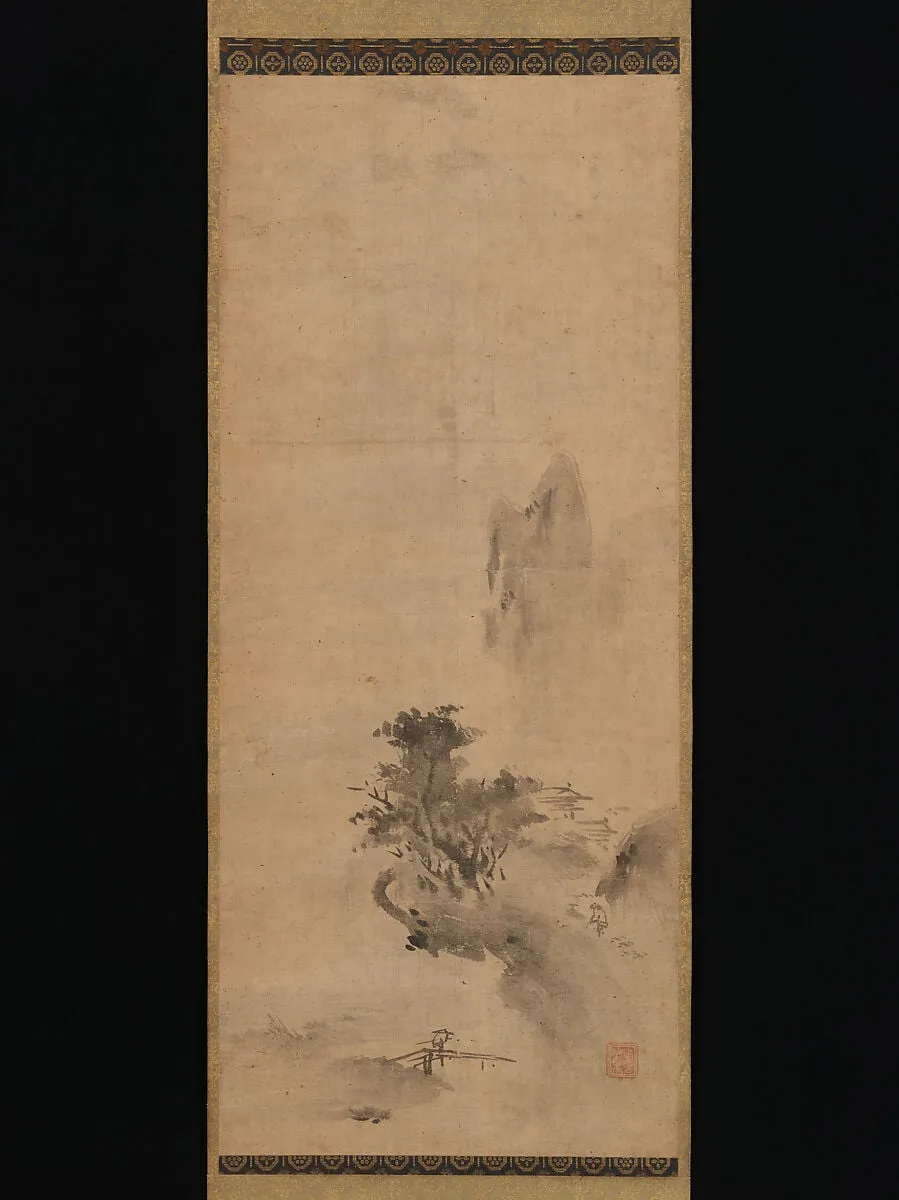
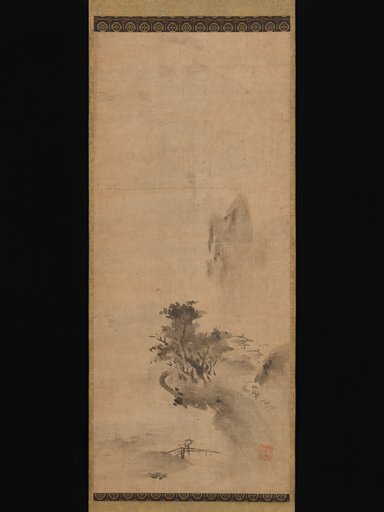
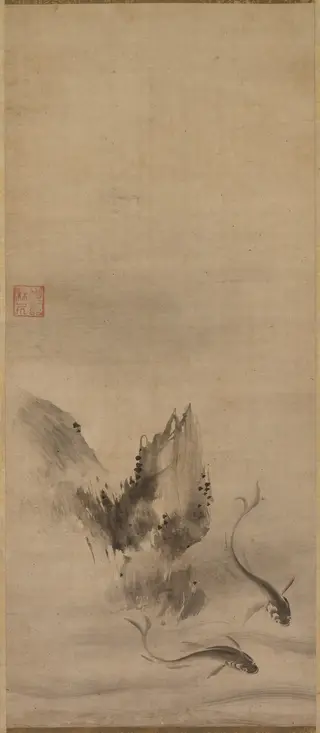
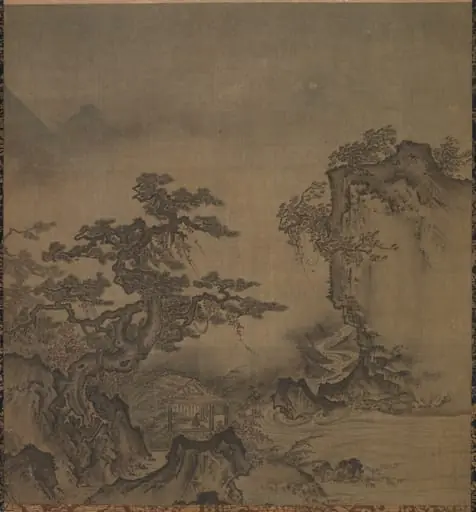
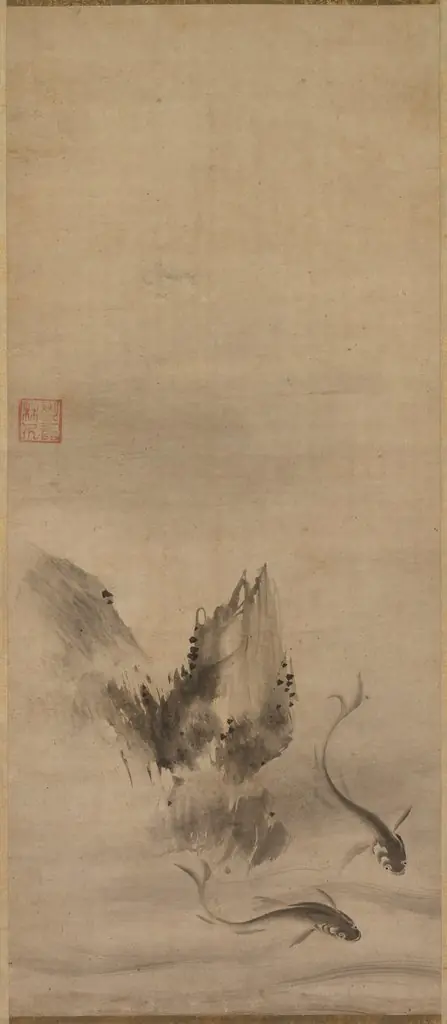
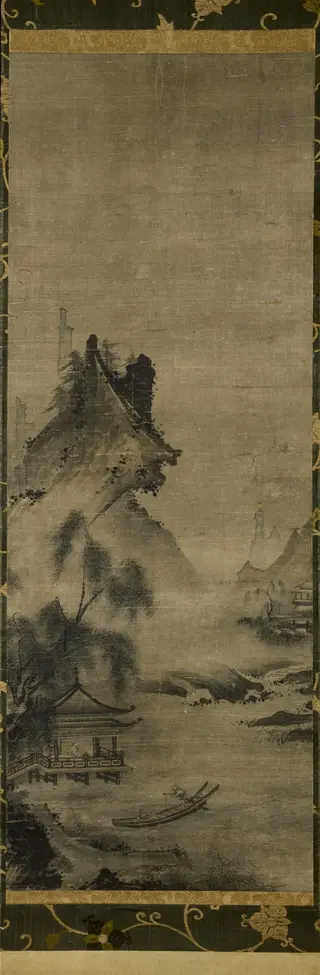
牧松周省筆 破墨山水図|Splashed-Ink Landscape is an ink painting by the Renaissance artist Bokushō Shūshō. It dates from 1516 and is held in the collection of the Metropolitan Museum of Art.
- Accession no.
- 2015.300.55
- Credit line
- Mary Griggs Burke Collection, Gift of the Mary and Jackson Burke Foundation, 2015
About this work
Technique & Style
The composition reflects the artistic practices of early sixteenth-century Japan, focusing on natural scenery through monochromatic expression.
Created in 1516 by Bokushō Shūshō, this landscape painting utilizes ink applied to paper as its primary medium. The work is formatted as a hanging scroll, a traditional support structure for Japanese art of this period. Stylistically, the piece is defined by its genre classification as a landscape, executed through the specific method implied by its title, which references splashed-ink techniques. The composition reflects the artistic practices of early sixteenth-century Japan, focusing on natural scenery through monochromatic expression.
History & Provenance
The hanging scroll Splashed-Ink Landscape by Bokushō Shūshō was created in 1516 in Japan. Executed in ink on paper, the work depicts a landscape scene using the splashed-ink technique. The piece is currently held in the collection of the Metropolitan Museum of Art.
Overview
Bokushō Shūshō created this "Splashed-Ink Landscape" in 1516. Rendered with ink on paper as a hanging scroll, the work exemplifies a particular approach to landscape painting. It presents a serene and understated natural vista, characteristic of the period's aesthetic preferences for simplicity and contemplative scenes. The artist's distinctive method of applying ink is central to its visual impact.
Subject & Meaning
The composition depicts a tranquil natural setting, featuring a solitary mountain, scattered trees, and a small, unassuming hut. This minimalist arrangement evokes a sense of quietude and introspection. The scene's simplicity, devoid of human activity or dramatic elements, encourages contemplation of nature's inherent calm. Such understated landscapes often served as visual aids for meditation or as expressions of Zen Buddhist principles.
Artist & collection