Artwork
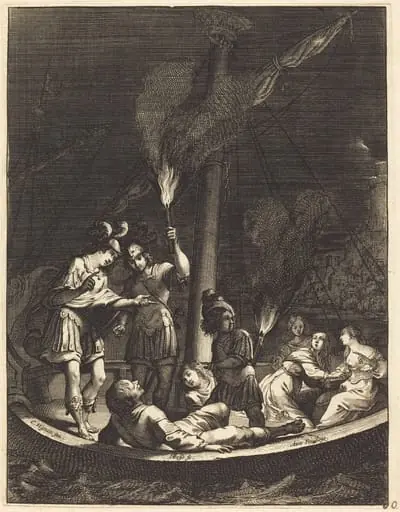
The Siege of La Rochelle [plate 2 of 16; set comprises 1952.8.97-112]
![The Siege of La Rochelle [plate 2 of 16; set comprises 1952.8.97-112], by Abraham Bosse, ink, 1630](https://artifactworldgallery.com/img/abraham-bosse--the-siege-of-la-rochelle-plate-2-of-16-set-comprises-1952-8--99b696a97f55f350-w1024.webp)
The Siege of La Rochelle [plate 2 of 16; set comprises 1952.8.97-112] is an ink print by the Baroque artist Abraham Bosse. It dates from 1630 and is held in the collection of the Rosenwald Collection.
About this work
Overview
Created in 1630 by Abraham Bosse, this etching and engraving is the second plate in a sixteen-part series documenting the Siege of La Rochelle.
Created in 1630 by Abraham Bosse, this etching and engraving is the second plate in a sixteen-part series documenting the Siege of La Rochelle. Executed on laid paper, the work reflects Bosse’s mastery of fine-line printmaking techniques prevalent in early 17th-century France. Though part of a larger historical narrative, this plate functions as a heraldic emblem rather than a battlefield scene, emphasizing symbolic representation over topographical accuracy.
Subject & Meaning
The central motif is a royal coat of arms bearing a crown, flanked by two allegorical figures, one holding a spear, the other a globe, signifying military power and territorial dominion. A portrait of a man in a ruff, likely Louis XIII, holds a scroll inscribed with the event’s title. The Latin phrase 'Du Roi' underscores royal authority, framing the siege as a sovereign endeavor. The imagery transforms a military conflict into a legitimizing emblem of monarchy.
Technique & Style
Bosse employed precise etching and engraving to render intricate details in fine, controlled lines. The composition relies on sharp contrasts between dark, densely inked areas and clean, unetched paper to define forms. The background’s wavy sky and architectural elements are suggested rather than rendered realistically, prioritizing symbolic clarity over naturalism. This method was characteristic of French academic printmaking, where clarity and order were paramount.
History & Provenance
The print was produced shortly after the 1628 conclusion of the Siege of La Rochelle, a pivotal event in Louis XIII’s campaign against Huguenot rebels. As part of a commissioned series, it served to disseminate official narratives of royal victory. The plates were likely circulated among courtiers and officials to reinforce political messaging. Its inclusion in the 1952.8.97-112 collection confirms its early acquisition by a major institution.
Context
In the 1630s, French printmaking increasingly served state interests, with artists like Bosse translating military and political events into visual propaganda. Unlike Dutch genre prints, French works of this period emphasized hierarchy and authority. The use of heraldic iconography here aligns with broader trends in royal imagery, where symbols of power replaced narrative detail to convey legitimacy and control.
Legacy
Bosse’s series contributed to the standardization of print-based historical documentation in France. His technical precision influenced later generations of engravers, particularly in the use of line to convey structure and meaning. While not widely exhibited today, the plates remain important artifacts of early modern state communication, illustrating how print media was harnessed to shape public perception of royal power.
![The Siege of La Rochelle [plate 15 of 16; set comprises 1952.8.97-112]](https://artifactworldgallery.com/img/abraham-bosse--the-siege-of-la-rochelle-plate-15-of-16-set-comprises-1952-8--2d9eb1a15a660925-w320.webp)
Artist & collection

Artist
Abraham Bosse (c. 1604 – 14 February 1676) was a French artist, mainly as a printmaker in etching, but also in watercolour.
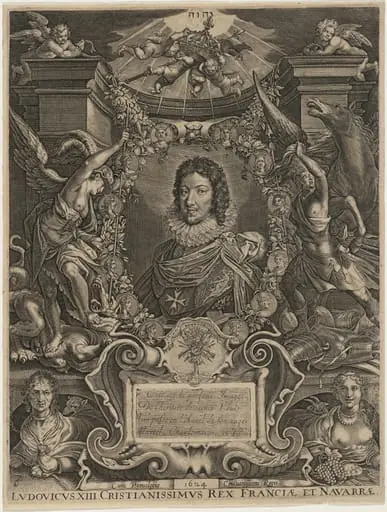 Louis XIII of France
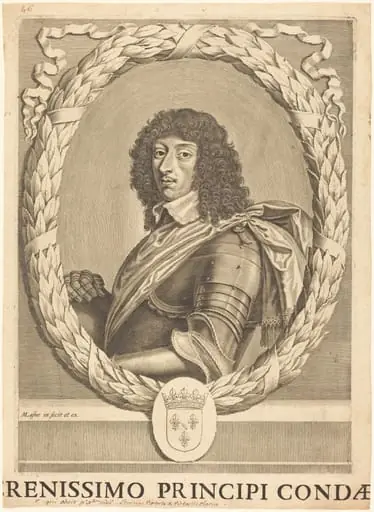 Louis II de Bourbon
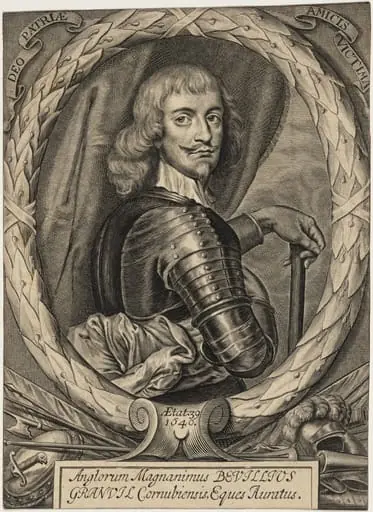 Sir Bevil Grenville
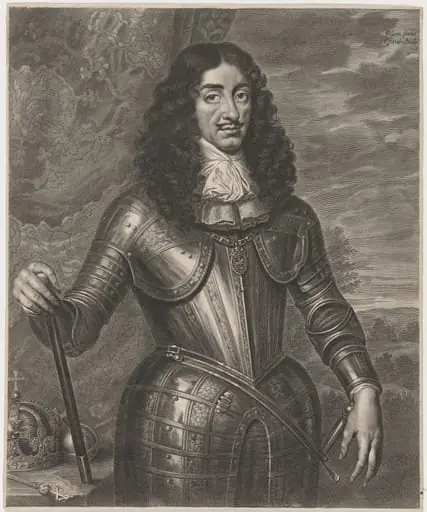 Charles II
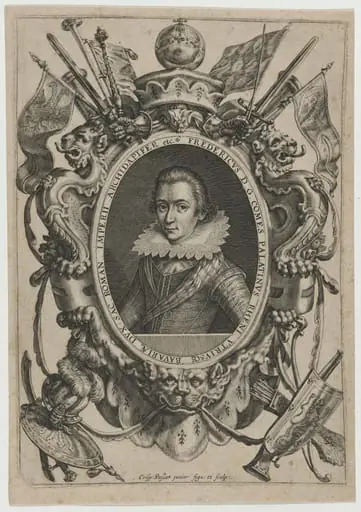 Frederick V, Elector Palatine, King of Bohemia
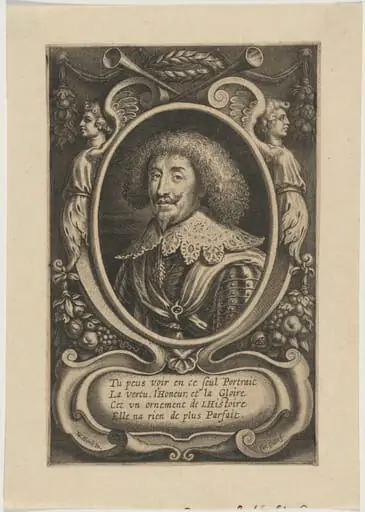 Portrait of Man in Oval with Decoration of Winged Figures
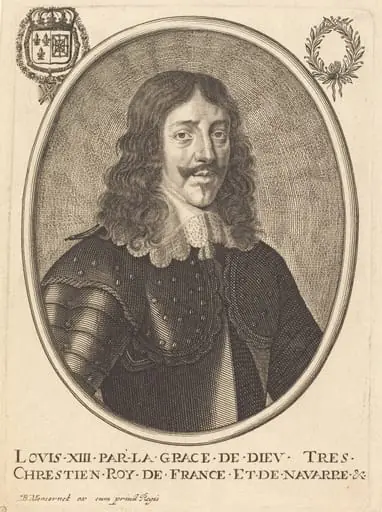 Louis XIII, King of France
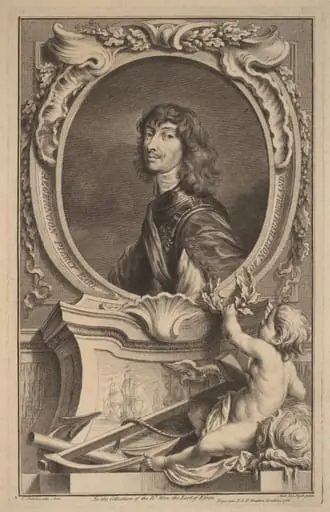 Algernon Percy, Earl of Northumberland
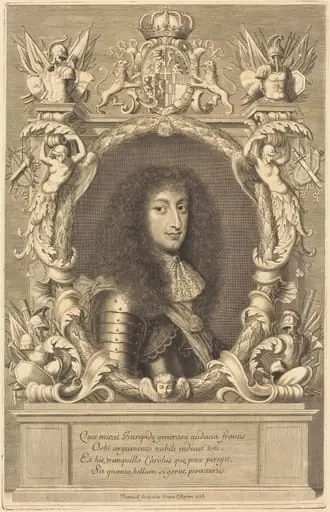 Charles-Emmanuel, Duc de Savoie
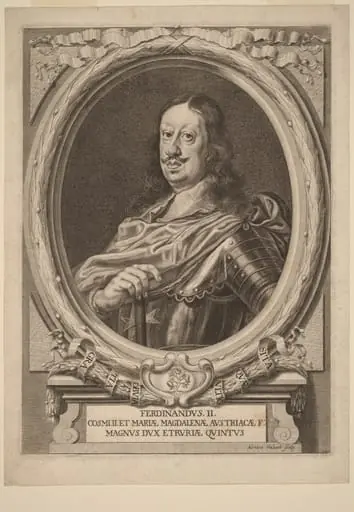 Ferdinando II, Grand Duke of Tuscany