Artwork
Portrait of a Gentleman
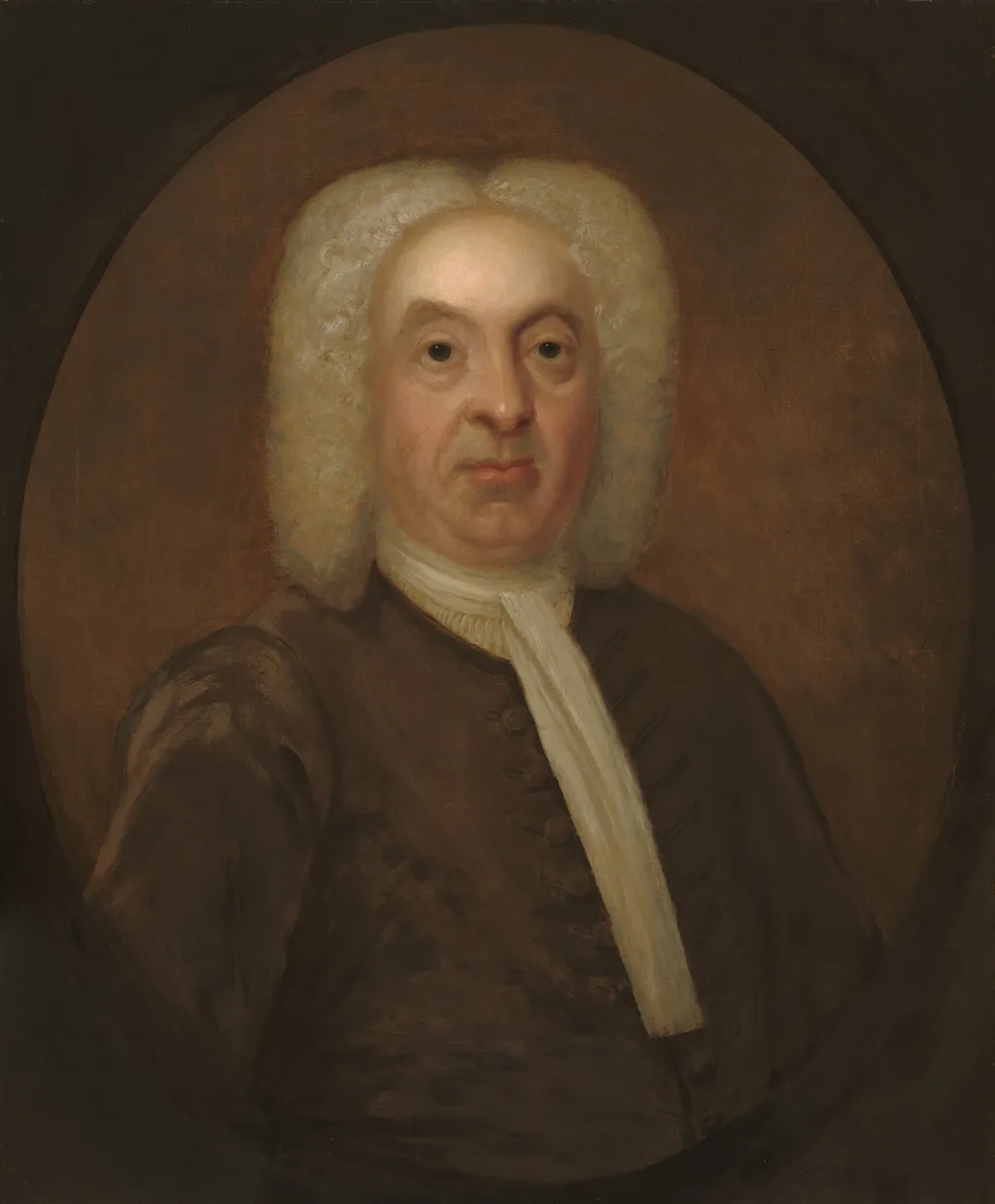
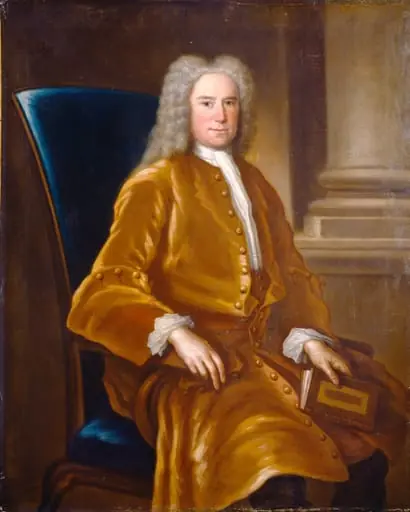
Portrait of a Gentleman is an oil painting. It dates from 1730 and is held in the collection of the National Gallery of Art.
- Inscription
- Inscribed:falsely inscribed, reverse of lining canvas: 50 / PORTRAIT OF MY FRIEND SMIBERT / DRAWN BY P. PELHAM. / JAHLEEL BRENTON / COPIED FROM THE ORIGINAL INSCRIPTION / ON THE BACK OF THIS PICTURE BY / J. OLIVER / LINER / NEW YORK
About this work
Subject & Meaning
Provenance records indicate the work was sold as a portrait of Smibert attributed to Peter Pelham, though this attribution remains unverified.
The painting presents an unidentified gentleman, likely intended to represent John Smibert, an 18th‑century British figure. Provenance records indicate the work was sold as a portrait of Smibert attributed to Peter Pelham, though this attribution remains unverified. The subject is described simply as “man” in the cataloguing data, reflecting the conventional genre of elite portraiture that emphasized social status and respectability.
As an oil‑on‑canvas portrait from 1720, the work functions as a visual record of contemporary masculine identity, suggesting the sitter’s place within the cultural hierarchy of the period.
Technique & Style
The Portrait of a Gentleman is executed in oil on canvas, a standard support for British eighteenth-century portraiture. The painting measures 76.2 by 63.2 centimeters, a moderately sized format suited to half-length or bust-length likenesses of the period. Stylistically, the work is consistent with early Georgian British portrait conventions of 1720, presenting a single male sitter in a straightforward, frontal manner typical of the tradition.
The sources do not provide further detail on brushwork, palette, underdrawing, or specific handling of paint, nor do they address condition issues such as relining, tears, or conservation history. Beyond the oil-on-canvas medium and canvas support, no additional technical analysis, pigment information, or stylistic commentary is documented in the available records.
History & Provenance
The work titled Portrait of a Gentleman is an oil on canvas portrait attributed to a British 18th‑century artist and dated to 1720, as recorded in its creation details. Its early ownership began with Rose M. de Forest of New York, who sold the piece on 7 January 1922 to Thomas B. Clarke, who identified it as a portrait of John Smibert after Peter Pelham. Clarke’s executors disposed of the painting in 1935 to the New York dealer M. Knoedler & Co., and it entered the collection of the A.W. Mellon Educational and Charitable Trust in January 1936.
The Trust gifted the work to the National Gallery of Art in 1947, where it remains in the Andrew W. Mellon collection.
The portrait is held by the National Gallery of Art, Washington, D.C., as part of the Andrew W. Mellon collection, accessioned in 1947 as object 1947.17.88. It entered the Gallery through a gift from The A.W. Mellon Educational and Charitable Trust, which purchased it in 1936 from M. Knoedler & Co., New York, as part of the Thomas B. Clarke collection. The painting had previously belonged to Rose M. de Forest, New York, who sold it in 1922 to Clarke, who had catalogued it in 1928 as a portrait of John Smibert by Peter Pelham.
Legacy
The painting’s provenance illustrates its ascent from a private English portrait to a recognized work in a premier American museum. After passing through the hands of collectors such as Thomas B. Clarke and M. Knoedler & Co., it entered the National Gallery of Art in 1947 as part of the Andrew W. Mellon collection, where it has been studied and exhibited as a key example of 18th‑century British portraiture. Its documented attribution history and display in major institutions have reinforced scholarly discussions of the period’s artistic conventions and have contributed to the broader appreciation of early British portraiture in museum narratives.
The work’s legacy is reflected in its continued presence in exhibitions and publications that trace the development of portrait conventions in Britain.
Overview
This oil on canvas painting, titled Portrait of a Gentleman, depicts a male figure in a formal seated posture. The artwork emphasizes the sitter's dignified demeanor and elaborate attire, set against a restrained yet refined background. It serves as a representative example of portraiture focused on conveying status and individual presence through careful observation and artistic execution.
Artist & collection

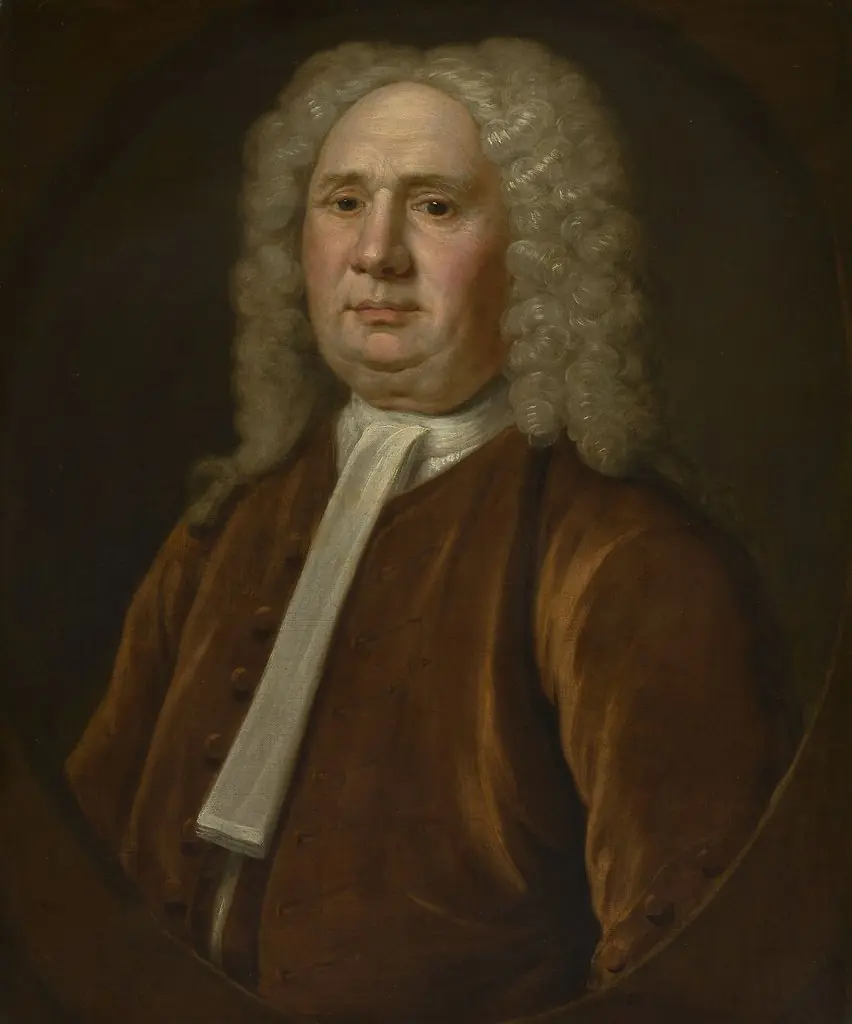
- Captain John Garish
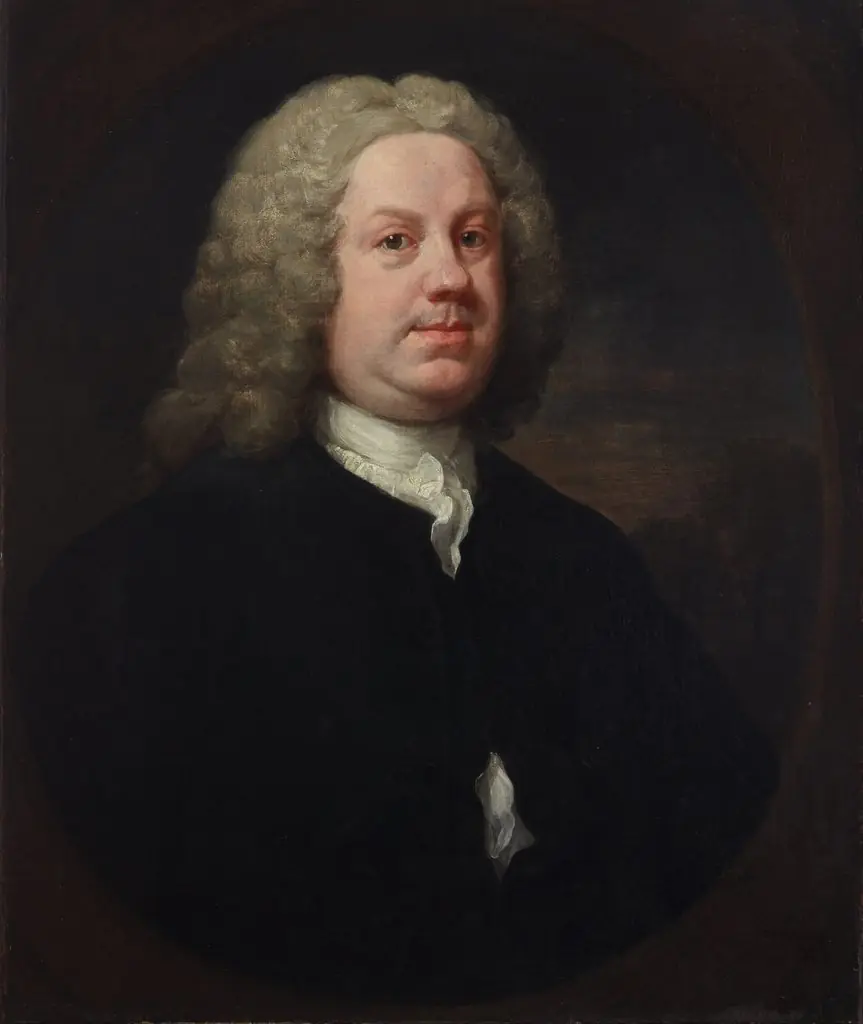 Dr Benjamin Hoadly, MD
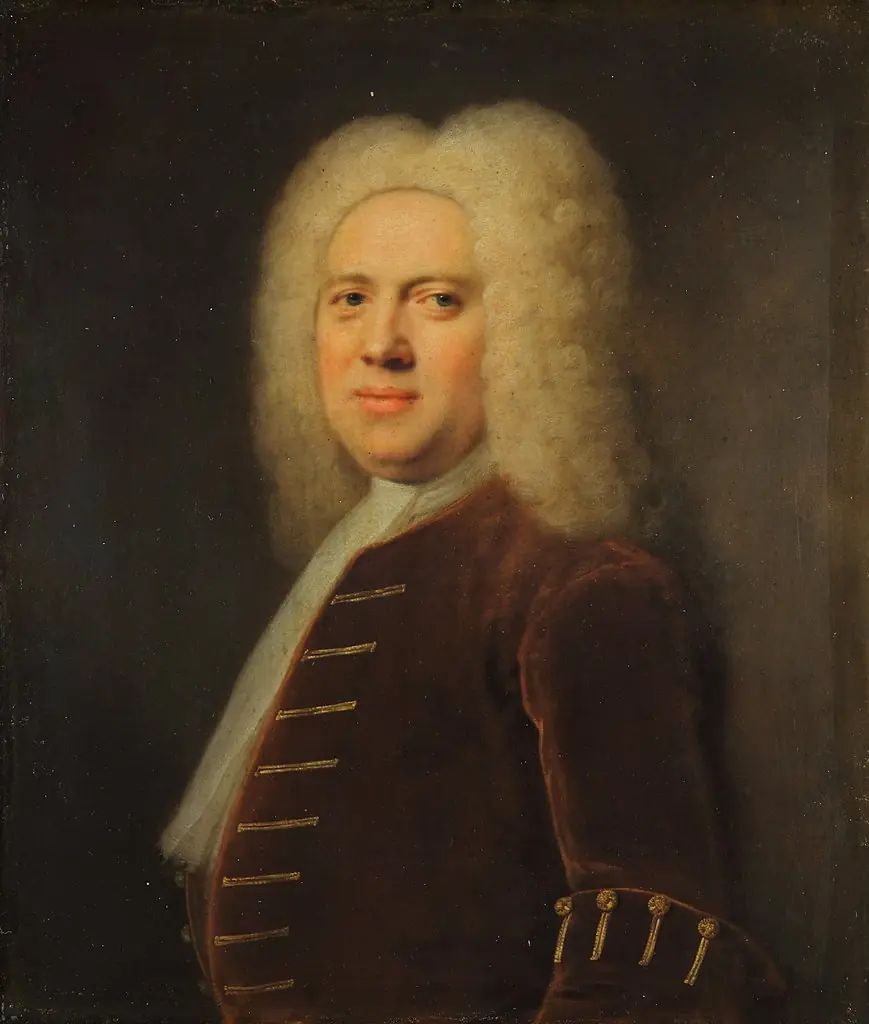 Self-Portrait
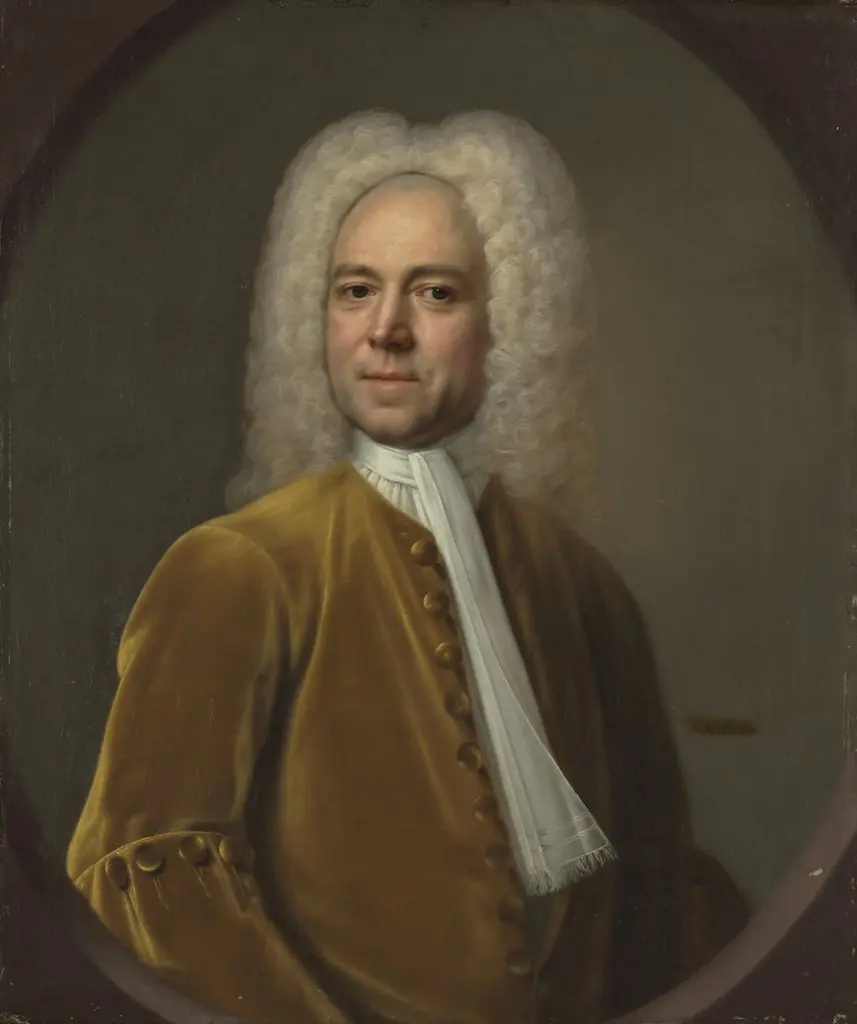 Portrait of a Man
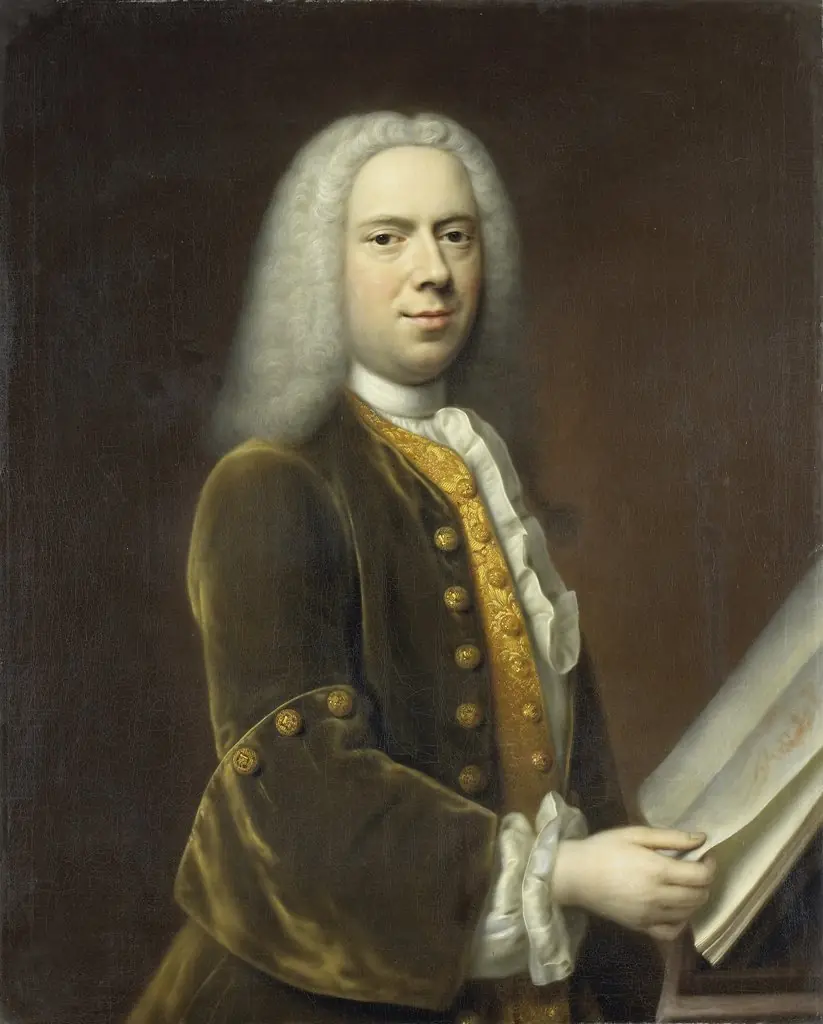 Portrait of a Man, probably Cornelis Troost
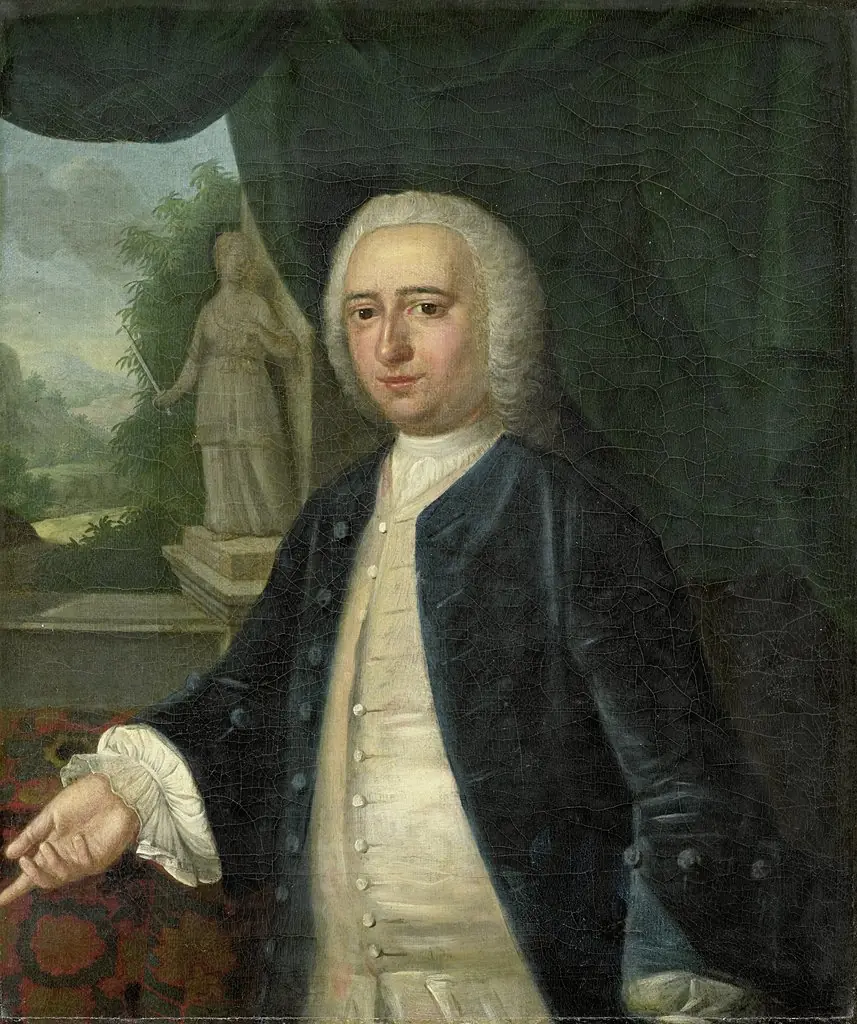 Portrait of Johan Willem Parker, Lord of Saamslag, Geersdijk, Wissekerke, Cats and Soelekerke, Burgomaster of Middelburg, Deputy of Walcheren in Zeeland
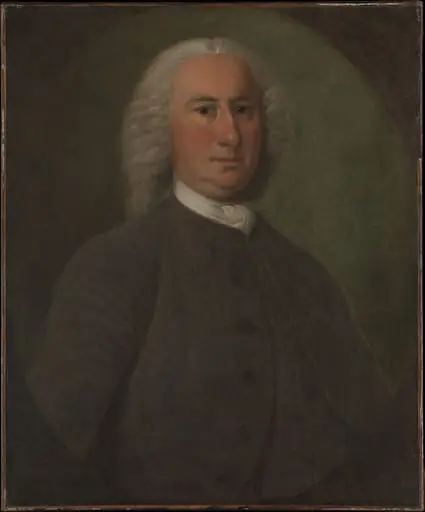 Gabriel Manigault
 Sir Watkin Williams-Wynn (1692 -1749)
 William Murray, 1st Earl of Mansfield
 Portrait of a Gentleman
 Portrait of a Gentleman
 John Lord Sommers