Artwork
Title Page
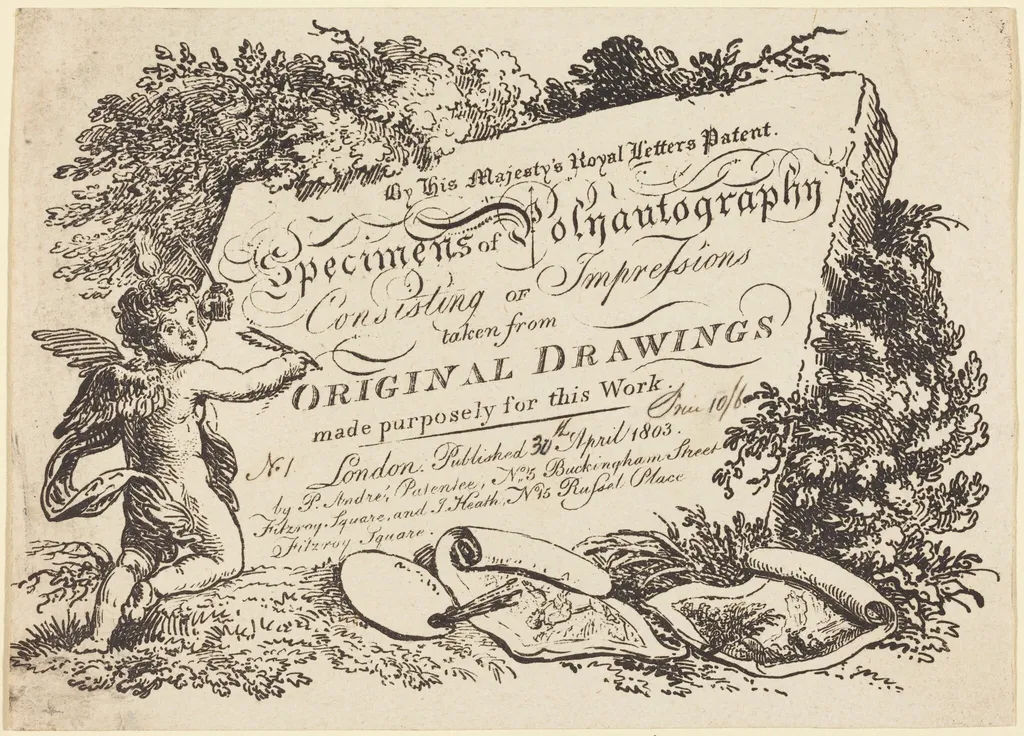
Title Page is an ink print by the Romanticist artist British 19th Century. It dates from 1803 and is held in the collection of the National Gallery of Art.
About this work
Look up lithography next to see how early artists made prints like this.
This image looks like an old print with fancy writing. At the top, it says "Specimens of Photantography" in curly letters. A winged figure stands on the left, holding a scroll. Below, a man sits reading a book while a dog lies next to him.
The words are messy but show off fancy penwork. This was made in 1803, before real photos existed. The artist was playing with a new way to copy drawings.
Look up lithography next to see how early artists made prints like this.
Overview
Created in 1803, this pen-and-tusche lithograph serves as a title page for a publication titled 'Specimens of Photantography.' Though the term suggests photographic processes, the work predates photography entirely. It demonstrates an experimental approach to printmaking, using lithographic techniques to mimic the appearance of hand-drawn manuscripts with elaborate script and illustrative elements.
Subject & Meaning
The composition features a winged figure on the left, holding a scroll, possibly symbolizing inspiration or knowledge, while a seated man reads beside a reclining dog. The imagery evokes quiet intellectual pursuit, aligning with the theme of recorded learning. The title’s invented term 'Photantography' hints at a desire to link drawing with mechanical reproduction, reflecting early 19th-century fascination with visual transmission.
Technique & Style
The piece employs tusche, a greasy ink used in lithography, to achieve fluid, calligraphic lines that mimic penwork. The ornate lettering and textured shading reflect a deliberate emulation of manuscript aesthetics. Unlike later lithographs, this work retains the irregularity of hand-drawn marks, emphasizing the artist’s engagement with the medium’s nascent possibilities before standardized printing conventions emerged.
History & Provenance
Produced in 1803, this print is among the earliest known uses of lithography for illustrative title pages. It was likely part of a limited-run publication exploring the boundaries of reproductive art. The artist, though unnamed in the provided details, was experimenting with the recently invented lithographic process, which allowed direct drawing on stone and offered greater flexibility than traditional engraving methods.
Context
At the time of its creation, lithography was a novel technique, introduced in 1796 by Alois Senefelder. Artists and publishers were testing its potential for both text and image reproduction. This print reflects a transitional moment: the desire to preserve the handcrafted quality of manuscripts while leveraging mechanical reproduction, bridging the gap between artisanal tradition and emerging industrial methods.
Legacy
Though 'Photantography' was not a lasting term, this work exemplifies early experimentation in print media that paved the way for modern graphic design. Its fusion of decorative typography and illustrative symbolism influenced later title pages and artist’s books. The piece stands as a quiet testament to the period’s curiosity about how images and words might be mechanically preserved without losing their manual character.
Artist & collection

Artist
A short life left behind a quiet obsession with water: the churn of a mill wheel, the choppy waves off England's south coast, the light bouncing off pond lilies.

- Title Page
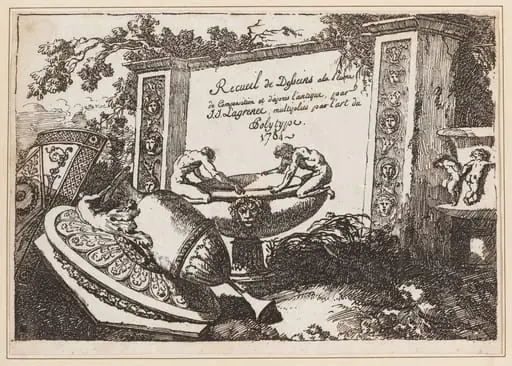 Title Page
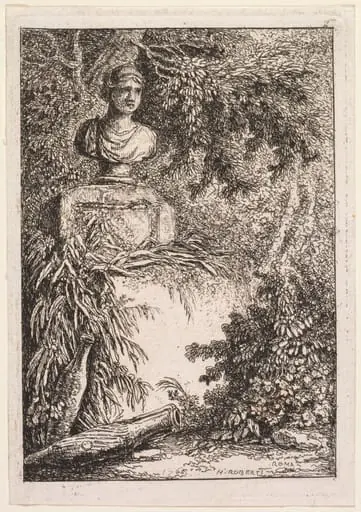 Les Soirées de Rome: Le Buste
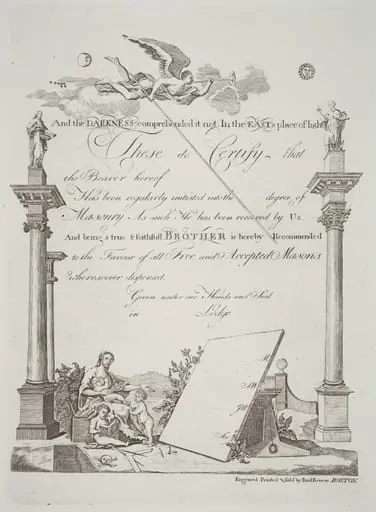 Masonic Certificate
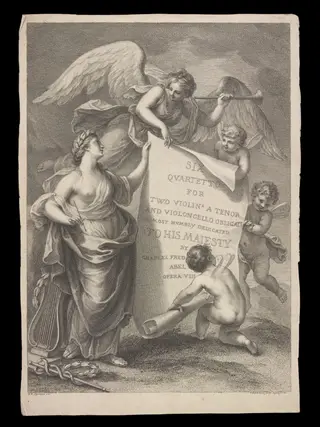 H Beard Print Collection
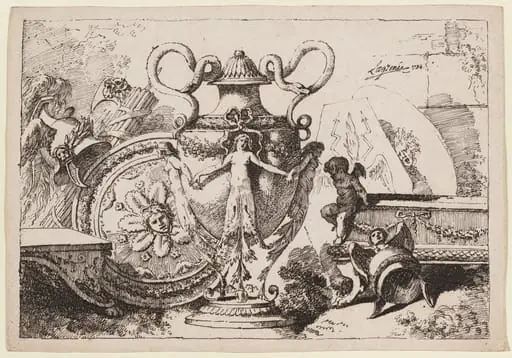 Composition with Antiquities
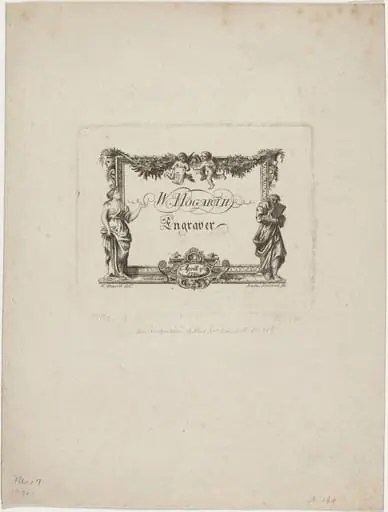 William Hogarth's Business Card
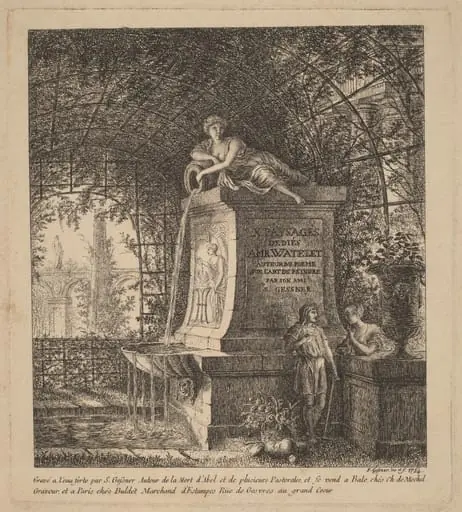 Fountain in a Summerhouse
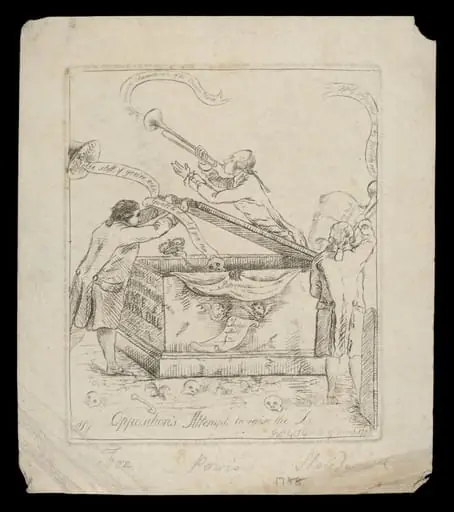 H Beard Print Collection
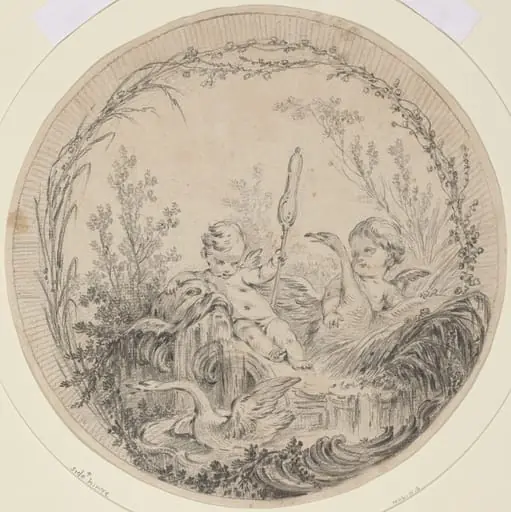 Two Putti Playing with Swans
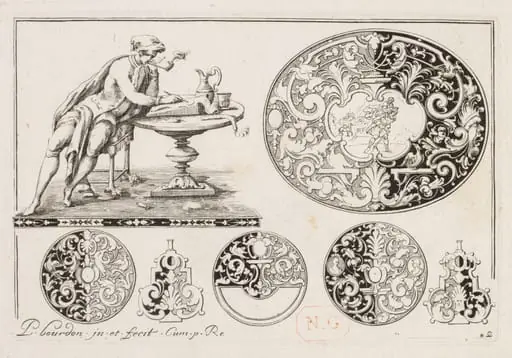 # 2 From " Livre second Cesais de Graubre "
Second book of Engraved Design
# 2 From " Livre second Cesais de Graubre "
Second book of Engraved Design H Beard Print Collection