Artwork
La Place du Théâtre Français
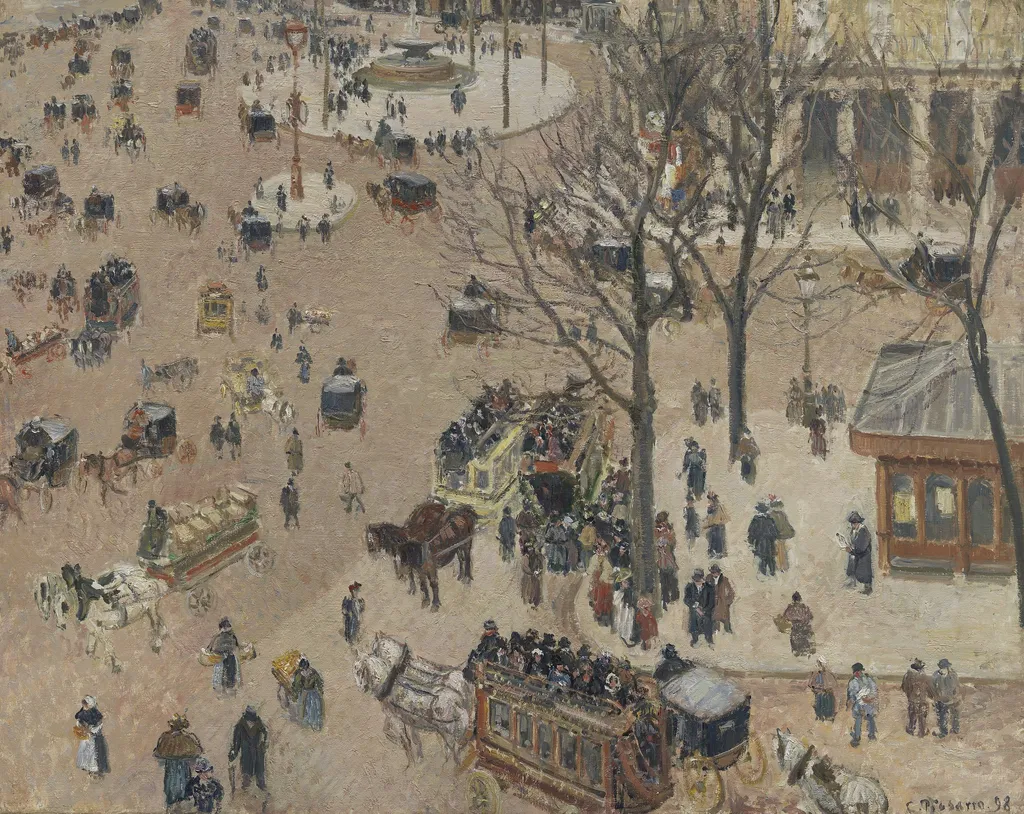
La Place du Théâtre Français is an oil painting by the Impressionist artist Camille Pissarro. It dates from 1900 and is held in the collection of the Los Angeles County Museum of Art.
About this work
La Place du Théâtre Français is a painting by Camille Pissarro. It's an oil painting made in 1898.
Pissarro made this painting while staying at the Grand Hôtel du Louvre in Paris. He created about 15 paintings during this time, and La Place du Théâtre Français is one of them.
You can learn more about the artist who created this work, Camille Pissarro.
Overview
La Place du Théâtre Français is an 1898 oil on canvas cityscape by the Danish-French painter Camille Pissarro, now held at the Los Angeles County Museum of Art.
La Place du Théâtre Français is an 1898 oil on canvas cityscape by the Danish-French painter Camille Pissarro, now held at the Los Angeles County Museum of Art. Measuring 72.4 by 92.7 centimetres, the painting belongs to a concentrated series of approximately fifteen works that Pissarro produced from a single vantage point during a winter stay at the Grand Hôtel du Louvre in Paris. The work exemplifies the artist's late engagement with urban modernity, translating the energy of Haussmann's Paris into the loose, textured language of mature Impressionism. Its acquisition by a major American museum and its frequent discussion in scholarship on Pissarro's series practice have made it a significant document of both the artist's career and the visual culture of blunt;fin-de-siècle Paris.
Subject & Meaning
The painting depicts the Place du Théâtre Français, the square adjacent to the Comédie-Française, as seen from an elevated position in the Hôtel du Louvre. The composition is bisected between a broad avenue on the left and a tree-lined sidewalk on the right, where a small kiosk with a sloped roof anchors the foreground. Bare-branched trees with intricate twig networks partially screen the buildings behind them, while a circular fountain appears in the upper centre and Charles Garnier's opera house looms at the far end of the vista. The scene teems with horse-drawn carriages, omnibuses, and pedestrians of varied social classes going about their daily routines. Some figures and vehicles are cropped at the edges, a device that enhances the sense of spontaneous, uncomposed reality. The absence of sky and horizon, combined with the rising background perspective, evokes compositional strategies drawn from Japanese prints. Scholars have noted the flattening effect of the even, shadowless light, which distributes attention across the surface rather than creating deep recession. The muted earth tones of browns, grays, and soft ochres are punctuated by touches of red, blue, and yellow in clothing and vehicles, with brighter hues reserved for foreground elements and progressively subdued detail toward the distance, mimicking the selective focus of contemporary photography.
History & Provenance
The painting originated during a concentrated period of work from December 1897 to April 1898, when Pissarro took a room at the Grand Hôtel du Louvre specifically to exploit the views of the avenue de l'Opéra and the Place du Palais-Royal. On 15 December 1897, he wrote to his son Lucien describing these streets as silvery, luminous, and alive, predicting they would furnish excellent motifs. From this single vantage, he produced approximately fifteen paintings showing the rue Saint-Honoré, the avenue de l'Opéra, and the Place du Théâtre Français under varying conditions of weather and light. Most of these works were exhibited at the "Exposition d'œuvres récentes de Camille Pissarro" organised by the dealer Paul Durand-Ruel in June 1898. The painting later entered the collection of Buddy DeSylva before its acquisition by the Los Angeles County Museum of Art, where it remains.
Context
Pissarro's hotel-room series belongs to a broader pattern in his late career of systematically recording specific urban sites from fixed elevated viewpoints, a practice that merged Impressionist perceptual immediacy with a quasi-scientific method of serial observation. The Grand Hôtel du Louvre paintings followed earlier series of Rouen and Dieppe harbour views, and preceded his final Parisian sequences. Several scholars, including John Rewald, Leopold Reidemeister, and Charles Kunstler, have drawn explicit comparisons between these works and contemporary photography, noting how Pissarro's cropping, flattened perspective, and differential focus resonate with the new medium's formal properties. The absence of traditional perspectival depth and the debt to Japanese print composition place the work at the intersection of multiple modern visual cultures. Critical reception has consistently valued these paintings as documents of Parisian modernity and as demonstrations of Pissarro's sustained formal inventiveness late in his career.
Legacy
La Place du Théâtre Français has maintained its place in scholarship as a key example of Pissarro's urban series and of Impressionist engagement with the modern city. Its presence in the Los Angeles County Museum of Art, one of the major American encyclopedic collections, ensures continued public and scholarly access. The painting's reproduction in digital platforms including Google Arts & Culture and museum databases has extended its reach beyond physical viewership. As part of a coherent group of works that track the same space under varying conditions, it contributes to understanding how Impressionist painters developed serial strategies that would later influence twentieth-century art. The work's critical fortune has been tied to broader evaluations of Pissarro's late period, once sometimes dismissed relative to his earlier rural subjects, but now recognised as a sophisticated response to metropolitan experience and modern visuality.
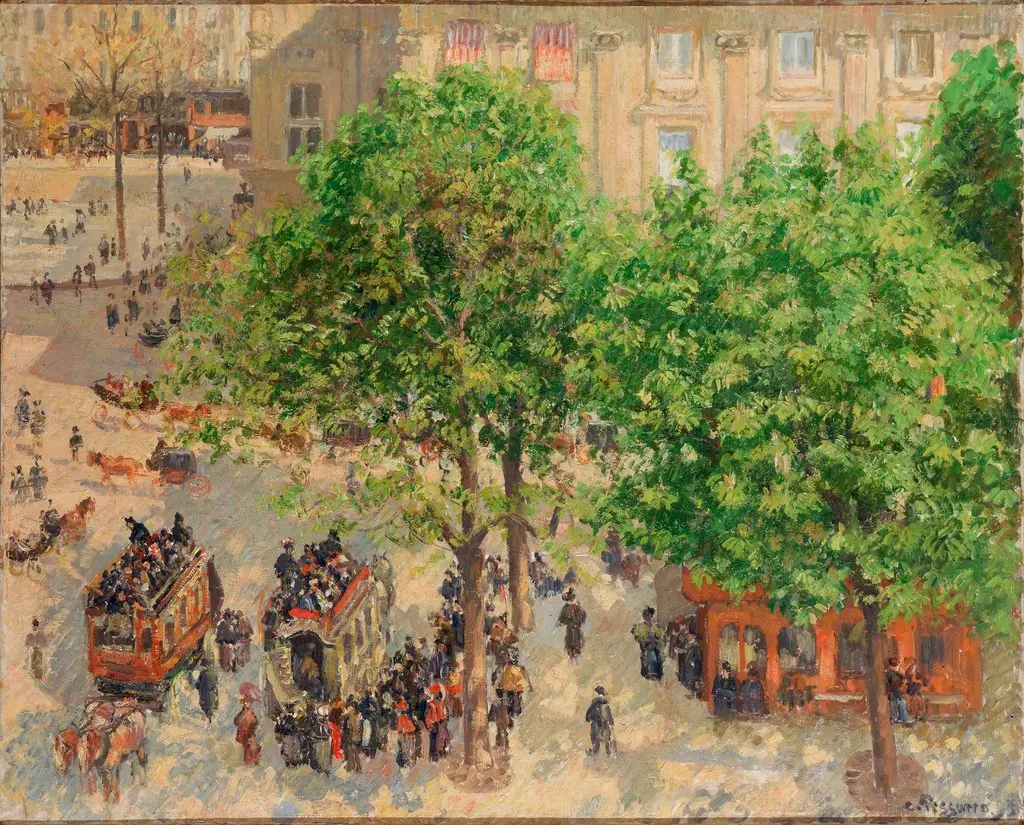
Own this work as a print
Artist & collection


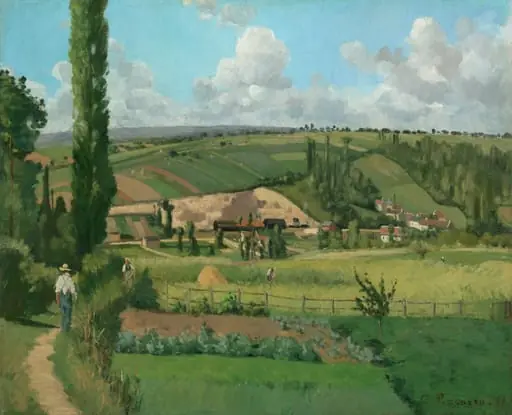
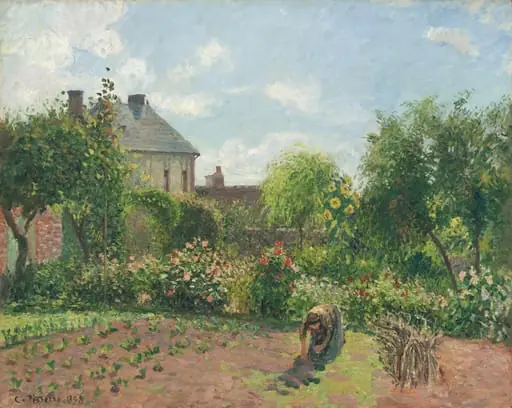
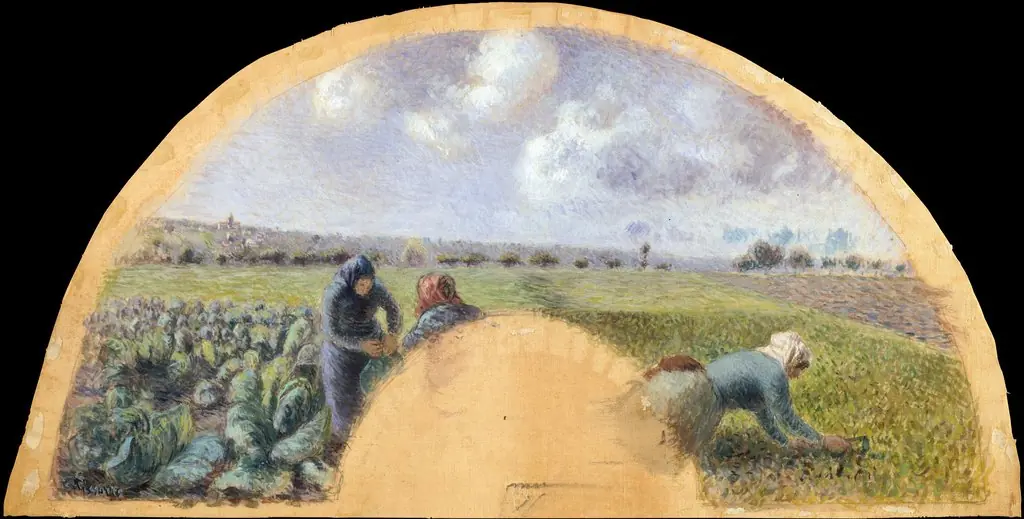
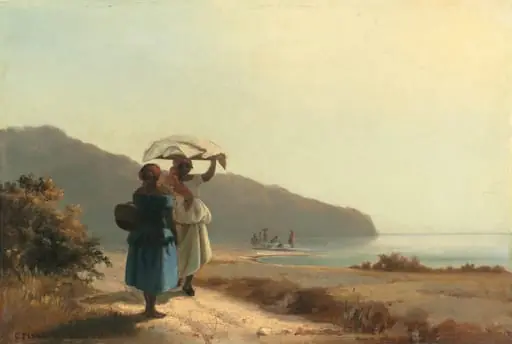
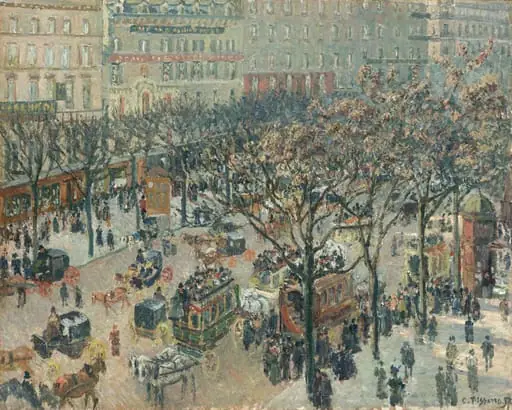 Boulevard des Italiens, Morning, Sunlight
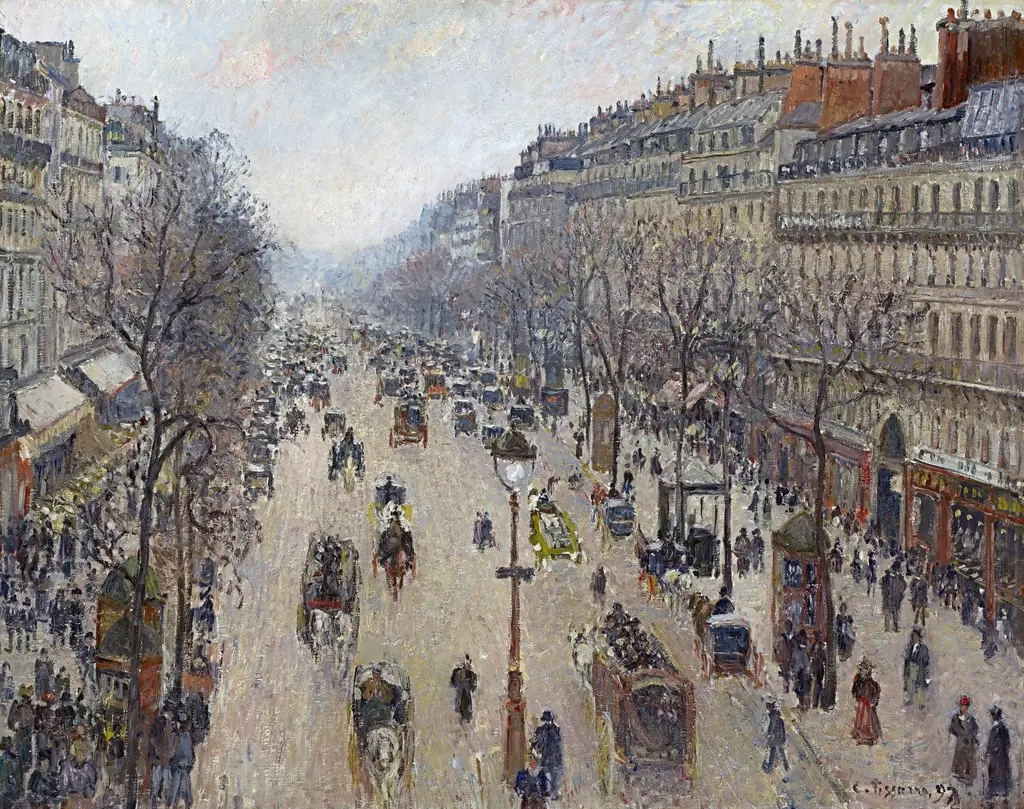 Boulevard Montmartre, morning, cloudy weather
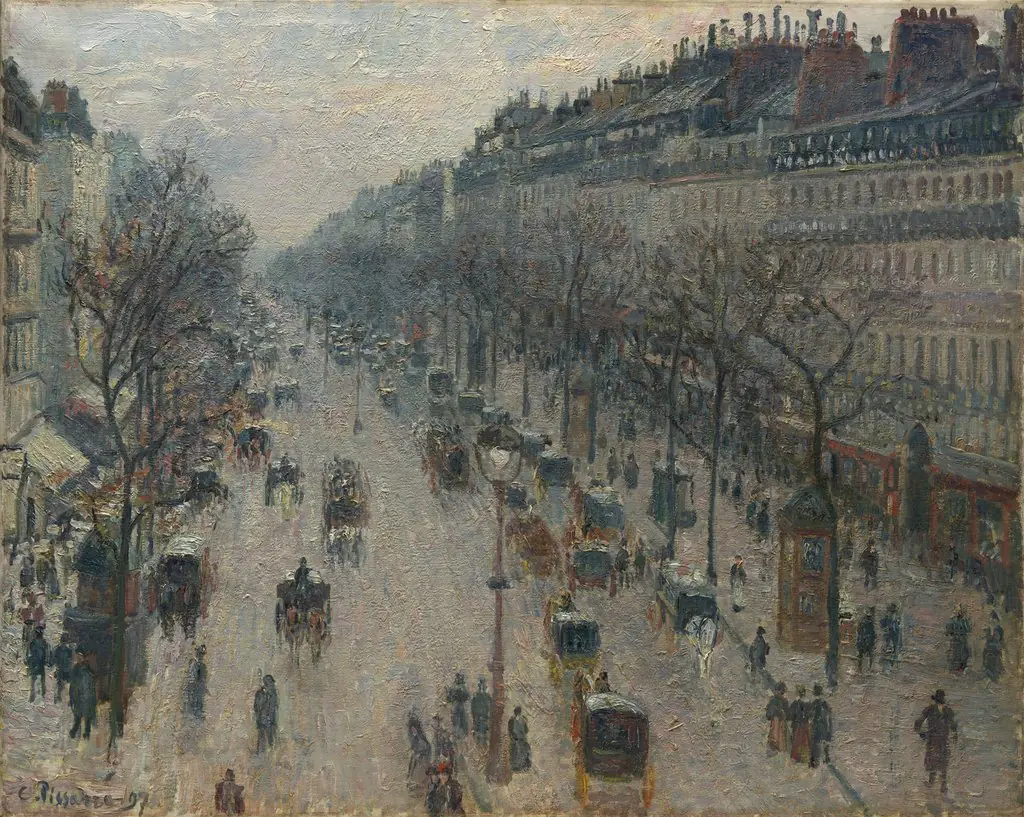 The Boulevard Montmartre on a Winter Morning
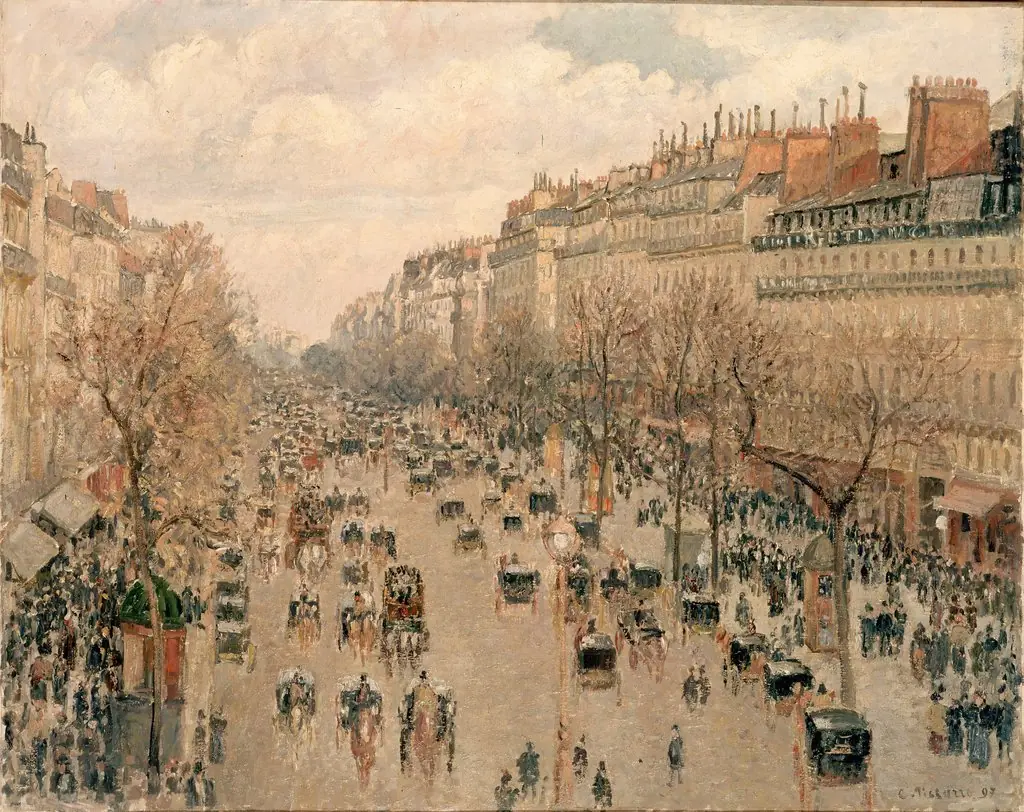 Boulevard Montmartre, sunny afternoon
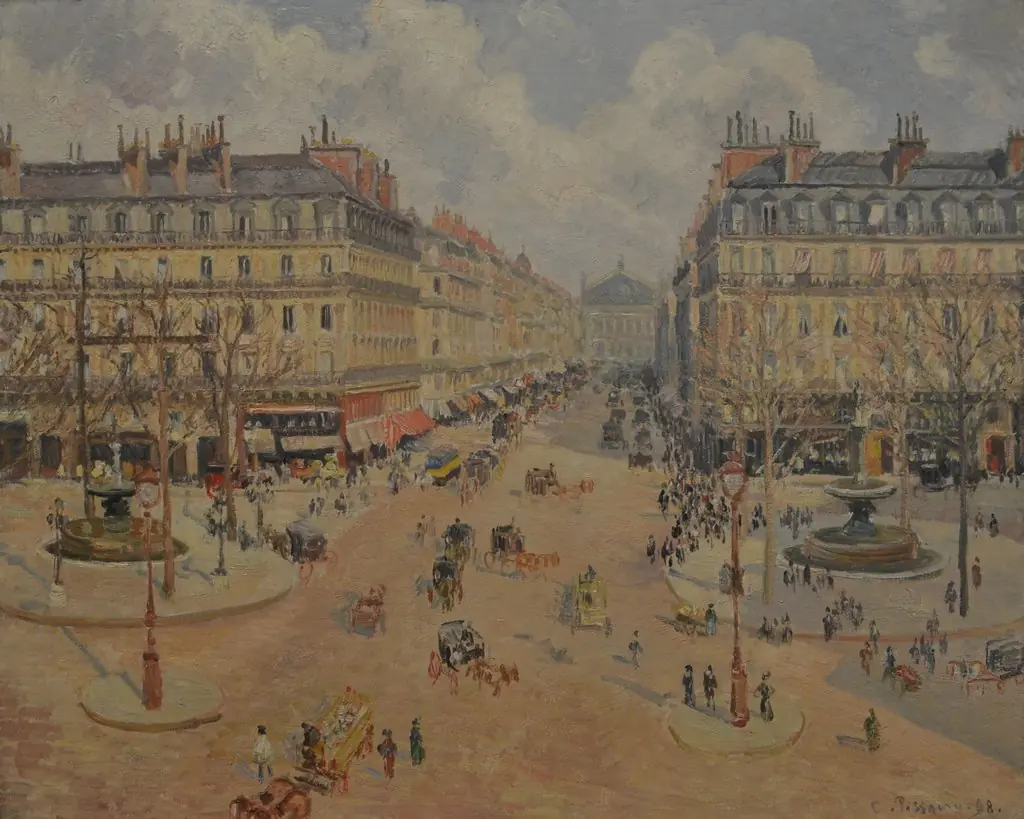 Avenue de l'Opéra: Morning Sunshine
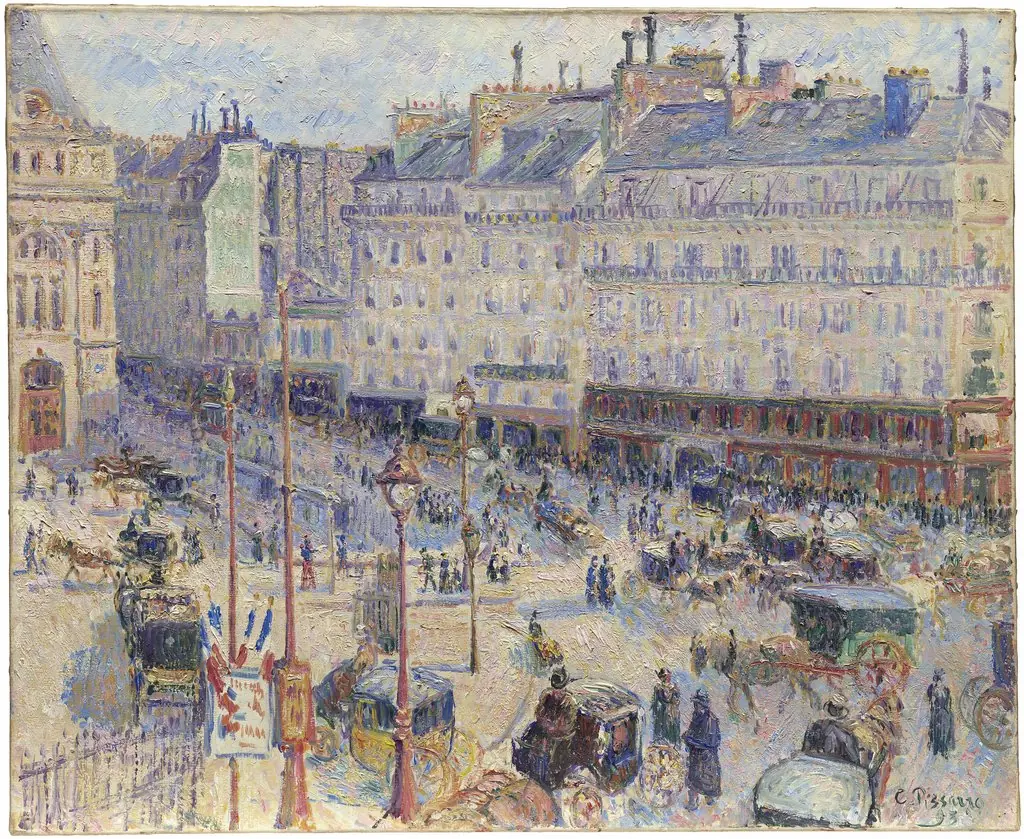 The Place du Havre, Paris
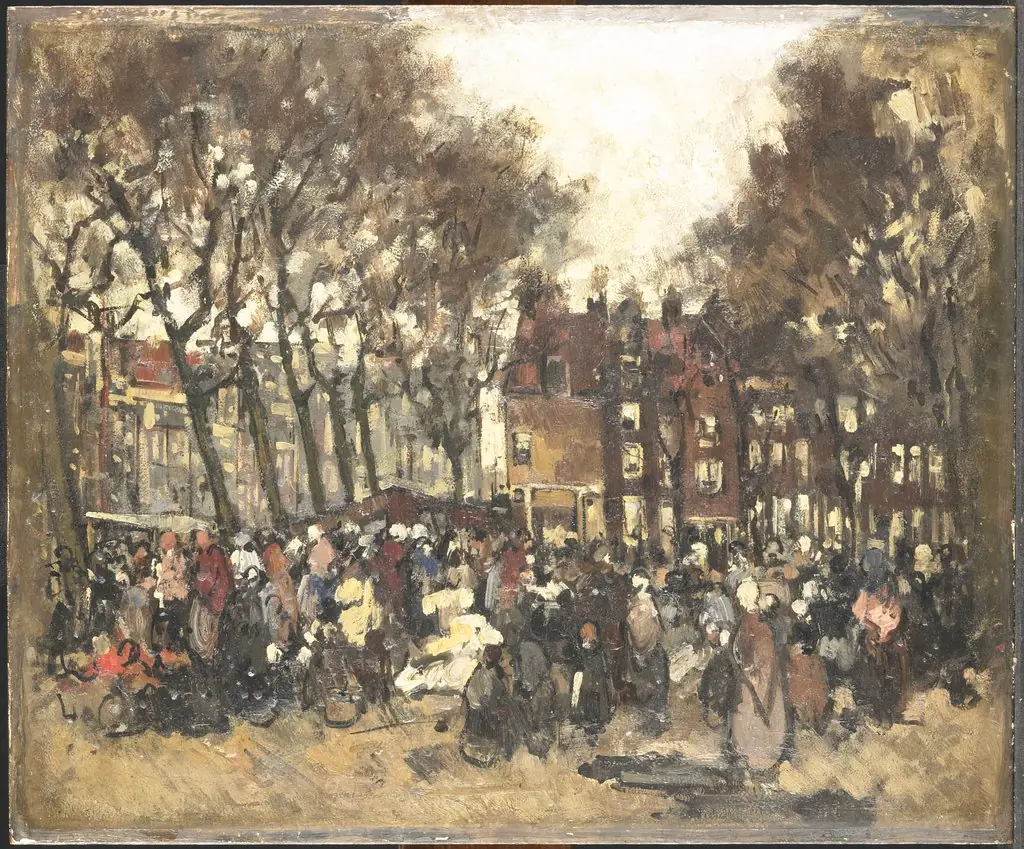 De Noordermarkt te Amsterdam
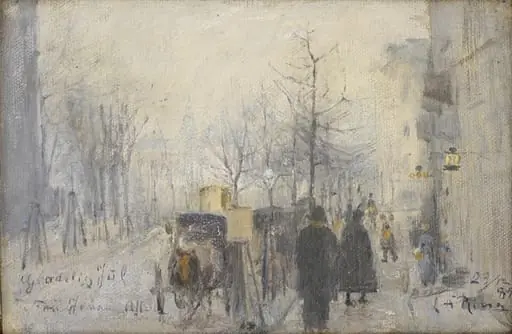 Udsigt fra vinduet i Café Osborne op ad Frederiksberg Allé
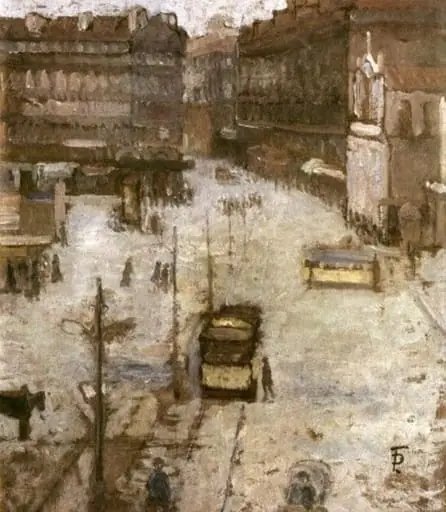 Vedere din Paris
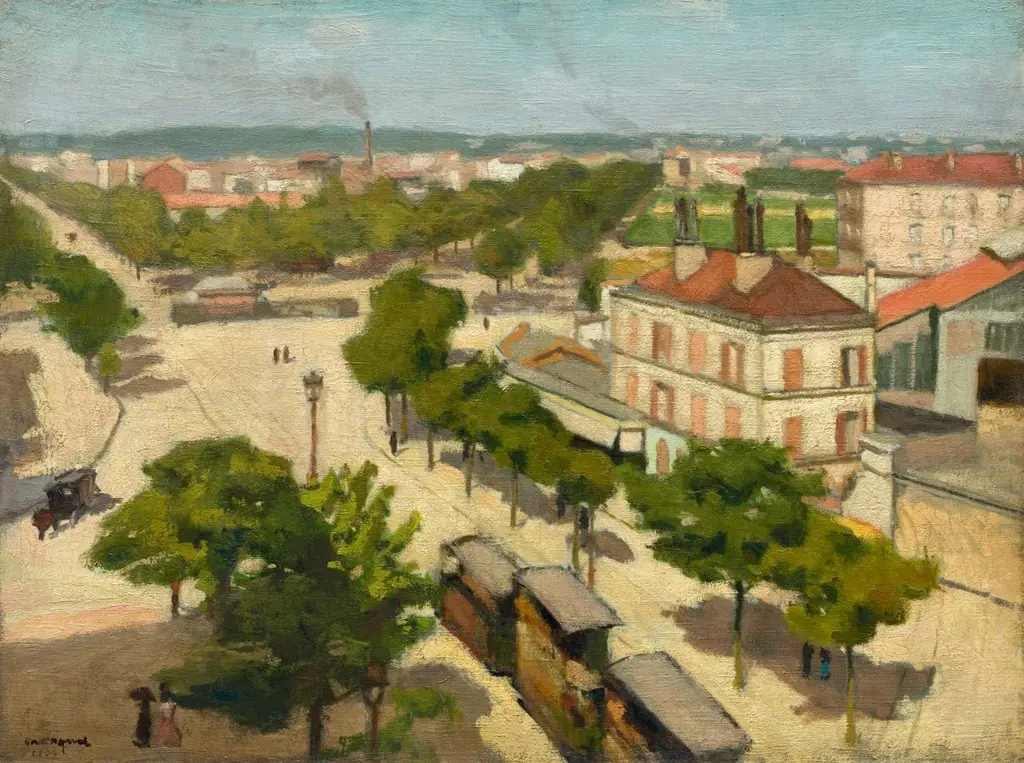 The Gate of St. Cloud, Paris