Artwork
A Lock, a Column, and a Church beside a Lagoon
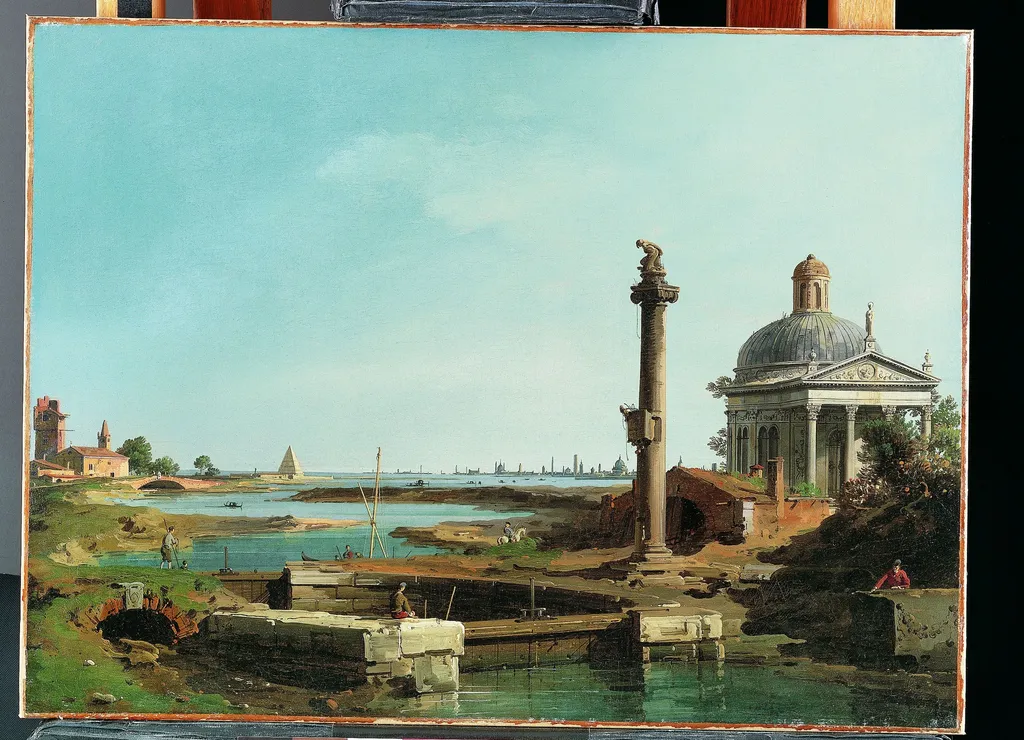
A Lock, a Column, and a Church beside a Lagoon is an oil painting by the Rococo painting artist Canaletto. It dates from 1742 and is held in the collection of the Metropolitan Museum of Art.
About this work
Subject & Meaning
The painting’s title identifies a lock, a column, and a church situated beside a lagoon as the primary subjects. It is catalogued as a capriccio, a genre that blends real and imagined architectural elements. While the sources confirm these compositional details, they do not elaborate on any specific symbolism, allegorical meaning, or intended message behind the work.
Technique & Style
The work belongs to the capriccio genre, an architectural fantasy in which real and imagined structures are recombined into a single invented setting.
A Lock, a Column, and a Church beside a Lagoon is executed in oil paint on canvas, a standard support for Canaletto's mature Venetian practice. The work belongs to the capriccio genre, an architectural fantasy in which real and imagined structures are recombined into a single invented setting. Here the artist juxtaposes a working canal lock, a freestanding classical column, and a church beside a lagoon, using the conventions of the veduta tradition while departing from topographical accuracy in favor of imaginative composition.
The handling reflects Canaletto's characteristic precise draftsmanship and controlled paint application, designed to render masonry, water, and sky with crisp clarity and convincing spatial recession. The painting is held in the collection of the Metropolitan Museum of Art.
History & Provenance
A Lock, a Column, and a Church beside a Lagoon is an oil on canvas painting executed by Giovanni Antonio Canal, known as Canaletto, in 1742. The work belongs to the capriccio genre and portrays a fanciful church, a column and a lagoon scene. It was created as part of Canaletto’s oeuvre during his mature period and later entered the collection of the Metropolitan Museum of Art, where it has been housed since its acquisition.
The painting’s provenance is limited to its creation in 1742 and subsequent inclusion in the museum’s holdings, with no documented earlier owners or commissioning details recorded.
Overview
Giovanni Antonio Canal, known as Canaletto, completed A Lock, a Column, and a Church beside a Lagoon in 1742 using oil paint. This painting exemplifies his renowned Venetian cityscape tradition, capturing a serene waterside vista. Now part of The Metropolitan Museum of Art's collection, the work showcases the artist's characteristic blend of architectural precision and atmospheric rendering, presenting a tranquil scene that combines elements of both observed reality and artistic invention.
Context
Giovanni Antonio Canal, known as Canaletto, was a preeminent figure of the Venetian school, celebrated for his vedute, or detailed cityscapes. He frequently combined actual Venetian landmarks with imagined architectural elements, creating idealized yet recognizable views. This approach allowed him to craft compositions that were both topographically descriptive and aesthetically harmonious, catering to a growing demand for souvenirs of the Grand Tour.
Own this work as a print
Artist & collection
Artist
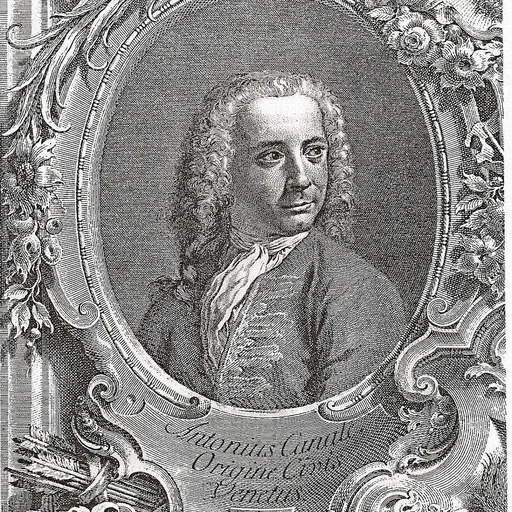
Giovanni Antonio Canal (18 October 1697 – 19 April 1768), commonly known as Canaletto (Italian: ), was an Italian painter from the Republic of Venice, considered an important member of the 18th-century Venetian school.

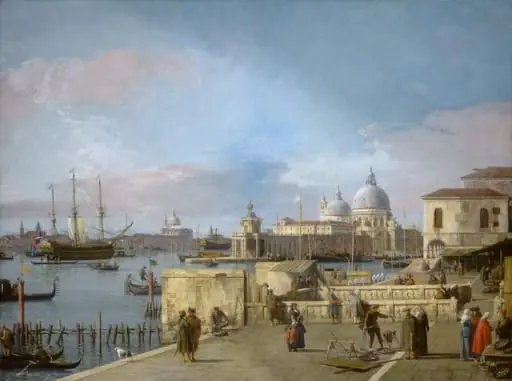
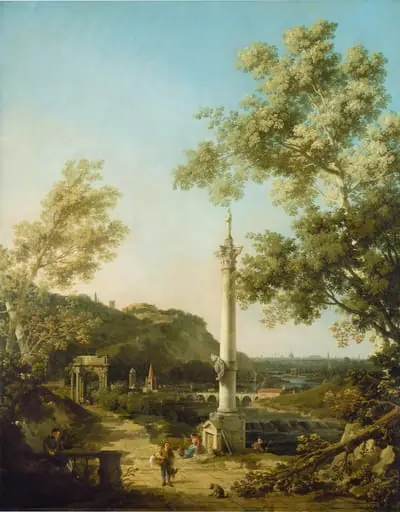
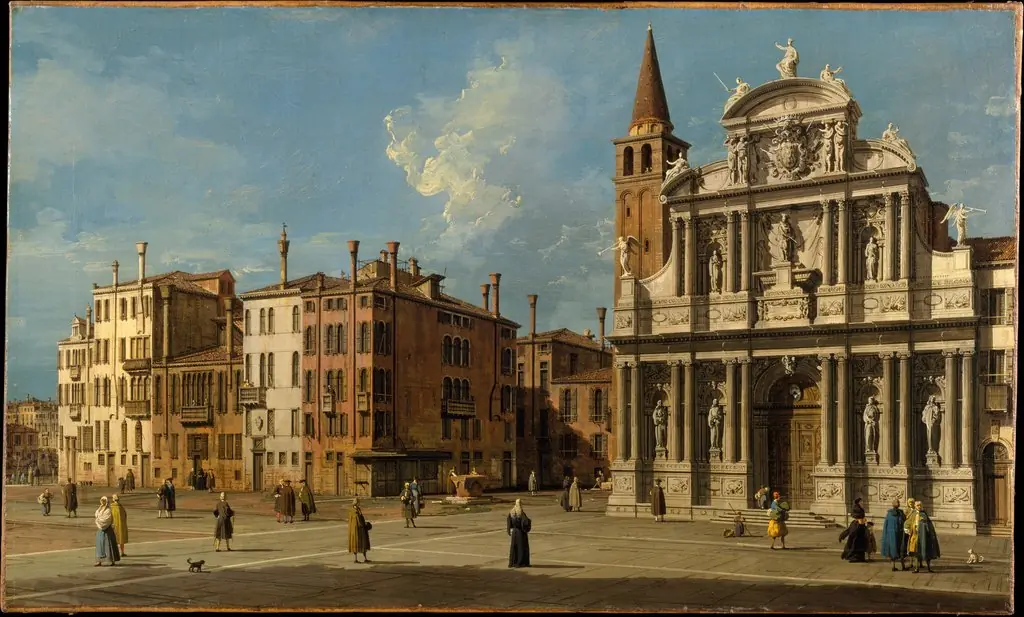
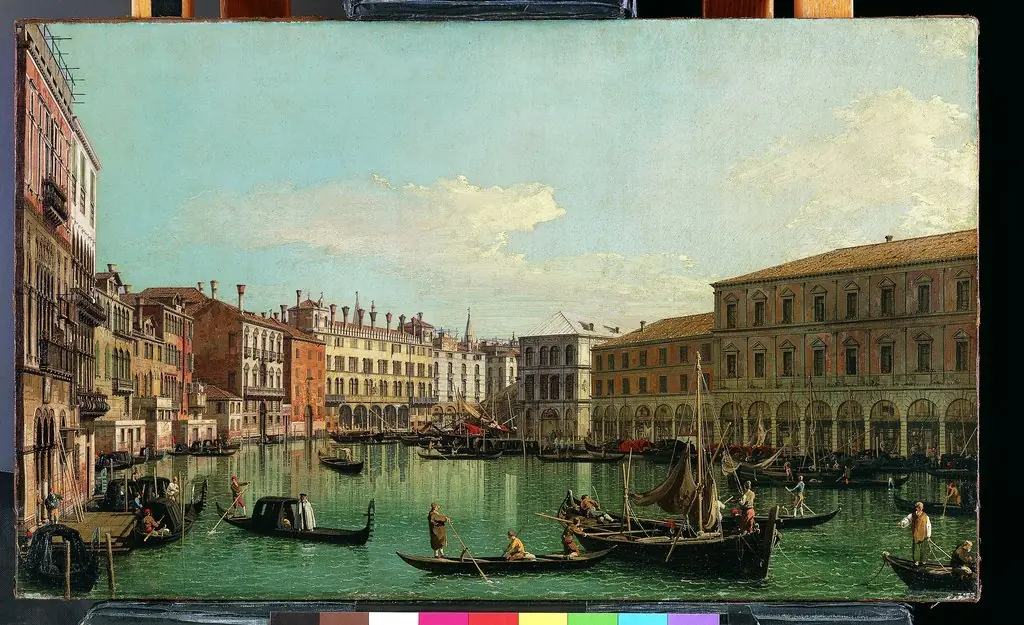
- The Island of San Michele, Venice
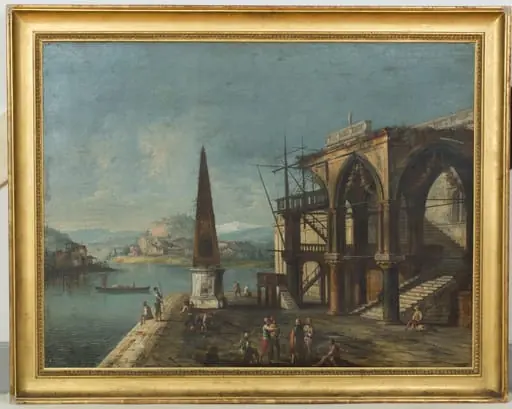 Phantasievedute mit gotischer Loggia und Obelisk Hafenansicht
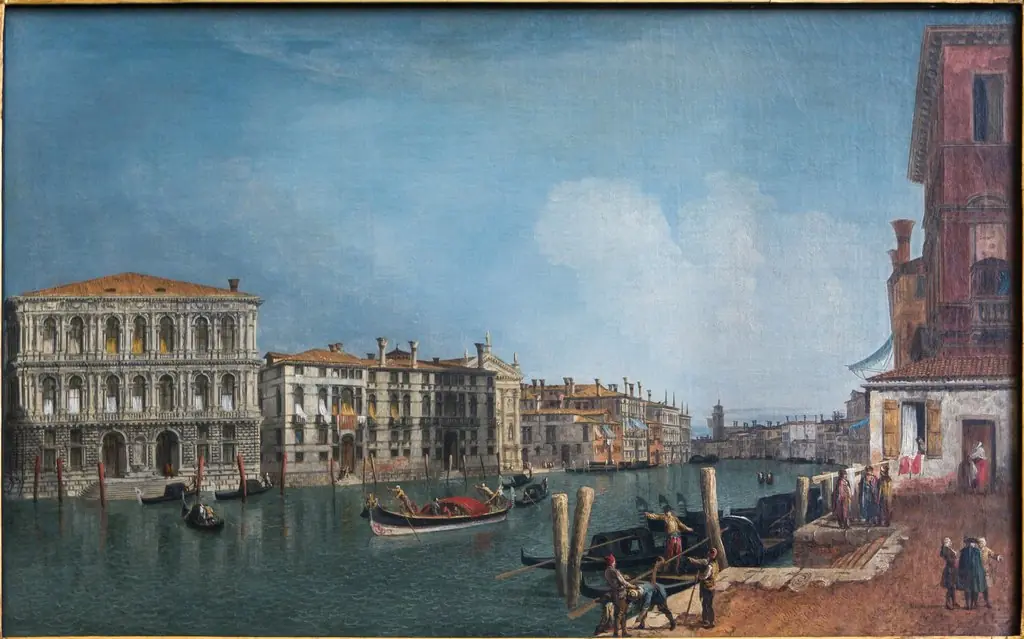 View of the Grand Canal near Cà Pesaro
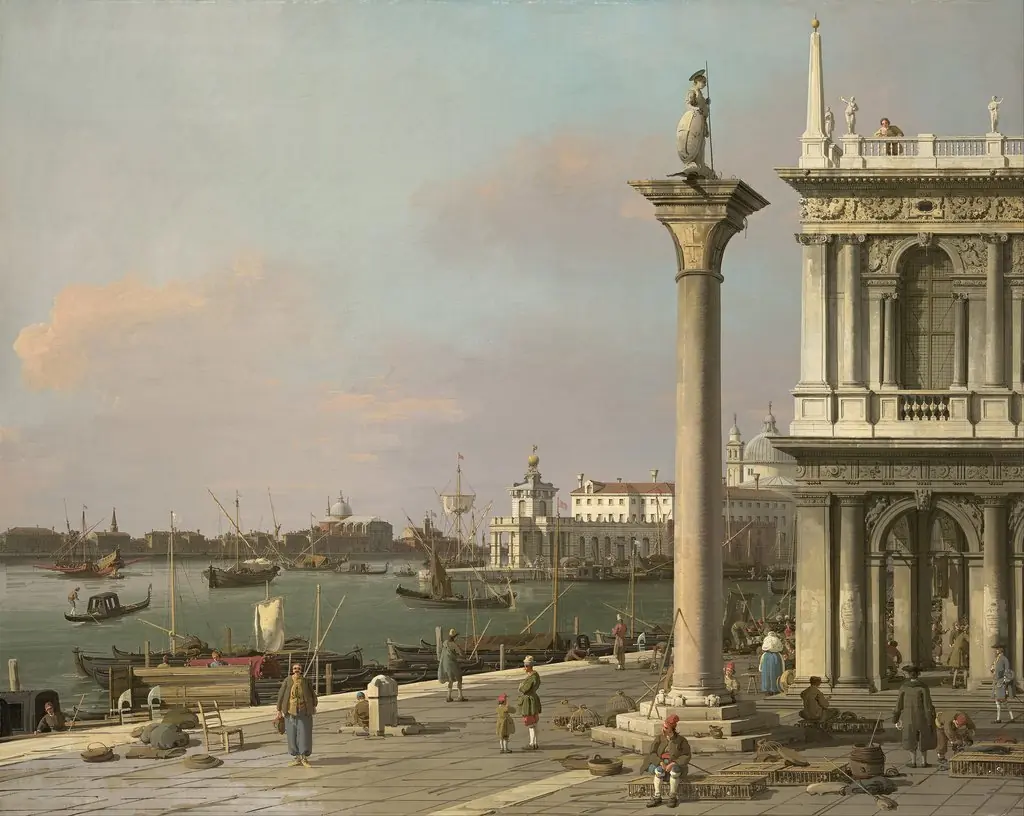 Bacino di San Marco from the Piazzetta
 Landscape with a Quay and Ships on a Lake
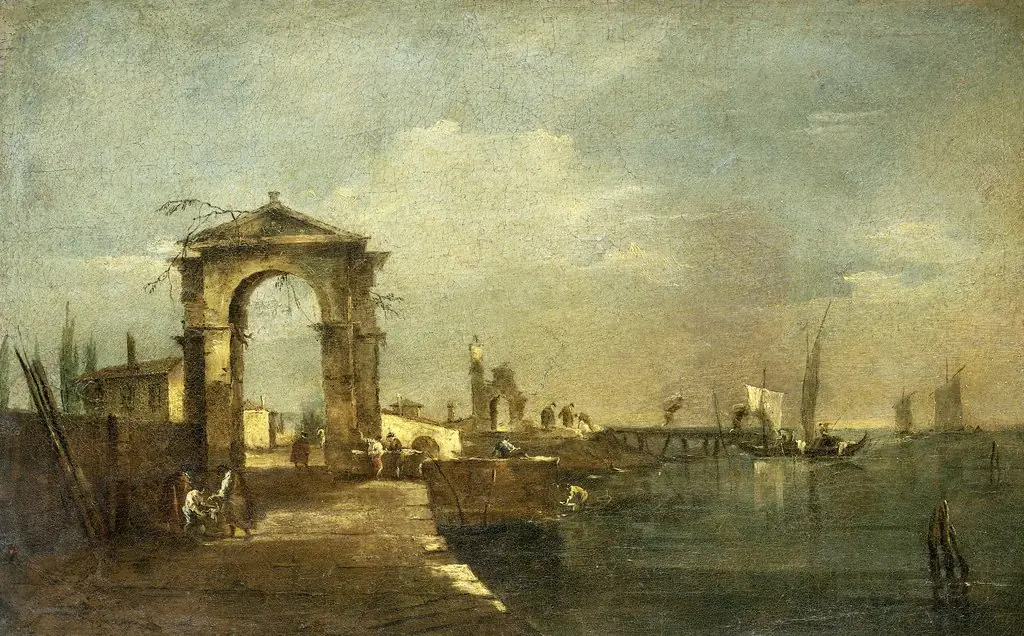 Landscape with a Quay and Ships on a Lake
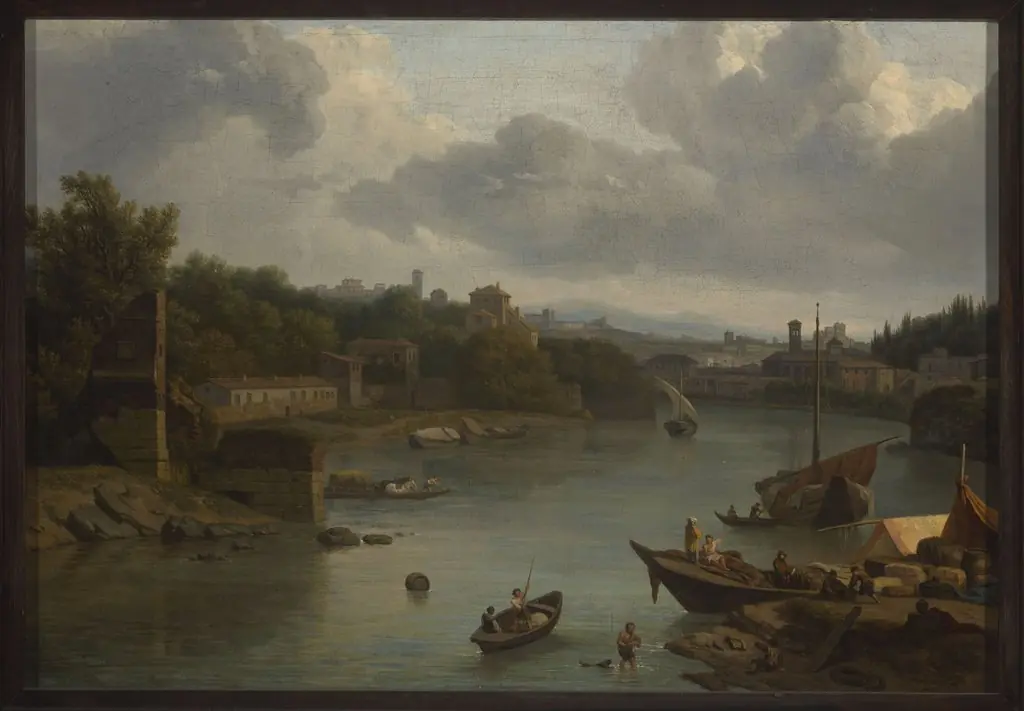 View of the Tiber from the south – Ripa Grande
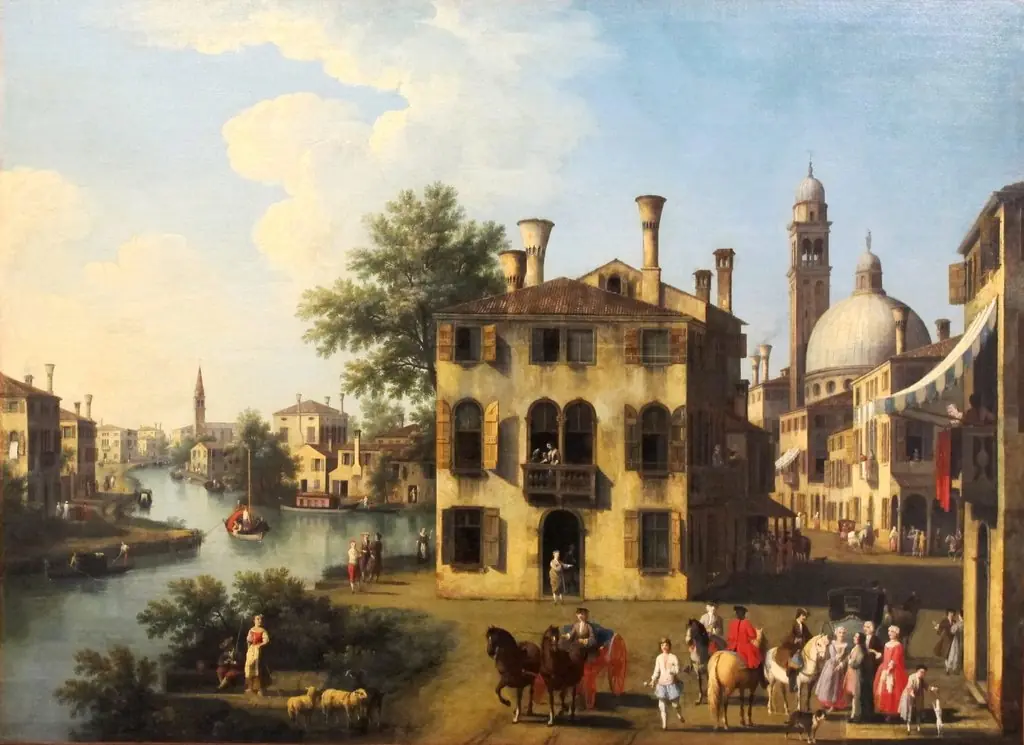 View of the Brenta, near Dolo
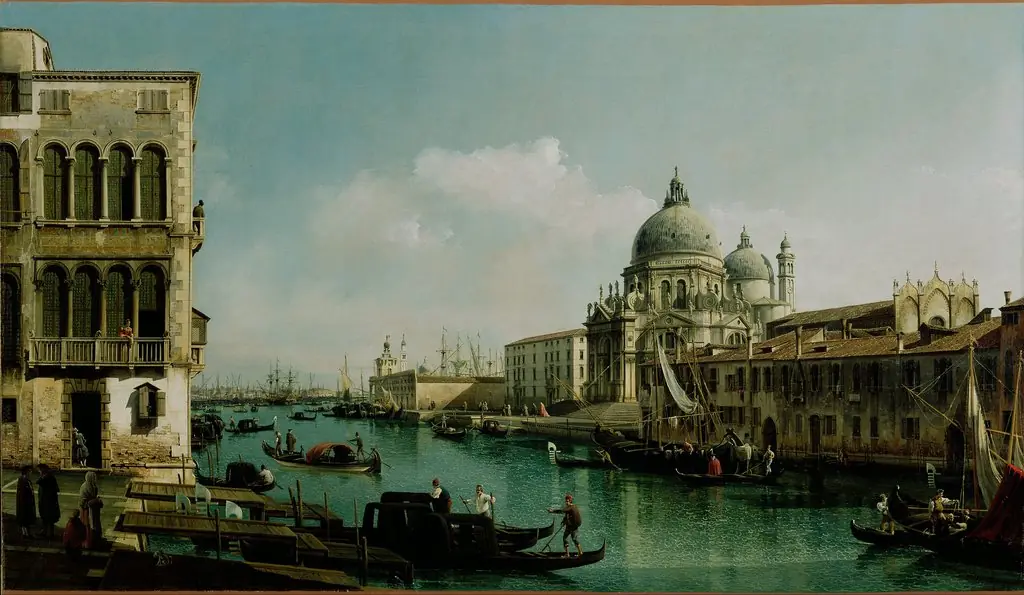 View of the Grand Canal: Santa Maria della Salute and the Dogana from Campo Santa Maria Zobenigo
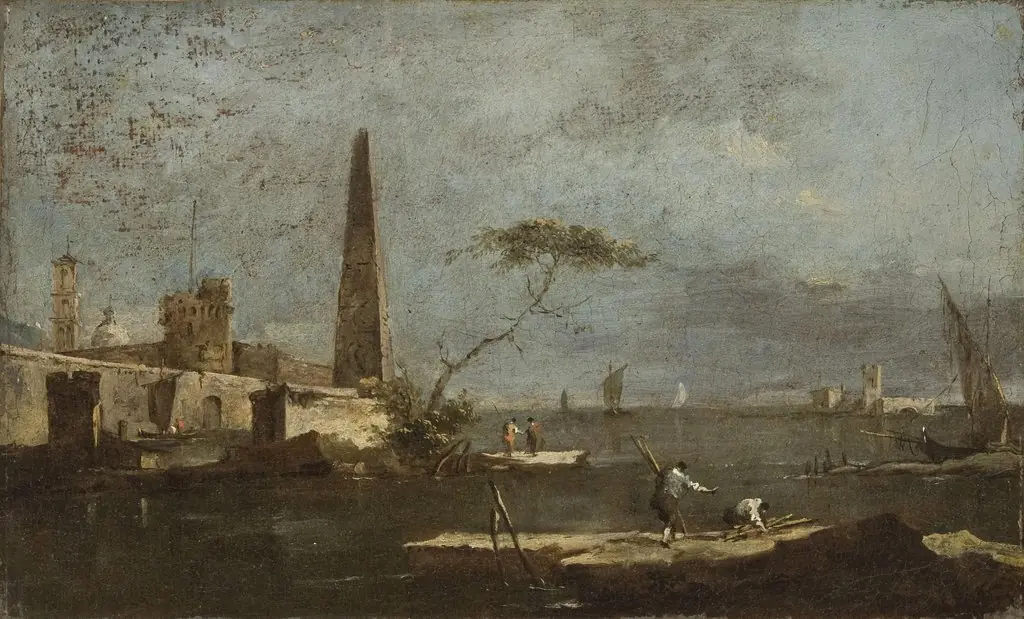 Capriccio with an Obelisk on a Lagoon