Artwork
Portrait of Abraham de Potter
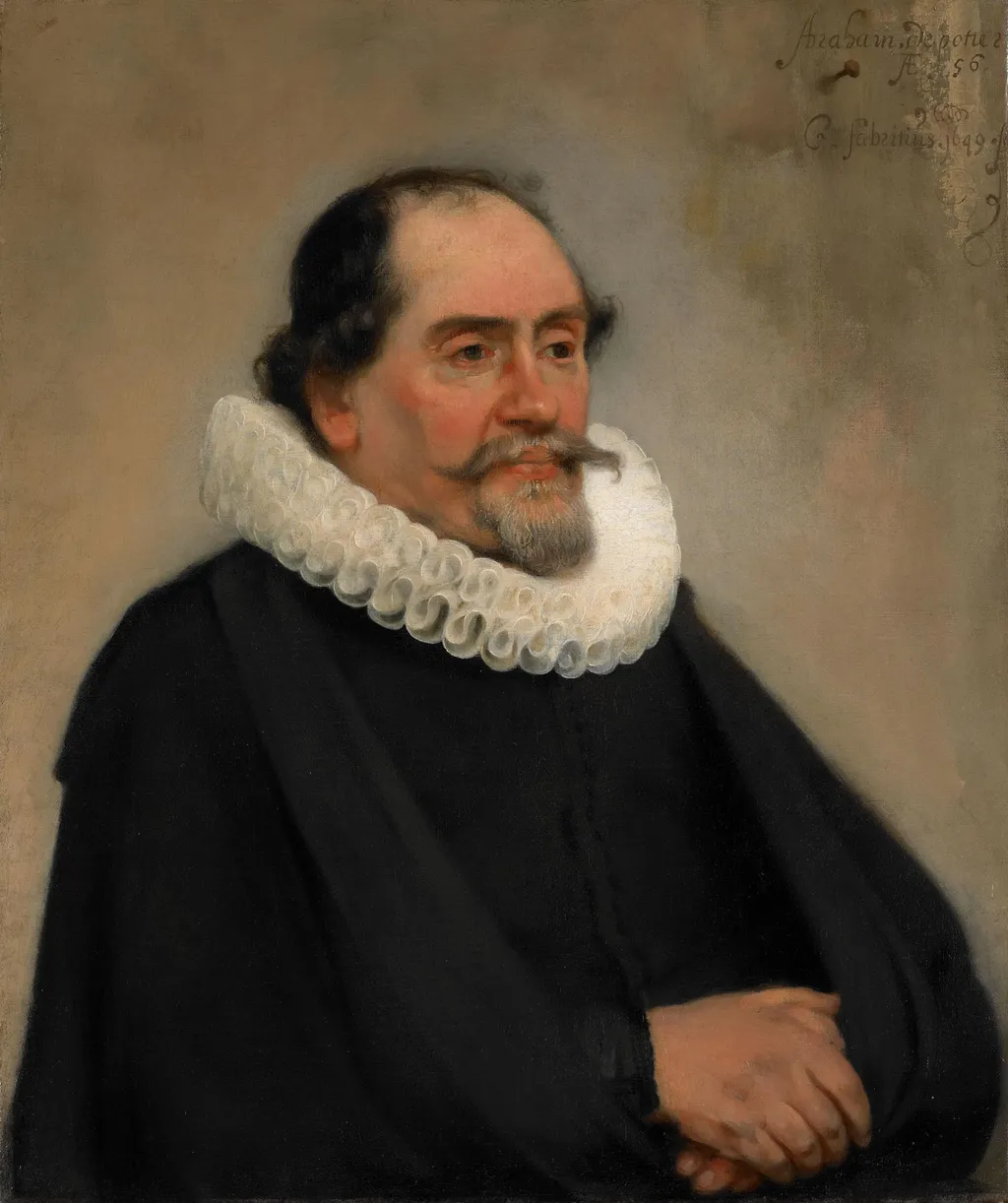
Portrait of Abraham de Potter is an oil painting by the Dutch Golden Age artist Carel Fabritius. It dates from 1649 and is held in the collection of the Rijksmuseum.
About this work
Subject & Meaning
The inscription beside it records the sitter's name and age alongside the artist's signature.
The painting depicts Abraham de Potter, a silk merchant from Amsterdam, shown at half-length in a three-quarter profile with his hands joined before a neutral background. The portrait marks a pivotal moment in Carel Fabritius's artistic development, moving away from the dramatic chiaroscuro of his early history paintings toward clear, naturalistic lighting with refined color nuances. A significant iconographic detail is the painted nail in the upper right of the whitewashed wall, the earliest known example of trompe-l'oeil in Fabritius's work. The inscription beside it records the sitter's name and age alongside the artist's signature. The work also carries possible symbolic resonance: because De Potter's name was sometimes spelled "Puttertje" ("Goldfinch"), scholar Christopher Brown has cautiously suggested Fabritius may have later painted his famous *The Goldfinch* for him.
Technique & Style
The portrait is executed in oil paint on canvas, measuring 68.5 by 57 cm in a vertical format. It depicts the sitter as a half-length figure, shown in three-quarter view from his right profile, with hands joined against a neutral background. The handling remains faithful to Fabritius's training under Rembrandt through a loose painting technique in which the underlayer shows through, yet he replaced the dramatic chiaroscuro of his earlier history paintings with clear, naturalistic lighting and refined color nuances. The composition is set against a whitewashed wall, at the upper right of which Fabritius added a painted nail, the earliest known example of trompe-l'oeil in his oeuvre. Beside this detail the work bears the sitter's name, age, and the artist's signature and date: "Abraham de Potter AE. 56 / C. Fabritius.1649.fecit".
History & Provenance
Carel Fabritius executed this portrait in 1649 while residing in his native Middenbeemster, a year before his relocation to Delft. The commission likely arose through personal connections, as the sitter, Abraham de Potter, was a family friend and fellow Calvinist who served as godfather to the artist's brother. Documentary evidence indicates Fabritius undertook various assignments for wealthy Amsterdam families with country estates in the Beemster during this period.
The work entered the modern market from the collection of William Ward, 1st Earl of Dudley. Following Ward's death, the painting was sold at an estate auction in London on June 25, 1892. The art dealer M.H. Colnaghi purchased the piece at this sale and subsequently resold it to the Rijksmuseum in Amsterdam later that same year.
The Portrait of Abraham de Potter is held in the Rijksmuseum collection in Amsterdam under inventory number SK-C-487. It was acquired in 1892 from the auction of William Ward, 1st Earl of Dudley, following its purchase from art dealer M.H. Colnaghi. The work has been on display in the Rijksmuseum since its acquisition and was featured in the 2019 exhibition "Carel Fabritius: The Complete Works" at the Rijksmuseum, which later traveled to the Kunstmuseum Basel. It has also been included in retrospectives at the Musée d'Orsay in Paris (2006) and the Rijksmuseum's own exhibitions on Dutch Golden Age portraiture.
Context
The portrait illustrates the new direction Fabritius adopted after his collaboration with Rembrandt, marking a shift toward naturalistic lighting and refined color nuances while retaining his loose painting technique. This evolution aligns with his growing interest in trompe-l'oeil, exemplified by the painted nail at the top right of the wall. The work reflects his brief but significant period in Middenbeemster, during which he undertook commissions for wealthy Amsterdam families connected to the sitter, Abraham de Potter, a silk merchant and family friend. Surviving works from this phase include this portrait and his self-portrait in Rotterdam, the only documented pieces from his transition to Delft.
The painting entered the collection of William Ward, 1st Earl of Dudley, and was sold at auction in 1892 to M.H. Colnaghi, who later acquired it for the Rijksmuseum. It remains part of the museum's collection today.
Legacy
The portrait has been cited as a key work illustrating Fabritius's transition from Rembrandt's dramatic lighting to a clear, naturalistic style enriched with subtle color nuances. Biographers note its connection to trompe-l'oeil, exemplified by the painted nail in the upper right corner of the wall. The painting's provenance traces to William Ward, 1st Earl of Dudley, whose 1892 London auction led to its purchase by M.H. Colnaghi and subsequent acquisition by the Rijksmuseum in Amsterdam. It remains part of the museum's collection today.
Scholarship highlights its role in understanding Fabritius's personal and professional context, including his ties to Amsterdam merchant families and possible patronage links to the sitter. The work is referenced across major art historical sources as a representative example of his mature technique and as a potential precursor to his famous Goldfinch.
The painting's legacy is anchored in its survival as one of few documented works from this pivotal period, offering critical insight into his artistic evolution and social network.
Own this work as a print
Artist & collection
Artist
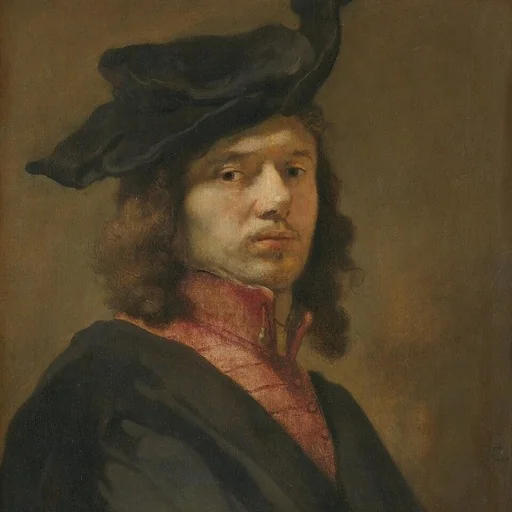
Carel Pieterszoon (abbr. Pietersz.) Fabritius (Dutch pronunciation:; bapt. 27 February 1622 – 12 October 1654) was a Dutch painter. He was a pupil of Rembrandt and worked in his studio in Amsterdam. Fabritius, who was…

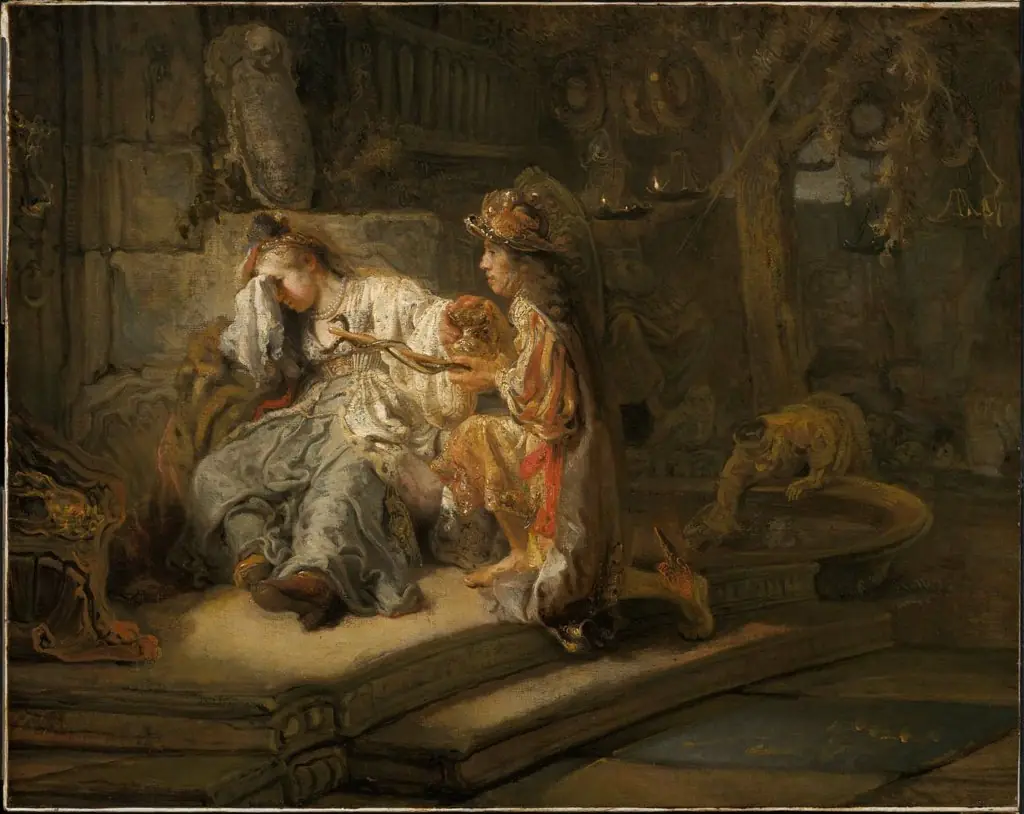
- Portrait of Andries Bicker
 Portrait of a Gentleman
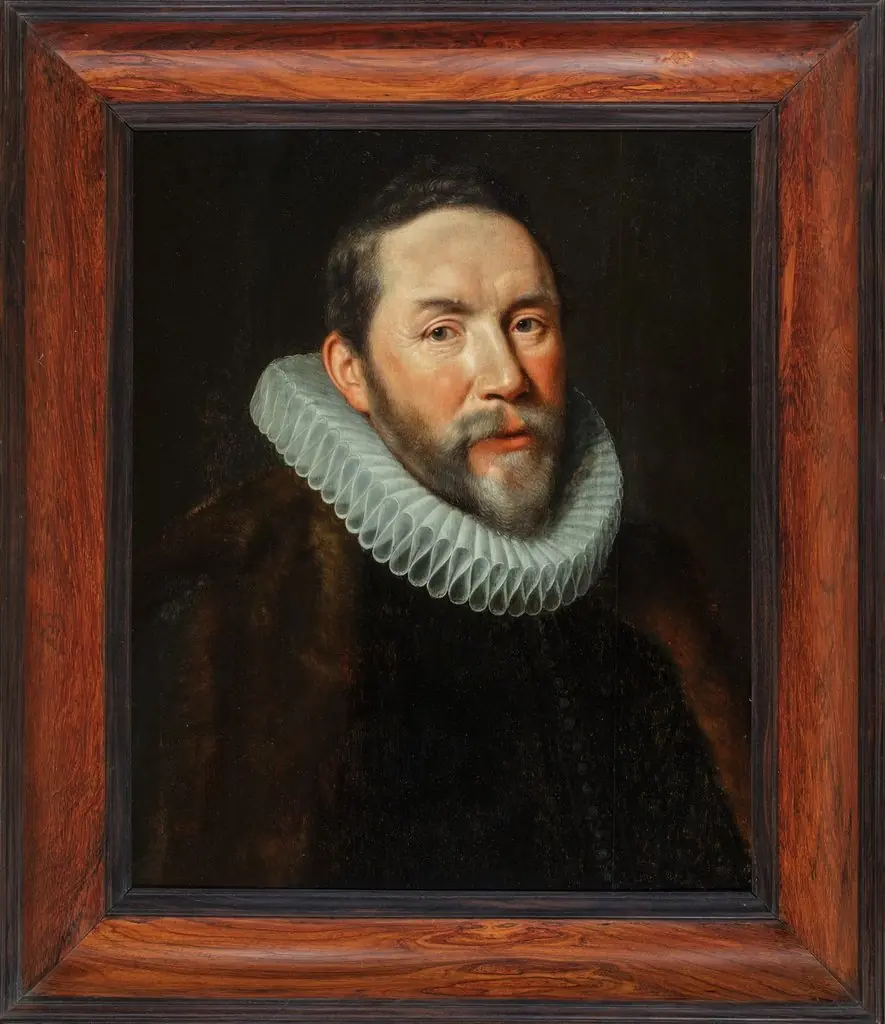 Portrait of Nicolaes Grevinckhoven (1577-1632)
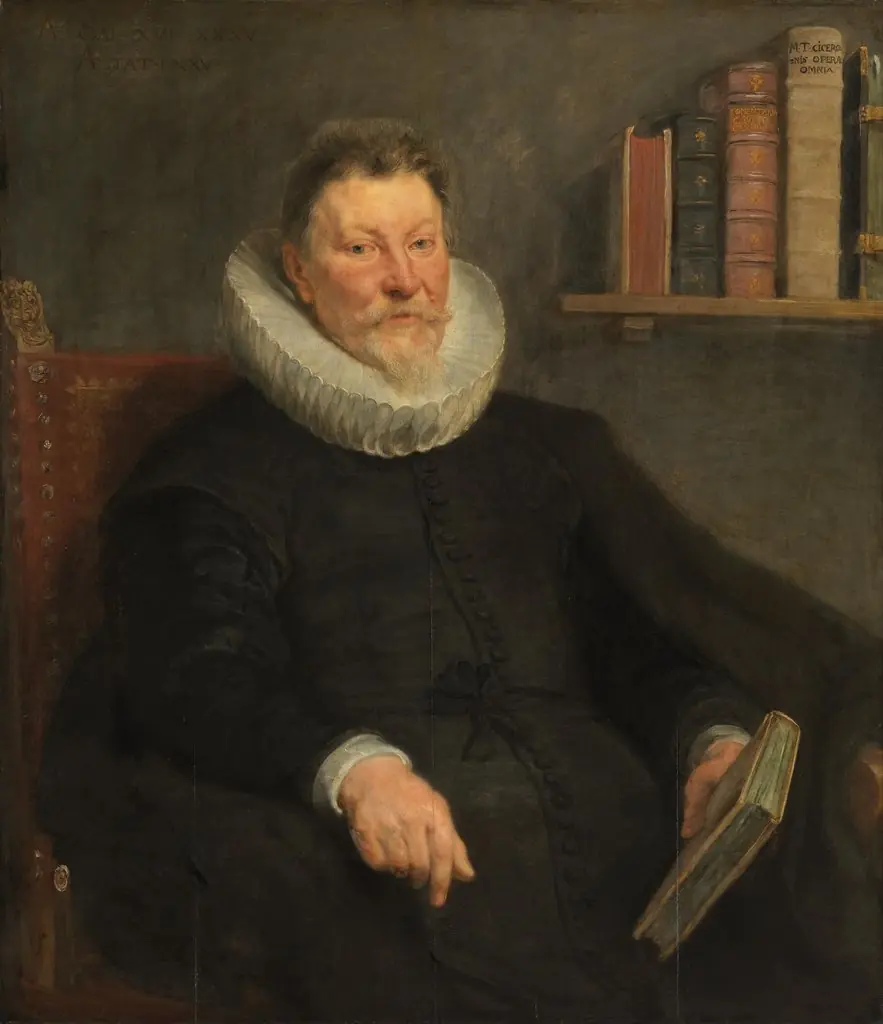 Portrait of Jan Brant
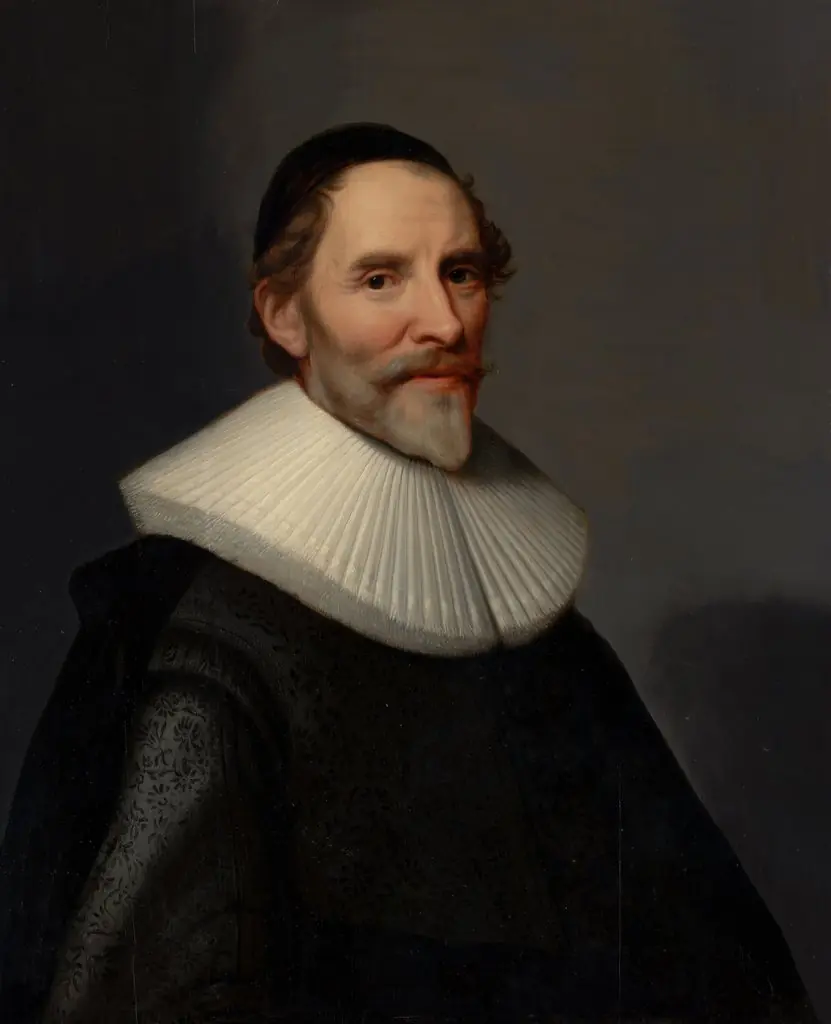 Portrait of François van Aerssen (1572-1641)
 Bildnis eines Mannes
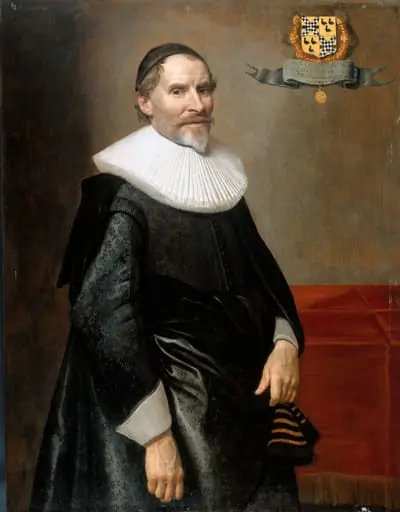 Untitled
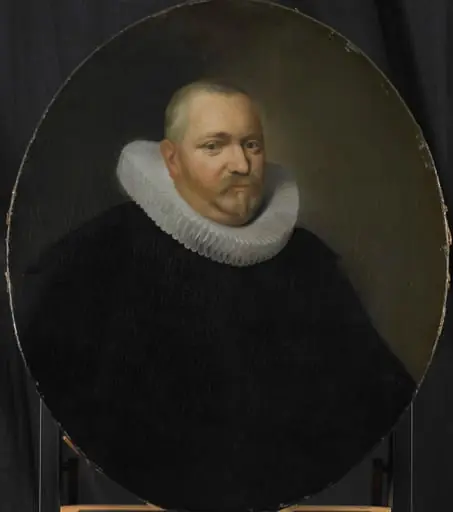 Portrait of Ewoud Pietersz van der Horst, Director of the Rotterdam Chamber of the Dutch East India Company, elected 1618
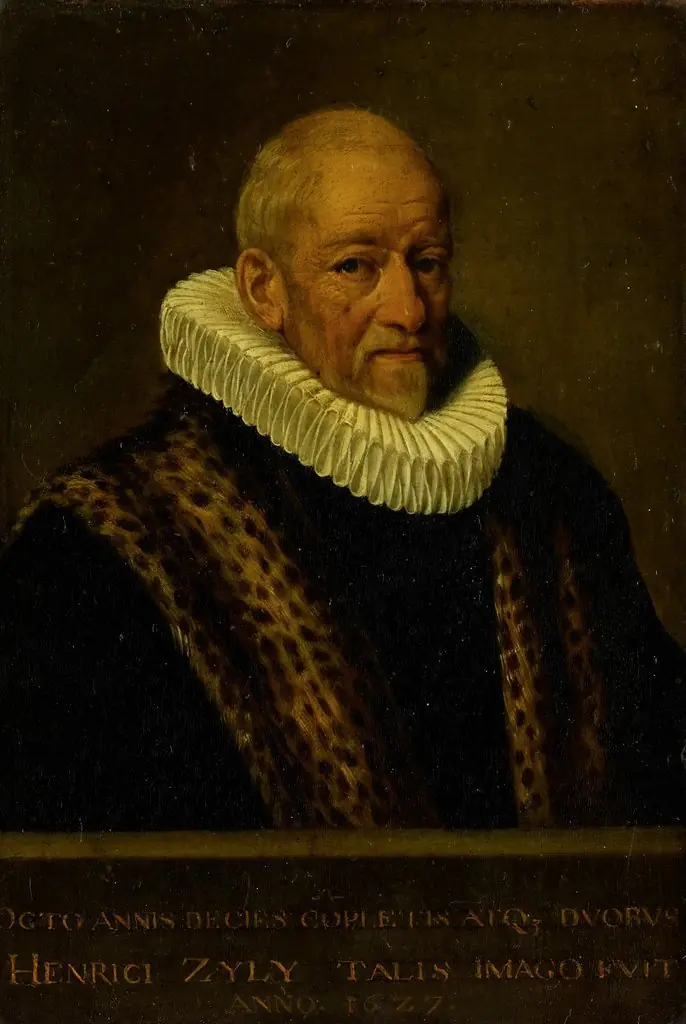 Portrait of Henricus van Zijl (1545-1627)
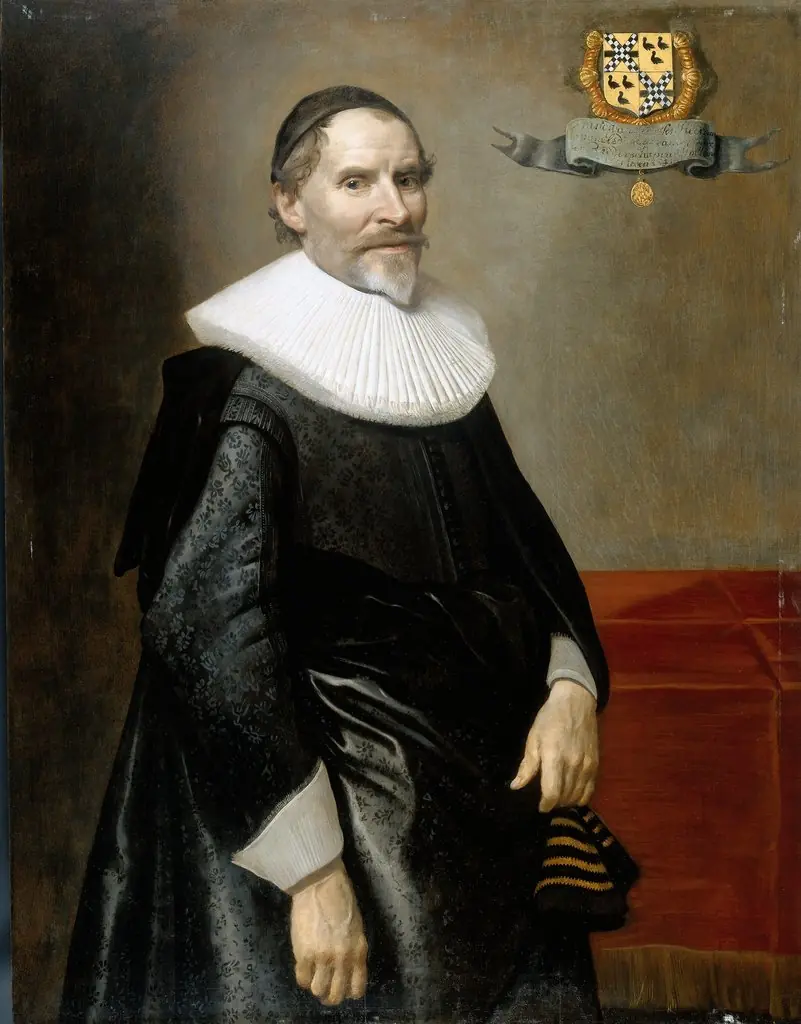 François van Aerssen (1572-1641), heer van Sommelsdijk, de Plaat en Spijk. Diplomaat in dienst van de Verenigde Nederlanden
 Portrait of the painter Theodor Rombouts
 Portrait of a gentleman