Artwork
Portrait of Jan Brant
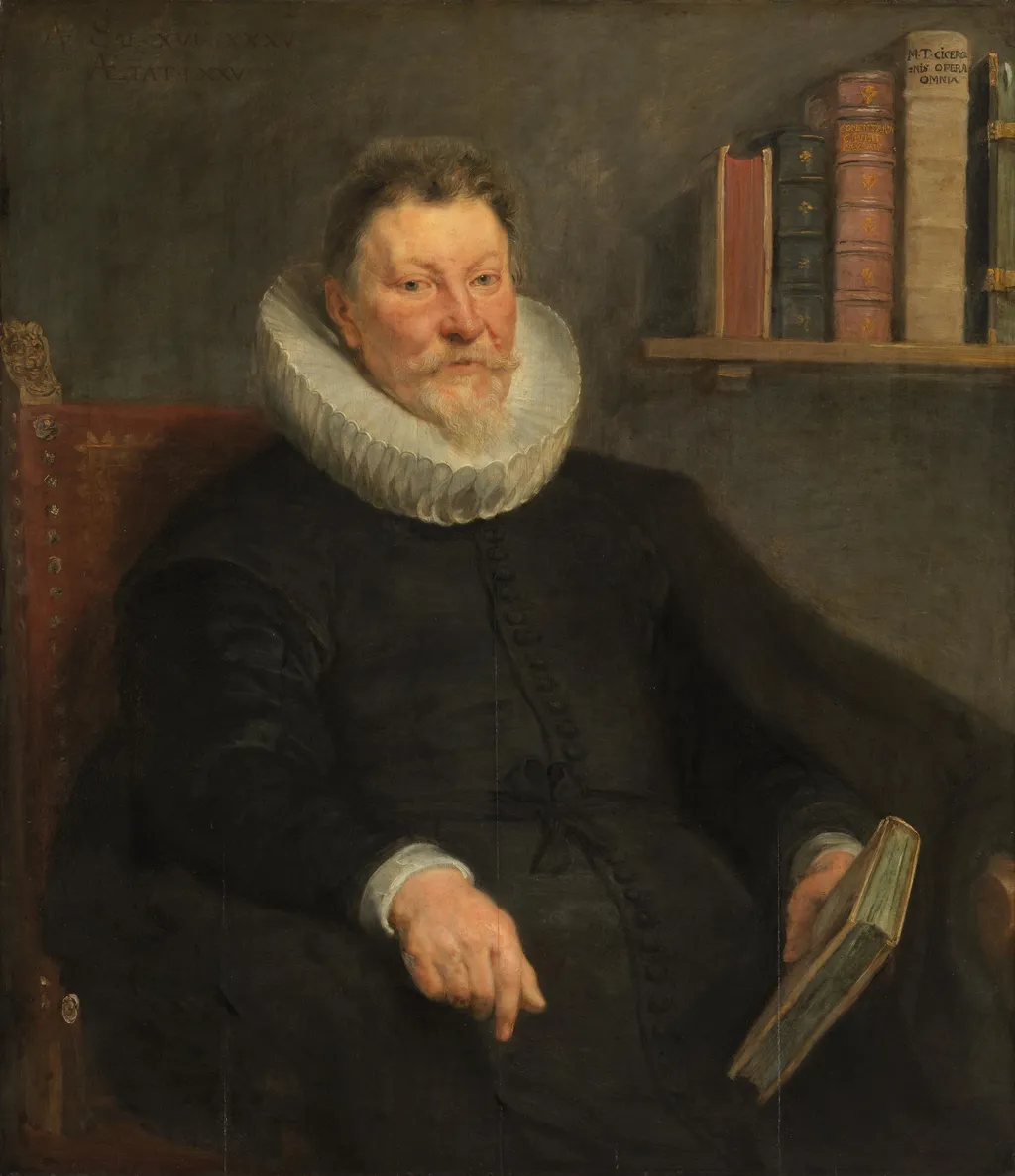
Portrait of Jan Brant is an oil painting by the Flemish Baroque painting artist Peter Paul Rubens. It dates from 1635 and is held in the collection of the Bavarian State Painting Collections.
About this work
Subject & Meaning
As a formal portrait, the image serves to document Brant's likeness and status, adhering to the conventions of the genre during the period.
The work depicts Jan Brant, identified as the primary subject of this 1635 portrait by Peter Paul Rubens. Executed in oil on panel, the painting functions as a straightforward representation of the sitter without additional allegorical figures or complex symbolic attributes described in the available records. As a formal portrait, the image serves to document Brant's likeness and status, adhering to the conventions of the genre during the period.
The composition focuses entirely on the individual, presenting him as the sole center of attention within the frame.
Technique & Style
Created in 1635, the Portrait of Jan Brant is executed in oil paint on a panel support. The work measures 108 cm in height and 94.6 cm in width. As a portrait genre piece by Peter Paul Rubens, the painting depicts the subject Jan Brant. The artwork is currently held within the Bavarian State Painting Collections at the Alte Pinakothek.
History & Provenance
Portrait of Jan Brant is held at the Alte Pinakothek within the Bavarian State Painting Collections, where it is catalogued under the accession number 2189.
The work was exhibited in the 1950 exhibition "Rubens and his contemporaries" at the Kunsthaus Zürich and again in the 1975 retrospective "Baroque Masterpieces" at the Kunstmuseum Basel.
Legacy
The painting has been cited as an early example of Rubens' mature portraiture, noted for its psychological depth and influence on later European portraitists. Its presence in the Bavarian State Painting Collections has contributed to scholarly discourse on 17th-century portraiture, reinforcing Rubens' reputation as a master of likeness and composition. The work continues to be referenced in studies of Baroque portraiture, underscoring its enduring significance in art historical narratives.
Overview
Peter Paul Rubens created the oil painting Portrait of Jan Brent in 1635. Executed in the Flemish Baroque idiom, the work presents a seated gentleman against a dark backdrop, illuminated by a gentle light that highlights his features. The canvas is part of the Alte Pinakothek’s collection in Munich.
Context
The painting belongs to Rubens’s extensive series of individual portraits, produced during a period when he balanced artistic practice with diplomatic duties. The scholarly setting aligns with contemporary conventions that linked portraiture to the sitter’s intellectual status, a theme recurrent in early‑17th‑century Flemish art.
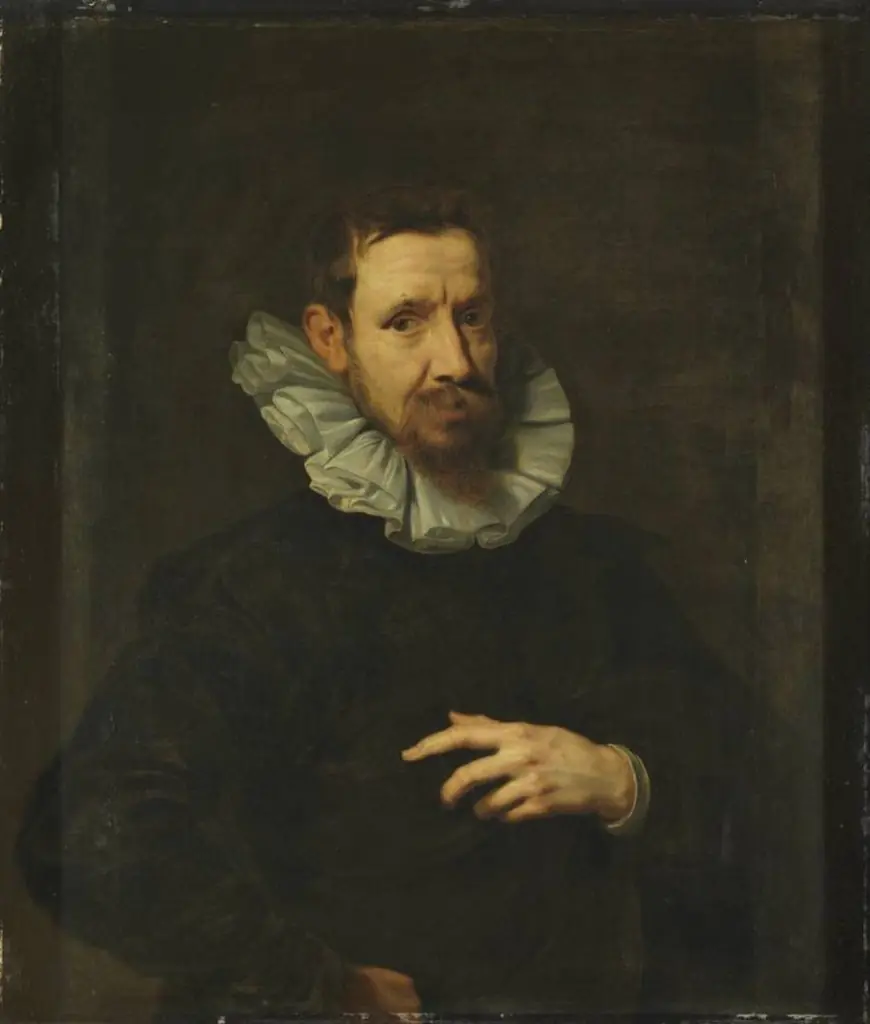
Own this work as a print
Artist & collection
Artist
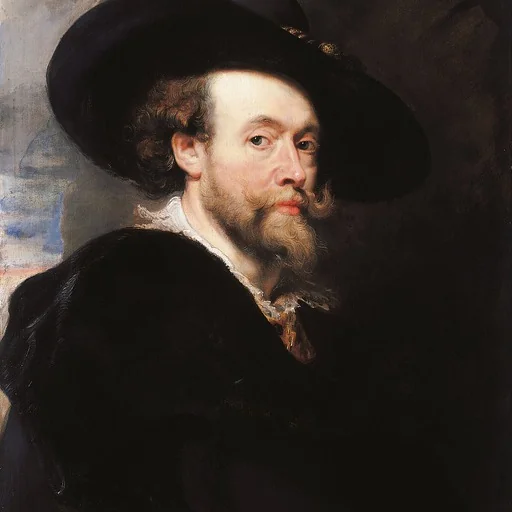
Sir Peter Paul Rubens ( ROO-bənz; Dutch:; 28 June 1577 – 30 May 1640) was a Flemish artist and diplomat.

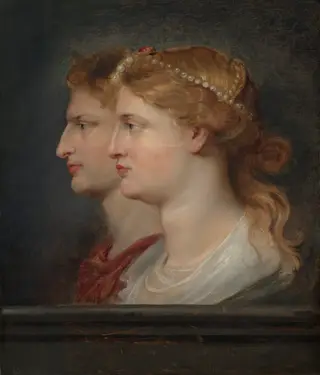

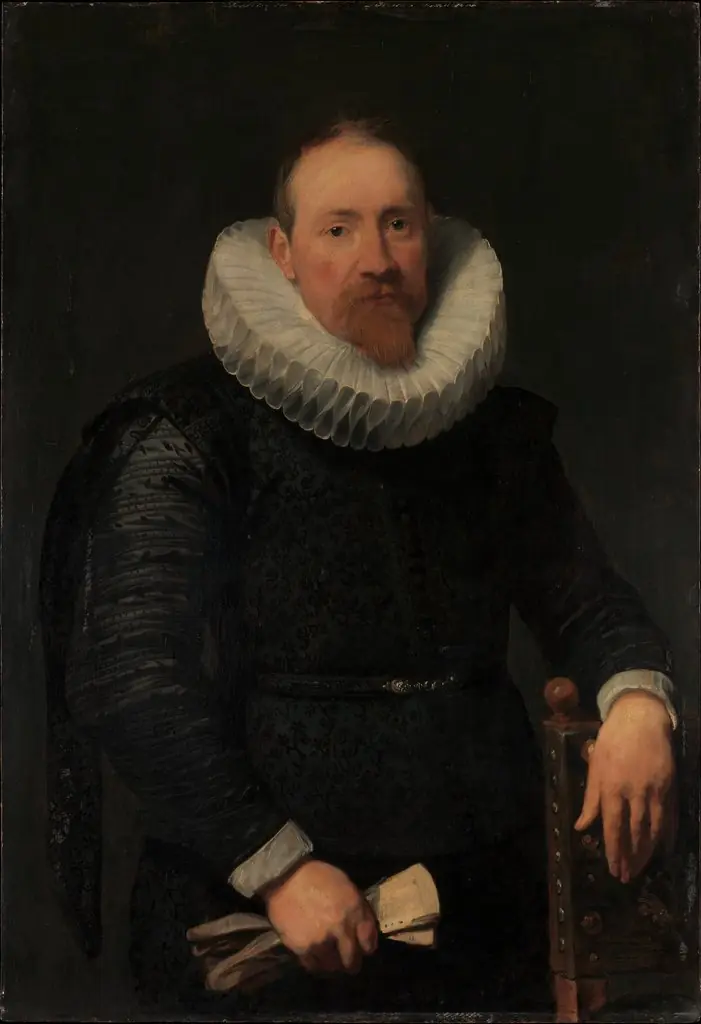 Portrait of a Man
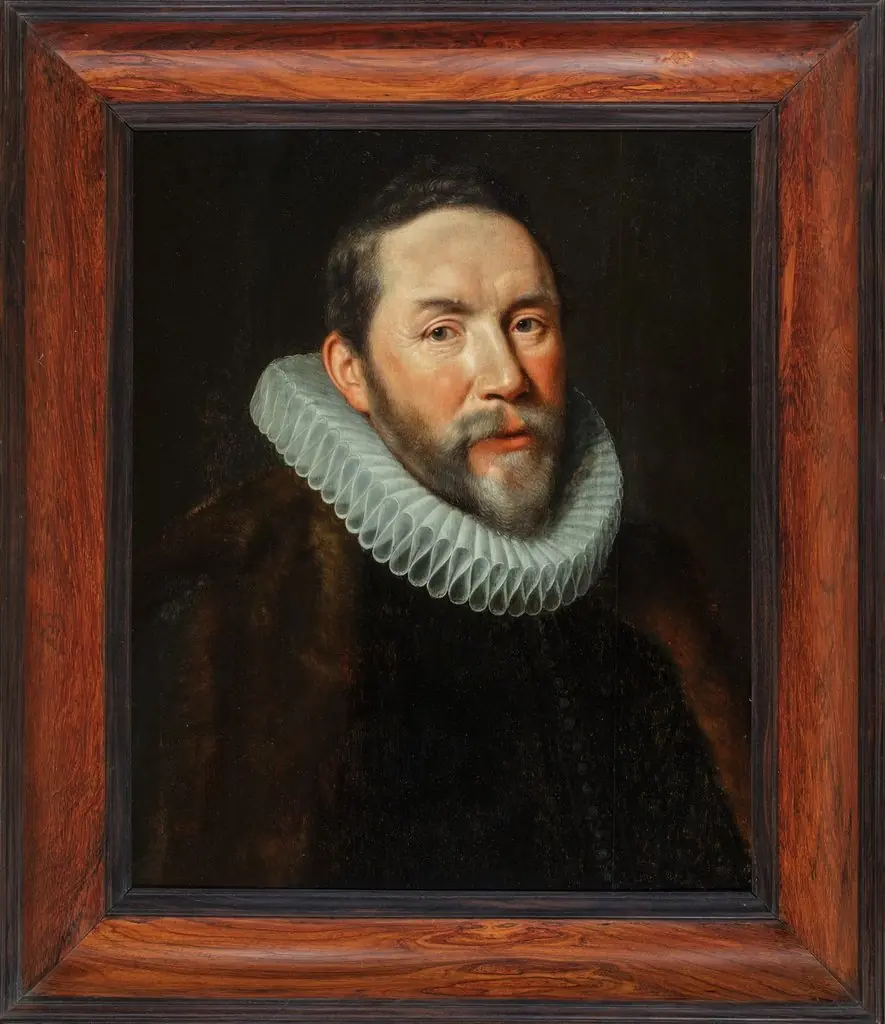 Portrait of Nicolaes Grevinckhoven (1577-1632)
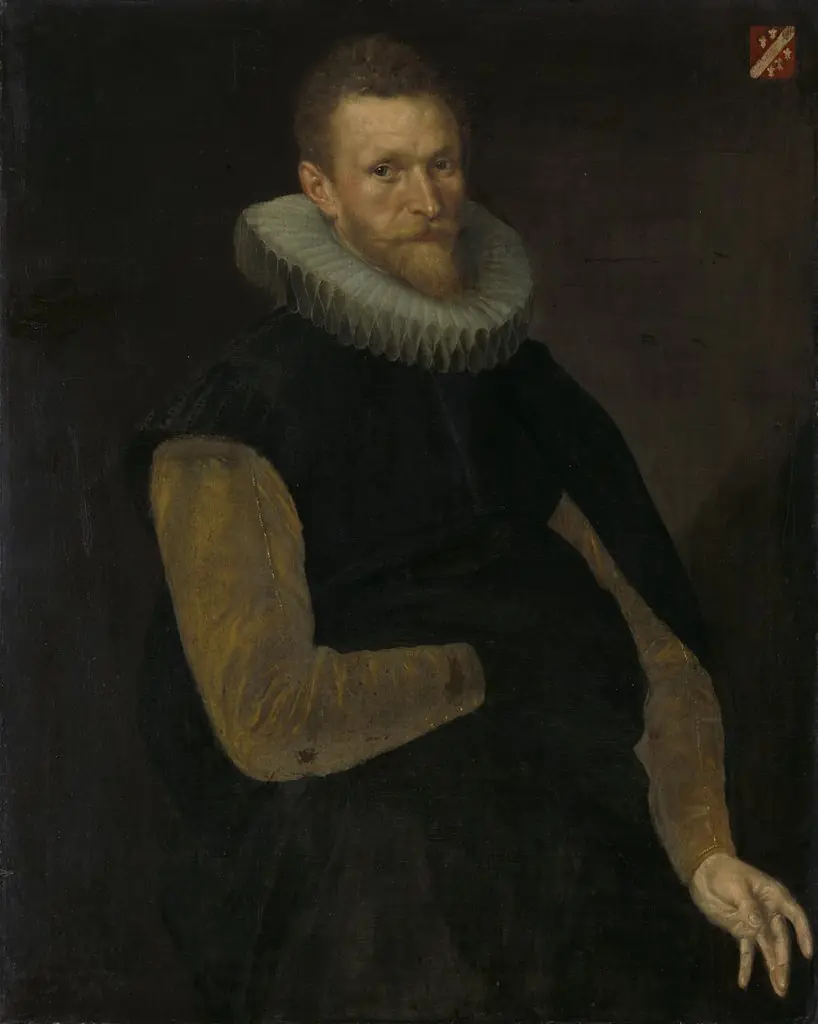 Portrait of Jacob Cornelisz Banjaert, called van Neck (1564-1638). Admiral & mayor of Amsterdam
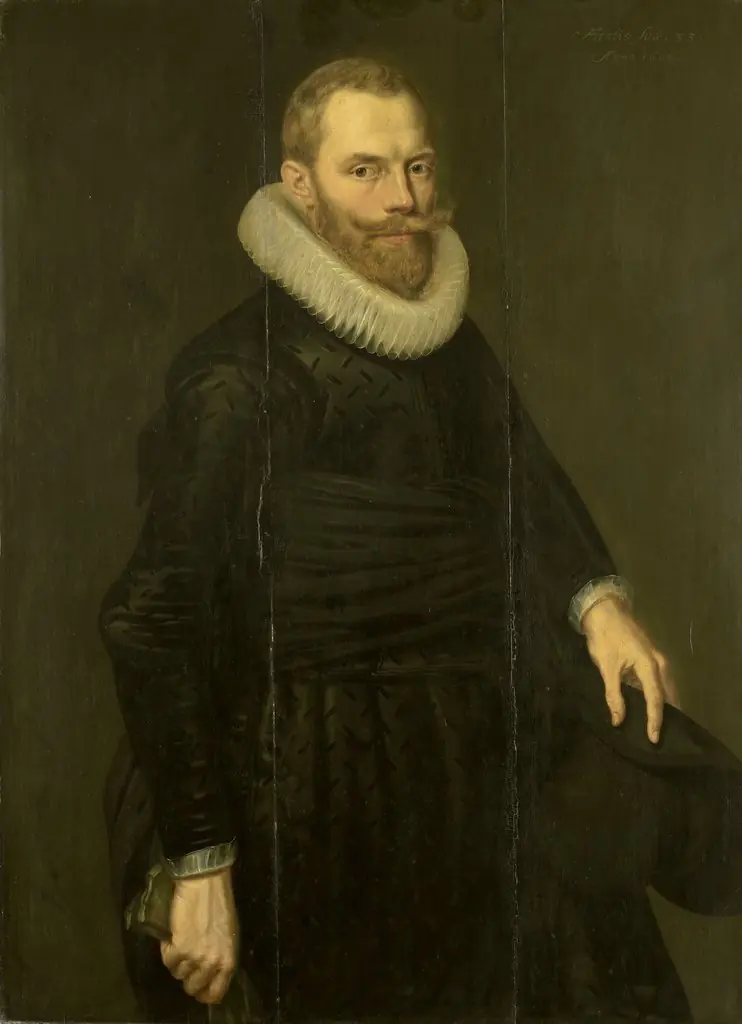 Portrait of Dirck Hasselaer (1581-1645)
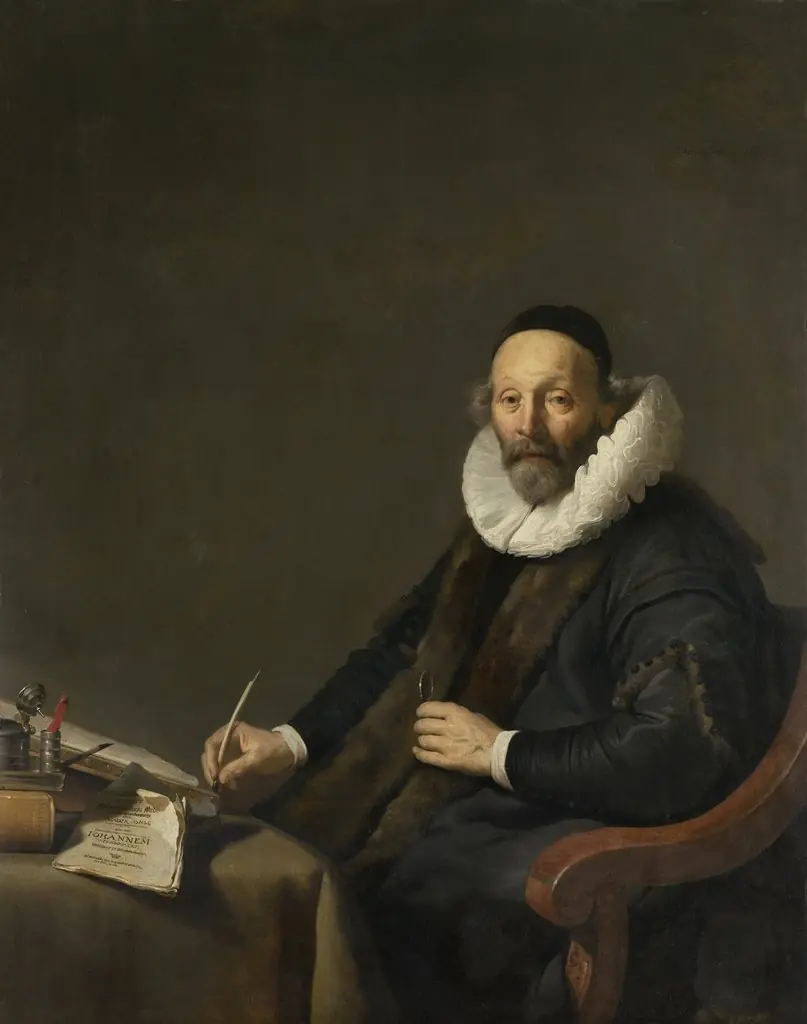 Johannes Uyttenbogaert (1557-1644). Remonstrant minister in The Hague
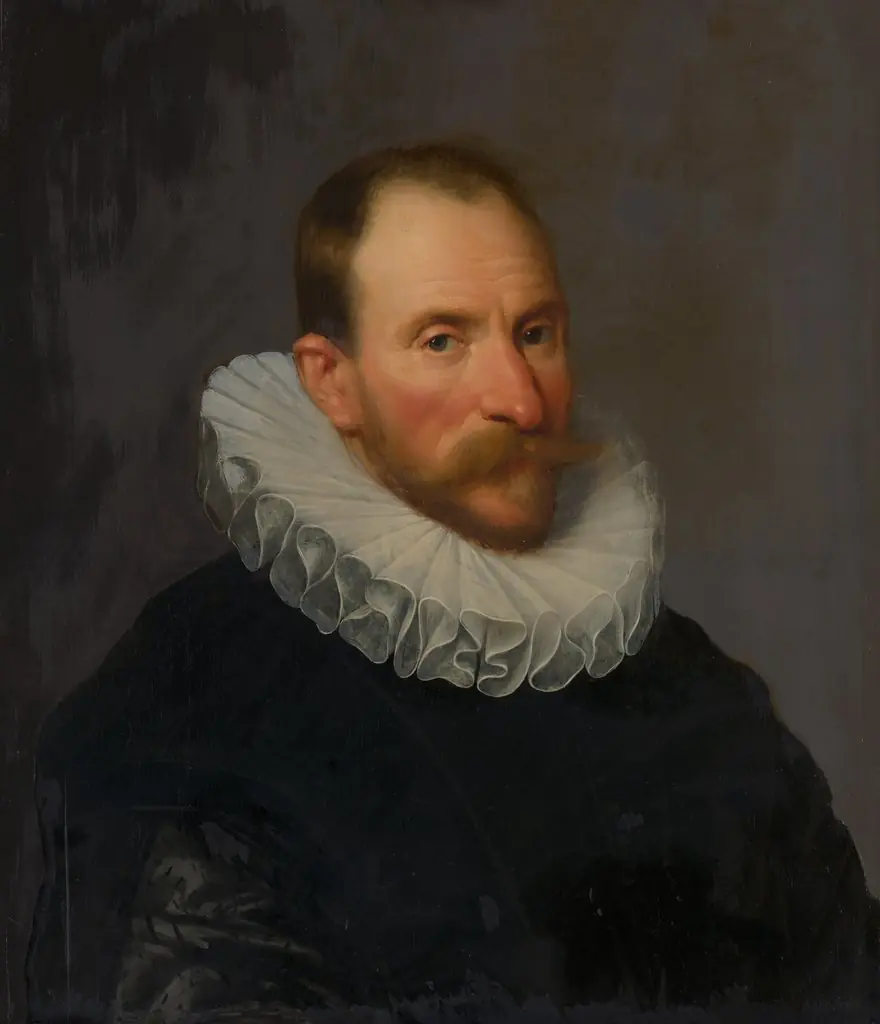 Portrait of Cornelis van Aerssen (1545-1627)
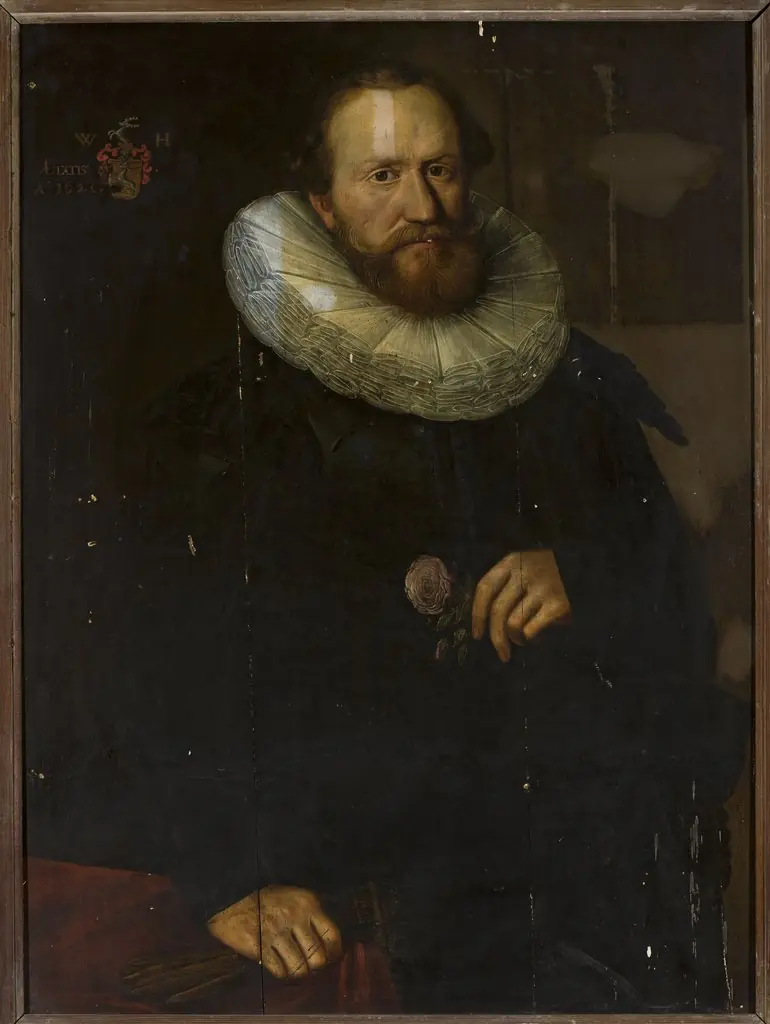 Portrait of a man with a rose in his hand
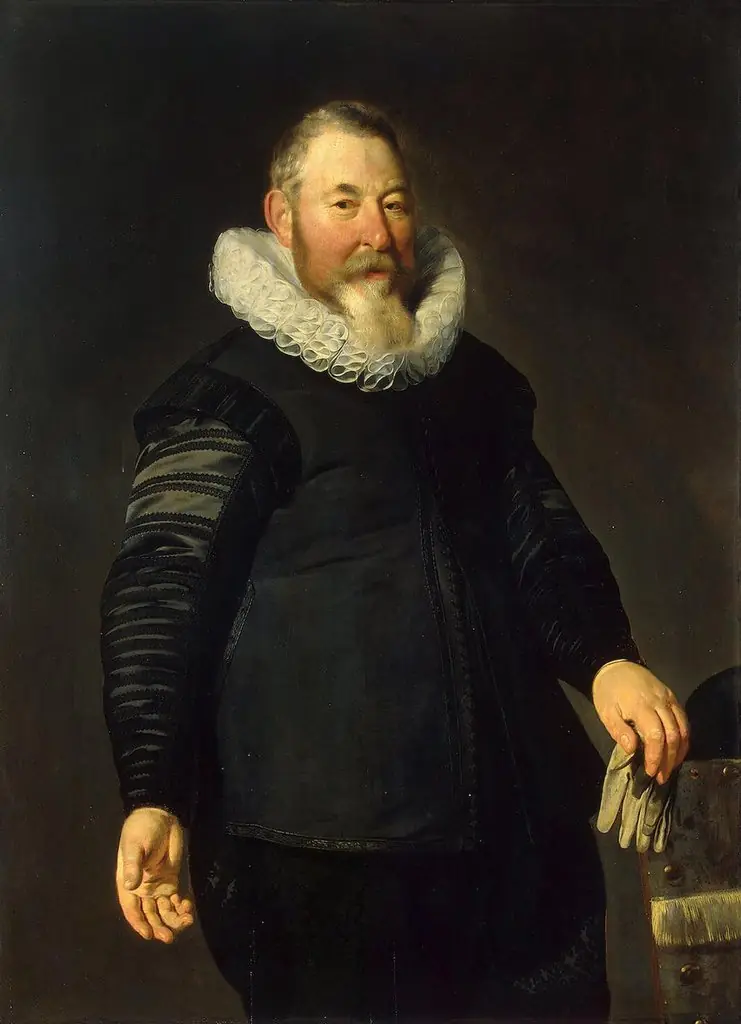 Portrait of a Man
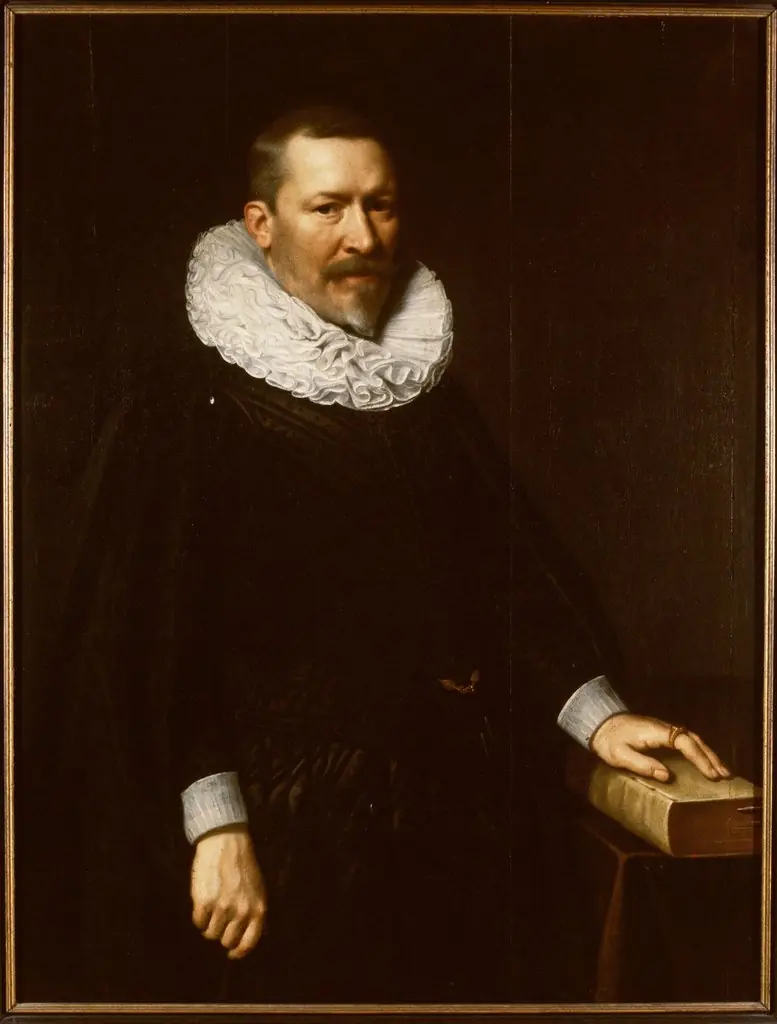 Portrait of Johan Camerlin (1567-1640)