Artwork
Self-portrait
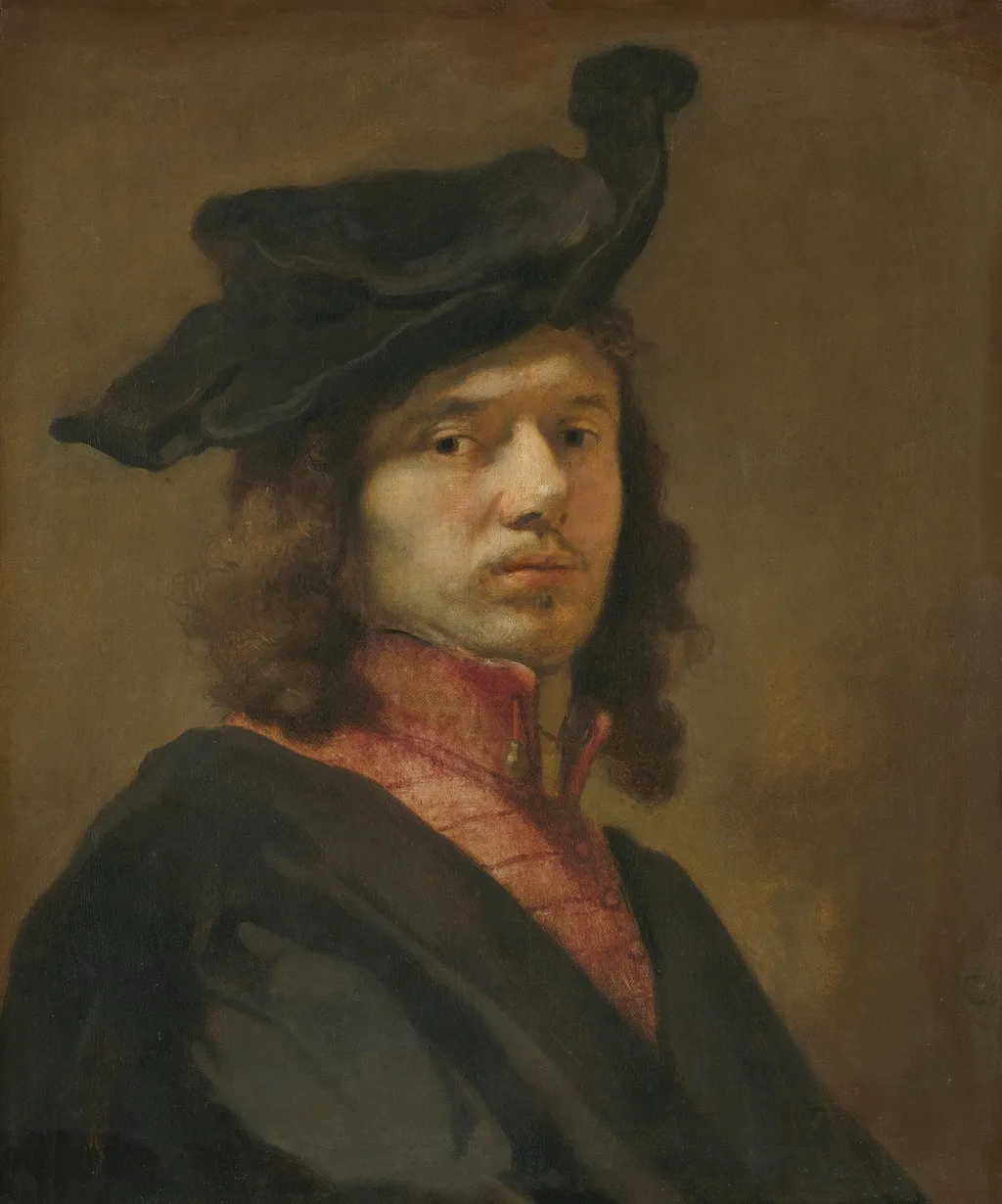
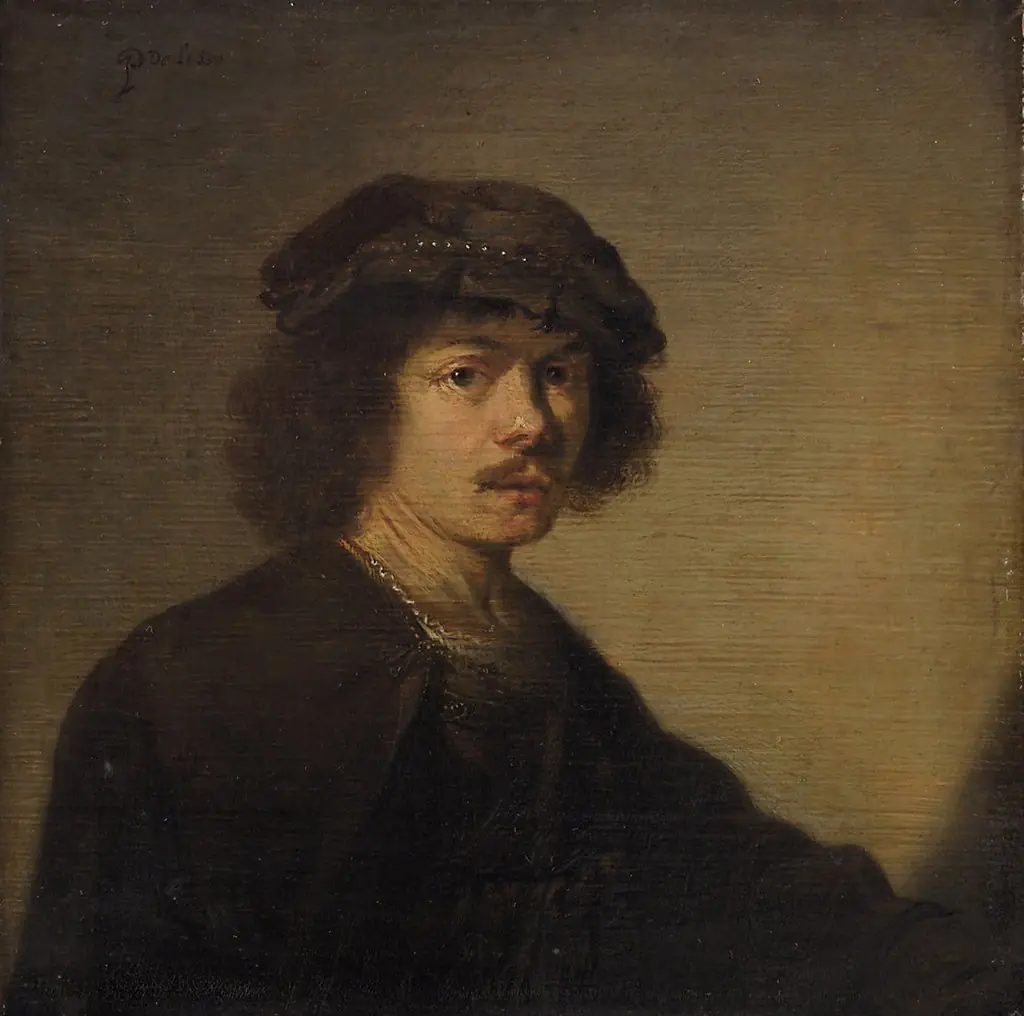
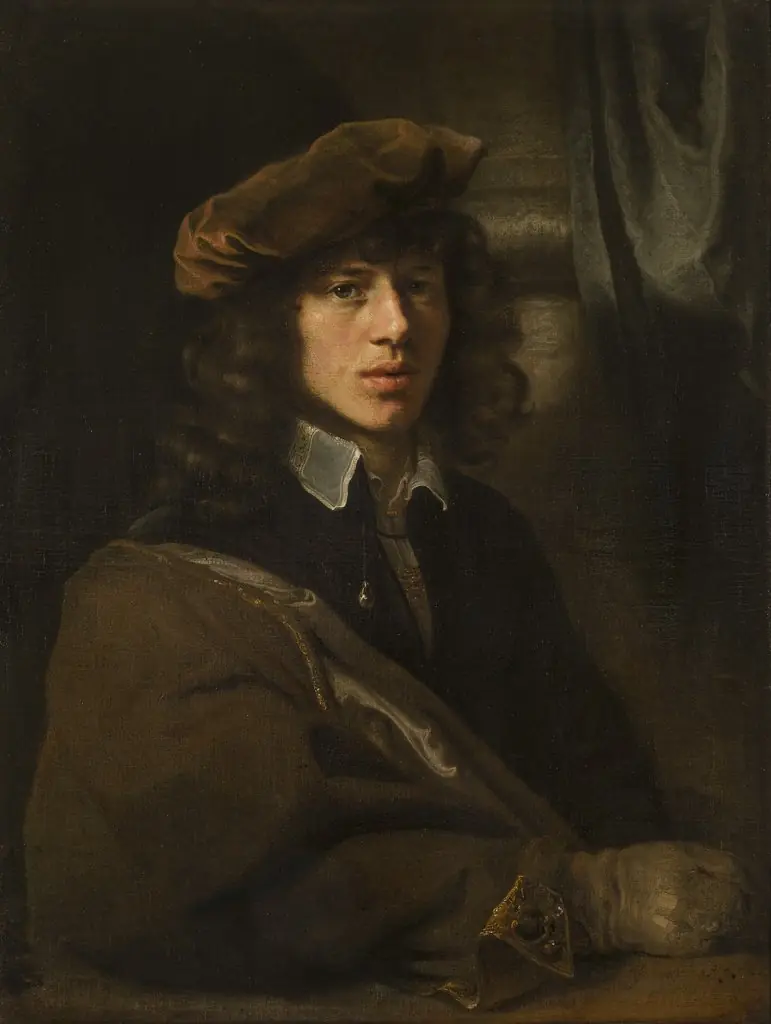
Self-portrait is an oil painting by the Dutch Golden Age artist Carel Fabritius. It dates from 1645 and is held in the collection of the Bavarian State Painting Collections.
About this work
Subject & Meaning
The painting is generally regarded as the earliest known self-portrait of Carel Fabritius, depicting the artist himself.
The painting is generally regarded as the earliest known self-portrait of Carel Fabritius, depicting the artist himself. In the twentieth century it was frequently attributed instead to his brother Barent Fabritius, since the two brothers are thought to have closely resembled each other and the work's poor condition has complicated the attribution. The signature has been reduced to a single letter "C" because a strip was cut from the right side of the panel, and the painting's damaged state has long fuelled debate over whether the sitter is Carel or Barent.
Comparisons with the signed self-portraits of both brothers have been judged differently over time. Fabritius biographer Christopher Brown initially considered the Munich portrait markedly weaker than Carel's undisputed self-portraits and therefore assigned it to Barent, but later aligned with the view of the 2004 Mauritshuis/Schwerin exhibition curators, who found that Barent's self-portrets could not withstand comparison with this panel and confidently attributed it to Carel.
Technique & Style
Carel Fabritius’s Self-portrait (c. 1645) is executed in oil paint on a wooden panel, measuring 62.5 × 51 cm. The support consists of a single oak plank, typical of seventeenth-century Dutch portraiture. The handling is characterized by a restrained yet confident brushwork, with smooth gradations of tone in the flesh and subtle impasto in the highlights of the red doublet and white collar.
The painting’s condition is compromised: a strip has been cut from the right edge, removing part of the artist’s signature and leaving only the initial 'C' visible. Over time, abrasion and past restorations have softened finer details, particularly in the face and background. Stylistically, the work aligns with Fabritius’s early portraiture, exhibiting a close tonal harmony and precise rendering of textiles, though its compromised state complicates definitive attribution comparisons.
History & Provenance
The self-portrait dates to circa 1645 and is generally regarded as the earliest known self-portrait by Carel Fabritius, though its attribution has long been contested. Throughout the twentieth century the panel was often given to his brother Barent Fabritius, partly because the two men closely resembled each other and partly because the work is in poor condition: a strip has been cut from the right side, leaving only a "C" of the original signature. Biographer Christopher Brown assigned it to Barent in 1981 on stylistic grounds, but the curators of the 2004 Fabritius exhibition (held at the Mauritshuis and Schwerin) argued the opposite, and Brown later revised his view.
In the eighteenth century the painting belonged to the Fürstbischöfliche Galerie in Würzburg. Following the secularization of church property it was transferred to Munich in February 1804, initially catalogued as a Rembrandt. It subsequently moved to Schloss Schleißheim in Oberschleißheim before entering the Alte Pinakothek around 1870, where it remains in the Bavarian State Painting Collections.
The painting is held by the Alte Pinakothek in Munich, where it forms part of the Bavarian State Painting Collections. It measures 62.5 × 51 cm and is executed in oil on panel.
The documented provenance traces the work to the eighteenth-century Fürstbischöfliche Galerie in Würzburg. After the secularization of church property, it was transferred in February 1804 to Munich, where it was initially attributed to Rembrandt. It subsequently resided at Schloss Schleissheim in Oberschleissheim before joining the Alte Pinakothek's holdings around 1870.
The painting was included in the 2004 exhibition "Carel Fabritius, 1622–1654," organized by the Mauritshuis in The Hague and the Staatliches Museum Schwerin, where it was catalogued as number 4 by G. Seelig and A. van Suchtelen.
Context
Generally regarded as the earliest known self-portrait by Carel Fabritius, this work from circa 1645 has generated significant scholarly debate regarding its attribution. The painting's poor condition and a cut signature fragment, leaving only a 'C', complicated early identifications. Throughout the twentieth century, many historians assigned the piece to Fabritius's brother, Barent Fabritius, citing the brothers' physical resemblance and perceived stylistic weaknesses compared to Carel's undisputed works.
However, later scholarship, including the 2004 exhibition catalog and a re-evaluation by Christopher Brown, reversed this view. These experts concluded that Barent's authenticated self-portraits could not match the quality of this panel, leading to a consensus that it is indeed a self-portrait by Carel Fabritius. The work is currently held in the Alte Pinakothek in Munich.
Overview
Created in 1645, this oil self‑portrait presents the Dutch artist Carel Fabritius at a mature stage in his career. The work belongs to the portrait genre and is part of the Alte Pinakothek’s collection, offering a concise visual record of the painter’s appearance and artistic concerns during the Dutch Golden Age.
Own this work as a print
Artist & collection
Artist
Carel Pieterszoon (abbr. Pietersz.) Fabritius (Dutch pronunciation:; bapt. 27 February 1622 – 12 October 1654) was a Dutch painter. He was a pupil of Rembrandt and worked in his studio in Amsterdam. Fabritius, who was…

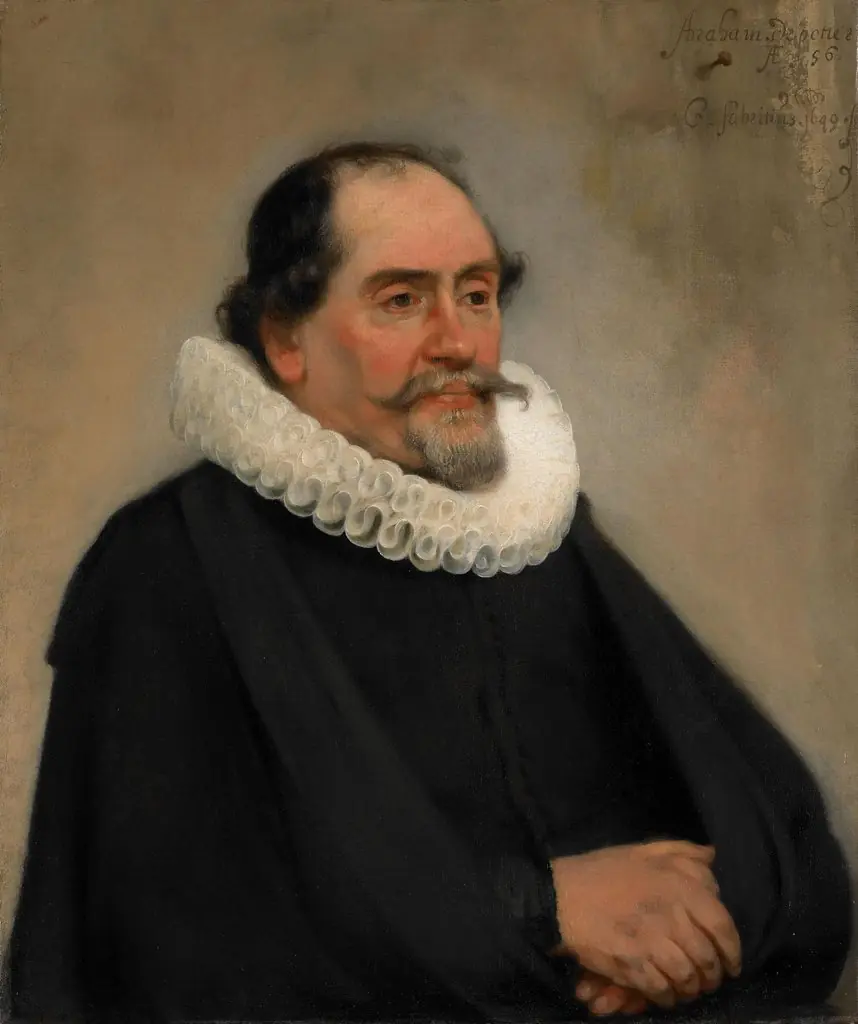
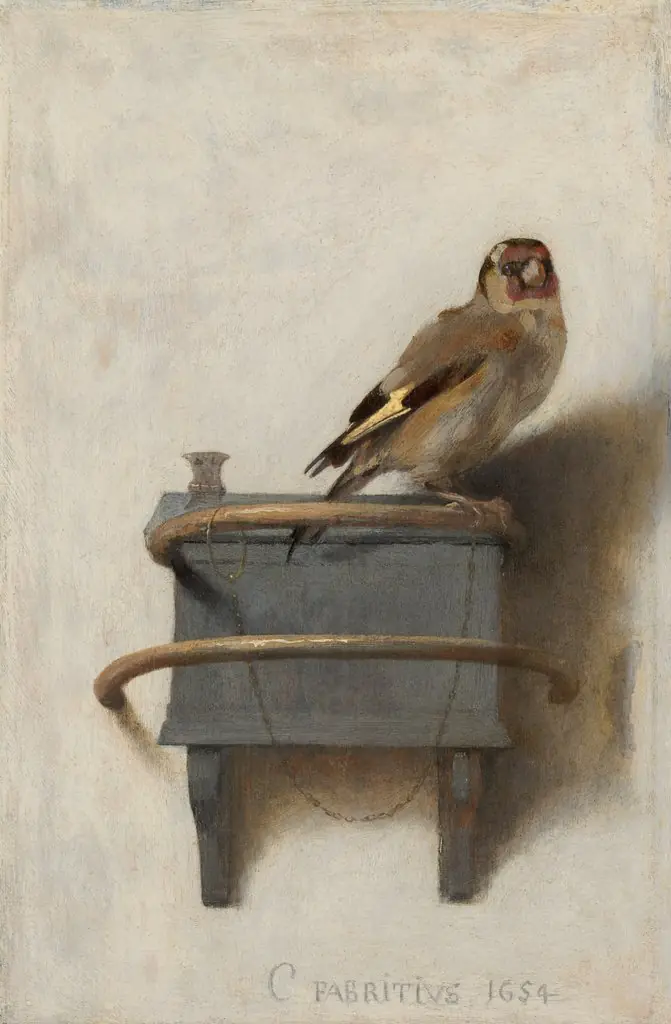
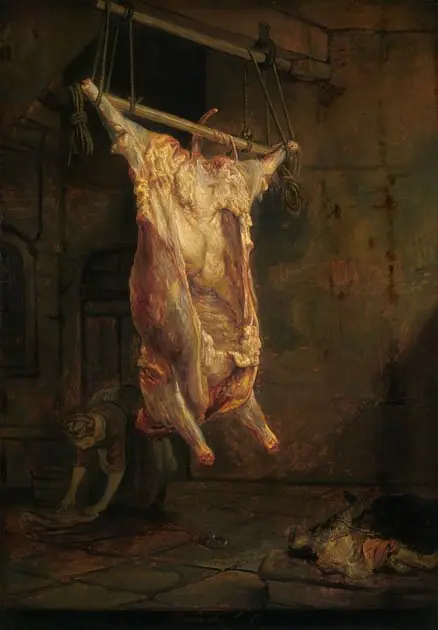
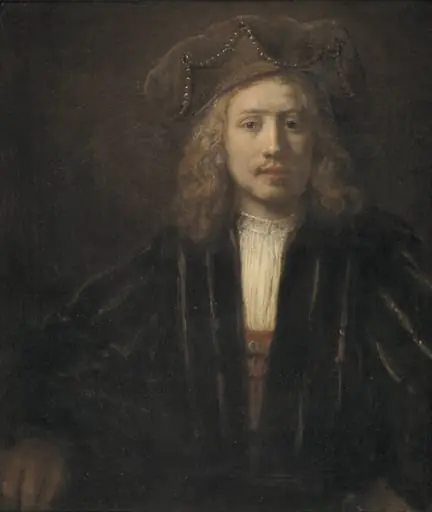
- Young Man in a Pearl-trimmed Cap
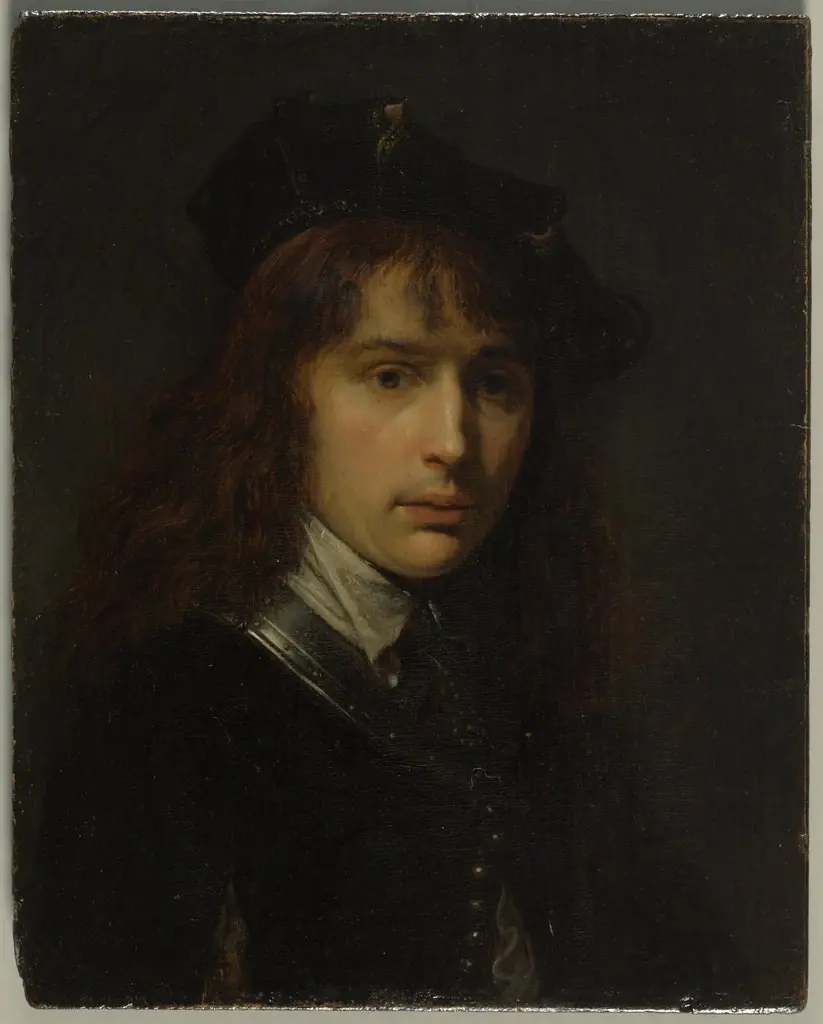 Self-Portrait
 Selbstbildnis in Phantasietracht
 Portrait of a Man
 Man in a Beret
 Self portrait with a velvet beret and gold chain
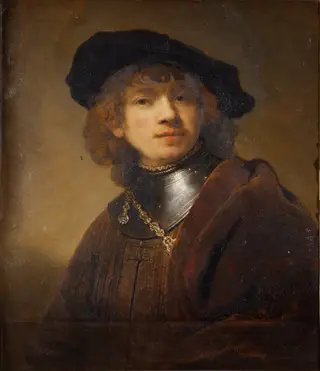 Tronie of a Young Man with Gorget and Beret
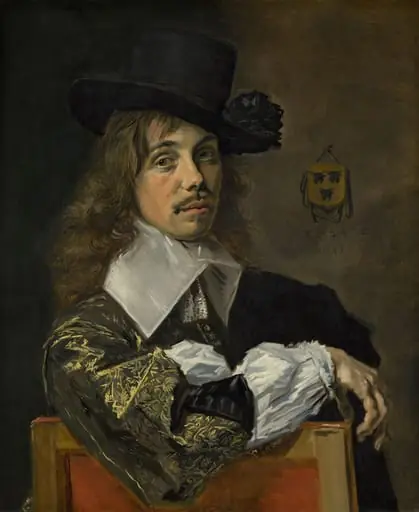 Willem Coymans
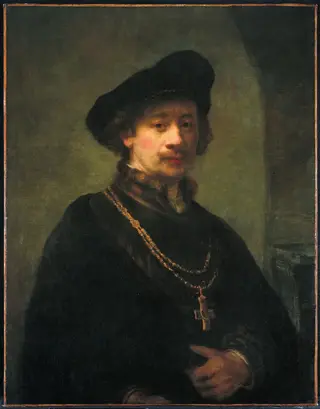 Self-portrait with beret, gold chain, and cross
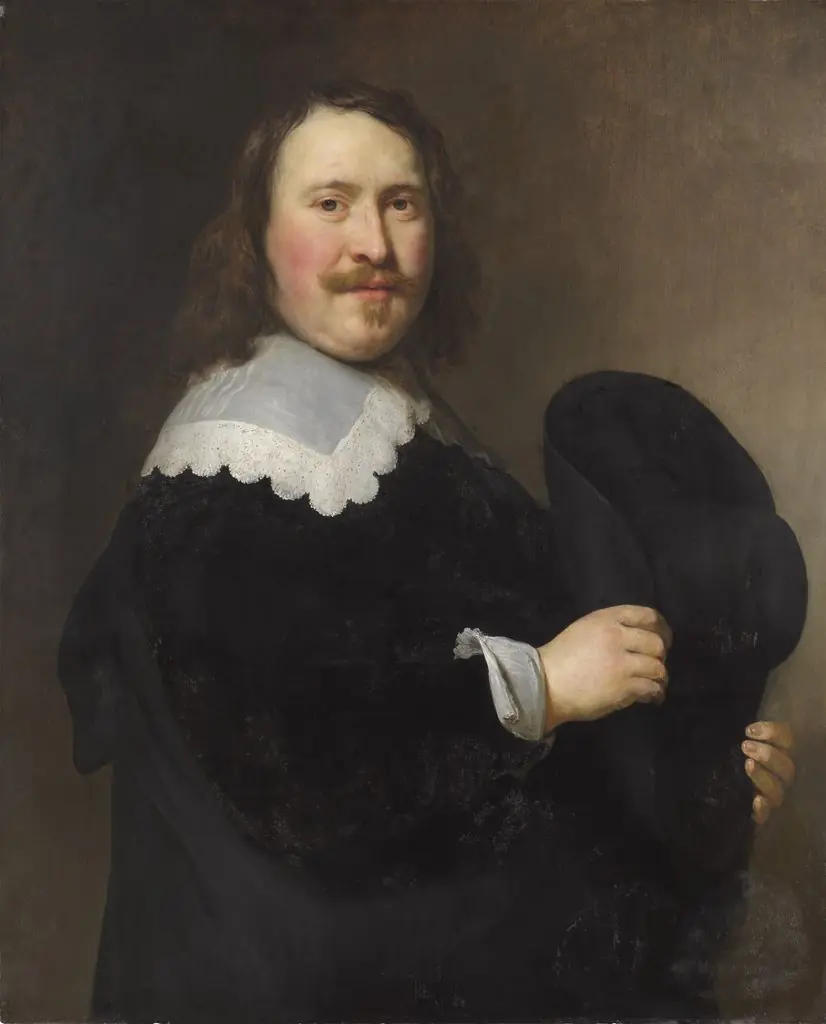 Portrait of a Man with a Hat
 Portrait of Carel Fabritius
 Young Man in a Pearl-trimmed Cap