Artwork
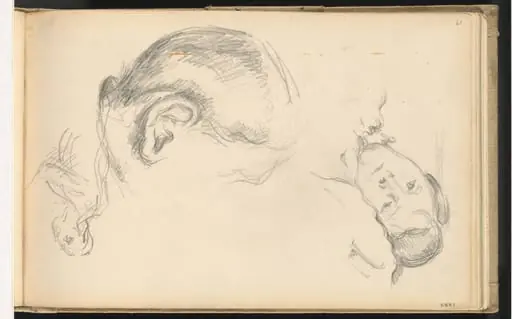
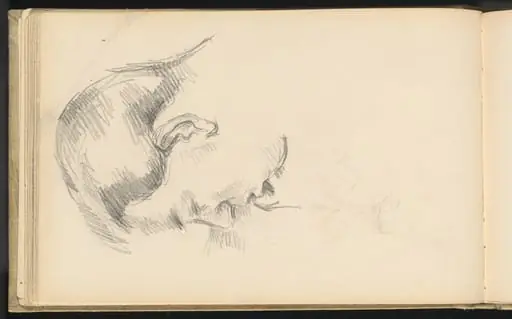
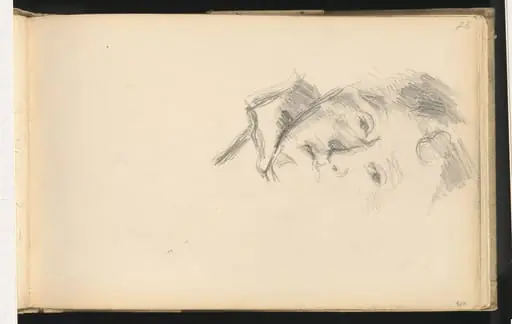
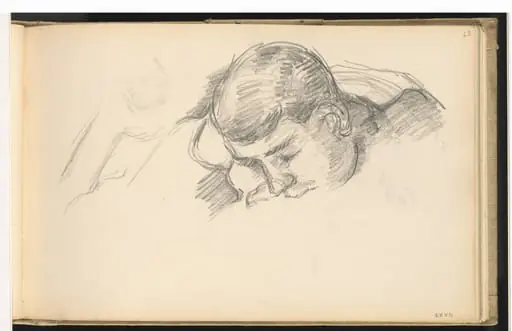
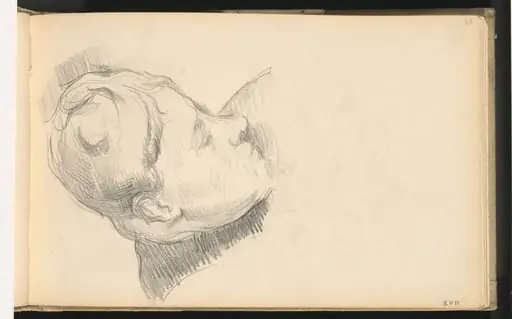
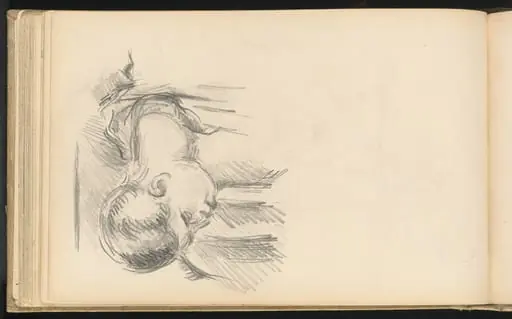
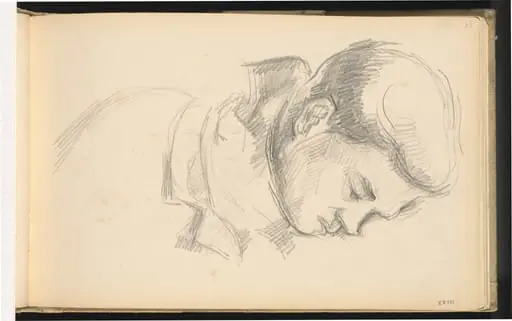
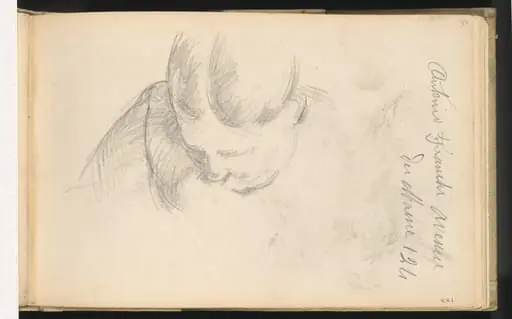
Head of a Boy Seen from Behind
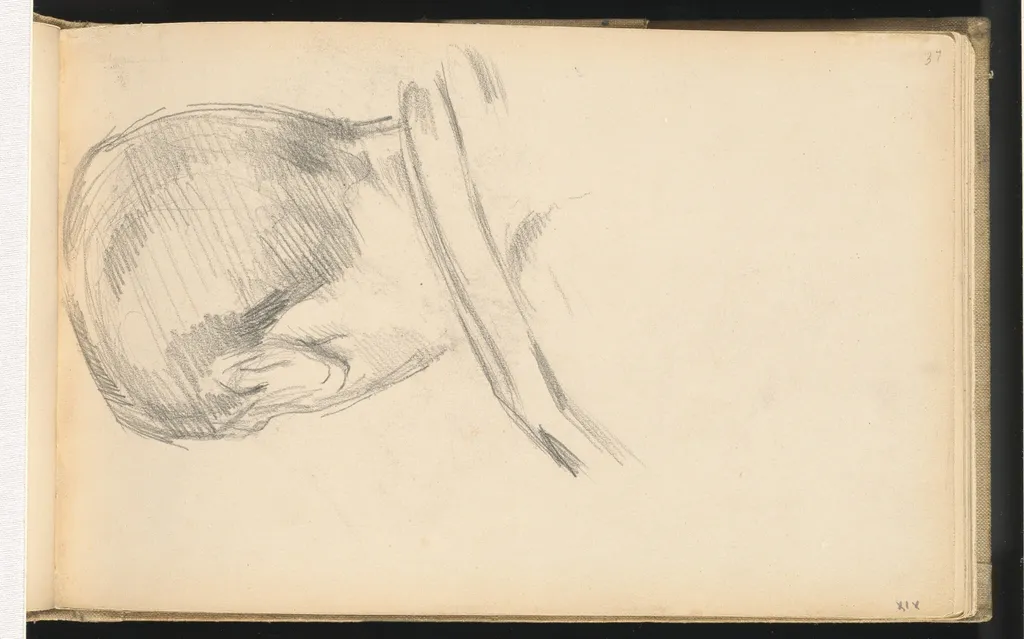
Head of a Boy Seen from Behind is a graphite drawing by the Impressionist artist Paul Cézanne. It dates from 1885 and is held in the collection of the National Gallery of Art.
- Inscription
- Inscribed:by later hand, lower left in graphite: XIX; by later hand, lower right in graphite: 37
About this work
Overview
Paul Cézanne’s drawing titled Head of a Boy Seen from Behind dates to around 1885. Executed in graphite on wove paper, the work presents a brief study of a young male figure observed from the rear. The composition occupies only a portion of the sheet, leaving extensive areas of untouched paper that emphasize its unfinished, spontaneous character.
Subject & Meaning
The image captures the back of a boy’s head and shoulders, suggesting a fleeting glimpse of a private moment. By omitting facial features, Cézanne directs attention to posture and the subtle suggestion of movement, inviting viewers to contemplate the everyday presence of a child rather than a narrative scene.
Technique & Style
Cézanne employs rapid, varied graphite strokes that range from bold, thick lines to faint, delicate marks. The drawing’s loose handling and the visible paper texture create a sketch-like quality, reflecting the artist’s interest in capturing immediacy and the underlying structure of form with minimal surface treatment.
History & Provenance
Created in the mid-1880s, the drawing belongs to a period when Cézanne was exploring informal studies of the human figure. While specific ownership details are limited, the work is documented as part of the artist’s broader oeuvre of preparatory sketches that reveal his experimental approach to composition and observation.
Own this work as a print
Artist & collection

Artist
Paul Cézanne ( say-ZAN, UK also siz-AN, US also say-ZAHN; French: ; Occitan: Pau Cesana; 19 January 1839 – 22 October 1906) was a French Post-Impressionist painter whose work introduced new modes of representation,…

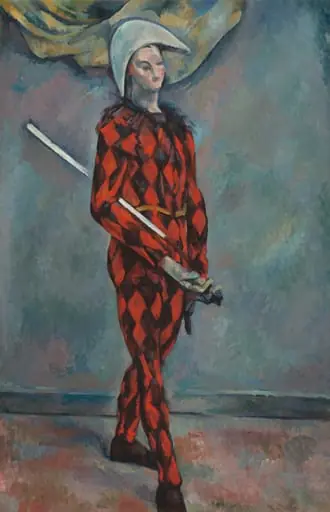 Harlequin
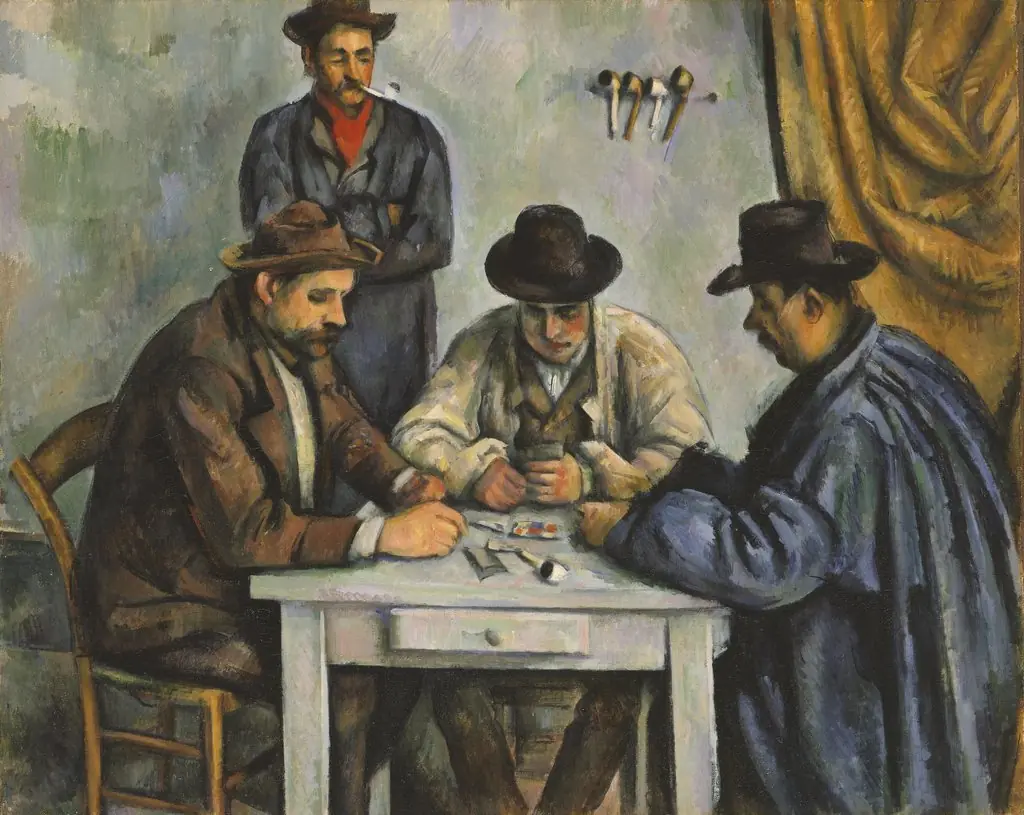 The Card Players
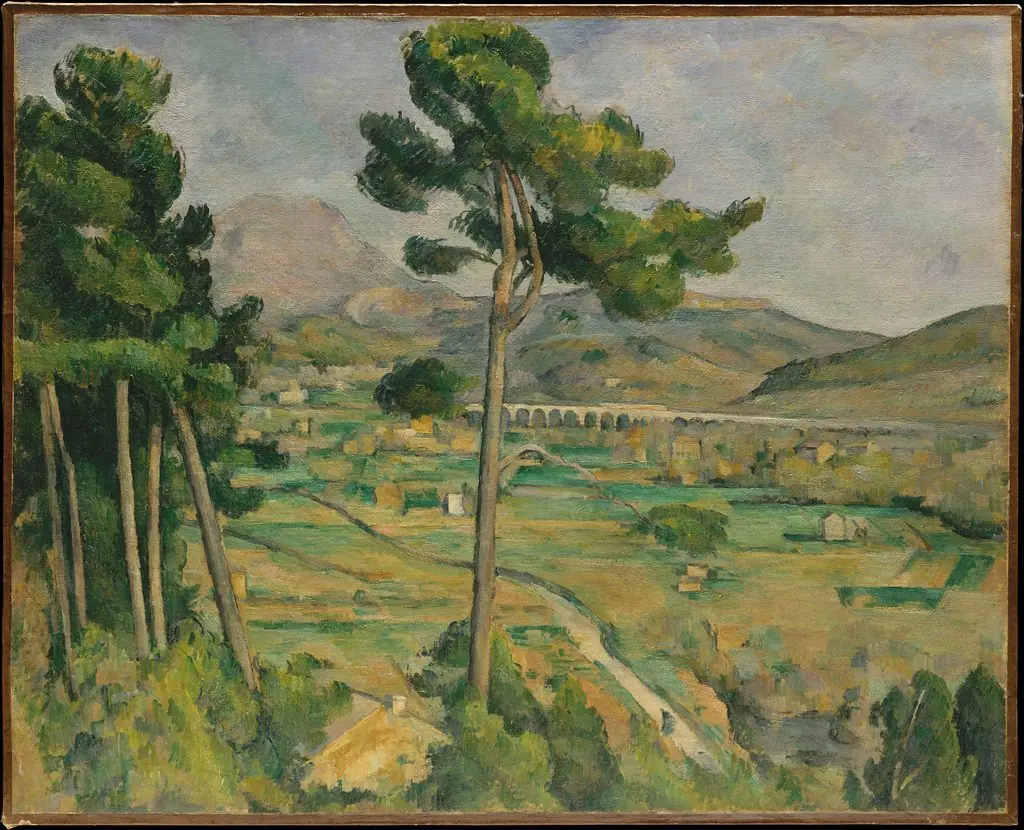 Mont Sainte-Victoire and the Viaduct of the Arc River Valley
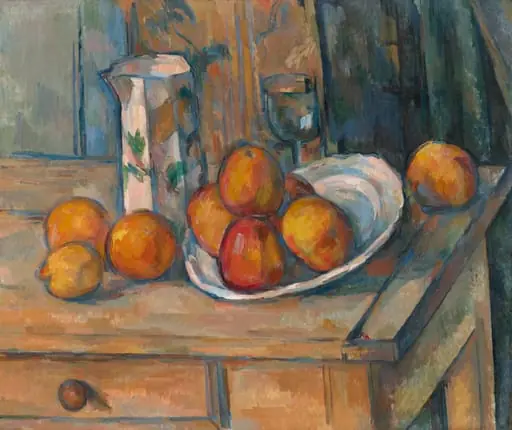 Still Life with Milk Jug and Fruit
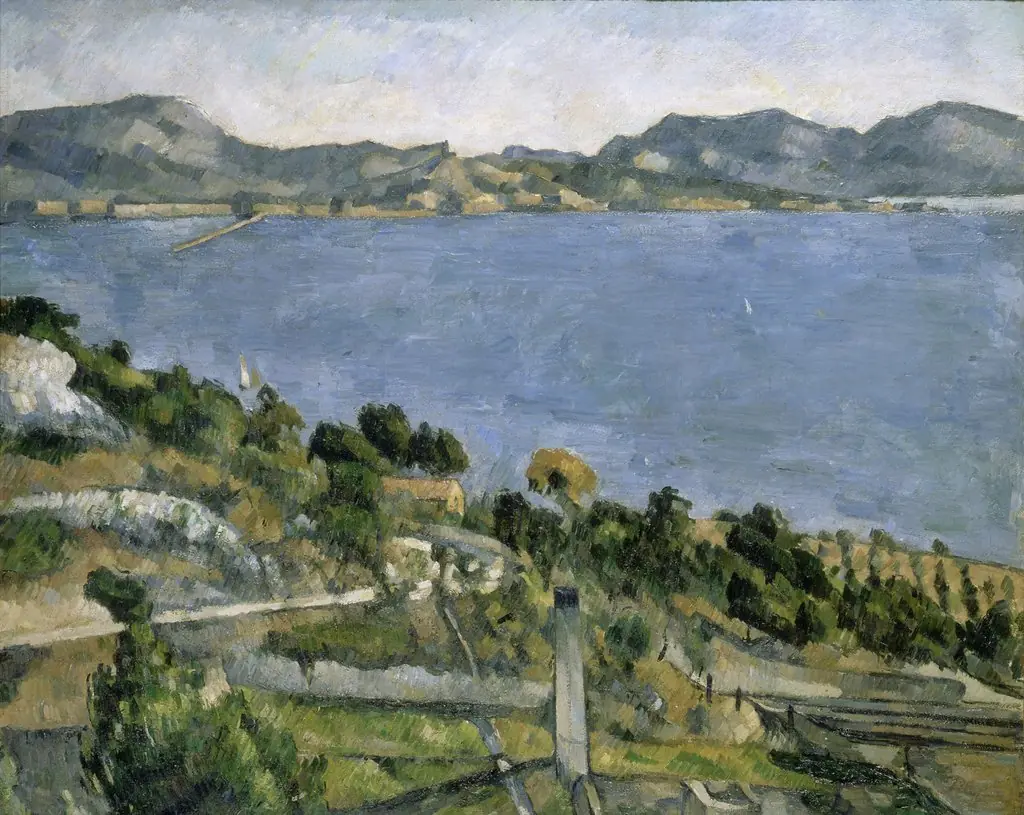 Le Golfe de Marseille vu de l'Estaque (The Gulf of Marseille Seen from L'Estaque)
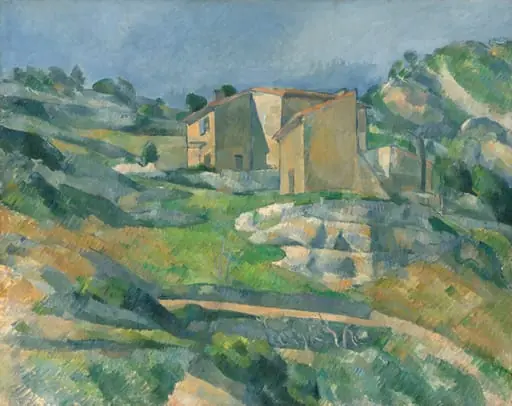 Houses in Provence: The Riaux Valley near L'Estaque
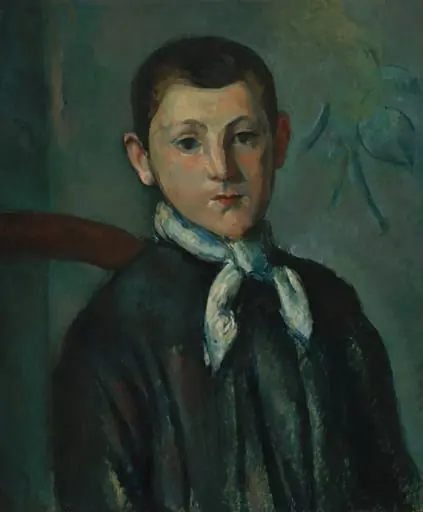 Louis Guillaume
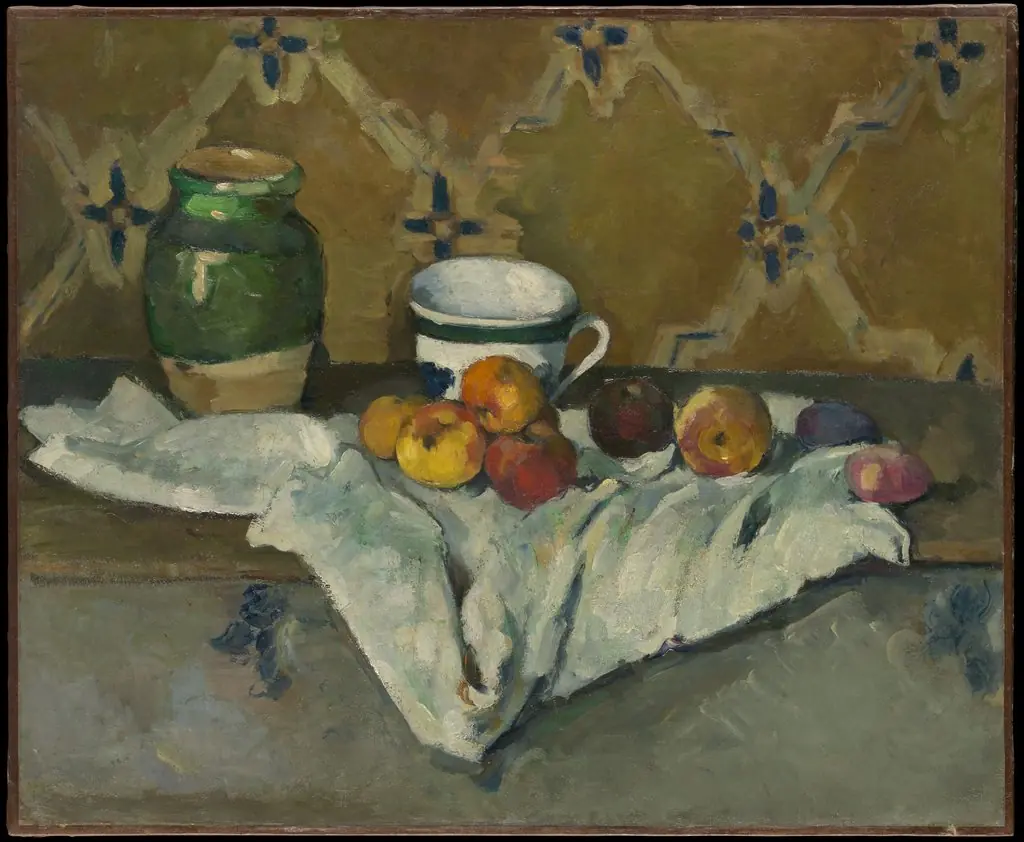 Still Life with Jar, Cup, and Apples