Artwork
Self-Portrait
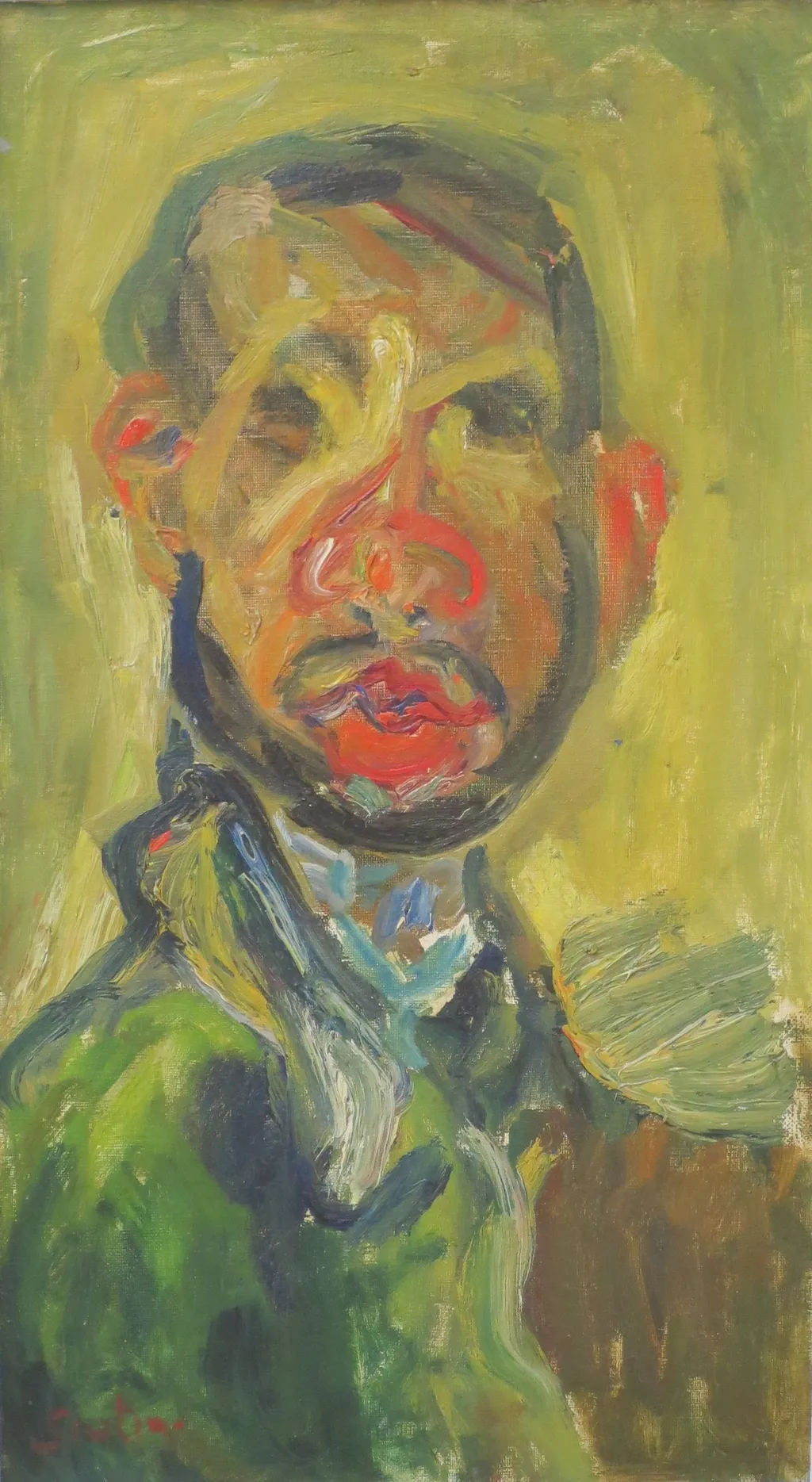
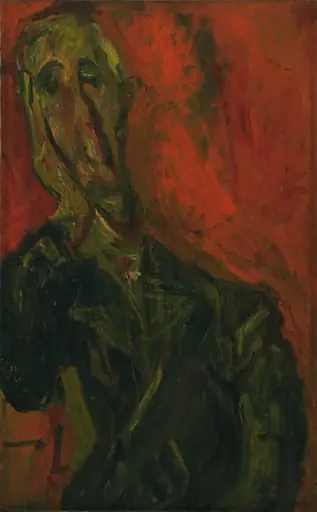
Self-Portrait is an oil painting by Chaïm Soutine. It dates from 1916 and is held in the collection of the Hermitage Museum.
About this work
Overview
5 centimeters, the vertically oriented work depicts the artist from the shoulders up in a direct, frontal presentation.
Self-Portrait is an oil on canvas painting by Chaïm Soutine, created in 1916 during the artist's early years in Paris. Measuring 54.0 by 30.5 centimeters, the vertically oriented work depicts the artist from the shoulders up in a direct, frontal presentation. The painting is held in the collection of the Hermitage Museum in Saint Petersburg. This self-portrait belongs to a small group of only four self-portraits that Soutine produced throughout his career, three of which date from the early phase of his work. The painting exemplifies the raw emotional intensity and vigorous painterly handling that would characterize Soutine's distinctive contribution to modern art, establishing him as a leading figure of the School of Paris despite his resistance to the dominant avant-garde movements of his era.
Subject & Meaning
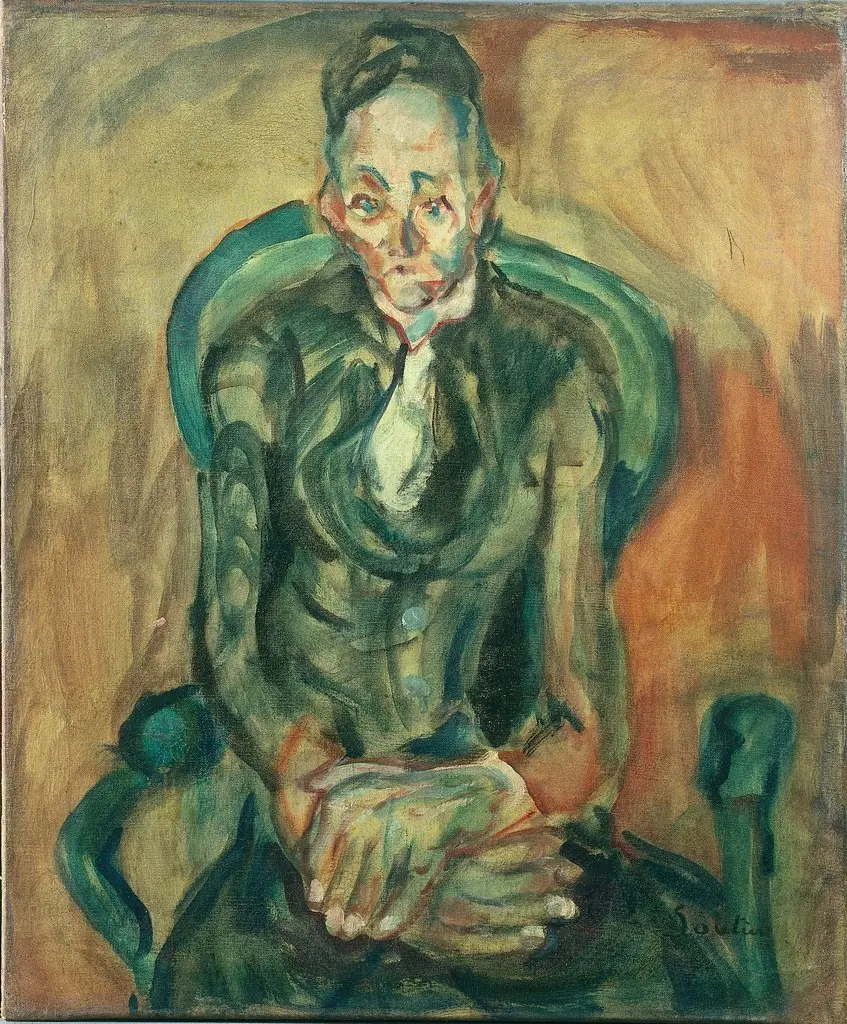
The subject is Soutine himself, presented full-face rather than in the more common three-quarter or profile view of artist self-portraits. The figure faces forward with a direct, unflinching gaze that creates what scholars have described as an immediate, intimate connection between artist and viewer. The composition is stripped of any setting or objects beyond the figure itself; there is no easel, palette, or brushes, the traditional attributes of painter self-portraiture. Soutine wears a dark suit and tie, an unusual choice that lends him the appearance of a bourgeois gentleman rather than a working artist. This costume choice connects to other portraits of Soutine by contemporaries such as Amedeo Modigliani from 1916-17. The absence of professional tools and the formal dress suggest a deliberate reframing of artistic identity, one that emphasizes psychological presence over vocational declaration. The emotional register is complex: sources note an expression that conveys introspection, agitation, and what has been described as inner turmoil, with wide, intense eyes and a set mouth that refuse easy interpretation.
Technique & Style
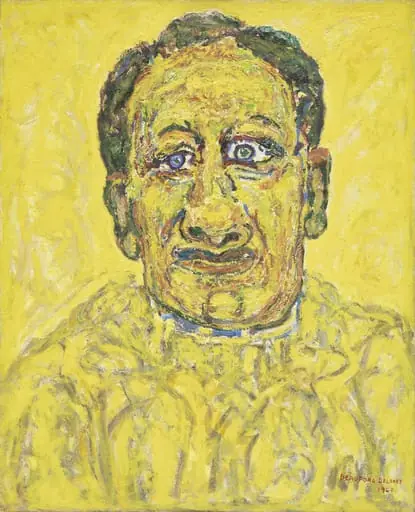
The painting is executed in oil on canvas with a heavily textured, impasto-laden surface. Thick, visible brushstrokes in ochre, yellow, and brown tones build up the head, with prominent red accents on the nose, lips, and cheeks that heighten the emotional charge. Dark paint outlines the jaw and hair, creating a stark contrast with the warmer flesh tones. The garment is rendered in green with blue and white highlights at the collar, applied with the same loose, energetic handling. The background consists of a uniform field of yellow-green paint with energetic, directional brushwork that seems to pulse around the figure. Light falls evenly from the front with minimal shadow modeling, flattening the pictorial space and concentrating attention on the tactile surface. The canvas weave remains visible in thinner areas, particularly around the edges of the face, indicating a rapid, direct application of paint. The overall finish is rough and textured rather than smooth, with individual strokes clearly discernible throughout. A dark signature appears in the lower left corner. This handling aligns Soutine with Post-Impressionist precedents, particularly Vincent van Gogh, in its vibrant palette and loose brushwork, while pushing toward a more raw and unmediated physicality.
History & Provenance
The painting was created in 1916 in France, during Soutine's early period in Paris after his arrival in 1913. The work later entered the collection of Jonas Netter (1867-1946) in Paris, a significant collector of Soutine's work. By descent it passed to his widow, Madame Netter, also in Paris. Henry Pearlman acquired the painting from Madame Netter by July 11, 1949, through the negotiation of dealer Vladimir Raykis of Galerie Zak. Pearlman's acquisition was notably swift: the dealer insisted on leaving immediately after the purchase to prevent the seller from changing her mind, and by the time they returned to the gallery, a telephone message was already waiting from Madame Netter. The painting was subsequently reproduced in color by Skira Art Book Publications while still in Paris, which convinced the seller she had parted with it unwisely. The work was accessioned as 1988.62.23 by the Henry and Rose Pearlman Foundation in 1983, and is now held by the Hermitage Museum.
Context
Soutine's self-portraiture must be understood within the broader context of his resistance to the dominant avant-garde movements of early twentieth-century Paris. While contemporaries embraced Expressionism, Cubism, Dada, and Futurism, Soutine pursued a more traditional path, looking to established masters including Rembrandt van Rijn and Jean-Baptiste Siméon Chardin for inspiration. His self-portrait practice specifically engages with the tradition of artist self-portraiture exemplified by van Gogh's Self-Portrait as a Painter (1887-88) and Cézanne's Self-Portrait with a Palette (1885), though Soutine notably omits the tools of the trade that those predecessors prominently displayed. Born in 1893 in Smilavichy, Belarus, to an Orthodox Jewish family, Soutine had overcome community opposition to his artistic vocation before arriving in Paris, where he joined Fernand Cormon's atelier and found crucial encouragement from Amedeo Modigliani. The emotional intensity of his portraiture, with its exaggerated features and melancholy expressions, has been linked to his own experience of poverty, chronic illness including stomach ulcers from childhood malnutrition, and the broader pathos of working-class life that he observed and respected. Critics have often labeled him an Expressionist, though this categorization is complicated by his distance from the urban angst typical of German Expressionism and his deeper allegiance to the material qualities of oil paint.
Legacy
Soutine's self-portrait and broader oeuvre exercised profound influence on subsequent generations of painters. His mastery of impasto, gestural brushwork, and color set a precedent that resoned with the postwar Action Painters, including Willem de Kooning and Jackson Pollock, as well as with realist counterparts in the United Kingdom such as Francis Bacon and Lucian Freud. The Abstract Expressionists in particular learned from his approach to the physical act of painting and the emotional immediacy of thickly applied pigment. The small number of self-portraits he produced, four in total, has concentrated scholarly and critical attention on each example, with the 1916 Self-Portrait standing as a foundational statement of his artistic identity. The work's passage from the Netter collection through Henry Pearlman's determined acquisition to its present home in the Hermitage Museum testifies to its enduring significance. Pearlman's pursuit of the painting, and the seller's subsequent regret, indicate its recognized value even in the immediate postwar period. Today it remains a touchstone for understanding how an artist rooted in tradition could nonetheless produce work of radical emotional and physical intensity, bridging the gap between the Old Masters and modern abstraction.
Artist & collection
Artist
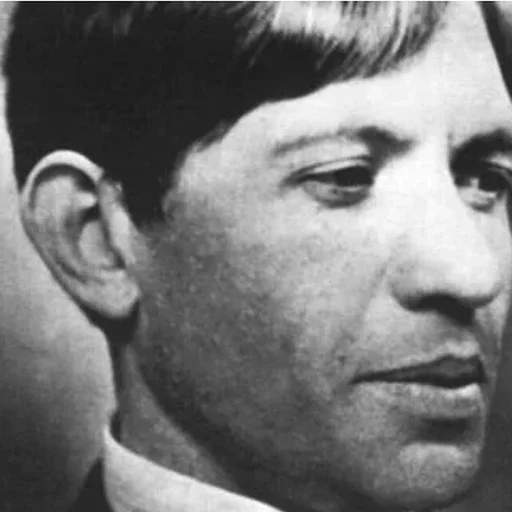
Chaïm Soutine (French:; Russian: Хаим Соломонович Сутин, romanized: Khaim Solomonovich Sutin; Yiddish: חײם סוטין, romanized: Chaim Sutin; 13 January 1893 – 9 August 1943) was a French painter of Belarusian-Jewish origin…