Artwork
The Deposition
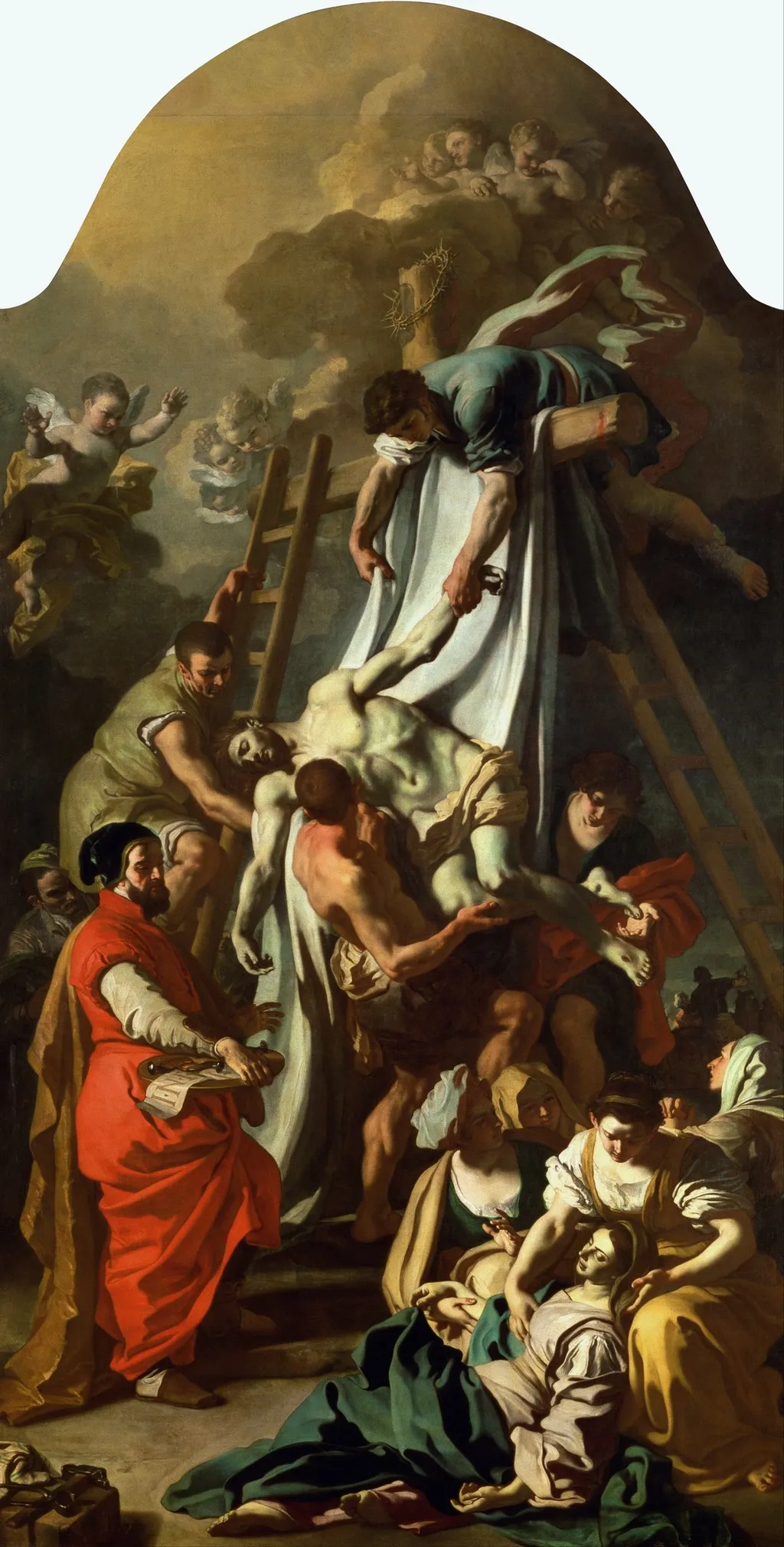
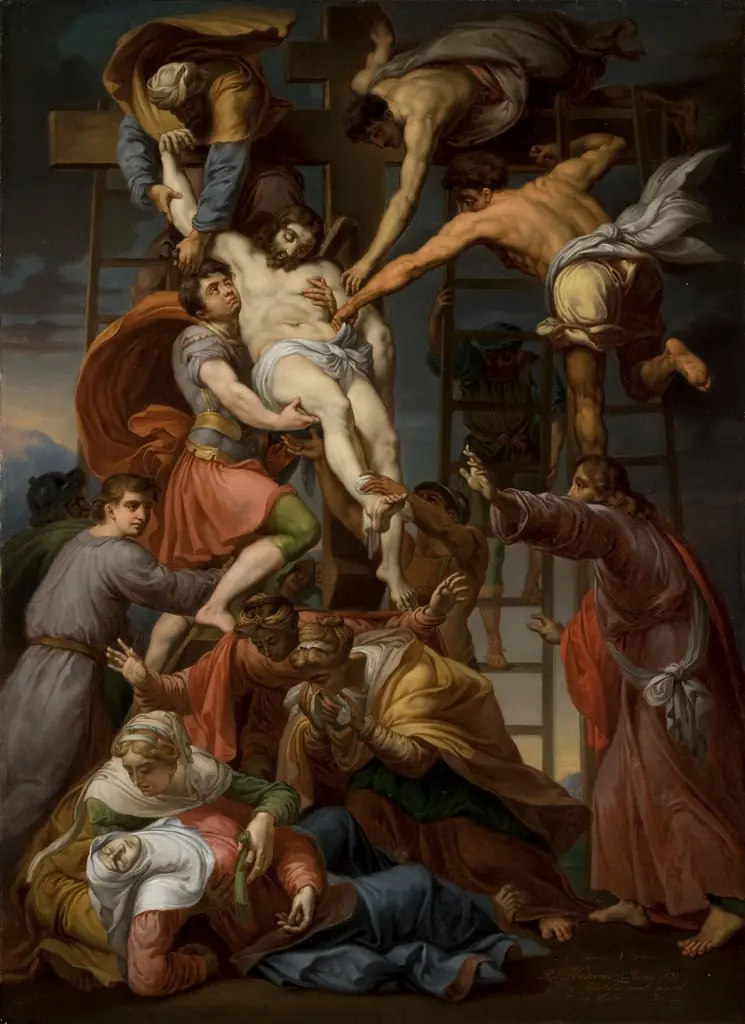
The Deposition is an unspecified painting by the Rococo painting artist Francesco Solimena. It dates from 1729 and is held in the collection of the Kunsthistorisches Museum.
About this work
Subject & Meaning
The work is housed in the Kunsthistorisches Museum, where it remains part of the institution’s collection of 18th‑century religious paintings.
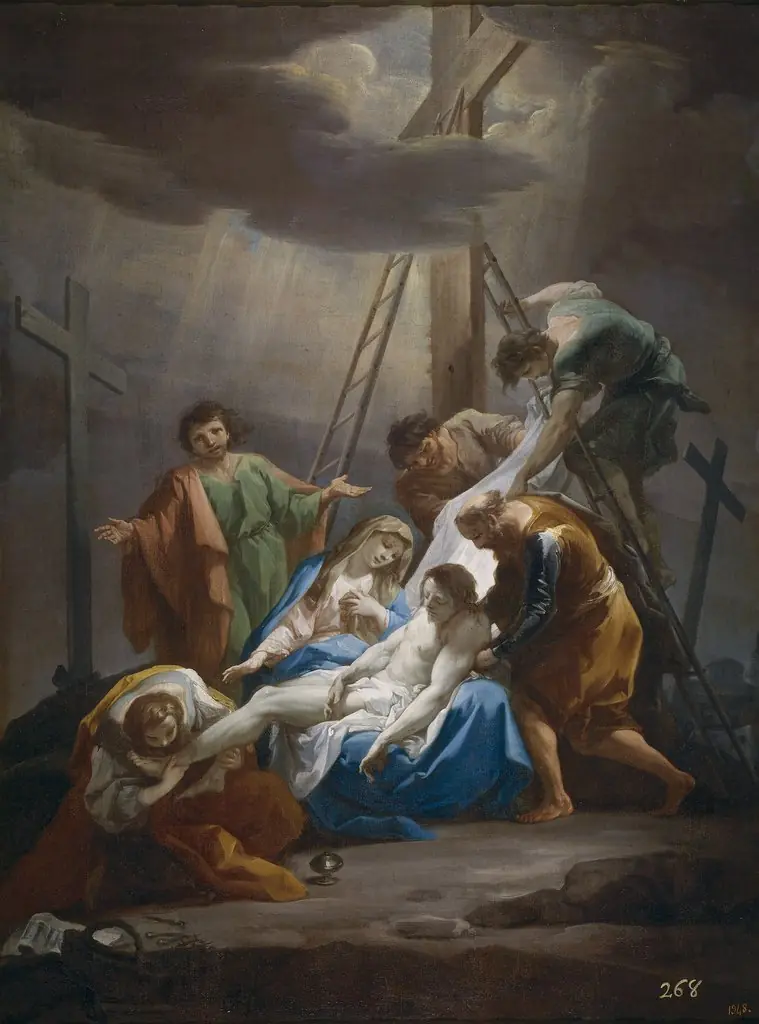
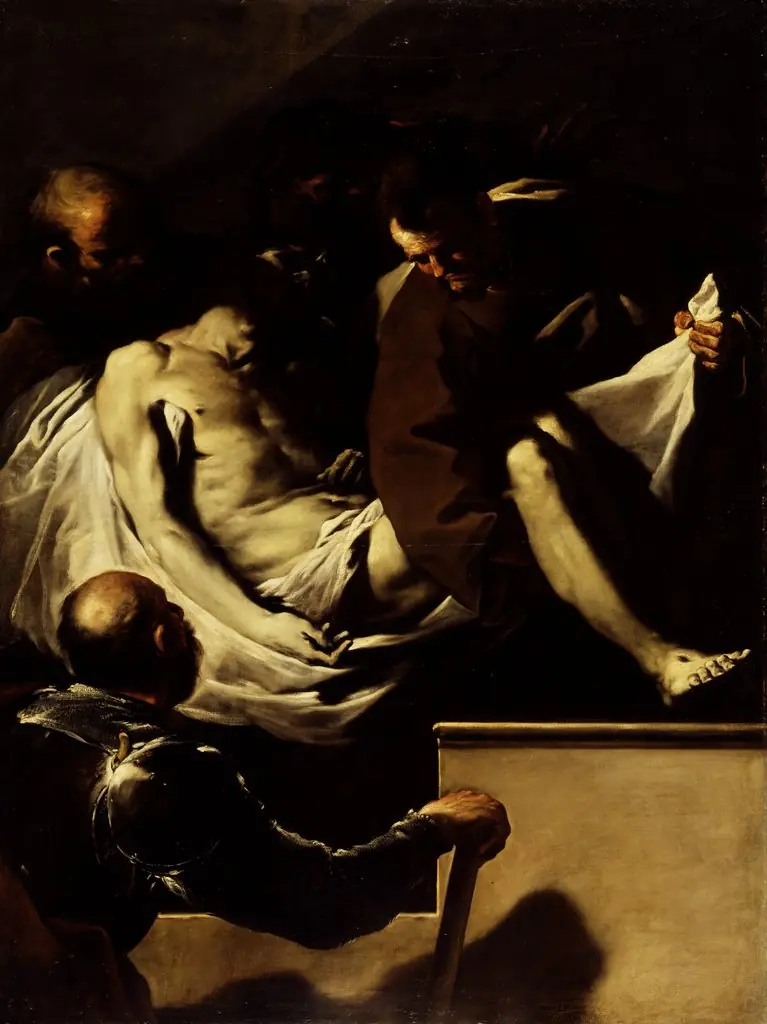
The work portrays the moment of the Descent from the Cross, showing Jesus Christ being lowered from the tomb. The composition emphasizes the sorrow of the surrounding figures and the sacred gravity of the event, reflecting the religious narrative of Christ's removal after crucifixion.
The painting is classified as a religious artwork within the broader tradition of Christian sacred art, and its iconography aligns with the Deposition theme commonly found in Baroque ecclesiastical commissions.
Solimena’s treatment underscores the theological significance of sacrifice and redemption, presenting the scene with dramatic chiaroscuro and a focus on the human anguish experienced by the mourners.
The work is housed in the Kunsthistorisches Museum, where it remains part of the institution’s collection of 18th‑century religious paintings.
History & Provenance
Francesco Solimena created the religious painting The Deposition in 1729. The work, which illustrates the Descent from the Cross featuring Jesus Christ, was completed with dimensions of 398 cm in height and 223 cm in width. It currently resides in the collection of the Kunsthistorisches Museum.
Context
The Deposition by Francesco Solimena (1729) exemplifies late Baroque religious painting, depicting the Descent from the Cross with dramatic chiaroscuro and emotional intensity characteristic of Solimena's mature style. Contemporary accounts praised its devotional potency, while modern scholarship positions it as a pivotal work bridging 18th-century devotional practices and emerging antiquarian approaches to sacred art. The painting's formal qualities, particularly its compositional complexity and material execution, have been extensively analyzed in relation to Solimena's broader oeuvre and the evolution of Neapolitan religious painting within the broader European context.
Legacy
The Deposition by Francesco Solimena exerted influence through its devotional intensity and compositional clarity, shaping later religious painting in Naples and beyond. Its depiction of the Descent from the Cross informed contemporary interpretations of Christ’s removal from the tomb, contributing to the visual language of mourning in 18th-century ecclesiastical art. The work remains on view at the Kunsthistorisches Museum, where it is recognized as a significant example of Solimena’s mature style and a touchstone for scholars studying the transition from Baroque dynamism to Rococo restraint.
Overview
The Deposition is a 1729 painting by Francesco Solimena, an Italian artist known for his work in the Baroque and Rococo styles.
Technique & Style
Solimena's use of chiaroscuro creates a dramatic contrast between light and dark, drawing attention to the central figures. This technique, characterized by strong contrasts between light and shade, was influenced by artists such as Luca Giordano and Mattia Preti.
Artist & collection

Artist
Francesco Solimena (4 October 1657 – 3 April 1747) was a prolific Italian Baroque painter, one of an established family of painters and draughtsmen.