Artwork
Mary II Stuart
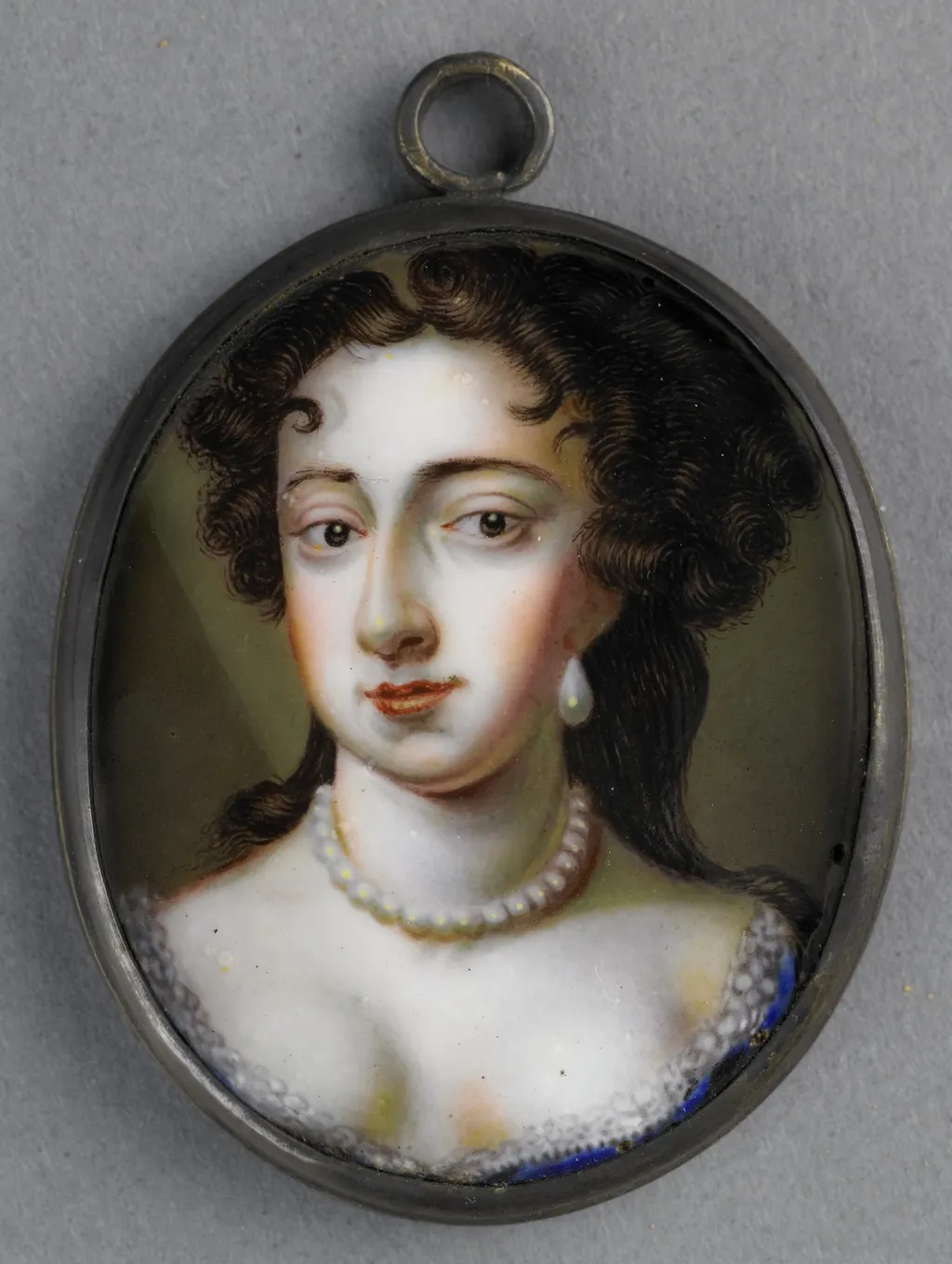
Mary II Stuart is a copper painting by the Rococo painting artist Charles Boit. It dates from 1708 and is held in the collection of the Rijksmuseum.
About this work
Subject & Meaning
As a posthumous image, the work likely served commemorative and propagandistic purposes, reinforcing her legacy after her death in 1694.
The painting depicts Mary II of England, shown as a three-quarter-length figure in a formal portrait. She wears regal attire, including a dark dress with lace detailing and a pearl-trimmed stomacher, conveying her status as queen. The copper support and miniature technique used by Charles Boit emphasize the work’s intimate scale and refined execution, aligning with portrait practices of the early eighteenth century.
The portrait’s composition and regalia underscore Mary II’s political authority and dynastic role within the Stuart monarchy. As a posthumous image, the work likely served commemorative and propagandistic purposes, reinforcing her legacy after her death in 1694.
Technique & Style
The painting is executed on a copper support using casein paint, a medium noted for its matte finish and durability. The work measures 3.2 cm in height and 2.7 cm in width, reflecting the modest scale typical of 18th‑century portrait miniatures. Fine brushwork defines the facial features and drapery, showcasing a restrained, naturalistic style that emphasizes clarity of line and subtle tonal modeling.
The surface exhibits a smooth handling characteristic of the artist's technique, with minimal craquelure suggesting good preservation. These formal qualities contribute to the portrait's elegant yet intimate presentation, aligning with the decorative trends of the Dutch Golden Age.
History & Provenance
The painting Mary II Stuart by Charles Boit is part of the Rijksmuseum's collection in Amsterdam, listed under inventory number SK-A-1476. It has been featured in exhibitions at the Rijksmuseum, including a 2019 showcase of Dutch portraiture. The work was created in 1708 using copper as its support and measures 320 cm by 270 cm.
The painting is classified as a portrait and was made using casein paint on copper.
It was accessioned into the Rijksmuseum collection in 1880.
Overview
Charles Boit’s enamel portrait of Mary II, created in 1708, is executed on a copper plate using vitreous enamel. The work belongs to the early‑18th‑century Rococo period and is part of the Rijksmuseum’s collection.
Context
The portrait reflects the political climate of the late 1600s, when Mary II’s joint rule with William III symbolized the constitutional settlement of the Glorious Revolution. Enamel portraiture, popular among aristocratic patrons, offered a luminous alternative to oil, aligning with the Rococo taste for refined elegance.
Own this work as a print
Artist & collection
Artist
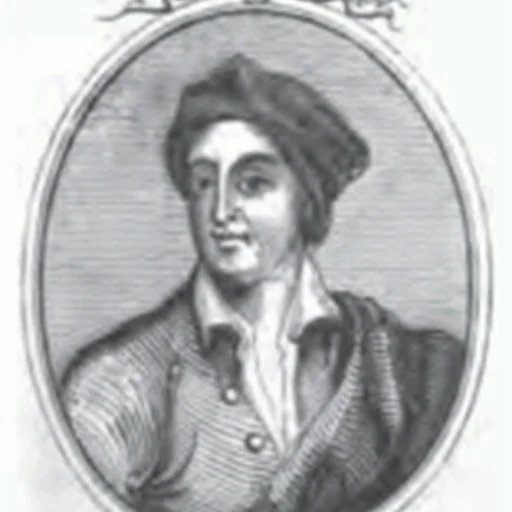
Charles Boit (10 August 1662, in Stockholm – 6 February 1727, in Paris) was a Swedish painter in vitreous enamels who mostly worked in England, Austria and France.

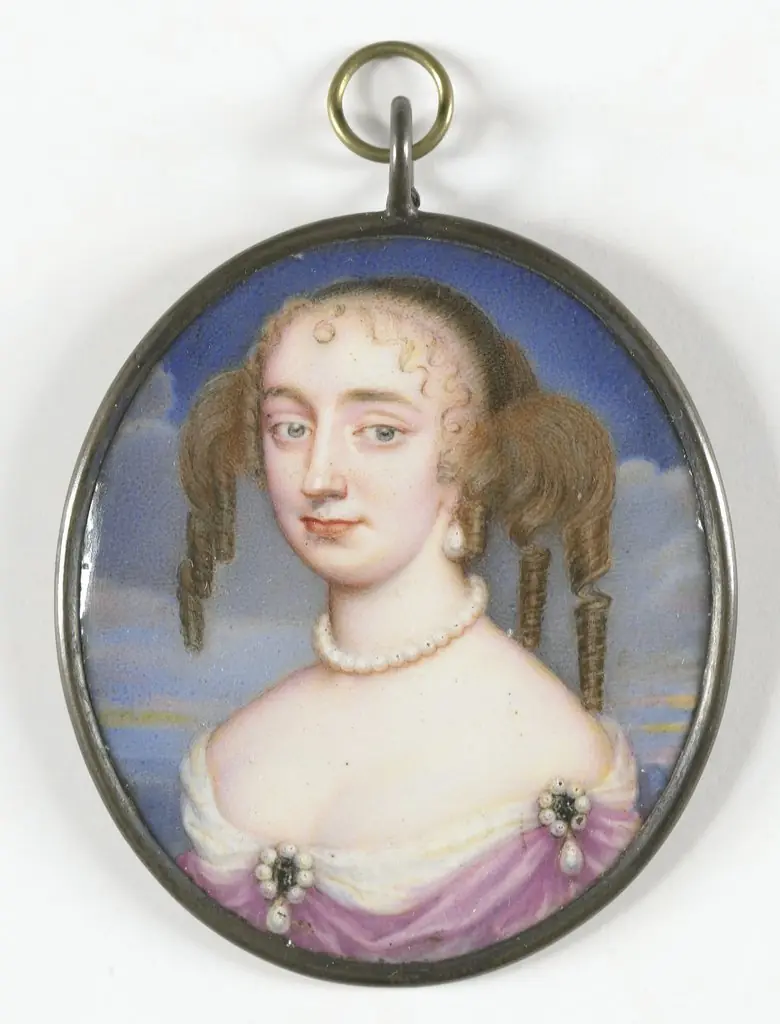 Portrait of a woman, possibly Anne Hyde, first wife of James II of England
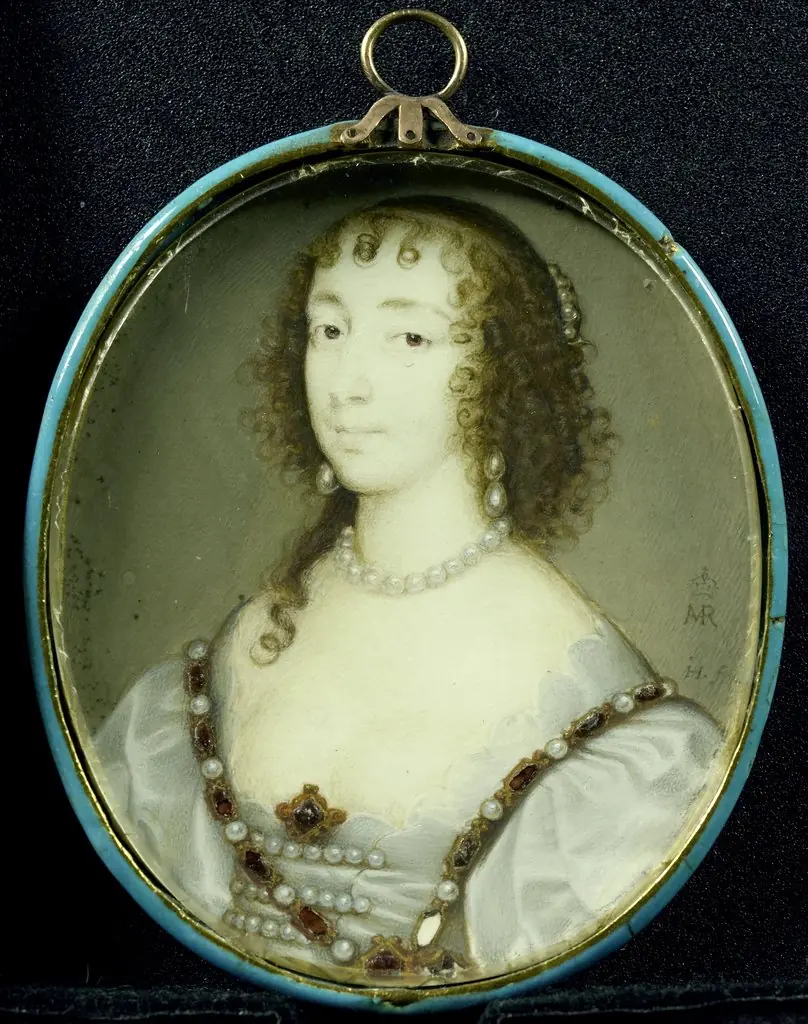 Portrait of Henriëtte Maria of France (1609-1669), wife of Charles I of England
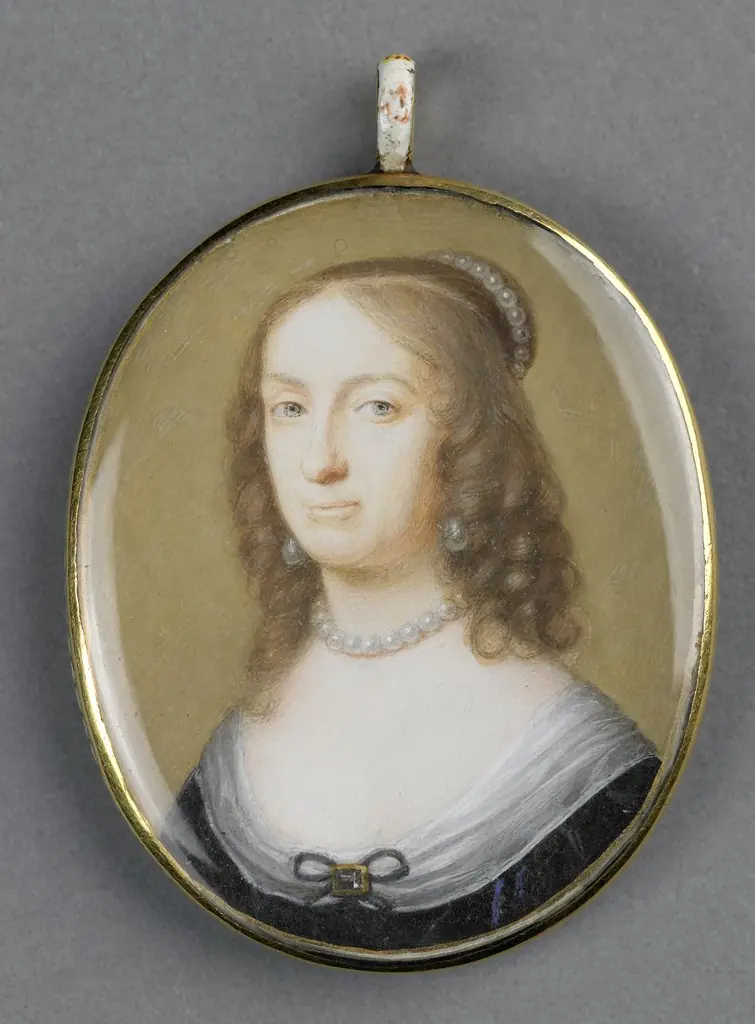 Portrait of Elizabeth, widow of Frederick V of the Palatinate
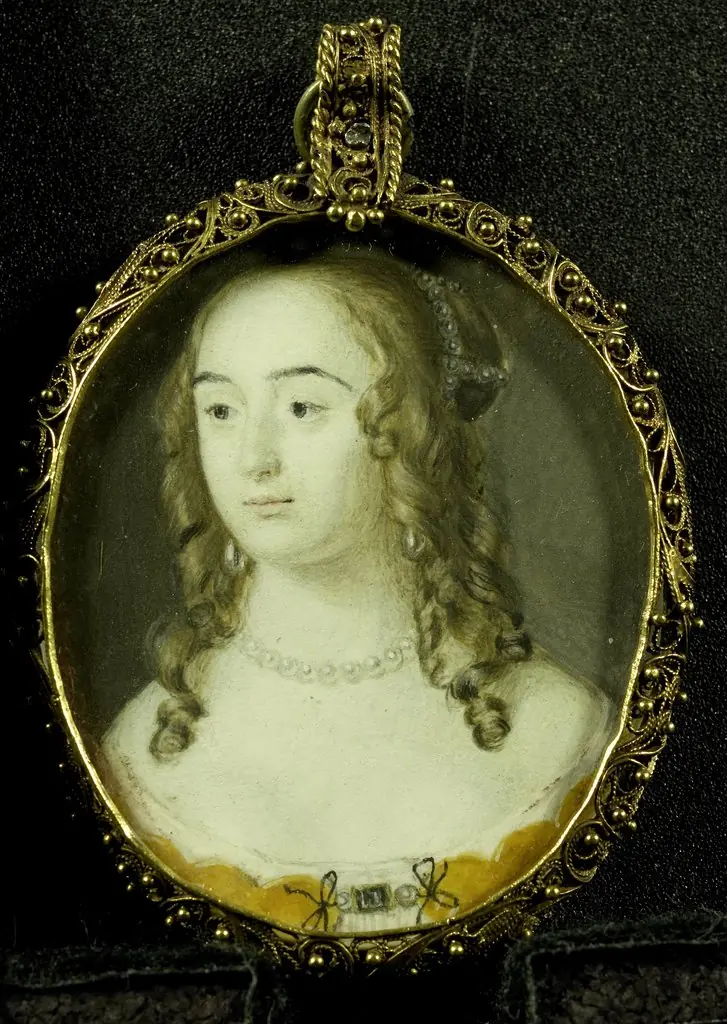 Henriette Marie (1626–51) of Paltz, daughter of Frederick V, King of Bohemia, nicknamed the 'Winter King'.
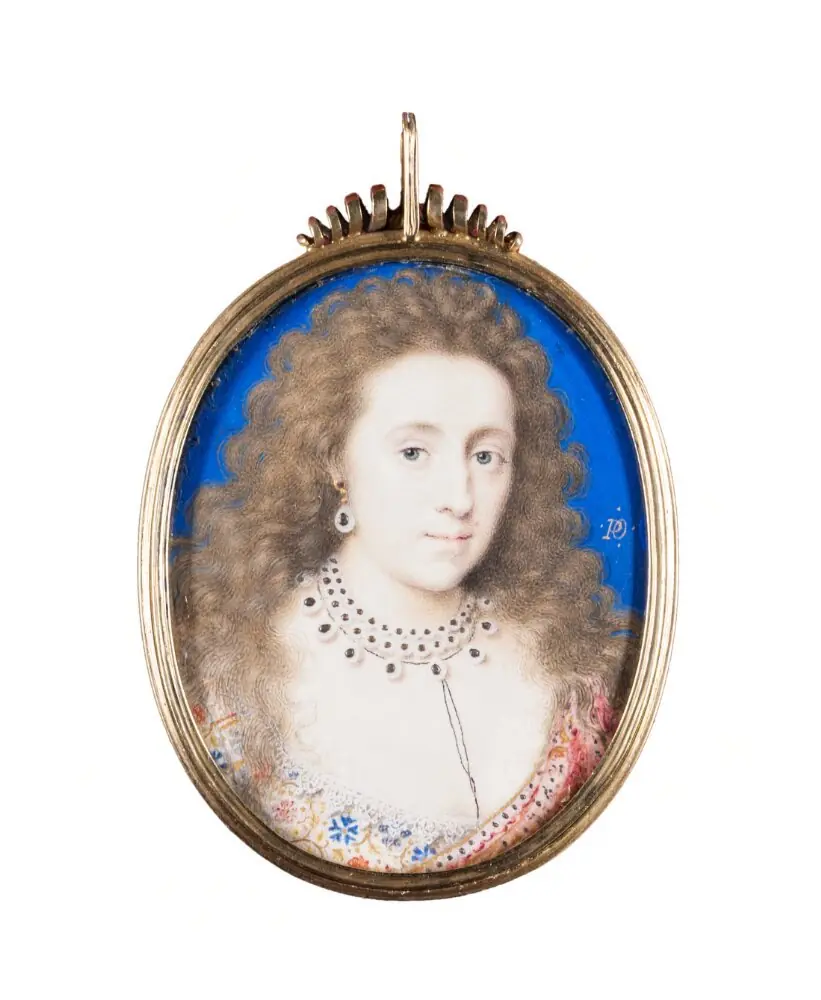 Lady Arabella Stuart
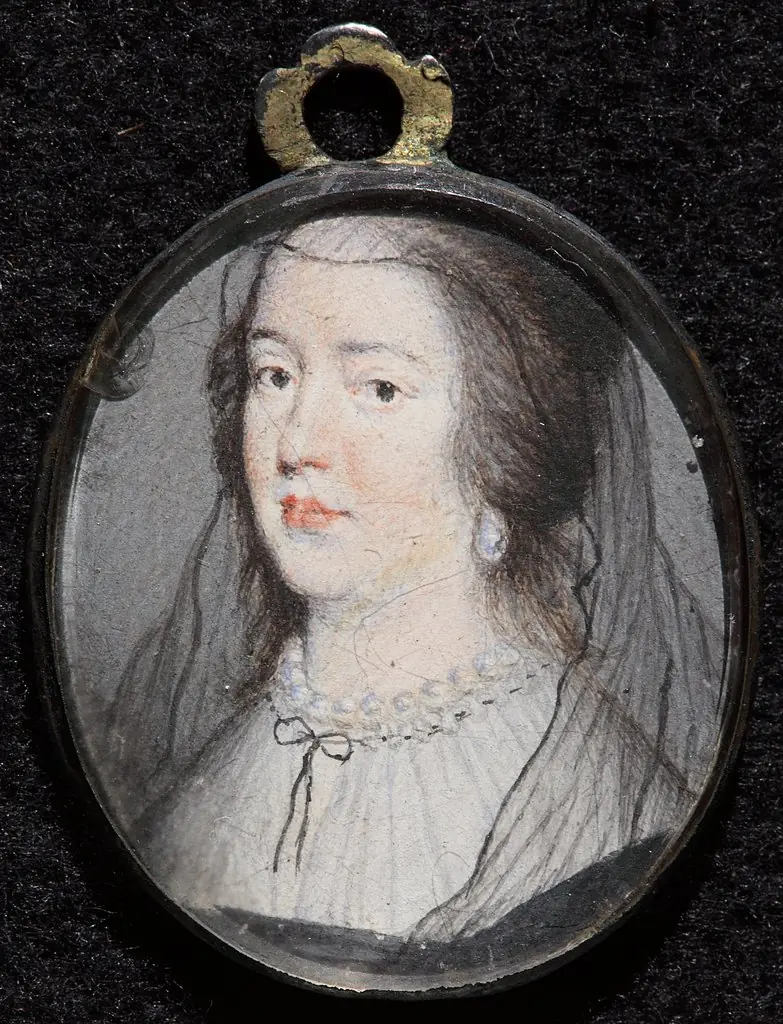 Amalie of Solms (1602-1675)
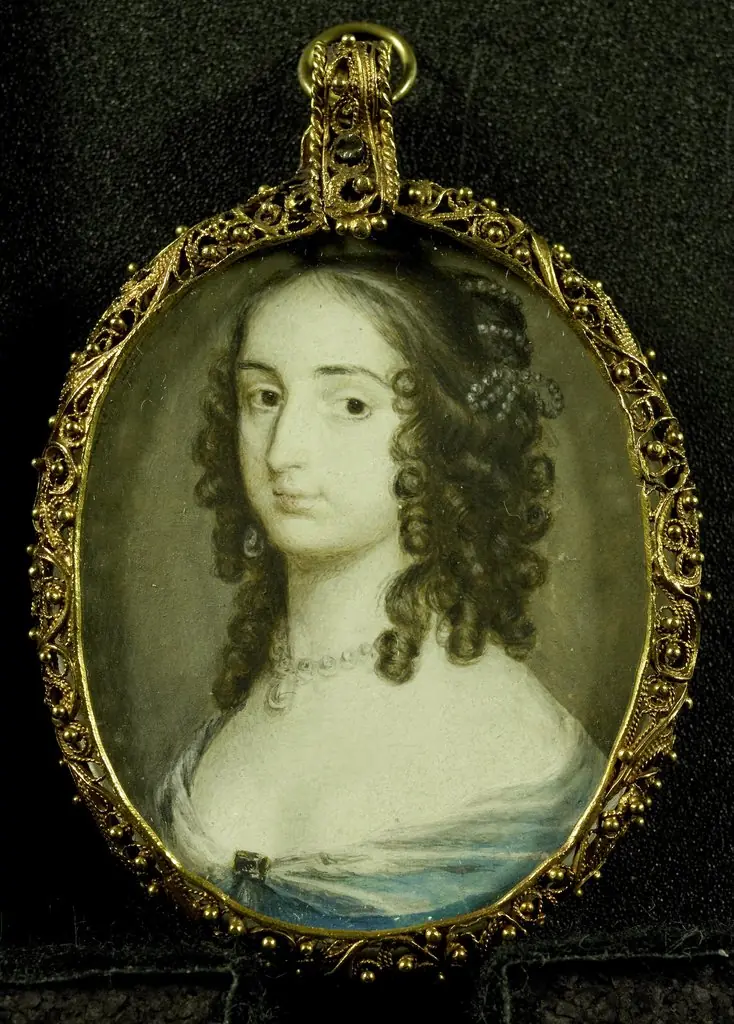 Portrait of Elisabeth of the Palatinate
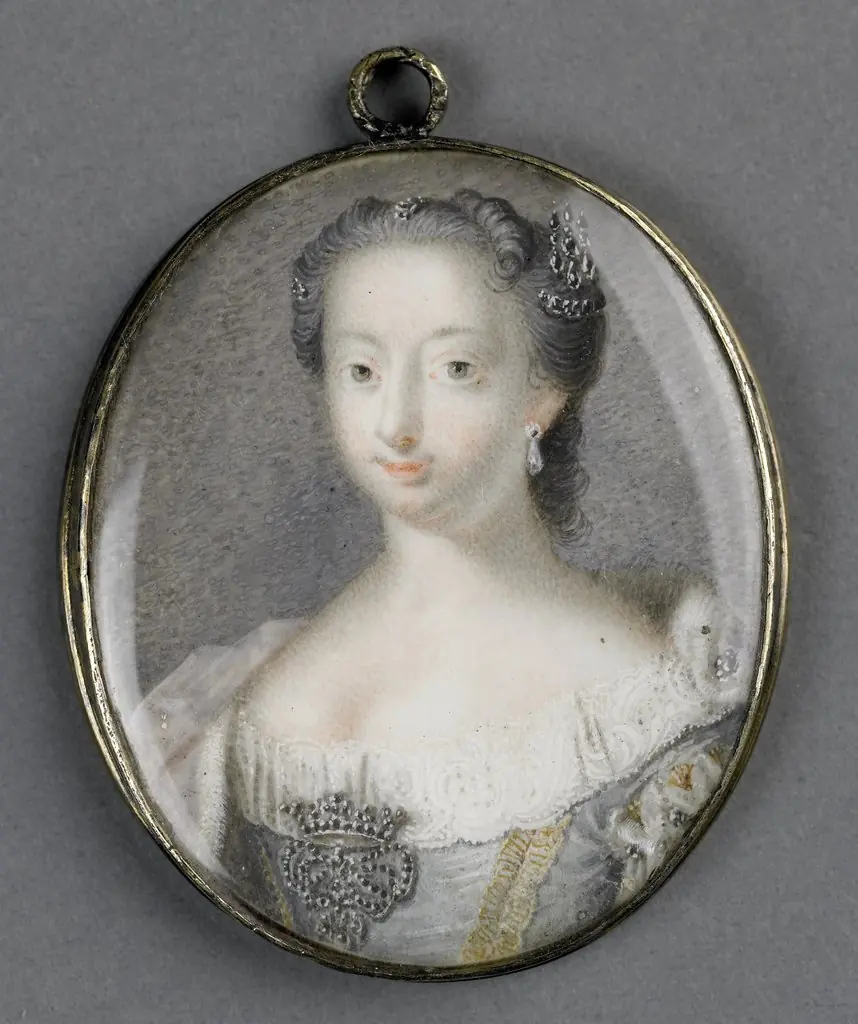 Anna Hanover (1709-59). Wife of Prince William IV
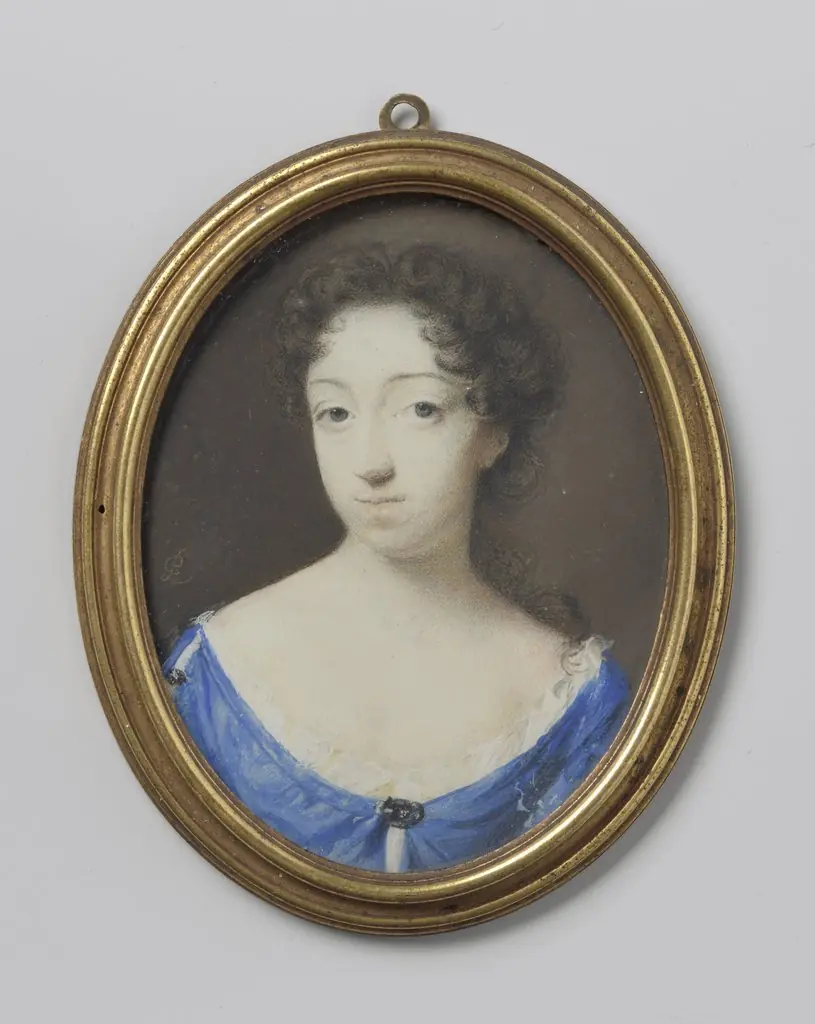 Portrait of a woman
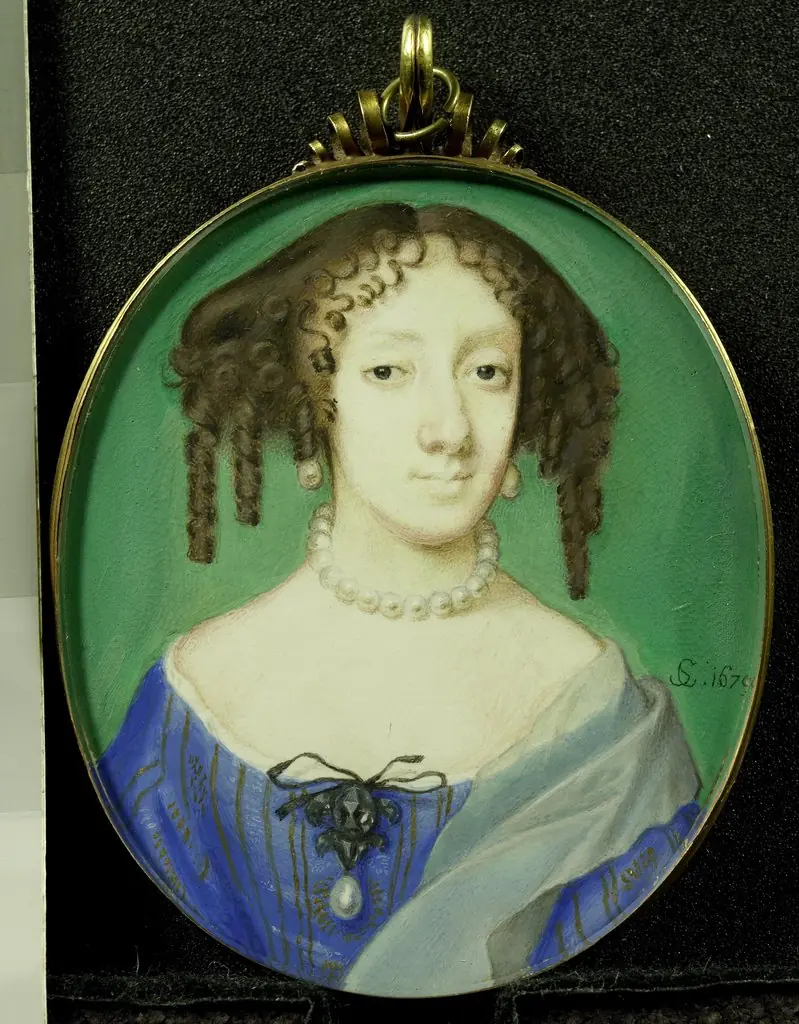 Henrietta, hertogin van Orléans
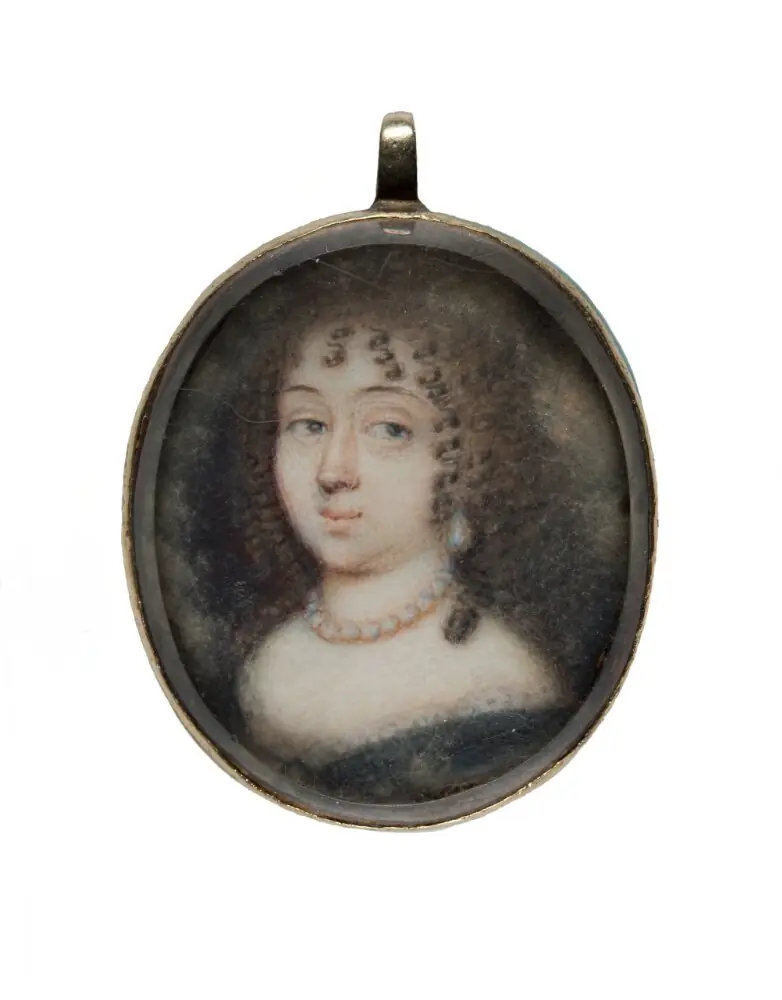 Unknown woman
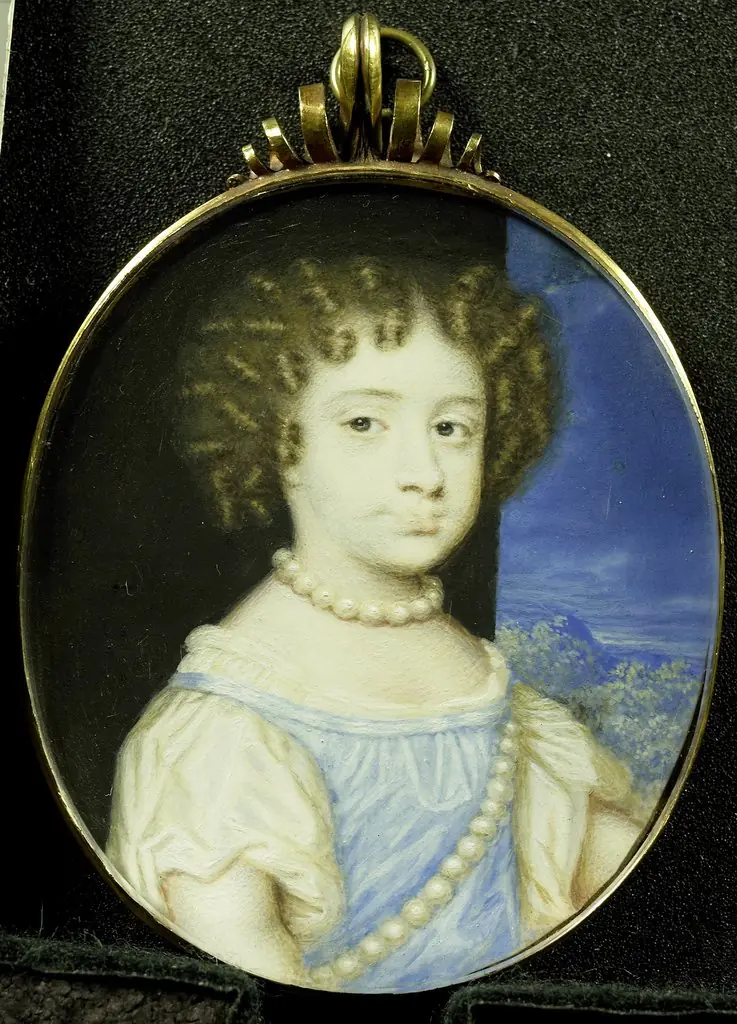
- Portrait of Mary II Stuart (1662-1695)