Artwork
Charles Emmanuel II, Duke of Savoy, and his family
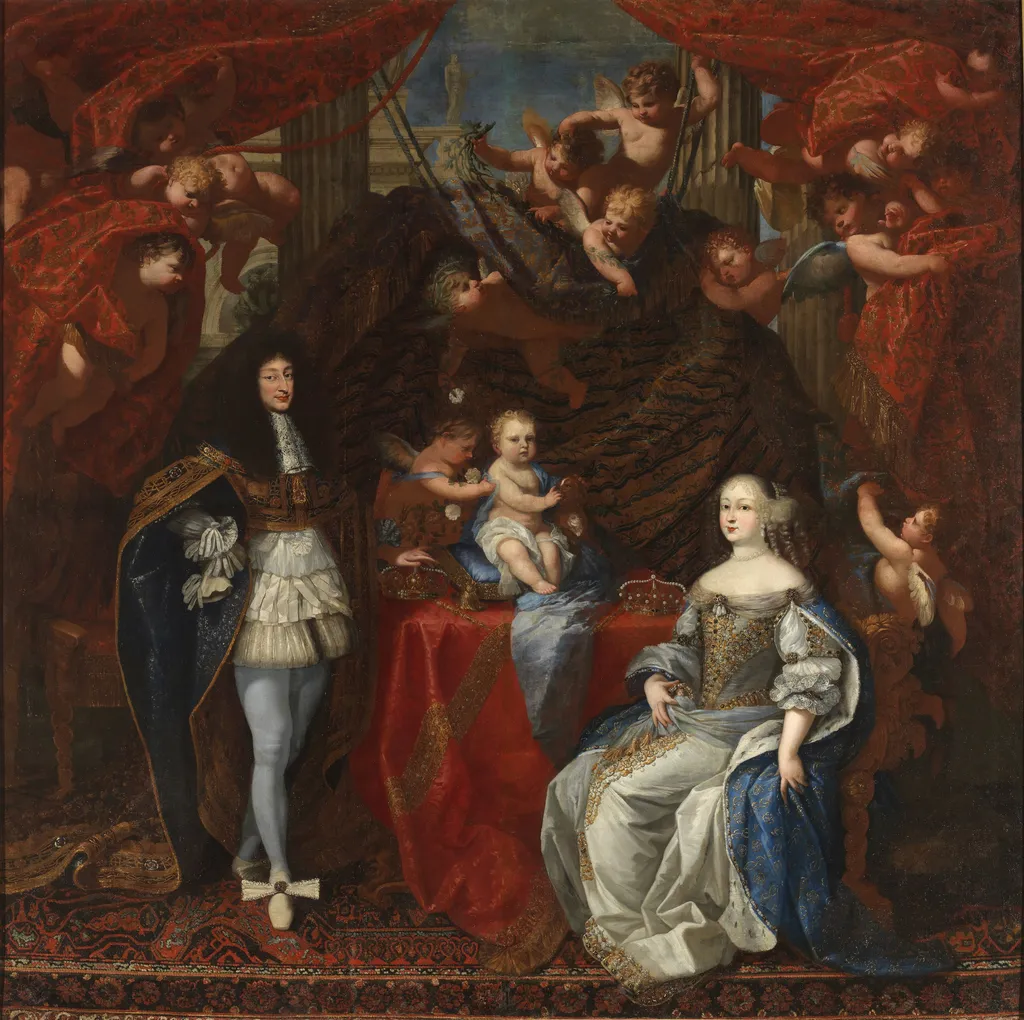
Charles Emmanuel II, Duke of Savoy, and his family is an oil painting by the Barbizon school artist Charles Dauphin. It dates from 1666 and is held in the collection of the Museo del Prado.
About this work
Subject & Meaning
A crown is included among the elements portrayed, signaling royal sovereignty and reinforcing the dynastic message.
The painting is a dynastic group portrait centered on Charles Emmanuel II, Duke of Savoy, shown with his family. The composition depicts Charles Emmanuel II together with his wife Marie Jeanne of Savoy and their son Victor Amadeus II, presenting the ruling House of Savoy and its line of succession. A crown is included among the elements portrayed, signaling royal sovereignty and reinforcing the dynastic message.
By combining the reigning duke, his wife, and the heir apparent with the regalia of monarchy, the image functions as a formal statement of legitimate authority and continuity within the Savoyard ruling house.
Technique & Style
Executed in 1666 by Charles Dauphin, this large-scale group portrait is rendered in oil on canvas. The work measures 299 cm in height and 300 cm in width, creating a nearly square composition that accommodates multiple figures within a single frame. As a formal dynastic portrait it depicts Charles Emmanuel II of Savoy alongside his family, including Marie Jeanne of Savoy and Victor Amadeus II.
The inclusion of regalia, specifically a crown, underscores the painting's function as a statement of royal authority and lineage. The medium and substantial dimensions are characteristic of grand state portraiture intended for prominent display.
History & Provenance
Charles Emmanuel II, Duke of Savoy, and his family is an oil-on-canvas painting by Charles Dauphin dated 1666. The work entered the collection of the Museo del Prado, where it remains held.
Context
The critical reception of Charles Emmanuel II, Duke of Savoy, and his family by Charles Dauphin was confined to elite court circles in 17th-century Italy, where such portraits functioned as instruments of dynastic propaganda rather than independent artistic statements. Contemporary scholarship identifies the work as emblematic of Northern Baroque portraiture’s emphasis on aristocratic authority, situating it within the broader tradition of Savoyard self-representation that paralleled but competed with Spanish Habsburg visual culture. The painting’s compositional strategies reflect the influence of regional workshops in Rome while anticipating the tighter psychological realism characteristic of later European court portraiture.
Its inclusion in the Museo del Prado’s collection since the early 20th century underscores its recognized significance as a representative example of Genoese aristocratic portraiture during the height of Savoyard political ambition.
Overview
Charles Dauphin’s 1666 oil painting presents the Duke of Savoy, Charles Emmanuel II, together with his wife Marie‑Jeanne and their infant son Victor Amadeus II. The composition places the royal trio in the foreground, flanked by decorative cherubs and a regal crown that underscores the duke’s sovereign status.
Own this work as a print
Artist & collection
Artist
Charles Claude Dauphin or Dofin, called in Italian Delfino (1615/1620 – 1677), was a French painter of historical subjects and portraits. He was born in the duchy of Lorraine and lived most of his adult life in the Savoyard state.

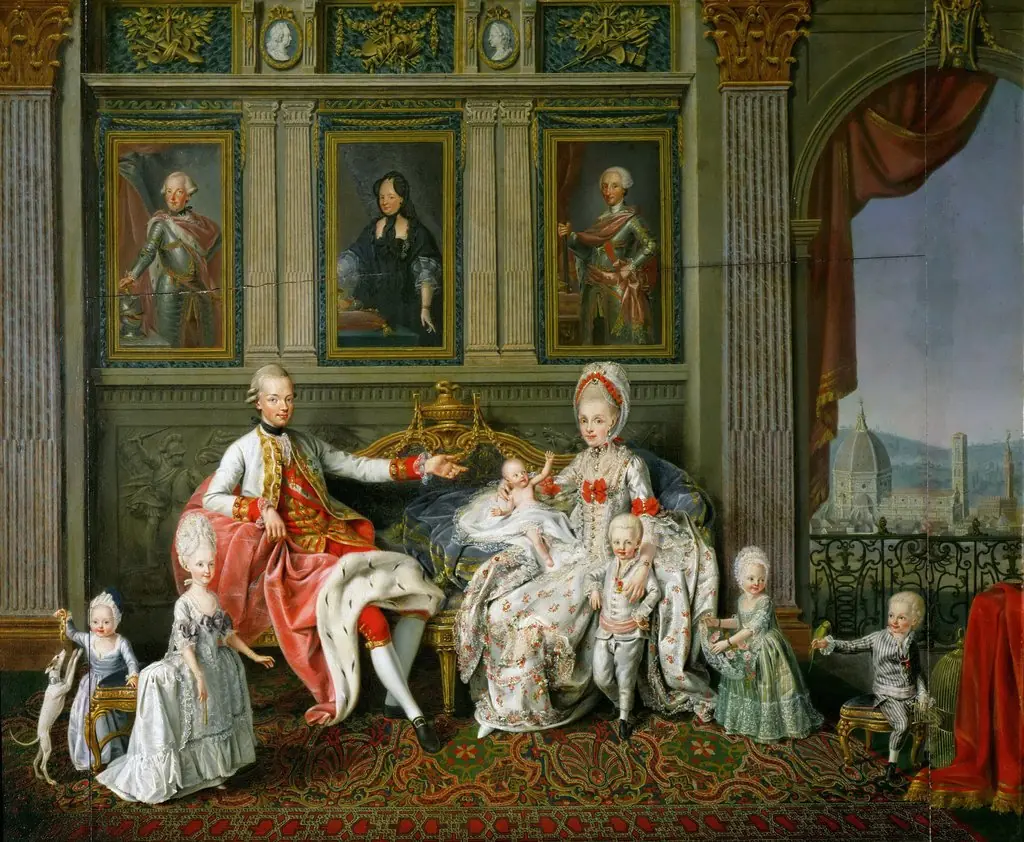
- Grand Duke Leopold with his family (Emperor Leopold II, 1747-1792)
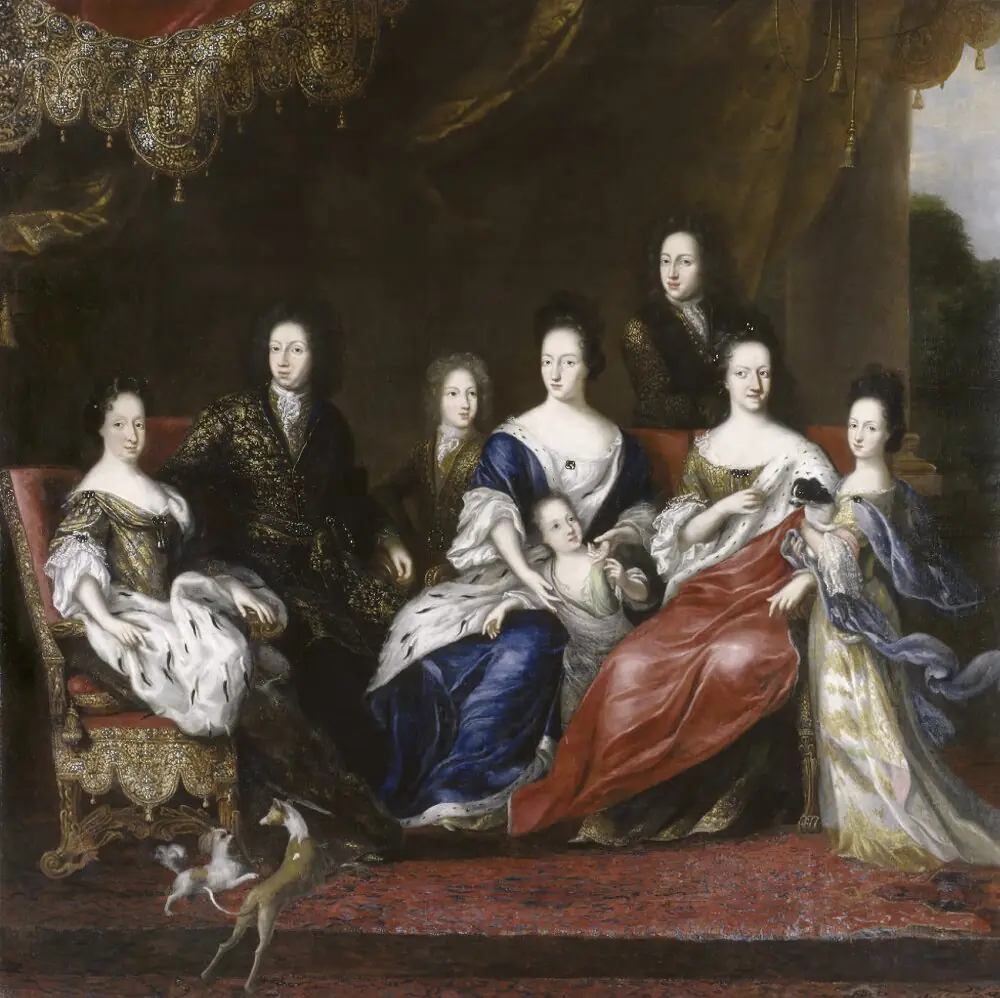 Karl XI konung av Sverige med familj
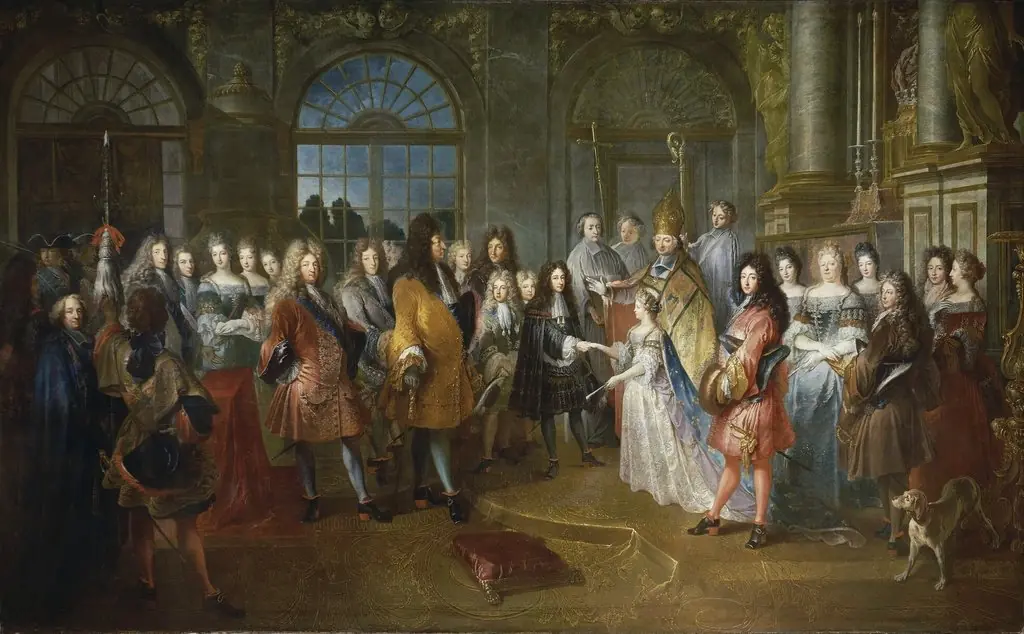 Mariage de Louis de France, duc de Bourgogne et de Marie-Adélaïde de Savoie, 7 décembre 1697
 Kong Christian V med familie
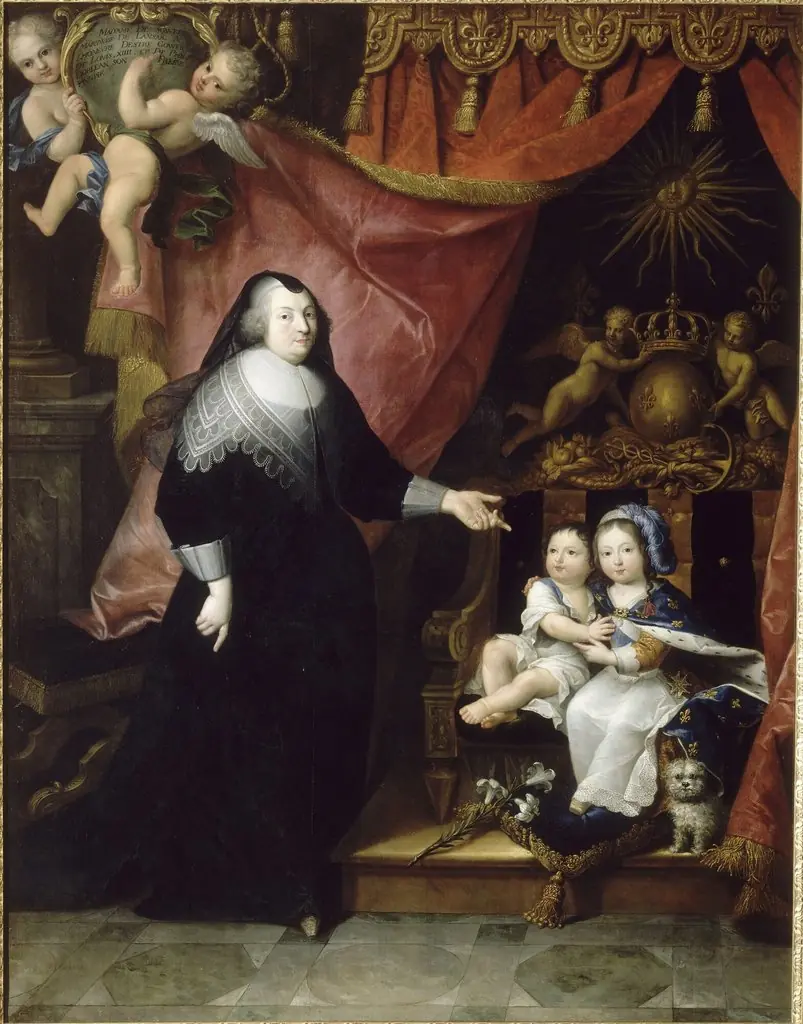 The young Louis XIV with his brother Philippe and his governess Françoise de Souvré, marquise de Lansac
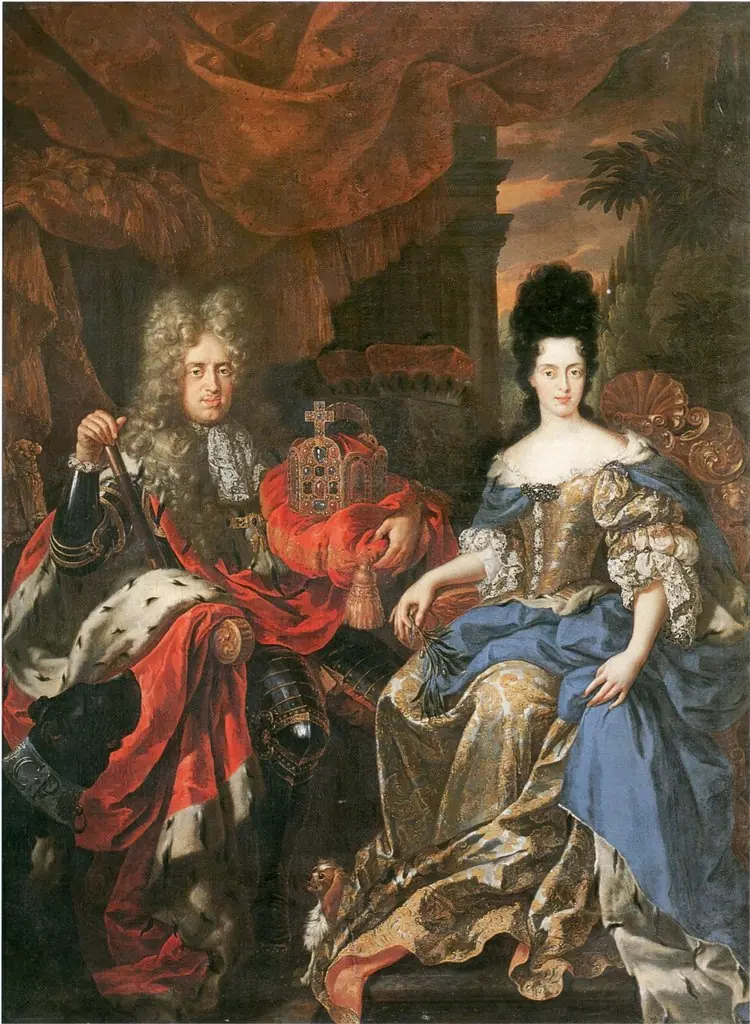 Double portrait of Johann Wilhelm von der Pfalz and Anna Maria Luisa de' Medici
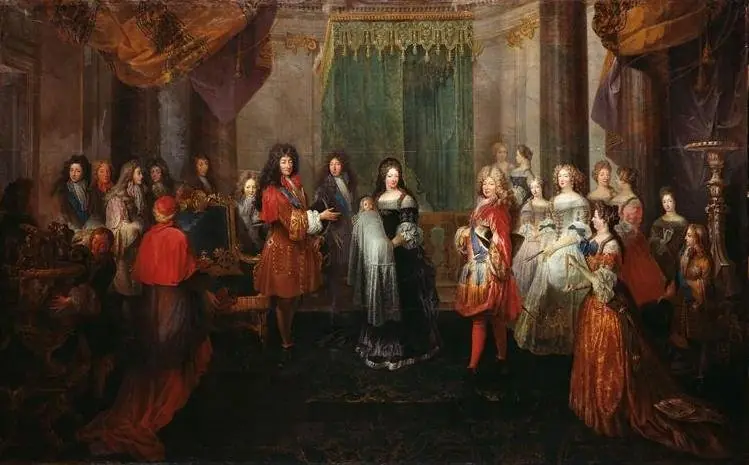 The Birth of the Duke of Burgundy
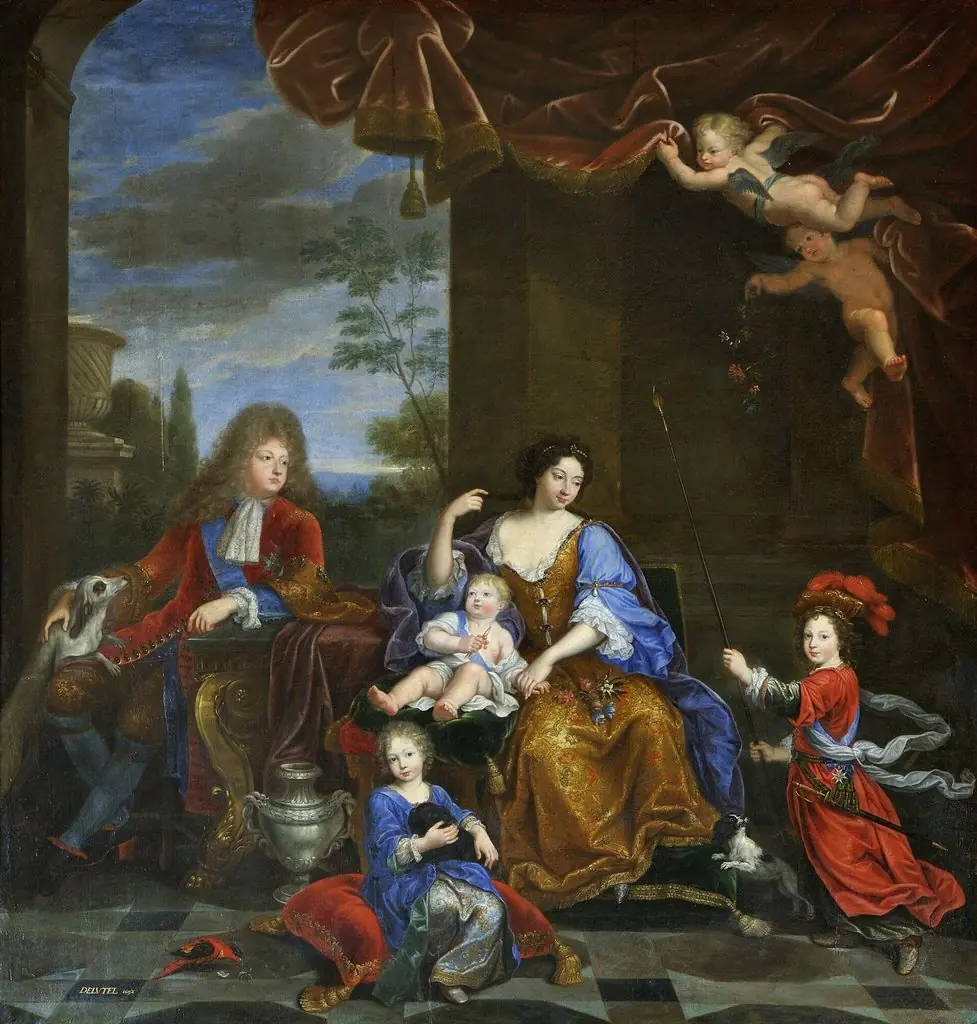 The family of the Grand Dauphin
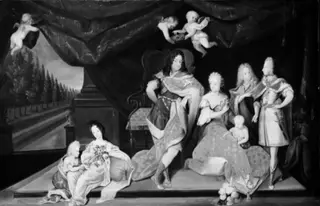 Kong Christian V med familie
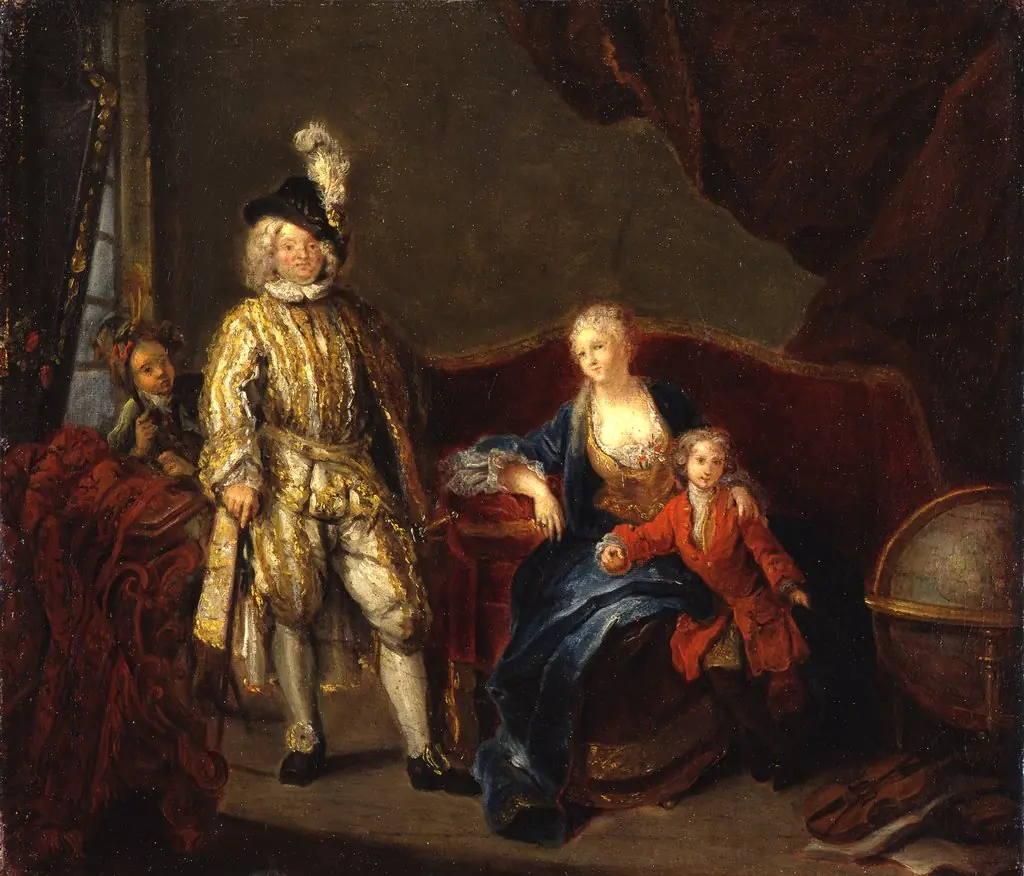 The Captain of the Swiss Guard von Erlach with his Family
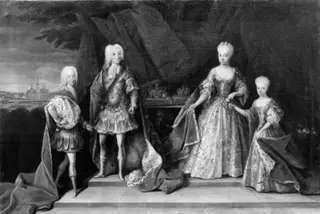 Kong Frederik IV med familie
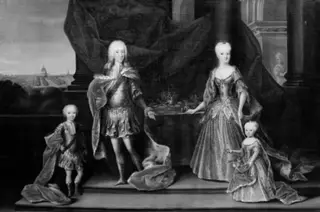 Kong Christian VI med familie