Artwork
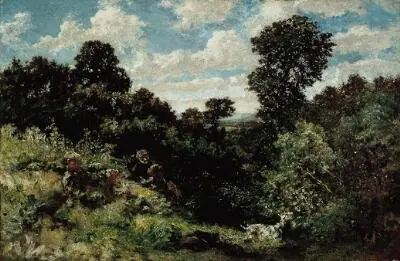
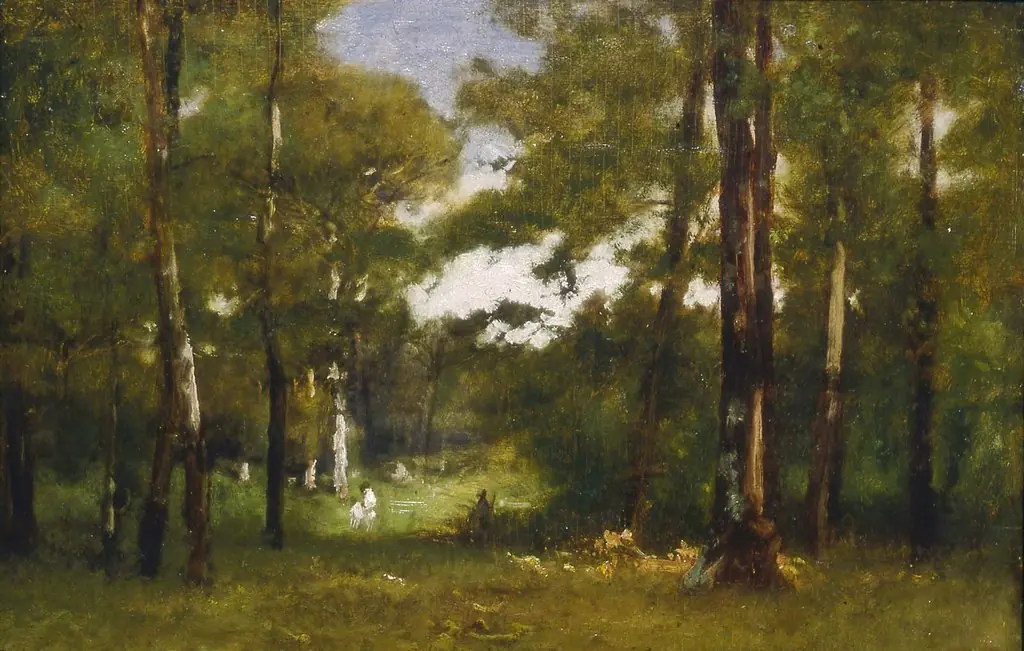
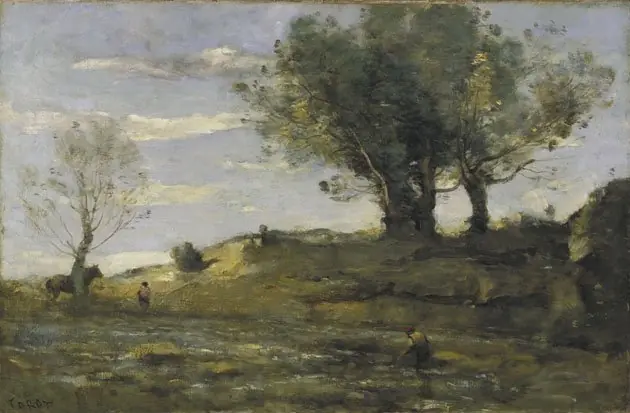
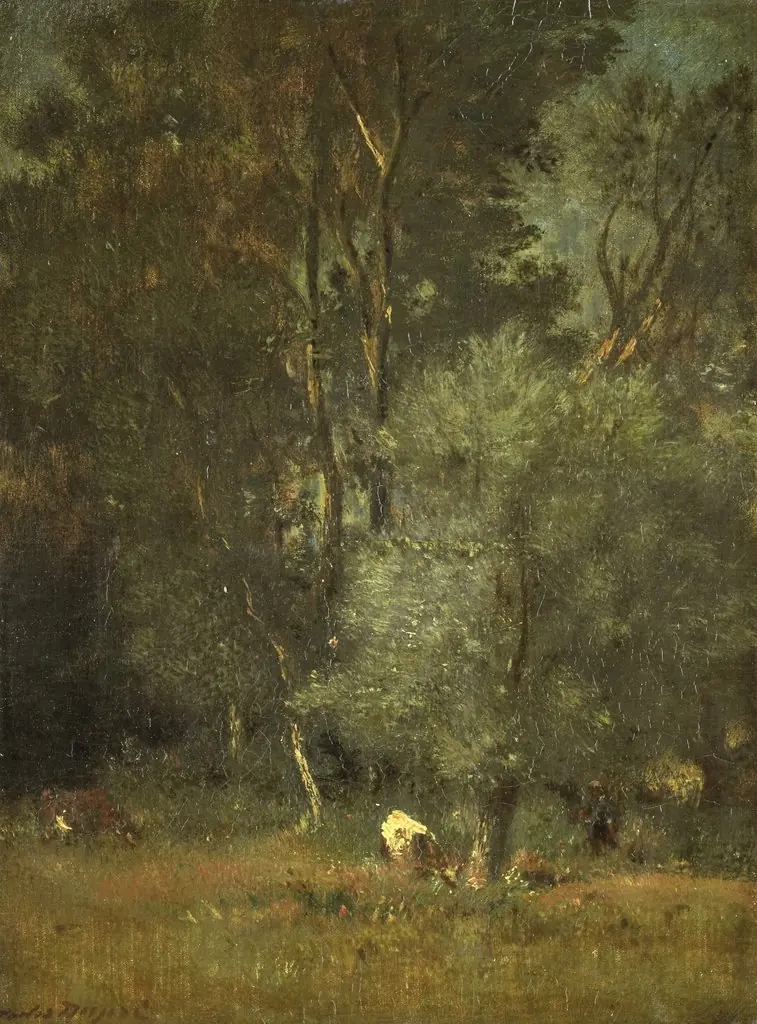
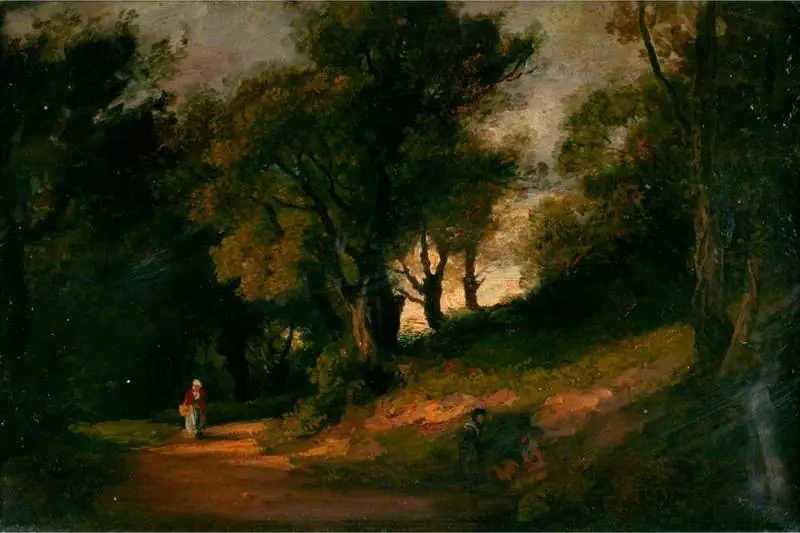
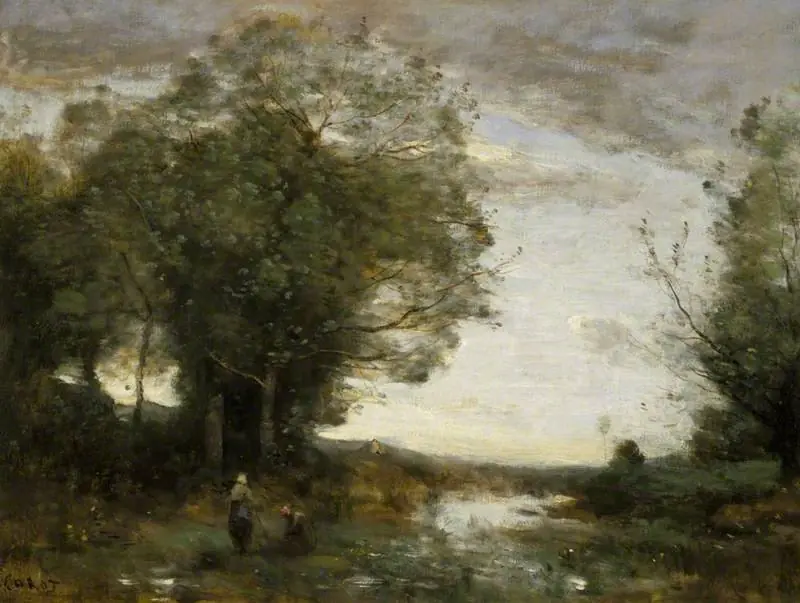
Landscape with Figures seated on a Bank
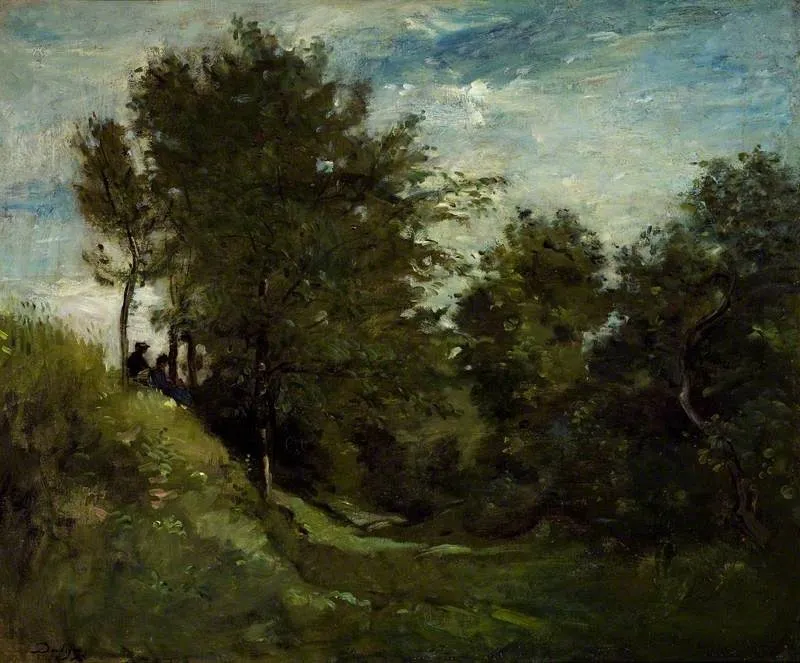
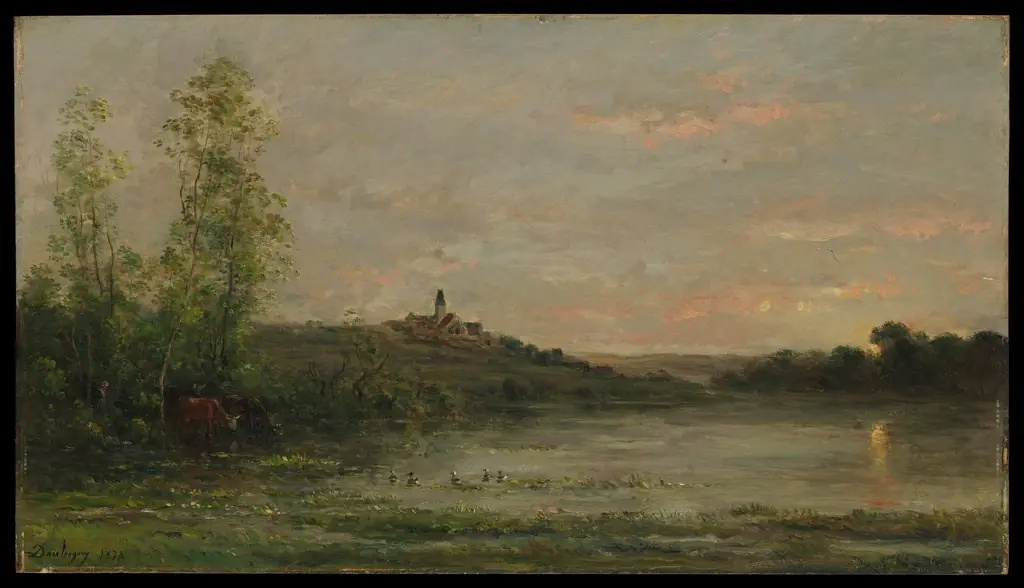
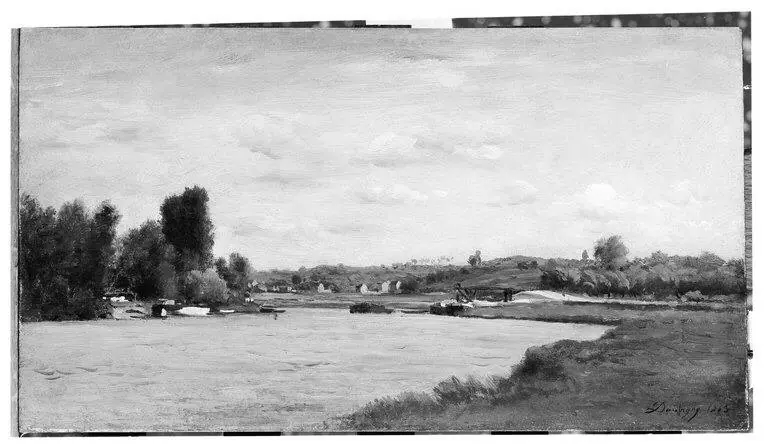
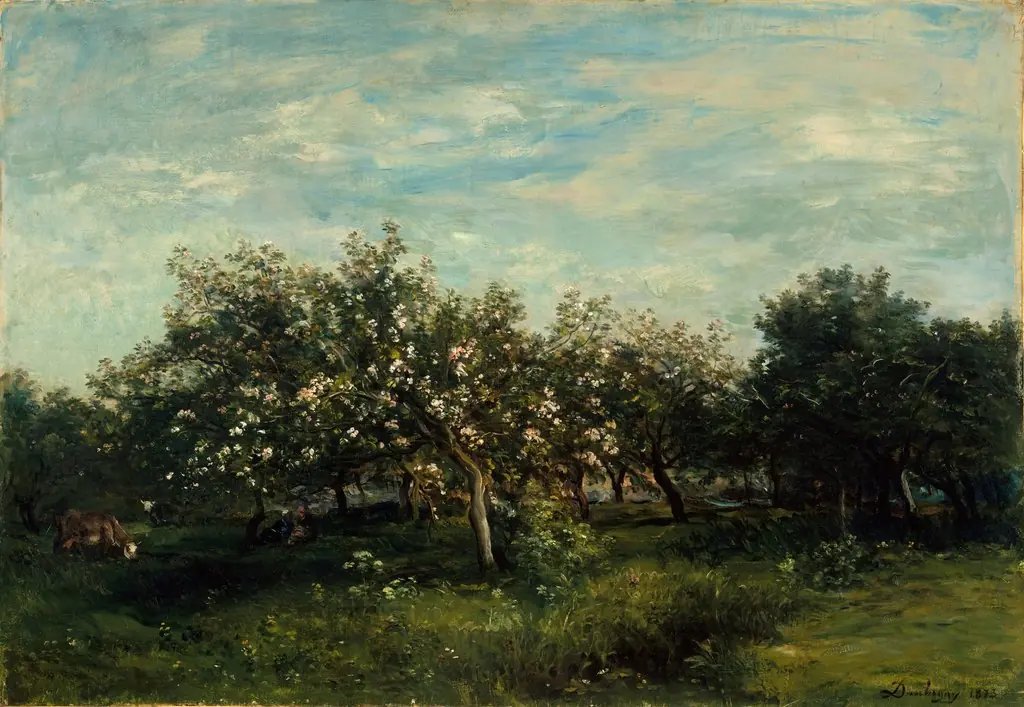
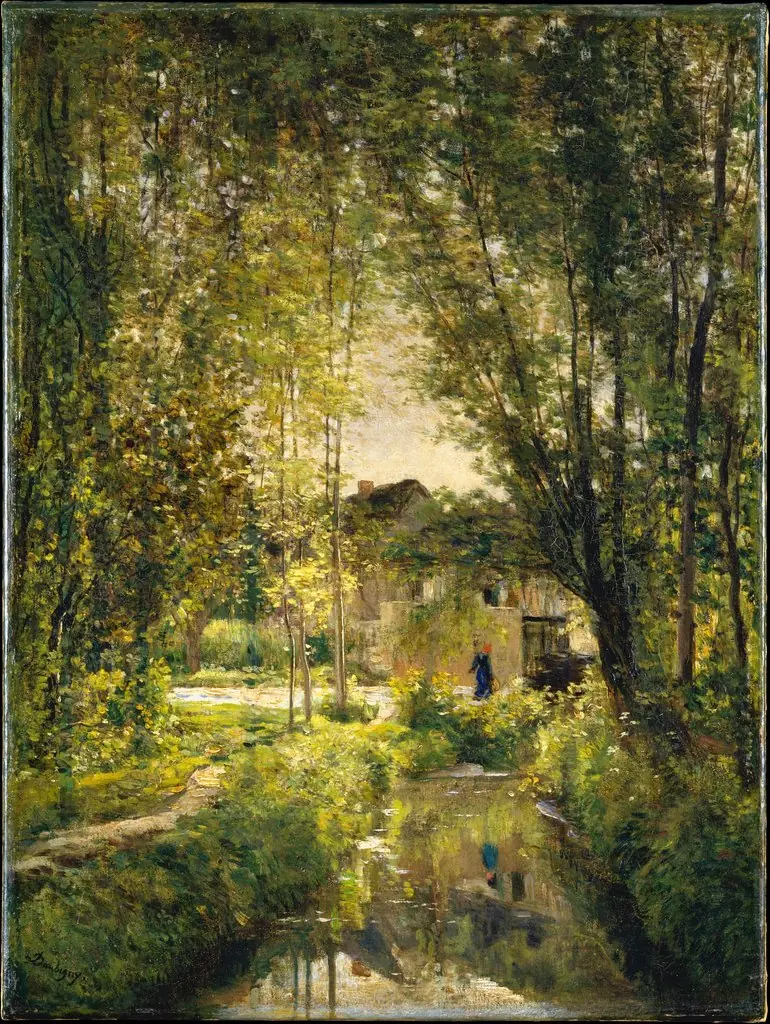
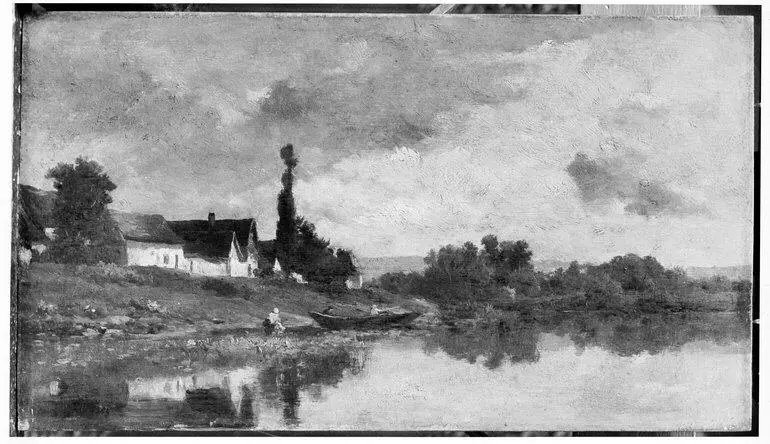
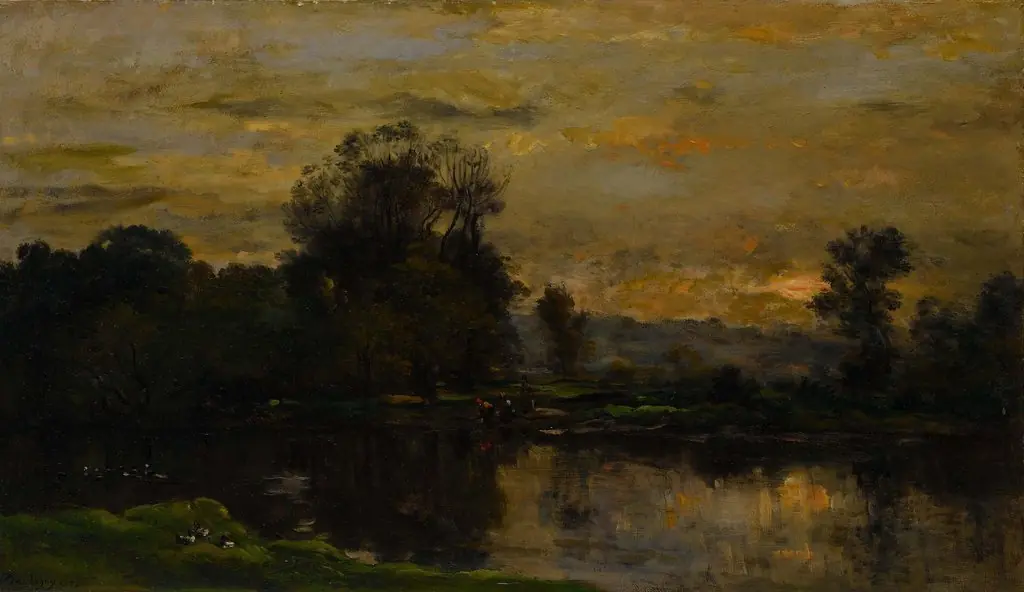
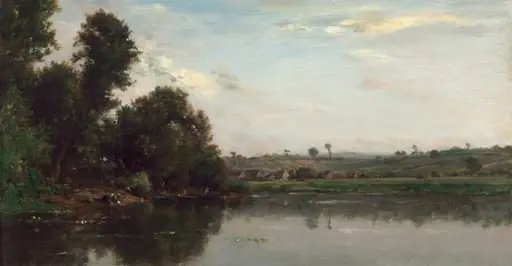
Landscape with Figures seated on a Bank is an oil painting by the Plein Air artist Charles François Daubigny. It is held in the collection of the Ashmolean Museum. Painted in 1890 by Charles-François Daubigny, this oil-on-canvas work captures a quiet riverside scene with seated figures.
About this work
Overview
The composition reflects his lifelong commitment to landscape as a subject in its own right, free from narrative or idealization.
Painted in 1890 by Charles-François Daubigny, this oil-on-canvas work captures a quiet riverside scene with seated figures. Daubigny, a key figure in the Barbizon school, favored outdoor painting to record nature directly. The composition reflects his lifelong commitment to landscape as a subject in its own right, free from narrative or idealization. Its calm atmosphere and unembellished setting align with the plein air ethos of the time.
Subject & Meaning
The painting shows a small group of people resting along a riverbank, their postures relaxed and unposed. They are not the focus but integrated into the environment, suggesting harmony between humans and nature. Daubigny avoids storytelling or moralizing; instead, he presents an ordinary moment of stillness. The figures’ anonymity reinforces the painting’s emphasis on atmosphere over individual identity.
Technique & Style
Daubigny applied oil paint with loose, textured brushwork, particularly in the foreground grasses and foliage, creating a tactile sense of natural surfaces. His palette favors muted greens, browns, and soft grays, avoiding bright contrasts. Light is rendered subtly, without dramatic chiaroscuro, allowing the scene to feel softly illuminated by natural daylight. The brushstrokes suggest movement and air, enhancing the sense of a living, breathing landscape.
History & Provenance
The painting entered the Ashmolean Museum’s collection as part of its broader acquisition of 19th-century French works. While its exact provenance before museum acquisition is not widely documented, its presence there reflects institutional recognition of Daubigny’s role in shifting landscape painting toward realism. It remains a representative example of his later period, when his style had matured into a quiet, observational mode.
Context
Created near the end of Daubigny’s career, the work emerged amid growing interest in naturalism and the decline of academic idealism. His practice of painting outdoors influenced younger artists, including the Impressionists, who would later expand his methods. Unlike contemporaries who emphasized dramatic lighting or emotional intensity, Daubigny sought quiet authenticity, aligning his work with broader European trends toward direct observation.
Legacy
Daubigny’s approach to landscape, as seen in this painting, helped pave the way for Impressionist techniques by prioritizing light, atmosphere, and direct observation over studio composition. Though less celebrated than his successors, his consistent focus on unidealized nature contributed to a fundamental shift in how landscape was perceived and painted. His works, including this one, remain touchstones for understanding the transition from Barbizon to modern painting.
Artist & collection
Artist
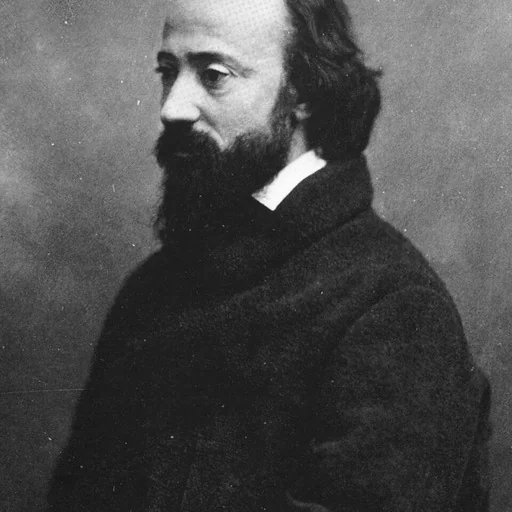
Charles-François Daubigny ( DOH-bin-yee, US: DOH-been-YEE, doh-BEEN-yee, French:; 15 February 1817 – 19 February 1878) was a French painter, one of the members of the Barbizon school, and is considered an important precursor of…